8 Plants to Deadhead in August for More Blooms
Learn which plants to deadhead in August, where to cut zinnias, roses, dahlias, and more, and which seedheads you should leave for birds.
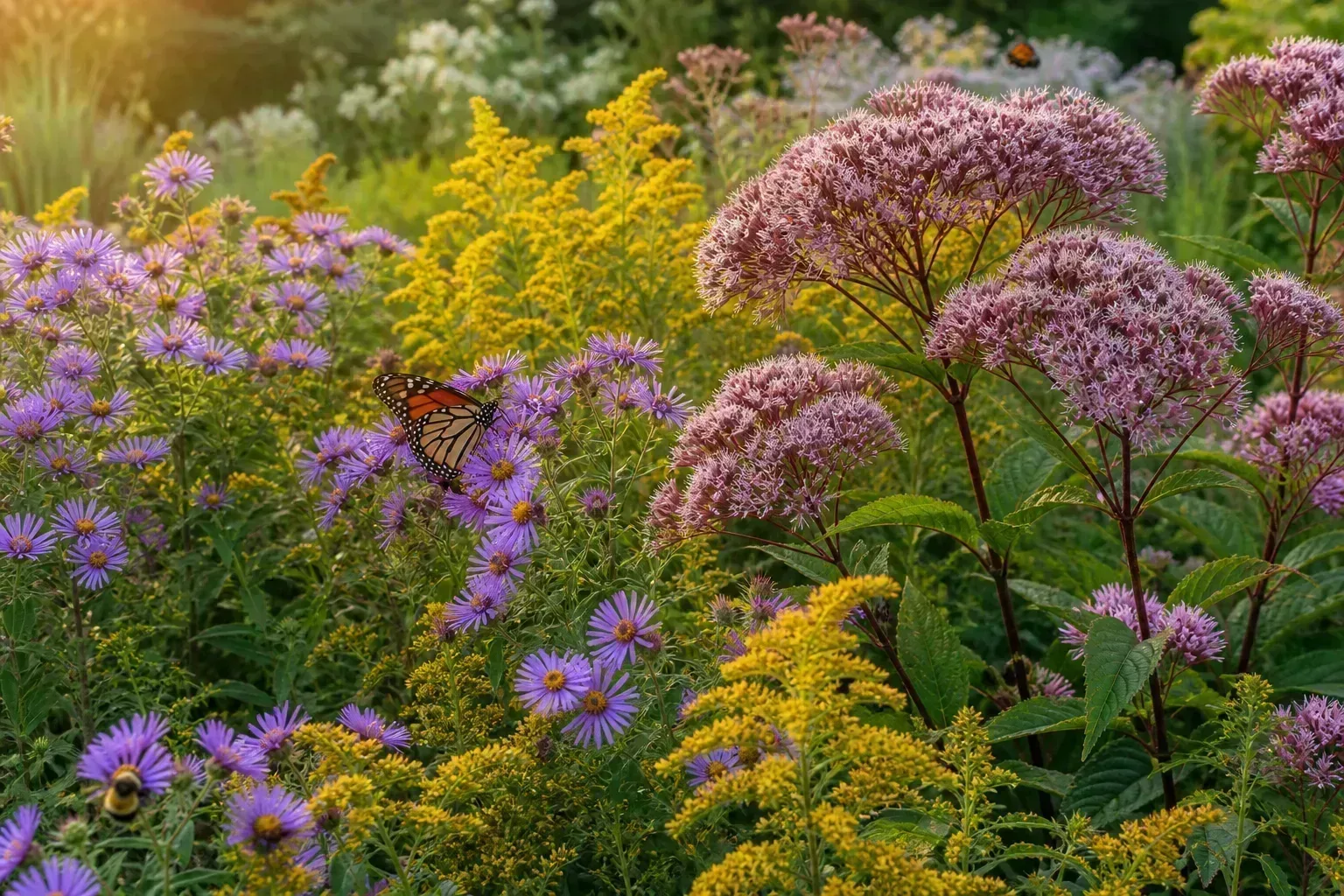
August is not a month to deadhead everything on autopilot. It is a useful checkpoint: some annuals are still capable of making a fresh flush of flowers, while some perennials are beginning to trade blooms for seed, bird food, and winter structure.
The right cut removes a fading flower before it becomes a mature seedhead, but leaves enough green stem and foliage to support the next buds. The wrong cut removes a live bud, shears a heat-stressed plant, or takes away a seedhead you actually wanted. The Royal Horticultural Society’s deadheading guide recommends removing flowers as soon as they start to look scruffy, while Kansas State University Extension notes that annuals can direct more resources toward flowering when old blooms are removed instead of left to develop seed.
Here are the eight plants I would put at the top of an August walk-through, followed by the exceptions that make deadheading a choice rather than a rule.
Why August deadheading works—but not for every plant
Deadheading interrupts seed set, not plant stress
Deadheading means removing a fading flower and its stalk. The practical goal is to interrupt the flower’s transition into seed production, which can help a plant keep producing flowers or make another flush. It also improves the appearance of containers and beds and can reduce unwanted self-seeding. Fine Gardening describes those benefits as real but plant-dependent: deadheading extends bloom for some plants, not every plant in the garden.
It is not a fertilizer, a substitute for water, or a rescue treatment for a plant that is wilting in extreme heat. A drought-stressed zinnia may need a thorough drink and a cooler recovery period before you start making a lot of cuts. Deadheading can protect a plant’s flowering momentum, but it cannot create the light, root health, or moisture needed to make new buds.
Use the plant’s stage, not the calendar, as your cue
“August” means something different in coastal Maine, central Texas, southern India, and a high-elevation garden. Even within one yard, a container in full sun may be weeks ahead of a shaded border. Use the calendar to remind you to inspect; use the flower’s condition and the plant’s remaining growing season to decide.
If a plant is still making buds and has several weeks of suitable weather before frost or a seasonal slowdown, deadheading is likely to pay off. If nights are cooling, the plant is naturally finishing, or the seedheads are valuable to wildlife, leave some flowers. The RHS specifically recommends keeping plants that produce bird-friendly seeds, decorative seedheads, or berries, and also notes that missing a few days of deadheading will not ruin flowering performance.
The 30-second method that keeps cuts productive
Find the spent flower and follow its stem
Start with the bloom, not the leaves. A spent flower usually has faded or papery petals, a drooping head, or a center that is enlarging as the seed structure develops. Do not confuse it with a firm, rounded bud or a flower that is simply closed for the evening.
Follow the flower stalk down until you find a healthy leaf, a pair of leaves, a side shoot, or a branching point. Make the cut just above that point, leaving the node intact. If you cut immediately under the petals, you may remove the flower’s look but leave a seed-forming calyx or a bare stick that looks untidy and will not produce a useful new shoot.
Choose a pinch, cut, or light shear
Use your fingers for thin, soft stems such as petunias and marigolds. Use clean, sharp scissors or bypass pruners for thick, fibrous, or thorny stems such as dahlias and roses. A light shear can be efficient for a dense mound of small-flowered daisies after most of the display is over, but it should leave a cushion of green foliage rather than reducing the plant to bare soil.
Check the flower before every cut. If bees are actively working a cluster, move to another spent bloom or return during a cooler part of the day. Wipe pruners before moving from a visibly diseased plant to a healthy one, and discard diseased flowers and leaves rather than putting them in home compost. Deadheading is small-scale pruning, so a clean cut and a clean tool are worth the few seconds they take.
Eight plants that reward August deadheading
1. Zinnias
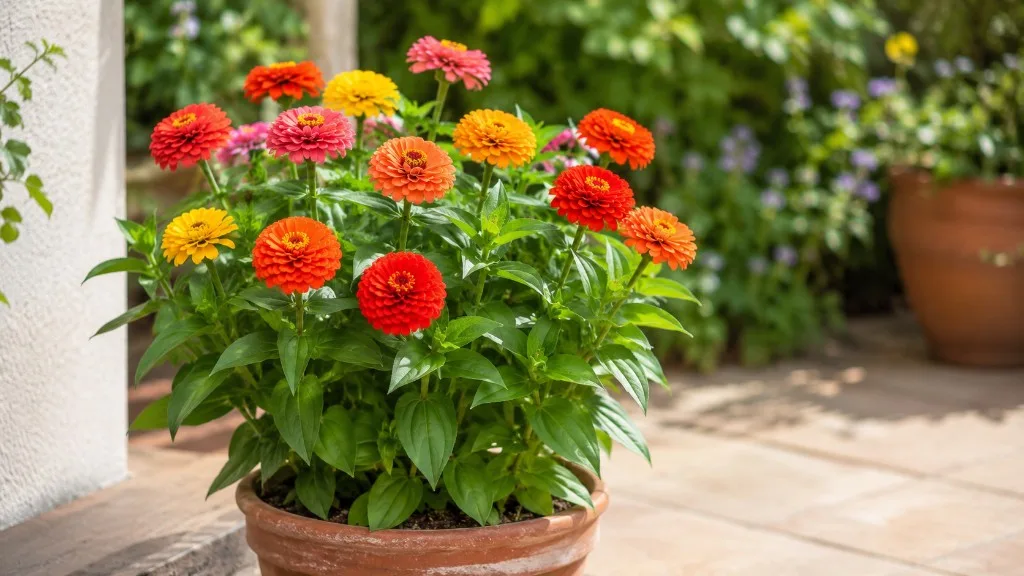
Zinnias are the clearest August “yes” because they can keep branching and flowering while warm weather lasts. The more you harvest them for a vase, the more the task resembles deadheading: remove the finished stem and the plant puts its effort into side shoots and new flowers instead of a mature seedhead.
When a zinnia bloom fades, trace its stem down to the first healthy set of leaves or a strong leaf node. Cut just above that point, rather than snapping off only the flower head. That lower cut hides inside the foliage and encourages a bushier plant. Leave nearby buds alone; zinnias often carry a mix of open flowers, half-open flowers, and tiny buds on the same branch.
In August, check zinnias about once or twice a week if you want a steady cut-flower supply. If the plant is limp at sunset, has crispy lower leaves, or is growing in bone-dry soil, water deeply and wait until it has recovered before removing more than the clearly spent blooms. Deadheading a heat-stressed plant too aggressively can turn a temporary pause into a long recovery.
2. Snapdragons
Snapdragons can slow down during the hottest part of summer and then regain their rhythm when nights cool. August deadheading is useful because it removes finished flower spikes without asking you to reshape the whole plant. It also keeps the lower stems from becoming a collection of empty, brown stalks.
Wait until most flowers on a spike have faded, especially if unopened buds remain near the tip. Then cut the finished stalk down to a healthy leaf joint or side shoot. If one lower flower is spent but the rest of the spike is still opening, remove only the faded portion when practical rather than sacrificing the remaining buds.
Do not shear a snapdragon to the ground in a heat wave just because the first flush looks tired. Give it water at the root zone, check for mites or other stress, and allow cooler weather to do some of the renewal work. A healthy plant with green side growth can reward a careful cut; a wilted plant needs stabilization first.
3. Reblooming roses
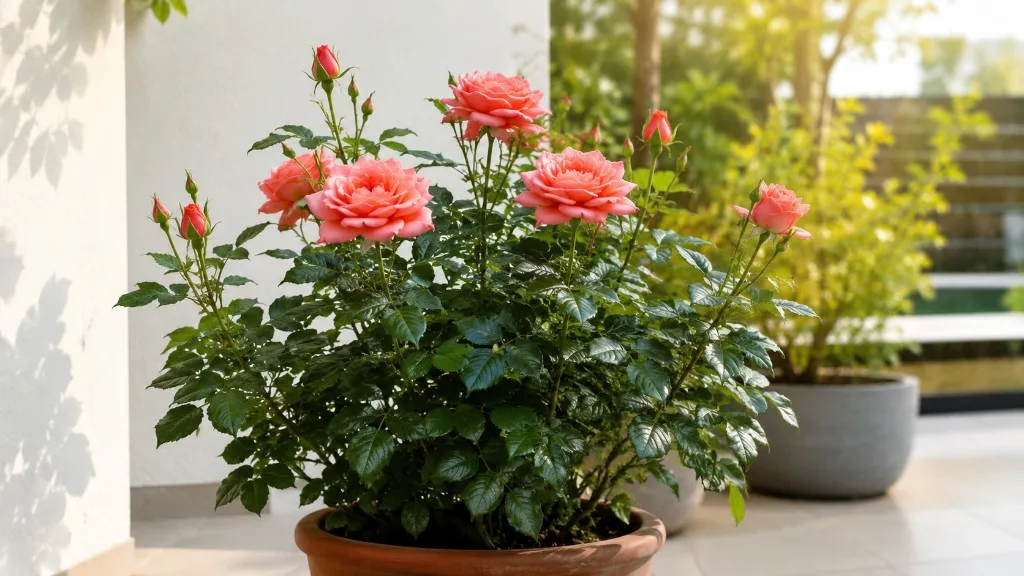
Deadheading is most useful on repeat-flowering roses—the shrubs and climbers that are still capable of producing another flush. A once-flowering rose does not become a repeat bloomer because you cut off its petals. In fact, you may prefer to leave its hips for fall color, seed, or wildlife.
For a reblooming rose, remove the faded flower or cluster down to a strong leaf or outward-facing shoot. The exact leaf count varies with rose type and the pruning advice for the cultivar; the safe August principle is to remove the spent flowering stem without turning the job into a hard size reduction. Avoid cutting blindly into a leafy shoot carrying fresh buds.
The RHS advises leaving rose types that produce attractive hips, including many species and rambler roses. That gives you a simple choice: deadhead the repeat-flowering rose where you want another display, but leave selected later flowers if hips matter more than one final flush. Cup a loose, petal-heavy bloom in your hand before cutting so it does not scatter across the bed.
4. Dahlias
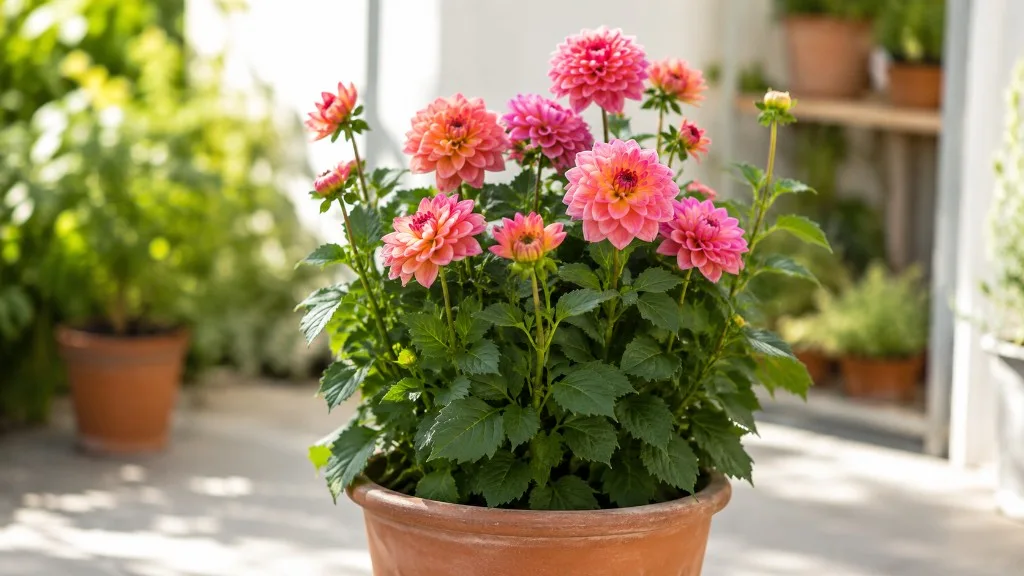
Dahlias are both ornamental plants and cut flowers, so August is an ideal time to remove spent blooms. Regular harvesting keeps the plant in production and prevents it from spending the rest of the season presenting old flowers that have already begun to turn papery.
Dahlias can fool you because an unopened bud and a spent flower may both look like round balls from a distance. A fresh bud is usually firm and plump with bracts held tightly; a spent flower has a duller, papery texture, petals that point down or fall away, and a center that looks used rather than crisp. When in doubt, touch the stem and inspect the back of the head before cutting.
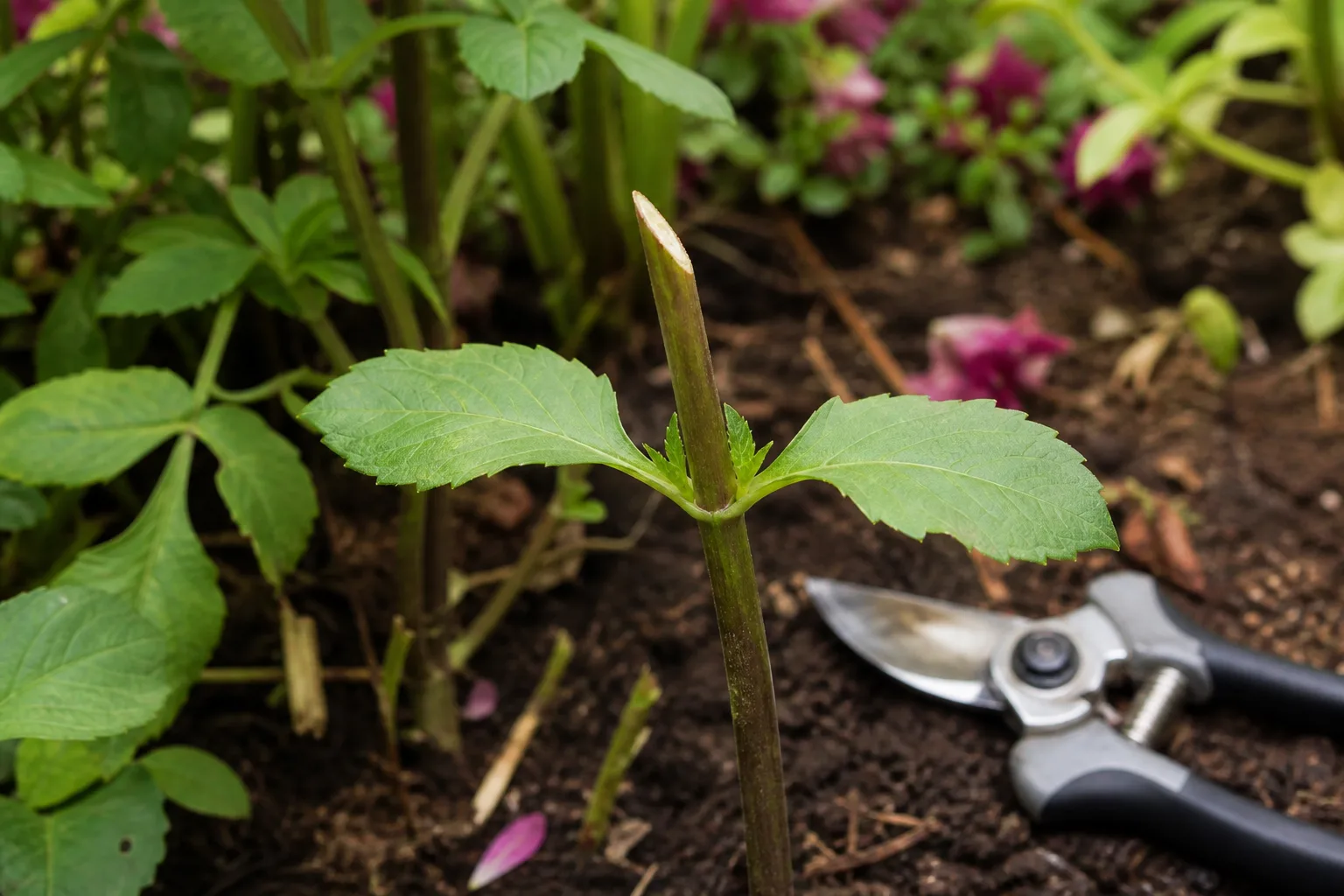
Once you identify the spent bloom, remove the whole flowering stem down to the nearest strong leaf pair, side branch, or productive node. Cutting only the flower head leaves an unattractive stalk and does not give the plant a useful place to branch. Make the cut cleanly; dahlias have substantial stems, and tearing them can leave a ragged wound.
5. Coneflowers (selectively)
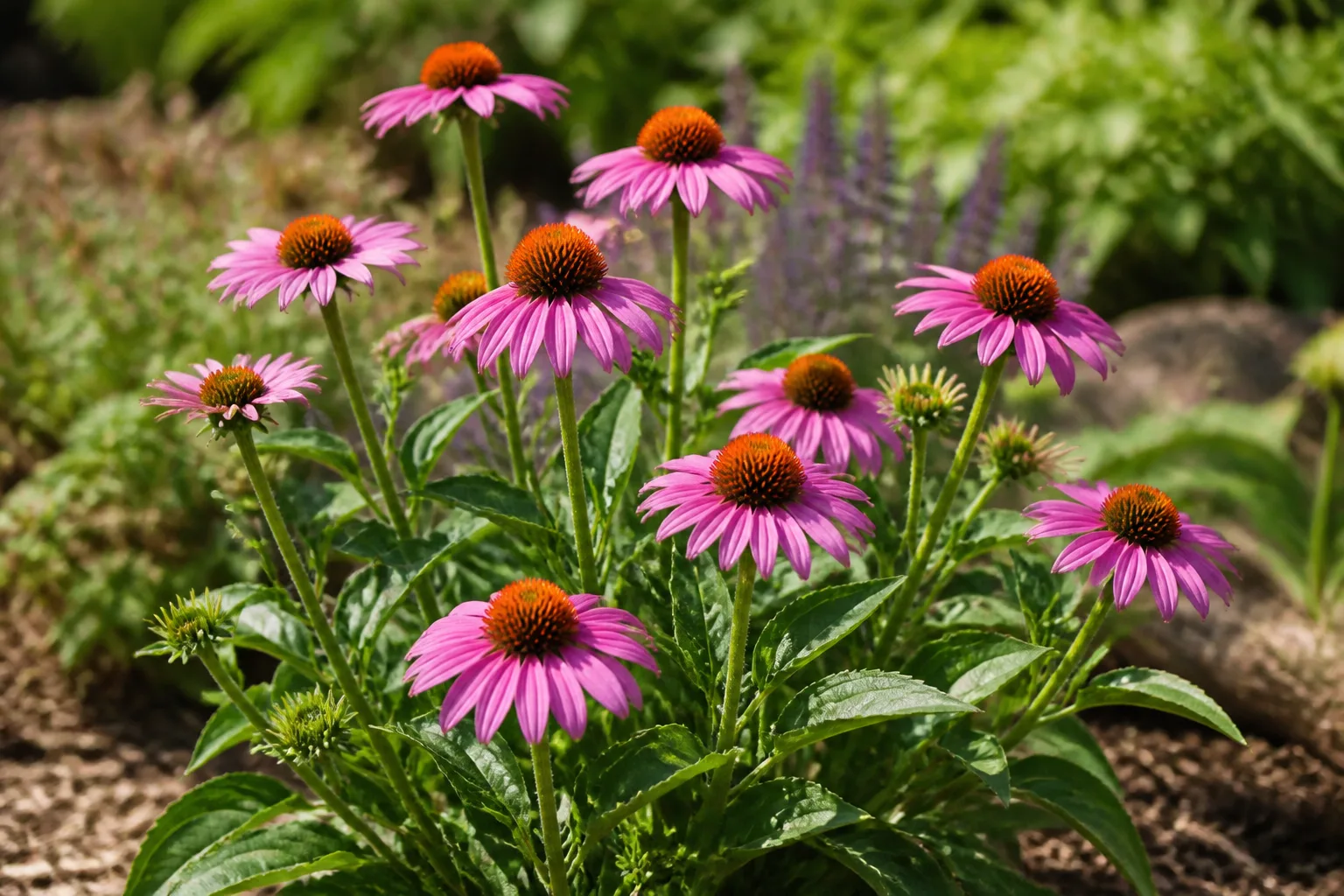
Coneflowers are the plant on this list that deserves the biggest “it depends.” Removing faded flowers can extend the display and reduce self-seeding, but the brown cones are also useful seedheads. Kansas State Extension lists coneflower among perennials that may benefit from deadheading while also noting that gardeners may value the seed for birds. Gardening Know How’s coneflower guidance makes the same practical distinction: cut the flowering stem back toward the foliage for a tidy plant, or leave the heads for songbirds and seed collection.
The best August approach is selective deadheading. Remove spent heads on the front of the clump or on stems that have collapsed, but leave a portion standing where goldfinches can reach it. If your priority is another flush of flowers, cut the entire spent stem back to the height of the leaves rather than taking only the cone. If your priority is wildlife, wait and let the cone mature.
Do not interpret “selective” as indecision. Mark a few stems mentally as the bird-feeding section and maintain the rest for flowers. This compromise gives you a cleaner border and a longer bloom window without stripping a valuable late-season food source from the garden.
6. Daisies
Daisies vary enough that the correct cut depends on whether you have single-stemmed Shasta daisies, a branching cultivar, or a dense mound of small flowers. The common mistake is to pluck off the white petals and leave a tall, green-to-brown seed stalk behind.
For a Shasta or other single-stemmed daisy, follow the spent stem down to a healthy leaf or side branch and cut there. On a branching plant, remove the faded head back to the next branch while preserving the buds that are still developing. If an entire clump of small-flowered daisies has passed its peak, gather the stems and give the plant a light, even trim, leaving green foliage so it can rebuild.
Do not shear a daisy simply because one flower looks old. Wait until most of the current flush is finished before using the faster method. A few minutes of selective deadheading preserves more buds; a light whole-plant trim is the efficiency move after the display is already declining.
7. Petunias
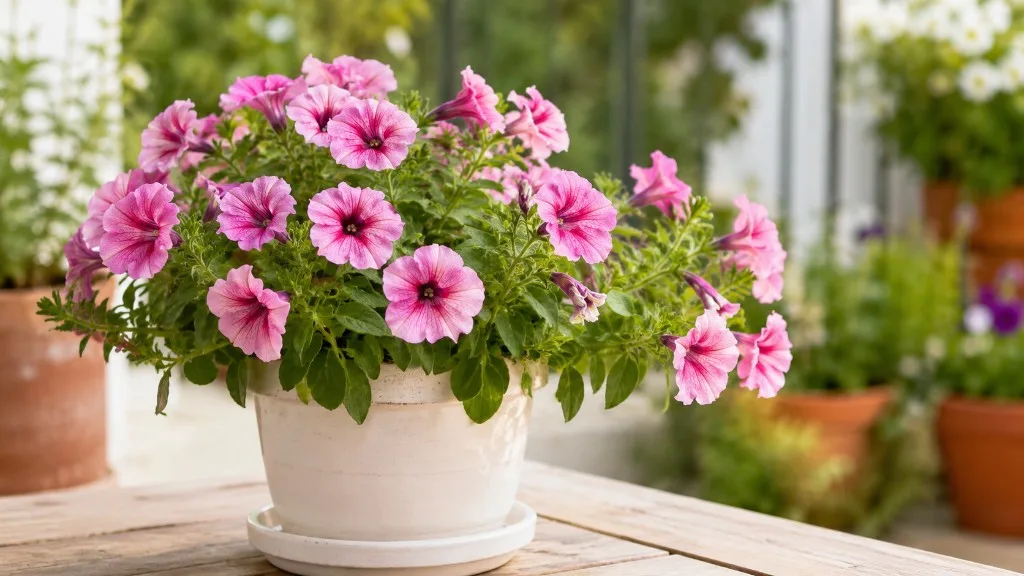
Petunias can be heavy August workers, especially older large-flowered types that leave sticky, collapsed blooms on the plant. Pinch or snip off the spent flower with its small green base, not just the colored petals. If a branch has become long and bare, cut it back to a leafy node rather than repeatedly removing flowers from the tip.
The variety matters. Some modern petunias and related cultivars are self-cleaning or vigorous enough to keep flowering with little help. Kansas State Extension notes that some petunias can reflower strongly without deadheading, although removing old flowers can still improve appearance. Look at the plant in front of you: if it drops old blooms cleanly and keeps making buds, groom selectively; if it is holding seed capsules and looking stalled, deadhead more regularly.
Container petunias may need attention once or twice a week in hot weather, but do not combine deadheading with a severe haircut when the pot is dry. Water thoroughly, protect a heat-weakened plant from additional stress, and wait for fresh growth before shaping a long branch.
8. Marigolds
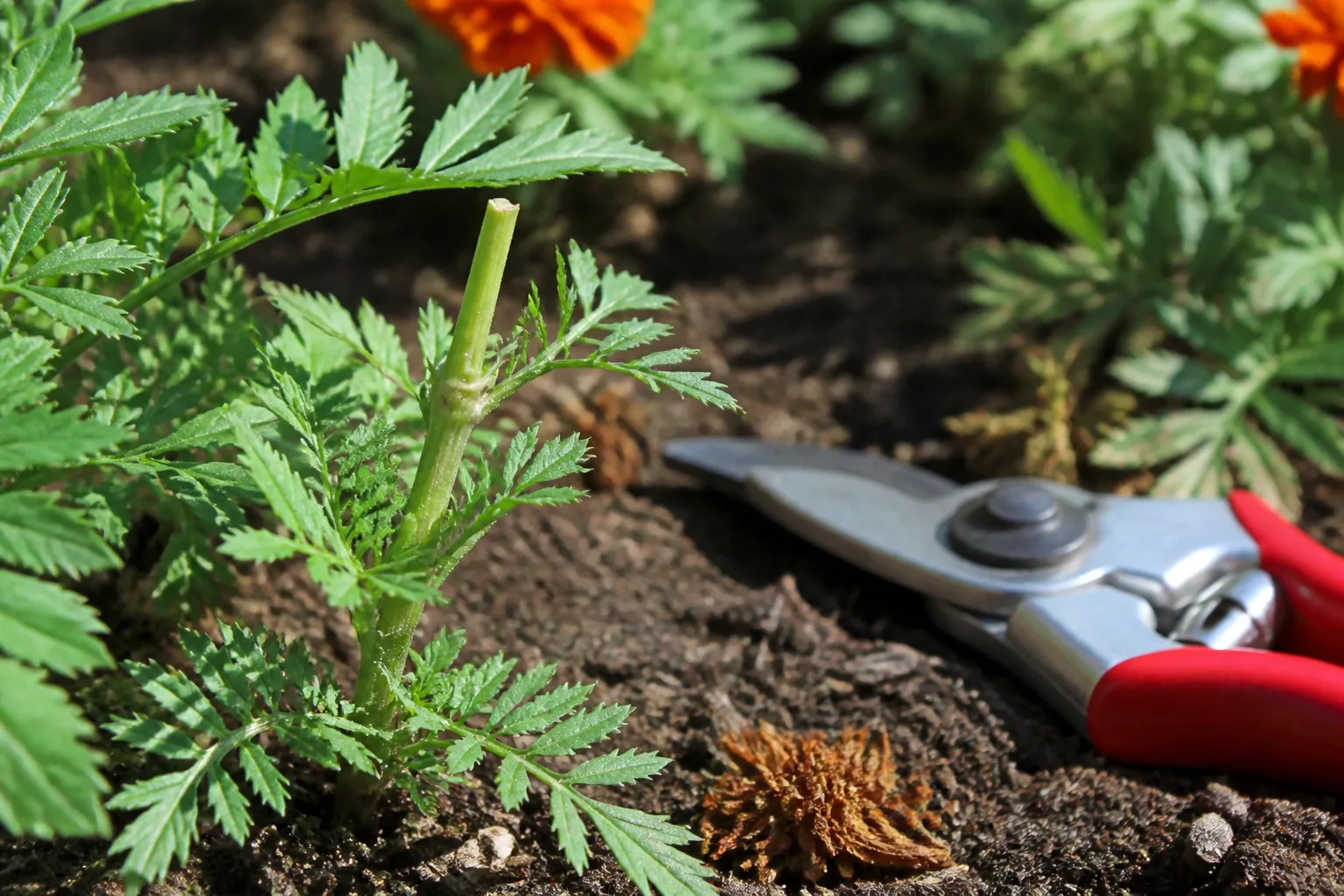
Marigolds are forgiving, productive, and easy to read. When a flower head fades, pinch or snip just below the head and above the next set of leaves or side shoot. If the plant has stretched, take the stem back to a leafy branching point; do not remove every green tip just to make the plant look uniform.
Regular grooming matters most when marigolds are grown for a continuous border or container display. The work is quick because the stems are usually soft enough to pinch, and a weekly pass catches flowers before seed capsules become prominent. If you want to save marigold seed, stop deadheading a few of the best flowers and let them dry fully on the plant before collecting.
Marigolds can tolerate a little missed maintenance better than petunias, so do not let the task become a source of guilt. Remove the oldest, ugliest heads first, then leave healthy blooms and developing buds. A five-minute targeted pass gives most of the visual benefit.
What to leave alone in August
Deadheading is optional when the seedhead has a job. Leave some coneflowers, rudbeckias, sunflowers, and other bird-friendly plants standing if you want autumn and winter food. Leave rose hips on varieties grown for hips, and leave ornamental seedheads when their form is part of the garden’s late-season design. The RHS also lists plants that self-clean, produce little seed, or flower so abundantly that individual deadheading is impractical.
Cultivar names matter here. A self-cleaning petunia, a Knock Out-type rose, and a traditional large-flowered petunia may all be called by the same common name while responding differently to grooming. If the plant is dropping its own flowers, producing fresh buds, and staying leafy, you may gain more by watering and monitoring it than by removing every fallen petal.
Also pause when a plant is newly transplanted, wilted through the evening, or showing severe heat damage. Remove clearly dead material, but do not make a large number of cuts while the plant is struggling to maintain water balance. Stabilize the root zone first, then resume selective deadheading when the foliage is firm and new growth is visible.
Build a weekly August deadheading routine
Make deadheading a short inspection rather than a major weekend project. Walk the garden with a small pair of snips or a clean pair of hands, begin with the plants carrying the most spent flowers, and stop when you reach healthy buds or the section you are intentionally leaving for wildlife.
Use this order:
- Scan for stress. Check whether leaves are limp, scorched, diseased, or newly transplanted. Stabilize stressed plants instead of shearing them.
- Start with annuals and dahlias. Zinnias, petunias, marigolds, snapdragons, and dahlias can produce more flowers while the season remains favorable.
- Deadhead reblooming roses selectively. Keep hip-producing roses or late-season flowers untouched where that is the goal.
- Make a coneflower decision. Decide how many stems are for flowers and how many are for seed and birds before you start cutting.
- Finish with daisies. Remove individual heads if buds remain; use a light trim only after most of the clump has finished.
- Clean up responsibly. Remove diseased debris from the bed and compost only healthy, disease-free material according to your compost system.
The RHS notes that some bedding plants may need attention daily, while border perennials may be fine with a weekly or fortnightly check. That range is more useful than a rigid schedule. In August, the best frequency is the one that catches a spent flower before seed set without making you remove fresh buds or neglect water and pest checks.
Common deadheading mistakes that cost flowers
Removing only the petals. The flower may look gone, but the green calyx or seed capsule is still attached. Follow the stem down to a leaf or node and remove the whole spent flowering part.
Cutting through the next bud. This happens when gardeners rush down a stem without inspecting its branching points. Turn the flower in your hand, identify the next live bud, and cut above it rather than below it.
Confusing deadheading with hard pruning. August grooming usually means removing spent flowers, not cutting a healthy plant down by half. Use a bigger cut only when the plant type and its condition support it, such as a light trim on a finished daisy mound or a leggy petunia branch.
Using one rule for every cultivar. Some petunias self-clean. Some roses are grown for hips. Some coneflowers are more valuable as seedheads than as another late flush. Read the plant’s behavior and your own goal before you cut.
Deadheading in the middle of severe stress. A wilted plant cannot be pushed into more flowers by removing flowers. Water the root zone, improve the immediate growing conditions, and return to grooming when the plant is actively recovering.
Ignoring tool hygiene around disease. Healthy flowers can go into compost; diseased leaves and blooms should not. Clean pruners before moving from an infected plant to a healthy one, and make cuts that do not crush the stem.
Conclusion
The best plants to deadhead in August are the ones still making buds and flowers: zinnias, snapdragons, reblooming roses, dahlias, many daisies, petunias, and marigolds. Coneflowers belong on the list with an asterisk because a selective cut can extend bloom, but an untouched seedhead can feed birds and carry the garden into fall.
Start with the flower, follow its stem to a healthy leaf or node, and remove only what is finished. When the plant is stressed, self-cleaning, grown for hips, or valuable for seed, leave it alone. That small decision—cut, pinch, shear lightly, or stop—is what turns August deadheading from a chore into useful garden management.