Best Plant to Attract Monarch Butterflies: Milkweed
Milkweed is the only host plant monarch caterpillars can eat. Learn which native species to grow, how to plant it, and what nectar flowers to add.
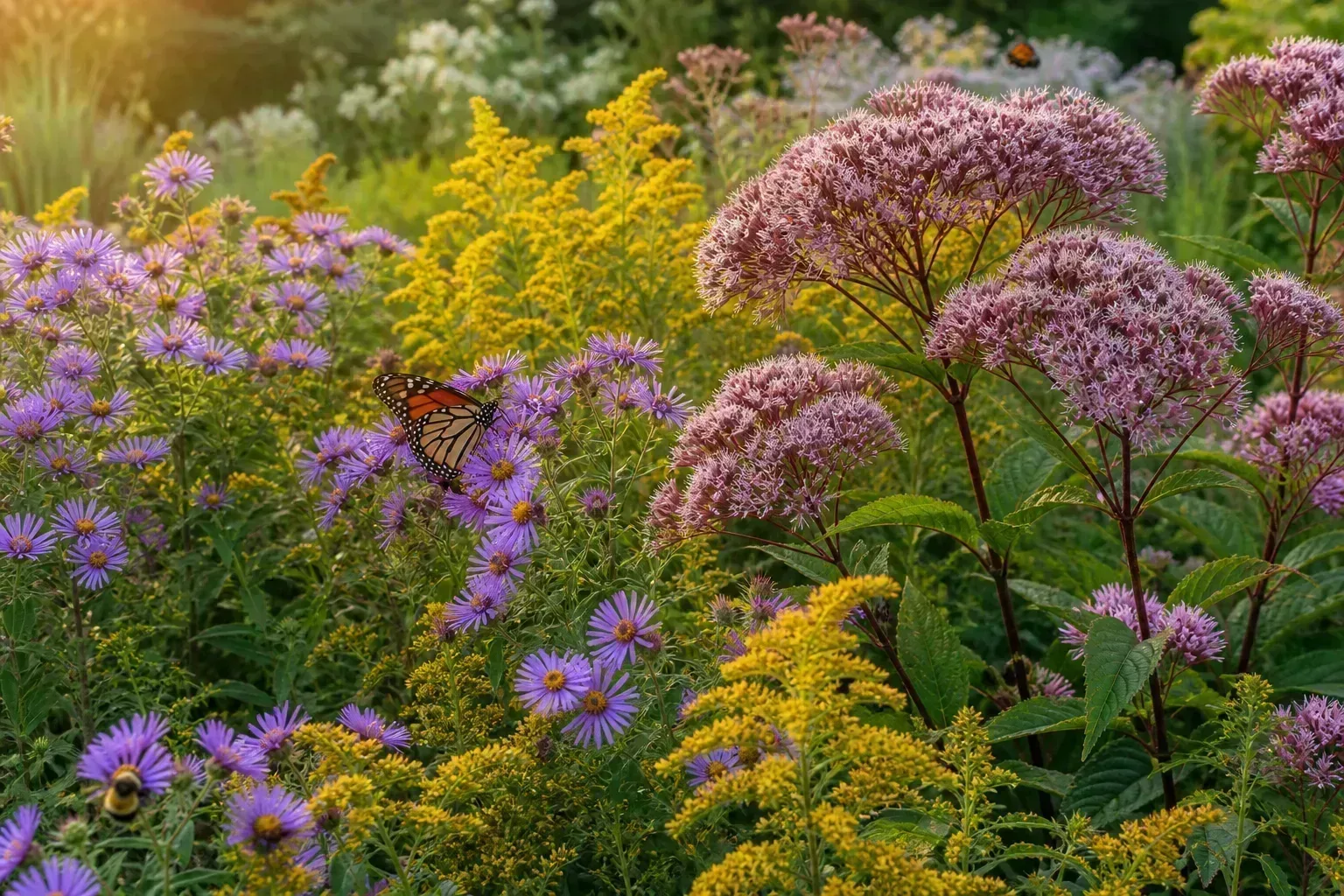
If you want monarch butterflies to do more than pass through your garden, start with regionally native milkweed. Adult monarchs will drink nectar from many flowers, but monarch females lay eggs only on milkweed, and the caterpillars eat milkweed leaves as they grow.
That distinction changes what you should plant. A bed filled with nectar-rich blooms can feed visiting adults, but a milkweed plant gives monarchs a place to begin the next generation. The most successful small butterfly garden uses both: milkweed as the host plant, followed by flowers that keep nectar available before, during, and after milkweed blooms.
Why milkweed matters more than a pretty nectar flower
Milkweed is the common name for plants in the genus Asclepias. Monarchs evolved a specialized relationship with these plants: the female searches for milkweed on which to lay eggs, and newly hatched caterpillars feed on its leaves. The National Park Service explains that monarch caterpillars feed exclusively on milkweed and that the plant’s milky latex contains cardiac glycosides that help make the caterpillars distasteful to many predators (the National Park Service’s milkweed and monarch overview).
That is why milkweed is more valuable to a breeding monarch than a flower that simply looks attractive to you. You may see a monarch nectar on zinnia or coneflower for a few minutes, but a female inspecting milkweed may stay long enough to lay eggs. Later, the leaves can look ragged as caterpillars eat them; in this context, the damage is the point.
Milkweed is not a guarantee that monarchs will appear on a schedule. Local populations, weather, migration timing, nearby habitat, and pesticide exposure all influence what reaches your yard. Planting it is still a useful habitat action because it supplies a resource that ordinary nectar flowers cannot replace.
Host plants do a different job from nectar plants
Think of a monarch garden as having two departments. Host plants provide the specific leaves and structure that caterpillars need, while nectar plants provide sugar for adult butterflies to fuel flight, reproduction, and migration.
| Garden job | What monarchs use | Examples |
|---|---|---|
| Host plant | Egg-laying surface and caterpillar food | Native milkweed, Asclepias species |
| Nectar plant | Flower nectar for adult butterflies | Zinnias, coneflowers, liatris, bee balm, asters, goldenrod |
| Shelter and resting space | Sun-warmed leaves, stems, and protected pockets | Dense plantings, low wind exposure, leaf litter, unmulched stems |
Milkweed flowers can provide nectar too, but a milkweed-only bed may still have long stretches when adult butterflies need another food source. A mixed planting also helps if one species finishes blooming early or struggles during a heat wave. The practical goal is not to buy every flower marketed for butterflies; it is to create overlapping bloom periods and keep pesticide use out of the habitat.
This two-part design is also the useful distinction in practical host-plant guidance: a garden needs one set of plants for larvae and another set of flowers for adult nectar, with bloom periods that overlap rather than a single peak (Finding Sea Turtles’ monarch host-plant overview).
Choose a native milkweed that fits your region
There is no single best milkweed for every garden. The right choice is a native species that naturally belongs in your region and can handle the moisture, winter temperatures, and space available at your planting site.
The North American Monarch Conservation Toolbox points gardeners toward regionally appropriate native milkweed rather than a one-size-fits-all selection (Project Milkweed from the North American Monarch Conservation Toolbox). For gardeners in the western United States, the Western Monarch Milkweed Mapper’s habitat resources are a useful reminder that species availability and suitability are local questions (Western Monarch Milkweed Mapper habitat resources). Ask a native-plant nursery for the botanical name, native range, mature height, and soil preference instead of relying on a tag that only says “milkweed.”
Pick by local range, soil moisture, and garden scale
Use common milkweed when you have room for a taller plant that can spread through a naturalized bed. Choose butterfly milkweed when you want a more clumping form for a sunny, well-drained border. Choose swamp milkweed for a site that stays evenly moist but is not permanently flooded.
These are starting points, not universal rules. A local native-plant society, county extension office, or regional milkweed guide can tell you which species are native where you live and whether a plant sold under a familiar common name is appropriate. If you garden outside North America, confirm which Asclepias species support your local monarch population before importing or planting anything.
Common milkweed is best for a roomy naturalized bed
Common milkweed, Asclepias syriaca, is a strong choice for a sunny meadow edge, large border, or part of the yard where a plant can spread without being treated like a formal perennial. It is often tall, broad-leaved, and fragrant when in bloom, and its seed pods can open into floating tufts later in the season.
Its strength is also its limitation. Common milkweed can spread by underground rhizomes and by seed, so a single plant may become a patch. Give it a defined area, avoid placing it against a narrow path, and do not plant it where you will feel compelled to dig it up every month. A spreading native patch is useful habitat, but it should still fit the way you use the yard.
Butterfly milkweed suits a smaller, drier border
Butterfly milkweed, Asclepias tuberosa, is a more compact, clumping milkweed with vivid orange flowers. It generally suits a sunny, well-drained border better than a wet bed, and its upright habit can work where a gardener wants a host plant without the same visual bulk as common milkweed.
Do not judge it by the first few weeks after planting. Butterfly milkweed can take time to establish a deep root system, and digging or moving it repeatedly is more likely to slow it than improve it. Water a new plant carefully, keep competing weeds back, and let it settle before deciding that it is failing.
Swamp milkweed belongs in a moisture-retentive spot
Swamp milkweed, Asclepias incarnata, is useful where the soil stays moist through the growing season. It produces clusters of pink flowers and can bring vertical structure to a rain-garden edge, low spot, or border that receives regular moisture without remaining waterlogged.
The name does not mean the plant should sit in stagnant water. Improve drainage if the bed stays saturated, and place it where the soil can hold moisture while excess water moves away. If your garden is hot and dry, a drought-adapted milkweed is a better match than watering swamp milkweed constantly just to force it into the wrong site.
Give milkweed the site it needs before you plant
Most milkweed performs best in full sun, which usually means at least six hours of direct light during the growing season. Sun keeps stems sturdy, supports flowering, and makes the plant easier for flying monarchs to find. A little afternoon shade may be acceptable in hot climates, but deep shade is a poor trade for a plant you are growing to flower and host caterpillars.
Prepare the site by removing perennial weeds and loosening compacted soil without turning the bed into a rich, constantly wet planting pocket. Milkweed generally dislikes sitting in saturated soil, and a heavy fertilizer program is unnecessary for a native perennial that is adapted to ordinary garden conditions. Match the soil to the species rather than trying to force every milkweed into the same amended bed.
Leave enough room for airflow and for the plant’s mature height. Put taller species toward the back of a border, and avoid crowding them beneath shrubs where monarchs cannot easily reach the foliage. A small cluster is often easier for a female to find than one isolated stem, but a cluster still needs space around its roots.
Start with seed or nursery plants
Starting milkweed from seed is inexpensive and makes it easier to establish several plants at once. Buy seed from a reputable native-seed supplier, check the species and collection region, and do not collect from roadside stands or protected natural areas. Seed collected from a plant that is not native to your region can create the wrong habitat even if the label says milkweed.
Nursery-grown plugs or young plants give you a faster visual result, but they need careful handling. Plant them at the same depth they were growing in their container, water the root ball thoroughly, and avoid teasing apart a root system that is already filling the pot. A small plant may spend the first season building roots rather than producing a dramatic flower display.
Follow the species’ cold-stratification instructions
Many milkweed seeds germinate more reliably after a period of cold, moist stratification, but the timing depends on the species and the seed packet. Some gardeners sow outdoors in fall so winter provides the cold period; others mix seed with a barely damp medium, refrigerate it for the packet’s recommended interval, and sow it indoors afterward.
The sequence matters more than a universal number of refrigerator days. Label the container, keep the medium damp rather than wet, sow the seed at the depth listed by the supplier, and give the seedlings strong light once they emerge. Harden indoor seedlings gradually before moving them outside so a tender stem is not exposed to full sun, wind, and cold in one afternoon.
Water the first year, then ease off as roots settle
Water new milkweed deeply when the top layer of soil begins to dry, then let excess water drain. During the first growing season, the plant needs more consistent moisture than an established patch because its root system has not reached the surrounding soil. Mulch can help slow evaporation, but keep it off the crown and stems so the base stays airy.
Once established, many milkweed species tolerate short dry spells better than they tolerate constant wet roots. Check the soil before watering instead of following a calendar, and make the watering plan species-specific: a swamp milkweed in a moist bed and a butterfly milkweed in sandy soil will not need the same schedule. If a plant wilts repeatedly despite damp soil, move your attention to drainage rather than adding more water.
Keep the habitat safe from sprays and overreaction to aphids
Avoid routine insecticide use on milkweed. A spray aimed at aphids can also reach monarch eggs, small caterpillars, native bees, and other insects visiting the flowers. The National Park Service identifies pesticide use and habitat loss among the pressures facing monarchs, so a pesticide-free planting is not just a slogan; it removes one avoidable hazard from a small habitat patch (the National Park Service’s conservation discussion).
Milkweed aphids can cover stems in yellow-orange clusters, but their presence does not automatically mean the plant is doomed. If a cluster is small, leave it for predators and monitor the plant. If aphids are distorting new growth, knock them off with a gentle stream of water or crush the most affected stems by hand; first check carefully for monarch eggs and caterpillars.
Never use a systemic product on a plant intended to feed caterpillars, and do not apply a broad-spectrum spray just because the leaves look busy. If a serious pest problem threatens a nearby ornamental plant, treat that plant according to its label while keeping drift and runoff away from the milkweed. Wear gloves when handling milkweed because its milky sap contains toxic cardiac glycosides, and wash your hands before touching your eyes, food, children, or pets.
Build a nectar succession around the milkweed
Milkweed gives the garden its breeding resource, but adult monarchs need nectar throughout the season. Plant flowers with different bloom windows rather than choosing five cultivars that all peak during the same two weeks. A mixed bed gives butterflies a reason to stay after milkweed finishes flowering and gives late-season migrants fuel when the garden would otherwise be fading.
Garden writers commonly recommend combining host plants with nectar plants and overlapping bloom periods, a practical approach also reflected in Homes & Gardens’ advice for helping monarchs through late summer (Homes & Gardens’ monarch garden guidance). Focus on flowers that grow well in your conditions and have accessible blooms; a plant is not useful habitat if it is constantly stressed, treated, or out of bloom.
Plant in loose groups rather than scattering one of each flower across the yard. A drift of three or more milkweed stems is easier to inspect for eggs and easier for a flying monarch to notice, while nearby nectar flowers create a clear feeding area. Leave a little open soil or low groundcover between groups so you can reach the stems without stepping into the host plant.
Think about the garden from the butterfly’s height. A sunny, sheltered bed beside a fence or wall can provide a warm resting spot, but constant foot traffic, a sprinkler that blasts the flowers, or a windy exposed corner can make the habitat less useful. The best design is usually a simple patch you can observe and maintain without disturbing it every day.
Use early- and midsummer flowers to fill the gaps
Purple coneflower, Echinacea purpurea, offers a broad landing surface and a long flowering period in many gardens. Zinnias can fill a sunny annual bed quickly, while bee balm and blazing star add different flower shapes and support a wider range of pollinators. Plant them near, but not on top of, the milkweed so caterpillar food remains easy to inspect.
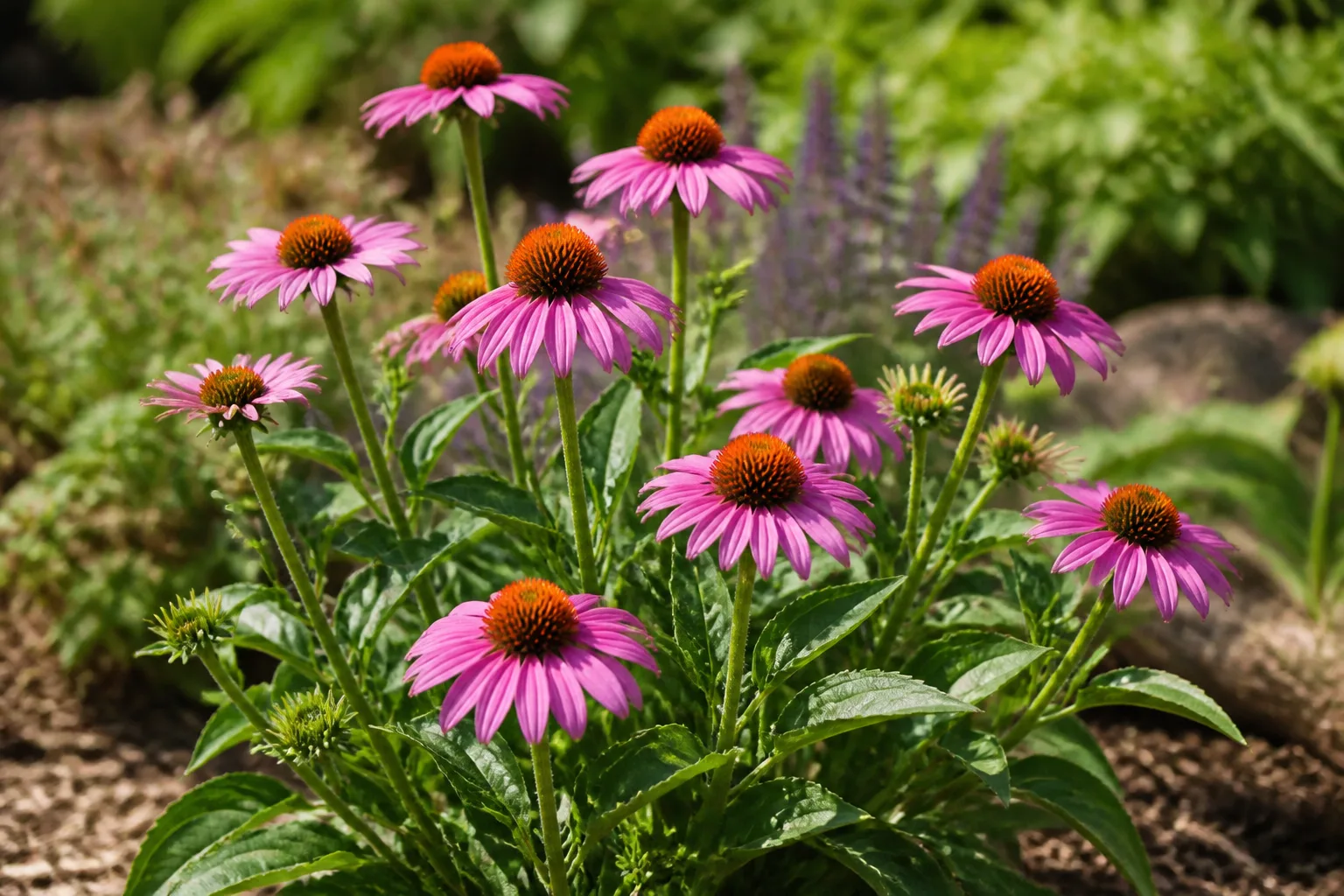
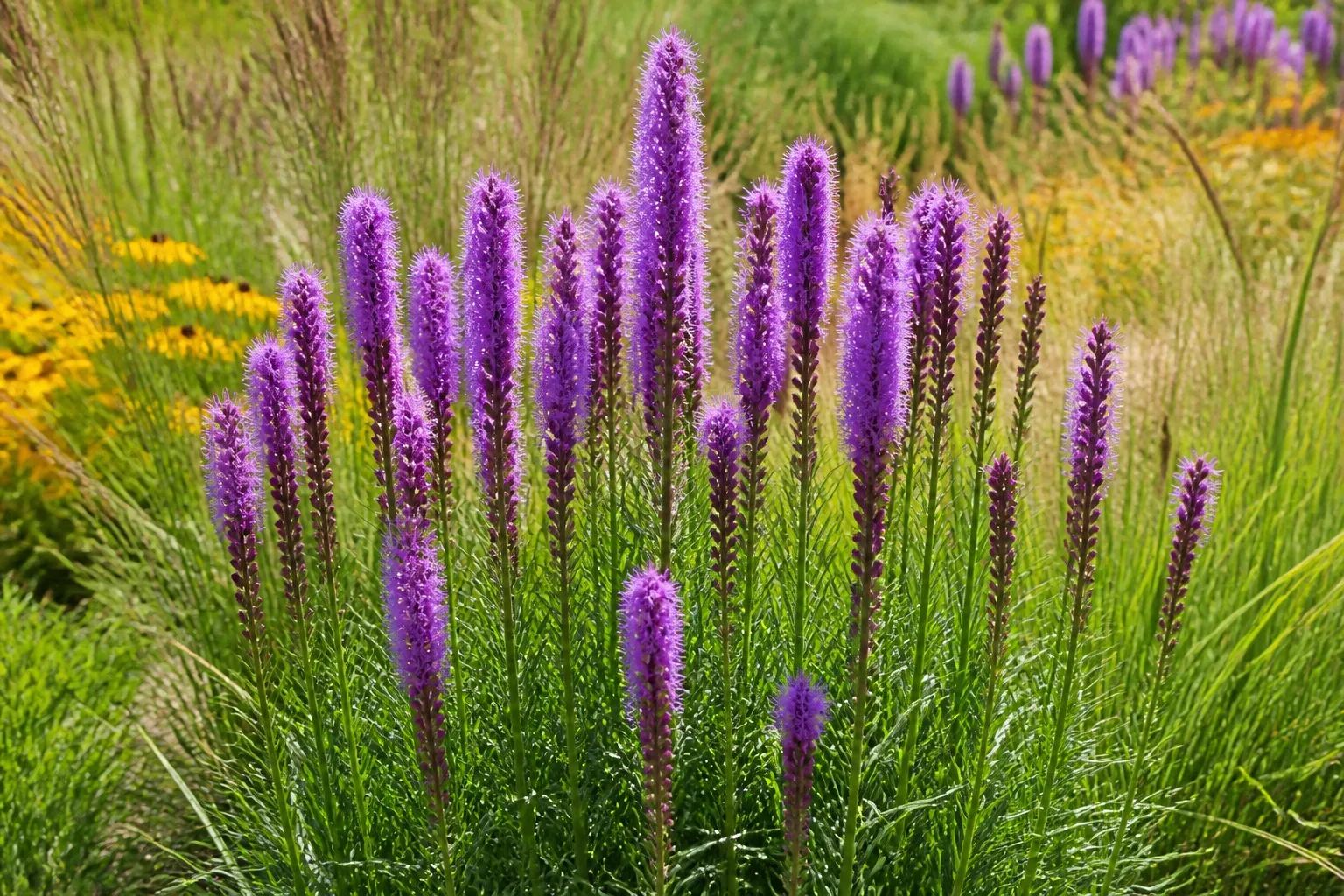
Liatris, also called blazing star, is especially useful when you want vertical flowers that draw adult butterflies above lower perennials. Its dense purple spikes can repeat the color of other pollinator plants without creating a wall of identical blooms. The garden does not need every option on a butterfly list; two or three reliable plants that overlap the milkweed’s season are more useful than a crowded collection that fails in your soil.
Add late-season flowers for migration fuel
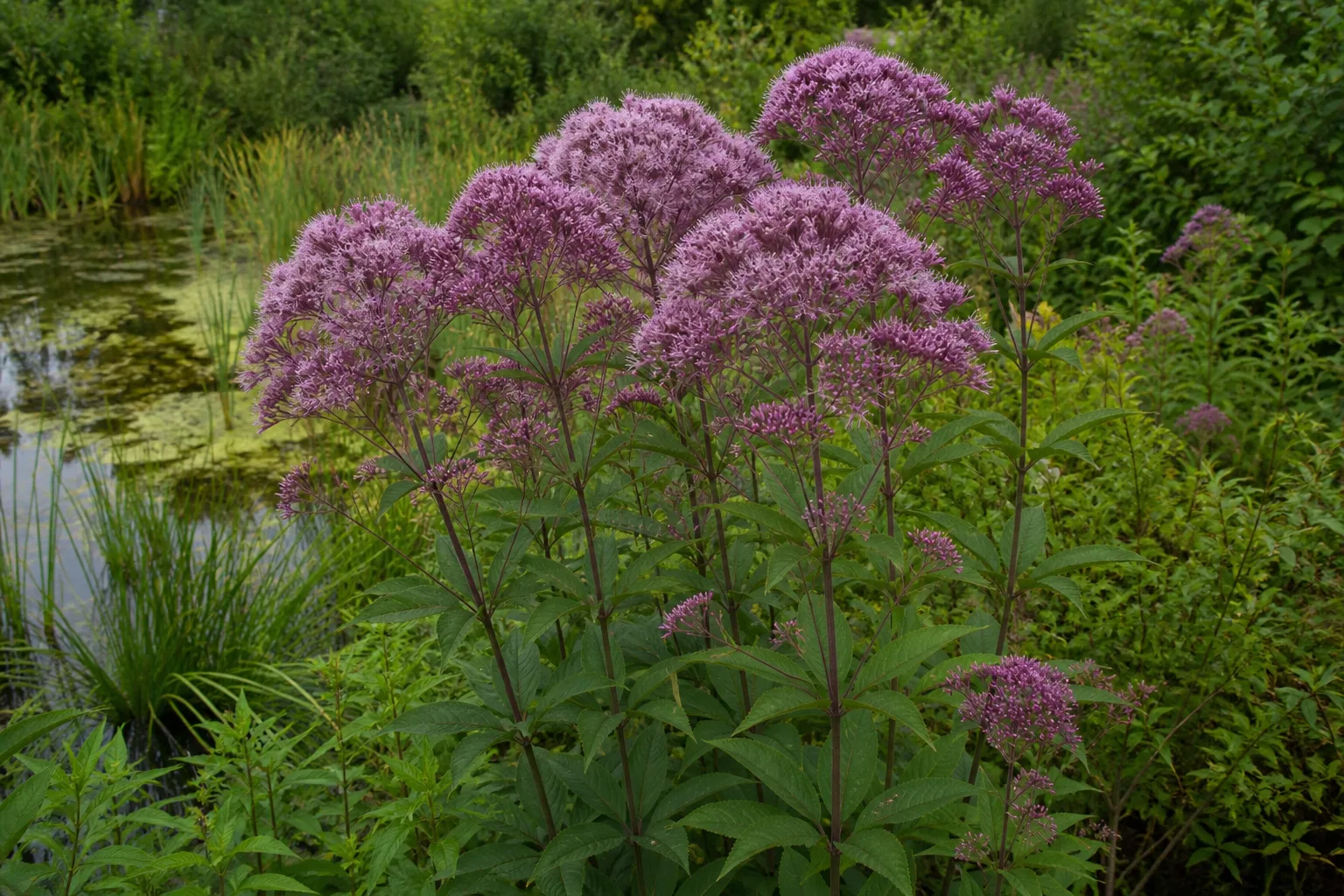
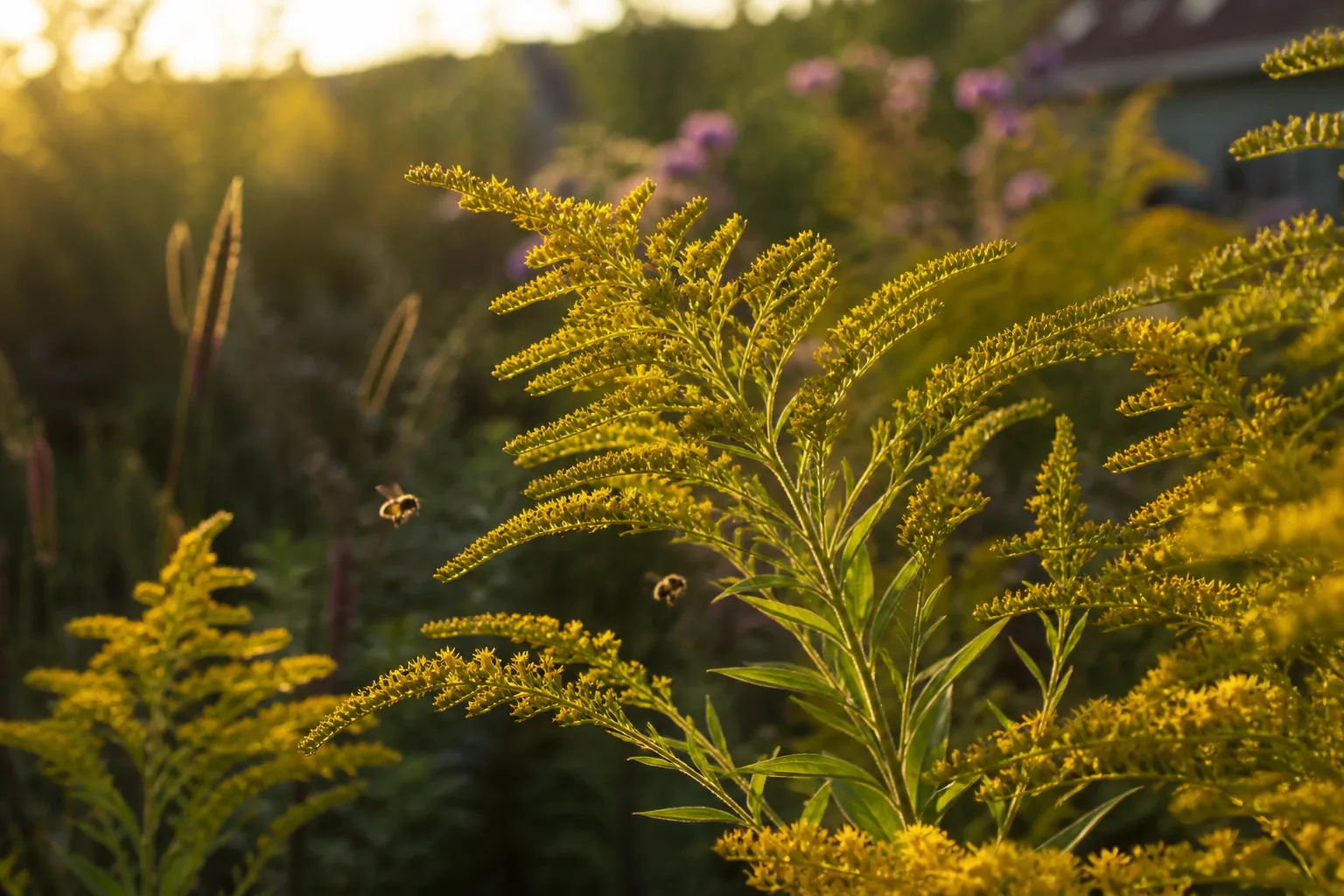
Late-season asters and goldenrod help keep nectar available after early summer flowers decline. Joe-Pye weed can fill a larger, moister bed with tall blooms, while goldenrod offers a valuable late-season flower even though many gardeners mistakenly blame it for hay fever. Allergies are usually associated with wind-pollinated plants such as ragweed, not the showier insect-pollinated goldenrods.
Do not cut every spent flower as soon as it browns. Leave some stems and seed heads through winter when they provide cover or food for other wildlife, then clean the bed gradually in spring. The right cleanup date depends on your climate and what else is using the stems, but an overly tidy autumn cut can remove shelter before the coldest weather arrives.
Why butterfly bush is not enough
Butterfly bush, Buddleja, can offer nectar to adult butterflies, but it is not a host plant for monarch caterpillars. A monarch may visit its flowers, yet a female will not use it as the leaf source for eggs and larvae. That makes butterfly bush a nectar option at most, not a substitute for milkweed.
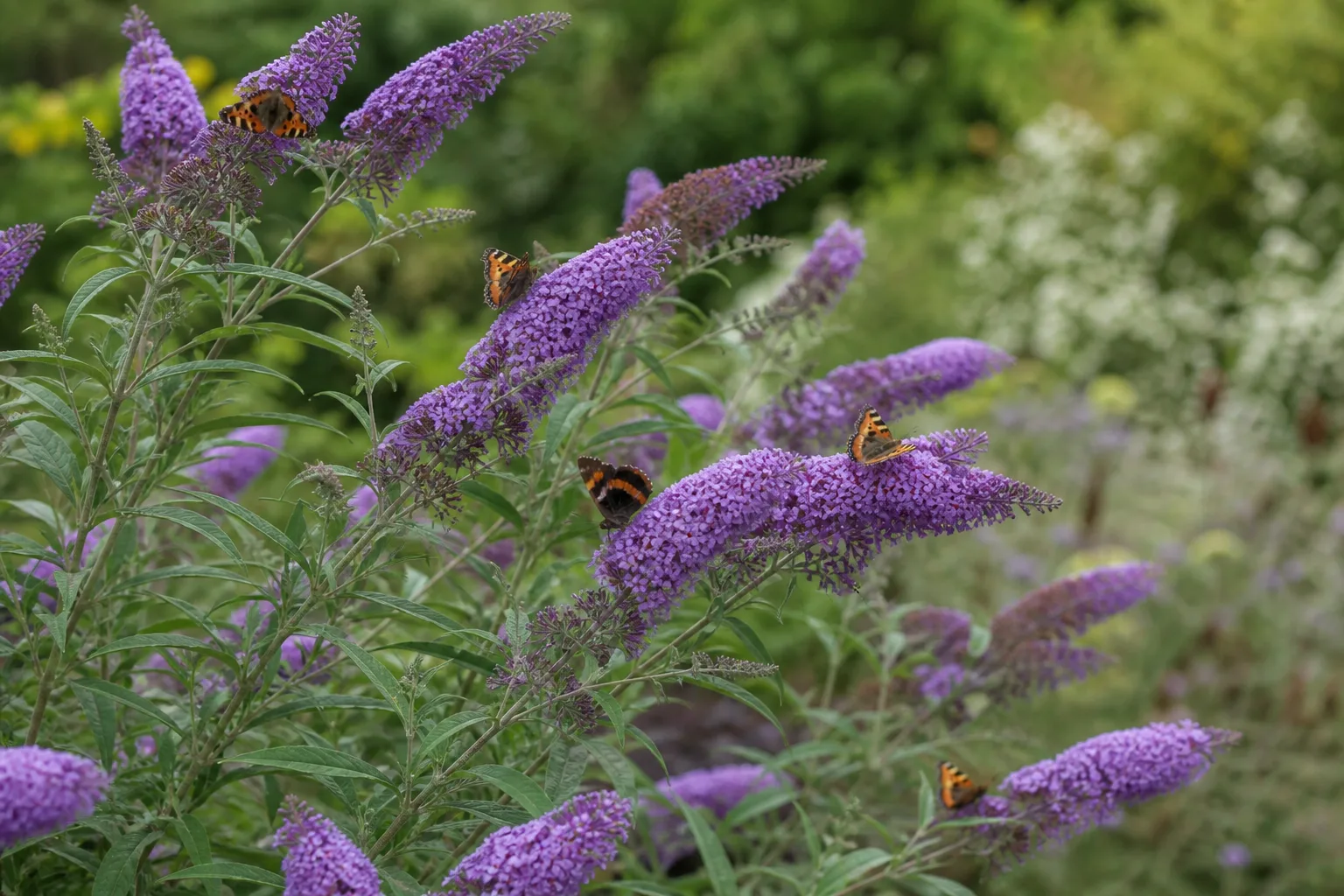
Whether you should keep an existing butterfly bush depends on your region, its fertility, and local invasive-plant guidance. Some cultivars are marketed as sterile, while others can spread; check local recommendations rather than assuming the label settles the question. If you like the shrub and it is appropriate for your area, pair it with native milkweed and a broader nectar succession. If it is invasive where you live, replace it with native shrubs or perennials that support local wildlife without taking over natural areas.
Let monarch caterpillars eat the leaves
The first sign that milkweed is doing its host-plant job may be a plant that looks worse. Monarch caterpillars can remove leaves quickly, especially on a young plant, and a female may place several eggs on a patch. Inspect the undersides of leaves and the tender tips before pruning or spraying; tiny eggs and small caterpillars are easy to miss.
Do not move caterpillars indoors just because the plant looks ragged. Outdoor milkweed provides the food, humidity, light, and natural conditions they evolved to use, while captive rearing can introduce hygiene and disease problems if done casually. If a plant is running out of leaves, protect the remaining stems and add another native milkweed rather than treating the caterpillars as pests.
It is normal not to see a monarch every time you inspect the plant. Caterpillars hide, eggs may be eaten by other insects, and adults can move through the garden without landing while you are watching. Judge the garden by the habitat it supplies, not by a promise of constant butterfly traffic.
Keep the patch from taking over the garden
Milkweed seed pods are part of the plant’s appeal, but the silky seeds can travel well beyond the bed. If you want the patch to expand, leave a few pods to open naturally and allow seedlings to establish where they are welcome. If you need to hold the footprint, remove some pods before they split and pull young seedlings while the soil is damp.
Do not dig up a mature plant just because it dies back in winter. Many milkweeds disappear above ground and return from the crown the following season. Mark the planting location, keep the soil from being repeatedly disturbed, and wait until the plant’s normal emergence window has passed before deciding it failed.
For a balcony or small yard, choose a clumping species that matches your region and use a deep container with drainage. A shallow pot can restrict the roots, overheat quickly, and dry out before the plant is established. Container milkweed still needs full sun, regular first-year watering, winter conditions appropriate to the species, and nearby nectar flowers; one pot is a helpful start, not a complete habitat by itself.
Conclusion: plant for the entire monarch life cycle
The best plant to attract monarch butterflies is native milkweed, because it does the job no nectar flower can: it gives females a place to lay eggs and caterpillars the leaves they must eat. Choose the species by local range and soil moisture, give it full sun and room to establish, and resist the urge to spray when the leaves begin to disappear.
Then complete the garden with flowers that bloom before, during, and after milkweed. A small, pesticide-free patch with one suitable host plant and a dependable nectar sequence can support more of the monarch life cycle than a large bed built only around colorful flowers.



