Hygrophila Polysperma Care: Aquarium Growth, Light
Hygrophila polysperma
Where keeping it is legal, grow Hygrophila polysperma submerged in stable freshwater with low aquarium light; injected CO₂ is usually unnecessary. Anchor stems or let them float, trim them regularly, and contain every clipping. Never release the plant or aquarium fragments into natural water.
Hygrophila Polysperma Aquarium Care Guide
Start with wateringThe most common care mistake for Hygrophila PolyspermaAquarium watering guide →Hygrophila Polysperma care essentials
Light
Low aquarium light
Water
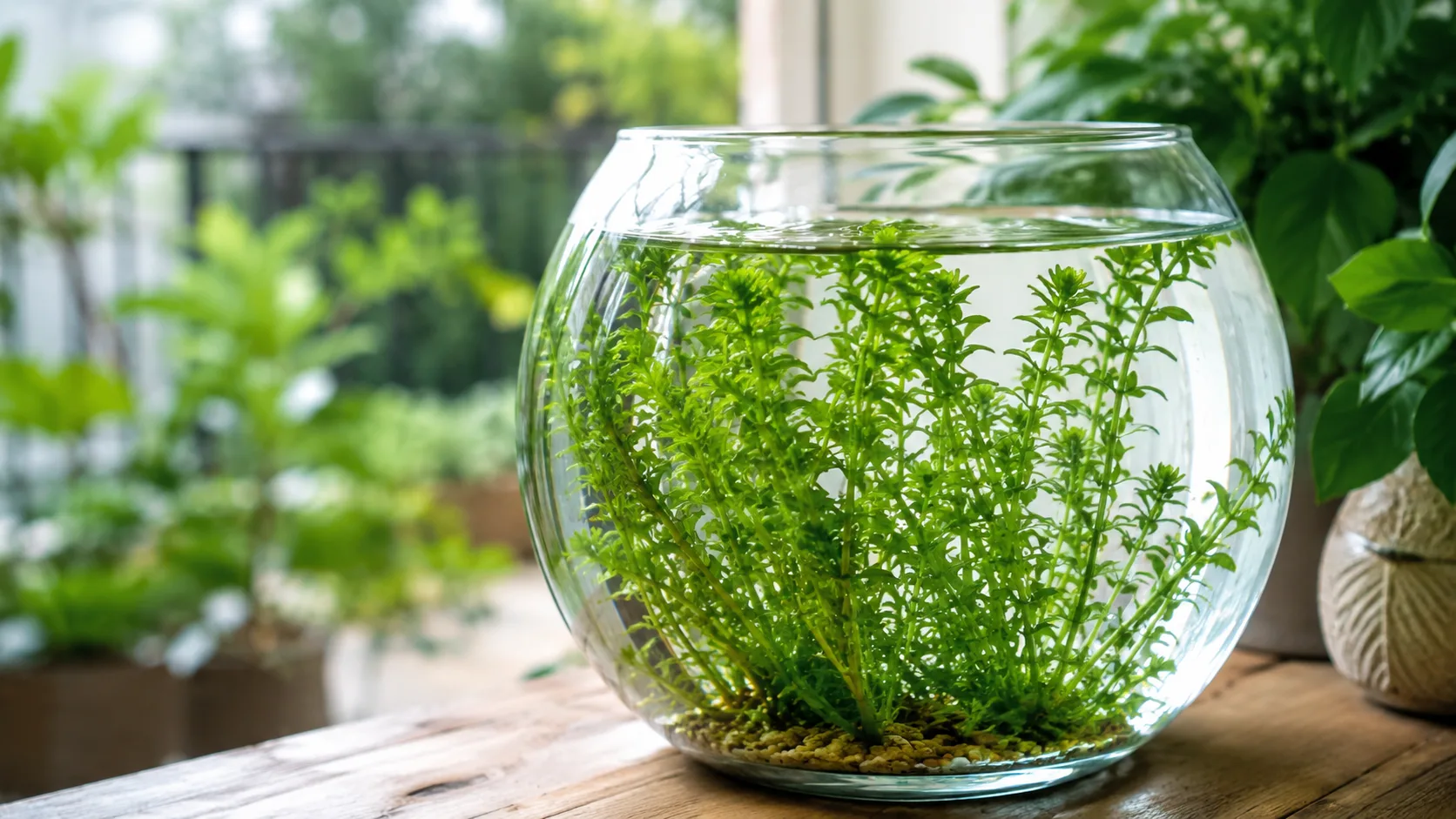
Hygrophila polysperma is an aquatic plant, not a potted houseplant. Grow it submerged in a freshwater aquarium, with its lower stem anchored in aquarium-safe substrate; it can also grow while floating. Keep the aquarium stable for its fish and invertebrates. Do not release the plant, cuttings, or aquarium water containing fragments into a pond, stream, lake, or other natural waterway.
Soil
Anchor individual stems in aquarium-safe sand, gravel, or planted substrate. Roots can develop from buried stem nodes, so a large terrestrial root ball is not needed. Floating stems can also produce roots. Do not use garden soil or terrestrial fertilizer in the aquarium.
Humidity
Temperature
A secondary aquarium-care reference gives about 22–28 °C (71–82 °F) as a suitable range. Keep the aquarium temperature stable and compatible with its fish and invertebrates.
Fertilizer
This fast-growing stem plant can take up nutrients from aquarium water. Tropica rates its light and CO₂ demands low; injected CO₂ is not a requirement for ordinary growth. Use only aquarium-labeled fertilizer if the whole planted tank needs it, dose according to the product label, and avoid blindly adding nutrients to a stocked aquarium.
About Hygrophila Polysperma
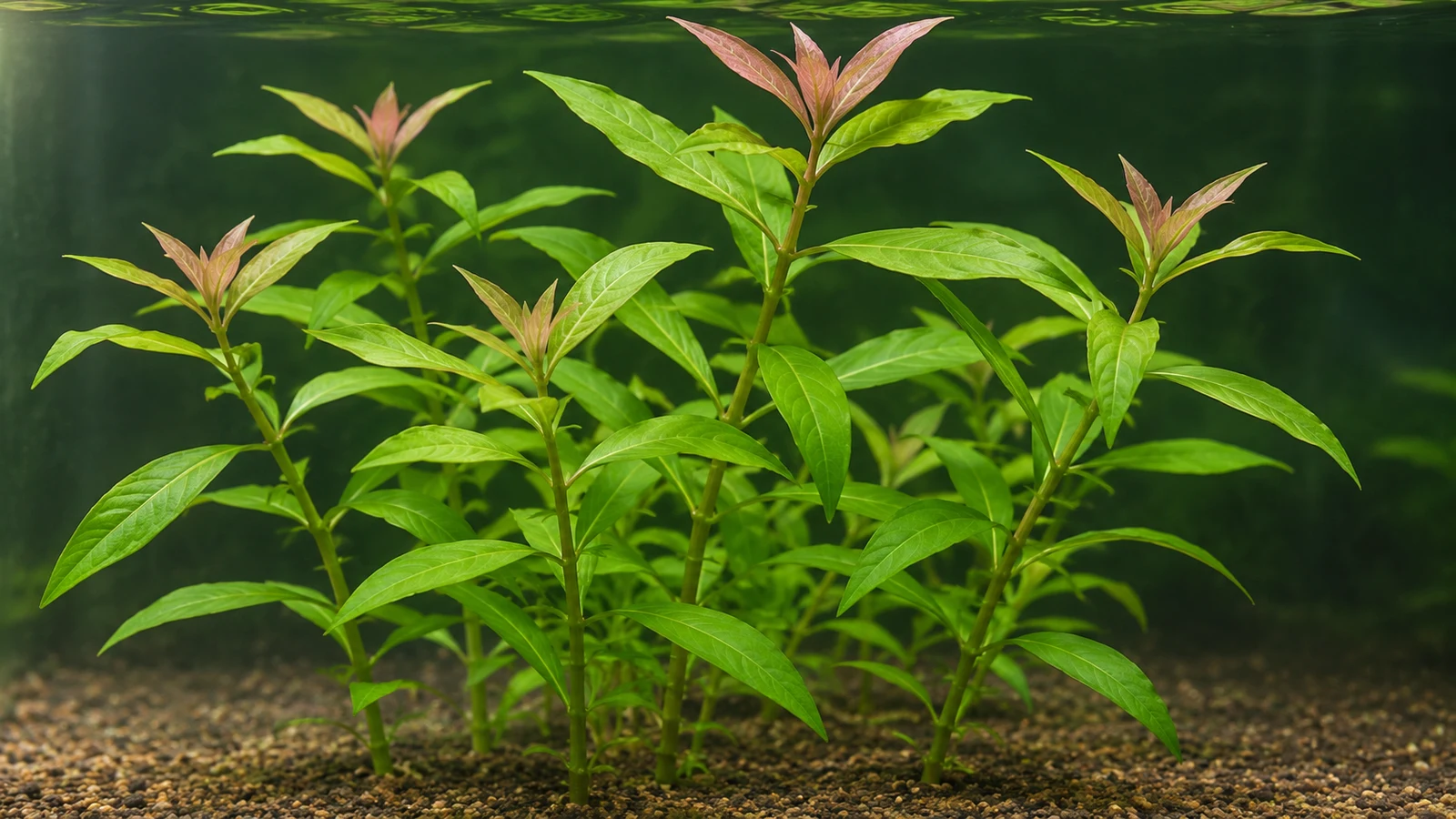
Hygrophila Polysperma is native to The Indian subcontinent and Southeast Asia; UF/IFAS lists India and Malaysia as its native range., typically reaches Aquarium stems commonly reach about 25–40 cm (10–16 in) tall and 4–8 cm (1.5–3 in) wide. They can reach the surface and spread beyond their original planting area when left untrimmed. indoors, with fast in aquarium conditions; it can crowd neighboring plants without regular trimming. growth. Hygrophila Polysperma has a rooted, perennial aquatic stem herb that grows mostly submerged. its stems can also float, and roots form at nodes, so detached fragments can establish new growth. growth habit and part of the Acanthaceae family. It is also known as East Indian hygrophila, Dwarf hygrophila, Dwarf hygro, Indian swampweed, and Miramar weed.
| Detail | Information |
|---|---|
| Also known as | East Indian hygrophila, Dwarf hygrophila, Dwarf hygro, Indian swampweed, Miramar weed |
| Native region | The Indian subcontinent and Southeast Asia; UF/IFAS lists India and Malaysia as its native range. |
| Mature size | Aquarium stems commonly reach about 25–40 cm (10–16 in) tall and 4–8 cm (1.5–3 in) wide. They can reach the surface and spread beyond their original planting area when left untrimmed. |
| Growth rate | Fast in aquarium conditions; it can crowd neighboring plants without regular trimming. |
| Growth habit | Rooted, Perennial Aquatic Stem Herb That Grows Mostly Submerged. Its Stems Can Also Float, And Roots Form At Nodes, So Detached Fragments Can Establish New Growth. |
| Scientific name | Hygrophila polysperma |
| Family | Acanthaceae |
How to care for Hygrophila Polysperma?
How much light does Hygrophila Polysperma need?
Low aquarium light. Low light in a stable freshwater aquarium. Moderate planted-tank light when nutrients and algae are managed. low light
- Low aquarium light - Low aquarium light.
- Low light in a stable freshwater aquarium - Low light in a stable freshwater aquarium.
- Moderate planted-tank light when nutrients and algae are managed - Moderate planted-tank light when nutrients and algae are managed.
- low light - Low aquarium light.
When should you water Hygrophila Polysperma?
Hygrophila polysperma is an aquatic plant, not a potted houseplant. Grow it submerged in a freshwater aquarium, with its lower stem anchored in aquarium-safe substrate; it can also grow while floating. Keep the aquarium stable for its fish and invertebrates. Do not release the plant, cuttings, or aquarium water containing fragments into a pond, stream, lake, or other natural waterway.
- Check for healthy new stem tips - Grow it submerged in a freshwater aquarium, with its lower stem anchored in aquarium-safe substrate; it can also grow while floating.
- stable aquarium conditions - Keep the aquarium stable for its fish and invertebrates.
- and enough light and available nutrients. Watch how quickly the stems approach the surface or shade neighboring plants - Do not release the plant, cuttings, or aquarium water containing fragments into a pond, stream, lake, or other natural waterway.
- their pace indicates when to trim again - Do not release the plant, cuttings, or aquarium water containing fragments into a pond, stream, lake, or other natural waterway.
- Drain excess water - Grow it submerged in a freshwater aquarium, with its lower stem anchored in aquarium-safe substrate; it can also grow while floating.
What soil works best for Hygrophila Polysperma?
Anchor individual stems in aquarium-safe sand, gravel, or planted substrate. Roots can develop from buried stem nodes, so a large terrestrial root ball is not needed. Floating stems can also produce roots. Do not use garden soil or terrestrial fertilizer in the aquarium.
- Aquarium-safe sand or fine gravel for anchoring stems - Anchor individual stems in aquarium-safe sand, gravel, or planted substrate.
- Aquarium planted substrate if it suits the wider tank's nutrient plan - Anchor individual stems in aquarium-safe sand, gravel, or planted substrate.
- Aquarium-safe water-column fertilizer only when the tank needs it - Do not use garden soil or terrestrial fertilizer in the aquarium.
How to propagate Hygrophila Polysperma?
Healthy stem pieces can root from their nodes in substrate or while floating. In a location where the species is legal, trim a healthy stem and anchor the cutting in aquarium substrate. Treat every loose piece as capable of growing: collect all trimmings and follow local rules for disposal. Never release cuttings into outdoor water.
See propagation stepsGrower notes for Hygrophila Polysperma
Check local restrictions before acquiring the plant
Hygrophila polysperma is listed as a Federal noxious weed in the United States. Federal rules restrict moving a Federal noxious weed into or through the country or between states without an approved permit and compliance with its conditions. UF/IFAS also lists the species as prohibited in Florida and advises against purchasing or collecting it for aquariums or ornamental ponds. Check current rules where you live before acquiring or moving any plant material.
Keep every cutting out of natural water
The species roots at stem nodes, and even fragments can establish new plants. Keep a net or container nearby while trimming, remove loose pieces from the tank and filter area, and follow local disposal directions. Never release aquarium plants, fragments, or aquarium contents into natural waters.
Plan for a quick-growing background stem
Tropica describes stems around 25–40 cm tall and 4–8 cm wide, with a fast growth habit that can crowd neighboring plants. Give it room in the background and pinch or trim it regularly instead of waiting for it to block light across the tank.
Start with modest light and no injected CO₂
Tropica rates both light and CO₂ demand low and describes the plant as hardy in a wide range of aquarium conditions. Begin with the tank's established lighting and keep changes gradual; stronger light is not a substitute for a stable, balanced aquarium.
Anchor stems or let them float
In submerged growth, stem nodes can form roots when anchored in aquarium substrate. The species can also root from floating nodes. Replant only where possession and movement are allowed, and contain the resulting trimmings so none can escape into outdoor water.
Expect foliage to vary with the aquarium
Tropica notes that leaf shape and color vary partly with the light supplied. Judge the plant by healthy new growth and the condition of the full tank, rather than making abrupt lighting or fertilizer changes in response to a difference in leaf appearance.
Hygrophila Polysperma and Pets
This review did not establish a species-specific veterinary toxicity classification for Hygrophila polysperma. Aquarium use is not proof that a plant is safe to eat. Keep tanks and plant material away from unsupervised chewing pets, and contact a veterinarian if an animal ingests the plant or treated aquarium water.
Species-specific veterinary safety evidence was not established in this review. Do not label Hygrophila polysperma safe or toxic for household pets based on aquarium use; all pet entries remain caution / needs-review.
Watering Hygrophila Polysperma
For Hygrophila Polysperma, check for healthy new stem tips, stable aquarium conditions, and enough light and available nutrients. Watch how quickly the stems approach the surface or shade neighboring plants; their pace indicates when to trim again. and water there is no plant-only watering schedule while it is submerged. Maintain the aquarium's normal top-offs and water changes according to stocking, filtration, and water tests rather than a fixed calendar for this plant. Aquarium growth depends on the tank's temperature, light, and maintenance, rather than outdoor seasons. Keep conditions stable for the whole aquarium and trim the plant when it begins to crowd other growth.
| Detail | Information |
|---|---|
| How often | There is no plant-only watering schedule while it is submerged. Maintain the aquarium's normal top-offs and water changes according to stocking, filtration, and water tests rather than a fixed calendar for this plant. |
| How to check | Check for healthy new stem tips, stable aquarium conditions, and enough light and available nutrients. Watch how quickly the stems approach the surface or shade neighboring plants; their pace indicates when to trim again. |
| Seasonal changes | Aquarium growth depends on the tank's temperature, light, and maintenance, rather than outdoor seasons. Keep conditions stable for the whole aquarium and trim the plant when it begins to crowd other growth. |
Signs of overwatering
- Fully submerged aquarium growth has no terrestrial overwatering threshold.
- Soft, decaying stems should be removed; check for unstable tank conditions or damage around the stem base.
Signs of underwatering
- Not applicable to stems kept submerged in a filled aquarium.
- Emerged leaves held above the water may dry in low humidity; maintain the intended aquatic setup.
Soil & potting for Hygrophila Polysperma
Use a mix of Aquarium-safe sand or fine gravel for anchoring stems, Aquarium planted substrate if it suits the wider tank's nutrient plan, Aquarium-safe water-column fertilizer only when the tank needs it for Hygrophila Polysperma. Drainage is not relevant to submerged culture. Anchor the stems gently or let them float, and remove loose cuttings before they enter filter intakes or leave the aquarium. Repot this plant is not ordinarily grown in a terrestrial pot. Replant healthy stem cuttings only where keeping the species is legal; trim and contain excess growth instead of moving it to an outdoor pond or natural water., ideally in there is no outdoor repotting season for a maintained indoor aquarium. Plant or replant only when the tank is stable and local rules allow the species.
| Detail | Information |
|---|---|
| Recommended mix | Aquarium-safe sand or fine gravel for anchoring stems, Aquarium planted substrate if it suits the wider tank's nutrient plan, Aquarium-safe water-column fertilizer only when the tank needs it |
| Drainage | Drainage is not relevant to submerged culture. Anchor the stems gently or let them float, and remove loose cuttings before they enter filter intakes or leave the aquarium. |
| Repotting frequency | This plant is not ordinarily grown in a terrestrial pot. Replant healthy stem cuttings only where keeping the species is legal; trim and contain excess growth instead of moving it to an outdoor pond or natural water. |
| Best season to repot | There is no outdoor repotting season for a maintained indoor aquarium. Plant or replant only when the tank is stable and local rules allow the species. |
Signs it needs repotting
- Stems are shading neighboring plants or reaching the water surface.
- The group is spreading beyond the area that can be maintained and contained.
- Healthy tops can replace leggy or damaged lower sections, where keeping the plant is legal.
Humidity & temperature for Hygrophila Polysperma
Keep temperatures around a secondary aquarium-care reference gives about 22–28 °C (71–82 °F) as a suitable range. Keep the aquarium temperature stable and compatible with its fish and invertebrates.
| Detail | Information |
|---|---|
| Ideal temperature | A secondary aquarium-care reference gives about 22–28 °C (71–82 °F) as a suitable range. Keep the aquarium temperature stable and compatible with its fish and invertebrates. |
Fertilizer & pruning for Hygrophila Polysperma
Use this fast-growing stem plant can take up nutrients from aquarium water. Tropica rates its light and CO₂ demands low; injected CO₂ is not a requirement for ordinary growth. Use only aquarium-labeled fertilizer if the whole planted tank needs it, dose according to the product label, and avoid blindly adding nutrients to a stocked aquarium. for Hygrophila Polysperma.
| Detail | Information |
|---|---|
| Fertilizer type | This fast-growing stem plant can take up nutrients from aquarium water. Tropica rates its light and CO₂ demands low; injected CO₂ is not a requirement for ordinary growth. Use only aquarium-labeled fertilizer if the whole planted tank needs it, dose according to the product label, and avoid blindly adding nutrients to a stocked aquarium. |