Mother of Millions Care Guide: Light, Water & Containment
Kalanchoe delagoensis
Mother of millions care: contain prolific plantlets, bright sun, soak-and-dry watering, bufadienolide toxicity, and invasive spread warnings.
Mother of Millions Care Guide: Light, Water & Containment
Start with wateringThe most common care mistake for Mother of MillionsWatering guide →Mother of Millions care essentials
Light
Water
Allow soil to dry between waterings. Every 10–14 days in active growth; every 2 weeks during summer dormancy; every 3–4 weeks in winter rest.
Soil
Very gritty succulent mix in a heavy pot that will not tip as stems elongate.
Humidity
30–50%
Temperature
18–24°C (65–75°F)
Fertilizer
edu/factsheet/kalanchoe/) for Kalanchoe and fertilizing actively growing plants once a month.
About Mother of Millions
Mother of Millions is native to Central and Southern Madagascar, typically reaches 1–4 ft tall, 1–2 ft wide; narrow sub-cylindrical leaves with plantlets at leaf tips indoors, with fast growth. Mother of Millions has a upright growth habit and part of the Crassulaceae family. It is also known as Chandelier Plant, Devil's Backbone, and Bryophyllum delagoense.
| Detail | Information |
|---|---|
| Also known as | Chandelier Plant, Devil's Backbone, Bryophyllum delagoense |
| Native region | Central and Southern Madagascar |
| Mature size | 1–4 ft tall, 1–2 ft wide; narrow sub-cylindrical leaves with plantlets at leaf tips |
| Growth rate | Fast |
| Growth habit | Upright |
| Scientific name | Kalanchoe delagoensis |
| Family | Crassulaceae |
Mother of Millions Care Guide: Light, Water & Containment
What Is Mother of Millions?
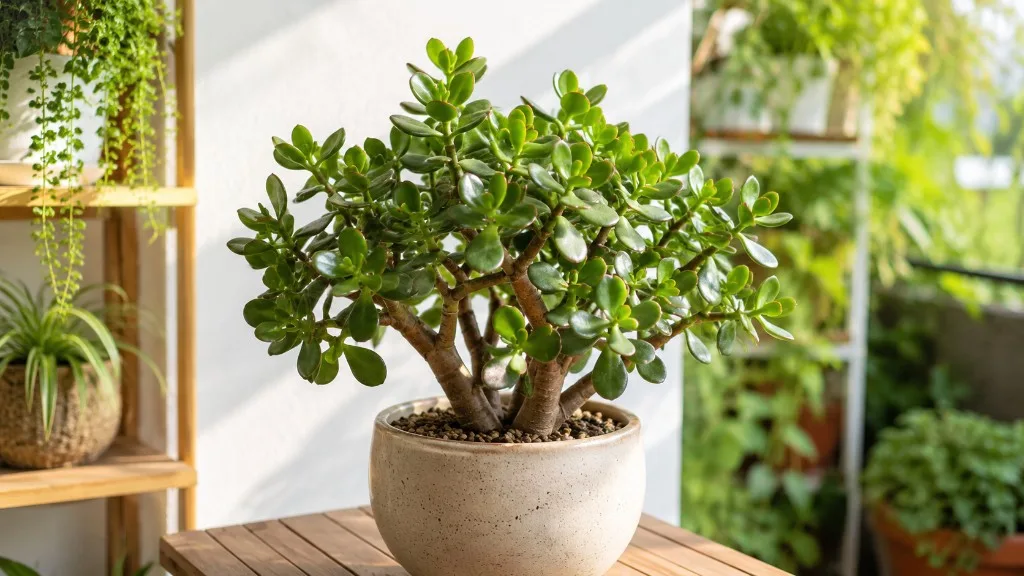
Mother of Millions is a fast-growing Madagascan succulent grown for upright, cylindrical leaves lined with tiny plantlets that root wherever they land. The accepted scientific name is Kalanchoe delagoensis, though older labels may list Bryophyllum delagoense, Bryophyllum tubiflorum, or Kalanchoe tubiflora — botanists now treat these as synonyms for practical care purposes. Common names include chandelier plant, devil’s backbone, and lizard plant. Do not confuse it with jade plant (Crassula ovata): jade has thick oval leaves on a slow, tree-like frame, while mother of millions produces narrow, spotted cylinders and spreads primarily through plantlets, not patience.
Indoors, mother of millions typically reaches 1 to 4 feet (30 to 120 cm) tall and 1 to 2 feet (30 to 60 cm) wide with a rapid growth rate that can surprise growers expecting jade-like slowness. NC State Extension describes gray-green, fleshy, narrow leaves with scalloped edges, reddish-brown spots, and tooth-like plantlets along the margins. Mature plants may bloom in late winter to early spring with dangling clusters of bell-shaped flowers in shades from pale pink to dark reddish-orange — a chandelier effect that gives the plant one of its nicknames. Blooms are a bonus; most indoor specimens are kept for foliage and structure.
If you are deciding whether this plant fits your home, the honest summary is this: mother of millions rewards bright sun, gritty fast-draining soil, conservative soak-and-dry watering, and strict pot isolation — and it punishes mixed shelves, dim corners, and heavy peat mixes faster than its tough leaves suggest. It is easier to keep alive than a finicky tropical foliage plant and far more aggressive than mother of thousands when plantlets escape. One non-negotiable caveat: mother of millions is toxic to cats and dogs and can irritate skin on contact, which matters for floor pots and curious pets.
Botanical Background and Common Names
Mother of millions belongs to the family Crassulaceae, the stonecrop group that includes jade plant, echeveria, and sedum. Like other crassulads, it stores water in leaves and stems, opens stomata primarily at night (CAM photosynthesis), and tolerates drought far better than wet roots. Unlike slow woody jades, Kalanchoe delagoensis is an erect herbaceous perennial succulent with a rapid growth rate and low maintenance needs when light and drainage are correct.
The species is native to central and southern Madagascar, where it grows in hot, arid conditions with strong sun and seasonal dry periods. NC State Extension notes it performs best in USDA hardiness zones 10 to 11 outdoors and must be brought indoors before temperatures drop to about 50°F (10°C) because it is not frost-tolerant. It is also intolerant of high humidity, which makes stuffy bathrooms and crowded plant cabinets poor long-term homes even when the window is bright.
Commerce sometimes mislabels kalanchoes. If your plant has upright cylindrical leaves with plantlets on the margins or tips, you are working with K. delagoensis or a close viviparous relative — not the flat, scalloped leaves of florist Kalanchoe blossfeldiana. Tags matter less than visible traits: cylinder leaves plus prolific plantlets equals containment-first care.
Mother of Millions vs Mother of Thousands
These two names sound interchangeable; they are not. Mother of thousands (Kalanchoe daigremontiana, syn. Bryophyllum daigremontianum) has wide, plain green, triangular leaves with plantlets forming along the leaf margins. Mother of millions has narrow cylindrical leaves with plantlets concentrated at the tips and notched edges, often in a horseshoe pattern. Both reproduce viviparously — plantlets form while still attached, develop roots, then drop and root independently.
Growers often report that mother of millions feels more aggressive in home conditions: plantlets detach easily, stems elongate quickly in good light, and escaped pups colonize neighboring pots within weeks. Treat both species as isolated specimens, but mother of millions especially deserves its own tray, daily sweep of fallen plantlets, and a hard rule against composting pups outdoors in warm climates. NC State Extension lists the species as invasive in parts of Australia, southern Africa, the Pacific Islands, Central America, and the southern United States, including reported problems in Haleakala National Park, Hawaii, and introductions in Florida, Hawaii, and Texas.
Why Plantlet Biology Drives Every Care Decision
Viviparous reproduction is the defining care variable. Most houseplants propagate only when you take cuttings; mother of millions propagates continuously without permission. Plantlets that fall on damp soil in adjacent pots, floor cracks, or outdoor beds can root within days. That biology changes shopping, placement, watering, and disposal:
- Isolation beats aesthetics. One pot on a dedicated tray you can wipe daily outperforms a beautiful mixed succulent bowl.
- Fallen plantlets are weeds. Collect and discard them; do not compost in frost-free regions.
- Fast top growth can mask root stress. Elongating stems may look healthy while lower roots sit in wet mix — check soil, not just vertical inches.
- Propagation is never the hard part. The skill is controlling spread; see the Mother of Millions propagation guide when you want deliberate starts, not accidental colonies.
Best Growing Conditions for Mother of Millions
Mother of millions performs best when your room approximates Madagascan brightness and drainage: strong light, warm stable temperatures, low humidity, and a pot that dries fast. Align those four variables and feeding, repotting, and occasional pruning become maintenance. Misalign one — especially water in dim light — and mealybugs, leggy stems, and root rot follow.
Light Requirements
Mother of millions needs bright light daily, including several hours of direct sun once acclimated. NC State Extension lists cultural requirements as full sun (six or more hours of direct sunlight) or partial shade (two to six hours of direct sun) with well-drained soil. Indoors, aim for the brightest unobstructed window you can offer — typically south, then east, then west in the Northern Hemisphere — with the pot within 12 inches (30 cm) of the glass on clear days.
Weak light produces leggy, floppy stems, pale leaves, and slower dry-down that increases rot risk. Strong light keeps stems stout and internodes short. Acclimate gradually over two to three weeks when moving from a dim shop shelf to intense south glass; leaves formed in low light burn easily under sudden hot sun. If natural light is insufficient, a full-spectrum grow light 6 to 12 inches above the canopy for 12 to 14 hours daily can substitute. Full placement detail lives in the Mother of Millions light guide.
Temperature, Humidity, and Summer Dormancy
Mother of millions prefers warm indoor temperatures around 65 to 85°F (18 to 29°C) during active growth and struggles below 50°F (10°C). Protect from frost entirely. Avoid microclimates: winter window ledges that freeze at night, direct air-conditioning blasts, and radiator shelves can stress roots within hours.
Humidity should stay low to average, roughly 30 to 50%. NC State Extension specifically notes intolerance of high humidity; misting does not help and can encourage fungal spotting on crowded leaves. Good airflow around the pot matters more than raising room moisture.
One jade-plant growers often miss: mother of millions may enter a summer dormancy in hot arid conditions. NC State Extension recommends reducing watering to about every two weeks during the dormant summer period while keeping bright light. In many homes the plant grows year-round, but if growth stalls in peak heat while soil stays wet, stretch intervals and treat it as a dry-season succulent, not a tropical foliage plant on a July watering schedule.
Soil, Pots, and Isolation Placement
Use a very fast-draining succulent mix — bagged cactus blend amended with perlite and coarse grit or pumice — rather than standard peat-heavy potting soil. Target the outcome: water enters fast, drains freely, and air reaches roots. NC State Extension recommends cactus and succulent potting mix indoors and sandy or loamy soil outdoors.
Terracotta or heavy mineral pots earn their place: they dry faster and lower the center of gravity as stems elongate. Always use a drainage hole; cachepots are fine only if you empty runoff within thirty minutes. Because the plant becomes top-heavy, choose a stable pot wider than you think you need, or stake tall bare stems after Mother of Millions pruning. Place the pot alone on a tray — never in a shared succulent dish where plantlets can parachute into neighbors’ soil. Deeper mix recipes and pH notes are in the Mother of Millions soil guide.
How to Water Mother of Millions
The reliable rule: soak thoroughly when the soil is fully dry throughout the pot, then wait until it is dry again. Mother of millions stores water in cylindrical leaves and upright stems; it wants deep drinks followed by complete dry-down, not shallow sips that keep the core damp.
Check moisture at full pot depth with a finger, skewer, or pot weight — not just the surface inch. When dry and the pot feels light, water until excess runs from the drainage hole, then empty the saucer. As a starting rhythm before you learn your container: every 10 to 14 days in warm bright summer months and every three to four weeks in cooler low-growth winter, then adjust for light, pot size, and dormancy. The calendar is a reminder to check, not permission to water.
Soak-and-Dry Rhythm in Active Growth
During spring and active growth, mother of millions uses water at its fastest indoor rate — still with full dry-down between soaks. Firm, plump leaves and steady new plantlet production at leaf tips usually mean the rhythm is roughly right. If stems soften at the base while soil stays wet, you are overwatering for your light level even if the top inch looks dry.
Pair watering with light observations. A plant moved to a brighter window dries faster; check more often the first month. A tall leggy specimen in dim light transpires slowly — extend intervals rather than adding sympathy water.
Seasonal and Dormancy Adjustments
In winter, growth often slows: stretch intervals toward every three to four weeks or longer in cool rooms, pause fertilizer, and keep soil on the dry side. In hot summer dormancy, follow NC State Extension guidance to reduce frequency to about every two weeks if growth stalls in peak heat — still only when dry at depth.
Cool night temperatures plus wet soil are especially dangerous. Pull the pot back from freezing glass in winter and let the mix stay drier than in spring. Resume generous soak-and-dry only when new growth is clearly active and temperatures are stable.
Common Watering Mistakes
The most common failure is watering on a calendar instead of checking dryness. Other frequent errors: leaving the pot in a full saucer, using moisture-retentive mix, increasing water when plantlets fall (they fall regardless of water), and maintaining summer frequency while the plant slows in winter. Soft translucent leaves with wet soil mean rot — stop watering, improve light gradually, and inspect roots. Wrinkled cylinders on bone-dry soil mean drought — one thorough soak, then return to checks.
How to Feed Mother of Millions
Mother of millions does not need heavy feeding. A diluted cactus or succulent fertilizer at half strength once in spring and once in early summer is enough for most indoor specimens. Apply to already-moist soil so nutrients distribute without burning dry roots. Pause feeding during winter slowdown, summer dormancy, and for several weeks after repotting.
High-nitrogen feeds push soft, leggy growth that topples and rots more easily. If the plant is stressed, dropping plantlets excessively, or sitting in wet mix, fix light and water before adding fertilizer. Detailed timing and NPK notes are in the Mother of Millions fertilizer guide.
Repotting, Weight, and Pot Stability
Repot mother of millions roughly every two to three years, or when roots escape drainage holes, the pot tips easily, or mix has compacted and smells sour. Best timing is early spring as growth resumes. Move up one pot size at a time — oversized pots hold wet mix roots cannot colonize quickly.
Trim only mushy brown roots during repot; firm white or tan roots should stay. Let the plant sit in barely moist fresh mix for several days before the first full soak. Choose a heavy, wide pot because elongated stems act like a lever on narrow bases. Step-by-step timing and post-repot care are in the Mother of Millions repotting guide.
Signs It Is Time to Repot
Clear mechanical signals include roots circling out of drainage holes, a plant that falls over when brushed, mix that dries in a day because roots displaced soil, and chronic wilting despite careful watering (often congestion or degraded mix). If the plant is stable, drying predictably, and not root-bound, delaying repot an extra year is safer than upsizing prematurely.
Propagation and Plantlet Control
Propagation is almost embarrassingly easy: plantlets, leaf cuttings, and stem cuttings all root readily. NC State Extension lists leaf and stem cuttings as recommended propagation strategies; in practice, fallen plantlets are the main “propagation method” whether you want them or not.
For deliberate propagation, place mature plantlets on dry succulent mix, mist lightly until roots anchor, then transition to normal soak-and-dry. For control, daily collection of fallen plantlets from trays and surrounding surfaces is non-optional. Seal discards in the trash — do not compost outdoors in zones 10 to 11 or frost-free coastal areas. UF/IFAS Extension notes that mother of millions has established in parts of Florida and can outcompete native vegetation when plantlets escape cultivation.
Never share mixed bowls with slow-growing succulents you want to keep pure. If you need many starts, propagate on purpose in a isolated flat; if you need one specimen, treat every plantlet as a weed.
Common Mother of Millions Problems
Most problems trace to water, light, or uncontrolled spread — not mysterious diseases. Read symptoms in order: soil moisture, then light, then pests, then recent moves or repots.
Pests, Rot, and Leggy Growth
NC State Extension lists mealybugs and aphids as common insect issues and root rot from overwatering as a primary disease risk. Powdery mildew can appear with poor airflow and high humidity. Leggy growth is inadequate light — move brighter before pruning. Dry brown curling leaves may mean too much direct sun without acclimation or underwatering at depth. Inspect leaf axils weekly; isolate infested pots before plantlets carry pests to neighbors.
Invasive Spread Indoors and Outdoors
Indoors, invasion means plantlets in every nearby pot. Outdoors in frost-free climates, it means self-sowing colonies in pavement cracks and garden beds. The species is toxic to livestock in invaded rangeland abroad; in homes the parallel risk is pets ingesting plantlets that look like confetti on the floor. Containment is care, not optional hygiene.
Is Mother of Millions Safe for Pets?
No — mother of millions is toxic to cats and dogs. The ASPCA lists Kalanchoe species — including mother of millions among common names — as toxic to dogs and cats. Toxic principles are bufadienolides (cardiac glycoside–type compounds). Clinical signs can include vomiting, diarrhea, and, rarely, abnormal heart rhythm. NC State Extension rates poison severity as medium and notes toxicity to humans and pets if ingested, plus skin irritation from handling — gloves are reasonable when pruning or collecting plantlets.
If you suspect ingestion, contact your veterinarian or the ASPCA Animal Poison Control Center at (888) 426-4435. Prevention matters more than treatment: keep the plant on a high shelf or closed room, maintain daily plantlet cleanup so pets do not find pups on the floor, and choose a confirmed pet-safe succulent if animals chew plants.
Conclusion
The most useful thing to know about mother of millions is that it is a fast Madagascan Kalanchoe that stores water in cylindrical leaves while reproducing through plantlets that root anywhere they land. Give it bright sun including direct light, gritty fast-draining soil in a stable isolated pot, and soak-and-dry watering adjusted for winter slowdown and possible summer dormancy, and it becomes a striking upright specimen. Skip containment, add water on a calendar in dim light, or mix it on a shared shelf, and you get leggy rot-prone stems plus unsolicited colonies in every neighboring pot.
Mother of millions is not pet-safe, not a low-light filler, and not a set-and-forget jade substitute. It is a fascinating succulent for growers who enjoy observation and daily tray wipes more than passive décor. Check the pot before you water, sweep plantlets before they root, acclimate light changes gradually, and let new stem growth tell you whether the setup works. Get those habits right and mother of millions stays contained, upright, and worth keeping on its own terms.
When to use this page vs other Mother of Millions guides
- Mother of Millions overview — Canonical hub for this species; start here for identity, containment, and the full care picture.
- Sibling topic guides — Open when one variable needs depth: watering, light, soil, fertilizer, repotting, propagation, or pruning.
Related Mother of Millions guides
- Mother of Millions watering — Soak-and-dry checks, summer dormancy, and rot warning signs
- Mother of Millions light — Window placement, direct sun acclimation, grow lights
- Mother of Millions soil — Gritty mixes, terracotta, and drainage targets
- Mother of Millions propagation — Deliberate plantlet starts vs accidental spread
- Mother of Millions fertilizer — Seasonal feeding and what to avoid
- Mother of Millions repotting — Heavy pots and root-health timing
- Mother of Millions pruning — Topping leggy stems and stabilizing tall plants
How to care for Mother of Millions?
When should you water Mother of Millions?
Allow soil to dry between waterings. Every 10–14 days in active growth; every 2 weeks during summer dormancy; every 3–4 weeks in winter rest.
- Skewer dry test through full pot depth; confirm pot feels light - Allow soil to dry between waterings.
- Drain excess water - Allow soil to dry between waterings.
What soil works best for Mother of Millions?
Very gritty succulent mix in a heavy pot that will not tip as stems elongate.
- cactus and succulent mix - Very gritty succulent mix in a heavy pot that will not tip as stems elongate.
- perlite (30%) - Light white granules that keep soil airy and help prevent compaction.
- coarse grit or pumice - Very gritty succulent mix in a heavy pot that will not tip as stems elongate.
Grower notes for Mother of Millions
What matters most with Mother of Millions
Cylindrical leaves carry plantlets at every notch — treat this as a contained specimen, not a mixed-shelf plant. Overcare is more dangerous than short dry spells. Strong light and drainage are the safety net. Pair bright direct sun with very gritty succulent mix, and avoid changing water, pot size, and placement all at once.
Best placement in a real home
Isolate in its own pot on a tray you can wipe daily. Full to partial sun keeps stems stout — protect from hot afternoon sun that can scorch leaves. Never compost fallen plantlets outdoors in warm climates. Humidity target: 30–50%. Temperature comfort zone: 18–24°C (65–75°F).
Before you buy this plant
Confirm you want this species — it is more aggressive than mother of thousands and can colonize neighboring pots. Choose firm cylindrical leaves without stem rot. Be cautious if you see mushy bases, a sour-smelling mix, or plantlets already rooting in shared shelf soil.
First month after bringing it home
Collect plantlets from surfaces under the pot weekly. Do not repot on day one unless the mix is failing. Water conservatively despite fast top growth — roots still need full dry-down cycles. Quarantine away from other succulents until you learn how fast the pot dries.
Safety note for Mother of Millions
Mother of Millions is not pet safe. Bufodienolides in leaves, stems, and sap can cause vomiting, diarrhea, and abnormal heart rhythm. Skin contact may irritate — use gloves when handling. Keep fallen plantlets off floors pets explore.
How to tell Mother of Millions is settling in
Also sold as Chandelier Plant and Devil's Backbone, this plant should be judged by stable upright stems rather than label names alone. Thick stems with moderate plantlet production indicate good light. Prune tall bare stems and replant tops. Repot only when roots escape drainage holes or the pot becomes unstable.
Is it pet safe?
Mother of millions is toxic to cats and dogs.
Toxic to cats and dogs — bufadienolide compounds cause vomiting, diarrhea, and abnormal heart rhythm. Highly invasive via plantlets.
Watering Mother of Millions
For Mother of Millions, skewer dry test through full pot depth; confirm pot feels light and water every 10–14 days spring/fall; every 2 weeks summer dormancy; every 3–4 weeks winter. Summer dormancy — reduce to every 2 weeks; plantlets still drop so isolate the pot.
| Detail | Information |
|---|---|
| How often | Every 10–14 days spring/fall; every 2 weeks summer dormancy; every 3–4 weeks winter |
| How to check | Skewer dry test through full pot depth; confirm pot feels light |
| Seasonal changes | Summer dormancy — reduce to every 2 weeks; plantlets still drop so isolate the pot |
Signs of overwatering
- Soft, mushy, or translucent leaves or stems
- Black or brown bases at soil line
- Soil that stays wet for weeks
Signs of underwatering
- Wrinkled or shriveled leaves
- Loss of plumpness in stems or pads
Soil & potting for Mother of Millions
Use a mix of cactus and succulent mix, perlite (30%), coarse grit or pumice for Mother of Millions. Excellent drainage is essential; terracotta or mineral mixes preferred. Target soil pH around 6.0–7.5. Repot every 1–2 years when fast growth fills the pot; isolate to control plantlet spread, ideally in spring.
| Detail | Information |
|---|---|
| Recommended mix | cactus and succulent mix, perlite (30%), coarse grit or pumice |
| Drainage | Excellent drainage is essential; terracotta or mineral mixes preferred |
| Soil pH | 6.0–7.5 |
| Repotting frequency | Every 1–2 years when fast growth fills the pot; isolate to control plantlet spread |
| Best season to repot | Spring |
Signs it needs repotting
- Roots escaping drainage holes
- Plant unstable in pot
- Soil depleted and compacted
Humidity & temperature for Mother of Millions
Mother of Millions prefers 30–50%, though normal home humidity is usually fine. Keep temperatures around 18–24°C (65–75°F).
| Detail | Information |
|---|---|
| Humidity | 30–50% - normal home humidity is fine. |
| Ideal temperature | 18–24°C (65–75°F) |
Fertilizer & pruning for Mother of Millions
Use edu/factsheet/kalanchoe/) for Kalanchoe and fertilizing actively growing plants once a month. for Mother of Millions.
| Detail | Information |
|---|---|
| Fertilizer type | edu/factsheet/kalanchoe/) for Kalanchoe and fertilizing actively growing plants once a month. |
Common problems on Mother of Millions
Yellow Leaves
MediumLikely cause: Common on this plant type; confirm with recent watering, light, and root checks.
Quick fix: Inspect the plant and correct the most likely care stressor before stacking treatments.
Full fix guide →Brown Tips
MediumLikely cause: Common on this plant type; confirm with recent watering, light, and root checks.
Quick fix: Inspect the plant and correct the most likely care stressor before stacking treatments.
Full fix guide →Root Rot
MediumLikely cause: Common on this plant type; confirm with recent watering, light, and root checks.
Quick fix: Inspect the plant and correct the most likely care stressor before stacking treatments.
Full fix guide →Overwatering
MediumLikely cause: Common on this plant type; confirm with recent watering, light, and root checks.
Quick fix: Inspect the plant and correct the most likely care stressor before stacking treatments.
Full fix guide →Underwatering
MediumLikely cause: Common on this plant type; confirm with recent watering, light, and root checks.
Quick fix: Inspect the plant and correct the most likely care stressor before stacking treatments.
Full fix guide →Spider Mites
MediumLikely cause: Common on this plant type; confirm with recent watering, light, and root checks.
Quick fix: Inspect the plant and correct the most likely care stressor before stacking treatments.
Full fix guide →Mealybugs
MediumLikely cause: Common on this plant type; confirm with recent watering, light, and root checks.
Quick fix: Inspect the plant and correct the most likely care stressor before stacking treatments.
Full fix guide →Aphids
MediumLikely cause: Common on this plant type; confirm with recent watering, light, and root checks.
Quick fix: Inspect the plant and correct the most likely care stressor before stacking treatments.
Full fix guide →Leggy Growth
MediumLikely cause: Common on this plant type; confirm with recent watering, light, and root checks.
Quick fix: Inspect the plant and correct the most likely care stressor before stacking treatments.
Full fix guide →Slow Growth
MediumLikely cause: Common on this plant type; confirm with recent watering, light, and root checks.
Quick fix: Inspect the plant and correct the most likely care stressor before stacking treatments.
Full fix guide →Wilting
MediumLikely cause: Common on this plant type; confirm with recent watering, light, and root checks.
Quick fix: Inspect the plant and correct the most likely care stressor before stacking treatments.
Full fix guide →Drooping Leaves
MediumLikely cause: Common on this plant type; confirm with recent watering, light, and root checks.
Quick fix: Inspect the plant and correct the most likely care stressor before stacking treatments.
Full fix guide →Low Humidity
MediumLikely cause: Common on this plant type; confirm with recent watering, light, and root checks.
Quick fix: Inspect the plant and correct the most likely care stressor before stacking treatments.
Full fix guide →Not Enough Light
MediumLikely cause: Common on this plant type; confirm with recent watering, light, and root checks.
Quick fix: Inspect the plant and correct the most likely care stressor before stacking treatments.
Full fix guide →Fungus Gnats
MediumLikely cause: Common on this plant type; confirm with recent watering, light, and root checks.
Quick fix: Inspect the plant and correct the most likely care stressor before stacking treatments.
Full fix guide →Mold on Soil
MediumLikely cause: Common on this plant type; confirm with recent watering, light, and root checks.
Quick fix: Inspect the plant and correct the most likely care stressor before stacking treatments.
Full fix guide →