Marjoram Care Guide: Watering, Soil & Growing Sweet
Origanum majorana
Learn how to grow sweet marjoram (Origanum majorana) in full sun and fast-draining soil, when to water and harvest it, and how to protect this tender herb from frost.
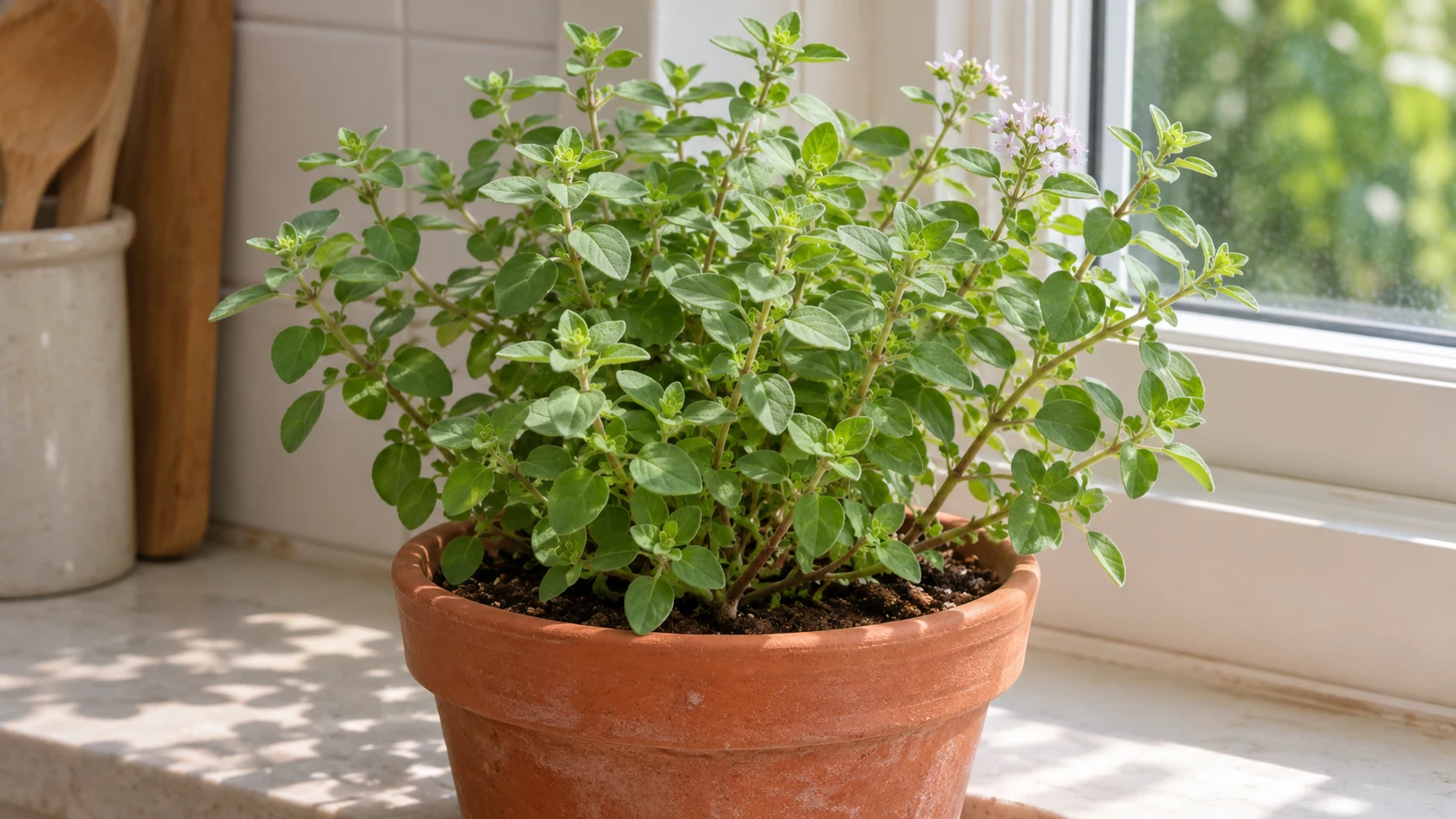
Marjoram Care Guide: Growing Origanum majorana
Start with wateringThe most common care mistake for MarjoramWatering guide →Marjoram care essentials
Light
Water
Water young plants while they establish. Once established, marjoram is drought-tolerant; let the mix dry between waterings and water container plants during hot, dry spells. Never leave roots in saturated soil.
Soil
Loose, gritty, sandy-loam soil with excellent drainage; marjoram tolerates relatively poor soil better than heavy, rich, wet soil.
Humidity
Temperature
Fertilizer
About Marjoram
Marjoram is native to Eastern Mediterranean and Turkey, typically reaches 30–60 cm (1–2 ft) tall and wide, forming a compact mound indoors, with moderate in warm, sunny conditions; slow to establish from seed growth. Marjoram has a tender perennial subshrub, commonly grown as an annual in cold winter climates growth habit and part of the Lamiaceae family. It is also known as Sweet Marjoram, Knotted Marjoram, and Majorana hortensis.
| Detail | Information |
|---|---|
| Also known as | Sweet Marjoram, Knotted Marjoram, Majorana hortensis |
| Native region | Eastern Mediterranean and Turkey |
| Mature size | 30–60 cm (1–2 ft) tall and wide, forming a compact mound |
| Growth rate | Moderate in warm, sunny conditions; slow to establish from seed |
| Growth habit | Tender Perennial Subshrub, Commonly Grown As An Annual In Cold Winter Climates |
| Scientific name | Origanum majorana |
| Family | Lamiaceae |
How to care for Marjoram?
When should you water Marjoram?
Water young plants while they establish. Once established, marjoram is drought-tolerant; let the mix dry between waterings and water container plants during hot, dry spells. Never leave roots in saturated soil.
- Feel the upper 2–3 cm of potting mix - Once established, marjoram is drought-tolerant; let the mix dry between waterings and water container plants during hot, dry spells.
- water at the soil line when it is dry - Water young plants while they establish.
- then let excess drain freely - Once established, marjoram is drought-tolerant; let the mix dry between waterings and water container plants during hot, dry spells.
- Drain excess water - Water young plants while they establish.
What soil works best for Marjoram?
Loose, gritty, sandy-loam soil with excellent drainage; marjoram tolerates relatively poor soil better than heavy, rich, wet soil.
- 75% peat-free soil-based compost - Loose, gritty, sandy-loam soil with excellent drainage; marjoram tolerates relatively poor soil better than heavy, rich, wet soil.
- 25% horticultural grit by volume for drainage - Loose, gritty, sandy-loam soil with excellent drainage; marjoram tolerates relatively poor soil better than heavy, rich, wet soil.
Grower notes for Marjoram
Sweet marjoram is not wild marjoram
Sweet marjoram is Origanum majorana. Oregano is usually Origanum vulgare, also called wild marjoram in some contexts; they are relatives, not the same species. Sweet marjoram has a softer, sweeter flavor, so check the botanical name when buying seed or plants.
Give it sun and a dry root zone
Place marjoram where it receives full sun and use gritty, free-draining soil. It handles heat and dry spells once established, while saturated compost can rot the roots. A sunny pot is a useful option when a garden bed stays heavy or wet.
Start with steady moisture, then ease back
Keep a new transplant from drying out as it establishes. After it begins growing strongly, allow the surface of the mix to dry before watering again. Containers dry faster than garden soil, so check them more often in warm, bright weather rather than following a fixed calendar.
Keep a compact, leafy shape
Pinch or trim the soft shoot tips and cut back straggly stems in late spring to encourage branching. Harvesting the tips regularly can keep the mound productive. Trim flower stems after blooming if you want a neater plant; leaves have their best flavor before flowers open.
Plan for winter protection
Sweet marjoram is a tender perennial and is commonly grown as an annual where winters are cold. In colder regions, grow it in a movable container and bring it to a bright, frost-free place before frost. Avoid cold, rain-soaked compost while it is overwintering.
Keep it away from pets
ASPCA lists marjoram as toxic to cats and dogs, with gastrointestinal irritants that can cause vomiting and diarrhea. Keep the pot and prunings out of reach; contact a veterinarian promptly if a pet chews the plant.
Is Marjoram safe for pets?
ASPCA lists marjoram as toxic to cats and dogs. Keep leaves and prunings out of reach; ingestion can cause vomiting and diarrhea.
ASPCA identifies Origanum majorana as toxic to cats and dogs and lists gastrointestinal irritants as the toxic principle, with vomiting and diarrhea as clinical signs. This listing does not establish safety for other animals. If a pet eats the plant, contact a veterinarian or animal poison-control service.
Watering Marjoram
For Marjoram, feel the upper 2–3 cm of potting mix; water at the soil line when it is dry, then let excess drain freely and water check pots every few days in warm weather and water when the mix has begun to dry; established garden plants usually need extra water only through prolonged dry spells. Water less in cool, low-light months and protect overwintered pots from cold rain; resume regular checks as spring growth begins.
| Detail | Information |
|---|---|
| How often | Check pots every few days in warm weather and water when the mix has begun to dry; established garden plants usually need extra water only through prolonged dry spells |
| How to check | Feel the upper 2–3 cm of potting mix; water at the soil line when it is dry, then let excess drain freely |
| Seasonal changes | Water less in cool, low-light months and protect overwintered pots from cold rain; resume regular checks as spring growth begins |
Signs of overwatering
- mix stays wet for several days
- lower stems soften or darken
- foliage yellows while the roots remain wet
- sour-smelling compost or root decline
Signs of underwatering
- leaves and soft stems lose firmness during hot, dry weather
- potting mix pulls away from the sides of the container
- growth stalls during a prolonged dry spell
Soil & potting for Marjoram
Use a mix of 75% peat-free soil-based compost, 25% horticultural grit by volume for drainage for Marjoram. Fast drainage is essential. Use a pot with open drainage holes or a raised bed if garden soil stays wet. Target soil pH around Neutral to mildly alkaline; about 6.5–7.5 is a practical target. Repot repot when roots fill the container or the mix stops draining well; refresh container-grown plants as needed rather than keeping wet, compacted compost, ideally in spring, after winter protection and before the main flush of growth.
| Detail | Information |
|---|---|
| Recommended mix | 75% peat-free soil-based compost, 25% horticultural grit by volume for drainage |
| Drainage | Fast drainage is essential. Use a pot with open drainage holes or a raised bed if garden soil stays wet. |
| Soil pH | Neutral to mildly alkaline; about 6.5–7.5 is a practical target |
| Repotting frequency | Repot when roots fill the container or the mix stops draining well; refresh container-grown plants as needed rather than keeping wet, compacted compost |
| Best season to repot | Spring, after winter protection and before the main flush of growth |
Signs it needs repotting
- roots crowd the drainage holes or circle the root ball
- water runs through a shrunken or compacted mix without wetting it evenly
- the plant dries unusually quickly despite moderate weather