How to Grow and Care for Oregano
Learn to grow oregano in beds or pots: variety choice, lean soil, watering, harvest timing, drying, propagation, winter care, and pet safety.
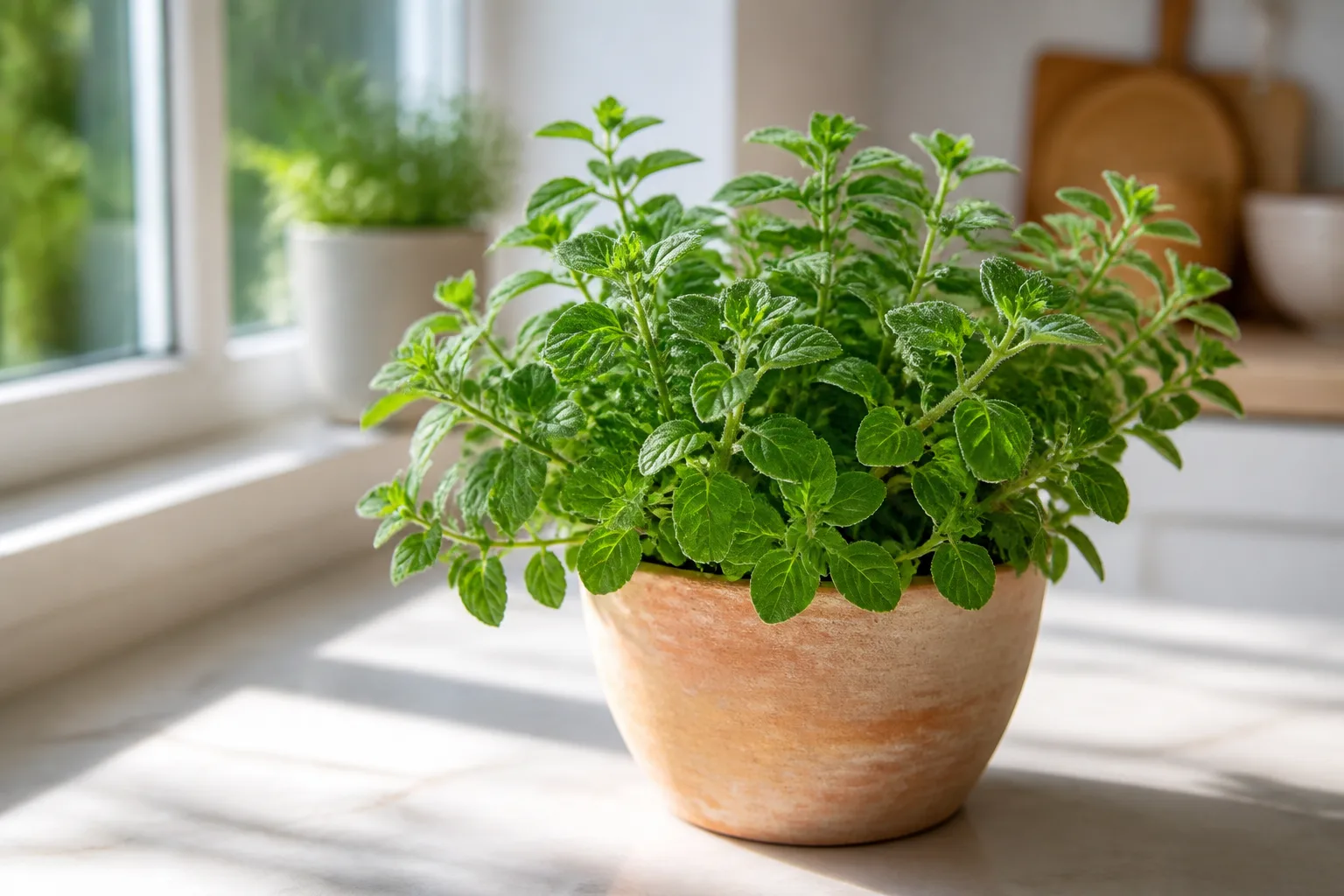
Oregano is one of the easiest Mediterranean herbs to keep alive—and one of the easiest to grow badly. Give it rich, constantly moist soil and a shady corner, and you will get pale, floppy stems with barely any aroma. Give it full sun, gritty drainage, and a light hand with water and fertilizer, and a single plant can supply pizza nights, grilled vegetables, and dried jars for years.
This guide covers how to choose real culinary oregano (not a look-alike marjoram or ornamental gold-leaf clone), plant it in beds or pots, water without rotting roots, pinch for bushy growth, harvest at peak flavor, propagate divisions, overwinter in wet climates, and keep pets safe around the patch.
Oregano at a Glance
Use this table as a pre-planting checklist.
| Factor | Target for healthy oregano |
|---|---|
| Botanical names | Origanum vulgare (common/wild oregano); O. vulgare subsp. hirtum (Greek oregano) |
| Plant type | Woody-based perennial herb (Lamiaceae / mint family) |
| Mature size | 1–3 ft tall, 1–2 ft wide depending on variety |
| Hardiness | USDA zones 4–10 (variety-dependent; confirm label) |
| Light | Full sun; 6–8+ hours direct light daily |
| Soil | Lean, sandy or loamy, excellent drainage; pH roughly 6.0–7.0 |
| Water | Moderate; let soil dry between waterings; drought-tolerant when established |
| Fertilizer | Usually none in-ground; light feed for long-term container plants only |
| Bloom time | Summer (pink, white, or mauve flower clusters) |
| Best start method | Nursery plant labeled Greek/hirtum, or vegetative cutting/division |
| Lifespan | Productive roughly 5 years before center woodiness; renew by division |
| Pet note | ASPCA lists oregano as toxic to dogs, cats, and horses (GI irritants) |
NC State Extension describes Origanum vulgare as a woody, branching perennial native to Europe and Asia that reaches about 3 feet tall with a 2-foot spread, prefers full sun and dry-to-medium well-drained soil, and tolerates heat and drought. (NC State Extension) The RHS notes typical garden oregano forms a 30–60 cm (1–2 ft) clump, thrives in warm sunny sites, and is reliably perennial in free-draining UK soils—same cultural logic applies in most US gardens. (RHS)
Greek Oregano, Common Oregano, and Marjoram: Know What You Are Buying
Label chaos causes more kitchen disappointment than bad watering. Oregano and marjoram are both Origanum species, and common names get swapped at garden centers.
Culinary types worth planting
For bold pizza-and-tomato-sauce flavor, prioritize Greek oregano—botanically Origanum vulgare subsp. hirtum. NC State Extension calls this “the standard culinary oregano.” (NC State Extension) It has a sharper, thyme-like aroma compared with sweeter marjoram types.
Common oregano (O. vulgare) is the species most often sold simply as “oregano.” Flavor varies by seed source and climate; buying a named culinary cultivar beats anonymous seedlings.
Sweet marjoram (O. majorana) is milder and sweeter—excellent fresh, but not interchangeable with dried oregano in robust sauces. The RHS distinguishes oregano’s pungent leaves from marjoram’s softer flavor and notes marjoram is generally less hardy. (RHS)
When shopping, read the label for hirtum, “Greek,” or a named AGM culinary variety such as ‘Hot and Spicy’ or ‘Compactum’ rather than grabbing the prettiest gold-leaf pot from the ornamental section.
Ornamental oregano to skip for the kitchen
Cultivars like ‘Aureum’ (golden oregano) and showy hybrids such as ‘Kent Beauty’ are grown for foliage and flowers, not maximum culinary oil content. NC State notes golden types often perform better with light afternoon shade to prevent leaf scorch—opposite of what you want for intense kitchen flavor. (NC State Extension) Plant them as edging; keep a separate Greek oregano for cooking.
When and Where to Plant Oregano
Plant oregano in spring after your last frost, when soil has warmed and drains freely. You can also start seeds or cuttings indoors 6–10 weeks before the last frost and transplant after hardening off.
Choose the sunniest, best-drained spot available. Oregano is a Mediterranean herb: it tolerates poor soil better than rich, damp beds. In heavy clay or low spots that hold winter moisture, use raised beds or containers instead of amending clay in place with sand alone.
Space plants 8–12 inches apart (20–30 cm) so air can move between clumps—critical in humid summers. Do not tuck oregano under tall vegetables that will shade it by midsummer. Our herb garden ideas guide explains why Mediterranean herbs belong on the dry, sunny edge of a layout, not in the same irrigation zone as basil.
Starting Oregano: Seeds, Nursery Plants, or Cuttings
Buy a labeled nursery start or root a cutting if you want predictable flavor this season. Seed is cheap for ground-cover plantings but unreliable for matching a specific culinary type.
Sowing oregano seeds indoors
Oregano seeds are tiny and need light to germinate. The RHS advises sowing indoors in spring on moist peat-free seed compost, scattering seeds on the surface without covering, and holding around 20°C (68°F) in a bright spot; seedlings often appear in one to three weeks. (RHS)
Keep trays moist but not waterlogged—seedlings are prone to damping off. Transplant into individual 3-inch pots once several true leaves form, then move outdoors after hardening off.
Important: Different Origanum species cross-pollinate in the garden. Seed saved from mixed plantings may not grow true to the parent. For guaranteed Greek flavor, buy fresh seed from a reputable source or propagate vegetatively from a plant you have tasted.
Planting Oregano in Garden Beds
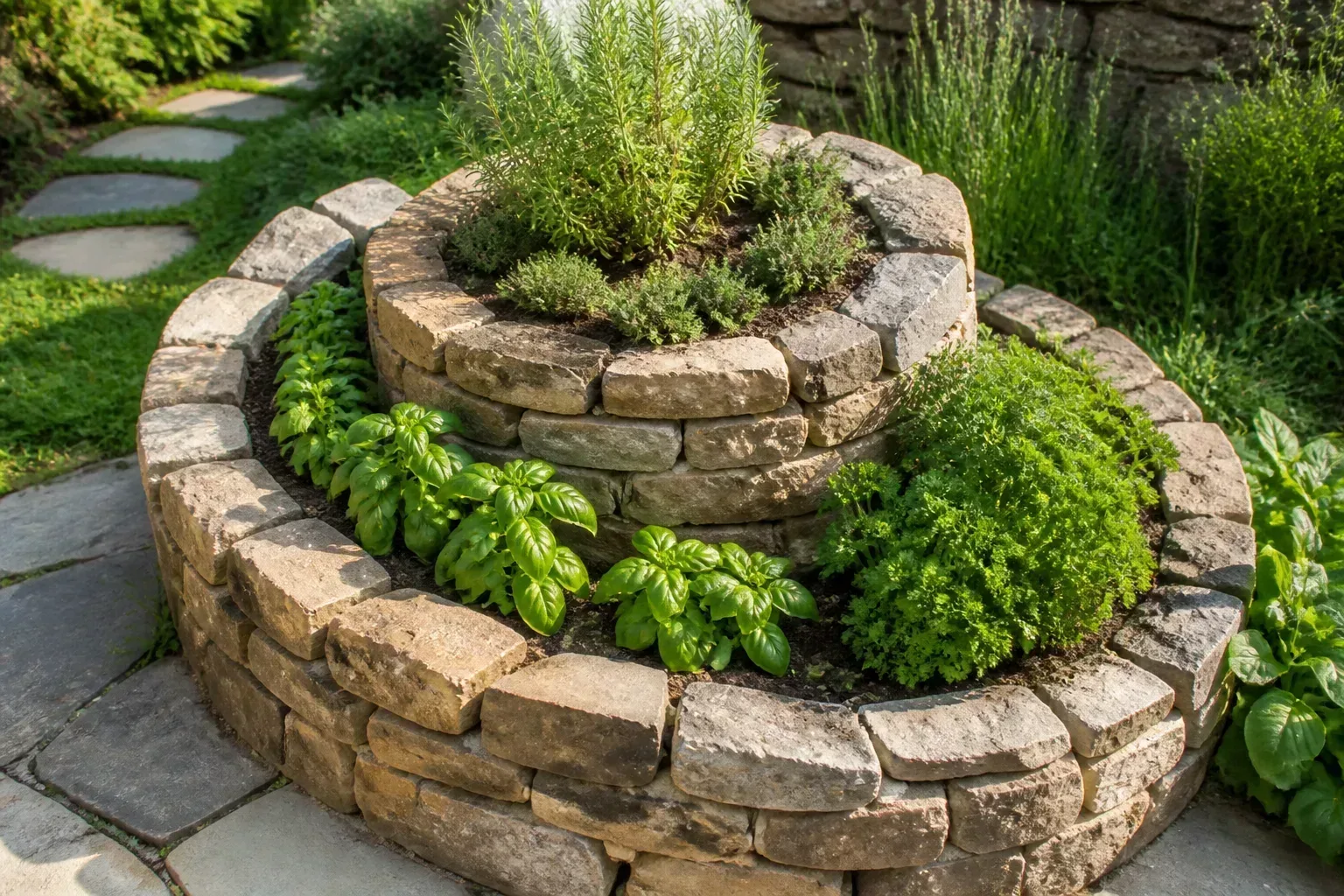
Dig a hole no deeper than the root ball and plant at the same depth the oregano grew in its pot. Mix up to 25% horticultural grit or coarse sand into the backfill if native soil is heavy.
Water thoroughly once at planting, then shift to the dry-side routine. Avoid fresh manure or high-nitrogen fertilizer at planting—excess nitrogen pushes soft, leafy growth with diluted flavor, the same mechanism that makes overfed basil taste mild.
Oregano pairs well at the dry edge of vegetable beds. Strong fragrance may help mask crops from some pests; more on companions below.
Growing Oregano in Containers
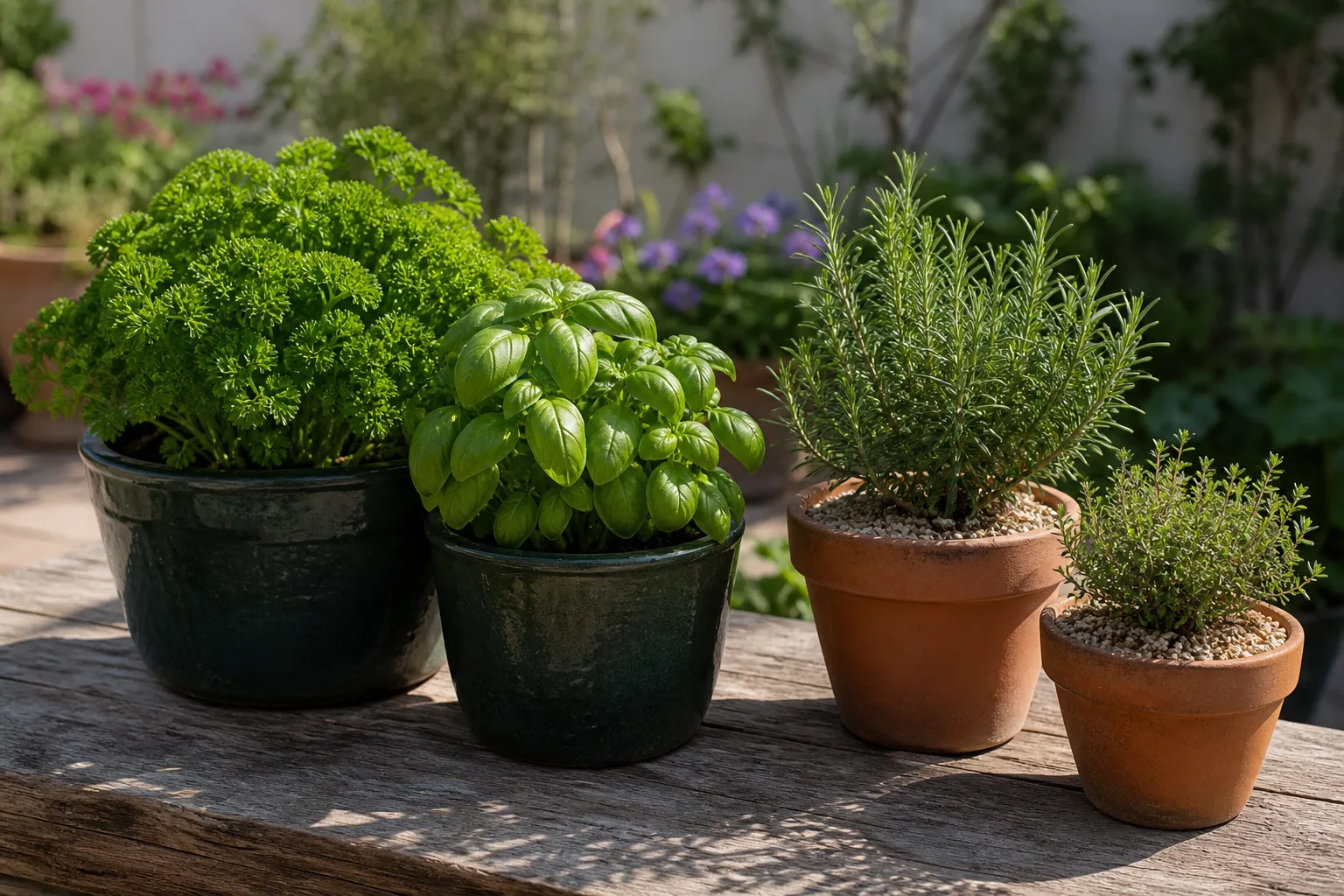
Containers are often the best choice in clay soil, on patios, or anywhere you need to move plants under eaves in rainy winters. Oregano belongs in the dry-side herb group with thyme and rosemary—not with moisture-loving basil. See herbs in pots vs ground for placement by species.
Choose a pot at least 6–8 inches deep and 10–14 inches wide for one mature plant, with multiple drainage holes. Unglazed terra-cotta wicks excess moisture and suits oregano better than sealed plastic in rainy climates.
Fill with quality potting mix amended with perlite or grit (up to 25% by volume). Place the pot where it receives full sun—six to eight hours minimum. Repot or divide every 2–3 years when growth slows or the center goes bare.
Indoor winter culture is possible on a very bright south-facing sill or under supplemental grow lights, but oregano is not a low-light houseplant. For indoor herb setups, browse herbs to grow indoors.
Light, Soil, and Water for Maximum Flavor
Oregano needs full sun—at least six to eight hours of direct light daily. More sun means tighter growth, higher essential-oil content, and better flavor. Leggy, pale stems with wide leaf spacing usually mean too little light or too much fertilizer.
Why lean soil beats rich compost
Sandy loam or gritty loam is ideal. NC State Extension lists dry-to-medium moisture with good drainage as core requirements and notes oregano tolerates heat and drought. (NC State Extension) Rich, constantly moist organic soil produces lush foliage with weaker aroma—the main reason store-bought “oregano” disappoints in the garden.
Target pH 6.0–7.0 (slightly acidic to neutral). If a soil test shows heavy clay, build a raised mound rather than planting in a wet bottom.
Water established in-ground oregano sparingly—roughly an inch per week in many climates, often less during cool weather. Let the top inch of soil dry before soaking again. New plantings need consistent moisture for the first few weeks while roots spread.
Container oregano dries faster; water when the top 2 inches of mix feel dry, soak until water exits drainage holes, and never leave the pot sitting in a full saucer. Overwatering is the number-one killer: stems wilt while the base turns mushy from root rot.
Fertilizing, Pinching, and Pruning for Bushy Plants
Skip fertilizer in lean garden soil. Oregano evolved on thin, dry hillsides; nitrogen-heavy feeds change leaf chemistry and soften flavor.
Container plants in the same pot more than one year may benefit from a light sprinkling of balanced granular feed in late spring—half the label rate at most. (RHS)
Begin pinching when plants reach about 4 inches tall. Snip growing tips weekly during active growth to force branching and delay flowering. Flowering is not harmful—bees love oregano blooms—but flavor peaks just before flowers open, so regular harvest doubles as pruning.
If stems turn woody and sparse, cut plants back to 3–4 inches above the crown in late spring. NC State Extension recommends shearing before flowering to induce fresh leaf growth. (NC State Extension) Severe renewal pruning to near ground level can rejuvenate an old clump if the root crown is still firm.
Propagating Oregano by Division, Layering, or Cuttings
Vegetative propagation guarantees you duplicate a plant whose flavor you already trust.
Division: In early spring or early fall, dig a mature clump, tease or slice the rootball into sections with roots attached, and replant immediately at the same depth. Water once, then treat as established.
Layering: Peg low stems to soil in spring or autumn; roots often form where stems touch ground. Sever and pot once rooted.
Softwood cuttings: In late spring or early summer, take 4–5 inch cuttings from non-flowering shoots, strip lower leaves, and root in moist sand-perlite mix or water in bright indirect light. Transplant when roots are 1–2 inches long.
Seed remains an option for large ground-cover drifts of O. vulgare, not for cloning a specific Greek cultivar.
Harvesting and Drying Oregano Leaves
Start snipping when stems reach 4–5 inches tall. Harvest by cutting sprigs above a leaf node, leaving at least two-thirds of the plant intact during the growing season.
Peak flavor window and storage
The most intense flavor develops just before flower buds open in early to midsummer. That is the best window for a large drying harvest. You can still pick leaves any time during the growing season for fresh use.
For fresh cooking, strip leaves from stems and use within about a week refrigerated. To dry, hang small bundles upside down in a cool, dark, well-ventilated room for one to three weeks until brittle. Strip leaves, discard stems, and store in airtight jars away from light. Dried oregano is more concentrated and keeps two to three years if sealed properly.
Oregano flowers are edible and make a mild garnish in salads—harvest a few clusters if you want pollinators and plate appeal, but prioritize leafy shoots for sauce work.
Overwintering Oregano in Cold or Wet Climates
Oregano is hardy in USDA zones 4–10 for many O. vulgare types, but cold wet soil kills more plants than cold air. In zones 4–5 or anywhere with soggy winters:
- Cut back dead stems after frost browns foliage, leaving a short stubble to mark the crown.
- Apply 3–4 inches of dry straw or shredded leaves over the root zone without packing wet mulch against stems; remove mulch in spring as soil thaws.
- Move containers to a rain shadow beside a wall or under an eave so roots do not sit saturated for months.
- Avoid plastic cloches that trap humidity without ventilation.
In mild climates, oregano may stay semi-evergreen and produce occasional harvests through winter.
Common Pests, Diseases, and Quick Fixes
Oregano is relatively trouble-free in sun and sharp drainage. Problems usually trace to too much water or too little air.
Watch for aphids, spider mites, and leaf miners on stressed plants—especially indoors or in crowded beds. A strong jet of water or insecticidal soap on a test patch often suffices; fix the underlying culture (light, spacing, dry soil) so pests do not return.
Root rot and mint rust
Root rot appears as wilting despite wet soil and blackened crown tissue. There is no chemical cure—improve drainage, reduce watering, and propagate healthy side shoots from an unaffected clump if the main crown is lost.
Mint rust (a fungal disease that also hits marjoram) shows orange, yellow, or black powdery spots on leaves. Remove affected shoots, avoid overhead watering, increase spacing, and do not plant oregano directly beside mint. Destroy severely infected plants rather than composting them.
NC State Extension lists fungal diseases, aphids, leaf miners, and spider mites as the main issues on Origanum vulgare. (NC State Extension)
Oregano as a Companion Plant in the Vegetable Garden
Oregano’s strong scent and pollinator-friendly flowers make it a useful edge plant beside tomatoes, peppers, brassicas, cucumbers, and squash—crops that share full-sun sites but need more water at the root zone. Plant oregano on the dry berm or path edge so you are not irrigating it every time you soak tomatoes.
Pair culturally with other dry Mediterranean herbs. Our how to grow thyme guide covers the same sun-and-grit playbook for a neighbor that thrives in identical conditions.
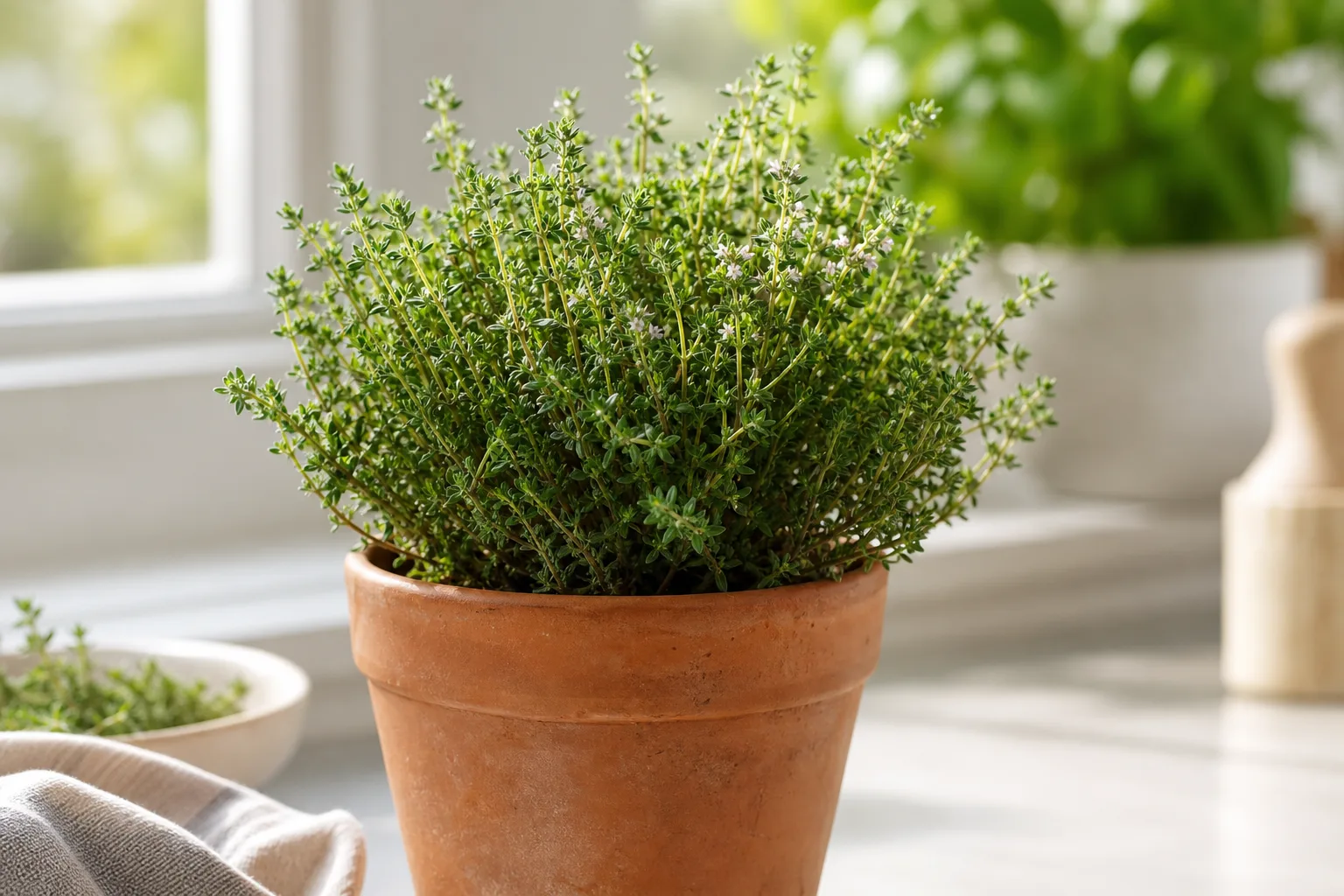
Oregano vs thyme at a glance: Oregano leaves are broader and brighter green; thyme leaves are smaller, often gray-green, on woodier stems. Both want sun and dry soil, but thyme is slower-growing and more drought-extreme; oregano fills space faster and benefits from slightly more frequent—but still conservative—watering in pots.
Pet Safety: Is Oregano Toxic to Cats and Dogs?
Yes. The ASPCA lists oregano (Origanum vulgare hirtum) as toxic to dogs, cats, and horses, with gastrointestinal irritants that can cause mild vomiting and diarrhea if significant amounts are eaten. (ASPCA)
Culinary quantities in finished food are a different context from a pet grazing an entire patio pot. Keep containers off ground-level ledges, fence off herb beds if pets nibble plants, and call ASPCA Animal Poison Control at (888) 426-4435 plus your veterinarian if you suspect large ingestion of leaves or stems.
Conclusion
Oregano rewards gardeners who stop pampering it. Pick Greek or labeled culinary types, plant in full sun and gritty, well-drained soil, water only when the root zone actually dries, pinch tips for bushy regrowth, and harvest heavily just before bloom for the best dried stash. Renew woody clumps by division every few years, shelter pots from winter rains, and keep plants away from curious pets. Do that, and one well-sited oregano plant can anchor your herb garden—and your sauce pot—for seasons to come.



