11 Perennial Herbs You Can Grow and Harvest All Year
Plant 11 perennial herbs once and harvest through spring, summer, fall, and mild winters. Zones, moisture groups, winter care, and harvest timing for each herb.
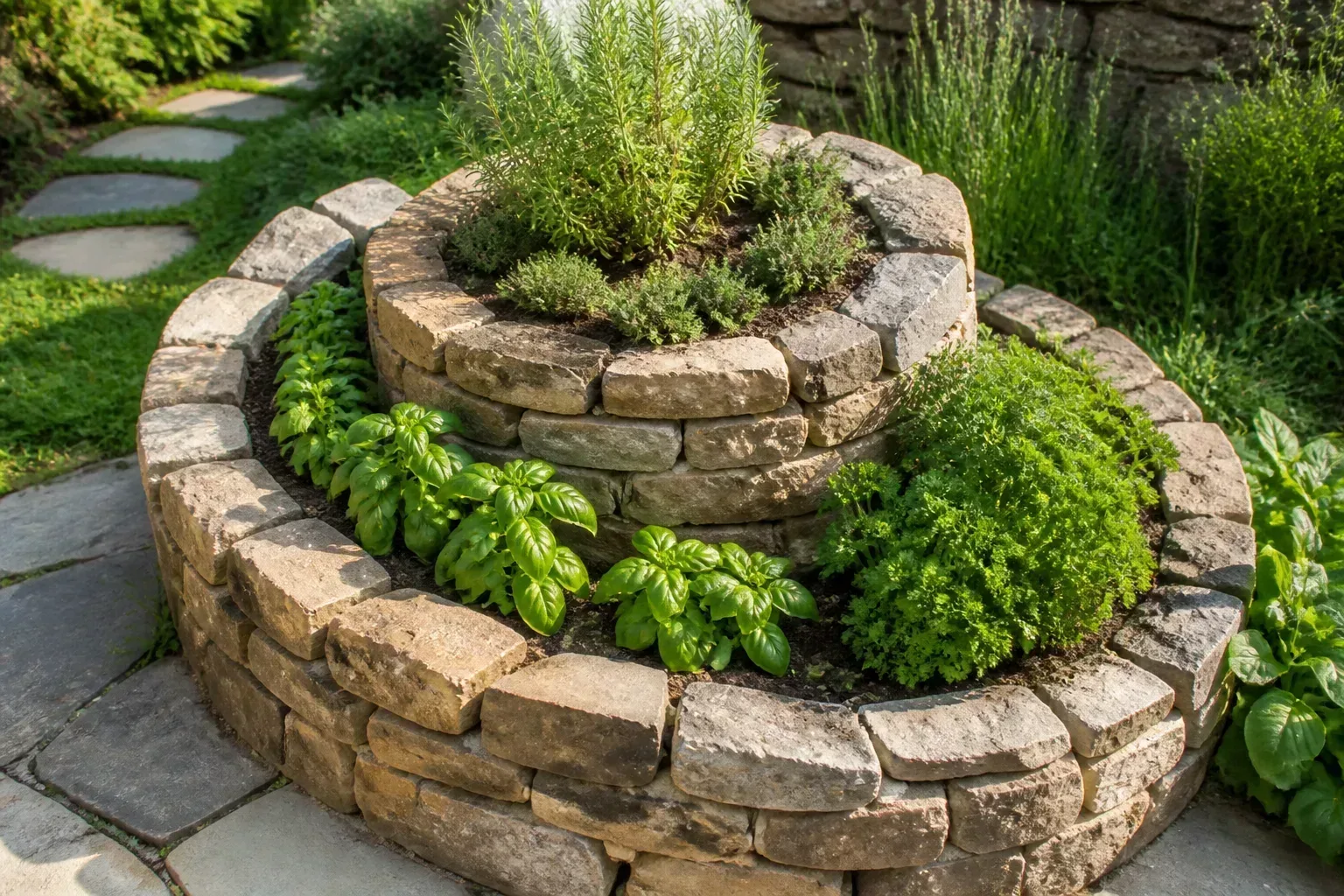
A well-chosen perennial herb bed pays you back in flavor long after the annual basil and cilantro have finished for the season. The catch is that perennial on a plant tag describes biology, not a guarantee in your yard. Lavender is perennial in Oregon and a summer experiment in Minnesota unless you change how you grow it. Mint is perennial almost everywhere—and perennially problematic if you let it roam.
This guide covers 11 culinary perennials that earn their space in most North American gardens: chives, oregano, thyme, sage, mint, tarragon, lavender, winter savory, Roman chamomile, marjoram, and bay laurel. You will get honest zone ranges, which herbs need pots, how to harvest through fall and mild winters, and the moisture-group rule that keeps Mediterranean herbs alive longer than any motivational Pinterest quote.
What Perennial Herbs Mean in Your Climate
Perennial herbs are plants whose roots or woody crowns survive more than two growing seasons. They may die back to the ground in winter, keep evergreen leaves through snow, or—if you are lucky with microclimate—offer a few usable sprigs on a thaw day in January. They are not automatically low-maintenance; they are repeatable. You plant once, refine placement, and harvest on a cycle instead of restarting from seed every spring.
That repeatability is where the money and labor savings come from. A single mature oregano clump can replace dozens of grocery clamshells over its life. Woody sage and thyme shrubs structure a bed while supplying roasting herbs from late spring until hard frost—and sometimes beyond.
Perennial vs. Annual vs. Tender Perennial
Sorting labels before you shop prevents the most common herb-garden disappointment: planting something labeled perennial and watching it vanish after the first freeze.
True annuals—cilantro, dill, basil in most gardens—complete their life cycle in one season. They flower, set seed, and die. You replant them yearly no matter what the marketing copy implies.
Hardy perennials survive winter in their listed USDA zones when drainage and siting are reasonable. Chives, thyme, oregano, and winter savory belong here for large parts of the country.
Tender perennials are perennial in their native climates but behave like annuals where winters are cold. Sweet marjoram, bay laurel, and rosemary (not on this list, but often confused with sage) fall in this group unless you pot them and overwinter indoors or in a cool bright room.
The RHS herb-growing guidance stresses matching species to local conditions before worrying about exotic varieties. Your zone is the first filter; moisture needs are the second.
What “Year-Round Harvest” Actually Looks Like
Headlines promise harvests all year long. In practice, year-round means different things in zone 8 than zone 5.
In mild climates (zones 8–10), many woody Mediterranean herbs stay evergreen outdoors. Bay laurel, marjoram in the ground, and some oreganos produce usable leaves through winter if you harvest lightly and avoid soaking wet soil.
In cold climates (zones 4–7), year-round harvest is a calendar strategy, not a single plant state. Chives push green tips in late winter. Evergreen thyme, oregano, and sage often yield small winter sprigs if snow cover is intermittent and soil drains sharply. You supplement with dried bundles from summer and—if you plan ahead—pots of bay laurel or marjoram on a bright windowsill.
No perennial herb produces peak flavor volumes every week of the year in a snowy yard. The win is overlap: something fresh or frozen is always within reach when you sequence early chives, summer abundance, fall drying, and cautious winter picks. For indoor extension of the season, see our guide on herbs to grow indoors.
| Herb | Typical USDA range | Evergreen in cold zones? | Best fresh harvest window |
|---|---|---|---|
| Chives | 3–9 | Dies back; regrows early | Late winter–fall |
| Oregano | 4–9 | Often semi-evergreen | Spring–fall; light winter |
| Thyme | 4–9 (some to 2) | Often evergreen | Spring–fall; light winter |
| Sage | 5–9 | Semi-evergreen | Spring–fall |
| Mint | 3–8 | Dies back; regrows spring | Late spring–fall |
| French tarragon | 4–9 | Dies back | Spring–fall |
| English lavender | 5–9 | Semi-evergreen | Flowers summer; leaves spring–fall |
| Winter savory | 5–9 | Semi-evergreen | Spring–fall; light winter |
| Roman chamomile | 4–9 | Dies back | Flowers late spring–summer |
| Sweet marjoram | 9–10 (tender) | Treat as annual below 9 | Summer outdoors; pot indoors |
| Bay laurel | 8–10 in ground | Evergreen where hardy | Year-round where hardy; pot elsewhere |
Choose Herbs by Zone, Sun, and Moisture Group
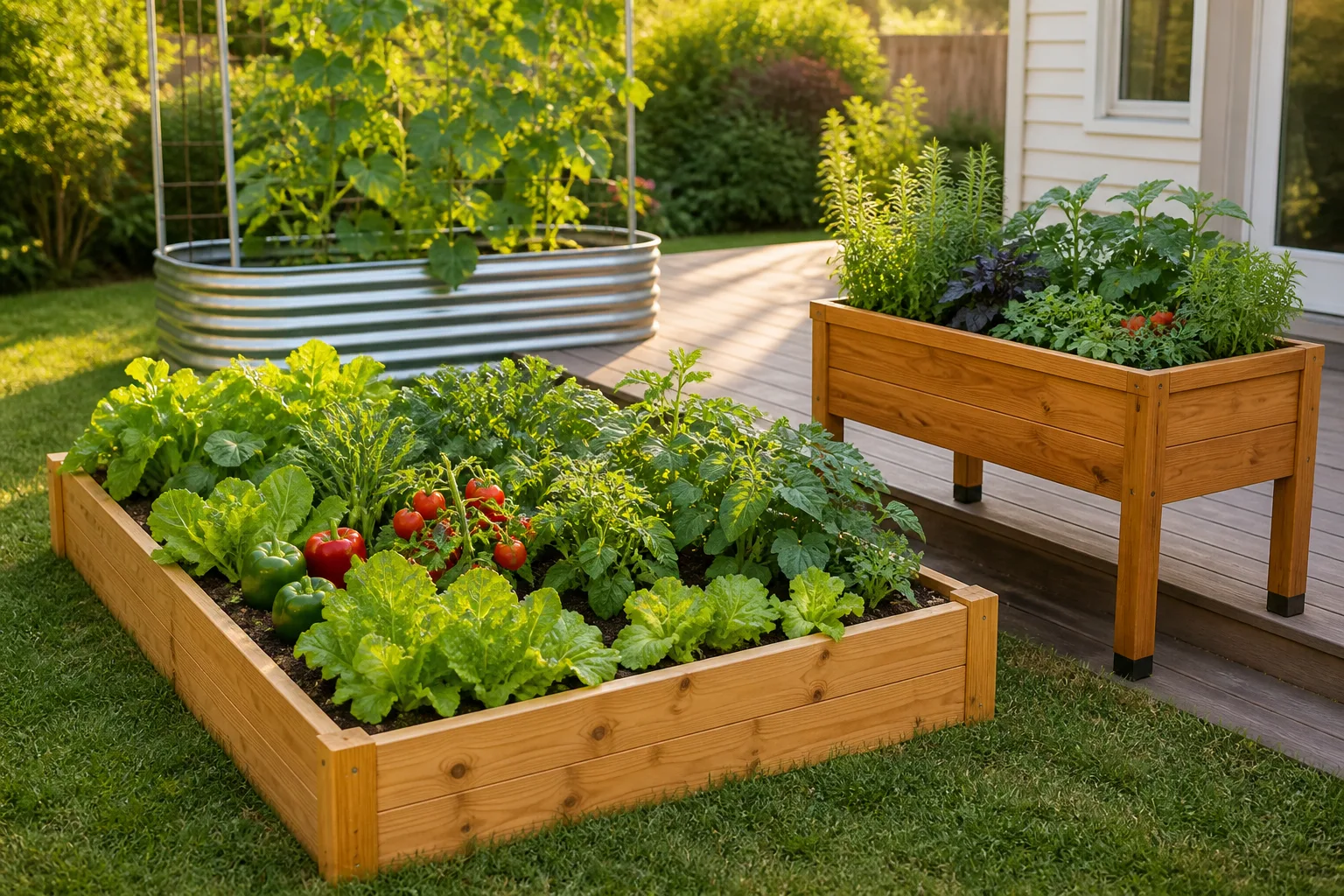
Before you dig eleven holes, run two filters: Will it survive my winter? and Does it want the same water as its neighbors?
Most of the herbs on this list want full sun—at least six hours of direct light daily. Partial shade works for mint and Roman chamomile in hot afternoons, but rosemary-thyme-sage performance drops fast in shade.
Mediterranean Dry-Land Herbs vs. Leafy Spreaders
Group herbs by root moisture, not just cuisine:
Dry Mediterranean group: oregano, thyme, sage, lavender, winter savory, bay laurel. They need lean, fast-draining soil and intervals between waterings. Plant them on a slight mound or raised bed. Constantly wet winter soil kills them faster than frost.
Leafy spreaders: chives, mint, tarragon, Roman chamomile, marjoram. They tolerate more consistent moisture but still hate standing water. Mint and chamomile spread by runners or seed; plan containment from day one.
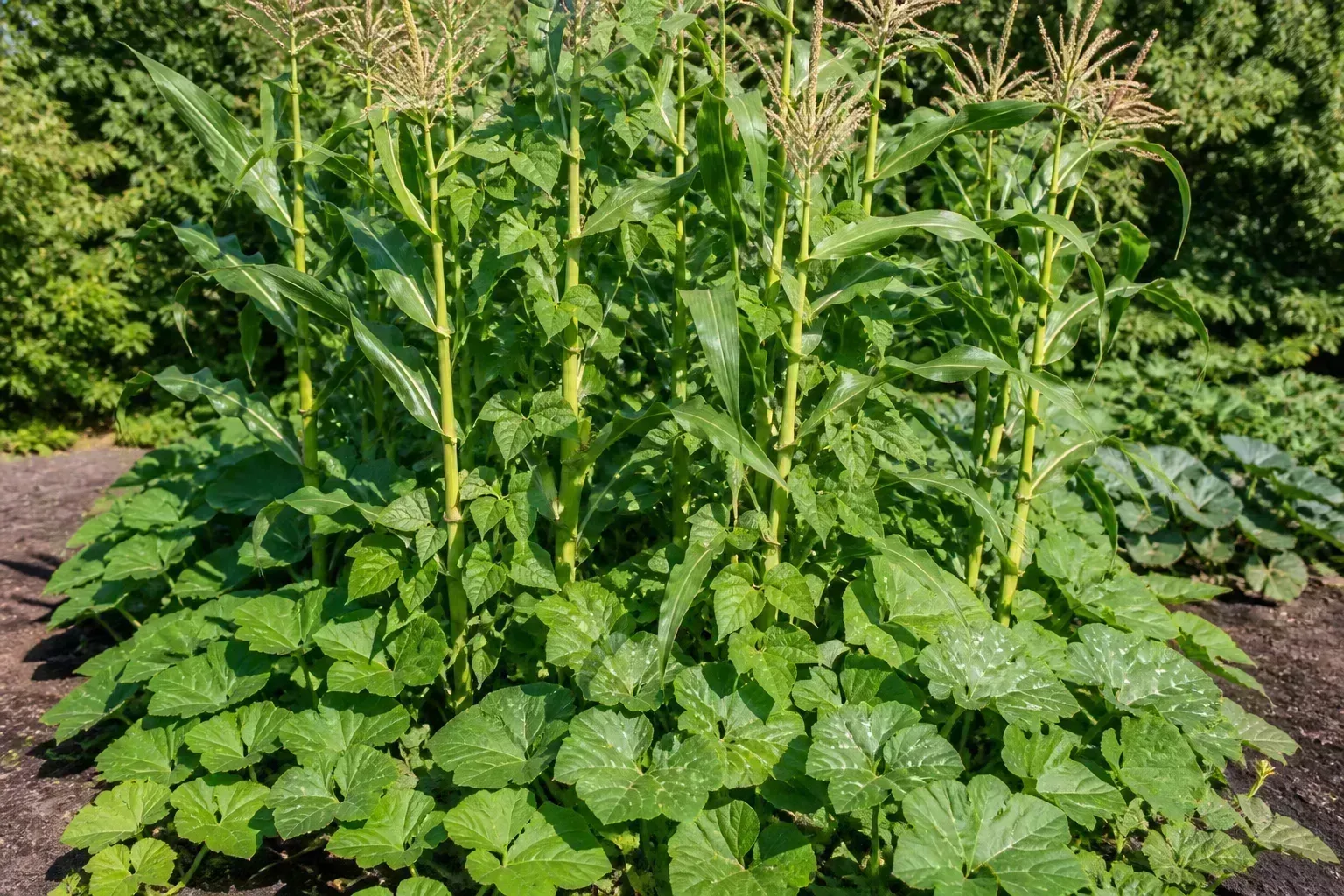
Mixing both groups in one automatically irrigated bed is how thyme turns brown while chives thrive. Our herb companion plants guide walks through spacing and neighbor choices when you want herbs beside vegetables.
If you are still planning layout, herb garden ideas covers spiral beds, container groupings, and rail planters that keep moisture zones separate without sacrificing aesthetics.
11 Perennial Herbs Worth the Bed Space
The herbs below are kitchen workhorses with multi-year lifespans when sited correctly. Hardiness ranges are typical for named species; cultivars and microclimates can shift results by half a zone.
Chives
Allium schoenoprasum is the first fresh green many gardeners harvest—often before the last snow melts. Hardy in USDA zones 3–9, chives die back in hard winter, then return from dense clumps. Snip hollow leaves and edible purple flowers for salads, eggs, potatoes, and soft cheeses.
Chives want full sun to light shade and average moisture. Divide overcrowded clumps every three to four years in early spring to keep vigor high. Flowers are delicious but reduce leaf production if you leave every bloom; snip some for the kitchen and deadhead others if you need more foliage. Chives pair well with carrots and tomatoes as a gentle companion—see spacing notes in our companion guide.
Oregano
Origanum vulgare (common oregano) is a creeping, mat-forming perennial hardy in zones 4–9. In many cold-climate gardens it stays semi-evergreen, which means small winter harvests are realistic if you take tips, not whole runners. Flavor peaks before heavy flowering; trim flower stems to keep plants bushy.
Greek and Italian selections differ in intensity, but culture is the same: sun, gritty soil, and drought once established. Oregano makes an excellent edging plant and living mulch between stepping stones where foot traffic is light. For harvest technique without weakening the mat, trim outer stems and let the crown recover—same philosophy as our how to grow thyme harvest section.
Thyme
Thymus vulgaris and close culinary relatives are among the most cold-tolerant woody herbs, with some cultivars surviving into zone 2 while most garden thymes are solid in zones 4–9. Thyme demands sharp drainage; winter death usually means wet roots, not thermometer readings.
Plant thyme on the dry top of a raised mound with neighbors that will not shade it. After three to five years, woody centers may thin—renew by layering stems or taking cuttings rather than waiting for decline. Lemon thyme and creeping thymes share culture but differ in flavor intensity and height; keep culinary bushes separate from ground-cover types if harvest volume matters.
Sage
Salvia officinalis brings earthy depth to poultry, pork, brown butter, and stuffing. Hardy in zones 5–9, sage forms a woody shrub two to three feet tall in full sun and well-drained soil. Purple and tricolor sages are edible but slightly milder; all need the same dry footing.
Avoid harvesting into bare old wood late in fall; take soft new tips through summer and early autumn. Sage rots when basil-level watering meets Mediterranean roots—keep it in the dry group. Replace or propagate plants when centers open up after five or six years.
Mint
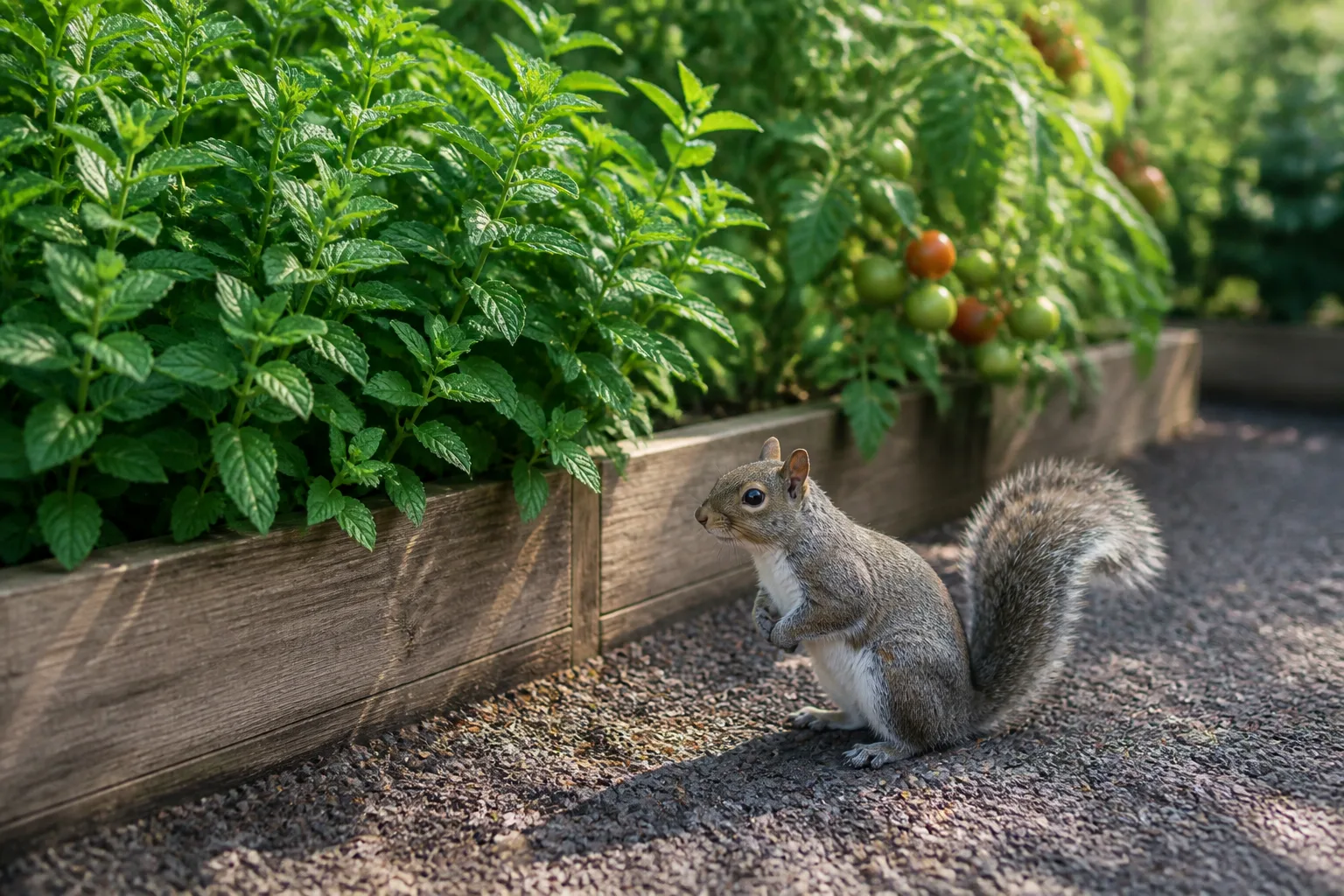
Mentha species—spearmint, peppermint, chocolate mint, and others—are famously vigorous perennials in zones 3–8. They spread by rhizomes and can colonize a vegetable bed in one season. Utah State University Extension is blunt: grow mint in containers or with a root barrier, not loose in a mixed bed (Utah State University Extension).
Use a pot at least 12 inches wide, or sink a pot with the rim proud of soil level so rhizomes cannot leap over the edge. Mint wants steady moisture and tolerates partial shade better than thyme does. For variety-specific culture and containment troubleshooting, see our mint care guide.
Tarragon
French tarragon (Artemisia dracunculus ‘Sativa’) is the culinary standard—licorice-sweet leaves for chicken, fish, eggs, and vinegar. Hardy in zones 4–9, it dies back in winter and returns from rhizomes. Buy labeled French tarragon plants or cuttings, not seed; seed-grown Russian tarragon is hardy but nearly flavorless.
Tarragon prefers full sun and well-drained soil with moderate moisture—between sage-dry and mint-wet. Mulch lightly after frost in cold zones. Divide every three to four years when clumps weaken. Harvest sprigs through summer; flavor is strongest before plants bloom.
Lavender
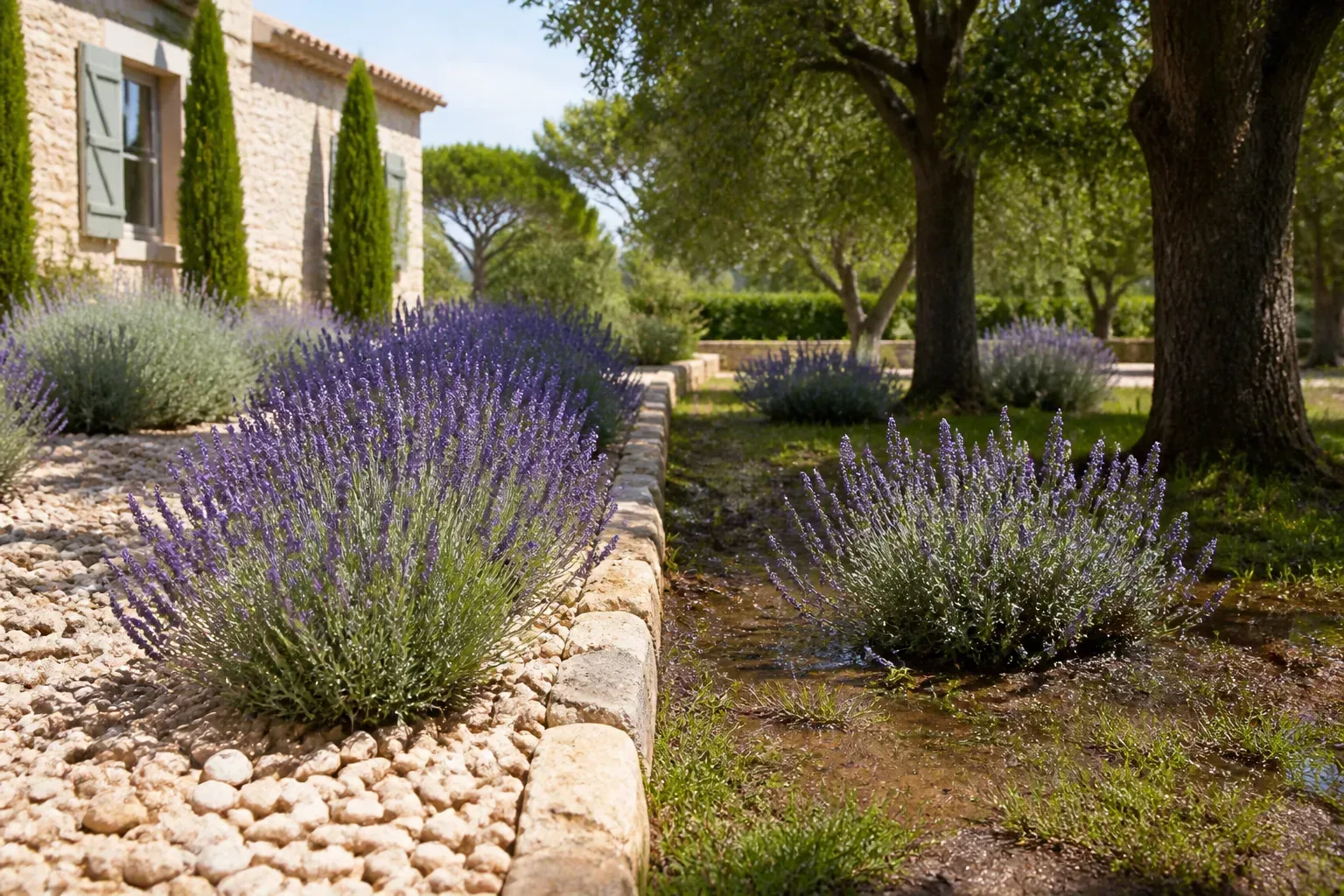
English lavender (Lavandula angustifolia) is the best edible choice among lavenders for most gardeners, hardy in zones 5–9 with sharp drainage. Leaves and flowers flavor desserts, teas, and savory rubs when used sparingly—perfume can overpower a dish.
Plant lavender on a slope or gravel-amended bed; never in heavy clay that holds winter wet. Prune after flowering to keep a compact shape, but avoid cutting into old bare wood. In zone 5, choose proven cultivars like ‘Hidcote’ or ‘Munstead’ and skip mulch that packs against crowns.
Winter Savory
Satureja montana is the perennial counterpart to annual summer savory. Hardy in zones 5–9, it forms a small woody mound with peppery-pine flavor suited to beans, lentils, and roasted vegetables. Winter savory tolerates drier soil than mint and stays semi-evergreen in mild winters.
Use it as a compact shrub at the front of a dry herb bed. Traditional companion claims tie it to beans; even if pest benefits vary year to year, the flavor pairing is reliable. Hang bundled stems to air-dry in late summer when growth is lush.
Roman Chamomile
Chamaemelum nobile is a low, mat-forming perennial for teas and ground cover—not to be confused with taller annual German chamomile. Hardy in zones 4–9, it spreads slowly compared with mint but still deserves a defined edge or pot.
Harvest small daisy-like flowers every day or two during bloom for the best tea flavor. Full sun to light afternoon shade; average moisture. Trim spent flowers to encourage more blooms. Allow some flowers to stay if you want light self-seeding at the bed edge.
Marjoram
Sweet marjoram (Origanum majorana) tastes like milder, sweeter oregano and elevates tomato sauces, roasted vegetables, and vinaigrettes. It is a tender perennial hardy only in zones 9–10 outdoors. In cooler regions, grow it in a pot and move it to a bright cool window before hard frost—same overwinter logic as tender basil, but with multi-year return if you succeed.
Some variegated marjorams show more cold tolerance than straight species; still plan on pot culture below zone 8. Do not let marjoram sit in soggy soil indoors; a sunny sill with infrequent deep watering beats daily splashes.
Bay Laurel
Laurus nobilis is a slow-growing evergreen tree or shrub for zones 8–10 in the ground. Everywhere else, treat it as a long-lived container plant you move indoors before frost. Glossy leaves dry beautifully for soups, stews, and braises; fresh leaves are potent—use sparingly.
Bay wants bright light, excellent drainage, and careful watering in winter indoors. Scale and spider mites appear when air is dry and airflow poor; rinse foliage and avoid overheated rooms. A 14-inch pot can host a tree for years if you root-prune and refresh soil periodically.
Winter Care and Off-Season Harvest
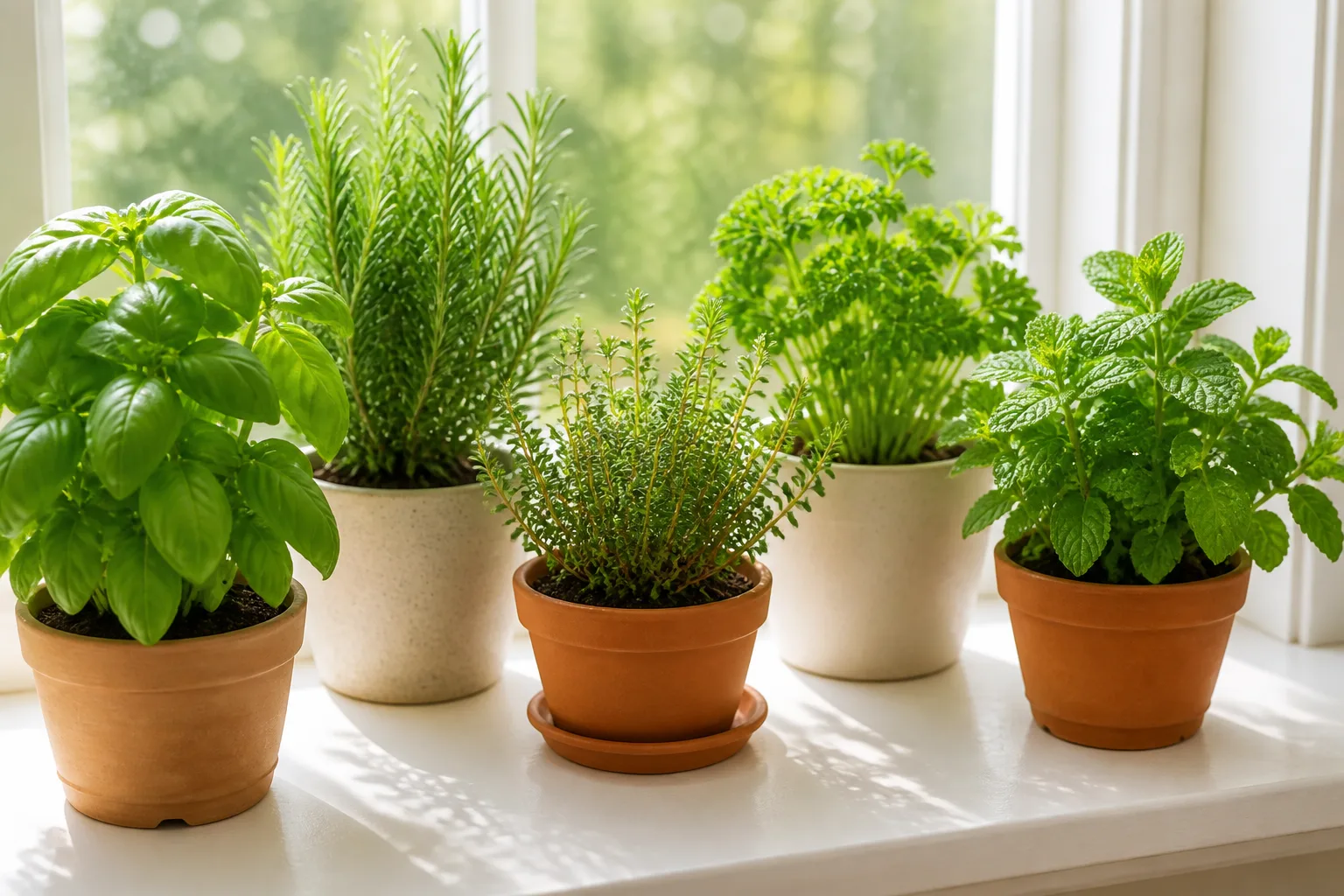
Winter success is mostly drainage and timing, not magical mulch.
For in-ground Mediterranean herbs: Stop nitrogen feeds by midsummer so wood hardens. Clear debris that holds moisture against stems. Use loose straw or shredded leaves around crowns only after soil freezes—early smothering invites rot. In wet climates, a temporary cold-frame lid that sheds rain while allowing airflow saves more plants than extra fleece alone.
For semi-evergreen harvests: Pick thyme, oregano, sage, and winter savory on days above freezing when leaves are not frozen brittle. Take a few sprigs, not whole branches. Pause harvesting during ice storms; frozen tissue bruises and browns after thaw.
For potted tender perennials: Move bay laurel and marjoram indoors to a cool bright room—55–65°F is ideal—before nights hit the mid-30s°F. Mint and chives can stay dormant in an unheated garage if pots do not dry completely. Our guide on cutting back herbs before winter explains which woody herbs benefit from late-season trimming versus hands-off dormancy.
Harvest, Dry, and Freeze Without Weakening Plants
Morning harvest after dew dries concentrates essential oils in leaves. Never strip more than one-third of active growth at once during the growing season; woody herbs need foliage to photosynthesize and rebuild.
Drying: Bundle sage, oregano, thyme, and winter savory in small bunches upside down in a warm, airy room out of direct sun. Leaves should crumble dry in one to two weeks. Store whole leaves in airtight jars away from light.
Freezing: Chop chives, mint, and tarragon into ice-cube trays with water or oil for off-season soups and sauces. Blanched basil is a different process—see fast-start annuals in fastest-growing herbs to direct sow if you want summer annuals alongside these perennials.
Flowers: Chive blossoms, chamomile flowers, and lavender spikes are harvest crops too—pick at peak open stage and use fresh or dry promptly.
Mistakes That Turn Perennials Into One-Season Flops
Planting Mediterranean herbs in wet clay is the top killer. Raise the bed or choose containers before you blame the nursery tag.
Letting mint run free guarantees a future excavation project. Contain on planting day, not after it escapes.
Buying Russian tarragon saves pennies and wastes seasons. Verify French tarragon on the label.
Over-harvesting woody stems in late fall weakens sage and thyme before winter. Switch to dried stores instead.
Treating all herbs as basil—same water, same rich soil—rots roots on half this list. Sort by moisture group first.
Ignoring renewal: Oregano mats thin; sage opens in the center; chives overcrowd. Divide, layer, or propagate before decline, not after.
Conclusion
Perennial herbs reward patience with structure, scent, and flavor that annuals cannot match on their own. The eleven plants here—chives, oregano, thyme, sage, mint, tarragon, lavender, winter savory, Roman chamomile, marjoram, and bay laurel—cover most everyday cooking if you respect zones and moisture groups.
Start with what your kitchen uses weekly, confirm hardiness for your USDA zone, and plant mint only where it cannot escape. Harvest heavily in summer, dry what you will need in deep winter, and take modest evergreen sprigs when weather allows. Get those three rhythms right and “perennial” becomes exactly what it should mean: less replanting, more eating, year after year.



