Herb Companion Plants: 5 Proven Pairings
Pair herbs with vegetables and other herbs that share their culture. Get five proven combinations, what research supports, spacing numbers, and plants to keep apart.
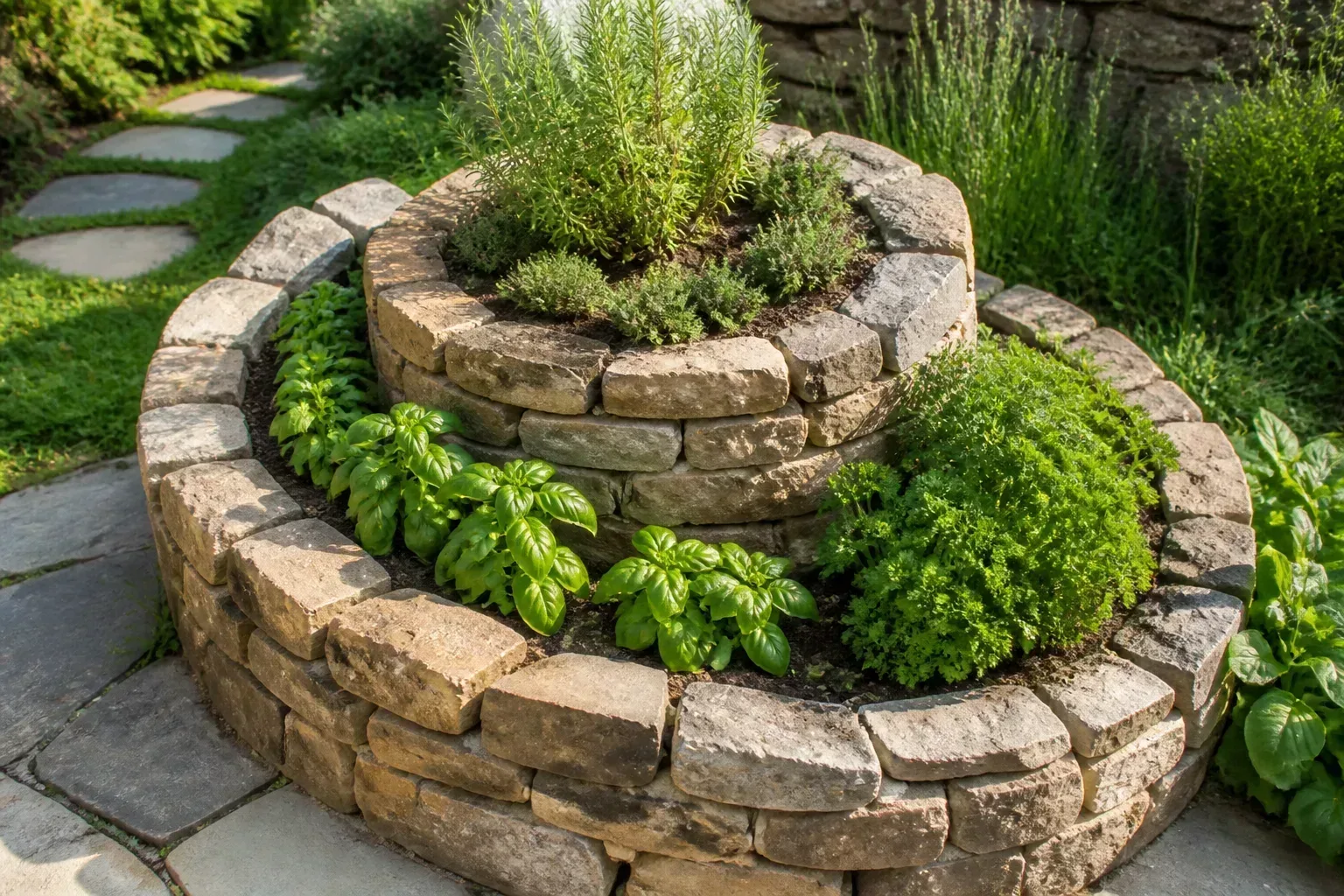
The fastest way to waste money on an herb garden is to treat companion planting like a friendship chart—basil beside rosemary because both smell nice, mint tucked anywhere because it is “helpful.” In real beds, herbs succeed or fail together for boring, practical reasons: how much water they want, how much sun they need, and whether their roots stay in their lane. Pest benefits exist, but they ride on top of cultural match, not instead of it.
This guide covers five herb pairings worth planting—basil with tomatoes, rosemary with sage, thyme with lavender, dill with onions, and parsley with carrots—plus spacing numbers, a reference chart, and the pairings that look good on Pinterest but fail in July. For the broader science on what companion planting can and cannot do, see our guide on whether companion planting actually works.
How Herb Companion Planting Actually Works
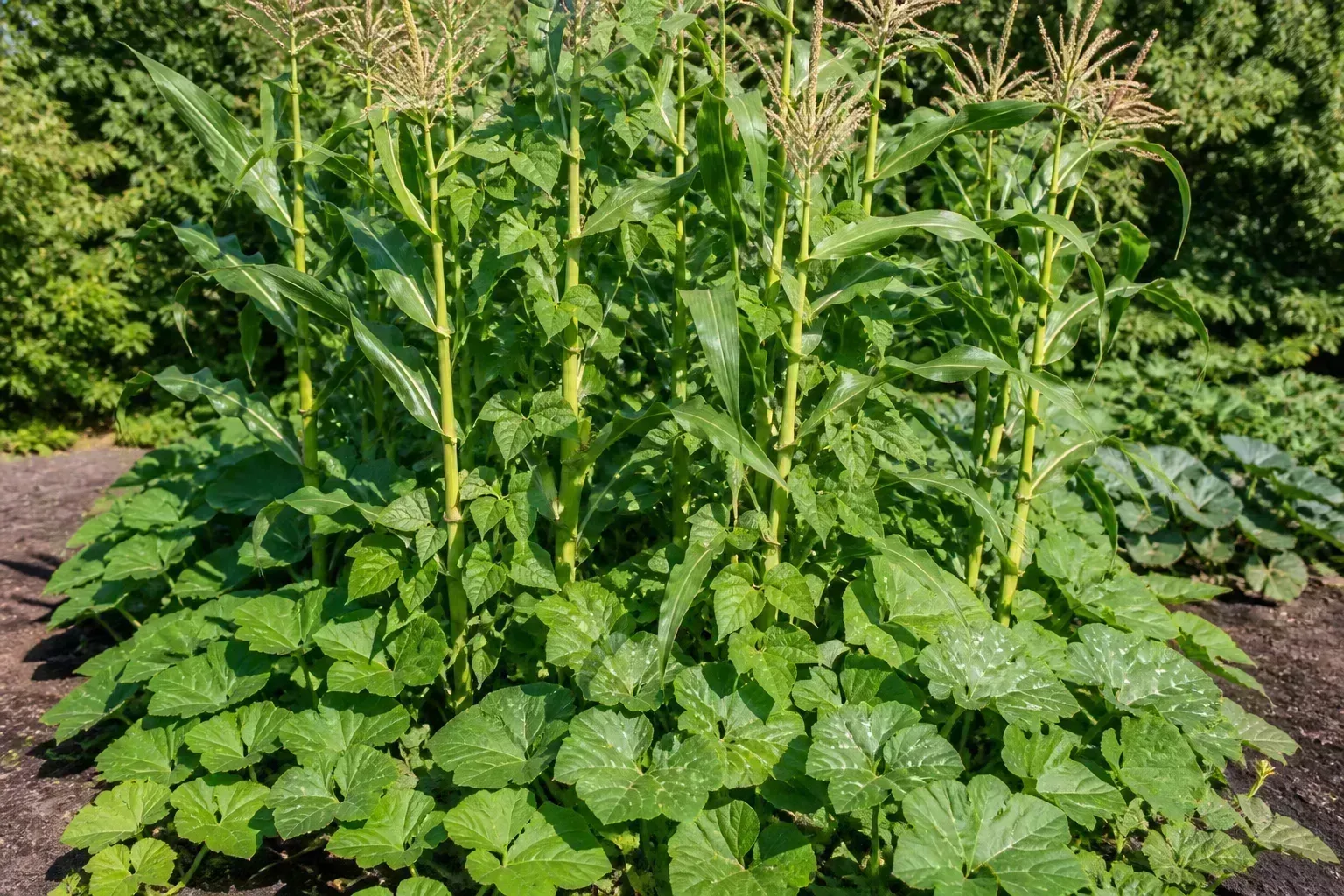
Companion planting means growing two or more species close enough that at least one receives a measurable benefit—shared pollinators, pest confusion, efficient use of space, or compatible root zones. Penn State Extension notes that many old companion claims were anecdotal, but herb–vegetable partnerships now have research behind several classic pairings, especially around pest masking and egg-laying deterrence (Penn State Extension).
That does not mean every herb loves every neighbor. The RHS companion planting overview is explicit: benefits are real in some combinations, not guaranteed for every crop in every garden. Treat companion herbs as one tool in a polyculture—not a substitute for rotation, scouting, and sharp drainage.
Match Water, Light, and Soil First
Before you memorize a chart, sort herbs into moisture zones:
Moist, warm-season block: basil, cilantro, parsley (in summer), dill in active growth. These want consistently moist—not soggy—soil and six or more hours of sun. Tomatoes, carrots, and lettuce fit here.
Dry Mediterranean block: rosemary, sage, thyme, lavender, oregano. They need excellent drainage, full sun, and soil that dries between soakings. Wetting this block on the same schedule as basil is how sage turns woody and dies.
Aggressive spreaders (isolate): mint, some oregano runners, lemon balm. Give them their own pot or buried-edge barrier, not a shared herb row.
Allelopathy suspects (buffer zone): fennel and, to a lesser degree, mature dill near tomatoes. Keep fennel at the bed edge or in a separate container; do not assume “herb = friendly.”
If water needs clash, separate by row, raised-bed zone, or container even when a chart lists both plants as “companions.” Our bad sage companion plants guide walks through moisture mismatches in detail.
What Research Supports—and What It Does Not
Herbs help vegetables in several documented ways:
Scent masking: Volatile oils from herbs can make it harder for pests to find target crops by “hiding” the vegetable’s chemical signals. Interplanting basil with tomatoes has been shown to mask tomatoes from thrips and reduce tomato hornworm egg-laying by adult moths, according to Penn State Extension.
Physical barriers: Low-growing thyme under tomatoes forms a carpet that can deter yellow-striped armyworm moths from laying eggs on nearby plants.
Beneficial insect recruitment: Allowing dill, cilantro, and fennel to flower draws lacewings, ladybugs, syrphid flies, and parasitic wasps that feed on aphids and caterpillars—useful near lettuce, brassicas, and eggplant.
Pollinator support: Blooming rosemary, oregano, basil, and thyme attract sweat bees and other pollinators that visit nearby fruiting crops.
What herbs do not reliably do: act as permanent pest repellents, replace row cover on brassicas, or fix serious soil problems. Penn State is careful to say herbs confuse pests more than they repel them. Plan companions accordingly.
Basil and Tomatoes
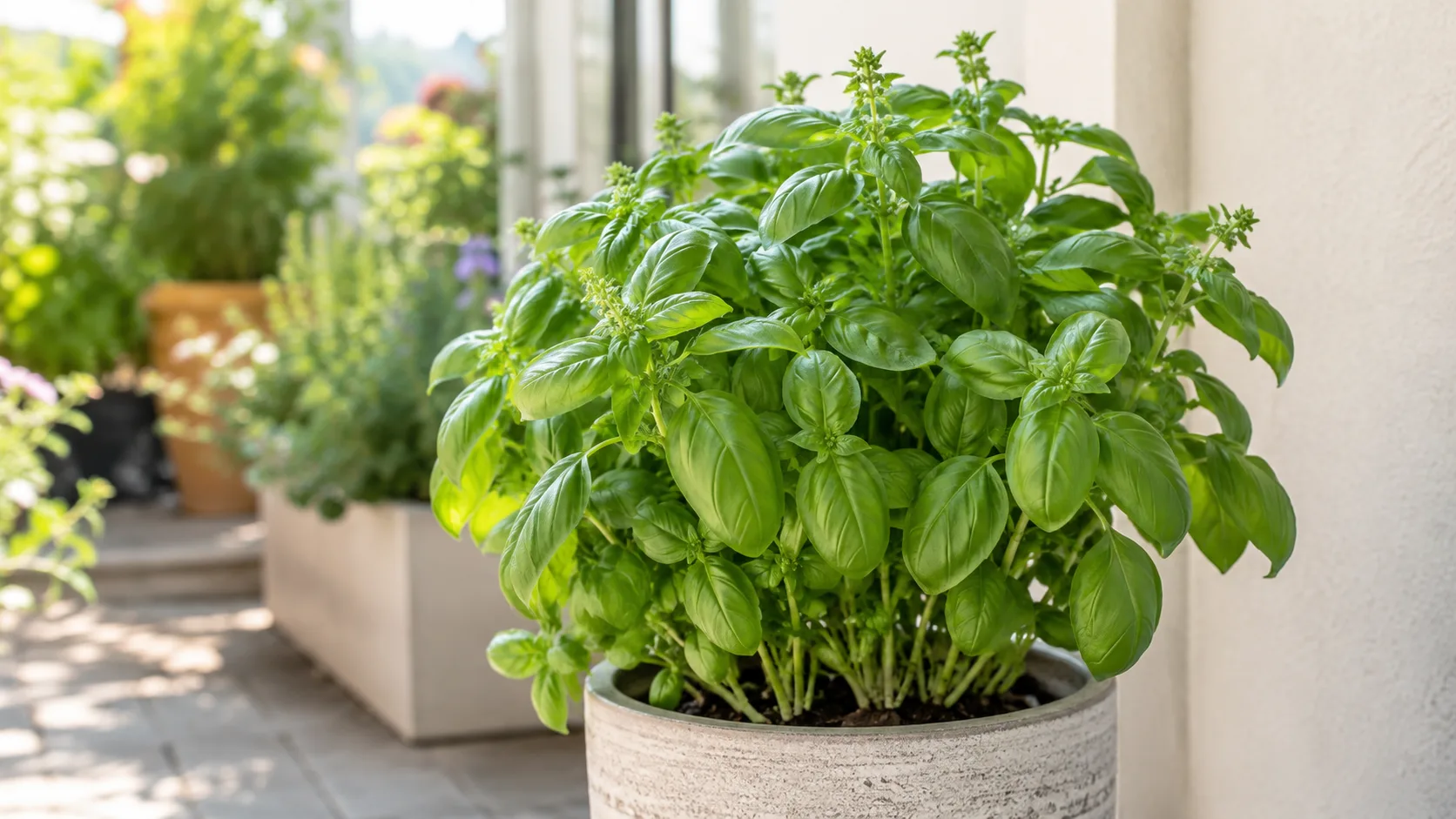
Basil (Ocimum basilicum) and tomatoes (Solanum lycopersicum) are the poster children of companion planting for good reason—they share summer culture and have published pest-interaction data behind the pairing.
Why This Pairing Works in the Garden
Both want full sun, rich soil, and steady moisture through heat waves. Tomatoes are tall; basil stays low to mid-height, so you can tuck basil along the south or east side of a cage where it gets light without fighting for the top of the trellis. Penn State Extension documents that basil masks tomato volatiles from thrips and reduces hornworm egg-laying when grown among tomato plants.
Flavor synergy is a bonus, not the mechanism—but harvesting basil and tomatoes from the same row is genuinely convenient. For culture depth on each plant, see our basil growing guide and the basil care hub.
Also worth planting near basil: chives and other onion-family plants for general allium scent in the row; oregano as a dry-edge neighbor at the bed border (not mixed into basil’s wet root zone); cilantro as a cool-season placeholder that bolts when summer heat arrives—basil then fills the same space.
Best Spacing and Container Layout
In-ground: Plant determinate or staked indeterminate tomatoes on 24–36-inch centers. Set basil 8–12 inches from the tomato stem on the sunny side—close enough for masking, far enough that basil does not compete for the same root pocket once the tomato is mature.
Containers: A 14-inch or larger pot can hold one patio tomato with three basil plants around the rim. Penn State Master Gardeners have demonstrated this layout in extension photos; the key is one drainage hole and daily moisture checks in heat.
Underplanting thyme: Penn State also notes thyme as a tomato underplant for armyworm egg-laying deterrence. Keep thyme on the drier edge of the container or bed lip, not in the constantly wet center.
What to Keep Away From Basil
Sage and rosemary need drier soil—keep them in the Mediterranean block, not basil’s row. Mint spreads by rhizomes and will overrun basil within a season. Dill is fine in the broader garden but competes for root space; mature dill near young tomatoes is a known trouble pairing (see Dill section). If you must grow dill and basil, separate them by at least 3–4 feet or use a container for one.
Rosemary and Sage
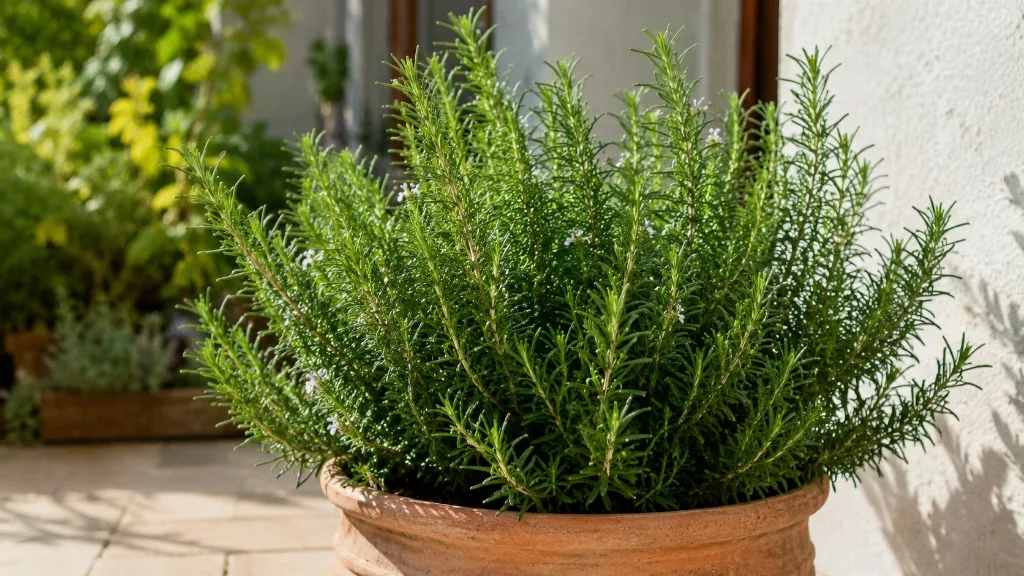
Rosemary (Salvia rosmarinus) and common sage (Salvia officinalis) are structural perennials for sunny, lean soil. They are companions by culture first and pest chemistry second.
Building a Mediterranean Herb Block
Plant rosemary and sage together with thyme, lavender, and oregano on a raised mound or sloped bed where water drains fast. Space young plants 18–24 inches apart; mature sage can reach 2–3 feet wide, so edge placement beats center-of-bed planting. Both tolerate USDA zones 7–10 for year-round outdoor culture (rosemary is marginally hardier in some cultivars); in colder zones, grow them in pots you overwinter indoors.
Rosemary’s shallow, spreading roots compete poorly with aggressive spreaders. Mint is the classic mistake—within two years mint rhizomes undercut rosemary and steal moisture. Fennel is another poor neighbor; gardeners widely report growth suppression, and fennel’s allelopathic reputation makes a buffer wise even when evidence varies by soil.
For a deeper dive on sage neighbors beyond rosemary, see sage companion plants.
Vegetable Partners Worth Adding Nearby
Carrots and cabbage-family crops are traditional rosemary neighbors in mixed kitchen gardens. Scent masking may confuse carrot fly and some brassica pests, though results vary by season and pest pressure—use companions plus row cover on seedlings if flies are heavy in your area.
Basil and cilantro belong in the moist block, not pressed against rosemary roots. If your bed is small, run two parallel zones: moist summer crops on the east side with soaker hose; Mediterranean perennials on the west slope with drip on a separate timer.
Thyme and Lavender
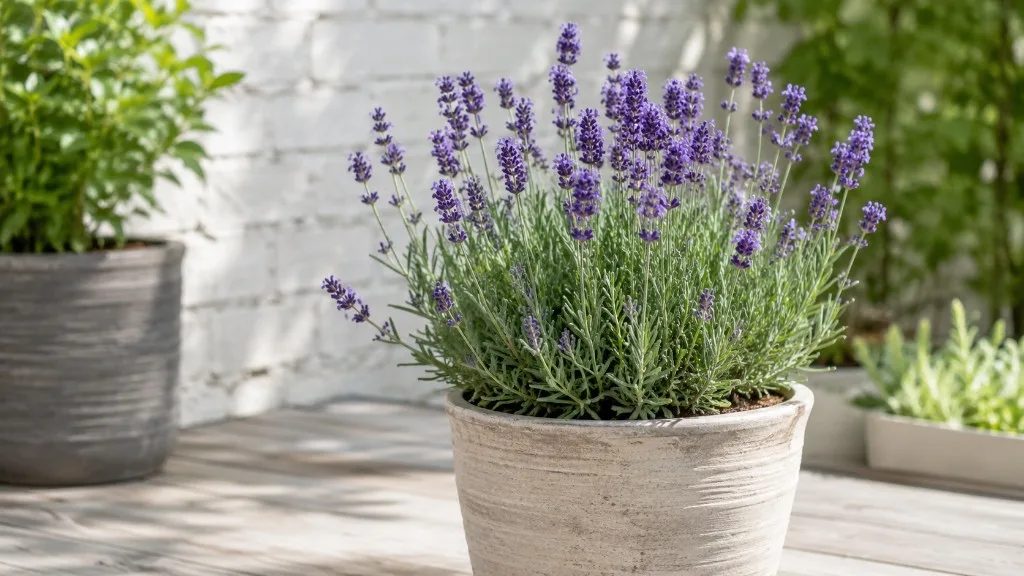
Thyme (Thymus vulgaris) and lavender (Lavandula spp.) share the same garden job: low, woody, drought-tolerant aromatics that attract pollinators when allowed to bloom.
Dry-Soil Perennials That Play Well Together
Plant creeping or upright thyme 12–15 inches from lavender bushes so neither crowds the other’s airflow. Both want full sun and soil that dries on the surface between waterings. Mulch with gravel or fine bark rather than moisture-retentive compost piles pressed against stems—lavender crowns rot in wet mulch.
Rosemary and sage complete the classic quartet. Chamomile is a softer companion; some gardeners report stronger thyme essential oils when chamomile grows nearby, though treat that as anecdotal unless you are running your own trials.
Brassicas and strawberries benefit from thyme at the row edge: thyme’s low habit can act as a living mulch that limits certain pest movements, and thyme flowers draw pollinators to strawberry patches. Keep thyme on the dry side of the bed; do not irrigate it on the same schedule as lettuce.
Avoid beside thyme: basil, cilantro, and mint—moisture and spread conflicts. If you love all three, thyme goes on the stone path edge; basil stays in the vegetable row.
Dill and Onions
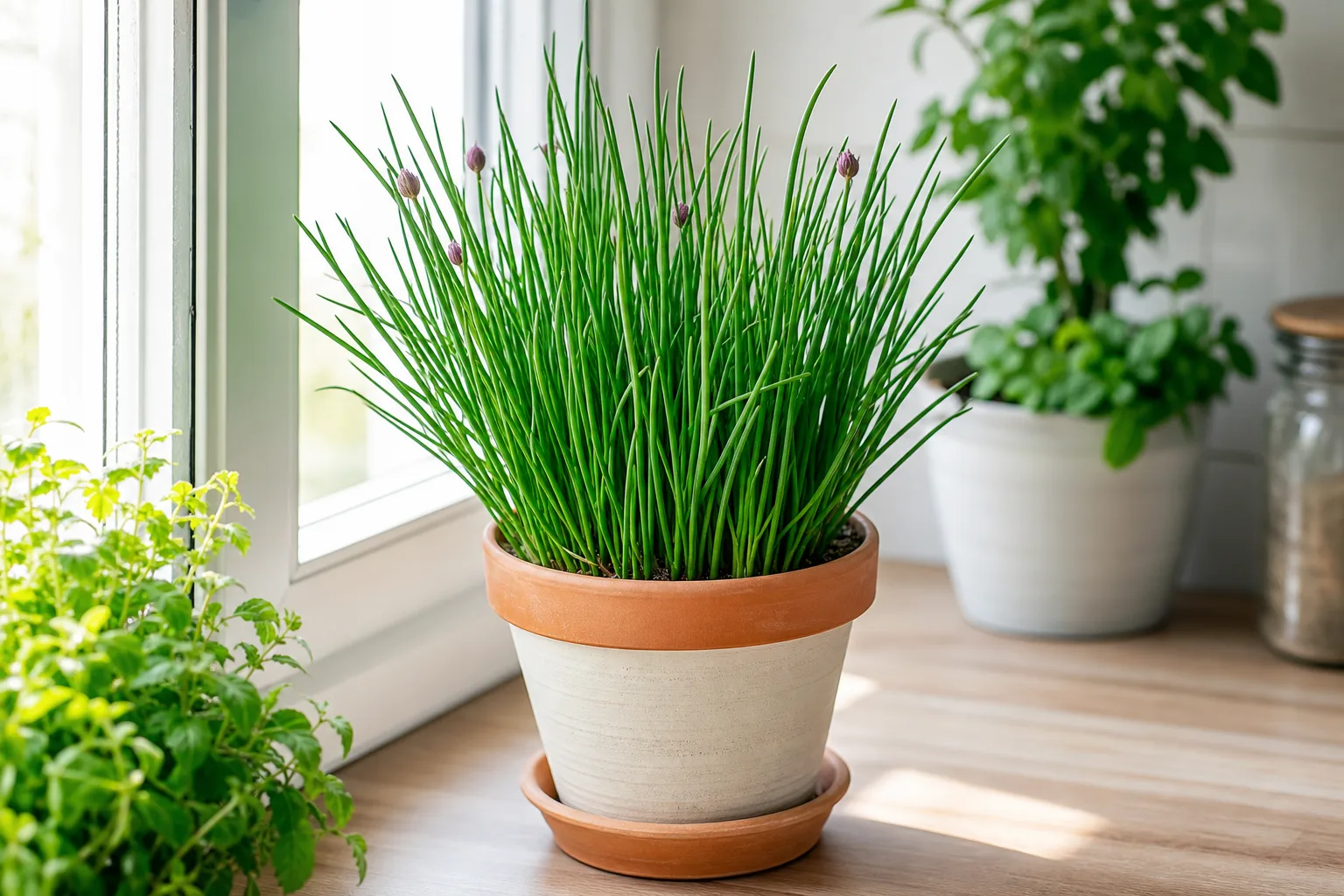
Dill (Anethum graveolens) is an annual umbel that bolts in heat; onions and their allium relatives are slow, scent-heavy bulbs and greens. Together they address pest pressure on different schedules.
Pest Control Without Chemicals
Onions, chives, and garlic produce sulfur compounds that confuse mites and aphids—useful when tucked 6–12 inches from young dill. Dill returns the favor for the cabbage family: interplanting dill near kale, broccoli, and cabbage can help disrupt cabbage moths and supports beneficial insects when dill is allowed to flower.
Penn State Extension lists dill with lettuce and greens specifically for aphid predator recruitment. The trick is letting some dill flower while succession-sowing more for leaf harvest—predators need umbel blooms, not just ferny foliage.
Plants to buffer from dill: Tomatoes can be stunted when mature dill roots compete nearby; some gardeners report chemical interference. Sow dill at the north end of the tomato row and remove bolting plants before they dominate root space, or keep dill in a separate bed entirely. Fennel and dill cross-influence growth when crowded—plant in opposite corners of the garden.
For more dill-specific pairings, see dill companion plants.
Parsley and Carrots
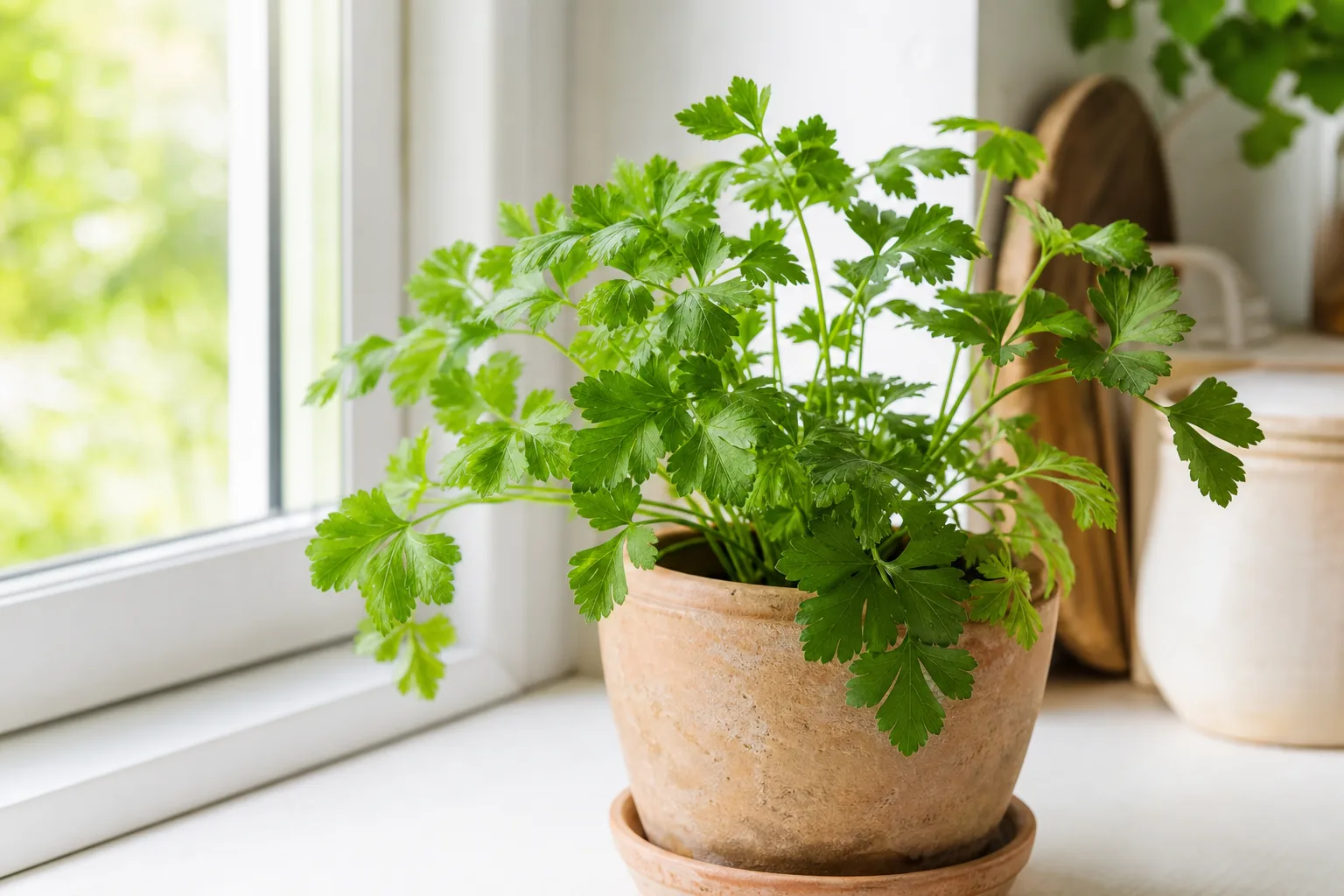
Parsley (Petroselinum crispum) and carrots are biennial cousins in the Apiaceae family. They look different above ground but want similar culture below it.
Shared Culture and Root Zone Rules
Both prefer loose, stone-free soil dug 10–12 inches deep, steady moisture, and full to partial sun. Parsley’s taproot is shorter than a carrot’s, so they are not direct root competitors when spaced 6–8 inches apart in the same row—carrot down, parsley slightly offset.
Cilantro slots into the same row in spring; as cilantro bolts in heat, parsley and carrots carry the bed through summer. Chives along the row edge add allium scent that may confuse aphids on parsley foliage.
Keep away: Mint overruns parsley quickly. Lettuce competes for shallow moisture and shade; if you interplant, put lettuce north of parsley so the taller herb does not lean over seedlings. Heavy-feeding cabbage in the same tight row can outcompete parsley’s slower establishment—give parsley its own 18-inch-wide band.
Herb Companion Chart for Quick Reference
Use this table as a starting filter, then apply the moisture-zone rules above. “Companion” does not mean “touching roots.”
| Herb | Strong companions | Plants to avoid or separate | Spacing note |
|---|---|---|---|
| Basil | Tomatoes, chives, oregano (dry edge), cilantro (cool season) | Sage, rosemary, dill (mature), mint | 8–12 in from tomato stems |
| Rosemary | Sage, thyme, lavender, carrots, brassicas (row edge) | Basil, mint, fennel | 18–24 in in perennial block |
| Sage | Rosemary, thyme, lavender, oregano | Basil, cucumbers (wet row), mint | 12 in minimum; 24 in at maturity |
| Thyme | Lavender, rosemary, sage, strawberries, brassicas (edge) | Basil, cilantro, mint | Low carpet; 12 in from lavender |
| Lavender | Thyme, rosemary, sage, oregano | Ferns, hostas, heavy-shade plants | 15 in; sharp drainage required |
| Dill | Onions, kale, broccoli, lettuce (with flowers for beneficials) | Tomatoes (mature), fennel | Succession sow; remove bolters |
| Parsley | Carrots, chives, cilantro | Mint, dense lettuce competition | 6–8 in offset from carrots |
| Oregano | Brassicas, squash, thyme, rosemary (dry block) | Basil (wet row), mint | Contain runners in small beds |
| Chives | Basil, parsley, rosemary, dill, carrots | Beans, peas (some gardens), mint | 6 in clump edges |
How to Plan a Mixed Herb and Vegetable Bed
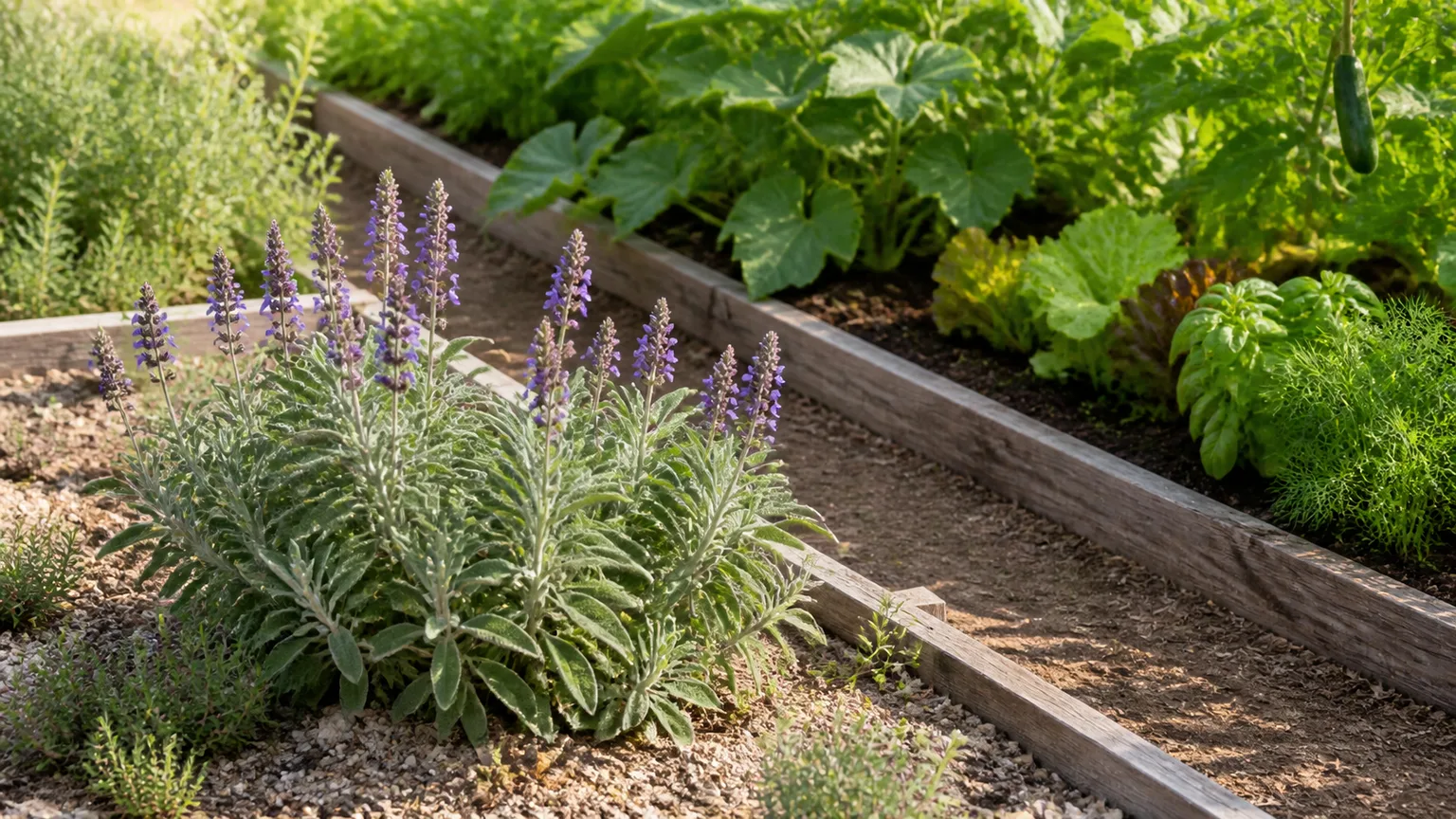
Sketch three bands on paper before you buy plants:
Band 1 — Moist summer row (east or south): tomatoes with basil and chives; parsley–carrot double row; succession dill until heat, then basil fill-in.
Band 2 — Dry perennial mound (west or raised lip): rosemary, sage, thyme, lavender, oregano. Drip irrigation on a every 5–7 days in summer schedule, not daily.
Band 3 — Isolated containers: mint, lemon balm, fennel. Buried 12-inch metal or plastic root barrier for in-ground mint if you must plant it.
Pollinator rule: Let one plant per species flower each season—dill umbels, thyme spikes, rosemary blue blooms—before you rip out bolted herbs. Predators and bees need blooms, not just leaves.
First-year mistake to skip: planting every herb in one 4×4 bed with a single sprinkler head. You will overwater sage or underwater basil. Split the irrigation or hand-water zones until you know your soil dries down in August.
Conclusion
Herb companion planting works best when you match water, sun, and root habit first, then layer in pest and pollinator benefits from research-backed pairings like basil with tomatoes, dill with onions, and parsley with carrots. Rosemary, sage, thyme, and lavender belong together in a dry Mediterranean block—not pressed against moisture-loving basil.
Use the chart as a filter, separate mint and fennel, and split irrigation between moist and dry zones. Do that and you get healthier plants all around—not because magic companion chemistry saved the day, but because you stopped forcing desert herbs and swamp herbs to share one watering schedule.



