Should You Cut Back Herbs Before Winter? A Gardener's Guide
Basil, sage, mint, and rosemary do not get the same fall cleanup. Use this herb-by-herb pruning guide before your first hard frost.
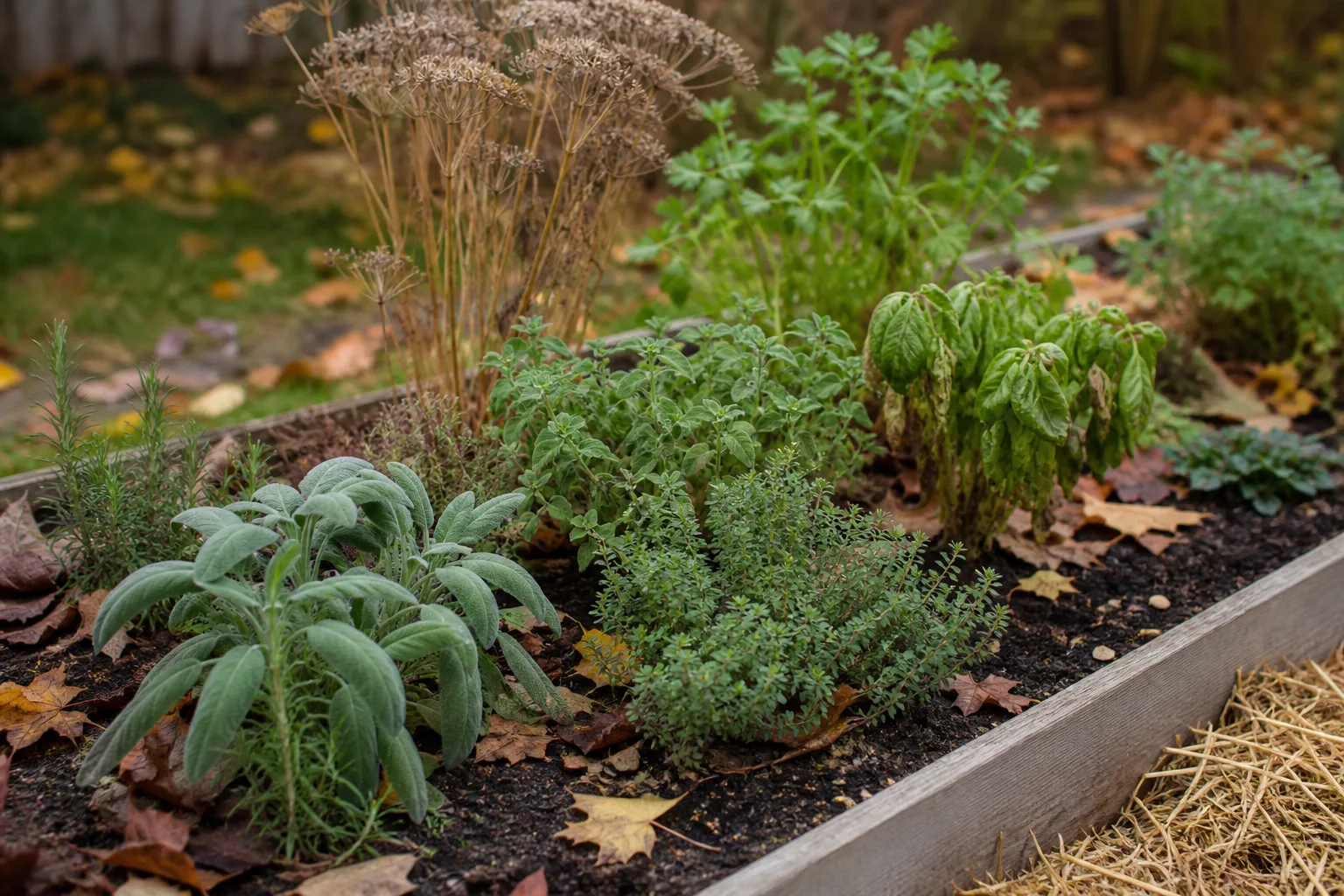
A mixed herb bed in late fall is a pile of contradictions. Basil is blackened and finished. Cilantro may still be green and setting seed. Sage looks half-dead on top but firm at the crown. Mint has collapsed to straw while the roots sleep below. If you run one pruning rule across all of them, you will either waste next year’s volunteers or weaken the plants you meant to protect.
The short version: sort your herbs by life cycle first, then decide how much — if any — to cut before your first hard frost. Tender warm-season annuals get cleared. Self-seeding cool-season annuals are often left standing. Leafy perennials can be trimmed low after frost. Woody and evergreen herbs get a light tidy only, with serious shaping saved for spring.
The Short Answer: Match the Cut to the Herb’s Life Cycle
You do not cut back every herb before winter. Tender annuals like basil should be harvested and removed once cold finishes them. Cold-tolerant annuals such as cilantro and dill can stay in place if you want reseeding. Leafy perennials including mint and chives can be cut to a short stub after hard frost. Woody Mediterranean herbs — sage, thyme, oregano, lavender, and rosemary — need only damaged or leggy growth removed in fall; hard pruning into old wood belongs in late winter or early spring when you can see living tissue.
That answer sounds simple until you stand in front of a bed where all of those categories grow shoulder to shoulder. The useful next step is not grabbing pruners. It is sorting.
Why Fall Herb Pruning Is Not One Universal Job
Pruning in fall serves different jobs depending on the plant. For finished annuals, removal prevents disease carryover and frees space. For hardy perennials, a light cleanup reduces pest habitat without stripping the insulation that protects the crown. For woody herbs, the goal is tidiness and airflow — not renewal cuts that stimulate soft growth too close to freezing weather.
The Problem With Cutting Everything at Once
The most expensive fall mistake is treating “herb” as one plant type. Cutting mint to the ground and cutting sage to the ground are not equivalent moves. Mint regenerates readily from roots and rhizomes. Sage, by contrast, does not reliably sprout from mature woody stems. North Carolina State Extension notes that common sage should be pruned during the growing season to stay compact, and that you should not prune into mature woody stems because they seldom sprout new growth.
The same logic applies to lavender. English lavender is an evergreen shrub that NC State recommends cutting back yearly, but that work is about spent flower spikes and shape — not a fall hard chop into leafless wood that leaves the plant exposed all winter.
Heavy fall cuts on woody herbs can also backfire by pushing tender new shoots that lack time to harden before cold arrives. Harvest to Table’s pruning guidance warns that fall and early winter are periods to use caution, because pruning can stimulate growth at the wrong season and fresh cuts may be more vulnerable going into winter.
What You’re Actually Trying to Accomplish Before Frost
Before you cut anything, name the job:
- Harvest the last usable leaves from plants that will not survive outdoors.
- Remove diseased or insect-infested material so it does not overwinter in the bed.
- Reduce reseeding where volunteers would become weeds.
- Allow reseeding where you want a free crop next year.
- Tidy leggy stems that will flop, snap, or hold moisture against the crown.
- Leave enough healthy top growth on woody and evergreen herbs to buffer the plant through freeze-thaw cycles.
If a cut does not serve one of those jobs, skip it until spring.
A Five-Group Sorting System for Your Herb Bed
Walk your bed with a clipboard or phone notes and assign every plant to one group. Only then choose blade height. If you are staring at a label that only says “herb,” use growth habit as your clue: soft hollow or square stems that collapse after frost usually behave like mint family herbaceous perennials; stiff woody stems with persistent lower branches belong in the woody group; plants that melt at the first cold night are warm-season annuals.
| Group | Fall cut intensity | Typical examples | Main fall goal |
|---|---|---|---|
| Tender warm-season annual | Remove after frost | Basil, shiso | Harvest + clear |
| Cool-season annual / self-sower | Optional; seed-driven | Cilantro, dill, calendula | Reseed or control |
| Leafy herbaceous perennial | Low stub after hard frost | Mint, chives, lemon balm | Hygiene + crown mark |
| Woody / semi-woody perennial | Light tidy only | Sage, thyme, oregano, lavender | Airflow without old-wood cuts |
| Evergreen (in your zone) | Dead wood only | Rosemary, bay, hardy thyme | Protect foliage; shelter pots |
Tender Warm-Season Annuals
Examples: basil, shiso, lemon verbena in cold climates.
These herbs are finished by frost, not rejuvenated by it. Penn State Extension notes that basil cannot survive temperatures lower than about 50°F and should not be left on cold windowsills through winter without protection (Penn State Extension). Outdoors, the first light frost often damages leaves; a hard frost kills the plant entirely.
Fall move: Harvest everything usable before frost. After the plant dies, cut stems at soil level or pull the whole plant, roots included, if you are rotating the bed. Compost only healthy tissue. If you want basil through winter, pot up a healthy section before frost and grow it indoors — our herbs to grow indoors guide covers light and temperature needs.
Cool-Season Annuals and Self-Sowers
Examples: cilantro, dill, chamomile, calendula (pot marigold).
These tolerate cold better than basil and often reseed if you let seed mature and drop. That is an asset when you want a spring carpet of volunteers. It is a problem when seedlings appear in paths, pavers, and vegetable rows.
Fall move: If you want volunteers, leave healthy plants standing until seeds drop and stems brown. If you want control, remove seedheads before they shatter or cut plants after seed collection. You do not need to scalp these to the ground for survival — the goal is seed management, not crown protection.
Leafy Herbaceous Perennials
Examples: mint, lemon balm, chives, tarragon (in cold zones).
These die back to the ground after hard frost and return from roots or rhizomes in spring. Fall pruning here is mostly about garden hygiene and reducing places for pests to hide in collapsed foliage.
Fall move: After hard frost browns the tops, cut stems to 2–4 inches above soil. Leave a short stub to mark the plant location and provide minor crown cover. Mint spreads aggressively; fall is a good time to edge rhizomes that escaped their boundary. Chives reseed freely — remove spent flower heads if you do not want seedlings in cracks and gravel.
Woody and Semi-Woody Perennials
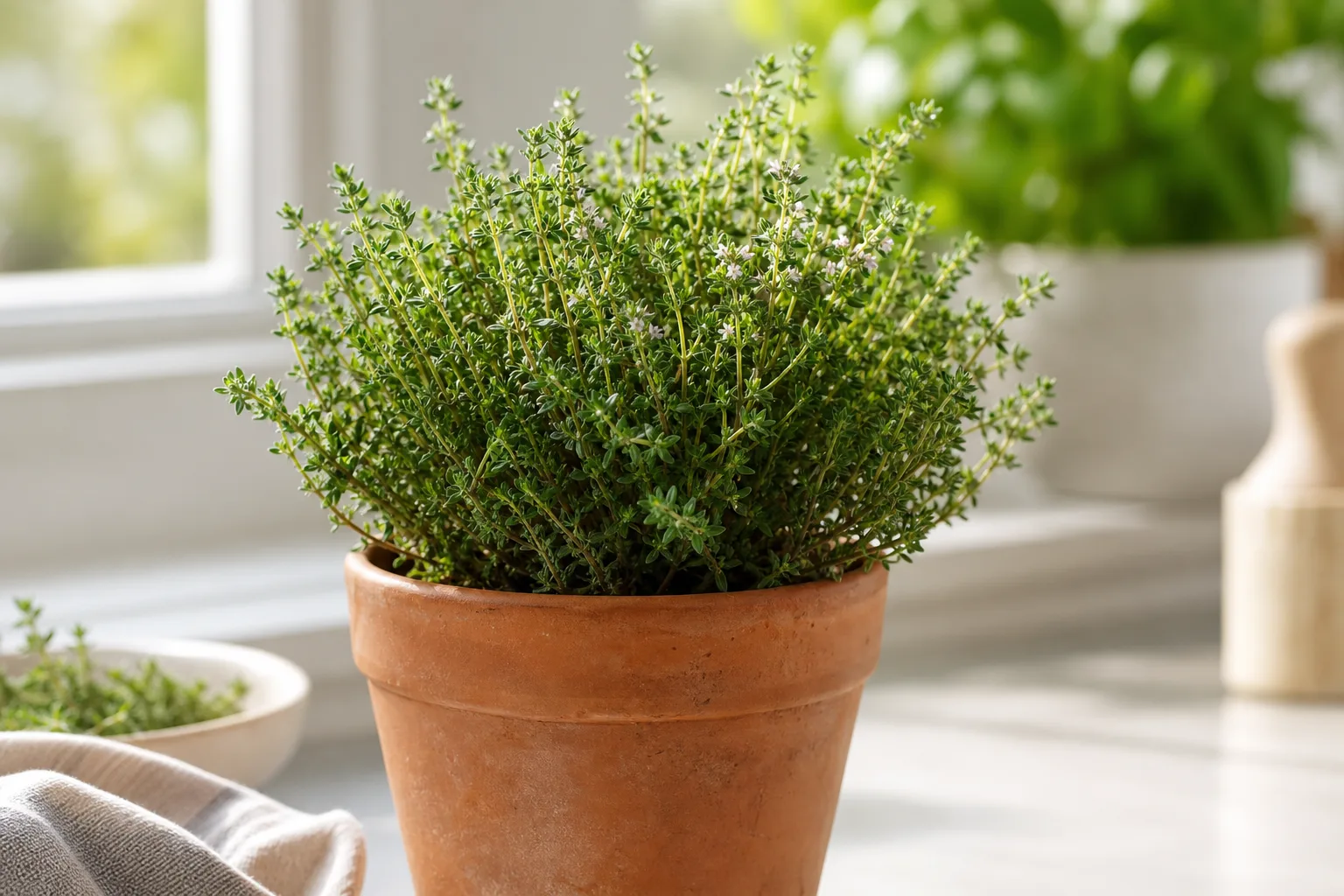
Examples: sage, thyme, oregano, lavender.
These build a persistent woody base with seasonal soft growth on top. Fall is for light tidying: remove dead flower stems, trim leggy soft shoots, and take out clearly dead branches. Avoid cutting into thick, leafless old wood.
Sage pruning for shape and flowering control is best handled in spring and during the growing season, not as a severe fall renovation (NC State — common sage). In colder zones where sage dies partly back, trim only the dead green portions after frost, leaving live woody structure in place.
Lavender benefits from removing spent blooms and a yearly shaping cut, but NC State describes it as an evergreen shrub that dislikes wet feet and needs well-drained soil (NC State — English lavender). A fall hard cut into bare wood on wet, heavy soil is a common way to lose plants over winter.
Evergreen Herbs That Stay Green Through Winter
Examples: rosemary (in mild zones), bay laurel, winter-hardy thyme cultivars.
Evergreen does not mean “prune freely in fall.” Harvest to Table advises against pruning evergreens in winter because cut surfaces can lose moisture and weaken the plant; spring, as growth starts, is the safer renewal window.
Fall move: Take a final harvest before sustained freezing weather if you still have healthy leaves. Remove broken or diseased branches only. Potted rosemary and bay should move to sheltered space in zones where outdoor survival is uncertain — see bringing potted plants indoors for winter for the decision framework.
How to Make Clean Cuts Without Inviting Disease
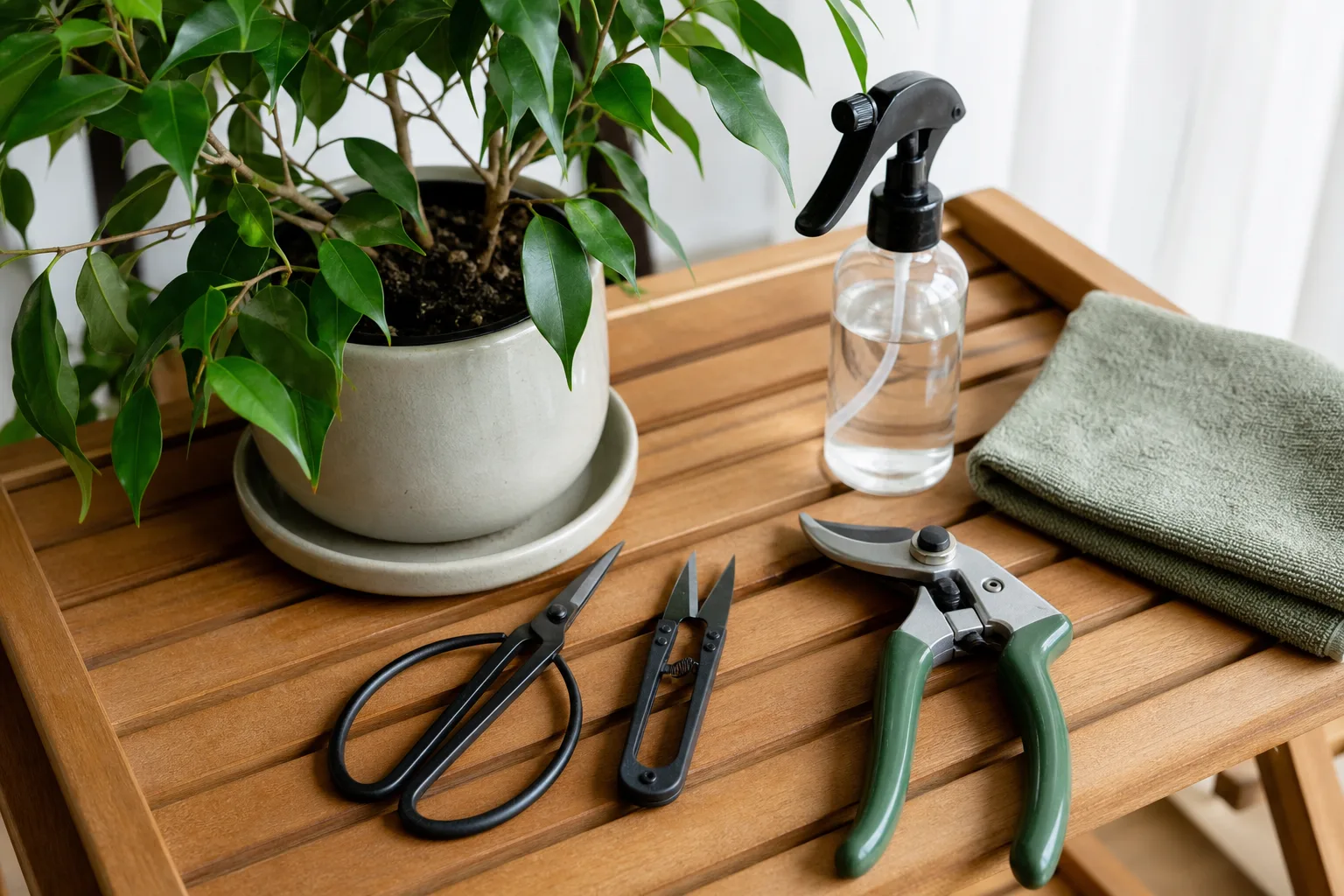
Sharp bypass pruners are the default tool for herb stems up to pencil thickness. Use snips for soft annuals and hand shears for uniform trimming across mint or chive clumps. Anvil pruners crush green stems and are better reserved for truly dead wood.
Cut just above a leaf node or side shoot when removing soft growth on sage, thyme, and oregano — never below the last visible green bud on a woody stem. When the stem is leafless and gray, stop. That is old wood. Ragged tears and angled stubs that hold water invite rot; a clean straight cut heals faster.
Sanitize blades with rubbing alcohol when moving between plants, especially if you removed mildewed mint or rust-stained foliage. Bag and trash diseased material rather than composting it in a backyard pile that may not heat enough to kill spores.
Species-by-Species Fall Cleanup Guide
Use the group rules above, then fine-tune with these common kitchen herbs. USDA zone ranges are approximate — microclimate, drainage, and cultivar matter as much as the map color.
Basil: Clear after frost kills the plant. Pot up before frost if you want indoor growth. Do not expect outdoor regrowth.
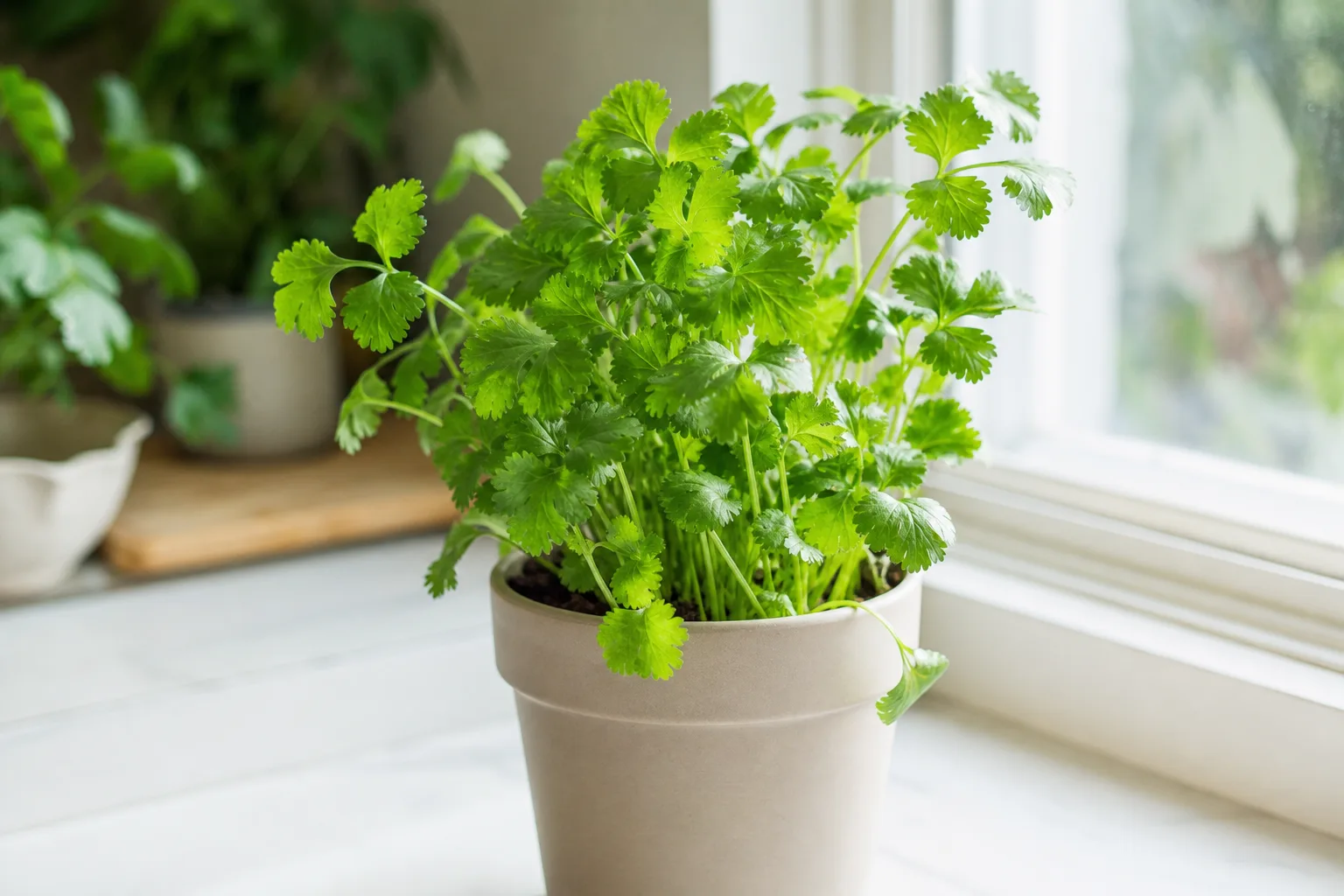
Cilantro: Leave standing for winter harvest and reseeding in mild climates, or remove seedheads if volunteers are unwanted. Plants often survive light frosts and resume in cool spring weather.
Dill: Let brown naturally if you want seed for pickles or next year’s volunteers. Cut and dry seedheads on a tray if you prefer controlled planting.
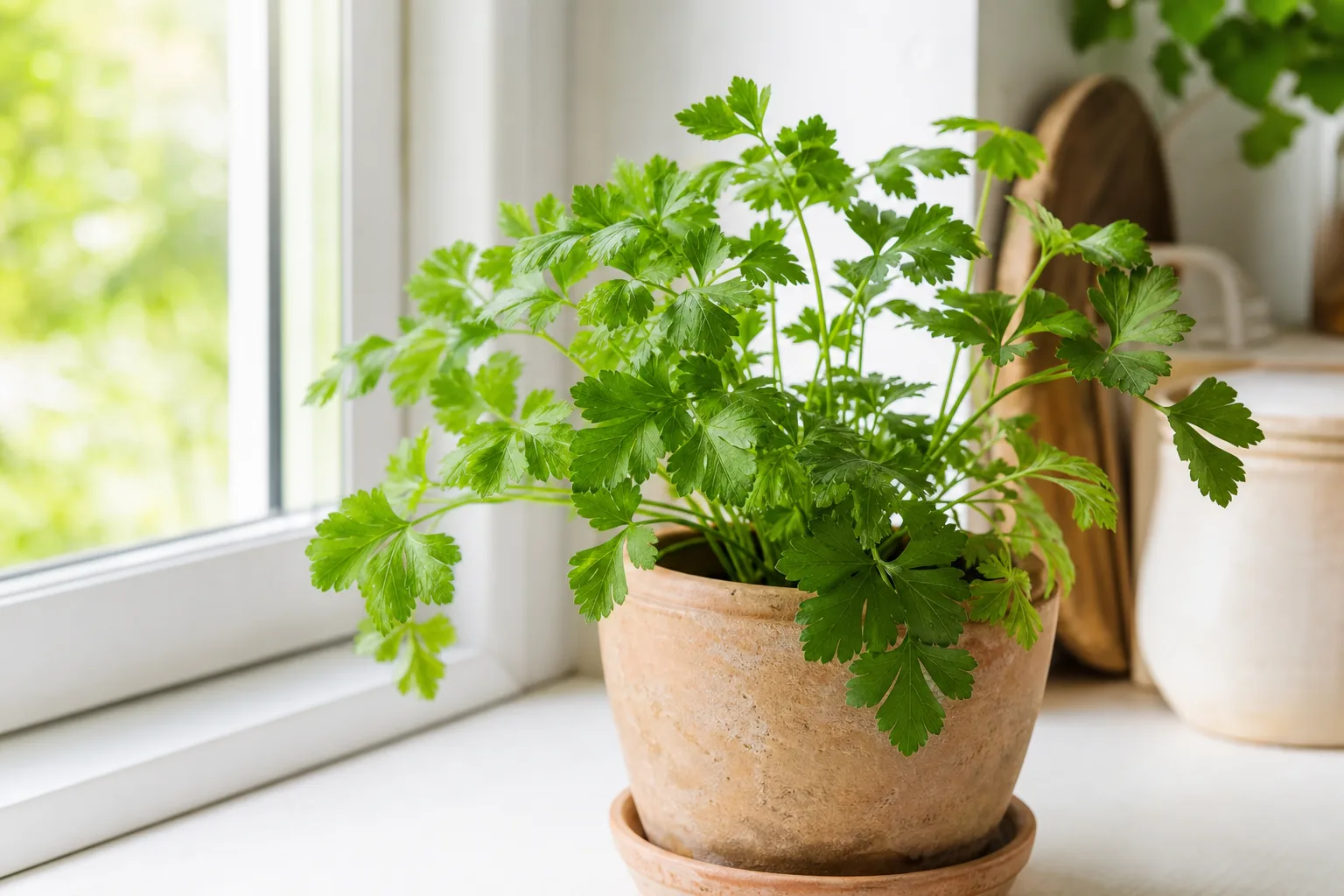
Parsley: Among the more cold-hardy common herbs. In many climates you can harvest through winter with mulch and a row cover. Remove only yellowed lower leaves during fall cleanup; keep the rosette intact.
Oregano: Trim long floppy stems to about 4–6 inches after frost if the plant was sprawling. Leave woody stems that still show green or firm buds. Hard renewal waits for spring.
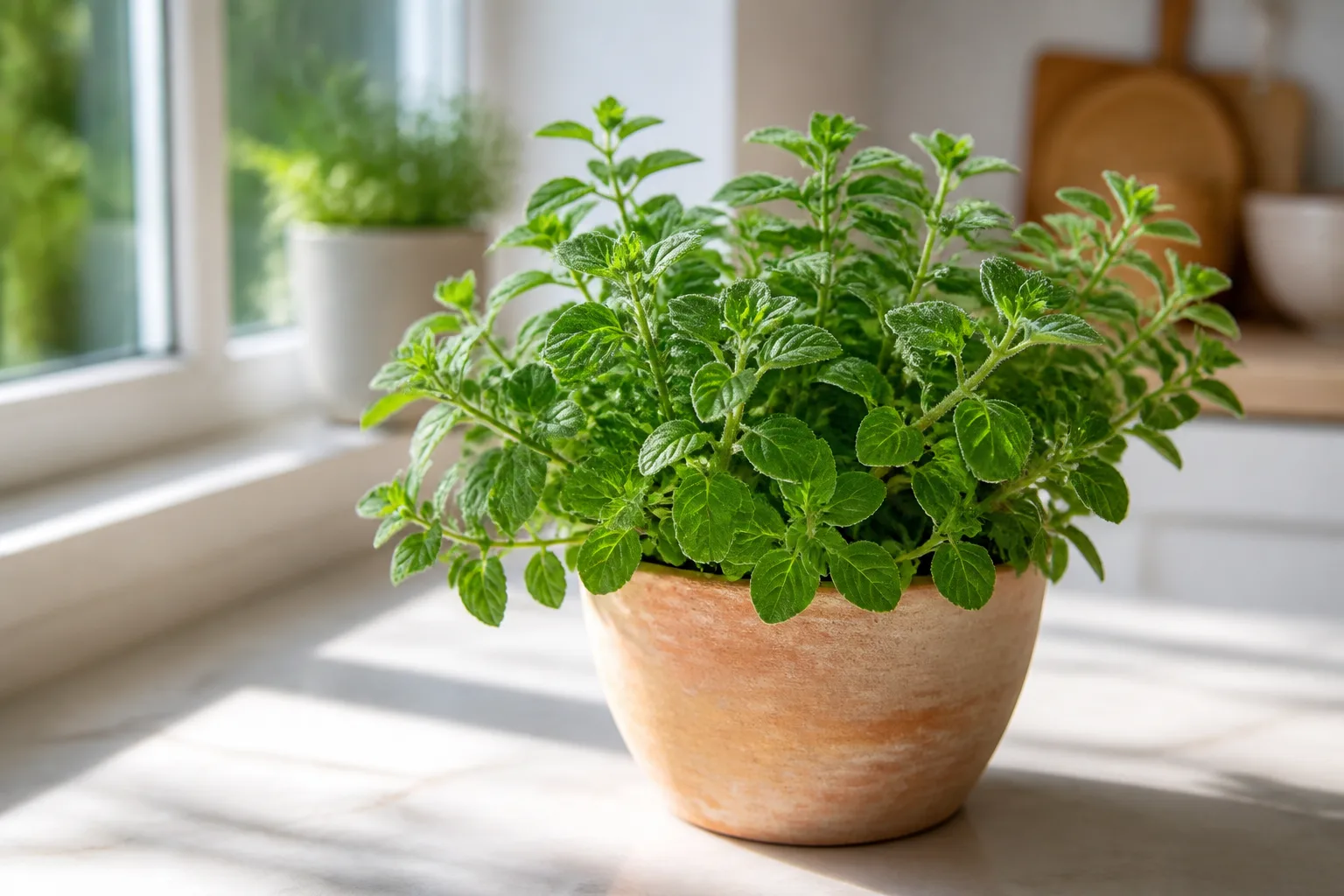
Sage: Light trim of dead soft growth after frost in cold zones. In USDA Zone 7 and warmer, sage may stay semi-evergreen — remove spent stems, not the living framework. Never cut deep into old wood.
Thyme: Lightly shear spent flowers and straggly tips. Many cultivars are semi-evergreen; treat like sage and oregano — tidy now, reshape in spring.
Rosemary: In warm zones, harvest through winter. In borderline zones, stop cutting before hard frost and protect the plant with drainage, mulch, and wind shelter. Containers should move indoors or into a cold frame.
Mint and lemon balm: Cut to stubs after hard frost for tidiness. Consider rhizome barriers now, while soil is still workable.
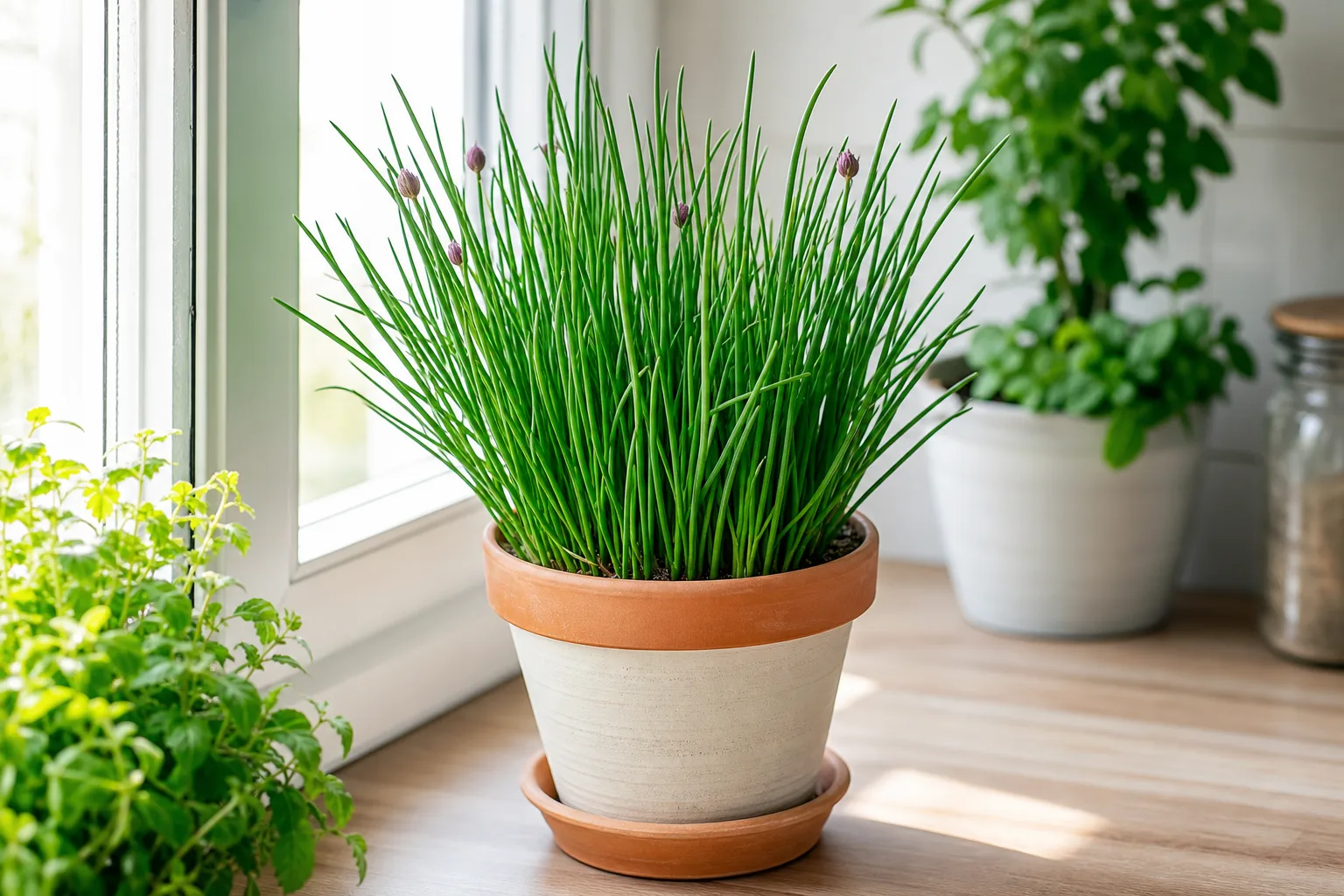
Chives: Remove brown foliage after frost. Snip seedheads if self-sowing is a nuisance.
Lavender: Deadhead spent wands. Avoid fall hard pruning into old wood. Plan the main shaping cut for spring once you see where new growth emerges.
Bay laurel: Treat as a tender evergreen in Zones below about 8. Container plants should move to cool bright indoor space before hard freeze. In-ground bays in marginal zones need wind protection and excellent drainage; prune only broken branches in fall.
Chamomile and calendula: These cool-season annuals often finish their cycle by late fall. Leave seedheads if you want volunteers; collect seed on a dry day if you prefer orderly spring planting.
Timing Rules That Prevent Winter Damage
Calendar dates fail across zones. Frost dates do not. Check your local average first hard frost and work backward.
The Four-to-Six-Week Frost Window
For woody and semi-woody herbs that need a light fall trim, aim to finish cosmetic cutting roughly four to six weeks before your average first hard frost when possible. That window gives any stimulated shoots time to toughen before sustained freezing weather. If you are already inside that window, switch from shaping cuts to removal of only dead or diseased material.
This is the season to stop “one more big harvest” on marginally hardy evergreens. A late flush of soft growth is exactly what winter kills first.
When Light Frost Has Already Arrived
A light frost that nips basil is not the signal to hard-prune your entire herb garden. It is the signal to:
- Finish harvesting tender annuals.
- Note which perennials are still green versus blackened.
- Remove only tissue that is clearly dead, slimy, or diseased.
- Postpone woody renovation until spring, when our perennials to prune in spring approach helps you cut with living buds visible.
If stems are still green and firm, they may still be photosynthesizing and storing energy. Stripping them too early removes insulation the crown would have used.
How to Read Frost Damage Before You Cut
Not every browned leaf means “cut to the ground.” After the first frost, check three things on each plant:
Stem flexibility: Bend a stem gently. If it snaps crisply and the inside is dry and brown, that tissue is dead. If it bends with moisture and shows green when you scratch lightly with a thumbnail, leave it.
Crown firmness: Press at soil level. A firm crown on sage, thyme, or lavender means the plant is likely alive even when top growth looks rough. A mushy crown after repeated freeze-thaw on wet soil is a removal signal, not a pruning signal.
New buds at nodes: Look for tiny green or silver buds where leaves met the stem. Those mark the highest safe cut on woody herbs. Cutting below the lowest visible bud is how fall renovation turns into spring replacement shopping.
When half the plant is damaged and half is green, remove only the dead portions. A lopsided survivor beats a symmetrical stump that never resprouts.
Mulch, Row Covers, and Container Moves
Pruning is only half of winter prep. Protection keeps what you left standing alive.
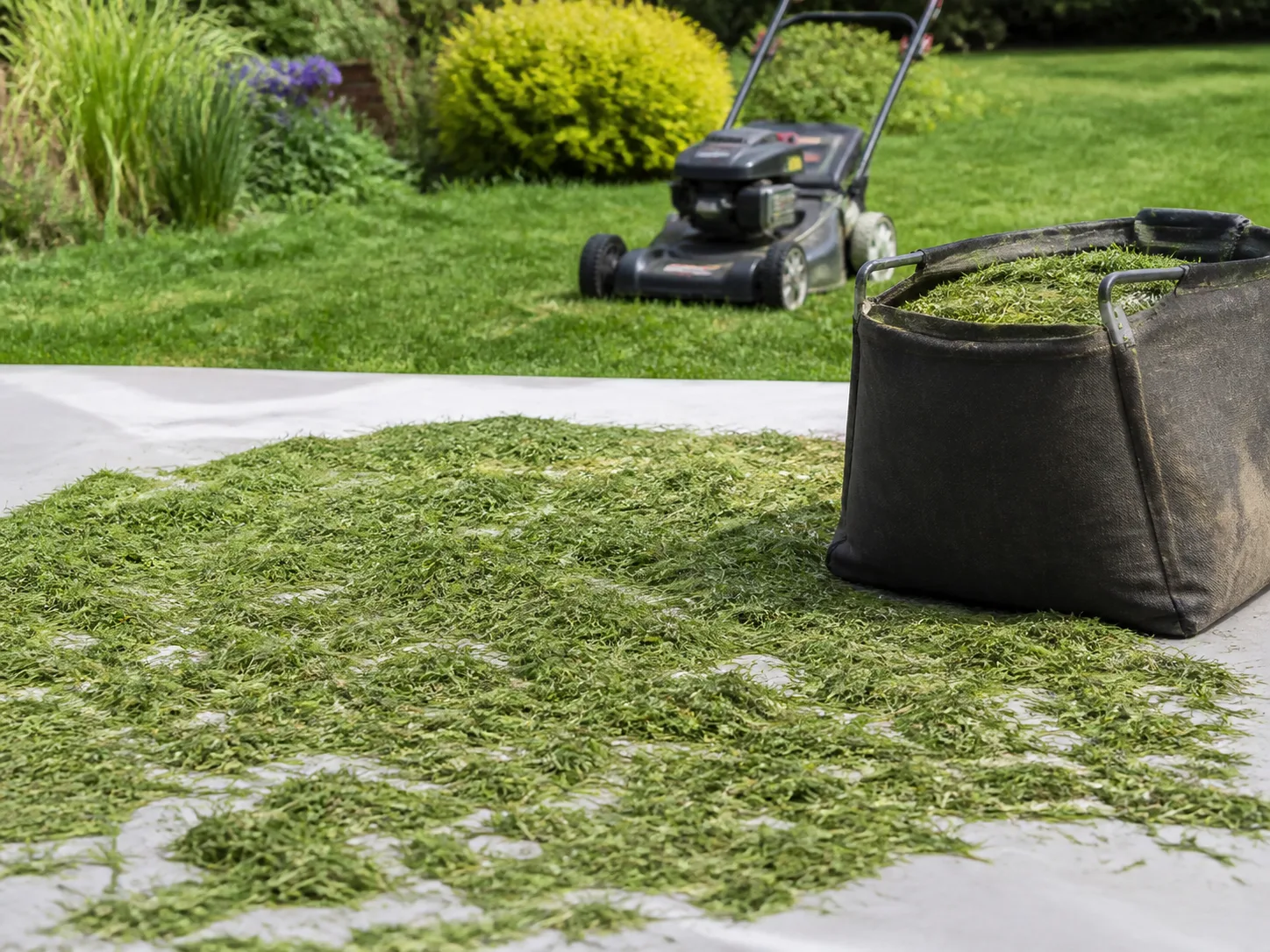
Organic mulch — straw, shredded leaves, or pine needles — moderates soil temperature swings and protects crowns of parsley, chives, oregano, and marginally hardy herbs. Apply after the ground begins to cool, not while soil is still warm in early fall. Keep mulch slightly back from woody stems to discourage rot.
Row covers or low tunnels extend harvest on cold-hardy herbs without forcing growth. They are especially useful for parsley and cilantro in Zones 6–8 where winter harvest is possible but not guaranteed.
Containers change the equation. Potted herbs freeze faster than in-ground plants because roots have less soil volume insulating them. Move tender perennials — rosemary, bay, lemon verbena — to a sheltered porch, unheated garage with light, or indoor space before hard freeze. Our potted plant overwintering guide walks through heated versus cool storage.
Drainage matters as much as mulch for lavender, sage, and rosemary. Wet winter soil kills more Mediterranean herbs than cold alone. If your bed holds water, address grading or move plants to raised mounds before winter.
Common Fall Pruning Mistakes on Herbs
Cutting woody herbs to the ground in fall. Sage, lavender, thyme, and rosemary do not behave like mint. Deep cuts into old wood often fail to resprout.
Pruning evergreens hard right before winter. You risk desiccation at cut sites and loss of the foliage that buffered the plant.
Clearing self-sowers too early. Pulling cilantro or dill while seed is still forming removes next year’s free crop.
Leaving diseased foliage in place. Powdery mildew on bee balm relatives, rust on mint family plants, and any botrytis-infected debris should be removed and trashed, not composted.
Forgetting to sanitize tools. Wipe blades with rubbing alcohol when moving from a diseased clump to a healthy sage plant.
Confusing houseplant rules with outdoor herbs. Indoor tropical foliage follows different winter logic. Outdoor culinary herbs follow frost and dormancy signals — closer to fall shrub decisions than to houseplant pruning in winter.
Conclusion
A strong herb garden going into winter is a sorted herb garden. Clear the annuals that are done. Decide deliberately on seedheads. Trim leafy perennials low only after hard frost. Touch woody and evergreen herbs lightly, protecting old wood for spring. Mulch what stays, move what must, and throw away what was sick.
When in doubt, remove less in fall and more in spring. The plants that benefit from a hard cut will tell you where they are alive soon enough. The ones that do not will not forgive a fall chop into bare wood.