43 Perennials to Cut Back in Spring
Learn when and how to cut back 43 perennials in spring, including seedhead, wildlife, disease, toxic-plant, and late-emerging growth decisions.
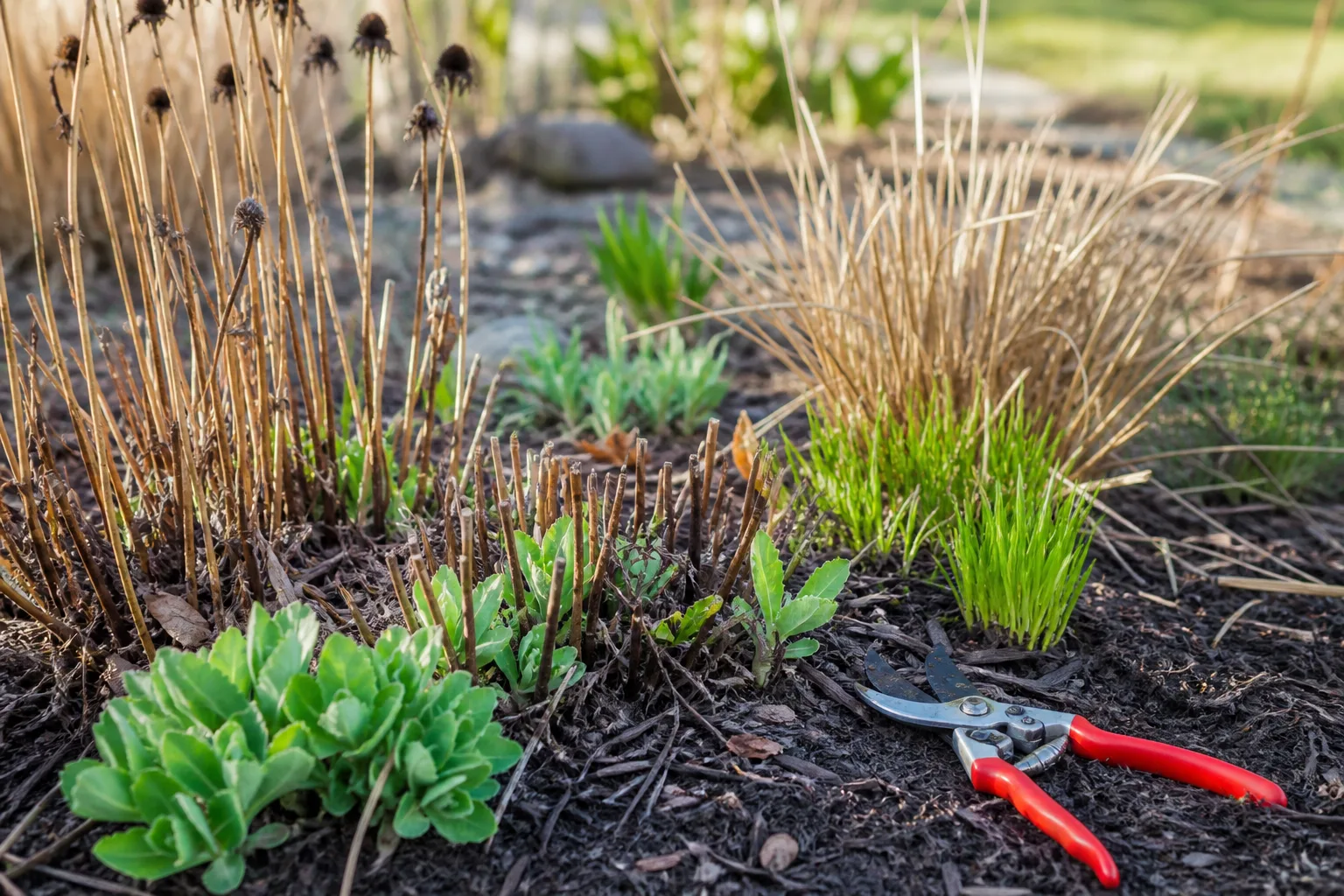
Many perennials are better left standing through winter and tidied once spring growth is easy to see. Old foliage and stems can shelter a crown from cold, hold a plant in place through freeze-thaw cycles, feed birds, or provide nesting material for insects. The right cleanup date is therefore based less on the calendar than on what is happening at the plant’s base.
The 43 plants below are not all handled with the same hard cut. Some need old stems removed to make room for new leaves; some need only winter-damaged foliage picked out; and some are perfectly healthy when left alone. Use the tables as a spring checklist, then adjust for your climate, cultivar, winter damage, and the plant’s actual new growth.
The short answer: wait for spring growth
For most plants in this guide, leave the winter structure in place until the worst cold has passed and you can see living buds or leaves emerging from the crown. Then cut or rake away the dead material, taking care not to slice through the new shoots. In a mild climate that may be late winter; in a cold climate it may be well into spring.
The quickest way to sort your bed is to ask three questions:
- Is the plant carrying seedheads or hollow stems that wildlife can use? Leave at least some of them standing unless they are diseased, unsafe, or spreading where you do not want them.
- Is it evergreen or semi-evergreen? Remove only brown, collapsed, or damaged foliage instead of stripping a healthy rosette.
- Is it woody-based or slow to show green? Wait for new growth before cutting. A bare-looking plant may still be alive below the soil line.
Spring cleanup is not a contest to make every bed bare. The useful goal is to remove material when it is no longer protecting the crown or serving wildlife, while preserving the growth that will carry the season.
What spring cleanup is actually doing
The dead top growth of a perennial is not always useless. A layer of foliage and stems can buffer a crown from winter exposure, especially where soil freezes and thaws repeatedly. Coral bells, for example, are prone to heaving, so keeping their foliage intact through winter can provide a little extra protection around the crown.
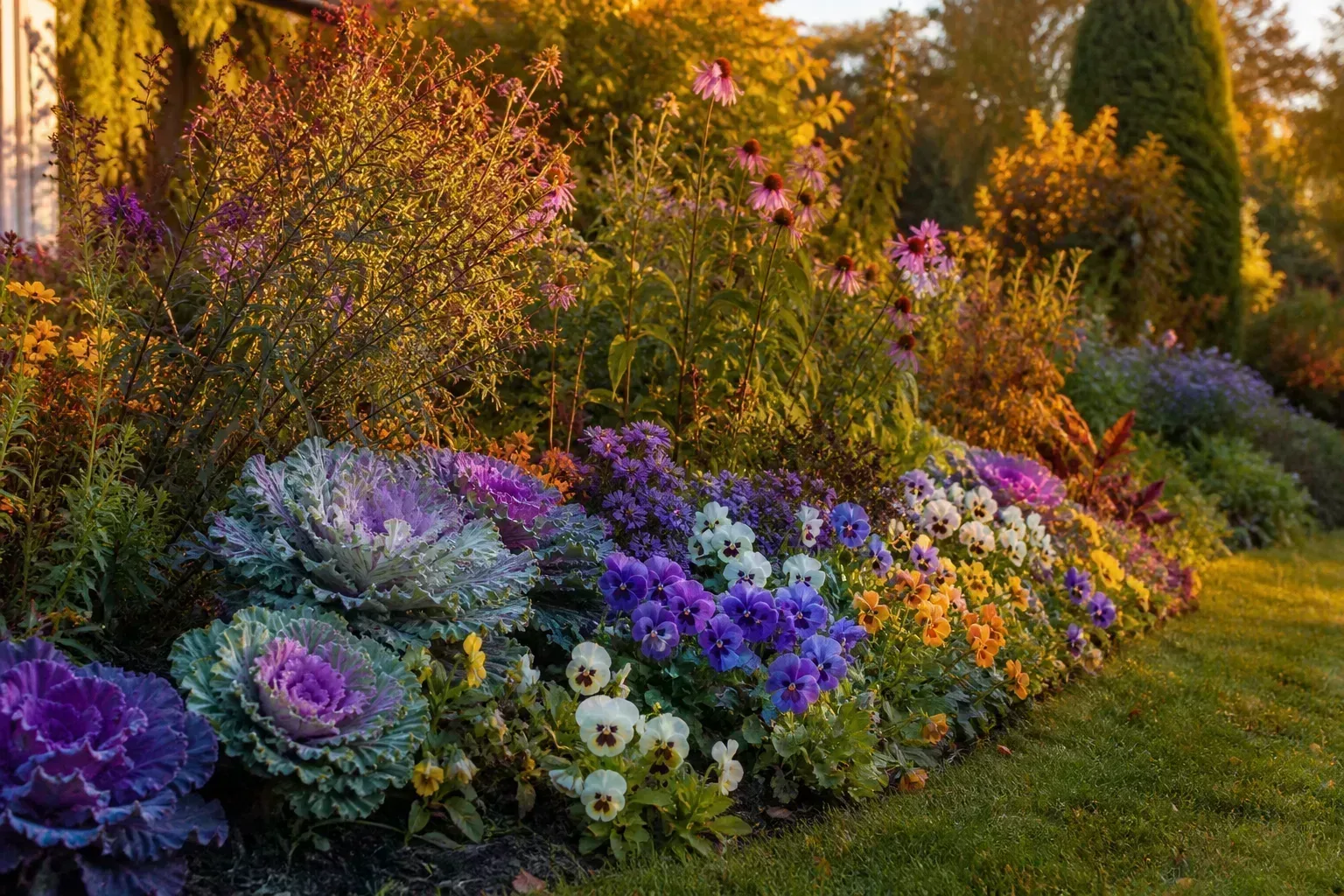
Seedheads add a second reason to wait. Black-eyed Susan, purple coneflower, globe thistle, Joe Pye weed, and other late-season plants can offer food for birds and winter structure in a border. The choice is not all-or-nothing: leave the strongest stems in the back of the bed and remove only collapsed or unwanted seedheads near paths.
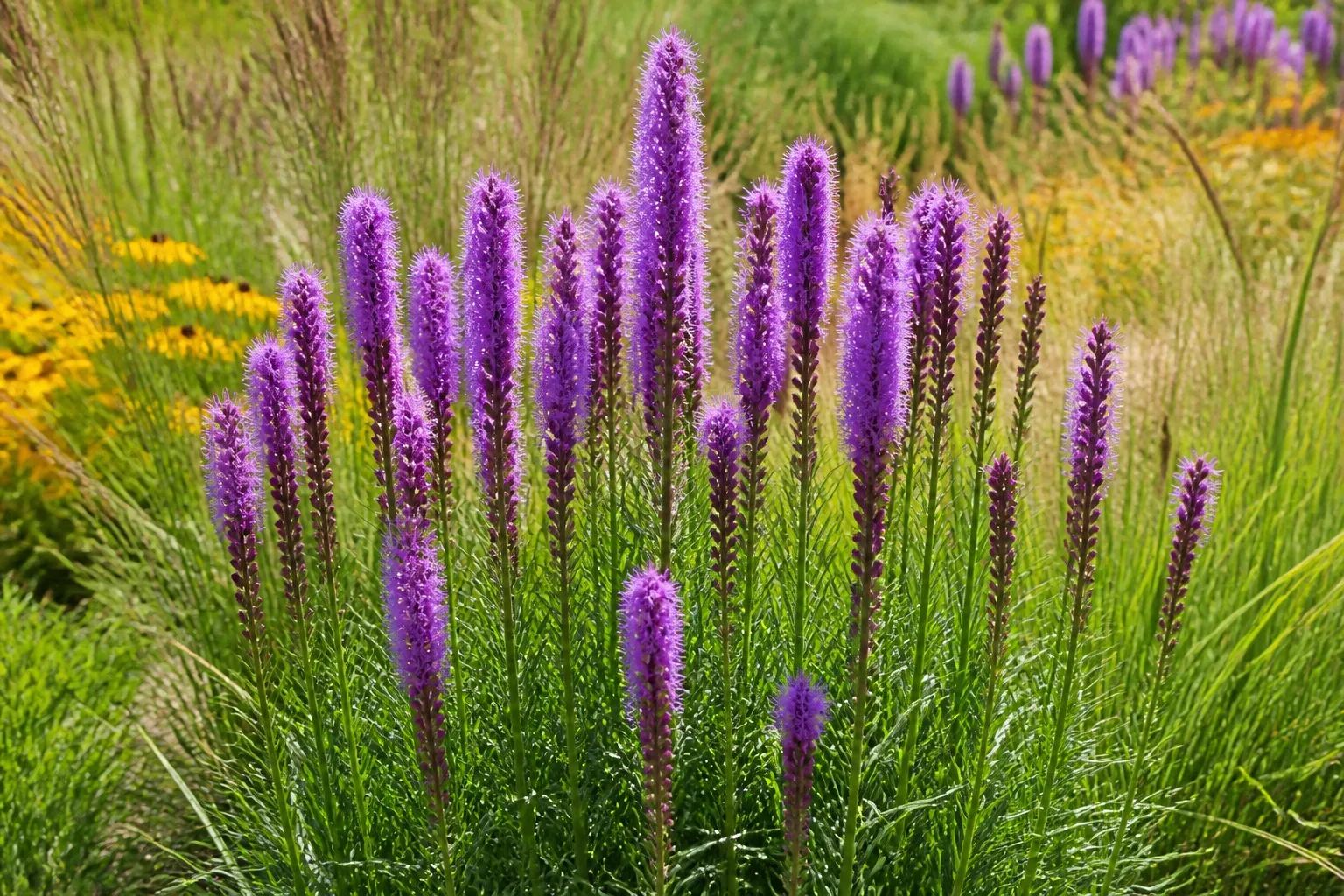
Stems can also be habitat. The North Carolina State Extension profile for Liatris spicata notes that dead stems can be used by stem-nesting bees and recommends leaving cut stems standing to break down over time. That makes a delayed, partial cleanup more useful than cutting every stalk to the soil surface on the first warm day.
When to cut back perennials in spring
Use plant signals instead of a fixed date. Start when the bed is workable, the winter structure is beginning to loosen, and new growth is visible at the crown. If the plant is a shrub-like perennial or a late emerger, wait longer; if it has obvious disease, remove the affected material as soon as practical.
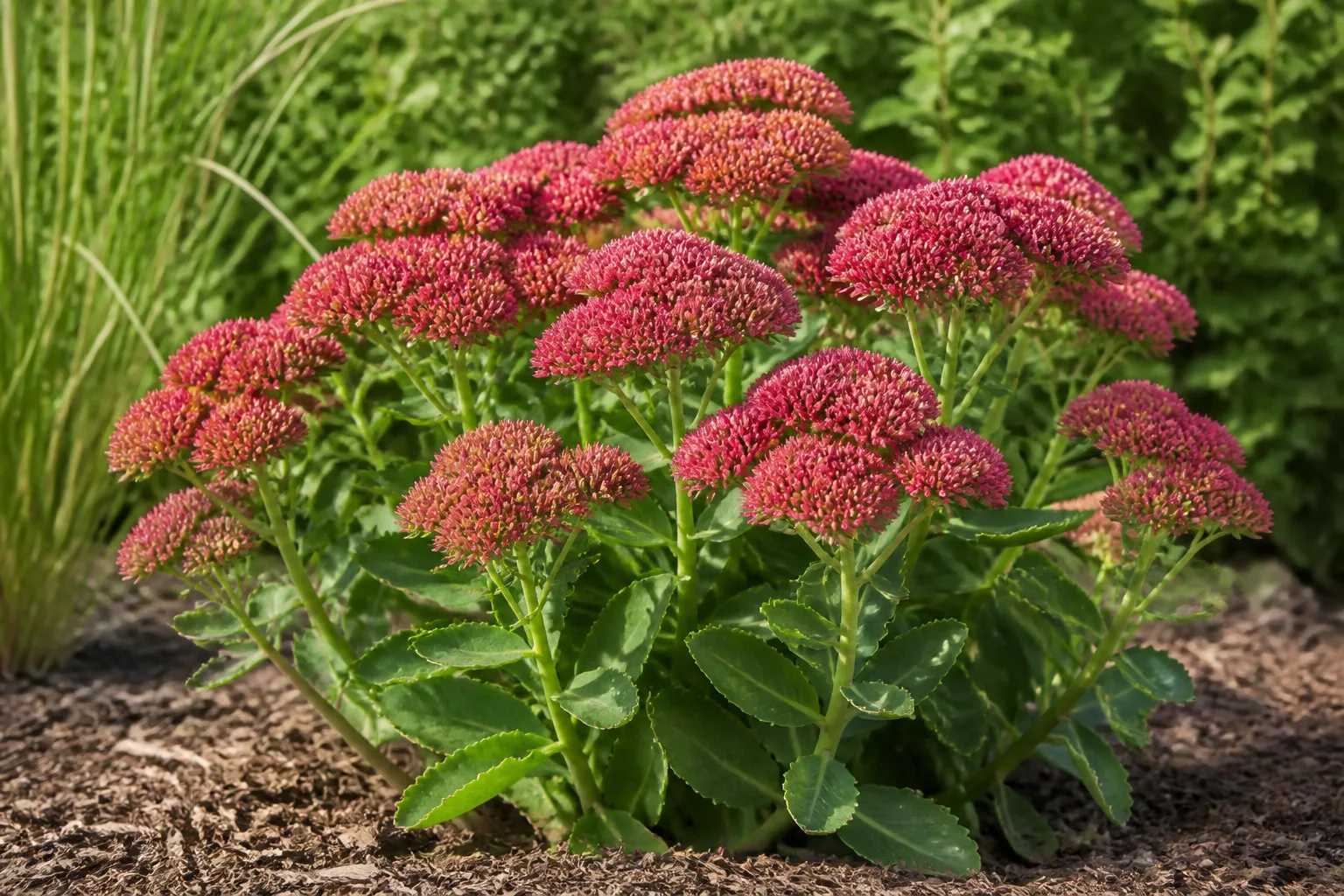
A good sequence is to begin with plants whose new basal leaves appear early, such as Autumn Joy sedum. Move next to plants with clear rosettes or shoots, including delphinium, foxglove, and lupine. Leave late-emerging leadwort and woody-based plants such as lavender and Russian sage until you can distinguish living stems from winter-killed wood.
Do not pull hard on stems that resist. Tugging can lift a crown or disturb shallow roots. Instead, cut loose material with clean pruners, rake gently around the crown, and leave a short marker where a plant is slow to emerge. This matters for leadwort, pincushion flower, and other plants that may look absent before they wake.
A decision rule before you cut
Use this five-step test on every perennial, even when it appears on a spring-pruning list:
- Identify the plant and its habit. Confirm whether it is herbaceous, semi-evergreen, woody-based, or grown as a cold-climate perennial.
- Look at the base. New leaves, swollen buds, or firm green stems tell you where the living plant begins.
- Separate dead from living tissue. Dead stems are usually dry and brittle; do not assume a bare stem is dead just because it is brown.
- Choose the lightest effective cut. Remove a flower stalk, a damaged leaf, or a few dead stems before reaching for a full cutback.
- Decide what should remain. Keep some seedheads for birds, some hollow stems for insects, or some foliage for crown protection when those benefits fit your garden.
If a plant has already started growing, work around the new leaves. It is better to leave a few short, unattractive stubs than to flatten the emerging crown with a rake or shears.
43 perennials that usually wait for spring cleanup
The four groups below turn the list into a set of decisions. “Cut back” may mean removing the previous season’s stems, not necessarily cutting the entire plant to bare soil.
Early spring cleanup: old foliage near the crown
These plants generally benefit from being left intact through winter, then tidied once new growth or the condition of the crown is clear.
| Plant | Spring move | What to remember |
|---|---|---|
| Artemisia (Artemisia spp.) | Remove dead stems and winter-damaged growth in early spring. | Avoid a late-season cut that encourages tender regrowth; some species can spread aggressively, and the plant is mildly toxic to people. |
| Astilbe (Astilbe spp. and hybrids) | Cut old flower stems and brown foliage once the crown begins to wake. | Fall cleanup is usually unnecessary; the spring job is minimal. |
| Autumn Joy sedum (Hylotelephium ‘Herbstfreude’) | Cut last year’s stems close to the crown after basal leaves appear. | Its early spring foliage makes it one of the first plants you can safely tidy. |
| Aven (Geum spp. and hybrids) | Rake away loose dead leaves and remove spent stems. | It can remain semi-evergreen, so do not strip healthy foliage simply for neatness. |
| Basket-of-gold (Aurinia saxatilis) | Remove winter-damaged foliage and wait to shape it until after flowering. | Shearing after bloom can help keep it compact, but fall cutting offers little benefit. |
| Bear’s breeches (Acanthus spp.) | Cut dead leaves away after new growth is visible. | Leave healthy foliage in place in colder climates because it can protect the crown. |
| Bellflower (Campanula spp.) | Remove old flowering stems and damaged summer foliage around the fresh basal growth. | The new rosette is the part you want to preserve through winter. |
| Coral bells (Heuchera hybrids) | Pick out collapsed or brown leaves; keep firm, living leaves. | Foliage helps protect crowns that heave in freeze-thaw conditions. |
| Dianthus (Dianthus spp.) | Clean out dead leaves and spent stems in spring. | Many types stay partly evergreen; the remaining foliage can help plants survive borderline winters. |
| Foamflower (Tiarella cordifolia) | Remove winter-damaged leaves before the spring bloom. | Healthy foliage can remain in place, especially where snow cover is inconsistent. |
| Heartleaf bergenia (Bergenia crassifolia) | Cut away only damaged leaves and old stems. | Bronze winter foliage can still look attractive; avoid removing it automatically. |
| Lady’s mantle (Alchemilla mollis) | De-leaf scorched or collapsed leaves and leave healthy growth. | It does not respond well to repeated hard shearing. |
| Lamb’s ear (Stachys byzantina) | Loosely rake away dead foliage as the leaves perk up. | In borderline zones, the old leaves help protect the crown. |
| Sea lavender (Limonium spp.) | Cut back dead stems and winter-damaged basal foliage in spring. | The airy flower stems can stand through winter; the base is what needs attention. |
Cold-sensitive and late-emerging plants
These plants are easy to damage when a gardener cuts by habit. Wait for green growth, especially in colder climates or after a severe winter.
| Plant | Spring move | What to remember |
|---|---|---|
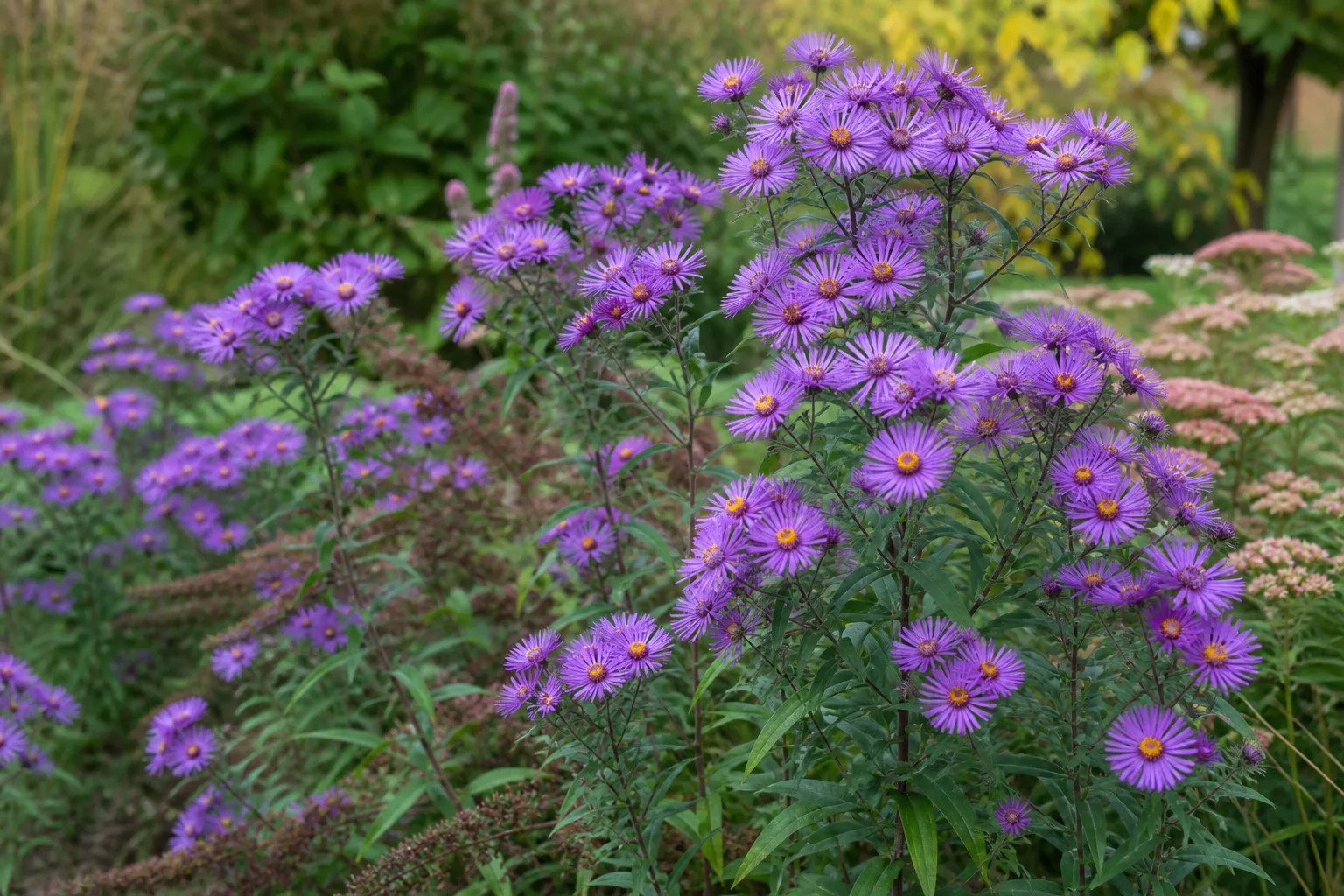
| Aster (Aster and Symphyotrichum spp.) | Remove fall-blooming stems before new shoots are crowded. | It has already spent the growing season producing flowers, so spring is a better reset point than fall. |
| Blue beard or blue mist (Caryopteris × clandonensis) | Once green buds appear, cut the returning perennial to about 6–10 inches. | In cold climates it may die back nearly to the ground; wait until tree buds begin to green before deciding what survived. |
| Butterfly bush (Buddleia davidii) | When basal green appears, cut the cold-climate perennial to about 6–10 inches. | Leave the winter stems in place first because they can reduce winter injury. |
| Cardinal flower (Lobelia cardinalis) | Remove damaged stems or cut the plant to the ground once spring cleanup begins. | Its moist crown does not benefit from sitting in cold, wet debris, but winter stems still provide protection. The plant is toxic to people and animals. |
| Cushion spurge (Euphorbia polychroma) | In cold climates, cut the old plant back to its base in spring; in warmer climates, remove only dead foliage. | It self-seeds freely, and the plant is toxic to people and animals, so wear gloves and deadhead if needed. |
| Delphinium (Delphinium elatum) | Remove old foliage in spring after leaving the basal leaves over winter. | Removing flower stalks in fall is different from removing the protective foliage; the plant is toxic to people and animals. |
| Foxglove (Digitalis spp.) | Cut away the old basal rosette when new growth is ready to fill the space. | Foxglove is toxic to people and animals; the ASPCA profile identifies cardiac glycosides as the toxic principle and lists serious cardiac and digestive signs in pets. |
| Fringed bleeding heart (Lamprocapnos spectabilis) | Remove the small amount of winter foliage that remains once spring growth is obvious. | The foliage often disappears on its own; the plant is toxic to people and animals. |
| Gas plant (Dictamnus albus) | Cut old stems in early spring while the plant is dormant. | Its sap can irritate skin, and the dormant-season cut is the safer timing described for this plant. Use gloves and avoid touching your face. |
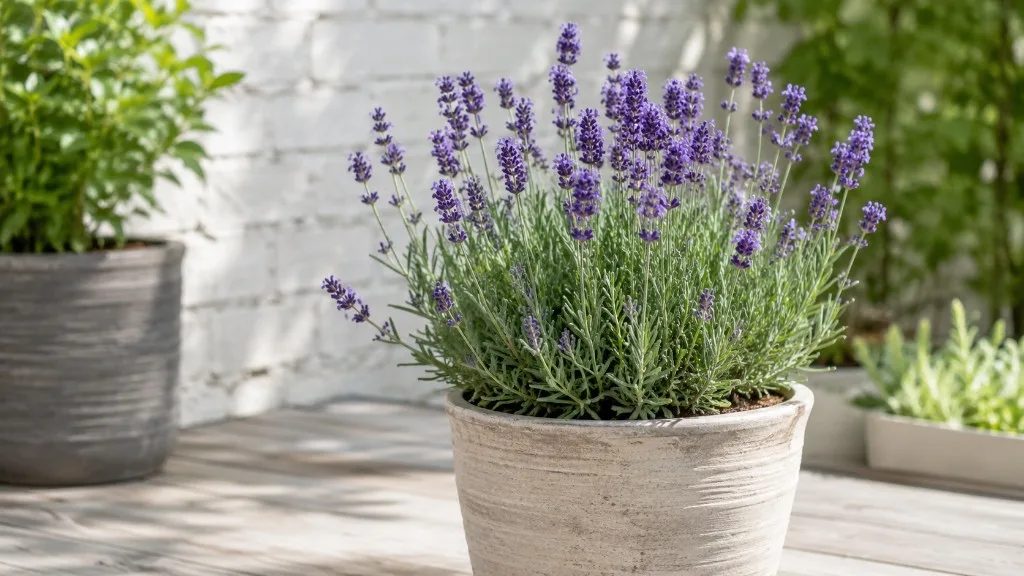
| Lavender (Lavandula spp.) | Wait for new growth, then remove winter dieback and shape only into living, leafy growth. | Moisture is often a bigger winter problem than cold. The local English lavender profile from North Carolina State Extension emphasizes excellent drainage and annual cutting after spent flower spikes fade. Lavender is toxic to animals. |
| Lavender cotton (Santolina chamaecyparissus) | Remove winter damage after new growth appears. | Do not prune late in the season; this dry-soil plant needs time to harden before winter. |
| Lupine (Lupinus spp.) | Remove old foliage after the crown begins to grow. | Flower stalks can be cut after bloom, but the foliage is useful winter protection; lupine is toxic to people and animals. |
| Mums (Chrysanthemum spp.) | In colder climates, cut back old stems in spring rather than fall. | A hard fall cut can encourage tender growth that is more vulnerable to winter injury; hardy mums are toxic to people and animals. |
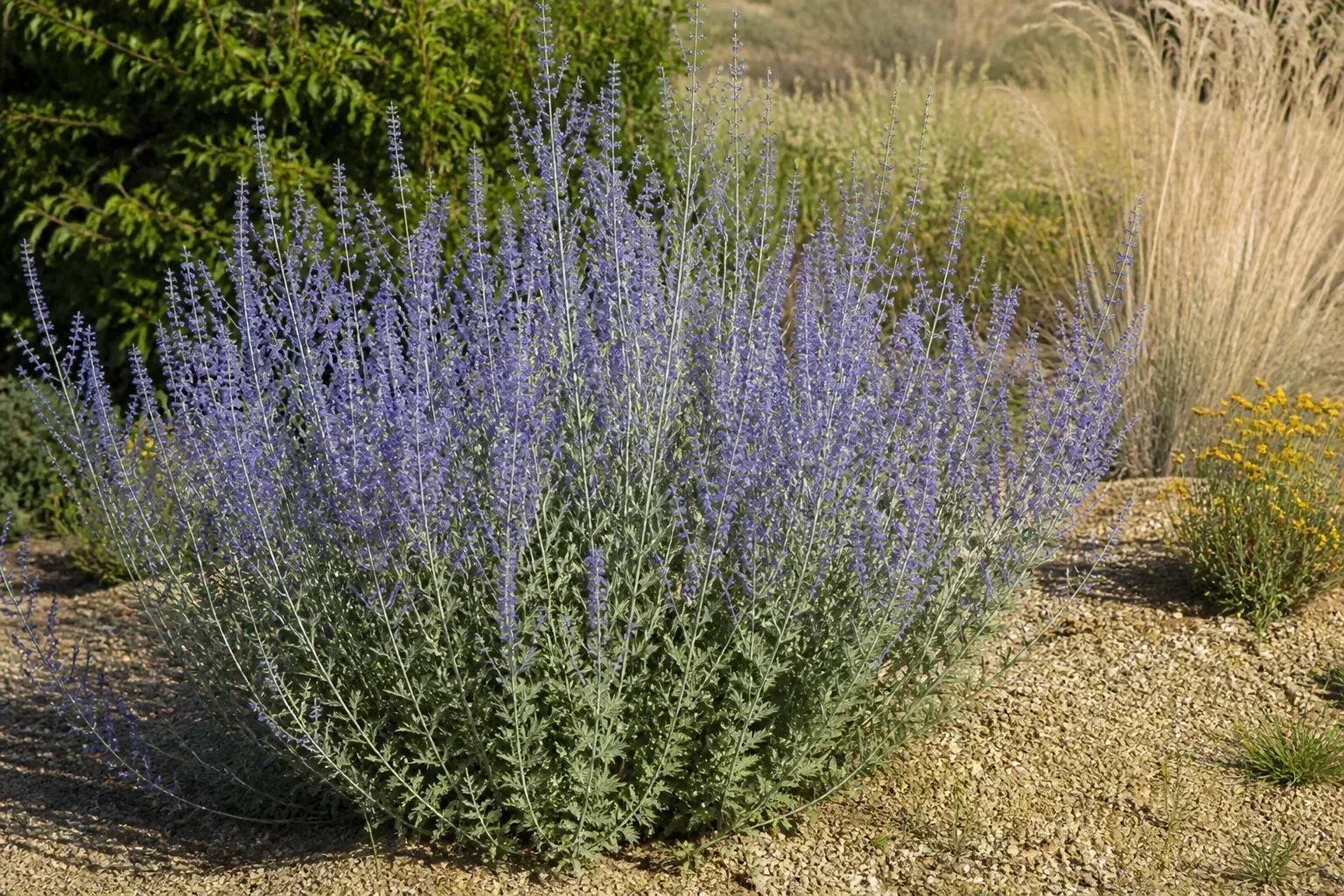
| Russian sage (Salvia yangii) | After new growth appears, cut back to about 6–8 inches; if only basal growth is alive, remove the dead top. | Do not cut the cold-sensitive top in fall. |
Seedheads worth leaving through winter
For these plants, spring cleanup is often a compromise between a tidy bed and a functioning wildlife garden. Leave a portion where it is safe, then remove the rest when the crown wakes.
| Plant | Spring move | What to remember |
|---|---|---|
| Black-eyed Susan (Rudbeckia hirta) | Cut old stems in spring after birds have had access to the seedheads. | The seeds can feed birds and may create volunteer plants, so remove heads early if you do not want seedlings. |
| Butterfly weed (Asclepias tuberosa) | Cut old foliage after winter, once the crown is visible. | The leaves protect the crown; deadhead after bloom if you want fewer self-sown plants. It is mildly toxic to people and animals. |
| Gayfeather (Liatris spicata) | Remove loose material in spring, but consider leaving sturdy stems standing longer. | It supports pollinators and birds; local extension guidance notes that dead stems can serve stem-nesting bees. |
| Globe thistle (Echinops spp.) | Cut old stems in spring if they were left standing. | A midsummer trim can create shorter, sturdier plants, but leaving the fall structure is also useful for birds. |
| Joe Pye weed (Eutrochium or Eupatorium spp.) | Cut the tall stalks in spring when the crown shows new growth. | It does not need fall cutting to survive, and its seedheads can feed birds. The North Carolina State Extension profile describes its late-season seed and wildlife value. |
| Purple coneflower (Echinacea purpurea) | Remove last year’s stems in spring, or leave selected seedheads for birds. | A July trim is an option when you want shorter plants that still carry seedheads. The local Epic Gardening perennial guide also identifies coneflower and coreopsis as pollinator-friendly late-season choices. |
| Tickseed (Coreopsis spp.) | Cut back old stems and clean the crown in spring. | Most types fare better when allowed to stand through winter; remove only what is dead or messy if the plant is still partly green. |
| Turtlehead (Chelone lyonii) | Remove old foliage in spring after leaving it through winter. | Deadhead fading flowers during the season if you want to limit seed, but leave the protective plant structure until spring. |
| Wandflower (Oenothera lindheimeri) | Cut old stems in spring, unless you are saving seed or encouraging volunteers. | This short-lived perennial may rely on self-seeding to return, so a completely bare cleanup can reduce next year’s plants. |
Cleanup is optional, not automatic
These six plants can need spring attention, but the best move depends on appearance, self-seeding, winter damage, or the reason you grow them.
| Plant | Spring move | What to remember |
|---|---|---|
| Blue star (Amsonia tabernaemontana) | Cut the previous season’s stems in spring to refresh the clump. | Shearing by about one-third after flowering can reduce seedpods; spring cleanup is the rejuvenating cut. |
| Italian bugloss (Anchusa azurea) | After its post-bloom recovery, remove the old material in spring. | It can be sheared to the crown after flowering, but do not keep cutting while it is trying to rebuild. |
| Leadwort (Ceratostigma plumbaginoides) | Leave the old stems as location markers, then remove them once the late new growth appears. | Pull unwanted plants or seedlings if spread is the concern; cutting alone will not solve an aggressive groundcover habit. |
| Pincushion flower (Scabiosa columbaria) | Remove old flower stems and dead foliage in spring. | Leaving some foliage can help you find this temperamental plant when it emerges. |
| Red-hot poker (Kniphofia spp. and hybrids) | Trim declining foliage by about half, then finish cleanup in spring. | Do not cut the clump entirely to the ground; the crown is sensitive to cold and excess moisture. |
| Red valerian (Valeriana rubra) | Leave the fresh late-season growth through winter and tidy it in spring. | Deadhead spent flowers if you want to reduce its abundant self-seeding. |
How to cut back without damaging new growth
Choose a dry day when stems are easy to handle and the soil is not so wet that you will compact the bed. Bypass pruners are enough for most plants; use a heavier tool only for thick, woody stems. Clean blades make controlled cuts and reduce the chance of moving disease from one clump to another.
Work from the outside inward. First remove loose stems that are clearly dead, then expose the crown and look for new leaves. Cut old herbaceous stems a few inches above the crown when you cannot reach the base without hitting new growth. Once the shoots lengthen, it is safer to snip individual stems than to sweep through the plant with a hedge shear.
Cut to the crown, or leave a protective stub?
“Cut to the ground” is not a universal instruction. A short stub can protect a crown, mark a slow-emerging plant, or preserve a stem for insects. For a clean, non-diseased perennial with obvious new basal growth, a close cut is usually tidy and practical. For a wildlife-friendly bed, leave a staggered patch of stems—especially hollow stems—rather than removing everything at once.
Do not pile fresh mulch over the crown after cleanup. Mulch can protect the surrounding soil, but a thick wet layer pressed against new shoots or a crown can hold moisture where it is not wanted. Keep the crown visible, and use a label or small marker around plants that emerge late.
Special handling for woody and sap-bearing plants
Lavender, lavender cotton, Russian sage, blue beard, and butterfly bush can look dead aboveground while still carrying live buds below. Wait for green growth, then make the first cut just above living tissue. If a stem has no living growth, shorten it gradually instead of removing the entire plant on the first pass.
Gas plant, cushion spurge, and the toxic plants in the list deserve gloves, long sleeves, and hand washing. Keep children and pets away while you work, bag clippings that could be chewed, and clean your tools before using them on edible plants. For foxglove, the local ASPCA plant profile lists toxicity to dogs, cats, and horses and identifies cardiac glycosides, so do not leave fresh trimmings where animals can reach them.
When fall removal is the safer choice
Spring is the default for these plants, not a command to ignore every problem until spring. Remove foliage or stems before winter when they show clear bacterial or fungal disease, because leaving infected debris in the bed can give the problem a better chance to spread. Bag or otherwise dispose of diseased material rather than adding it to home compost, and clean the pruners between plants.
Fall deadheading can also be sensible when a plant is spreading beyond its allotted space. Butterfly weed, black-eyed Susan, wandflower, red valerian, cushion spurge, and blue star can all produce more seedlings when seedheads are allowed to mature. You can remove only the seedheads while leaving the crown and protective foliage intact.
Finally, remove material sooner when it blocks a path, mats against a crown in a wet climate, or creates a clear fire or access problem. The solution is targeted removal, not automatically cutting every perennial to the soil line. Preserve the stems that are healthy, useful, and safely out of the way.
Disease, toxicity, and disposal
Keep three cleanup piles separate: healthy woody or hollow stems for gradual breakdown, healthy green or brown foliage for appropriate composting, and diseased or toxic material for disposal according to local rules. Do not assume that a plant is safe to handle because the flowers are familiar; the supplied plant profiles flag toxicity for Artemisia, butterfly weed, cardinal flower, cushion spurge, delphinium, dianthus, foxglove, fringed bleeding heart, gas plant, lavender, lupine, and mums.
The most important practical distinction is between toxic to eat and irritating to touch. Gas plant is noted for skin-irritating sap, while foxglove is a serious ingestion concern for pets. Gloves are a simple baseline, but they do not make plant material safe for children or animals. Put questionable clippings in a closed bag, wash hands and tools, and contact a veterinarian or poison-control service promptly if a pet may have chewed a toxic plant.
For disease, remove the affected leaves and stems before handling healthy plants. Wipe or wash pruner blades between cuts when a plant has spots, mold, or suspicious dieback. Do not use visibly diseased foliage as mulch around the same bed; clean material and a light, breathable mulch layer are safer for overwintering crowns.
The spring follow-up that helps plants recover
Once the old growth is gone, stop and reassess the bed before adding fertilizer or water. Check whether the crown is exposed, whether winter heaving has lifted it, and whether new shoots are being shaded by a neighboring plant. Correcting those physical issues is often more useful than feeding a plant that has not started active growth.
Finish the job in this order:
- Rake loose debris away from, rather than into, the crown.
- Replace a thin layer of mulch around the plant, keeping it off the crown and new leaves.
- Label late-emerging plants so they are not mistaken for weeds.
- Add supports before tall stems such as delphinium, Joe Pye weed, or Liatris become difficult to guide.
- Watch for fresh disease on the new growth and remove only the affected tissue.
Spring cleanup works best as a series of small observations. When you cut after the plant shows you where it is alive, you protect the crown, preserve useful habitat, and avoid the most common mistake in a perennial bed: treating every brown stem as a problem that must disappear immediately.
Conclusion
The best spring-pruned perennials are not defined by one universal date or one aggressive cut. They are plants whose old foliage, seedheads, or stems can do useful work through winter and should be removed only after the new season reveals the crown. Autumn Joy sedum may be ready early; lavender, Russian sage, butterfly bush, and leadwort may need much more patience.
Use the 43-plant tables to choose the lightest effective cleanup. Leave some seedheads when birds benefit, remove diseased material promptly, protect yourself around toxic or irritating plants, and cut around—not through—new shoots. That approach leaves a cleaner garden without sacrificing the winter protection and wildlife value that helped these perennials make it through the cold season.