14 Herbs That Grow Well Together in a Garden
Plan an aromatic herb garden with 14 herbs grouped by water and light needs, plus practical spacing, container advice, seasonal timing, and companion caveats.
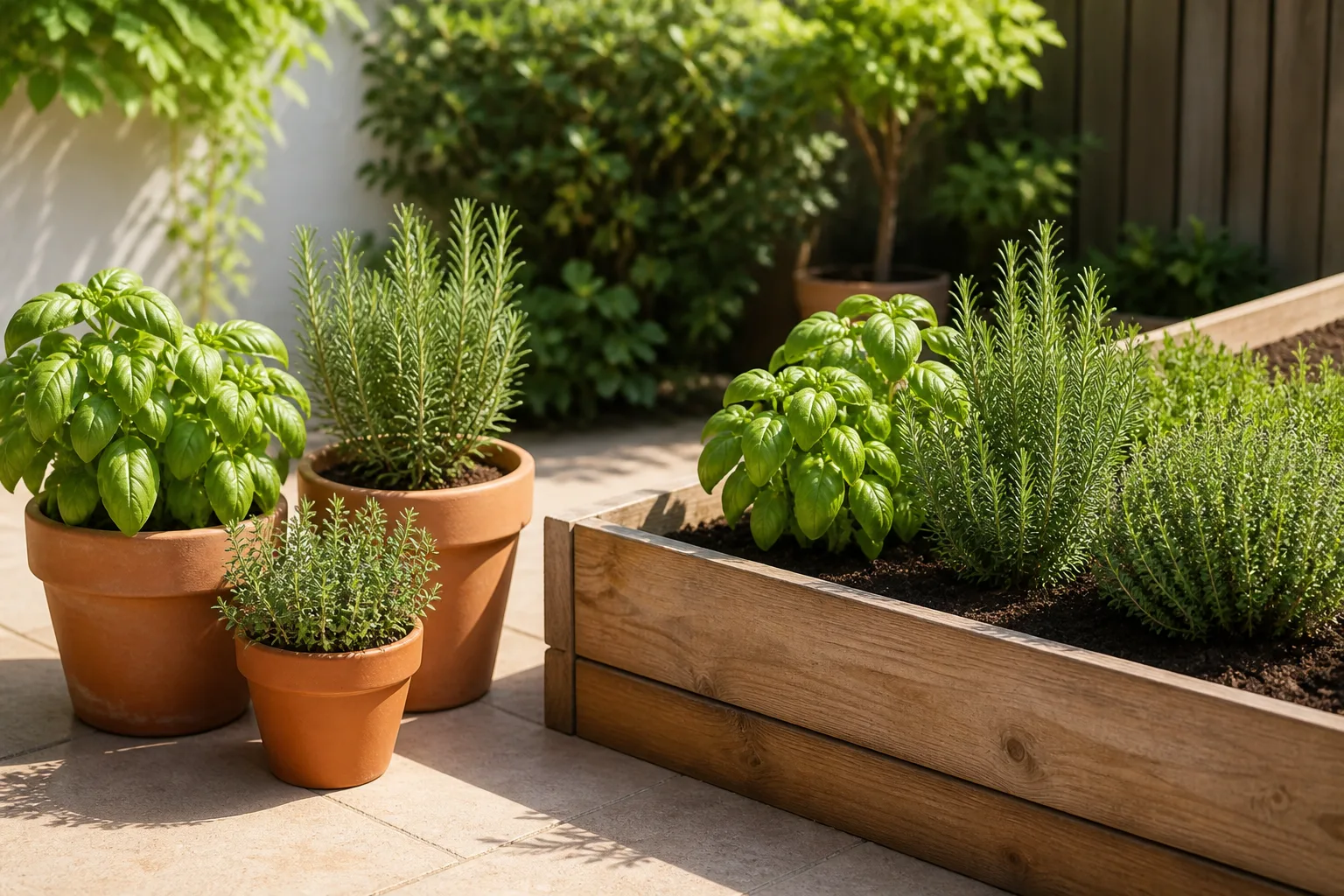
The best herbs to plant together are the ones that can share the same light, drainage, and watering routine. That usually means grouping moisture-loving leafy herbs in one part of the bed and drought-tolerant Mediterranean herbs in another, rather than putting every fragrant plant in one crowded container.
A useful 14-herb garden can include basil, parsley, chives, cilantro, dill, chervil, rosemary, thyme, oregano, sage, marjoram, lavender, summer savory, and French tarragon. The list is a menu for a garden with a few care zones; it is not a recommendation to cram all 14 into one pot. Your climate, soil, and the mature size of each plant determine the final spacing.
Match growing needs before you match flavors
Companion planting is often described as plants helping one another by improving flavor, repelling pests, or attracting beneficial insects. Some garden pairings are sensible, but the most dependable first test is simpler: can the plants thrive with the same sun, soil, water, and space? Gardeners’ Path uses this kind of growing-condition match to group herbs, while UF/IFAS Extension notes that most herbs like sunny conditions but vary in their sensitivity to soil moisture.
Many culinary herbs do well with at least six hours of sun and well-drained soil, but “well-drained” does not mean every plant wants dry soil. Basil, parsley, chives, and some cool-season herbs grow best with more consistent moisture than rosemary, thyme, lavender, and sage. University of Georgia Extension’s herb guide distinguishes moisture preferences among herbs and cautions that companion planting is not a proven pest-control method.
The goal is not to find magical plant friendships. It is to set up small groups that receive the care they need, leave room for mature plants, and are easy to reach when you cook. In a small space, separate pots can still create an aromatic garden even when the plants should not share one container.
14 herbs grouped by light, water, and season
The pairings below use three practical zones. A sunny bed can hold all three zones if you adjust the soil and watering by section; containers make the boundaries even easier. Use the plant chart farther down as a quick reference for individual herbs.
Moisture-friendly herbs for a leafy bed
Basil, parsley, and chives make a workable leafy group for a sunny or lightly shaded bed with fertile, well-drained soil that is watered before it dries out completely. Basil is a warm-season annual that grows quickly in heat; parsley is a biennial usually grown for its leaves during the first season; chives are perennial clumps that return. Keep parsley and chives where they will not be shaded by a large basil plant, and leave enough space to harvest each without tearing neighboring stems.
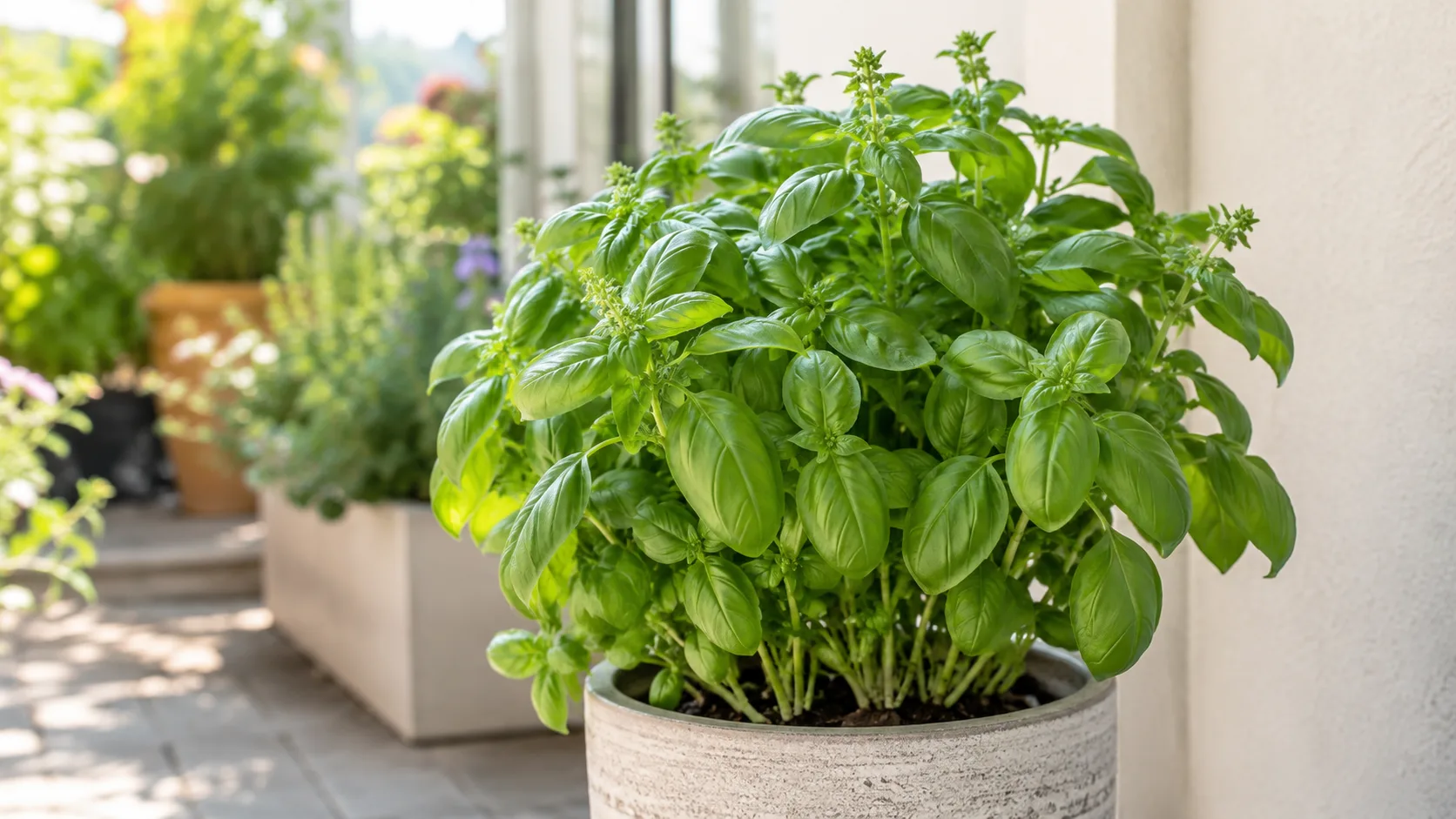
Basil is not a good neighbor to rosemary in the same small pot simply because one likes a more regular supply of moisture and the other is vulnerable to persistently wet roots. They can grow in the same garden, though, if the rosemary sits in a separate gritty pocket or pot and is watered on its own schedule. Pinch basil often and remove flower spikes if you want it to keep producing leafy growth.
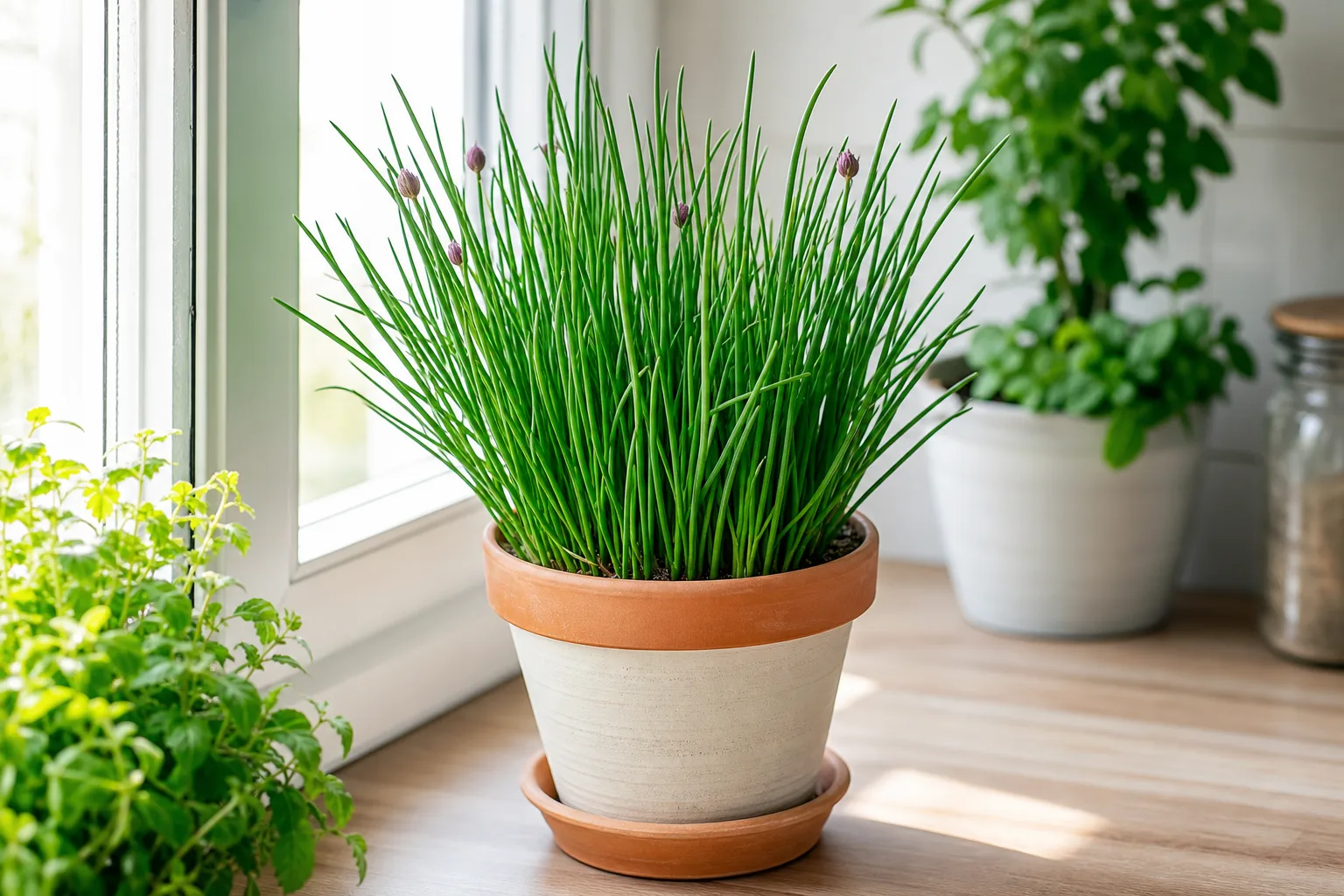
Chives tolerate sun or partial shade and form a tidy clump, so they can edge a bed or container. Parsley also tolerates some shade, which can help in hot weather, but it still needs a well-drained root zone. UF/IFAS recommends containers as a practical way to grow herbs with different moisture requirements separately; use that option instead of trying to solve every mismatch with a complicated watering routine.
Cool-season herbs for early and late harvests
Cilantro, chervil, and dill can share a cool-season area when the soil stays evenly moist but drains freely. Cilantro and chervil are especially prone to bolting as temperatures rise, meaning they shift from leafy growth to flower and seed production; dill grows taller and can shade its shorter neighbors. Sow these herbs in successive small patches rather than all at once, and place dill at the north side of a bed in the Northern Hemisphere so its height is less likely to block light.
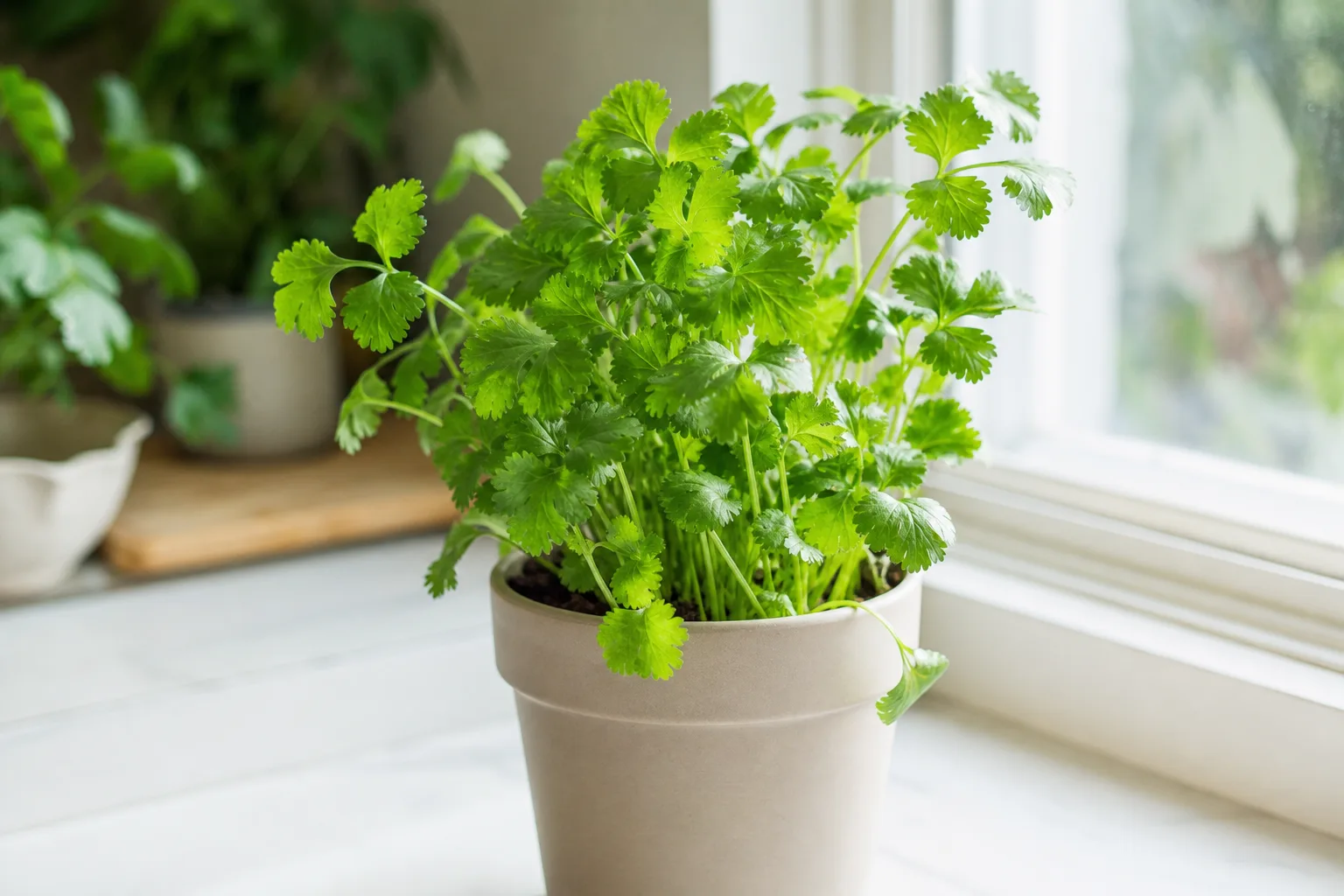
A shared bed does not make these herbs equally long-lived. Cilantro, dill, and chervil are generally grown as annuals, while parsley can persist into a second year before flowering. If a heat wave is approaching, harvest cilantro and chervil generously, then sow a new round when your local weather turns cooler. A little afternoon shade may stretch the leaf harvest in a hot climate, but shade will not prevent bolting indefinitely.
Dill flowers can be useful in a garden where you want small, nectar-seeking insects, and the caterpillars of swallowtail butterflies feed on dill and related plants. Decide whether you are growing dill for leaves, seeds, or wildlife before removing every flower. Keep the taller plant far enough from short chervil and parsley that it does not turn the cool-season bed into a shaded patch.
Mediterranean herbs for the sunny, fast-draining side
Rosemary, thyme, oregano, sage, marjoram, lavender, and summer savory make the drier, sunnier group. These herbs are not identical: rosemary and sage become woody shrubs, oregano can spread, thyme stays comparatively low, and lavender needs room for mature air circulation. Still, they are easier to manage together than in a bed that must stay constantly damp for leafy herbs.
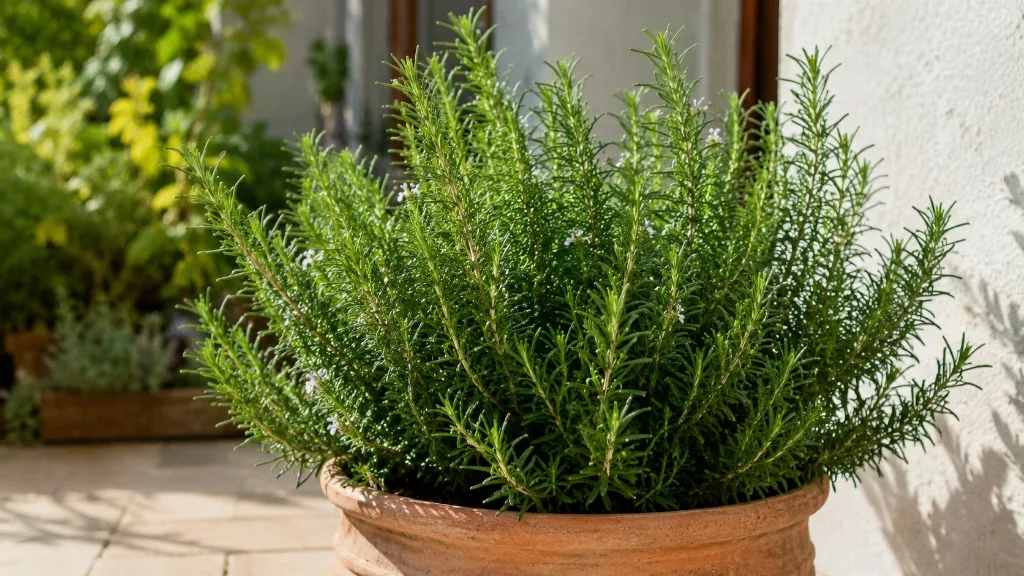
Give this section leaner, free-draining soil than the leafy bed, especially where winter rain or heavy clay keeps roots wet. Raised beds, gravelly soil, or individual terracotta pots can help; do not add gravel just to the bottom of a planting hole, since that does not correct poorly drained soil around the roots. Water newly planted perennials while they establish, then let the surface begin to dry between waterings according to weather and soil.
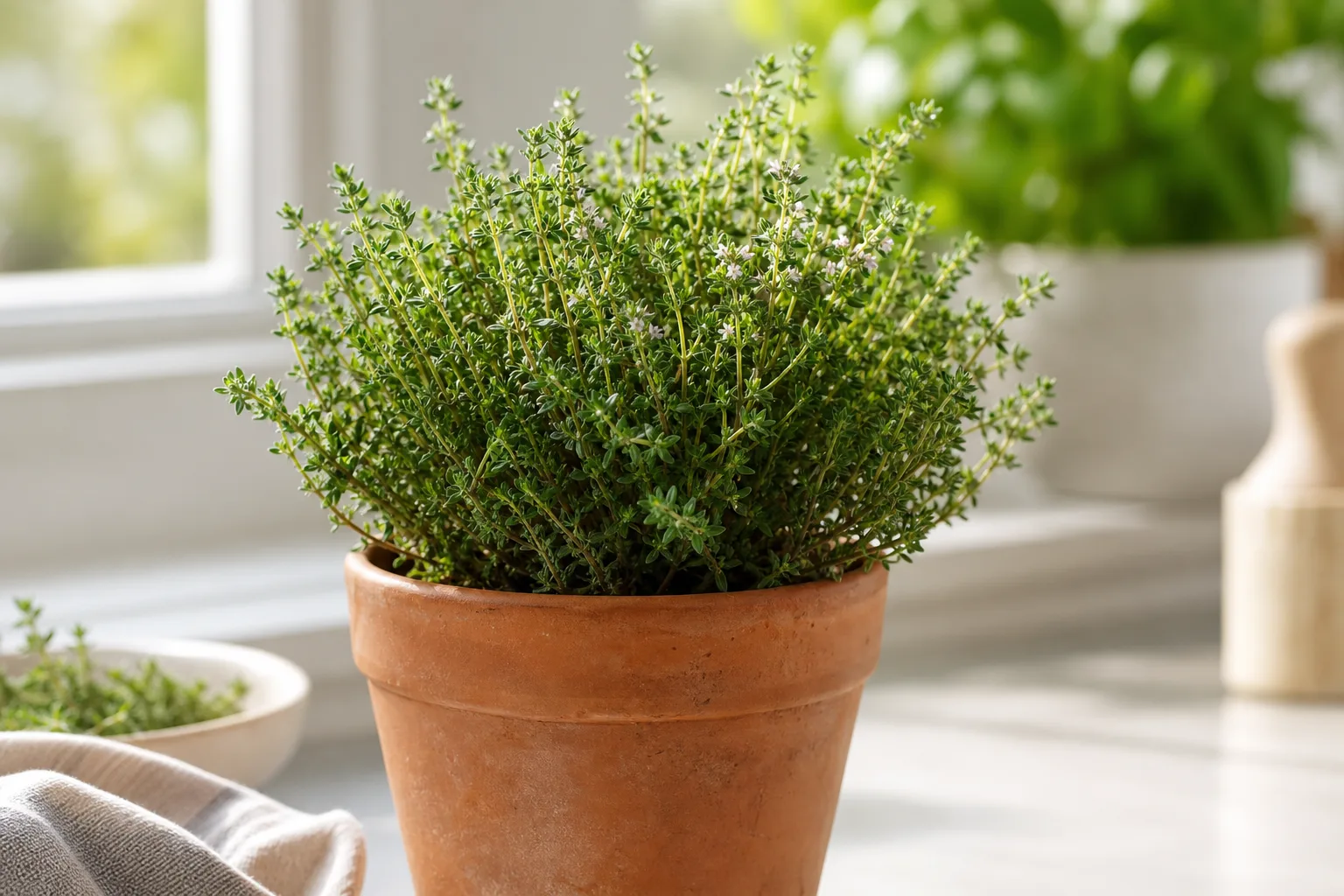
Place larger woody herbs toward the back or ends of the bed. Rosemary can become much wider than a small nursery pot suggests, and common sage also needs room to mature. Set thyme, marjoram, and summer savory toward the front where their lower growth remains accessible; oregano can be kept in a pot or bounded space if you do not want it to wander.
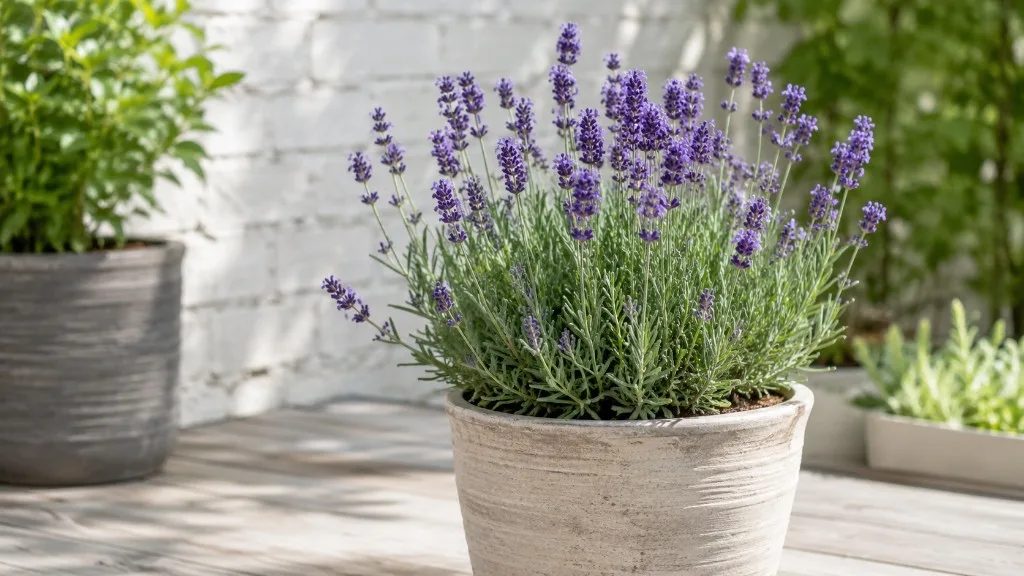
Aromatic foliage does not mean these plants will reliably repel every insect or browsing animal. Their strongest practical advantage in a kitchen garden is that a sunny, dry zone suits their own growth and keeps them easy to harvest. Do not put lavender in the damp center of a basil bed just because both plants smell pleasant; roots and watering needs matter more than scent.
French tarragon as a flexible bridge plant
French tarragon is a perennial culinary herb that can fit near the edge between a leafy bed and a sunny perennial section if its soil drains well and does not stay bone-dry through hot weather. It appreciates regular moisture while becoming established, but it should not sit in saturated soil. Because it is often propagated by division or cuttings rather than seed, buy a correctly labeled French tarragon plant if its anise-like culinary flavor is the reason you are growing it.
Tarragon’s placement depends on your weather. In a cool-summer garden, it may be comfortable in full sun; where summers are very hot, give it some afternoon relief and watch for dry soil. Treat it as a transition plant with its own watering check, rather than using it as proof that every herb can share one bed.
A quick compatibility chart for all 14 herbs
Use this as a first-pass map, not a fixed watering schedule. “Moisture” describes the general preference once plants are established; seedlings and new transplants need more frequent attention, and containers dry faster than garden soil.
| Herb | Light and moisture | Good neighbors in a planned garden | Main caveat |
|---|---|---|---|
| Basil | Sun; regular, even moisture | Parsley, chives, summer annuals | Tender to cold; do not let a woody herb shade it |
| Parsley | Sun to partial shade; moderate moisture | Basil, chives, cilantro | Biennial; tall stems can shade low herbs in year two |
| Chives | Sun to partial shade; moderate moisture | Parsley, basil, cool-season herbs | Perennial clump returns; give it a permanent edge |
| Cilantro | Sun to partial shade; even moisture | Parsley, chervil, dill in cool weather | Bolts quickly in heat; sow in rounds |
| Chervil | Light shade to sun; consistent moisture | Cilantro, parsley | Cool-season annual; heat shortens the leaf harvest |
| Dill | Sun; moderate moisture and drainage | Cilantro, chives, parsley | Tall and self-seeding; allow room for flowers |
| Rosemary | Sun; sharply drained soil, modest water | Thyme, sage, lavender | Woody size and winter hardiness vary by cultivar and climate |
| Thyme | Sun; fast-draining soil, low-to-moderate water | Rosemary, oregano, summer savory | Avoid a constantly wet bed |
| Oregano | Sun; well-drained soil, moderate-to-low water | Thyme, marjoram, rosemary | Spreading habit can crowd small herbs |
| Sage | Sun; well-drained soil, moderate-to-low water | Rosemary, thyme, oregano | Woody perennial needs permanent space |
| Marjoram | Sun; well-drained soil, moderate moisture | Oregano, thyme, summer savory | Often winter-tender; may be grown as an annual |
| Lavender | Full sun; excellent drainage, low water once established | Rosemary, thyme, sage | Poor choice for a damp container or heavy wet soil |
| Summer savory | Sun; well-drained soil, moderate water | Thyme, oregano, marjoram | Annual; replant rather than expecting it to return |
| French tarragon | Sun or light shade; moderate moisture, good drainage | Parsley, chives, other non-aggressive herbs | Avoid saturated soil; confirm it is French tarragon |
A simple layout for an in-ground bed or patio
For a bed, start with two broad bands rather than one uniform mix. Put basil, parsley, and chives where you can water more often; put rosemary, sage, lavender, thyme, oregano, and marjoram on the sunniest, quickest-draining edge. Fill a cool-season corner with cilantro, chervil, and dill, and reserve enough open ground to re-sow after the first plants bolt or finish.
A 3-by-6-foot raised bed can hold a few herbs from each group, not all 14 at mature size. Choose the herbs you cook with most, then add one or two flowers or plants for texture; if you want the full collection, use pots around the bed. Set rosemary and sage near the ends, where their mature width will not smother smaller plants, and leave a path or stepping stones so you can reach the center without walking on the soil.
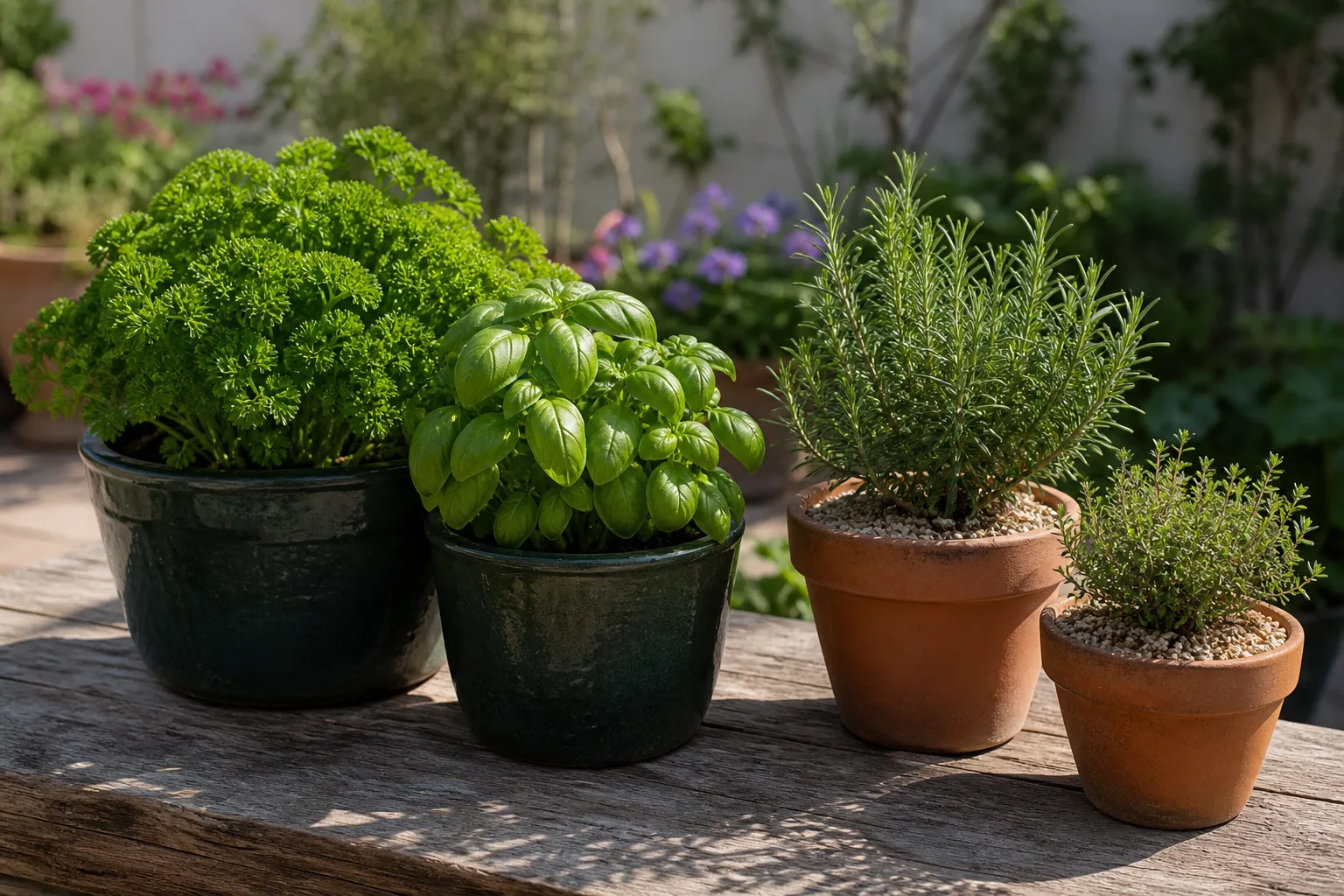
On a patio, keep rosemary, lavender, thyme, and oregano in pots with drainage holes and a fast-draining potting mix. Give basil, parsley, and chives separate containers or a larger shared planter with a more moisture-retentive mix. Use a pot with enough volume for roots and a stable moisture reserve; tiny pots can dry out so quickly that even drought-adapted plants need frequent watering in summer.
The pairings that make practical sense
If you want a short answer to “what herbs can I plant together?”, try basil with parsley and chives, cilantro with chervil and dill during cool weather, or rosemary with thyme, oregano, and sage in a dry, sunny bed. Each is a workable starting combination because the members can tolerate broadly similar conditions, provided you account for height and mature spread.
Rosemary and thyme are especially convenient neighbors in an outdoor bed or in a large container with excellent drainage. Basil and parsley are easier to water together than basil and rosemary. Cilantro and dill can share a bed, but dill grows taller and both need a seasonal plan: cilantro may bolt before dill, so re-sowing is more useful than expecting one planting to supply leaves all summer.
Gardeners’ Path and horticultural experts interviewed by Martha Stewart also organize pairings around shared growing preferences, including rosemary with other Mediterranean herbs and moisture-friendly leafy combinations. These are practical starting points rather than guarantees that the plants improve one another’s flavor or health.
When to separate or contain herbs
Keep mint in its own pot, even if the pot sits beside the herb bed. Its underground runners and rooting stems can spread into neighboring soil, making it difficult to remove without digging around the other herbs. UF/IFAS Extension specifically warns that mint can become weedy if left unchecked; lemon balm can also spread, so contain either plant if you want a tidy layout.
Give fennel its own location if you plan to grow it. It becomes tall and broad, can shade nearby herbs, and is often treated cautiously in mixed planting charts. Rather than relying on a claim that it chemically stunts every neighbor, the straightforward reason to separate it is its size, seedling spread, and distinct garden footprint.
Separate herbs that demand opposite watering habits, not necessarily plants that have a reputed feud. Basil and rosemary may grow in the same sunny yard, but in different pots or soil zones they are simpler to maintain. Likewise, lavender and parsley can fit in one overall garden design while requiring very different moisture and soil conditions.
What companion planting can and cannot do for pests
Flowering dill, chives, thyme, and other herbs can add nectar or pollen to a garden, and those resources may draw beneficial insects. That is a useful habitat feature, but it is not the same as proving a particular herb will keep aphids, beetles, or mosquitoes off a neighboring plant. University of Georgia Extension says there is no conclusive evidence that companion planting is an effective stand-alone pest-control method.
Treat companion planting as one layer of a healthy garden, alongside plant spacing, inspection, sanitation, and identifying pests before acting. If a pest appears, look at the affected plant and the insect itself rather than assuming a nearby aromatic herb has failed. Strong scent, a traditional pairing, or a pretty border is not a substitute for correct identification and a targeted response.
Flavor-enhancement claims also deserve restraint. Herbs close together can be harvested in the same dish, but simply planting two herbs side by side does not reliably make one taste sweeter or stronger. For better flavor, choose a suitable variety, give it enough sun, avoid overfertilizing leafy herbs, and harvest at the right stage.
Planting times and succession sowing
In climates with cold winters, plant tender basil after the danger of frost has passed and the soil has warmed. Rosemary, sage, lavender, thyme, and oregano are perennials in some regions, but their ability to survive outdoors depends on species, cultivar, drainage, and winter temperature. Check the plant tag and local extension guidance before deciding that a perennial herb will return in your garden.
Plant parsley and chives in spring or fall according to local conditions. Cilantro and chervil are often most productive during cooler stretches; sow a small amount every few weeks while temperatures suit them instead of making one large sowing. Dill can be sown more than once too, but leave a few plants to flower if you want seed or swallowtail caterpillars.
This succession approach reduces gaps in the garden and avoids the common disappointment of expecting bolting cilantro to stay leafy through hot weather. When summer heat passes, a new cilantro sowing can often produce a fresh round. In mild-winter climates, the calendar shifts, so use your local planting window and actual temperature rather than a fixed national month.
Water, soil, and feeding without overdoing it
Use soil that drains after watering, then tailor irrigation to the zone. Check moisture an inch or two below the surface: if the leafy herb bed is drying, water deeply enough to moisten the root area; if the Mediterranean section is still damp, wait. Pots need more frequent checks because their limited soil volume loses water faster than an in-ground bed.
Avoid keeping rosemary, lavender, thyme, and sage constantly wet. Repeatedly saturated soil can deprive roots of oxygen and contribute to root decline, especially where drainage is poor. At the other extreme, a small container of basil or parsley can dry rapidly on a hot, windy patio; drooping leaves are a prompt to check the soil, not to water every herb in the garden automatically.
Most kitchen herbs do not need heavy feeding. A soil test is more useful than guessing at fertilizer, particularly before adding lime or a concentrated amendment to change pH. Excess nitrogen can favor soft leafy growth over the compact habit and aroma you want, while too much fertility can make a low-growing herb sprawl into its neighbors.
Spacing, airflow, and harvest access
Read the plant label for mature width and use that as a starting point, not the size of the transplant in its nursery pot. Rosemary and sage need substantially more room than a small thyme or chive plant. Oregano spreads, and lavender should have enough space for air to move around its foliage; crowding forces you to prune constantly and can keep leaves wet after rain.
Position tall herbs on the north side of a bed in the Northern Hemisphere, or on the side that will cast the least unwanted shade in your own layout. Place low thyme and compact chives at edges where they are visible and reachable. Keep a hand-width path to the center if the bed is deep enough that harvesting would otherwise require stepping on soil.
Aromatic herbs are most useful when you can harvest without brushing or crushing plants you do not need. Group plants by both care and kitchen use if that makes them easier to remember, but do not sacrifice the correct watering zone for a tidy label. A few well-spaced plants that you can reach are more productive than a crowded spiral packed with every herb at once.
Fix common herb-garden problems
If basil wilts while rosemary looks fine, check each root zone separately. Basil may be thirsty or heat-stressed, while rosemary may be healthy in drier soil; watering both alike could solve one problem and create another. Move containers apart or adjust the soil zones instead of changing the entire bed’s watering pattern.
If cilantro flowers early, heat is the likely cause. Harvest leaves, sow another round when weather cools, and consider light afternoon shade for the next patch. If dill shades smaller herbs, thin it or move the next sowing to the back edge of the bed rather than pruning every neighboring plant to compensate.
If lavender, thyme, or rosemary declines in a wet season, inspect drainage before adding fertilizer or water. In containers, confirm that drainage holes are open and empty saucers after rain; in beds, observe where water stands and consider moving the plant to a raised or naturally drier spot. If mint appears among other herbs, remove its runners early and keep the plant confined going forward.
Conclusion
The most reliable herbs to plant together are those that share the same basic growing conditions. Start with a leafy, regularly watered group such as basil, parsley, and chives; use a cool-season patch for cilantro, chervil, and dill; and reserve the sunniest, fastest-draining area for rosemary, thyme, oregano, sage, marjoram, lavender, and summer savory. Place French tarragon where it can be watered moderately without sitting in soggy soil.
You can grow all 14 in one garden, but they do not need to share one pot or one irrigation schedule. Use containers to isolate mint and other vigorous herbs, allow woody plants room to mature, and treat pest-control and flavor claims as possibilities rather than promises. That simple layout makes an aromatic garden easier to care for and more dependable to harvest.



