Horticultural Oil: Uses, Timing, and Safety
Horticultural oil works only when it contacts a target pest. Learn how to choose a product, time an application, cover a plant, and avoid common risks.
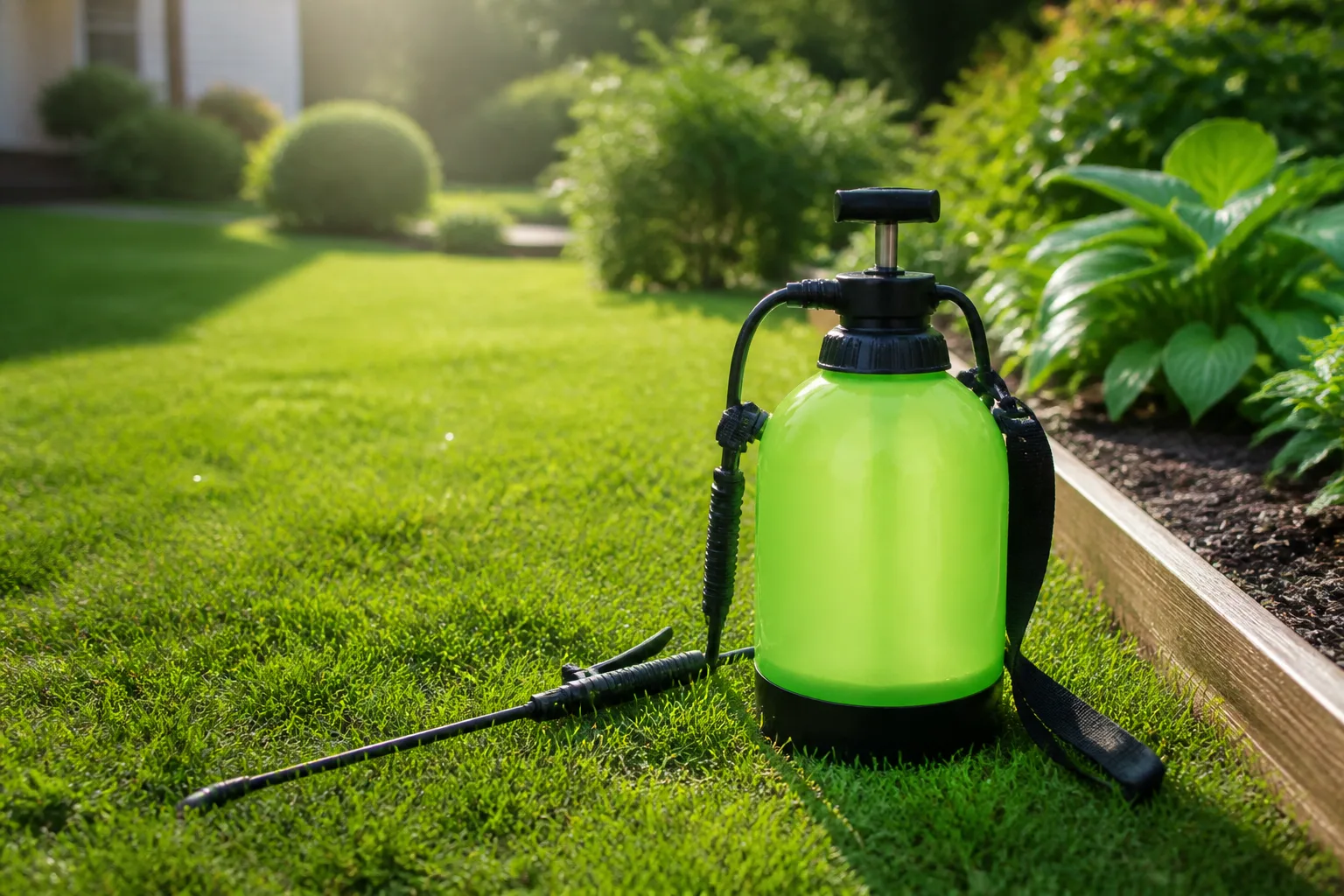
Horticultural oil is a pesticide formulated for use on plants. It is sprayed onto a pest or its eggs, and the oil must physically contact the target to work. Gardeners use labeled oil products against certain aphids, scale insects, mites, whiteflies, and other pests, but the right product, plant, timing, and coverage all matter.
That short definition clears up two common misconceptions: horticultural oil is not simply any oil from the kitchen, and “natural” or “organic” does not mean harmless. A correctly chosen oil can be a useful, relatively low-residue tool. The same spray can also spot leaves, injure a sensitive plant, or kill a beneficial insect if it lands on it. The useful question is not just “Does oil kill bugs?” but “Will this labeled product reach this pest on this plant under today’s conditions?”
What Horticultural Oil Is—and What It Is Not
“Horticultural oil” is a broad name for formulated oils intended to manage plant pests. Many are based on highly refined petroleum-derived mineral or paraffinic oils; others use plant-derived oils, such as neem, soybean, or cottonseed. Commercial formulations typically include an emulsifier so the oil can disperse in water for spraying. They are pesticides, even when the active ingredient comes from a plant (Colorado State University Extension; University of Nevada, Reno Extension).
The word oil can make these products sound interchangeable with cooking oil, essential oils, or a homemade soap mixture. They are not. The product’s active ingredient, formulation, concentration, labeled crops, and allowed target pests determine how it should be used. A bottle labeled horticultural oil is not automatically approved for every plant, pest, or edible crop in your garden.
What Is in a Horticultural Oil Product?
The ingredient panel is more useful than the front label’s broad marketing language. Look for the active ingredient and its concentration, the plants or sites listed, the target pests, the mixing directions, and the restrictions on weather, repeat applications, harvest timing, and protective equipment. Two containers sold as “all-season oil” can still have different labels and instructions.
Mineral oils and plant-derived oils
Refined mineral oils are processed to remove compounds associated with plant injury and are formulated for coverage on foliage or woody tissue. Colorado State University Extension describes modern horticultural oils as refined oils blended with emulsifying agents; older, heavier dormant oils were more likely to injure active foliage. Plant-derived oils can also be sold for pest control, but a source plant does not make an unformulated kitchen oil an equivalent substitute. The University of Nevada, Reno Extension notes that plant-based formulations can have a different phytotoxicity risk, so the label’s plant list and rate still govern.
Terms such as narrow-range, superior, and supreme came from oil-refining categories. They are useful historical clues, not a reason to choose by name alone. The familiar terms dormant oil and summer oil mostly describe when an oil is applied: dormant before active growth, or foliar while leaves are present. Always check that the exact product permits the timing you have in mind.
Neem oil and azadirachtin are not interchangeable
Neem products can contain different neem-derived ingredients. Some are oil formulations that act through contact; others contain azadirachtin, a separate active compound that can affect insect feeding and development. Product names that include “neem” do not tell you which formulation you have or which use directions apply. Read the active-ingredient statement rather than assuming all neem products work the same way.
This distinction matters when comparing labels and safety advice. A statement about one neem formulation, one concentration, or a particular crop cannot safely be generalized to every horticultural oil. If you are treating vegetables, herbs, fruit, or a plant around pollinators, confirm that the specific label includes that use and follow its harvest and reentry directions.
How Horticultural Oil Affects Pests
Horticultural oil is primarily a contact treatment. When a sufficient film coats a susceptible insect or exposed egg, it can block breathing openings and disrupt normal function. The pest has to be present and reached by the spray; oil does not travel through the plant like a systemic pesticide, and it does not reliably repel insects from new growth.
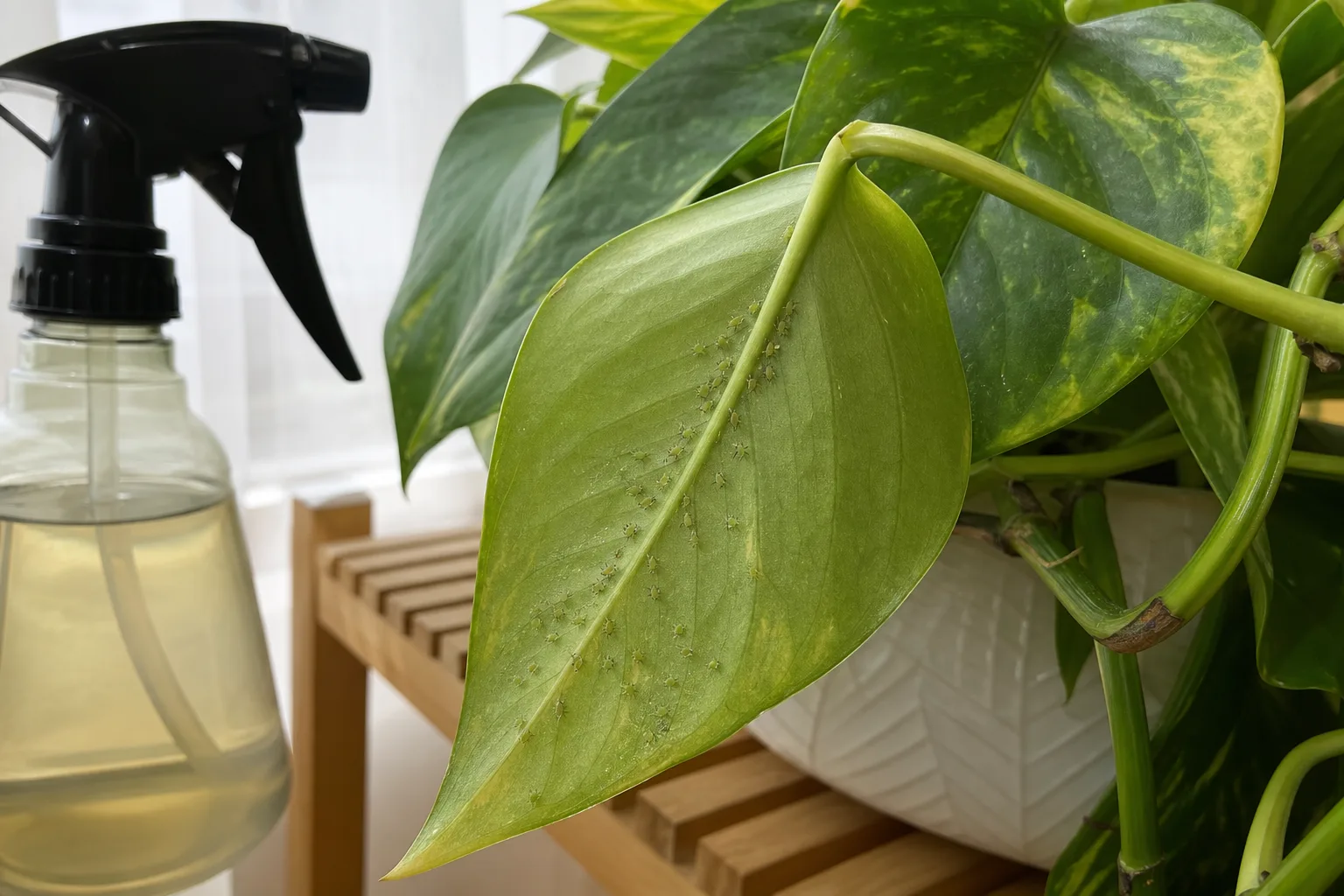
That mechanism explains why coverage is central. A spray that wets only the top of a leaf may miss aphids or mites tucked underneath. A dormant spray that beads on outer branches can miss scale or eggs in bark crevices. Once the oil dries, it has little or no continuing insecticidal effect, so a new pest arriving later may not be affected. Colorado State University Extension and UNR Extension both emphasize direct contact and thorough coverage as essential to control.
What Horticultural Oil Can and Cannot Control
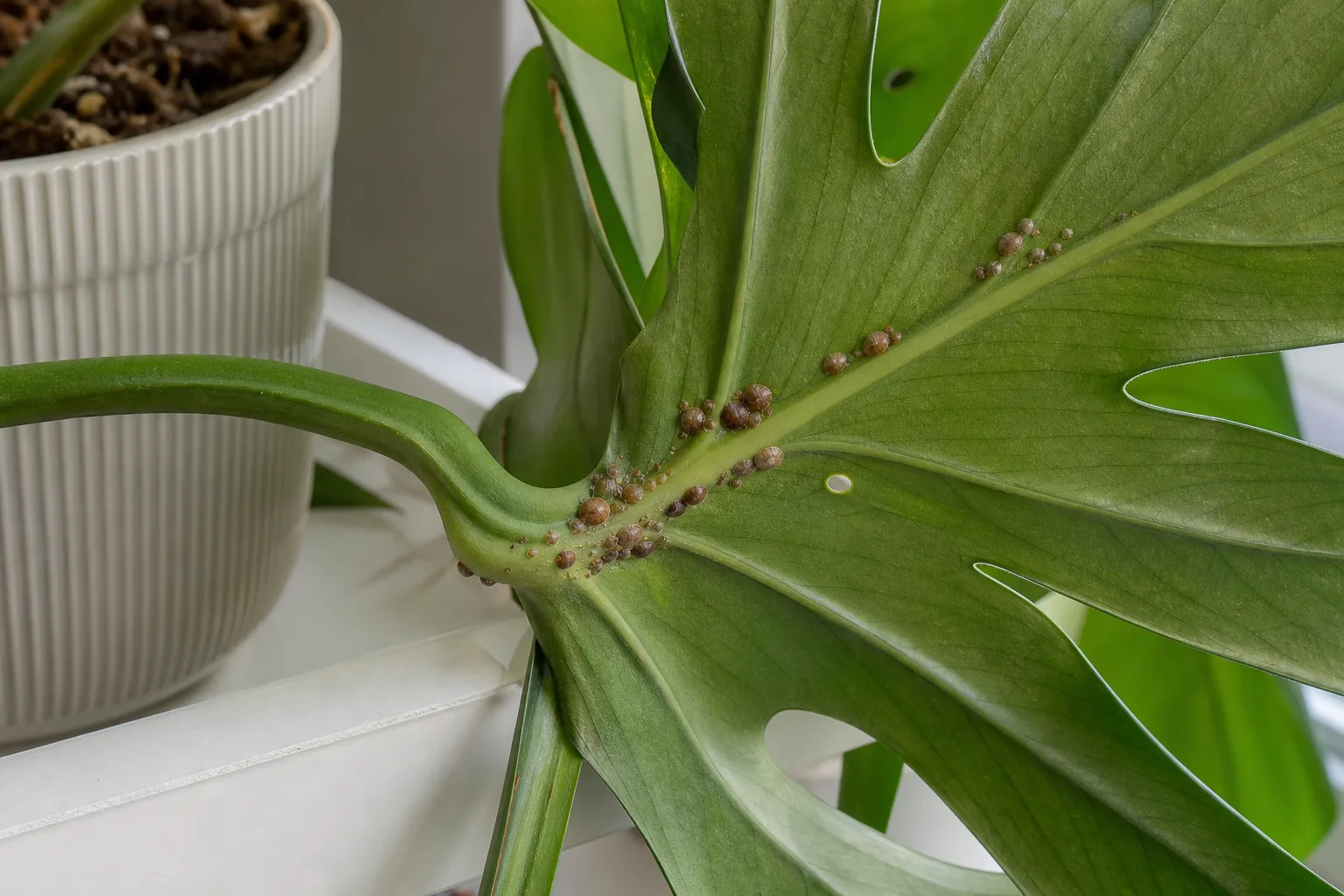
Labeled oils commonly target soft-bodied insects and exposed eggs, including some aphids, scale insects, mealybugs, whiteflies, thrips, and spider mites. They can be particularly useful against vulnerable stages, such as young scale crawlers, when a product label names that pest and plant. Dormant applications may reach overwintering eggs or insects on woody plants. A product may also be labeled to suppress particular fungal problems, such as powdery mildew, but that is not true of every oil product (Colorado State University Extension; UNR Extension).
The phrase “controls scale” does not mean every scale species is equally vulnerable at every time of year. Armored adults, eggs under a protective cover, or pests hidden deep in curled leaves may escape contact. Identify the pest and look up the life stage that the product targets before spraying. If you cannot identify it, take a clear photo to a local Extension office or use an authoritative pest guide before choosing a pesticide.
Oil is not a general cure for yellow leaves, sooty mold, viruses, or plant decline. It may reduce a pest that transmits some viruses, but it will not reverse a virus already inside a plant. It also will not solve the underlying cause of a problem such as root stress, overwatering, or poor air circulation. Treating an unrelated symptom wastes time and exposes insects and foliage without solving the actual issue.
Choose Dormant, Delayed-Dormant, or Summer Use
Choose timing by the plant’s growth stage, the pest’s vulnerable stage, and the product label—not by a calendar date copied from another climate. A dormant application targets pests that overwinter on woody plants. A summer or foliar application treats a susceptible pest while leaves are present, usually at a different labeled rate and with tighter attention to heat, drought stress, and sensitive foliage.
Dormant and delayed-dormant treatments
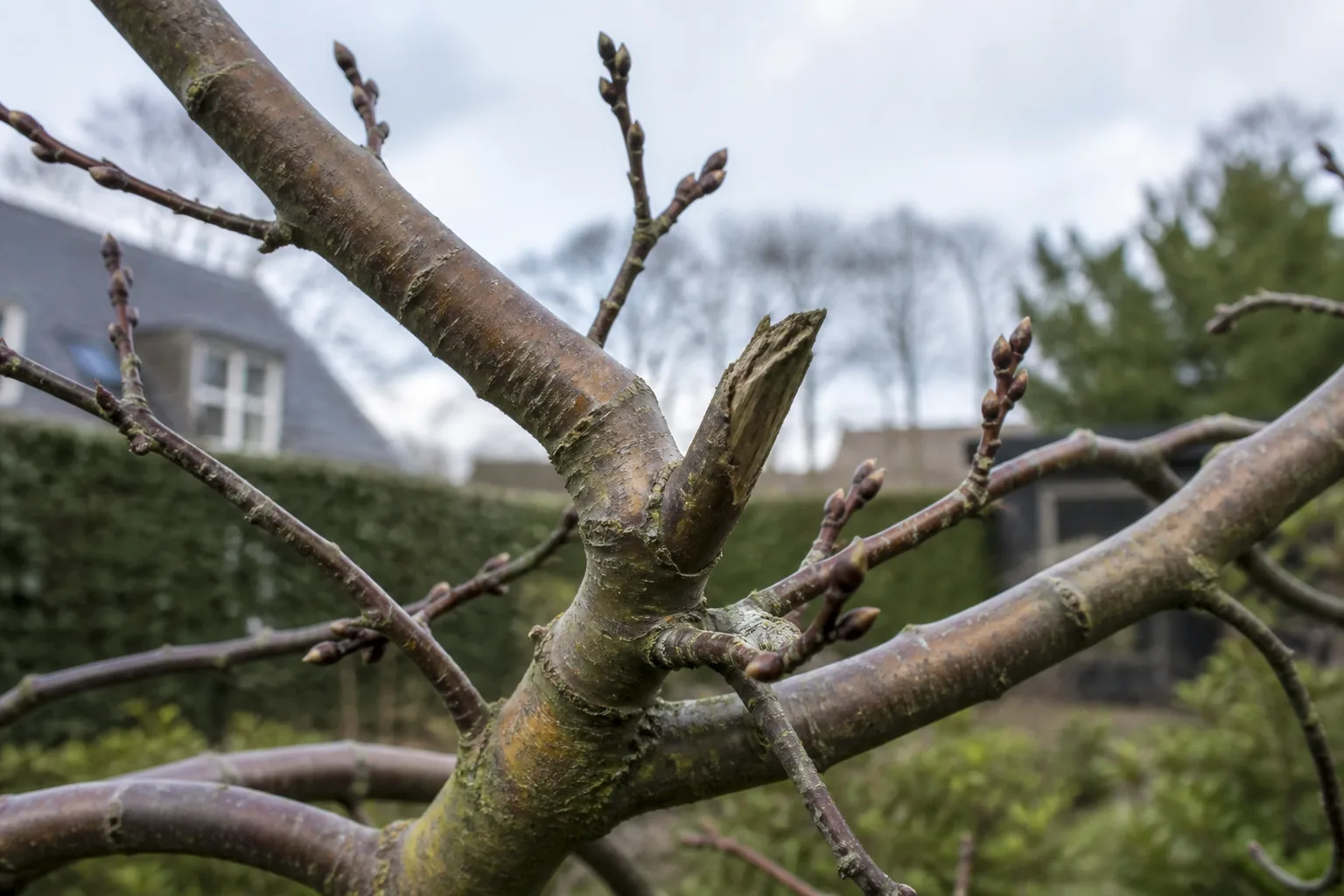
Dormant oil is applied after deciduous plants have lost their leaves and before buds open. It is used chiefly on woody plants to reach overwintering scale, mites, aphids, or eggs on bark and branches. Some labels also permit a delayed-dormant application at an early bud stage. The “delayed” window is product- and crop-specific; it is not permission to apply a dormant concentration after leaves have emerged.
A dormant spray makes sense when you have identified a pest that overwinters on that plant and a label that includes both the plant and pest. It is not an automatic annual chore. If the prior season showed no relevant pest problem, spraying a whole tree “just in case” may add cost and risk without a clear benefit. Before treating, check for the pest or evidence of its life cycle and consult regional Extension guidance where timing depends on local bud development.
Summer or foliar treatments
Summer oil is applied when foliage is present and a susceptible pest is active. Modern formulations may be labeled for growing-season use, but they are not risk-free on leaves. The rate can differ from the dormant rate, and heat, bright sun, humidity, water stress, plant sensitivity, and the time it takes foliage to dry can all affect injury risk.
Use the exact growing-season rate from the label, and spray only when a target pest is present. For instance, if aphids are visible on a few leaves, first consider whether a firm water spray, pruning of a heavily infested tip, or conserving natural predators will solve the problem with less disruption. If an oil treatment is warranted, direct it to the infested surfaces and follow all label precautions. Do not use an oil intended for dormant woody plants on leafy vegetables unless its label specifically permits that use.
Decide Whether Oil Is the Right Tool
Use a four-part check before opening the bottle:
- Identify the pest. Look at the plant, especially leaf undersides, new growth, stems, and the undersides of branches. Distinguish the pest from disease, nutrient stress, or harmless residue. Sticky honeydew, for example, can accompany sap-feeding pests, but the sticky surface alone does not identify which insect is present.
- Check the target on the label. The product must list the pest or a relevant group, the plant or crop, and the intended site. A fruit-tree label does not automatically cover a houseplant or vegetable bed.
- Ask whether contact is possible. Oil is a poor choice when the pest is inaccessible, already gone, or protected at a life stage the product does not control. If you cannot coat the affected surfaces, another tactic may be more realistic.
- Compare the likely benefit with exposure. A small, contained infestation may be better managed by hand removal or water. A widespread infestation on a labeled plant may justify a targeted spray. Consider nearby blooms, beneficial insects, ponds, streams, and edible harvests before treating.
Integrated pest management starts with monitoring and choosing the least disruptive effective response. Oil can fit that approach because it usually leaves little persistent residue after drying, but it is still nonselective where the wet spray lands. A lady beetle, lacewing larva, or bee directly contacted by the spray can be harmed just as a pest can. “Low residue” is not the same as “safe to spray broadly” (Colorado State University Extension; UNR Extension).
Apply Horticultural Oil Safely and Effectively
Think of application as a small treatment plan, not a quick mist. Decide what you are treating, read the label from beginning to end, choose a safe window, and plan how to reach the actual pest. Keep the product in its original container and use the mixing and personal-protection instructions printed for that formulation.
Confirm the pest, plant, and label first
The label should name the crop or ornamental plant, target pest, application site, and rate. It also sets limits on how often you may reapply, how long to wait before harvest, and when people or pets can return to the area. These details vary. Never increase a rate because an infestation looks severe, and do not add another pesticide, detergent, or fertilizer to the tank unless the label specifically allows the combination.
Check whether a sulfur product was recently used on the same plant. Sulfur and oil can cause serious plant injury when used too close together. UNR Extension advises a 30-day interval in its guidance, but the interval on the product label and local Extension advice should control your decision. If the prior product or date is uncertain, wait and verify rather than guessing.
Check weather and plant condition
Do not spray a drought-stressed, newly transplanted, or otherwise struggling plant. Water stress can make foliage more vulnerable to injury, while treating in wet or very humid conditions can slow drying. Avoid freezing weather, a forecast freeze around a dormant treatment, high heat, and conditions that put wet leaves in strong sun. CSU Extension and UNR Extension give different heat cautions, so use the label’s limit rather than treating a single number as universal.
Choose a calm, dry period with enough time for the spray to dry before rain, irrigation, or other exposure described on the label. Wind can carry fine droplets onto sensitive neighboring plants, blooming flowers, people, or water. If you cannot control drift or wait for suitable conditions, postpone the job. A pest does not make an unsafe spray window safe.
Mix correctly and cover the target
Measure the concentrate and water exactly as the label directs. Mix only what you need for the treatment, and keep the mixture agitated if the label says it can separate. Do not invent a stronger “dormant” concentration or use a generic recipe from another product: rates can vary by formulation, plant, and growth stage.
Apply enough spray to reach the insects without creating needless runoff. For foliage, cover both upper and lower leaf surfaces, stems, and the pest’s hiding places. For dormant woody plants, wet the bark, branch junctions, and crevices the target uses to overwinter. A thorough, even coating is more useful than repeatedly spraying the same easy-to-reach surface. Stop once label-defined coverage is achieved, and avoid runoff into storm drains, ponds, or streams.
Plants and Conditions to Avoid
Some plants are sensitive to oil even when the product is otherwise appropriate. Extension lists commonly warn about particular conifers, blue-needled evergreens, maples, hickories, and certain ornamentals; examples can include junipers, spruce, Japanese maple, red maple, impatiens, fuchsia, hibiscus, and some roses or carnations. These are examples, not a universal list. Plant species, cultivar, growth stage, formulation, and local conditions can change the risk, so check the label’s complete sensitive-plant list and regional guidance.
Avoid spraying open blooms or any place where pollinators are actively foraging. The short residual life of an oil does not prevent harm to an insect hit by wet spray. Do not treat near ponds, aquariums, streams, or other aquatic habitats unless the label explicitly permits the use and you can prevent contamination; oils can be hazardous to aquatic organisms. Follow label instructions for gloves, eye protection, storage, cleanup, and keeping people and pets away during the stated interval.
A small test spray on one section may reveal obvious sensitivity, but it is not a guarantee that a full application will be safe. The rest of the plant may be more stressed, more exposed to sun, or at a different growth stage. If the plant is prized, sensitive, or already declining, ask a local Extension office whether a non-oil option is preferable before treating the entire plant.
Why Oil Injures Plants—and Why Sprays Fail
Plant injury, or phytotoxicity, often shows up as leaf spotting, scorch, bronzing, discoloration, or damaged new growth. It can follow the wrong concentration, an application during heat or frost, slow drying on wet foliage, treatment of a drought-stressed plant, use on a sensitive species, or a recent sulfur application. These risks are why a correct label rate matters more than assuming an “all-season” name means a product is safe in every season.
If pests remain after treatment, first review the diagnosis and coverage rather than reaching for a stronger mix. Check whether the pest was at a stage the label targets, whether the underside of leaves or bark crevices were missed, whether rain arrived too soon, and whether new pests have moved in since the oil dried. If the label allows another application, use only its stated interval and maximum frequency. If the plant develops injury, stop spraying and follow the label’s first-aid or cleanup guidance; do not pile on a second product without expert advice.
Oil may reduce a population rather than eliminate it, especially when hidden eggs hatch later or insects return from nearby hosts. Reinspect the plant at the interval suggested by regional guidance or the label. If the pest is not declining, identify its life cycle and consider a different IPM tactic—such as pruning a localized infestation, using water, improving plant conditions, or getting a confirmed diagnosis—rather than repeating applications on a fixed schedule.
Horticultural Oil vs. Neem Oil, Soap, and Dormant Spray
| Term | What it means | Practical distinction |
|---|---|---|
| Horticultural oil | A category of formulated oil pesticides for plants | Check the active ingredient, plant, target, and timing on the individual label. |
| Neem product | A product made from neem-derived ingredients | It may contain neem oil, azadirachtin, or another formulation; those ingredients do not share identical directions. |
| Insecticidal soap | A formulated soap pesticide | It also depends on contact, but its active ingredient and plant-injury cautions differ from oil. Do not substitute dish soap. |
| Dormant spray | A treatment applied during a plant’s dormant stage | It may be horticultural oil, sulfur, copper, or another labeled product; “dormant spray” is not a single ingredient. |
Gardening Know How explains horticultural oil as a contact treatment and emphasizes thorough coverage; Harvest to Table distinguishes oil-based dormant sprays from copper and sulfur treatments. The practical takeaway is to shop and apply by the active ingredient and label, not by a broad word such as natural, organic, neem, or dormant. If you are comparing two bottles, compare their complete directions and target lists rather than assuming the names imply equal safety or performance.
Can You Make Horticultural Oil at Home?
Do not assume that vegetable oil mixed with dish detergent becomes a safe, equivalent horticultural pesticide. Commercial oils are selected and formulated for plant use; a homemade mixture may not emulsify evenly, may coat foliage unpredictably, and has no product-specific plant list or tested rate. Household detergents can contain ingredients that injure leaves, and kitchen oils are not the same as refined horticultural formulations.
Use a labeled product for the plant and pest you have identified, or ask your Extension service whether a particular low-impact alternative is appropriate. For a small aphid colony, a water spray or hand removal may be enough. For a persistent scale or mite problem, correct identification and timing can matter more than a homemade mixture. Avoid applying an untested recipe to edible plants, prized foliage, or a plant already under stress.
Conclusion
Horticultural oil is a formulated contact pesticide, not a universal plant tonic or a synonym for any oil in the cupboard. It works when the right product directly coats a susceptible pest or egg, which makes pest identification, life-stage timing, and complete coverage more important than spraying routinely.
Before treating, match the label to the plant and pest, check weather and plant condition, account for sulfur, blooms, and nearby water, and use the exact rate and precautions provided. If any part of that check fails, wait or choose a lower-risk tactic. Used selectively and according to its label, horticultural oil can help; used casually, it can injure the plant or the beneficial insects you meant to protect.