Kimberly Queen Fern Care: Light, Water and Winter
Nephrolepis obliterata
Learn Kimberly Queen Fern care for Nephrolepis obliterata, including filtered light, even moisture, humidity, pruning, pet-safety uncertainty, and frost protection.
Kimberly Queen Fern Care Guide
Start with wateringThe most common care mistake for Kimberly Queen FernWatering guide →Kimberly Queen Fern care essentials
Light
Bright, indirect light indoors; part shade to full shade outdoors.
Water
Keep the potting mix consistently moist but not waterlogged. Water thoroughly when the surface begins to dry, and let excess water drain away.
Soil
Moisture-retentive but freely draining soil or potting mix rich in organic matter.
Humidity
High humidity supports lush growth; keep the fern away from hot, dry air vents.
Temperature
Warm indoor conditions; avoid cold drafts and sudden chills.
Fertilizer
Occasional feeding during active growth is sufficient.. Use a balanced houseplant fertilizer at the label rate.
About Kimberly Queen Fern
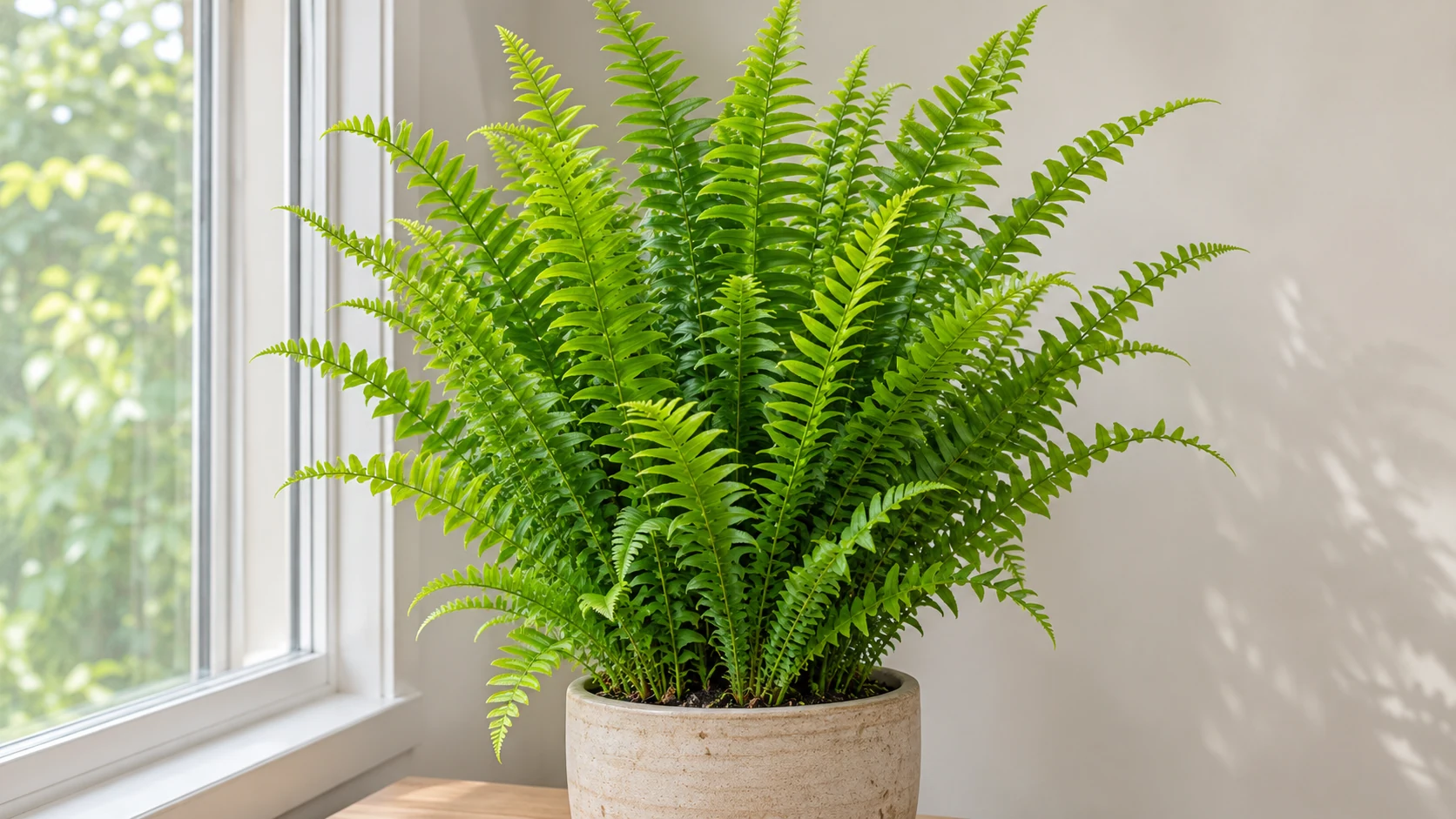
Kimberly Queen Fern is native to Australasia, typically reaches About 2–3 ft (61–91 cm) tall and wide in cultivation indoors, with moderate in warm, bright growing conditions; slower in winter growth. Kimberly Queen Fern has a upright, evergreen, rhizomatous fern with a bushy clump forming habit growth habit and part of the Nephrolepidaceae family. It is also known as Kimberley Queen Fern, Australian sword fern, and Nephrolepis obliterata 'Kimberly Queen'.
| Detail | Information |
|---|---|
| Also known as | Kimberley Queen Fern, Australian sword fern, Nephrolepis obliterata 'Kimberly Queen' |
| Native region | Australasia |
| Mature size | About 2–3 ft (61–91 cm) tall and wide in cultivation |
| Growth rate | Moderate in warm, bright growing conditions; slower in winter |
| Growth habit | Upright, Evergreen, Rhizomatous Fern With A Bushy Clump Forming Habit |
| Scientific name | Nephrolepis obliterata |
| Family | Nephrolepidaceae |
How to care for Kimberly Queen Fern?
How much light does Kimberly Queen Fern need?
Bright, indirect light indoors; part shade to full shade outdoors.. Filtered light outdoors
- Bright, indirect light indoors; part shade to full shade outdoors. - Bright, indirect light indoors; part shade to full shade outdoors..
- Filtered light outdoors - Filtered light outdoors.
When should you water Kimberly Queen Fern?
Keep the potting mix consistently moist but not waterlogged. Water thoroughly when the surface begins to dry, and let excess water drain away.
- Feel the mix just below the surface. Water before the root ball dries out - Keep the potting mix consistently moist but not waterlogged.
- then empty the saucer so the roots do not sit in water - Keep the potting mix consistently moist but not waterlogged.
- Drain excess water - Water thoroughly when the surface begins to dry, and let excess water drain away.
What soil works best for Kimberly Queen Fern?
Moisture-retentive but freely draining soil or potting mix rich in organic matter.
- Use a good-quality houseplant potting mix that retains some moisture - Moisture-retentive but freely draining soil or potting mix rich in organic matter.
- Choose a mix that drains freely and use a container with drainage holes - Moisture-retentive but freely draining soil or potting mix rich in organic matter.
Grower notes for Kimberly Queen Fern
Identify it before using another fern's care advice
Kimberly Queen Fern is Nephrolepis obliterata, also called Australian sword fern. It is a separate species from Boston fern (Nephrolepis exaltata). Use its own care profile and do not transfer Boston fern toxicity claims to this species.
Give it bright filtered light or shade
Indoors, place the fern near a bright window where direct sun is filtered. Outdoors, Proven Winners recommends part shade to shade and describes it as a full-shade plant. Keep containers out of harsh afternoon sun.
Keep the root ball evenly moist
This fern prefers consistently moist, well-drained soil. Check the pot regularly in warm weather and water when the surface begins to dry; allow excess water to drain rather than leaving the container saturated.
Support humidity without keeping the soil soggy
Proven Winners notes that high humidity helps ferns thrive. A humid room can support fuller foliage, but moisture in the pot still needs to drain freely. Reduce watering as indoor light and growth slow in winter.
Plan for winter before the first frost
Proven Winners lists this fern for USDA zones 9a–11b, and a Kentucky Living gardening answer describes it as hardy to zone 9. In colder areas, treat it as a warm-season patio plant and move it indoors or into a frost-protected greenhouse before cold weather arrives.
Groom only what has finished growing
Remove fully brown, old, or damaged fronds close to the base with clean shears. It is grown for foliage and does not need deadheading; avoid cutting healthy green fronds just to reshape the clump.
Is Kimberly Queen Fern Safe for Pets?
The ASPCA plant database checked for this profile did not provide a species-specific Kimberly Queen Fern or Nephrolepis obliterata listing. That does not establish that it is safe or toxic; keep it out of reach of cats and dogs until a veterinarian or poison-control source confirms its status.
Species-specific pet toxicity could not be confirmed in the ASPCA database checked for this profile. Do not assume this fern shares the pet-safety classification of Boston fern; keep it away from pets pending confirmation from a veterinary poison-control source.
Watering Kimberly Queen Fern
For Kimberly Queen Fern, feel the mix just below the surface. Water before the root ball dries out, then empty the saucer so the roots do not sit in water. and water check every few days during warm active growth; water when the surface starts to dry. Reduce frequency in winter as light and growth slow. Water more often in warm weather and less often in winter, while keeping the root ball from drying completely.
| Detail | Information |
|---|---|
| How often | Check every few days during warm active growth; water when the surface starts to dry. Reduce frequency in winter as light and growth slow. |
| How to check | Feel the mix just below the surface. Water before the root ball dries out, then empty the saucer so the roots do not sit in water. |
| Seasonal changes | Water more often in warm weather and less often in winter, while keeping the root ball from drying completely. |
Signs of overwatering
- Potting mix remains saturated between waterings
- Yellowing or declining fronds while the soil stays wet
Signs of underwatering
- Mix dries through and pulls away from the pot edge
- Fronds lose their fresh, firm appearance after the pot has dried
Soil & potting for Kimberly Queen Fern
Use a mix of Use a good-quality houseplant potting mix that retains some moisture, Choose a mix that drains freely and use a container with drainage holes for Kimberly Queen Fern. Use a pot with drainage holes and do not leave the root ball standing in water; the mix should retain moisture without becoming saturated. Repot repot when roots crowd the container or the mix no longer drains freely; divide the clump if you want to make additional plants., ideally in spring or early in the warm growing season.
| Detail | Information |
|---|---|
| Recommended mix | Use a good-quality houseplant potting mix that retains some moisture, Choose a mix that drains freely and use a container with drainage holes |
| Drainage | Use a pot with drainage holes and do not leave the root ball standing in water; the mix should retain moisture without becoming saturated. |
| Repotting frequency | Repot when roots crowd the container or the mix no longer drains freely; divide the clump if you want to make additional plants. |
| Best season to repot | Spring or early in the warm growing season. |
Signs it needs repotting
- Roots densely fill the pot or emerge from drainage holes
- The mix dries unusually quickly or has become compacted
Humidity & temperature for Kimberly Queen Fern
Kimberly Queen Fern prefers high humidity supports lush growth; keep the fern away from hot, dry air vents. Keep temperatures around warm indoor conditions; avoid cold drafts and sudden chills. Avoid letting Kimberly Queen Fern sit below Treat it as frost-sensitive outside its warm-climate range; Proven Winners lists USDA zones 9a–11b. In colder regions, grow it outdoors in warm months and move the container indoors or into a protected greenhouse before frost.
| Detail | Information |
|---|---|
| Humidity | High humidity supports lush growth; keep the fern away from hot, dry air vents. |
| Ideal temperature | Warm indoor conditions; avoid cold drafts and sudden chills. |
| Minimum temperature | Treat it as frost-sensitive outside its warm-climate range; Proven Winners lists USDA zones 9a–11b. |
| Temperature notes | In colder regions, grow it outdoors in warm months and move the container indoors or into a protected greenhouse before frost. |
Humidity tips
- Choose a naturally humid room if available
- Keep the plant away from heating and air-conditioning vents
Fertilizer & pruning for Kimberly Queen Fern
Feed Kimberly Queen Fern occasional feeding during active growth is sufficient. using use a balanced houseplant fertilizer at the label rate. The best feeding window is spring and summer. Avoid overfeeding; Proven Winners notes that regular fertilizer is not necessary.
| Detail | Information |
|---|---|
| Fertilizer schedule | Occasional feeding during active growth is sufficient. |
| Best season | Spring and summer. |
| Fertilizer type | Use a balanced houseplant fertilizer at the label rate. |
| What to avoid | Avoid overfeeding; Proven Winners notes that regular fertilizer is not necessary. |
Pruning (optional)
Little pruning is needed. Remove fully brown or damaged fronds at the base with clean shears; deadheading is unnecessary for this foliage fern.