How to Grow and Care for Kimberley Queen Ferns
Kimberley Queen fern care made practical: watering checks, Boston fern comparisons, pet safety notes, pest fixes, and overwintering rules that prevent crispy fronds.
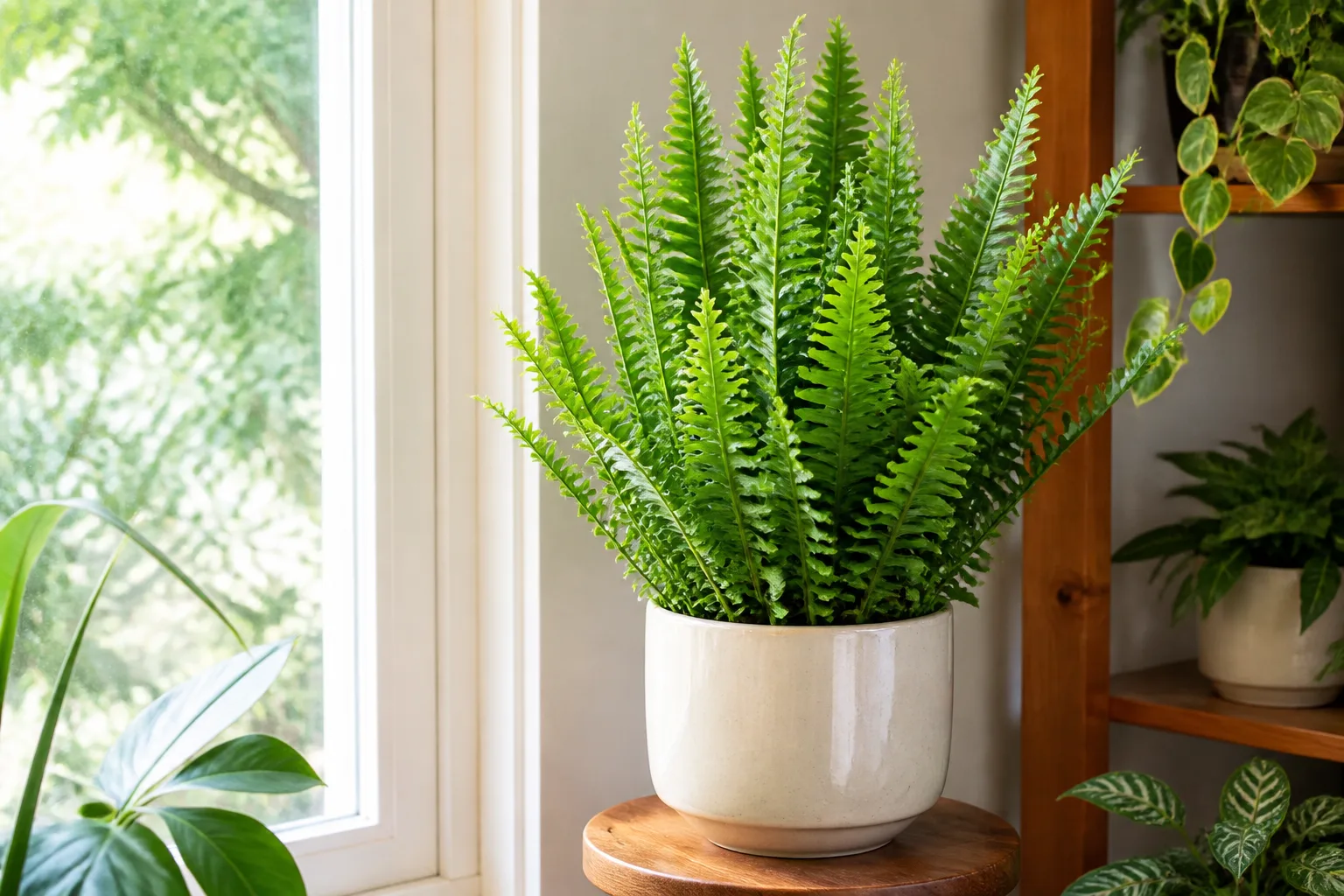
Kimberley Queen fern (Nephrolepis obliterata) is the upright, tidy cousin in the Nephrolepis clan—sword-shaped fronds that grow bushy and vertical instead of draping like a classic Boston fern. Native to Australia’s warm Kimberley region, it handles brighter light, drier air, and faster growth than many ferns sold beside it on the nursery bench. That makes it one of the better fern bets for beginners who want lush green without the constant leaf drop and humidity panic that comes with more delicate species.
Sold under both Kimberley and Kimberly spellings, the plant is also called Australian sword fern or simply sword fern in trade catalogs—though “sword fern” can refer to other species outdoors, so check the tag for N. obliterata before you buy. Indoors it works as a floor pot, covered porch specimen, or shaded patio container. Outdoors it is reliably perennial in USDA zones 9–11, where frost-free winters let it stay in the ground or in large pots year-round.
Kimberley Queen Fern Quick Reference
Use this table when something looks off and you need a first guess before you change three variables at once.
| Factor | Indoor target | Outdoor (zones 9–11) | Warning sign |
|---|---|---|---|
| Light | Bright indirect; gentle morning sun OK | Partial shade to dappled sun | Bleached or scorched frond patches |
| Water | When top 1–2 inches of soil feel dry | Keep evenly moist in heat | Yellowing with wet soil = overwatering |
| Soil | Peaty, airy, well-draining mix | Compost-amended, never soggy | Musty smell = root trouble |
| Temperature | 60–80°F (15–27°C) | Frost-free; brief chill tolerated in zone 9 | Black mushy fronds after freeze |
| Humidity | 40–60%+ ideal; tolerates average rooms better than Boston | Natural humidity usually enough | Crispy leaf edges in winter heat |
| Fertilizer | Half-strength liquid monthly spring–summer | Same; pause in winter | Brown frond tips after feeding |
| Repotting | Every 1–2 years when root-bound | As needed in containers | Roots circling, water runs straight through |
| Pets | Same genus as Boston fern; commonly treated as non-toxic | — | Chewing can still upset stomachs |
The USDA PLANTS Database lists Nephrolepis obliterata under symbol NEOB as an introduced ornamental fern in parts of the U.S., which matches its role as a container and landscape plant in warm climates rather than a native wild species here. (USDA PLANTS)
What Makes Kimberley Queen Ferns Different
Most fern care articles repeat the same four bullets—moist soil, shade, humidity, don’t forget to water—and leave you guessing why your plant still crisped up in February. Kimberley Queen earns its popularity because it breaks that pattern: upright habit, faster fill-in, and more forgiveness when indoor air drops below rainforest levels. You still need consistent moisture, but the failure mode is slower and more recoverable than with maidenhair or heavily dehydrated Boston ferns.
Botanical Profile and Native Habitat
Nephrolepis obliterata belongs to Nephrolepidaceae, the same family group as the familiar Boston fern (Nephrolepis exaltata). ITIS lists the accepted scientific name Nephrolepis obliterata with common names including Kimberley Queen fern and sword fern. (ITIS) In habitat, Australian populations grow in warm, humid, shaded conditions with reliable moisture—think filtered light through tree cover and organic, loose soil that never sits in standing water.
Mature plants typically reach 2–3 feet tall and 2–4 feet wide, forming a dense clump of bright green pinnae on stiffly arching but upward-facing fronds. Unlike flowering houseplants, ferns reproduce by spores carried in brown sori on the undersides of mature pinnae. Seeing those dots is normal on healthy adults, not a pest—though home spore propagation is slow enough that most growers should stick with division instead.
Kimberley Queen vs Boston Fern
Retail displays often park these two side by side, and the choice matters because they fail in different rooms.
| Trait | Kimberley Queen (N. obliterata) | Boston fern (N. exaltata) |
|---|---|---|
| Frond shape | Upright, sword-like, bushy | Soft, arching, weeping |
| Mess factor | Lower leaf drop when stressed | Sheds pinnae quickly when dry |
| Light tolerance | Handles brighter indirect; some morning sun | Prefers shade; scorches easier |
| Humidity demand | Moderate; tolerates average homes better | High; browns fast in dry heat |
| Growth speed | Moderate to fast | Moderate |
| Best use | Floor pot, patio container, tidy indoor specimen | Hanging basket, classic porch fern |
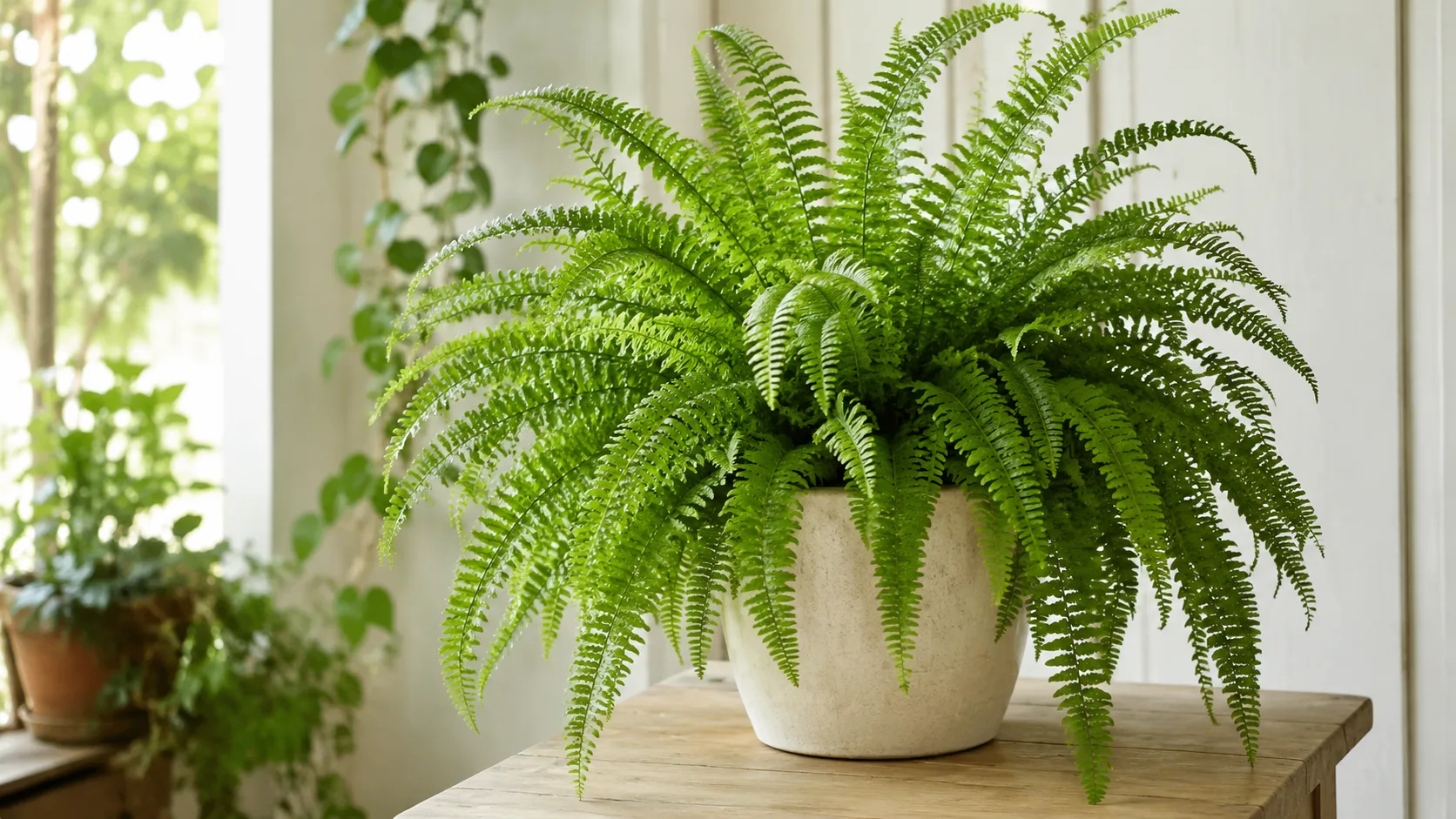
If you want the cascading fern look for a hanging basket, a Boston fern is still the aesthetic winner. If you need a structural floor plant that survives a heated living room better and does not litter the floor every time you travel, Kimberley Queen is the smarter pick. For broader fern-family context—why ferns hate drafts and love stable moisture—see the indoor fern plant care guide.
Light Requirements
Kimberley Queen ferns want bright, indirect light as the default. They tolerate a wider brightness range than many ferns, including gentle direct morning sun or dappled outdoor light, without immediately bleaching—especially if soil moisture stays steady. What they cannot handle is hot afternoon sun blasting through west-facing glass or baking a dark pot on a summer patio; fronds develop bleached patches and crispy edges within days.
Best Indoor Placement
An east-facing window with sheer filtering is the classic sweet spot: enough photons for dense fronds, not enough heat to cook leaves. North windows work if the room is bright overall; watch for leggy, pale growth that signals the plant is stretching for light. South or west windows are usable only with the pot set several feet back from the glass or behind a curtain—never pressed against hot pane.
Outdoors in zones 9–11, plant in partial shade or a spot with morning sun and afternoon protection. Container plants on sunny patios need more frequent watering than shaded beds because root zones heat and dry faster. If fronds look washed out on the sun-facing side, shift the pot or add shade cloth before you assume the plant needs fertilizer.
Watering Kimberley Queen Ferns
Ferns are moisture plants, not swamp plants. Kimberley Queen prefers soil that feels like a well-wrung sponge: consistently damp through the root zone, never bone dry for days, never soggy for days either. The practical trigger is simple: water when the top 1–2 inches of potting mix feel dry to your finger, then soak until a little water drains from the bottom and empty the saucer within 30 minutes.
In bright, warm, or outdoor conditions, that might mean watering two or three times a week in summer. In cool winter growth slowdown, stretch to once a week or less, but never let the entire root ball turn dust-dry—Kimberley Queen forgives more than maidenhair, yet extended drought still kills fronds from the bottom up.
Water Quality and Drainage Rules
Kimberley Queen ferns can react to hard tap water with brown pinnae tips over time, especially when salts accumulate in a small pot. If your tap water is heavy with chlorine, fluoride, or minerals, switch to filtered water, rainwater, or tap water that sat out 24 hours before use. The fix is not dramatic—just consistent.
Drainage beats frequency. A pot without holes, or soil that stays mucky, causes yellowing and crown rot faster than underwatering causes crisp edges. If water sits in the saucer indefinitely, you are not “keeping it moist”—you are drowning roots. When in doubt, lift the pot: lightweight plus dry surface means water; heavy plus wet surface means wait and improve airflow.
Soil, Potting Mix, and Repotting
Use a light, organic, well-draining mix that holds moisture without compacting. A reliable container recipe is two parts peat or coco coir, one part quality potting soil or compost, and one part perlite or coarse sand for aeration. Slightly acidic conditions around pH 6.0–6.5 suit most Nephrolepis species, per common fern potting guidance from specialty growers. (Houseplant101)
Kimberley Queen tolerates being somewhat root-bound and may grow more vigorously when roots fill the pot—unlike many houseplants that stall hard when tight. Repot when you see roots circling the surface, exiting drainage holes, or the plant drying out within a day of watering. Spring is the best window: move up only one pot size (about 2 inches wider), refresh mix, and skip fertilizer for four weeks so tender new roots are not burned.
For in-ground planting in zone 9–11, amend heavy clay or pure sand with compost and leaf mold so water drains but organic matter retains moisture. Avoid low spots where irrigation or rain pools for hours after a storm.
Temperature, Humidity, and Overwintering
Ideal growth happens between 60°F and 80°F (15–27°C) indoors. Brief dips near freezing outdoors can brown fronds, but plants in zone 9 often regrow from rhizomes after a light frost if roots did not freeze solid. Hard frost and prolonged freezing kill container plants left outside in colder zones—treat Kimberley Queen as tender below zone 9.
Keep pots away from cold window glass in winter, heat vents, and forced-air drafts that desiccate pinnae overnight. Outdoors, water more often during heat waves; indoors, the opposite problem dominates—dry winter air from furnaces.
Humidity Setup That Actually Works
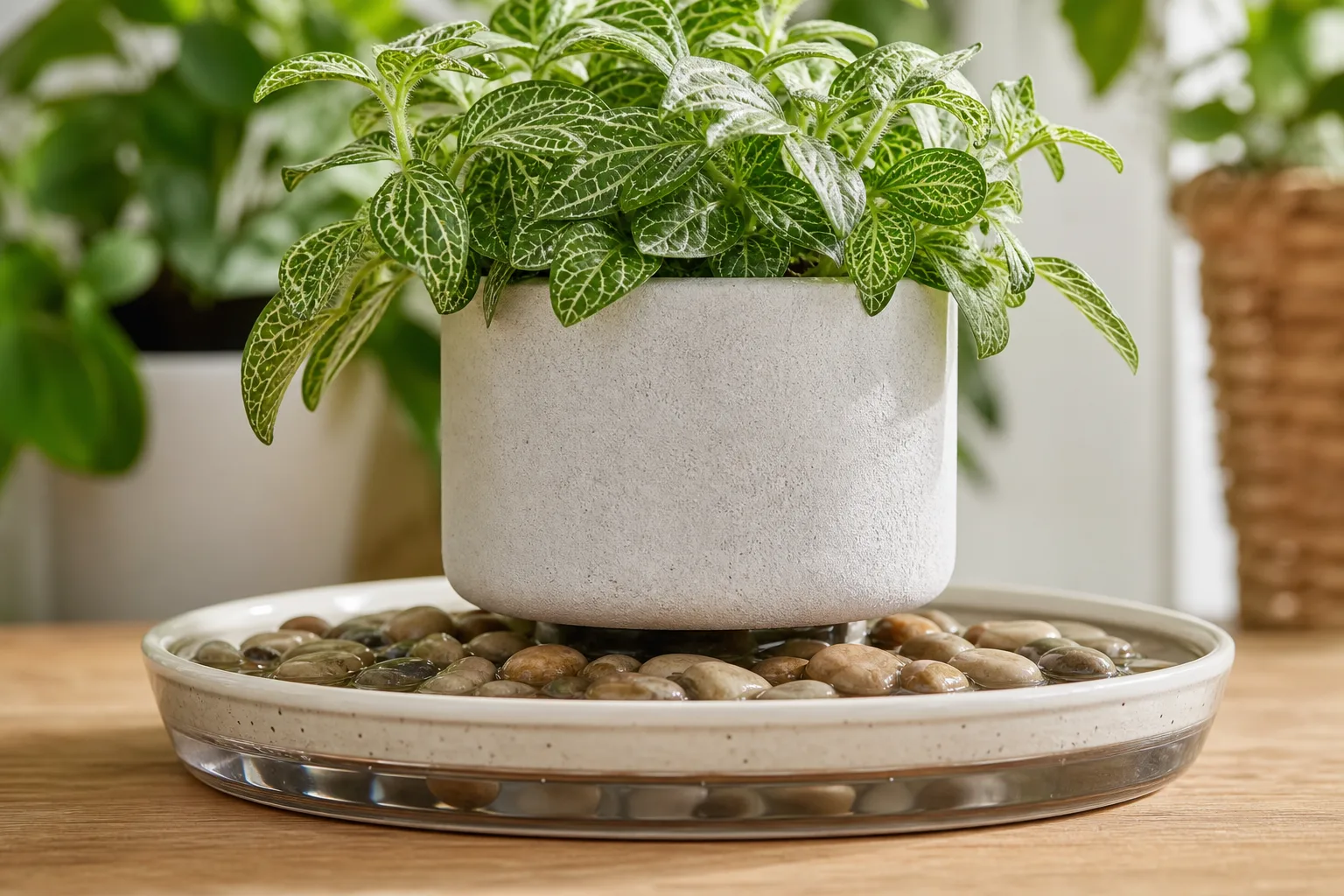
Kimberley Queen appreciates 40–60% relative humidity or higher but survives average homes better than Boston or maidenhair ferns. Still, winter heating without supplementation produces the classic brown, crispy margins even when watering is correct. Rank your options by effectiveness:
- Cool-mist humidifier near the plant (best, most stable)
- Pebble tray with the pot base above the waterline (helpful boost, not a full substitute in dry rooms)
- Grouping plants to share transpired moisture
- Bright bathroom or kitchen if light is adequate
- Misting (cosmetic short-term relief only)
If brown tips appear every January, assume humidity first—not fertilizer, not repotting. Gardenia.net notes Kimberley Queen among ferns valued for transpiration and indoor humidity contribution, which is another reason to place it where you actually live rather than a dark hallway. (Gardenia.net)
Overwintering containers in zones 8 and below: move plants indoors before the first frost, ideally when nights stay below 50°F (10°C). Place in bright indirect light, reduce watering slightly, pause fertilizer, and run humidity support through the driest months. Do not shock the plant by moving from full outdoor shade straight to a hot radiator ledge—transition over a week.
Fertilizing for Lush Fronds
Kimberley Queen is not a heavy feeder, but monthly half-strength balanced liquid fertilizer (such as 10-10-10 or 20-20-20 diluted to half label rate) during spring and summer keeps fronds deep green and supports fast fill-in. Always water first, then feed moist soil—never apply concentrate to dry roots. Stop feeding in fall and winter when growth slows.
Salt buildup from overfeeding shows up as burned pinnae tips that mimic low humidity. If you fertilized on schedule and tips still crisp, flush the pot with plain water until drainage runs clear, then resume at quarter strength or skip a month. Slow-release granules labeled for foliage plants work outdoors if applied at the start of the growing season according to package rates.
Pruning and Grooming
Pruning is maintenance, not surgery. Remove dead, damaged, or fully brown fronds at the base with clean scissors or shears any time of year, concentrating heavier cleanup in spring when new croziers unfurl. Avoid cutting more than roughly 20 percent of healthy green fronds at once—the plant needs photosynthetic surface to recover.
Wilted fronds after a drought episode can be trimmed once you stabilize moisture; new growth often emerges from the crown within weeks if roots survived. Sanitize blades between plants if you recently trimmed pest-infested foliage.
Propagation by Division
Division in spring or early fall is the reliable propagation method. Spore growing is interesting botany but slow and finicky at home—skip it unless you want a science project.
- Water the day before so roots flex without snapping.
- Slide the fern from its pot and brush away loose soil.
- Identify natural clumps with roots plus fronds attached.
- Split with a sharp knife or shears so each section has healthy roots and several fronds.
- Pot divisions in fresh mix, water thoroughly, and keep bright indirect light without direct sun.
- Maintain high humidity for two to three weeks—mist the air around the plant or use a clear humidity tent, but do not seal wet soil in a bag that rots the crown.
Expect some transplant sulking (minor wilt) for a week. Hold fertilizer until you see new pinnae opening. Divisions make excellent gifts because Kimberley Queen fills a pot faster than many ferns started from spores.
Common Pests and Diseases
Kimberley Queen is not pest-proof, but serious outbreaks usually mean stress—too dry, too dark, or waterlogged. Indoors, watch for spider mites (fine webbing, stippled yellow pinnae), mealybugs (white cottony clusters), scale (brown bumps on stems), and fungus gnats (small flies when soil stays wet). Outdoors, slugs may chew low fronds in shady beds.
First response: isolate the plant, rinse fronds with lukewarm water, and inspect undersides weekly. Insecticidal soap applied to affected areas per label directions clears soft-bodied pests when you catch them early. Avoid harsh systemic chemicals on ferns; delicate pinnae burn easily. Let soil surface dry slightly between waterings if fungus gnats persist—the larvae need constant moisture.
Root rot from overwatering is the main disease risk: mushy crown, sour soil smell, collapse despite wet mix. Trim dead roots, repot into fresh airy mix, and reduce watering before trying to save the plant.
Troubleshooting Brown, Yellow, and Leggy Fronds
Brown tips or edges usually mean low humidity, inconsistent watering, or mineral-heavy water—often all three in winter. Fix humidity and water quality before you fertilize. If only the sun-facing side browns, move the plant back from harsh light.
Yellow fronds with wet soil point to overwatering or poor drainage. Yellow with dry soil means underwatering. Adjust one variable, wait two weeks, then reassess—ferns do not respond to daily tinkering.
Leggy, sparse growth almost always means insufficient light. Move closer to a bright window or add a grow light; fertilizing a dim plant only produces taller weak fronds. Compare with maidenhair fern care if you are deciding whether to swap to a harder or easier fern for your room conditions.
Pet Safety and Household Placement
Here is where many quick-reference pages get sloppy. ASPCA lists “King and Queen fern” as non-toxic—but that entry refers to Asplenium bulbiferum, a completely different species. Kimberley Queen is Nephrolepis obliterata, in the same genus as Boston fern, which ASPCA lists as non-toxic to dogs and cats. (ASPCA Boston fern)
ASPCA does not publish a dedicated page for N. obliterata at this time. Horticulture references and specialty growers widely sell Kimberley Queen as pet-safe, and no bufodienolide-type toxins associated with true lilies apply here—but any plant material can cause mild vomiting if chewed in quantity. Keep fronds out of reach if your cat treats hanging pinnae like toys, and call your veterinarian or ASPCA Animal Poison Control at (888) 426-4435 if a pet eats a large amount of any plant you cannot identify with certainty.
Conclusion
Kimberley Queen fern rewards growers who treat it like a moisture-and-light problem, not a mystery fern. Give it bright indirect light, water when the top inch dries, real humidity support in winter, and division instead of spore experiments when you want more plants. It will not forgive total neglect the way a snake plant might, but compared with Boston and maidenhair ferns, it stays upright, fills in faster, and breaks fewer hearts when the furnace kicks on. Start with one healthy pot, nail the watering check for two weeks, and adjust light or humidity only when the fronds tell you which way to move.