Stevia Plant Care: Light, Water, Soil & Harvest
Stevia rebaudiana
Grow Stevia rebaudiana for its sweet leaves. Learn how to manage moisture, protect this tender perennial from frost, and harvest before flowering.
Stevia Plant Care: Light, Water, Soil & Harvest
Start with wateringThe most common care mistake for SteviaWatering guide →Stevia care essentials
Light
Water
Keep the soil evenly moist but well-drained, especially while plants are small and actively growing. Water container plants when the surface begins to dry, and never leave the roots standing in water.
Soil
Rich, moisture-retentive but free-draining loam or sandy loam; it tolerates a broad soil pH range when drainage is good.
Humidity
Temperature
Fertilizer
About Stevia
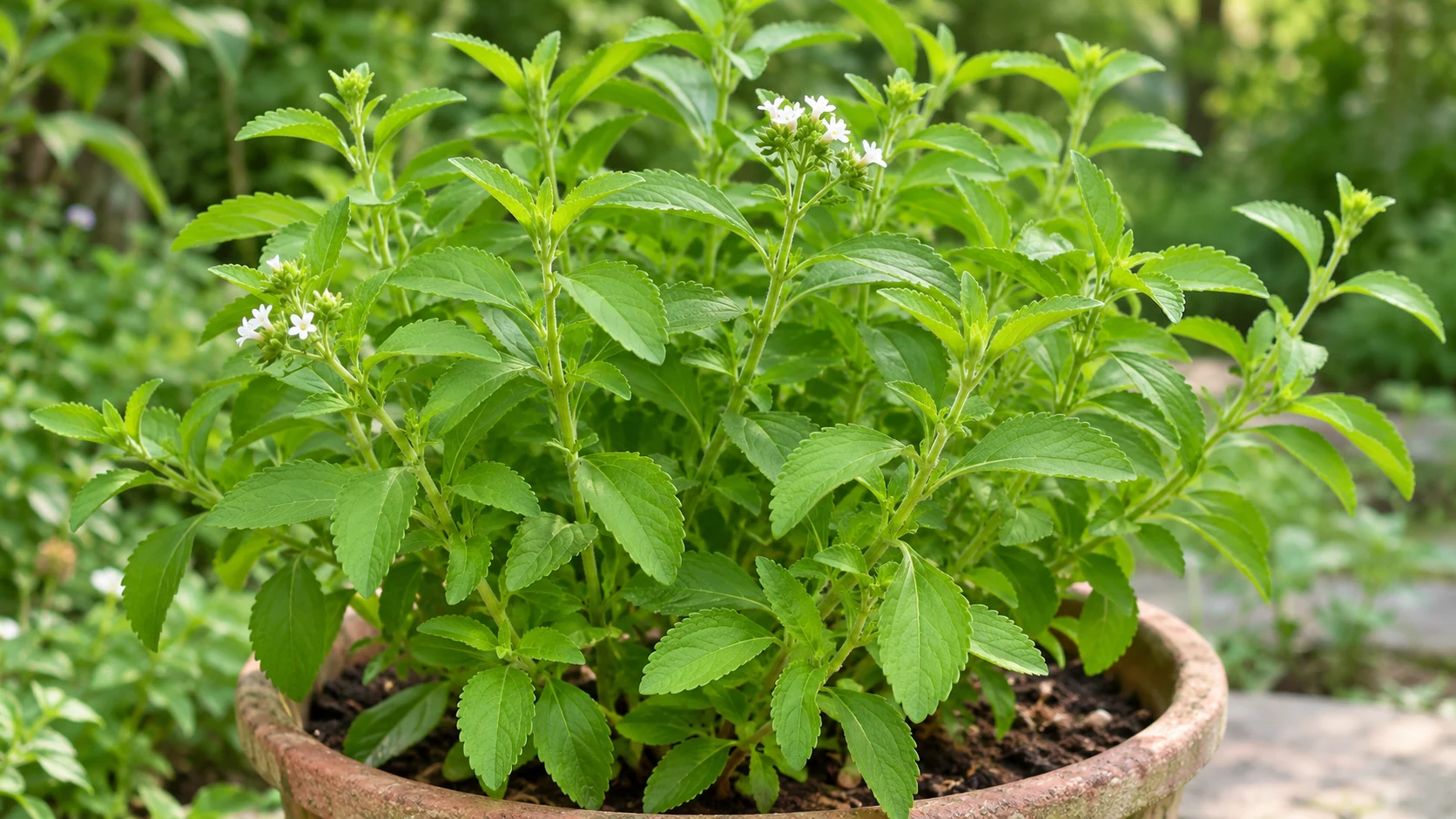
Stevia is native to Paraguay and Brazil, typically reaches Usually about 30–60 cm tall and wide; in favorable conditions it can reach 0.5–1 m indoors, with moderate growth. Stevia has a tender, bushy herbaceous perennial, often grown as an annual in frost prone climates growth habit and part of the Asteraceae family. It is also known as Candyleaf, Sweetleaf, and Sugar Leaf.
| Detail | Information |
|---|---|
| Also known as | Candyleaf, Sweetleaf, Sugar Leaf |
| Native region | Paraguay and Brazil |
| Mature size | Usually about 30–60 cm tall and wide; in favorable conditions it can reach 0.5–1 m |
| Growth rate | Moderate |
| Growth habit | Tender, Bushy Herbaceous Perennial, Often Grown As An Annual In Frost Prone Climates |
| Scientific name | Stevia rebaudiana |
| Family | Asteraceae |
Stevia Plant Care: Light, Water, Soil & Harvest
Start with the growing conditions before changing the plant: place stevia where it gets strong light, then keep the root zone evenly moist without leaving it waterlogged. Stevia (Stevia rebaudiana) is a tender, bushy herb grown for its leaves, not a drought-adapted succulent or a reliably hardy indoor houseplant. In a warm climate it can behave as a perennial; where frost reaches the plant, it is usually grown as a seasonal annual or protected in a pot. The RHS describes stevia as a tender perennial, while the Missouri Botanical Garden lists it as an annual in colder St. Louis.
What follows is a practical home-growing plan, with the limits stated plainly: cultivar, day length, climate, pot size, and the starting plant all influence how much foliage you get. A thriving plant can supply leaves for kitchen use, but its growth and flavor are not a controlled substitute for commercial extract. Start with a healthy nursery plant if available, learn its response to your location, and use the specific guides below when one care decision needs more detail.
What Stevia Is and How It Grows
Stevia is an herbaceous member of the daisy family, Asteraceae, native to Paraguay and Brazil. It develops upright stems with opposite, narrow leaves and small white flowers. The plant is sold for sweet leaves, but from a gardener’s perspective it is a leafy, branching herb that benefits from warmth and a steady supply of usable moisture. The Missouri Botanical Garden lists it as a herbaceous perennial with a mature height and spread around one to two feet in its reference conditions; the RHS gives a broader mature range of about half to one metre. Those numbers are not a promise for every pot or climate.
The useful care distinction is that stevia wants enough sun to build compact stems but can need afternoon relief in a very hot exposure. It also appreciates moisture more consistently than Mediterranean herbs such as rosemary. Use the Stevia light guide to choose a spot, then calibrate watering to the actual drying speed of its container rather than a fixed weekday routine.
Climate and Seasonal Expectations
Stevia’s perennial status depends on winter conditions. Both the RHS and Missouri Botanical Garden treat it as tender, with the latter listing hardiness in warm zones and noting that growers in colder regions use it as an annual. A pot can be moved indoors before frost, but an indoor winter is a rescue strategy with trade-offs: shorter days, lower light, and dry heated air can slow growth or trigger leaf loss. Do not assume it will keep producing at summer speed on a dim windowsill.
Think in three phases. In spring, establish roots and wait for active new growth before feeding. In warm summer weather, maintain moisture and harvest or pinch lightly. As days shorten and flowering begins, decide whether you want to collect leaves, save seed, take cuttings, or preserve a stock plant. A USDA field study measured harvest timing under Mississippi conditions, but its crop results should not be copied as a universal home-garden schedule. A separate peer-reviewed study of stevia field sites found that location, climate, and nutrient conditions affected leaf yield and compounds, which is one reason a care routine must be adapted to the local growing setup.
Choose a Bright Location
For outdoor plants, begin with full sun in a moderate climate and watch for midday stress during heat waves. Missouri Botanical Garden and RHS both list full sun as suitable, with part or partial shade tolerated. GrowVeg recommends full sun to partial afternoon shade, a helpful framing for hot patios and warmer regions. Indoors, put the pot close to the brightest suitable window; a room that looks bright to a person may still give a sun-loving herb weak growth.
In very hot climates, a little afternoon shade can reduce heat load without turning the plant into a shade grower. New stems that stretch toward the window or remain thin and widely spaced suggest that the spot is too dim. Pale or dry patches on the sun-facing side after a sudden move suggest exposure changed too quickly. Make one adjustment, then judge the next several weeks of new growth. If placement is the main issue, see how much light Stevia needs before increasing fertilizer or watering.
Keep Water Steady and Let Excess Drain
Stevia generally grows best with regular moisture, especially while it is establishing and during warm active growth. Epic Gardening recommends regular watering to keep the soil evenly moist, while Missouri Botanical Garden describes its water need as medium and warns against overwatering in poorly drained conditions. These points fit together: avoid repeated severe dry-down, but do not keep the root zone saturated. A container with open drainage and a mix that lets excess water escape makes that balance easier.
Check the top layer and the pot’s weight before watering. If the surface has begun to dry and the container feels lighter, water thoroughly until excess drains, then empty the saucer. If the mix is still damp and the pot heavy, wait and inspect again. Frequency will change with temperature, sun, wind, pot size, and root fill. For diagnosis and a step-by-step routine, use the Stevia watering guide; do not use drooping alone as proof that the plant needs water, because a wet root zone can also leave foliage limp.
Use Moisture-Retentive but Well-Drained Soil
Choose a fertile, loose mix that holds some water while allowing air and excess moisture to move through it. The RHS lists loam and sand, while Missouri Botanical Garden recommends rich, consistently moist, well-drained soil and notes that sandy loam suits the plant. Epic Gardening advises a loamy, well-draining medium. For a container, a quality multipurpose potting mix amended with a modest amount of perlite or fine bark can improve structure if the mix stays wet too long; there is no need to build an extremely gritty cactus blend for this leafy herb.
In a bed, improve heavy, slow-draining soil before planting or use a raised bed. Avoid planting in a low spot where rainwater pools. In a pot, drainage holes matter more than a layer of stones under the mix. A recent controlled cultivation study in Veracruz used one site-specific substrate and irrigation setup, but its small-scale research conditions are not a universal recipe for home pots. If water runs straight through because the root ball has become dense or dry, soak the pot briefly and recheck the medium rather than adding more fertilizer. The Stevia soil guide covers container and bed mixes in more detail.
Feed Lightly During Active Growth
Stevia is not a heavy feeder by default. GrowVeg’s growing notes say feeding is generally unnecessary, with a water-soluble fertilizer as an optional midsummer boost; Epic Gardening also discusses feeding during summer. For a home grower, these suggest a conservative approach: start with fresh, reasonably fertile mix, observe growth, and feed lightly only while the plant is actively producing stems and leaves. Product strength, potting mix, and local water quality vary, so avoid turning a blog’s schedule into a mandatory dose.
If new growth is pale and slow, first check light, root health, water balance, and whether the mix is depleted. Fertilizer will not repair a pot that stays waterlogged or a plant growing in insufficient light. Follow the product label, err on the dilute side for a container, and stop when growth slows in cool or dim conditions. For nutrient choices and timing, see the Stevia fertilizer guide.
Pinch and Harvest Without Stripping the Plant
Pinching growing tips encourages branching and keeps stems from becoming lanky. GrowVeg notes that frequent pinching keeps stevia bushy and delays flowering. Begin with a small tip cut on a well-rooted plant, then wait to see where new side growth develops. As the season advances, take sprigs for use while leaving enough leafy stems for the plant to continue growing. Avoid removing most of the foliage in one session, especially from a small or recently transplanted plant.
Harvest timing depends on what you value. Garden references often recommend gathering foliage before bloom, while a USDA field study compared harvest patterns and glycoside yield in a specific production setting. Leaf yield, sweetness, and glycoside profile are not identical measures, and results from a field trial do not guarantee a sweeter home crop. Use the Stevia pruning guide for tip cutting and shaping, and harvest healthy leaves using clean scissors rather than tearing woody stems.
Flowering and Leaf Quality
Stevia flowers as days shorten, and flowering changes the balance between vegetative growth and reproductive growth. A peer-reviewed study of stevia grown across northern Indian locations discusses photoperiod, temperature, nutrients, and site conditions as influences on growth and leaf compounds. This is useful context, not a promise that indoor growers can control sweetness with a particular light timer. Cultivar and growing conditions both matter.
If flowers appear, the plant is not automatically failing. You can let some stems bloom if you want to observe or collect seed; you can pinch buds if your priority is continued leaf production and branching. The trade-off is that removing every flower repeatedly adds work and does not guarantee a particular taste. Gardening Know How describes stevia leaves as commonly harvested near flowering, but judge the plant by its health and your use rather than treating one date as a guarantee of sweetness.
Grow Stevia in a Container
A container is practical when you need to control drainage, move the plant from heat or cold, or grow a single herb near the kitchen. Choose a stable pot with several drainage holes and enough volume for the plant to branch. A very small nursery pot dries quickly in summer; an oversized pot filled with wet mix can stay damp too long after transplanting. Pot size should be guided by the root ball, not by the mature plant’s theoretical maximum.
Use fresh, free-draining potting mix and water after transplanting to settle it around roots. Keep the plant in bright light while it re-establishes, but avoid making a sudden jump from a greenhouse or indoor shop display to intense afternoon sun. Repot when roots fill the container, the mix has broken down, or watering has become unusually difficult to manage. The Stevia repotting guide explains what to check before moving it up a size.
Propagate or Overwinter a Plant
Seed can be unreliable for stevia, and plant sources often recommend starting with a purchased plant or taking cuttings. GrowVeg’s southern-hemisphere grow guide recommends keeping a parent plant indoors over winter for spring cuttings; Epic Gardening also outlines tip cuttings. These practical options suit a gardener who wants to preserve a particular plant, but cuttings still need warmth, moisture, and time to root. For a detailed method, use the Stevia propagation guide.
Before frost, choose whether to harvest the plant, take healthy cuttings, or bring a potted parent indoors. Indoors, keep it in the brightest available spot, water less often if growth slows, and inspect for pests before placing it near other plants. If the plant declines despite good care, it is reasonable to treat stevia as an annual and start again in spring. Do not sacrifice a healthy new plant to a difficult overwintering setup just because the species is botanically perennial.
Read Common Stress Signals Carefully
Yellow leaves, limp stems, slow growth, and leaf drop are symptoms, not diagnoses. Start by checking moisture at root depth and drainage. A dry, light pot with limp foliage points toward water shortage; a persistently wet pot with yellowing or soft lower stems raises concern about poor aeration or root damage. Next consider recent changes in light, temperature, or location. Only after those checks should you decide whether nutrition or pests are involved.
Stevia grows more slowly in cool conditions, according to GrowVeg, so a pause during cold or low-light periods is not automatically a fertilizer deficiency. Inspect leaf undersides and stem joints for pests if damage continues. Remove only clearly dead or diseased material with clean tools, and avoid making several major changes at once. If the symptom is specific, start from the relevant page in the Stevia plant hub and follow the matching care topic rather than applying a generic houseplant fix.
A Simple Weekly Care Check
Once a week, look at the newest growth, feel the top of the mix, and note whether water has drained freely after the last soak. Check that the pot is not standing in runoff, that stems remain firm, and that the plant receives the light you intended. In hot or windy weather, check more often because a small pot can dry quickly. In cool, dim weather, check less often and resist watering by calendar.
Make only the next useful adjustment. If the pot is too wet, improve drainage and extend the interval before the next watering. If stems stretch, improve light gradually. If growth is vigorous but sparse, pinch a tip. If the plant is healthy and producing leaves, no intervention may be needed. This observation-first approach is more reliable than rotating through water, fertilizer, pruning, and repotting changes in the same week.
When to Use This Page vs Other Stevia Guides
This overview explains the full growing pattern and how the care decisions fit together. Use a focused guide when the question is narrower: the Stevia light guide helps place a pot; the watering guide gives a root-zone check; and the soil guide focuses on mix and drainage. The fertilizer, repotting, propagation, and pruning pages cover those specific jobs in detail.
When several symptoms appear at once, start with the conditions most likely to affect roots and growth: light, water, and drainage. Avoid diagnosing from a single yellow leaf. There are no Stevia-specific problem pages in the current plant profile, so use the guide that matches the visible care issue rather than following a guessed symptom route.
Related Stevia Guides
- Stevia light — choose indoor or outdoor exposure and acclimate the plant.
- Stevia watering — set a moisture check that follows pot and weather conditions.
- Stevia soil — select a mix and fix slow drainage.
- Stevia fertilizer — decide whether and when to feed.
- Stevia repotting — evaluate root fill and move a container plant safely.
- Stevia propagation — root cuttings or plan seed starts.
- Stevia pruning — pinch, shape, and harvest without stripping the plant.
Conclusion
Stevia is easiest to grow when you treat it as a warm-season leafy herb: give it strong light, even but not stagnant moisture, and a loose mix that drains after watering. In warm regions it may persist as a perennial; where frost arrives, plan for annual planting, cuttings, or careful indoor protection. Pinch lightly to encourage branching, harvest without removing too much at once, and let the plant’s new growth guide your next adjustment. When growth slows, check the season, light, and root zone before reaching for fertilizer.
How to care for Stevia?
When should you water Stevia?
Keep the soil evenly moist but well-drained, especially while plants are small and actively growing. Water container plants when the surface begins to dry, and never leave the roots standing in water.
- Feel the mix below the surface. If it is beginning to dry - Water container plants when the surface begins to dry, and never leave the roots standing in water.
- water the root zone thoroughly and allow excess water to drain - Water container plants when the surface begins to dry, and never leave the roots standing in water.
- Drain excess water - Keep the soil evenly moist but well-drained, especially while plants are small and actively growing.
What soil works best for Stevia?
Rich, moisture-retentive but free-draining loam or sandy loam; it tolerates a broad soil pH range when drainage is good.
- Use rich, peat-free multipurpose potting mix for containers. - Rich, moisture-retentive but free-draining loam or sandy loam; it tolerates a broad soil pH range when drainage is good.
- Add a little perlite or coarse grit if the mix stays wet for too long. - Rich, moisture-retentive but free-draining loam or sandy loam; it tolerates a broad soil pH range when drainage is good.
- Choose a pot with drainage holes so excess water can escape. - Rich, moisture-retentive but free-draining loam or sandy loam; it tolerates a broad soil pH range when drainage is good.
Grower notes for Stevia
Treat Stevia as a tender perennial
Stevia rebaudiana is a tender perennial that is often grown as an annual where frost is common. In warm climates it can return for several years; in colder areas, grow it in a pot and bring it indoors before the first frost.
Give it light, then add shade in extreme heat
Full sun supports compact growth, while partial shade is tolerated. In very hot regions, morning sun with afternoon shade can reduce heat stress. Stevia prefers warm conditions and is not frost-hardy.
Keep moisture steady and drainage clear
Stevia likes evenly moist soil, particularly when young, but its roots should not remain waterlogged. Use rich loam or a well-drained container mix, and check pots more often in warm weather.
Pinch tips to keep stems bushy
Stevia can develop brittle, floppy stems. Pinch growing tips to encourage branching, and keep the plant away from places where people or pets may brush against it.
Harvest leaves before flowering
The leaves are used as a sweet herb. Missouri Botanical Garden advises snipping flower buds as they appear because leaf quality is best before flowering; harvest leaves in fall and dry them for storage.
Start with a plant or rooted cutting
Stevia can be propagated from seed or cuttings, but GrowVeg notes that seed can be reluctant to sprout. Buying a starter plant or rooting a cutting from an overwintered parent is often the more dependable home-garden route.
Is Stevia safe for pets?
ASPCA lists Stevia rebaudiana as non-toxic to cats, dogs, and horses. That listing covers those animals; ask a veterinarian about other species or a significant ingestion.
ASPCA identifies Stevia rebaudiana as non-toxic to dogs, cats, and horses. Its plant-specific listing names those species; it does not establish safety for every animal.
Watering Stevia
For Stevia, feel the mix below the surface. If it is beginning to dry, water the root zone thoroughly and allow excess water to drain. and water check pots during warm weather and water when the top couple of centimetres of mix begin to dry. In garden beds, water during prolonged dry spells so the root zone does not dry out completely. Stevia uses more water during warm, sunny growth and less in cool weather. Reduce watering after bringing a pot indoors for winter, while keeping the root ball from becoming bone-dry.
| Detail | Information |
|---|---|
| How often | Check pots during warm weather and water when the top couple of centimetres of mix begin to dry. In garden beds, water during prolonged dry spells so the root zone does not dry out completely. |
| How to check | Feel the mix below the surface. If it is beginning to dry, water the root zone thoroughly and allow excess water to drain. |
| Seasonal changes | Stevia uses more water during warm, sunny growth and less in cool weather. Reduce watering after bringing a pot indoors for winter, while keeping the root ball from becoming bone-dry. |
Signs of overwatering
- Mix stays wet for long periods or the pot remains unusually heavy.
- Leaves yellow or stems weaken while roots sit in saturated soil.
- Growth stalls in a poorly drained container.
Signs of underwatering
- Leaves and soft stems wilt as the mix dries.
- The container dries quickly in warm, sunny weather.
- New growth slows during a prolonged dry spell.
Soil & potting for Stevia
Use a mix of Use rich, peat-free multipurpose potting mix for containers., Add a little perlite or coarse grit if the mix stays wet for too long., Choose a pot with drainage holes so excess water can escape. for Stevia. Keep moisture available without letting the soil stay waterlogged. Raised beds or pots help if garden soil drains slowly. Target soil pH around Acidic, neutral, or alkaline soils are suitable; do not chase a narrow pH target. Repot repot when roots fill the container or the mix becomes compacted; move up only one pot size., ideally in spring, after the plant resumes growth and before it is moved outdoors.
| Detail | Information |
|---|---|
| Recommended mix | Use rich, peat-free multipurpose potting mix for containers., Add a little perlite or coarse grit if the mix stays wet for too long., Choose a pot with drainage holes so excess water can escape. |
| Drainage | Keep moisture available without letting the soil stay waterlogged. Raised beds or pots help if garden soil drains slowly. |
| Soil pH | Acidic, neutral, or alkaline soils are suitable; do not chase a narrow pH target. |
| Repotting frequency | Repot when roots fill the container or the mix becomes compacted; move up only one pot size. |
| Best season to repot | Spring, after the plant resumes growth and before it is moved outdoors. |
Signs it needs repotting
- Roots circle the root ball or emerge from drainage holes.
- Water runs through gaps around a dense root mass.
- The mix has compacted and no longer drains evenly.