Distorted Leaves on Stromanthe Triostar: Causes, Checks &
Quick answer
First, isolate your Stromanthe Triostar while you inspect its newest folded leaf and leaf undersides for thrips. If you find no pests, compare soil moisture and recent changes in light, humidity, or drafts before changing care.
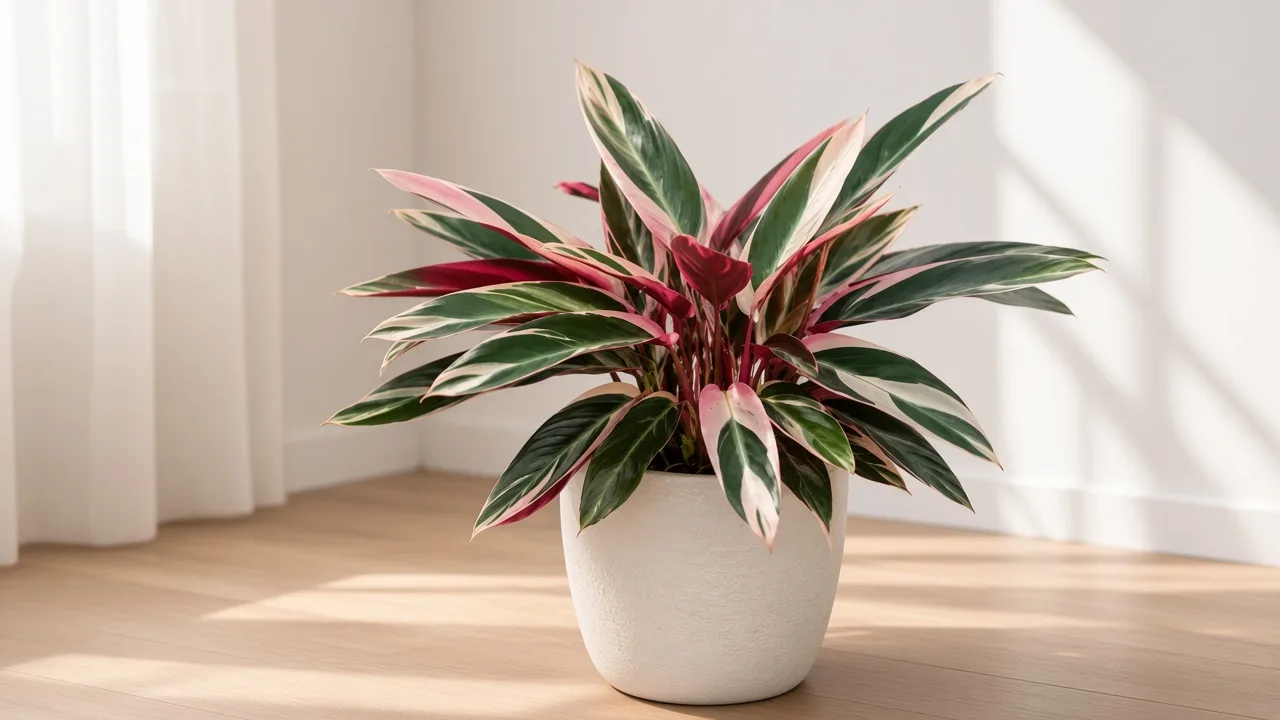
Distorted Leaves on Stromanthe Triostar: Causes, Checks & Fixes
This guide covers distorted leaves on Stromanthe Triostar. See also the general Distorted Leaves guide, watering, and light pages for this plant.
Distorted Leaves on Stromanthe Triostar: Causes, Checks & Fixes
Quick answer
If a Stromanthe Triostar leaf is stuck, puckered, or twisting as it opens, first isolate the plant and inspect its newest growth for thrips. Do not spray or repot on the basis of one misshapen leaf. If there are no pest signs, check whether the mix has swung between dry and soggy or whether light, humidity, or temperature changed recently. The plant’s care overview helps you compare the current setup with its normal needs.
For the wider range of causes behind this symptom, see the distorted leaves guide; the checks below focus on Stromanthe Triostar’s prayer-plant leaf movement and tender new growth.
What distorted leaves look like on Stromanthe Triostar
True distortion is a leaf that stays twisted, puckered, pinched, or uneven after it has had time to open. It may have a narrow or rippled blade, a bent midrib, or brown and silvery scars on the surface. A single damaged leaf with otherwise firm growth is less concerning than several new leaves emerging misshapen in succession.
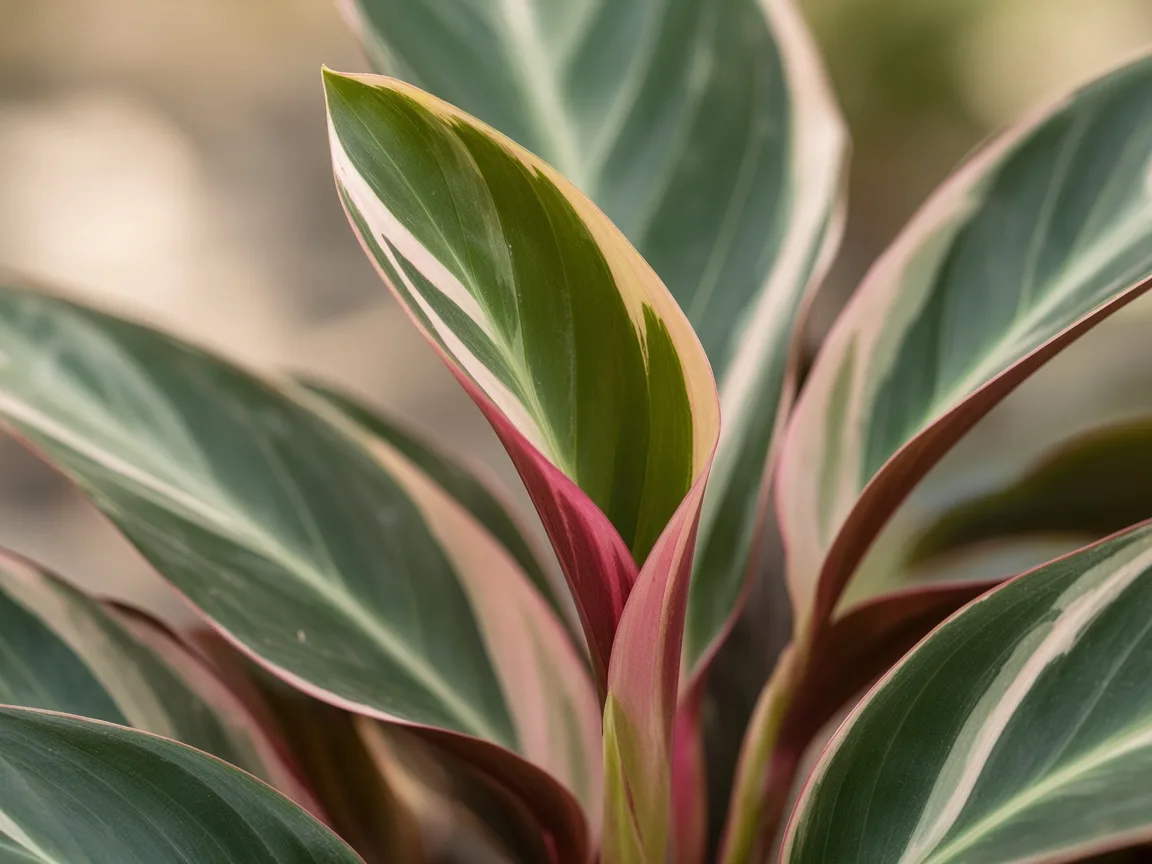
Compare the newest leaf with fully opened leaves on the same clump; persistent folds and surface scars are different from normal evening movement.
Stromanthe leaves change position over the day. If a leaf folds upward in the evening and opens again in daylight without remaining crumpled, that is normal movement described for the species by NC State Extension. Look for lasting shape changes or damaged tissue, rather than judging the plant from its posture at one time of day.
Why new Stromanthe Triostar leaves can distort
Moisture and room conditions
Stromanthe Triostar is a tropical foliage plant that needs humid air and soil that stays moist while draining well. If a new leaf is slow to loosen and the mix is dry well below the surface, a dry spell may be part of the problem. When curling appears alongside dry mix, The Sill’s care guide also lists underwatering as a common pattern; leaf shape alone is not enough to diagnose it. If the pot stays heavy and wet, root stress becomes more plausible than thirst. The plant’s high-humidity and shade needs, along with its preference for regular watering and some drying between waterings, are outlined by UF/IFAS.
Use the Stromanthe Triostar watering guide to reset a consistent check-and-water routine. Let the top inch of mix begin to dry before watering thoroughly, then empty the saucer; this balances the plant’s need for moisture with the risk of stagnant soil described in MyDomaine’s care guidance. Avoid making a calendar schedule from another room or season.
Low humidity, a cold draft, or a recent move can also coincide with leaves opening poorly. Check the plant’s location near heaters, air-conditioning vents, doors, and direct afternoon sun. Stromanthe Triostar prefers filtered light; its pale variegated areas can scorch in strong direct sun, as UF/IFAS notes for Triostar. Use the light guide to assess placement, and compare crispy margins separately with the brown tips guide.
Thrips on folded growth
Thrips deserve an early check because they feed on tender tissue while it is still folded, so damage may only become obvious after the leaf expands. Look for silvery or brown scarring, tiny dark specks, and a leaf tip that has opened unevenly. The UC IPM thrips guide describes distorted, curled leaves and dark specks among possible feeding signs. A matching pattern on several new leaves is more persuasive than a single crease.
Hold the leaf near a bright window and inspect the sheath and undersides with a magnifier. You can also tap a leaf gently over white paper and look for slender moving insects, as shown in Penn State Extension’s thrips guidance. The University of Alaska Fairbanks Cooperative Extension recommends identifying houseplant pests before choosing a control method; spider mites are more likely when fine webbing and pale stippling appear together. If thrips are confirmed, follow the Stromanthe Triostar thrips guide for the plant-specific treatment sequence.
Root stress and physical damage
If only one leaf is creased and no pest or care clue fits, consider a mark from handling or rubbing; inspect later growth to see whether it recurs. When multiple leaves distort alongside yellowing, drooping, or a sour-smelling pot, check drainage and the root zone before assuming the plant is thirsty. Stromanthe is intolerant of dry soil, while overwatering can also lead to root and stem rot; the soil guide explains how to keep the mix moist without leaving roots waterlogged.
How to confirm the cause
Check in this order so one symptom does not lead to several unnecessary changes:
- Look at the newest leaf first. A distorted leaf with silver scars or black specks points toward feeding damage; a leaf that is simply folded at night may be normal.
- Inspect the plant, not just one blade. Check both leaf surfaces, the central folds, and the base of each petiole. Fine webbing with pale stippling is a stronger spider-mite clue than curling alone.
- Check the mix before watering. Feel the top inch, lift the pot to compare its weight, and make sure water can drain freely. Dry mix supports a moisture-stress explanation; persistently wet mix calls for checking the roots and drainage.
- Review recent changes. Note whether the plant was moved into direct sun, placed by a cold or hot vent, or exposed to a sharp change in indoor humidity.
Use the drooping leaves guide if the whole plant is limp but the leaf blades remain smooth. That pattern is more useful for separating general water or root stress from localized distortion.
The first fix to try
Temporarily isolate the Stromanthe Triostar from nearby plants while you inspect its newest folded growth. If you find no insects, return to the care checks above rather than treating the plant for pests. If you confirm thrips, keep the plant isolated and follow the Stromanthe Triostar thrips guide for treatment while monitoring nearby plants for fresh signs.
When there are no pests and the root ball is dry, water thoroughly and let excess drain. When the mix is still wet, do not add more water; confirm that the pot drains and keep the plant in bright, indirect light while the mix dries. Change one condition at a time so you can tell which correction helps.
What to avoid
- Do not pull a folded leaf open; the blade can tear before it hardens.
- Do not treat curling alone as proof of thrips or spider mites.
- Do not leave the pot standing in water or swing from drought to constant saturation.
- Do not move the plant into harsh direct sun to “strengthen” the leaves.
- Do not fertilize or repot a plant with one damaged leaf unless a separate nutrient or root problem is evident.
Recovery and prevention
A fully expanded leaf with scars or a permanent crease usually stays marked. Thrips scars will not disappear after treatment; the UC IPM thrips guide notes that injured tissue remains damaged. Cut a leaf off only if most of the blade is dead or it carries an active pest problem you cannot contain. The useful sign of recovery is that the next Stromanthe leaves open with a more even shape and no new scars, while the plant remains firm and the pot dries predictably.
Keep the plant in stable, filtered light and water according to the mix rather than the week. If the air stays dry, use one steady humidity adjustment and avoid moving the pot back and forth between rooms. Inspect rolled growth during routine watering, especially after bringing a new plant home or moving it indoors for the season.
When to use this page vs other Stromanthe Triostar guides
Use this page when individual leaves stay twisted or puckered after opening. Choose the drooping leaves guide when the whole clump loses firmness, the brown tips guide for dry edges, or the thrips guide when you confirm silvery feeding scars and insects. Browse the Stromanthe Triostar problems hub for other symptoms.
Related tool
Use the Plant Problem Diagnosis Tool to compare the visible signs before making additional care changes.
Related Stromanthe Triostar guides
- Use the watering guide to adjust moisture without keeping the rhizomatous root zone saturated.
- Use the light guide when distortion follows a move or direct-sun exposure.
- Use the soil guide when the pot stays wet, drains poorly, or smells sour.