Table of Contents
The Quick Answer: What Monstera Needs Most
Monstera deliciosa is one of the easier tropical houseplants to grow well, but only if you get the fundamentals right. It wants bright indirect light, a chunky well-draining potting mix, thorough watering followed by partial drying, steady warmth, and something sturdy to climb. It does not want soggy roots, harsh direct afternoon sun, or a decorative cachepot that traps water and quietly rots the root system. If you understand those few rules, you skip most of the beginner mistakes before they start. (RHS)
The live search results are telling the same story. The pages currently ranking focus less on “rare plant mystique” and more on practical indoor care, especially watering, light, yellow leaves, soil drainage, and support. That matters because beginners usually do not fail from neglecting exotic details. They fail from basic environment mismatches: too dark, too wet, too compact, too unsupported. Build the setup around the plant’s natural climbing habit, and care gets much easier. (The Spruce)
There is one safety note worth making early. Monstera deliciosa is toxic to cats and dogs because it contains insoluble calcium oxalates, which can cause mouth irritation, drooling, vomiting, and difficulty swallowing if chewed. That does not mean you cannot keep one. It means placement matters, especially in homes with curious pets or chewers. (ASPCA)
What Monstera Deliciosa Is and Why Beginners Love It
Monstera deliciosa is a tropical climbing vine in the Araceae family, native from Mexico to Panama. In nature, it starts low and climbs upward, using trees as support, which explains why it grows so differently when you give it a pole versus when you leave it unsupported in a pot. Indoors, it usually stays far smaller than it would in habitat, but it still wants to behave like a climber. That one detail unlocks a lot of its care needs, from support to leaf size to aerial roots. (Plant Toolbox)
Beginners love Monstera for a simple reason: it gives visible payoff. When conditions improve, the plant shows you. Leaves get bigger. Growth gets faster. Splits and holes become more pronounced. It is easier to read than many fussier houseplants, which makes it a strong starter plant for anyone who wants a dramatic indoor plant without needing greenhouse-level precision. (RHS)
It also has enough tolerance to survive average homes, but not so much tolerance that bad habits go unpunished forever. That is actually a good thing. It teaches useful plant-care instincts fast: how to read soil moisture, how light affects growth, and why drainage matters more than a cute pot. In other words, Monstera is forgiving enough for beginners and responsive enough to teach them something. (RHS)
Monstera Deliciosa vs Monstera Adansonii vs “Mini Monstera”
A lot of beginners buy the wrong plant because common names are messy. Monstera deliciosa is the large, bold, iconic plant with huge leaves that develop deep splits and inner holes as it matures. Monstera adansonii is smaller and faster, with narrower leaves and more perforations but less of the dramatic oversized structure people usually picture. Rhaphidophora tetrasperma, often sold as mini monstera, is not actually a Monstera at all, even though it lives in the same broader plant-aesthetic universe. (Plant Toolbox)
That distinction matters because care overlap is real, but growth habit and expectations are different. If you want a plant that becomes a statement piece with large architectural leaves, you want Monstera deliciosa. If you buy a mini monstera expecting giant Swiss-cheese foliage, you will think you failed when you did not. Sometimes the problem is not your care. It is the label. (Plant Toolbox)
Light: The Difference Between Surviving and Thriving
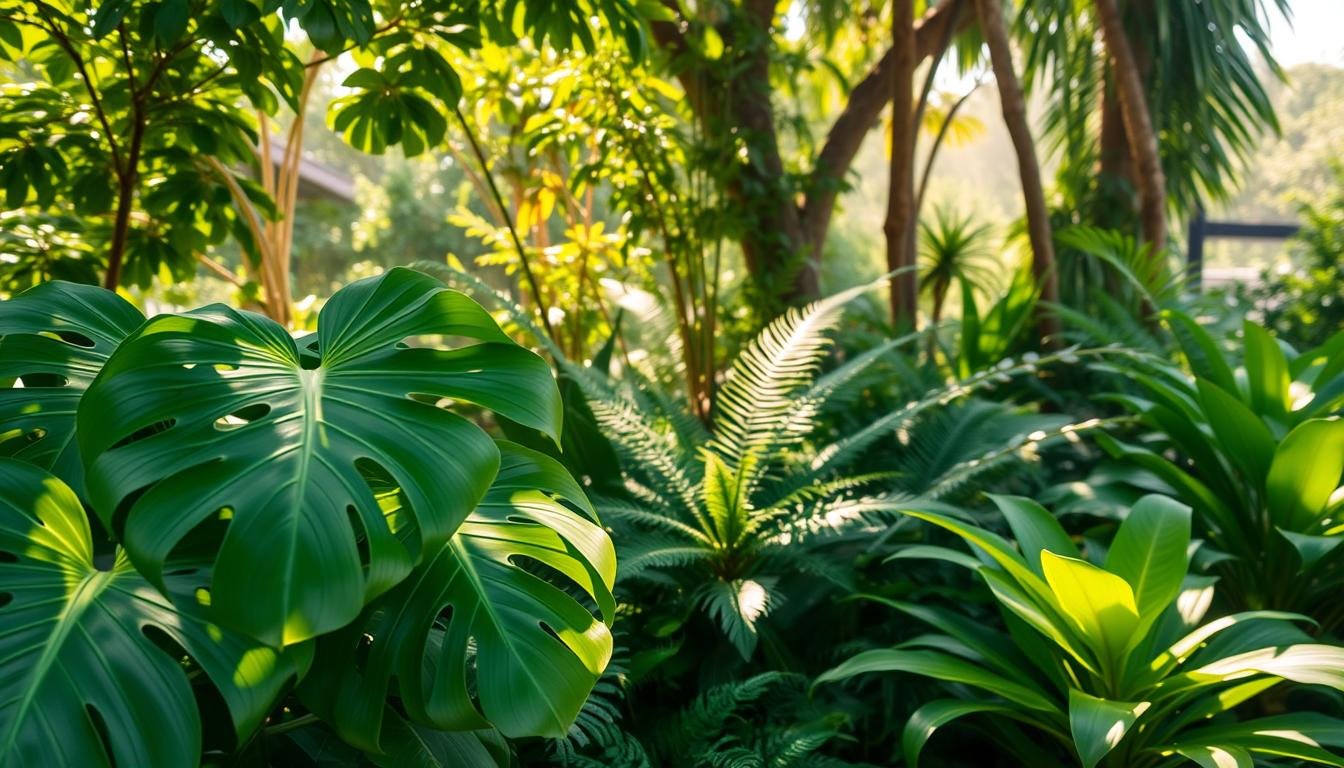
If you remember one care rule, make it this: Monstera wants bright indirect light. Not deep shade. Not blistering sun. Not “it’s in the room, so it gets light.” It grows best where it receives plenty of brightness without long stretches of harsh direct exposure that can scorch foliage. (RHS)
This is where many beginner guides get too vague. Saying Monstera “tolerates low light” is technically true, but that is survival language, not growth language. In lower light, Monsteras often become leggy, produce smaller leaves, space out their stems, and delay or reduce fenestration. The plant may stay alive, but it will not look like the full, dramatic specimen most people want. (Penn State Extension)
There is also nuance inside the “indirect light” rule. Gentle morning sun can be fine, especially indoors where window glass and distance soften intensity. Aggressive afternoon sun, especially in hot seasons, is more likely to bleach or burn leaves. Variegated cultivars usually need more light than darker green forms because they have less chlorophyll to work with. (Plant Toolbox)
Where to Place a Monstera Indoors
A good beginner placement is a few feet back from a bright east-, south-, or west-facing window, with sheer filtering if the light is intense. You want the room to feel bright for most of the day. If you can comfortably read there without turning on lamps in daylight, you are in the right range. If the corner feels dim, your Monstera will probably tell you by stretching and slowing down. (The Spruce)
The easiest practical test is behavioral, not theoretical. If new leaves arrive smaller than older ones, stems lean hard toward the window, or the plant stops producing mature-looking leaves, increase light first before changing five other variables. Plenty of people overwater a plant that is actually light-starved because slow growth keeps the soil wet longer. That is why light and watering cannot be treated as separate topics. (The Spruce)
If your home is genuinely dark, use a grow light. That is not “cheating.” It is matching the environment to the plant. A grow light is often a better fix than repeatedly moving the plant from one mediocre window to another and hoping personality will compensate for physics. (The Spruce)
Watering: How to Get It Right Without a Strict Schedule
The right watering advice for Monstera is not “water every Tuesday.” It is water thoroughly, then wait until the top layer of the potting mix dries before watering again. Sources vary slightly on depth, but the common thread is clear: do not keep the mix constantly wet, and do not let the plant sit in standing water. Indoors, the exact timing changes with light, temperature, humidity, pot size, and soil chunkiness. (RHS)
This is why fixed schedules fail beginners. A Monstera in bright light and airy mix may need water far sooner than one in dense soil in a dim corner. Watering “once a week” can be perfect in July and a root-rot strategy in winter. The plant does not care about your calendar. It cares about oxygen at the roots and usable moisture in the mix. (RHS)
When you water, commit. Saturate the potting mix until excess runs from the drainage holes, then let excess drain away. Shallow sips encourage uneven moisture and weak root behavior. Deep watering followed by partial drying produces a healthier rhythm and makes the plant easier to read. (The Spruce)
RHS advises allowing the compost to become almost dry before watering thoroughly, then reducing water slightly in winter. North Carolina Extension says to water thoroughly and then let the top quarter to one-third dry between waterings. Those are not contradictory. They are both saying the same thing in practical terms: avoid constant wetness. (RHS)
Signs of Overwatering vs Underwatering
Overwatering is the most common Monstera mistake because it is driven by good intentions. The leaves look dramatic, so people assume the plant must be thirsty all the time. In reality, yellowing leaves, limp growth, and persistent wet soil often point to too much moisture, especially if the potting mix is dense or the pot lacks drainage. Paris Lalicata, quoted by Better Homes & Gardens, points to moisture imbalance as a major driver of yellowing, with overwatering being one of the biggest mistakes growers make. (Better Homes & Gardens)
Underwatering looks different. The plant may droop, leaf edges may crisp or brown, and the pot can become so dry that water races straight through without rewetting the root ball well. Underwatered leaves often show dryness at the margins before broader yellowing sets in. That is useful because it helps you avoid treating every yellow leaf like root rot. (Better Homes & Gardens)
Here is the practical difference:
| Symptom | More Likely Overwatering | More Likely Underwatering |
|---|---|---|
| Soil stays wet for days | Yes | No |
| Yellow leaves all over | Common | Possible later |
| Crispy brown edges | Less common | Common |
| Mushy roots or smell | Common | Rare |
| Wilting with wet soil | Common | Rare |
| Wilting with bone-dry soil | Rare | Common |
When in doubt, check the soil and roots before changing your routine. Guessing from leaves alone is how people swing from overwatering to underwatering and back again. (Better Homes & Gardens)
Soil and Pot Choice: Build the Root Zone First
If you want easier Monstera care, focus on the root zone before you obsess over fertilizer or humidity hacks. Monstera wants a well-draining, airy mix that holds some moisture but does not stay heavy. The best beginner-friendly formula is a quality indoor potting mix improved with ingredients like orchid bark and perlite to increase aeration and drainage. (The Spruce)
The reason is simple. Monsteras are climbing aroids, not swamp plants. Their roots want moisture and oxygen at the same time. Dense, waterlogged soil crowds out air, slows root function, and increases the risk of rot, especially in low light or cool conditions. That is why a chunky mix often fixes “watering problems” without you changing the watering frequency much at all. (Better Homes & Gardens)
Pot choice matters just as much. Use a pot with drainage holes. Decorative outer pots are fine, but only if you remove excess water after watering. A beautiful pot that traps runoff becomes a silent problem because the plant keeps reabsorbing what should have drained away. (The Spruce)
If you want a simple working recipe, use something in this range:
| Component | Why It Helps |
|---|---|
| Indoor potting mix | Base moisture retention and structure |
| Orchid bark | Chunkiness and root aeration |
| Perlite | Drainage and oxygen flow |
| Optional coco coir | Moisture buffering without heaviness |
You do not need a laboratory blend. You need a mix that drains faster than regular dense bagged soil and gives roots room to breathe. (The Spruce)
Humidity and Temperature: What Matters and What Doesn’t
Monstera is tropical, so yes, it likes warmth and humidity. RHS recommends temperatures around 18–25°C (65–77°F), while NC State notes a warm range of roughly 60–85°F and high humidity. Those ranges tell you the same thing: keep it warm, stable, and away from cold drafts or temperature swings. (RHS)
Humidity is one of those topics that gets oversold online. Monsteras can tolerate average home humidity better than many beginners fear, but they usually grow better and look cleaner in moderate to higher humidity. Low humidity can contribute to brown edges and slower, less lush growth. Higher humidity will not fix bad light or wet roots, but it can improve the margin for success. (RHS)
If your home is very dry, use a humidifier or place the plant near other plants to create a better microclimate. NC State also notes pebble trays as a possible humidity aid. Misting gets talked about a lot, but it is usually a weak primary strategy because the effect is brief and inconsistent. Solve the room, not just the leaf surface. (Plant Toolbox)
One more thing: keep your Monstera away from blasting AC vents, heaters, and doors that open to cold air. A healthy plant can handle small fluctuations. Repeated stress from drafts, temperature drops, or heat blasts chips away at resilience and makes every other issue harder to diagnose. (RHS)
Moss Poles, Stakes, and Support: Why Climbing Changes Everything
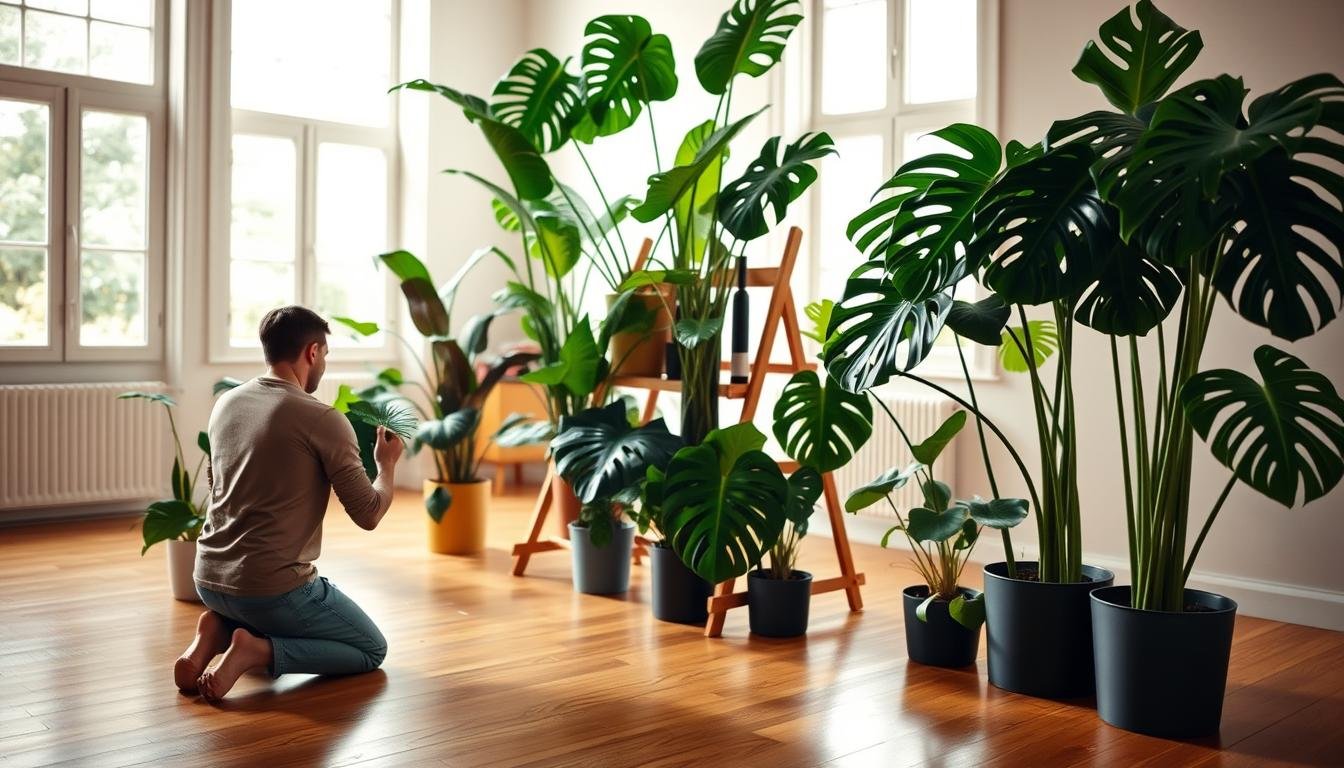
This is where a decent Monstera becomes a great one. Monstera deliciosa is a climber, and giving it vertical support changes how it grows. RHS says Swiss cheese plants benefit from being tied onto a moss pole, and once the plant feels like it is climbing, it often produces larger, more mature leaves with more holes, known botanically as fenestrations. (RHS)
That means a moss pole is not just aesthetic. It is a growth strategy. Unsupported Monsteras often sprawl, lean, and produce a less upright, less mature look. Supported Monsteras usually look more intentional, take up space better, and have a better chance of giving you the dramatic leaf progression people chase. (RHS)
NC State goes even more practical: sturdy support is necessary to prevent stems from breaking. That matters because mature Monsteras get top-heavy fast. If you wait until the plant is already pulling sideways and snapping petioles against furniture, you waited too long. The easiest time to install support is when the plant is still manageable. (Plant Toolbox)
Aerial roots are part of this story, too. They are not a sign that the plant is failing. They are part of how it climbs and stabilizes itself. You can guide them into the pole or let them hang if they are not causing problems. Treat them like useful growth structures, not defects to panic-prune on sight. (Plant Toolbox)
Fertilizing: How to Feed Growth Without Burning Roots
Monstera is not a heavy-feeding diva, but it does respond well to nutrition during active growth. RHS recommends a balanced liquid fertilizer during the growing season, from April to September, while The Spruce notes balanced fertilizer a few times per year as a workable baseline. The practical takeaway is not “feed constantly.” It is “feed during active growth, and back off when growth slows.” (RHS)
The easiest beginner mistake here is overfertilizing because you want faster growth. More fertilizer does not force a plant to outgrow weak light, bad roots, or winter dormancy-like slowdown. It can build up salts in the soil, stress roots, and contribute to yellowing or burn. That is why feeding should always sit downstream of light, soil, and watering—not replace them. (Better Homes & Gardens)
A sensible routine is diluted feeding during spring and summer, then little to none during slower months unless your plant is still actively growing under strong light. If the plant is pale and growth has stalled, fix the environment first. Fertilizer is the accelerator. It is not the engine. (RHS)
Repotting: When, Why, and How to Move Up Pot Sizes
Monsteras do not need constant repotting, but they do eventually outgrow their containers. NC State recommends pruning or repotting in spring, which makes sense because the plant is entering stronger growth and can recover faster. Repotting is most useful when roots are crowding the pot, growth is slowing despite good care, or the soil has broken down into a dense, tired mass that stays wet too long. (Plant Toolbox)
Beginners often repot too aggressively. A massive pot upgrade feels generous, but it can backfire because too much extra soil holds too much water around a not-yet-expanded root system. Go up one pot size, not three. Give the roots a little room, fresh structure, and better aeration rather than a giant wet apartment they cannot occupy yet. (Better Homes & Gardens)
Repotting is also the best time to inspect roots. Healthy roots are firm and lighter in color. Rotten roots are mushy, dark, and sometimes smelly. If you find rot, trim damaged roots, refresh the mix, and tighten up the watering-light balance afterward. Repotting alone is not the fix if the original environment stays wrong. (Better Homes & Gardens)
A useful repotting checklist looks like this:
- Water lightly the day before if the root ball is extremely dry.
- Remove the plant gently and inspect roots.
- Trim rotten roots if needed.
- Move into a pot only slightly larger.
- Replant in a chunky, well-draining mix.
- Water thoroughly and let excess drain.
That is enough. You do not need a ritual. You need good timing and a better root environment. (Plant Toolbox)
Pruning, Cleaning, and Routine Maintenance
Most Monstera maintenance is simple and occasional. NC State recommends wiping dust from the leaves regularly, and that is more useful than it sounds. Dust dulls the look of the plant and reduces the leaf surface’s ability to capture light efficiently. On a plant grown primarily for its foliage, dirty leaves are wasted performance and wasted beauty. (Plant Toolbox)
Pruning is mostly about shape, size control, or removal of damaged foliage. RHS notes that if you cut a plant back hard in spring, the new stems it produces may temporarily carry smaller, less mature leaves with fewer holes until it settles again. That is worth knowing because some beginners prune for neatness, then think they ruined the plant when the next leaf looks juvenile. You did not ruin it. You reset part of its momentum. (RHS)
Routine maintenance also means rotating the plant if it is leaning toward one-sided light, checking under leaves for pests, and making sure support ties are not cutting into stems. None of this is hard. The value is in consistency. Five minutes every week is better than a two-hour rescue after two months of ignoring it. (Better Homes & Gardens)
Propagation: The Beginner-Friendly Way to Make New Plants
Monstera is one of the more satisfying houseplants to propagate because the structure is easy to understand. RHS says it is easily propagated by stem cuttings from spring to late summer, and the cuttings can be rooted in water in a bright location before potting up. NC State also lists stem cutting and layering as viable methods. (RHS)
The key is the node. If you cut only a leaf with no node, you do not have a viable propagation that can make a new plant. You need a section of stem that includes a node, ideally with an aerial root or clear growth point. That is the difference between a decorative cutting and an actual future plant. (RHS)
Water propagation is beginner-friendly because it lets you watch root development. Once the cutting has a solid set of roots, pot it into an airy mix and keep conditions stable while it transitions. Expect a little slowdown at first. Propagation is not hard, but it still takes patience. (RHS)
Common Monstera Problems and How to Fix Them
Most Monstera problems come from a small set of causes: incorrect watering, poor drainage, insufficient light, pests, nutrient imbalance, or natural aging. That is useful because it narrows your troubleshooting. You do not need twenty theories. You need a short list and a logical order. Better Homes & Gardens summarizes the main causes of yellowing as too much water, poorly draining soil, too little water, insufficient light, pests, fertilizer excess, poor nutrition, and age. (Better Homes & Gardens)
The best troubleshooting sequence is this: check soil moisture, check light, inspect roots if needed, inspect leaves and nodes for pests, then think about fertilizer. Most people reverse that order. They reach for plant food or random sprays before asking whether the pot has become a swamp in a dark corner. Diagnosis before action beats enthusiasm every time. (Better Homes & Gardens)
Yellow Leaves: The Most Common Warning Sign
A yellow Monstera leaf is not always a crisis, but it is always information. A single older leaf yellowing slowly on an otherwise vigorous plant can be normal aging. Multiple leaves yellowing, especially with wet soil or stalled growth, is much more likely to signal a care problem. Paris Lalicata notes that many yellowing issues connect back to moisture, either too much or too little. (Better Homes & Gardens)
If the soil is wet and the plant is yellowing, assume overwatering or poor drainage until proven otherwise. If the soil is dry and leaf edges are brown and crisp, underwatering becomes more likely. If the plant is pale, stalled, and reaching, low light may be the hidden driver behind everything else. That is why yellow leaves are a symptom, not a diagnosis. (Better Homes & Gardens)
One of the most useful fixes is to reduce complexity. Instead of changing water, fertilizer, light, humidity, and pot all at once, change the variable most strongly supported by evidence. Wet soil? Fix drainage and watering. Dim placement? Increase light. Visible pests? Treat pests. Clean diagnosis is faster than plant-care roulette. (Better Homes & Gardens)
Brown Spots, Drooping, Small Leaves, and No Fenestrations
Brown spots can come from leaf damage, inconsistent watering, low humidity, sun scorch, or disease-related issues tied to overly wet conditions. Drooping often points to either thirst or root stress; the soil tells you which. Small leaves and lack of splitting usually mean the plant is immature, underlit, unsupported, or some combination of all three. (RHS)
If your Monstera has not fenestrated, do not obsess over secret tricks. The big drivers are maturity, light, and climbing support. RHS explicitly connects climbing support with larger, more mature leaves and more holes. That means the fix is usually better conditions over time, not a magic fertilizer or pruning hack. (RHS)
Pests are worth checking for whenever multiple leaves decline quickly or the plant loses vigor without an obvious watering issue. Better Homes & Gardens highlights common culprits like aphids, spider mites, scale, and mealybugs, which weaken foliage by feeding on sap. Look under leaves and around new growth points. The sooner you catch them, the easier the cleanup. (Better Homes & Gardens)
Conclusion
Beginner Monstera care gets dramatically easier once you stop treating the plant like a mystery and start treating it like what it is: a tropical climbing aroid with clear environmental preferences. Give it bright indirect light, an airy mix, a proper wet-dry watering rhythm, warmth, and support, and it will usually meet you more than halfway. Miss those basics, and no amount of misting, fertilizer, or wishful thinking will fully compensate. (RHS)
That is the real beginner advantage here. Monstera is not hard because it is fussy. It is hard only when care advice gets too vague. Once you learn to read light, soil moisture, and growth signals, the plant becomes straightforward, rewarding, and honestly pretty fun to grow. (The Spruce)
FAQs
How often should I water a Monstera deliciosa?
Water when the top portion of the potting mix has dried rather than on a fixed calendar. RHS advises letting the compost become almost dry before watering thoroughly, while NC State recommends allowing roughly the top quarter to one-third of the mix to dry. In practice, that may mean every several days in bright summer conditions or much less often in winter. (RHS)
Does Monstera deliciosa need direct sunlight?
No. It grows best in bright indirect light and can burn in prolonged harsh direct sun, especially in summer. Gentle direct morning light is often tolerated, but strong afternoon exposure is riskier and usually unnecessary indoors. (The Spruce)
Why are my Monstera leaves not splitting?
Usually because the plant is still immature, not getting enough light, or not climbing. RHS notes that when the plant feels it is climbing, it often produces larger, more mature leaves with more holes. If you want better fenestration, improve light and add support before assuming something is wrong. (RHS)
Is Monstera deliciosa toxic to cats and dogs?
Yes. ASPCA lists Monstera deliciosa as toxic to cats and dogs due to insoluble calcium oxalates, which can cause oral irritation, drooling, vomiting, and difficulty swallowing. Keep it out of reach of pets that chew foliage, and contact a veterinarian promptly if ingestion happens. (ASPCA)
Should I use a moss pole for my Monstera?
Yes, if you want a healthier shape and more mature-looking growth. Monsteras are climbers, and both RHS and NC State support giving them sturdy support; RHS specifically notes that climbing support can encourage larger leaves with more fenestration. A moss pole is not mandatory for survival, but it is one of the best upgrades you can make for long-term form and performance. (RHS)