Table of Contents
What a pebble tray is actually supposed to do
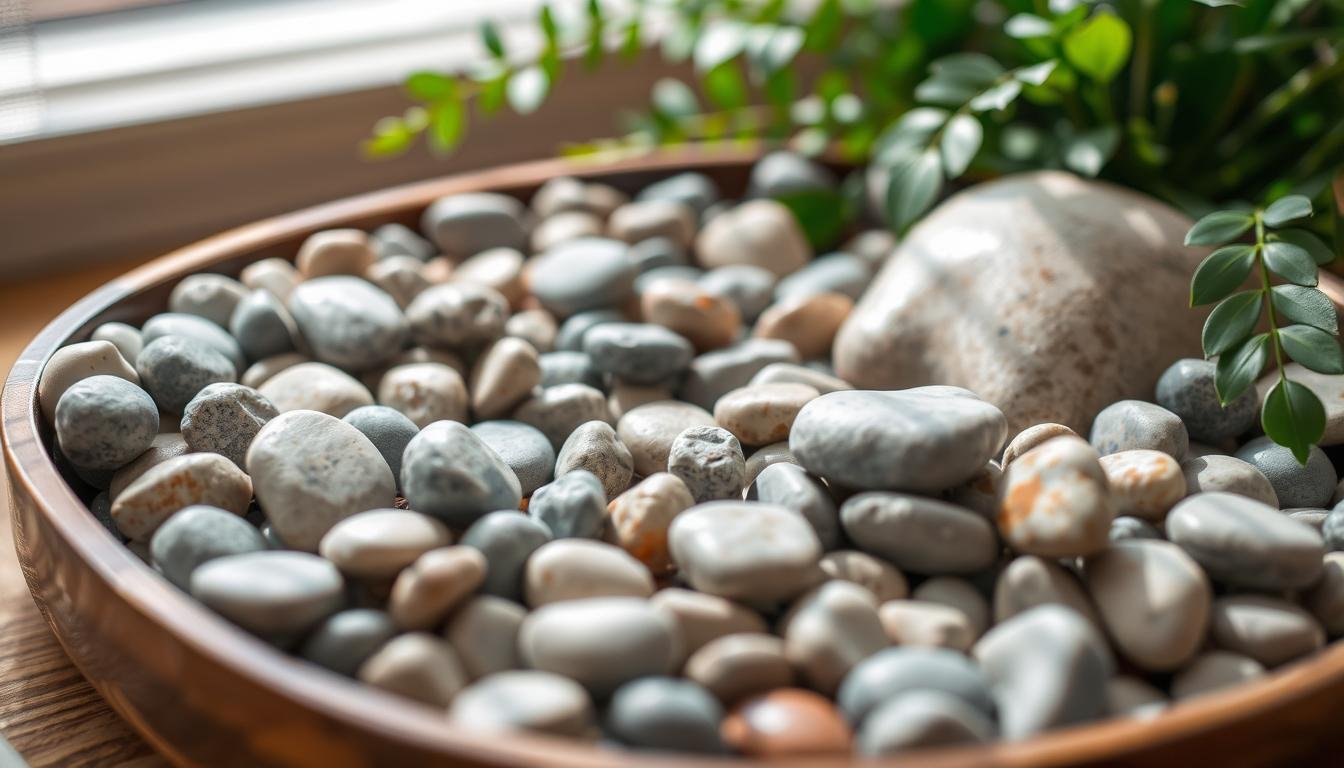
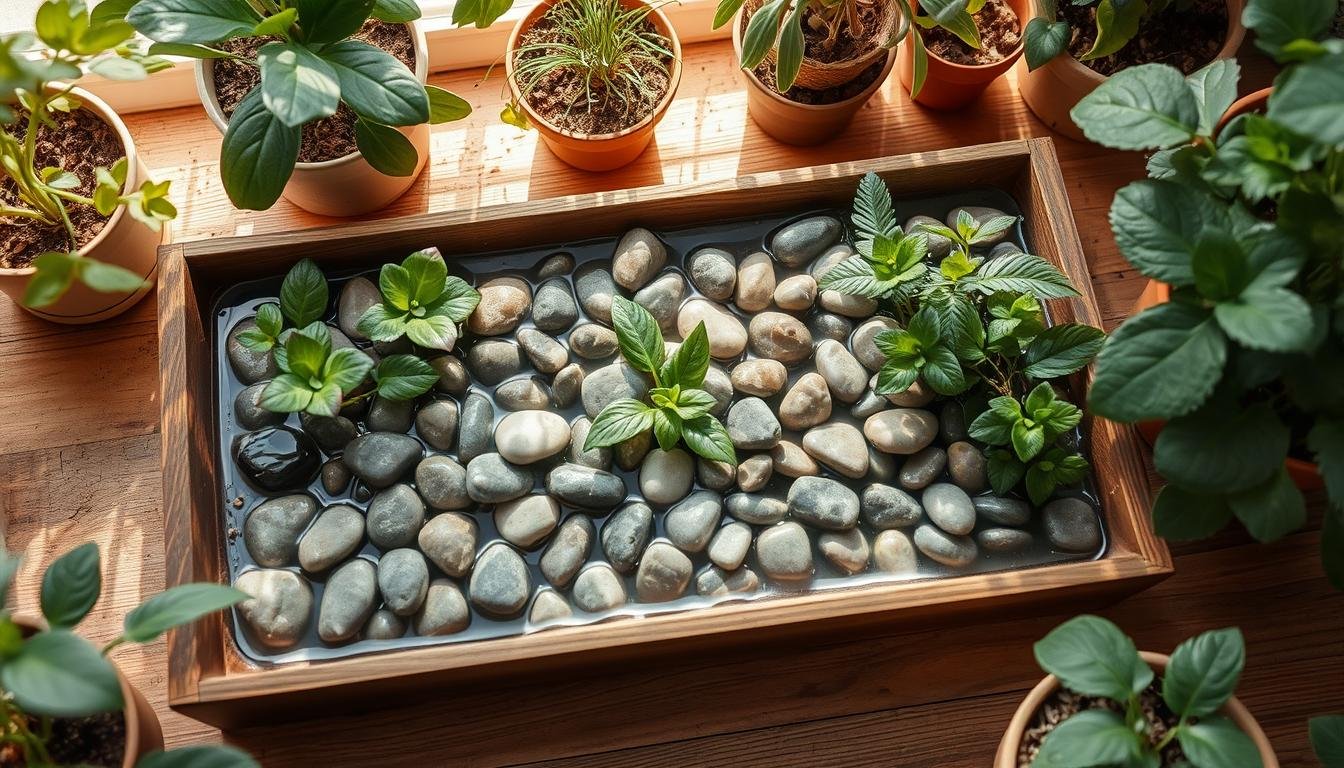
A pebble tray is simple: a shallow tray holds pebbles and a small amount of water, and the plant sits above the waterline so the pot is not soaking in it. The theory is that as water evaporates, it raises moisture in the air around the plant. That basic idea is real enough. Water does evaporate, and that evaporation can increase humidity right above the tray. The problem is what people assume happens next. A tiny bump in moisture near the tray is not the same thing as a meaningful, reliable fix for a dry room or a stressed plant. (RHS)
Why pebble trays became such standard houseplant advice
Pebble trays became popular because they are cheap, easy, and harmless when set up correctly. They also fit the way plant advice spreads: one person repeats a tip, it sounds logical, and soon it becomes “standard care” for every tropical houseplant on the internet. That explains why reputable sources still mention them alongside grouping plants or placing them on moist gravel, even while newer explainers and measured observations question how much difference they make in real rooms. The gap is not really about whether evaporation exists. It is about scale. How much moisture does a small tray add, how far does it travel, and is that enough to matter for the plant in front of you? (RHS)
Myth 1: Pebble trays dramatically raise humidity
This is the myth that causes most of the confusion. A pebble tray does not dramatically raise humidity across a room, and often it does not raise humidity enough at leaf level to change outcomes in a meaningful way. Measurement-based commentary cited in current results puts the effect at only a few percentage points close to the tray and essentially gone farther away. Better Homes & Gardens makes the same practical point in fresher coverage: trays are most useful, if at all, for small, low-growing plants, while larger plants gain little because air circulation disperses moisture. (The Sill)
That does not mean every pebble tray is pointless. It means you should stop expecting room-level results from a very small water source. If your indoor air is sitting at 25% to 35% relative humidity in winter, a tray under one plant is not going to turn that corner by itself. University and extension guidance on houseplants generally puts most common plants in roughly the 40% to 60% humidity range, with many tropicals preferring more. A tray may help a little at the margins, but “a little” and “enough” are not the same thing. (Extension | University of New Hampshire)
Myth 2: If a tray evaporates water, your plant is fixed
Evaporation is not a magic repair system. Plants do not improve just because some water leaves a tray and enters the air. A stressed plant can be dealing with low light, inconsistent watering, salt buildup, cold drafts, root damage, overfertilizing, or pests. Brown tips are a perfect example. Iowa State notes that inconsistent watering and excess fertilizer salts are common reasons leaf edges and tips turn brown. So when a tray fails to “fix” brown tips, the tray may not be the problem at all. The diagnosis was wrong. (Yard and Garden)
This matters because humidity gets blamed for everything. A calathea with crisp edges might be reacting to dry air, but it might also be reacting to poor watering rhythm, mineral-heavy water, or temperature stress. A peace lily with brown tips may need better moisture management before it needs more humidity. The fastest way to waste months in plant care is to grab the most aesthetic solution before checking the most likely cause. Pebble trays are often that aesthetic solution. (Yard and Garden)
Myth 3: Pebble trays and misting do basically the same job
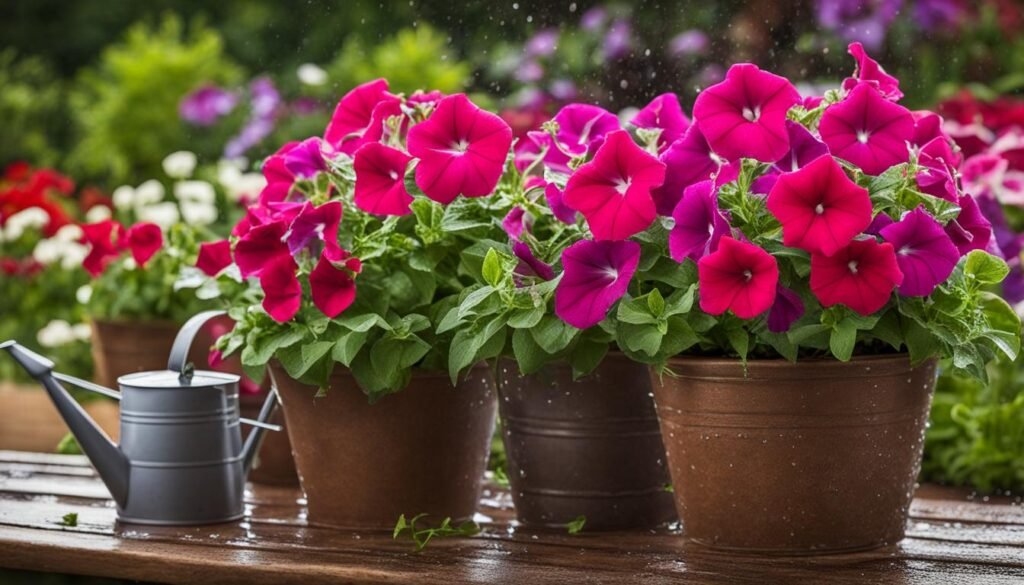
They do not. Misting puts droplets on leaves and briefly raises humidity until those droplets evaporate. Penn State says that rise lasts only until the water evaporates, which can happen in minutes, and Iowa State says misting would need to be done several times a day to be effective for humidity. Pebble trays are more passive and more stable than misting, but they are still limited. So if you are comparing the two honestly, the better framing is this: misting is very temporary, while pebble trays are somewhat steadier but still usually modest in effect. Neither is a substitute for actually changing the room’s humidity when that is what the plant needs. (Penn State Extension)
There is another difference people miss. Misting can leave water sitting on leaves, crowns, or fuzzy foliage, which can increase disease risk in some plants. Florida IFAS cautions against misting velvety leaves such as African violets for that reason. So the choice is not simply “both raise humidity, pick whichever you like.” One method is fleeting and can create leaf-surface issues; the other avoids wetting leaves but may still be too weak to solve the actual problem. (What’s Happening Around Florida)
Myth 4: Every tropical plant needs a pebble tray
A lot of tropical houseplants prefer higher humidity, but that does not mean every tropical houseplant needs a tray to survive indoors. University of New Hampshire notes that most houseplants prefer about 40% to 60% relative humidity, while many tropical species thrive higher. The Sill also notes that many common houseplants do fine within roughly 30% to 50% home humidity, though sensitive species may prefer 60% or more. In practice, plenty of pothos, philodendrons, monsteras, snake plants, and peace lilies live perfectly decent lives in average homes without special trays under them. (Extension | University of New Hampshire)
Where people get tripped up is by treating all tropical plants as equal. They are not. A fittonia, selaginella, or finicky calathea is not the same as a pothos that can shrug off average indoor air. A fern with thin, delicate foliage reacts differently from a tough aroid with thicker leaves. If you lump them together, you either overcomplicate care for easy plants or underdeliver for genuinely humidity-sensitive ones. Pebble trays make the most sense at the sensitive end of that spectrum, not as a blanket rule for everything green and vaguely tropical. (Better Homes & Gardens)
Myth 5: Brown leaf tips always mean low humidity
This myth survives because it feels intuitive. Dry-looking tips must mean dry air, right? Sometimes, yes. Often, no. Iowa State points to inconsistent watering and excess fertilizer salts as common causes of brown tips and edges. Recent plant-care coverage also keeps circling back to the same pattern: brown tips are a symptom, not a diagnosis. Humidity can be one factor, but so can underwatering, overwatering, poor roots, draft stress, or mineral accumulation from water and fertilizer. (Yard and Garden)
So if you add a pebble tray and nothing changes, that does not prove pebble trays are fake. It may just mean your plant never had a humidity problem in the first place. Before you try to humidify anything, check soil moisture habits, fertilizer strength, water quality, pot drainage, and exposure to heating vents or direct sun. The tray should come after the diagnosis, not before it. (Yard and Garden)
Myth 6: A pebble tray can replace a humidifier
This is where the comparison gets easy. If your goal is to raise humidity consistently in a real, measurable way, a humidifier is the stronger tool. Costa Farms says it plainly: a humidifier is the most effective way to raise humidity consistently. Better Homes & Gardens reaches the same conclusion and recommends humidifiers when you want humidity over a larger area rather than a tiny zone near one plant. Pebble trays may help a bit near small plants. Humidifiers change the environment. Those are different jobs. (Costa Farms)
That does not automatically mean you should buy one. Plenty of homes do not need extra humidity, and plenty of plants do not either. But if you are trying to support a cluster of humidity-sensitive plants through a dry winter, or if your hygrometer keeps reading well below what those plants prefer, the tray-versus-humidifier debate is mostly over. The humidifier wins on consistency, range, and measurable impact. (The Sill)
Myth 7: Bigger plants benefit just as much as smaller ones
They usually do not. The recent Better Homes & Gardens explanation is useful here because it cuts through the vague language: pebble trays work best for small, low-growing plants. That makes sense. A low plant with foliage close to a broad tray has a better chance of sitting within whatever tiny humidity bump exists. A taller plant with leaves far above the tray is simply farther from the effect, and moving air disperses moisture fast. (Better Homes & Gardens)
This is why some growers swear by trays while others call them nonsense. They may both be telling the truth from different setups. A compact fittonia in a wide tray may get some benefit. A waist-high bird of paradise perched over a saucer of pebbles is mostly getting decoration. Size, canopy spread, airflow, and tray width change the outcome. Once you see that, the conflicting advice online starts to make more sense. (Costa Farms)
Myth 8: Any tray setup is fine as long as there is water
Setup matters more than people think. The pot should sit above the waterline, not in the water, or you risk the potting mix wicking up moisture and staying too wet. Multiple reputable guides make that point clearly, including Minnesota Extension and Better Homes & Gardens. A tray that is too small also undercuts the whole premise because there is less evaporative surface area and less chance of creating even a modest microclimate. (University of Minnesota Extension)
The right way to set up a pebble tray
If you want to use one, set it up properly. Use a wide, shallow tray, add clean pebbles or LECA, and pour in water only to just below the top of the stones so the pot base stays dry. Refill as needed, but clean the tray often enough that you do not end up with algae, mineral crust, or stale water. If the tray sits under one plant, it should ideally extend beyond the plant’s base rather than matching it exactly. That gives the setup its best shot at creating a small local effect instead of just looking like a stylish coaster. (Better Homes & Gardens)
Myth 9: Pebble trays are risk-free
They are low-risk, not risk-free. The big mistake is letting the pot sit in water and then wondering why the soil stays wet too long. That can contribute to root stress and the same overwatering problems people were trying to avoid. Another issue is hygiene. Standing water, plant debris, and constantly damp surfaces can become a magnet for nuisance problems if you never clean the setup. The tray itself is not dangerous, but neglected trays are not as innocent as plant content often makes them sound. (Better Homes & Gardens)
Where fungus gnats, mineral residue, and root problems show up
Fungus gnats are strongly associated with chronic moisture and overwatered houseplants, according to Penn State and Wisconsin horticulture sources. A pebble tray is not automatically a fungus gnat factory, but a messy, wet setup around already soggy plants does not help. Add hard water and you can also end up with mineral residue on pebbles and trays, which is mostly cosmetic but a sign the setup needs maintenance. The real lesson is simple: a pebble tray should never become an excuse to keep the whole plant system wetter than it needs to be. (Penn State Extension)
Myth 10: If your room is dry, pebble trays are the best first fix
Usually they are not. The best first fix is measurement. Use a hygrometer and find out what the room is doing before you start improvising. If the room is already sitting in a workable range for the plants you own, humidity may not even be the issue. If it is genuinely dry, then you can pick the smallest effective intervention instead of guessing. That is a smarter path than adding trays to every pot and hoping one of them solves something. (The Sill)
There is also a human-comfort angle here that gets overlooked. Indoor guidance commonly places home humidity somewhere around 30% to 50%, while many houseplants do fine in that band and only some humidity-sensitive species demand more. So the presence of dry indoor air does not automatically mean every plant in the room is in trouble. It means you should match the fix to the plant, not to the anxiety. (The Sill)
What works better than pebble trays when humidity is the real issue
When low humidity is genuinely the problem, the better tools are the ones that change conditions consistently. A humidifier does that best. Grouping plants can help create a milder shared microclimate because plants release moisture through transpiration, and RHS still recommends grouping and moist gravel or hydroleca for improving local humidity. Bathrooms and kitchens can work for some plants if they also offer enough light. Small terrariums or enclosures can be very effective for the right species because they actually trap moisture instead of letting it diffuse into the whole room. (Costa Farms)
Humidifiers, grouping, placement, and enclosures
Each option solves a different scale of problem. If one fern is crisping on a shelf, changing placement or using a small enclosure may be enough. If a whole cluster of calatheas, fittonias, and ferns is struggling through heated winter air, a humidifier is more realistic. Grouping plants sits in the middle: not as strong as a humidifier, but often more useful than a tray under a single pot. The key is to stop treating all humidity hacks as interchangeable. They are not. Some change the room, some change a small zone, and some barely move the needle at all. (RHS)
Which plants may still benefit from a pebble tray
This is the part most myth-busting articles rush past. A pebble tray may still be worth using for small, humidity-loving, low-growing plants, especially when the tray is broad and the foliage sits close to it. Better Homes & Gardens specifically points to small plants such as fittonia and creeping ficus as better candidates than large houseplants. That is a useful distinction because it moves the conversation from “Do they work?” to “For which plants, in what setup, and compared with what alternative?” (Better Homes & Gardens)
There is also a non-humidity case for using them: they can keep a decorative pot or saucer tidy, elevate the pot above runoff, and look better than a bare plastic tray. That is not plant science. It is just practical living. If you like the look, keep the setup clean, and understand that it is a modest helper rather than a miracle tool, there is no reason to ban pebble trays from your home. What deserves to go is the myth that they are a universal cure. (Better Homes & Gardens)
How to decide whether a pebble tray is worth using in your home
Use a pebble tray when the cost is low, the setup is easy, and the plant is small enough that a local humidity bump might matter. Skip it when you are trying to rescue a large plant in a very dry room, fix chronic brown tips without diagnosing the cause, or avoid buying a humidifier that you probably need. Check the room with a hygrometer, look honestly at your plant size and species, and ask a blunt question: am I trying to create a slight local improvement, or am I trying to solve a real humidity deficit? If it is the second one, the tray is probably too small a tool for the job. (The Sill)
The best plant advice is usually less dramatic than the internet wants it to be. Pebble trays are not total nonsense. They are just oversold. Use them as a minor supporting tactic, not as the centerpiece of plant care, and they make a lot more sense. (The Sill)
Conclusion
The biggest pebble tray myth is not that trays do nothing. It is that they do enough to deserve their reputation. In reality, they sit in a narrow middle ground: real evaporation, small local effect, limited reach, and highly variable payoff depending on plant size, tray size, airflow, and room conditions. That makes them useful in some setups, underwhelming in many others, and misleading when presented as a cure-all for tropical houseplants. (The Sill)
If you want better results, think in this order: identify the actual problem, measure the room, match the fix to the species, and use the strongest tool the situation calls for. Sometimes that tool is a humidifier. Sometimes it is better watering discipline, less fertilizer, or moving the plant away from a vent. Sometimes a well-set-up tray under a small fern is perfectly fine. What matters is dropping the myth and keeping the nuance. That is how plant care gets easier and more effective. (Yard and Garden)
FAQs
Do pebble trays work for calatheas?
They can help a little, but they are rarely enough on their own if your room is very dry. Calatheas are among the houseplants more likely to react to low humidity, so a tray may serve as a minor support tool, while a humidifier or a better microclimate usually has more impact. (Extension | University of New Hampshire)
Can I use LECA instead of pebbles in a humidity tray?
Yes. RHS specifically mentions hydroleca, and the principle is the same: the plant sits above the water while moisture evaporates from the tray. What matters more than the material is keeping the pot out of standing water and keeping the tray clean. (RHS)
How often should I refill and clean a pebble tray?
Refill it whenever the water level drops below usefulness, and clean it often enough that you do not get algae, mineral crust, or stale water buildup. Recent pebble tray guidance from Better Homes & Gardens also stresses regular refilling and cleaning as part of proper use. (Better Homes & Gardens)
Are pebble trays bad for succulents and cacti?
Usually they are unnecessary. Many dry-climate plants prefer lower humidity than tropical foliage plants, so adding trays under them solves a problem they often do not have. Use one only if you have a separate practical reason for the tray, not because desert plants need extra moisture in the air. (Extension | University of New Hampshire)
Should the bottom of the pot touch the water?
No. The pot should sit above the waterline. If the base of the pot touches water, the growing medium can wick it up and stay too wet, which raises the risk of root issues instead of improving plant health. (University of Minnesota Extension)