Table of Contents
Is Monstera Delicosa and Indoor plant? The short answer
Yes. Monstera is absolutely an indoor plant. More precisely, Monstera deliciosa and a few related species are widely grown as houseplants because they adapt well to indoor temperatures, indirect light, and container growing. The Royal Horticultural Society says only a couple of Monstera species are commonly grown as houseplants, with Monstera deliciosa being the most popular by far, and describes it as a dramatic indoor focal plant that thrives in warmth, humidity, and indirect light. (RHS)
That said, there is a difference between “can live indoors” and “will thrive indoors.” Monstera can survive in average homes, but it looks its best when you give it conditions that mimic its natural habitat: warm air, decent humidity, bright filtered light, and something to climb. If you stick it in a dark corner and water it on autopilot, it will stay alive longer than some fussy plants, but it will not become the lush, split-leaf showpiece people actually want. (RHS)
This is also why the search intent behind this topic is broader than the headline question. People do not just want a yes or no. They want to know whether Monstera is a smart indoor choice, where it should go, how hard it is to keep happy, and what problems show up once the novelty wears off. That is where the real answer lives.
What Monstera actually is
Monstera is a tropical climbing plant from the Americas, not a compact tabletop plant by nature. The RHS describes it as coming from tropical forests in southern Mexico and South America, where it grows like a vine and climbs trees to reach light. Missouri Botanical Garden also identifies Monstera deliciosa as a climbing evergreen perennial vine native to Mexico and Central America, with aerial roots and large perforated leaves. (RHS)
That native habit matters because it explains almost every indoor care rule. Monsteras are not built for hot afternoon sun blasting through glass, but they are also not true low-light cave plants. They evolved under brighter filtered canopy light, with moisture in the air and physical support nearby. When you understand that, “Monstera care” stops feeling like a random list of instructions and starts making sense. (RHS)
They are also bigger and more architectural than many first-time buyers expect. Missouri Botanical Garden notes that while the species can climb to around 70 feet in tropical habitat, indoor plants are more typically grown in the 6–8 foot range. The RHS similarly says a houseplant Monstera can eventually reach several metres tall unless pruned, which is great if you want a statement plant and not great if you bought it for a tiny shelf. (Missouri Botanical Garden)
Monstera’s indoor popularity is not just anecdotal, either. The National Garden Bureau named 2025 the Year of the Monstera, calling it “the world’s most iconic indoor plant,” a strong signal that the plant still has major cultural and commercial relevance in the houseplant space. That does not prove it is the best plant for everyone, but it does show just how firmly Monstera sits in the indoor-plant mainstream. (ngb.org)

Monstera deliciosa vs. Monstera adansonii
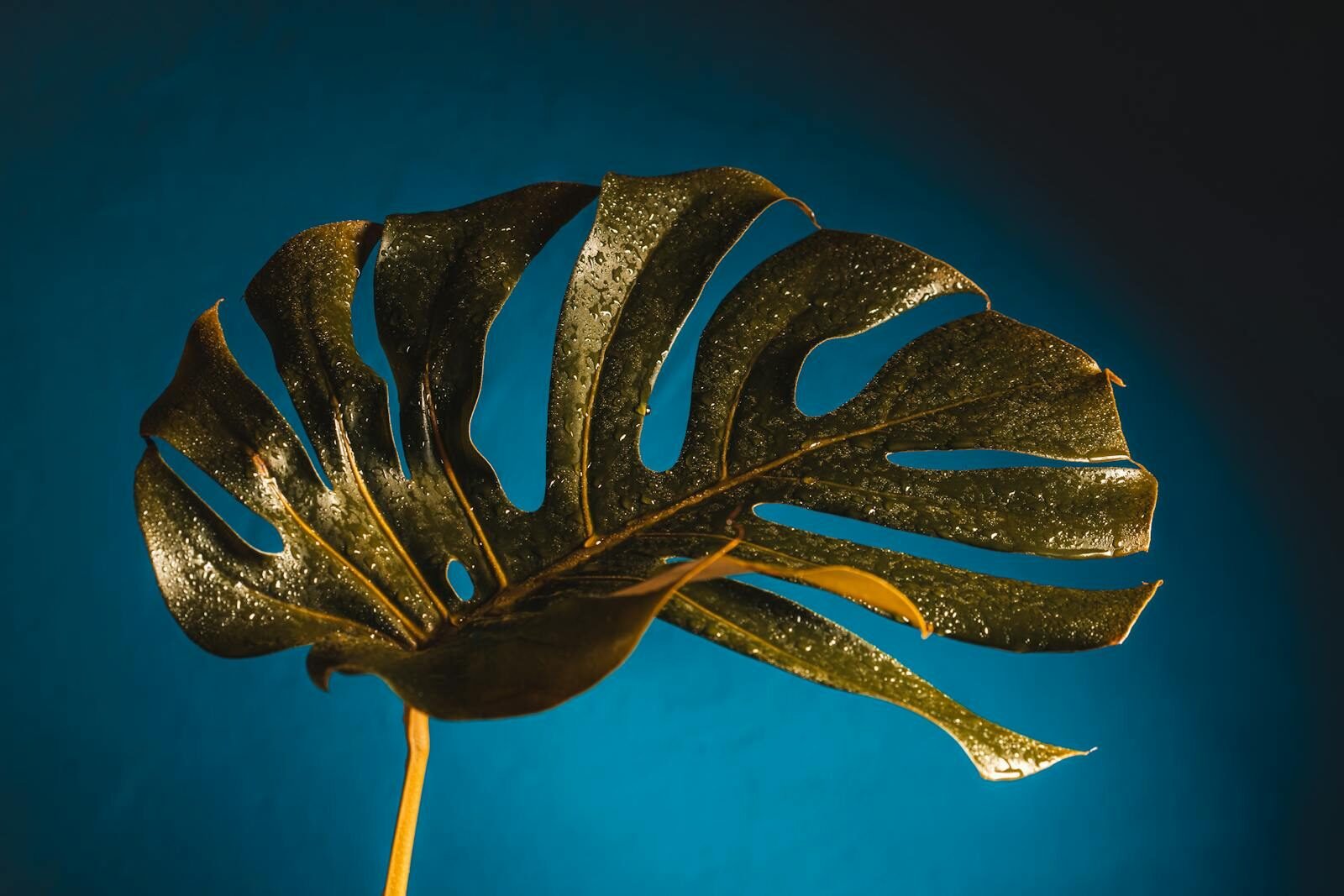
When most people ask whether Monstera is an indoor plant, they usually mean Monstera deliciosa, the classic Swiss cheese plant with large, glossy leaves and dramatic splits. It is the species most widely sold and the one most likely to become a large floor plant indoors. Missouri Botanical Garden and RHS both position it as the main houseplant species in the genus. (Missouri Botanical Garden)
Monstera adansonii is also a common indoor choice, but it behaves differently. The RHS describes it as a smaller-growing, less vigorous option that is useful where space is limited, while National Garden Bureau notes it typically reaches around 3 to 5 feet indoors, much smaller than its wild potential. So if you love the look of Monstera but do not want a plant that might one day challenge your ceiling, adansonii is often the better fit. (RHS)
This distinction matters for search intent because people often search “Monstera indoor plant” as if it is one thing. It is not. The answer changes depending on whether you want a compact trailing-climbing plant, a big sculptural statement plant, or a rare variegated collector piece. For most readers, though, Monstera deliciosa remains the default answer to the question.
Why Monstera works so well indoors
Monstera works indoors because it offers a rare combination: high visual payoff with moderate care demands. You get oversized, sculptural leaves and a strong design presence without needing greenhouse-level skill. Penn State Extension calls Monstera relatively easy to grow as a houseplant if you provide the right conditions, and the RHS describes it as relatively easy to look after when kept warm, moderately humid, and in indirect light. (Penn State Extension)
That balance is the real reason people keep choosing it. Some indoor plants are easy but visually forgettable. Others are stunning but punishingly sensitive. Monstera sits in the sweet spot. It tolerates average indoor life better than many tropicals, but when you improve the environment just a little, it rewards you with bigger leaves, better fenestration, and a much stronger overall look. (RHS)
Still, there is a trap here. A lot of articles blur adaptable into indestructible. Monstera is not a snake plant. It will usually forgive a missed watering more easily than constant soggy soil, but poor light, cold drafts, or chronic overwatering show up fast in leggy growth, yellowing leaves, weak stems, and stalled development. Better Homes & Gardens and other current care guides continue to flag moisture imbalance and insufficient light as major causes of trouble indoors. (Better Homes & Gardens)
Light: what “bright indirect light” really means
If you remember one indoor Monstera rule, make it this one: bright indirect light is the target. RHS says Swiss cheese plants like filtered or indirect light, and Missouri Botanical Garden recommends bright indoor light with no strong direct sun. That combination gives you healthy growth without leaf scorch. (RHS)
In practice, that usually means a spot near an east-facing window, a few feet back from a bright south- or west-facing window with filtered light, or a room that stays bright for much of the day without harsh midday rays hitting the leaves. Many care guides now frame east-facing windows as especially friendly because they provide gentle morning light without the harsher burn risk of strong afternoon sun. (Kyari.co)
Can Monstera survive in lower light? Yes. Will it look like the photos people save on Pinterest? Probably not. In lower light, Monsteras often grow more slowly, stretch toward light, stay leggier, and may produce smaller leaves with fewer splits. The plant survives, but the plant does not impress. That survive-versus-thrive distinction is one of the biggest content gaps in weaker ranking pages. (A Beautiful Mess)
Humidity and temperature: what it tolerates vs. what it loves
Monstera tolerates average household conditions better than many people assume, but it still prefers a warm, humid environment. The RHS recommends temperatures around 18–25°C (65–77°F) with moderate humidity, while Penn State Extension says Monstera prefers humidity above 50% and may benefit from a nearby humidifier. (RHS)
This is where many indoor growers make a subtle mistake. They hear “tropical plant” and assume they need a spa-level setup. Usually, they do not. In many homes, especially kitchens, bathrooms with good light, or rooms with multiple plants grouped together, Monstera can do well without turning your home into a rainforest. But dry heated air, AC vents, and cold drafts can absolutely slow growth and cause edges to crisp or leaves to look tired. (RHS)
Humidity also influences how impressive the plant becomes. The RHS notes that the biggest and most perforated leaves show up on mature plants grown in good light and high humidity. So humidity is not just a “nice extra.” It often separates a merely alive Monstera from a genuinely beautiful one. (RHS)
Growth habit: why support matters indoors
Monstera is not naturally a neat little mound. It is a climber. In the wild, it grows upward using aerial roots for support, and indoors it behaves better when you respect that habit. The RHS explicitly recommends replicating this by providing a moss-covered pole, and Missouri Botanical Garden says it can be grown with a pole or trellis because unsupported plants tend to grow horizontally. (RHS)
This is one of the clearest ways to improve an indoor Monstera fast. A support does three things at once: it helps the plant stay upright, makes it look tidier, and often encourages stronger, more mature-looking growth. If you skip support, the plant can still live, but it may sprawl, lean, and take up more floor space than you planned. That is fine if you like a wild look. It is a problem if you want a clean indoor silhouette. (Missouri Botanical Garden)
Aerial roots also confuse beginners. They are normal, not a crisis. RHS says aerial roots help the plant absorb water and nutrients from the air and attach to supports, while Missouri Botanical Garden notes that some can be guided to moss poles or even rooted into the soil. The mistake is treating every aerial root like an eyesore instead of a clue about how the plant wants to grow. (RHS)
Where to place a Monstera indoors
The best indoor location for a Monstera is simple: bright room, filtered light, stable warmth, and enough space to grow. That rules out a lot of random corners people choose because the plant “looks nice there.” Monsteras are decor, yes, but they are not props. Placement drives the entire result. (RHS)
A smart way to choose a spot is to ask two questions. First, does this area stay visibly bright for a good part of the day without harsh direct afternoon sun hitting the leaves? Second, if the plant doubles in size, will this still be a logical place for it? If the answer to either is no, you are setting up a future problem. Monsteras are one of those plants that can outgrow your original plan long before they outgrow the pot. (Missouri Botanical Garden)
This is why so many strong-performing Monstera articles also talk about styling and placement, not just care. Searchers are not only asking “Can this live indoors?” They are really asking, “Can this work in my home, with my light, in my space, without becoming a hassle?” That is the decision point that matters.
Best rooms and window directions
For most homes, the safest bet is a bright room near an east-facing window or a little back from a brighter south- or west-facing exposure where direct sun is softened. Current care content commonly recommends east-facing windows because they offer gentle morning light that supports growth without burning the foliage. Bathrooms and kitchens can also be strong options if they have enough natural light and better humidity. (Kyari.co)
Living rooms often work especially well because Monsteras need room to spread. They are architectural plants. They look best where their form has space to matter rather than being jammed between furniture and curtains. If you are trying to create one intentional focal point in a room, Monstera is built for that job. RHS even describes it as an architectural focal point with a tropical-jungle effect indoors. (RHS)
A bright bathroom can be a sleeper pick. The extra humidity helps, and RHS specifically lists Monstera deliciosa as a strong bathroom plant when there is enough space and suitable indirect light. So yes, if your bathroom gets real daylight, this can be one of the easiest rooms for Monstera to enjoy. (RHS)
Spots to avoid
Avoid dark corners, direct blazing afternoon sun, and places exposed to cold drafts, heaters, or AC vents. Dark corners create the classic sad Monstera: long stems, weak growth, undersized leaves, and fewer splits. Harsh direct sun can scorch the foliage. Constant air movement from HVAC sources dries the plant out and destabilizes the environment. (Missouri Botanical Garden)
You should also think twice before putting Monstera where pets chew plants or small children can pull on leaves and aerial roots. This is not just about protecting the plant. It is a safety issue because Monstera is toxic if chewed or ingested. If a room works for light but creates constant access for a curious cat, the location is wrong no matter how good it looks. (ASPCA)
Another bad placement choice is a too-small visual zone. Monsteras are vigorous and long-lived. RHS notes they can grow very large indoors unless pruned, and Missouri Botanical Garden points out their indoor size can still reach 6–8 feet. Putting one in a cramped niche might work for six months. It often stops working after that. (RHS)

How to care for a Monstera indoors
Indoor Monstera care is not complicated, but it is condition-based, not schedule-based. That is where many beginners go wrong. They want a fixed routine—water every Sunday, feed every two weeks, rotate by the moon—and plants do not care about your calendar. They care about light, temperature, airflow, pot size, and how quickly the soil dries. (Missouri Botanical Garden)
The good news is that Monstera gives useful feedback. Yellowing leaves, brown edges, black spots, stalled growth, and lack of fenestration usually point to a small number of issues: light, moisture, drainage, humidity, or support. Once you know what those signals mean, the plant gets much easier to manage. That is part of why Monstera remains so popular with beginners and experienced plant owners alike. (Better Homes & Gardens)
Watering: how often and how much
The best answer to “How often should I water Monstera indoors?” is this: water when the soil has dried partway down, not on a fixed schedule. Missouri Botanical Garden recommends regular watering in the growing season while allowing the soil to dry some between waterings, and many current care guides suggest checking the top 1–2 inches or, depending on pot size, even deeper before watering again. (Missouri Botanical Garden)
That means watering frequency changes. In brighter light and warmer months, the plant may dry faster. In winter or lower light, the same plant can stay moist much longer. A watering routine that worked in July can quietly become root-rot bait in January. This is why so many indoor Monstera problems come back to “I kept watering on schedule even after the environment changed.” (Homes and Gardens)
When you do water, water thoroughly so moisture reaches the root zone, then let excess drain away. What Monstera hates is not water itself. It hates soggy, stagnant soil. Overwatering is often really a drainage-and-frequency problem, not a “too much water in one pouring” problem. (Missouri Botanical Garden)
Soil, potting, feeding, and repotting
Monstera does best in a well-draining, airy potting mix, not heavy compact soil that stays wet for ages. Missouri Botanical Garden recommends a peaty soil-based potting mix, and also notes that the plant should have room to climb and stable support. Current troubleshooting advice from mainstream gardening publishers also keeps pointing back to drainage as a core issue behind yellow leaves, black spots, and root problems. (Missouri Botanical Garden)
Pot choice matters more than people think. Monsteras get top-heavy, especially once leaves get bigger, so a stable pot helps prevent tipping. RHS says these vigorous plants can often stay in their original pot for a year or two, then need repotting every few years, and recommends choosing a pot large enough for the rootball without going unnecessarily oversized. Oversized pots hold extra wet soil, which raises the risk of overwatering. (RHS)
Fertilizer helps most during active growth, but it is not a magic shortcut. If the plant sits in poor light, feeding harder will not solve the core problem. Good light first, watering second, support third, humidity fourth, feeding after that. Get the order wrong and you waste time chasing symptoms. (Missouri Botanical Garden)
Common indoor Monstera problems
Most Monstera problems indoors are predictable. That is good news because predictable problems are usually fixable. The four big categories are too much water, too little light, low humidity or environmental stress, and pests. Missouri Botanical Garden specifically flags aphids, mealybugs, thrips, scale, and spider mites as pests to watch for. (Missouri Botanical Garden)
What makes Monstera feel difficult is usually not complexity. It is delayed feedback. You overwater for a while before leaves turn yellow. You keep it too dark for weeks before it gets leggy. You ignore support long enough that the plant suddenly sprawls everywhere. By the time the issue looks obvious, the cause has often been happening for a while. (Better Homes & Gardens)
That is why strong Monstera care is mostly about reading signals early. Healthy Monsteras tend to push steady new growth, hold a rich green tone, and maintain a firm structure. When the plant starts looking weaker, stretched, spotted, or floppy, it is usually pointing you toward the answer.
Yellow leaves, brown edges, and no splits
Yellow leaves most often point to watering imbalance, poor drainage, insufficient light, pests, nutrient issues, or normal aging of older leaves. Better Homes & Gardens’ recent troubleshooting roundup lists both overwatering and underwatering, poor drainage, low light, pests, and overfertilization among the most common causes. So the right move is not guessing. It is checking the soil, light, pot drainage, and overall pattern of symptoms. (Better Homes & Gardens)
Brown edges or black spots often come from environmental stress, overwatering, or poor light. Recent expert-led troubleshooting content points especially to the combo of wet soil plus insufficient light, which is common in winter when care habits stay the same but drying time slows down. Brown tips can also show up when air is too dry or watering has been inconsistent. (Homes and Gardens)
Leaves without splits are usually not a disaster. They are usually a message. The most common reasons are immaturity, inadequate light, and sometimes lack of support or generally slower growth conditions. RHS says the characteristic holes usually show up once plants are a few years old, and recent gardening guidance also points to age and light as leading causes when fenestration is missing. (RHS)
Here is the clean takeaway: if your Monstera is not splitting, do not start with fertilizer. Start with age, light, and support. If the plant is young, patience may be the fix. If it is mature but still plain-leaved, brighter indirect light and better climbing support are far more likely to help than anything else. (RHS)
Pet and child safety
This is the section too many “easy indoor plant” articles bury. Monstera is toxic to cats and dogs. ASPCA lists Swiss cheese plant, Monstera deliciosa, as toxic to both, with insoluble calcium oxalates as the toxic principle. Reported signs include oral irritation, burning of the mouth, drooling, vomiting, and difficulty swallowing. (ASPCA)
RHS also warns that Swiss cheese plants are poisonous and advises wearing gloves when handling them and keeping them away from children and pets. That matters because Monstera is often recommended as a living-room statement plant, exactly where curious pets tend to roam. If you have a cat that chews foliage, this should not be treated like a footnote. It should be a buying decision factor. (RHS)
This does not mean no pet owner can keep a Monstera. It means you need a realistic setup. A genuinely inaccessible bright room may work. A tall stand in a room your pet never enters may work. A floor pot in the main hangout zone with a leaf-chewing cat is asking for trouble. If safety is uncertain, choose a non-toxic alternative instead of trying to outsmart an animal that has all day to investigate. (ASPCA)
Is Monstera the right indoor plant for you?
Monstera is a great indoor plant if you want a bold plant, have decent natural light, and can handle moderate growth management. It is especially good for people who want something more visually striking than a beginner plant like pothos or snake plant, but not as demanding as many finicky tropical collector species. Penn State Extension’s framing of Monstera as relatively easy, provided conditions are right, is probably the fairest summary. (Penn State Extension)
It is a weaker choice if your home is very dark, your space is tiny, or your pets chew plants. It is also not ideal if you want a plant you can ignore in a neglected corner for months and still expect it to look impressive. Monstera is forgiving enough to learn on, but not passive enough to disappear into the background without consequences. That is part of the appeal, honestly. It feels alive and responsive. (Missouri Botanical Garden)
The strongest reason to buy Monstera indoors is not that it is trendy. Trends come and go. The stronger reason is that it offers a rare mix of scale, texture, personality, and manageable care. The National Garden Bureau’s 2025 “Year of the Monstera” nod reflects that wider appeal, not just social-media hype. This plant has staying power because it earns its spot visually and practically. (ngb.org)
Conclusion
So, is Monstera an indoor plant? Yes, and not just technically. It is one of the most established, widely recommended, and visually rewarding indoor houseplants when you give it the conditions it actually wants: bright indirect light, warmth, moderate humidity, well-draining soil, and support for climbing growth. Trusted horticultural sources consistently describe it as a houseplant, and current gardening guidance still places it among the most popular indoor tropicals. (RHS)
The honest version is better than the hype version. Monstera is not a zero-effort plant, and it is not the right choice for every home. But if you have the light, the space, and a pet-safe setup, it gives you something many indoor plants do not: a real sense of presence. It can turn an ordinary room into something that feels designed, alive, and intentional. That is why people keep asking about it, buying it, and keeping it around for years.
FAQs
Can Monstera stay indoors all year?
Yes. In most climates, Monstera is primarily kept indoors year-round as a houseplant because it is tropical and not hardy in cold conditions. National Garden Bureau notes it can grow outdoors only in warm USDA Zone 10+ conditions, while cooler regions should treat it as a houseplant, even if it spends some time outside in summer. (ngb.org)
Is Monstera a low-maintenance indoor plant?
It is better described as moderate-maintenance and beginner-friendly, not truly low-maintenance. Penn State Extension calls it relatively easy to grow if you provide the right conditions, and that phrasing is useful because it avoids overselling the plant. If your home has decent light and you avoid overwatering, Monstera is manageable. If you want something that thrives on neglect, there are easier options. (Penn State Extension)
Does Monstera need direct sunlight indoors?
No. Monstera does best in bright indirect light, not strong direct sun. Missouri Botanical Garden specifically recommends bright indoor light with no strong direct sun, and RHS says filtered or indirect light suits it best. A little gentle morning sun may be tolerated in some homes, but harsh direct exposure is not the goal. (Missouri Botanical Garden)
Why is my indoor Monstera not growing split leaves?
Usually because the plant is too young, not getting enough light, or not growing under strong enough overall conditions to mature well. RHS says the plant usually starts producing holey leaves after a few years, and current care guidance also points to light and maturity as leading reasons for a lack of fenestration. Bigger splits usually come with brighter indirect light, better humidity, and more mature growth. (RHS)
Is Monstera safe for homes with pets?
Not by default. ASPCA lists Monstera deliciosa as toxic to both cats and dogs, with symptoms like mouth irritation, drooling, vomiting, and difficulty swallowing if chewed or eaten. If you have pets that investigate foliage, the safest move is either a truly inaccessible location or a different plant altogether. (ASPCA)