Propagation turns one plant into many—gifts, fuller pots, or backup insurance when you kill the mother plant. The best propagation houseplants root reliably from stem cuttings, division, or offsets without a greenhouse misting system.
This guide compares ten species by propagation methods, beginner success rate, and growth after rooting. See also Fastest Plants to Propagate and Best Fast-Growing Houseplants.
The ten best plants for propagation for most homes are Pothos, Philodendron, Spider plant, Tradescantia zebrina, Mint, Basil, Snake plant, English ivy, Swedish ivy, String of hearts. Easy propagation needs bright indirect light and clean water changes—not every plant roots the same way.
Propagation Methods That Work Indoors
Most beginner success comes from stem cuttings in water (pothos, philodendron) or plantlet division (spider plant, pilea). Extension houseplant guides recommend sharp clean tools and bright indirect light during rooting. (University of Florida IFAS)
Include at least one node below water on vines—leaves alone rarely root.
Quick Pick: Best Plant for Your Situation
For foolproof water rooting, choose pothos or philodendron.
For plantlets without scissors, choose spider plant.
For colorful fast roots, choose tradescantia zebrina.
For pup division, choose pilea peperomioides.
How to Choose
Match method to species: vines in water, pups by division, herbs from stem tips. Change water weekly. Move to soil when roots are two to three inches.
How We Selected These Ten
Ranked by beginner propagation success, method variety, and LeafyPixels propagation guide depth.
Comparison Table
Pothos
Best for: first water propagation
Difficulty: Easy
Light: Low–bright indirect
Water: When top 2 in. dry
Best placement: Bright shelf
Pet safety: Toxic if ingested
Typical indoor size: Vines 6–10 ft
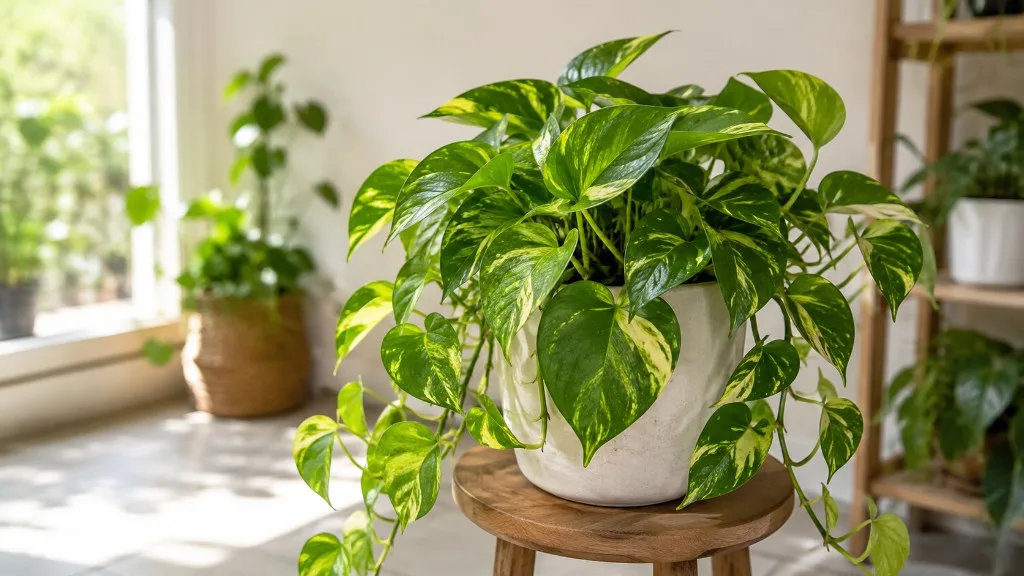
Pothos stem cuttings root in water in one to three weeks with a visible node submerged.
Why it works: Gold standard water propagation.
Who it is for: Absolute beginners.
Care reality: Roots visible daily—motivating feedback.
Common mistake: Cutting without a node below water.
Limitation: Toxic to pets.
Useful care guides:
Philodendron
Best for: trailing propagation
Difficulty: Easy
Light: Medium indirect
Water: When top 2 in. dry
Best placement: Hanging shelf
Pet safety: Toxic if ingested
Typical indoor size: Vines 6–10 ft
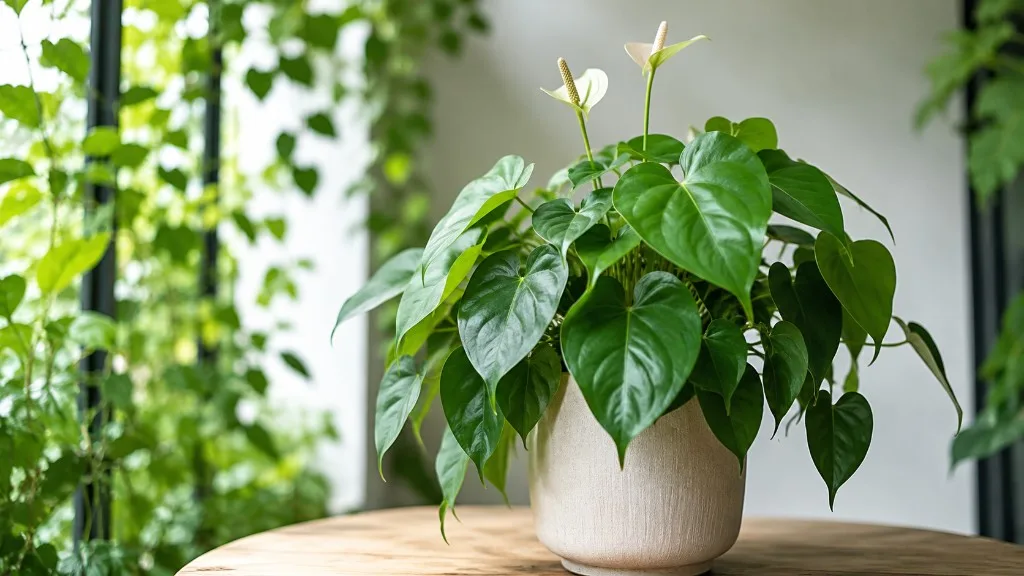
Philodendron heart-leaf cuttings root like pothos—often faster in warm bright rooms.
Why it works: Reliable vine propagation.
Who it is for: Vine collectors sharing cuttings.
Care reality: Same node rule as pothos.
Common mistake: Letting cuttings sit in stagnant water a month.
Limitation: Toxic to pets.
Useful care guides:
Spider plant
Best for: plantlet propagation
Difficulty: Easy
Light: Bright indirect
Water: When top 2 in. dry
Best placement: Hanging basket
Pet safety: Non-toxic (ASPCA)
Typical indoor size: 12–24 in.
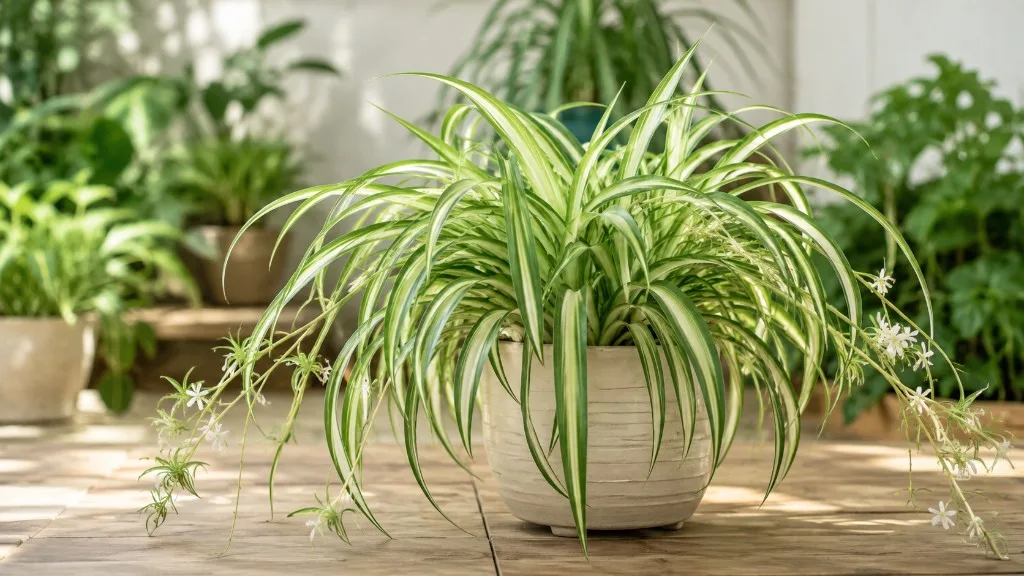
Spider plant spiderettes root in water or soil while still attached to mother.
Why it works: Pet-safe offset propagation.
Who it is for: Families learning propagation.
Care reality: Pin plantlets to soil or snip and root.
Common mistake: Removing tiny plantlets with no roots yet.
Limitation: Spiderettes attract pets.
Useful care guides:
Tradescantia zebrina
Best for: colorful water roots
Difficulty: Easy
Light: Bright indirect
Water: When top inch dries
Best placement: Bright shelf
Pet safety: Toxic if ingested
Typical indoor size: Trailing 3–6 ft
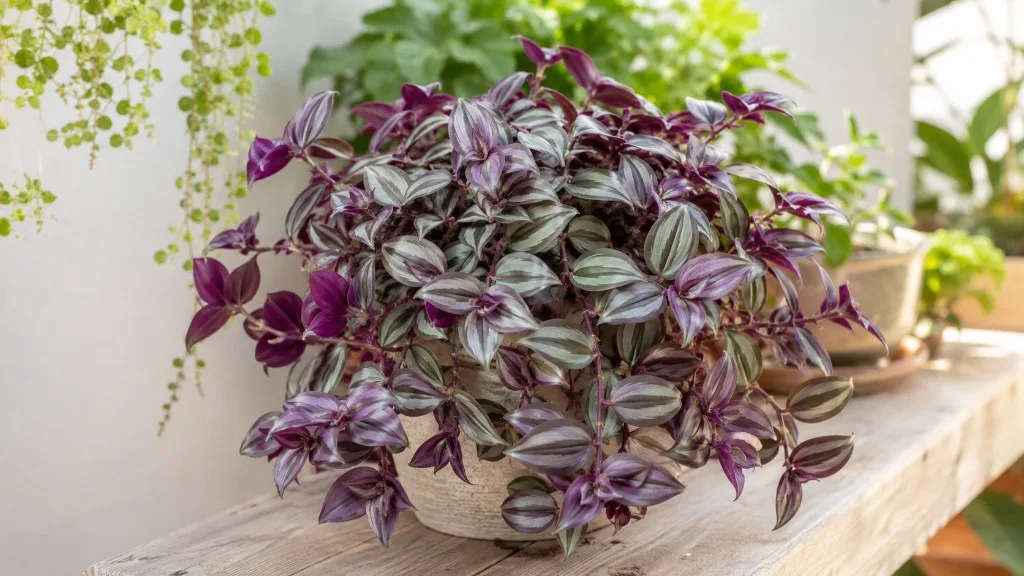
Tradescantia zebrina purple stems root in water within days in warm bright conditions.
Why it works: Fast visible roots.
Who it is for: Beginners wanting quick wins.
Care reality: Pinch leggy stems to propagate.
Common mistake: Single leaf without stem node.
Limitation: Toxic to pets.
Useful care guides:
Mint
Best for: edible propagation
Difficulty: Easy
Light: Bright indirect to sun
Water: Keep evenly moist
Best placement: Kitchen sill
Pet safety: Use caution with pets
Typical indoor size: 12–18 in.
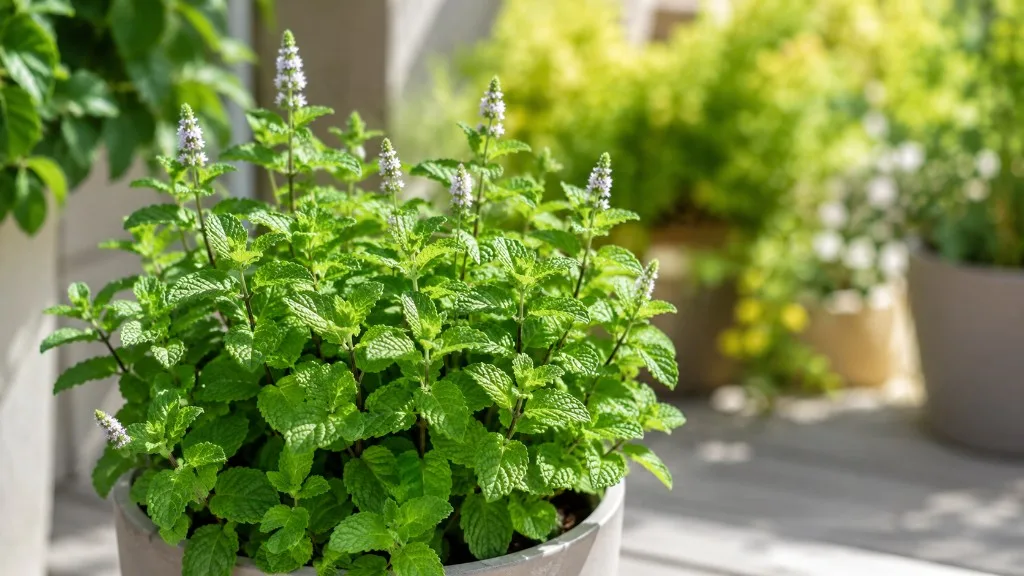
Mint stem tips root in water in under a week—edible harvest while learning.
Why it works: Edible propagation practice.
Who it is for: Kitchen gardeners.
Care reality: Change water weekly to prevent rot.
Common mistake: Stagnant smelly water for weeks.
Limitation: Can spread aggressively.
Useful care guides:
Basil
Best for: sunny kitchen cuttings
Difficulty: Easy
Light: Bright direct sun
Water: When top inch dries
Best placement: South kitchen sill
Pet safety: Generally safe in small amounts
Typical indoor size: 12–18 in.
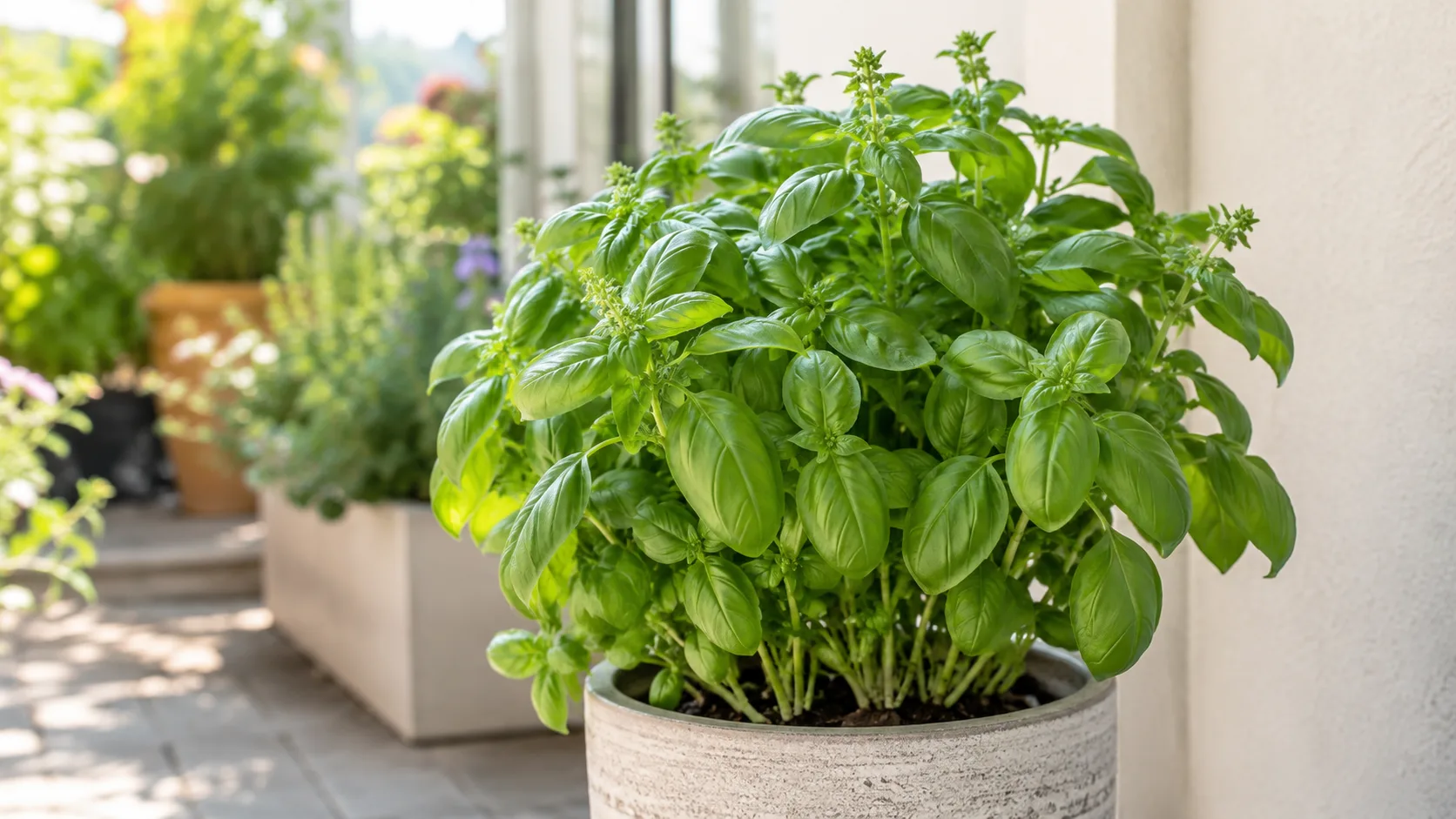
Basil stem cuttings root on sunny sills—best propagation teacher for cooks.
Why it works: Sunny sill propagation.
Who it is for: Cooks with bright windows.
Care reality: Needs strong light to root and grow.
Common mistake: Propagating in dim north kitchen.
Limitation: Short indoor lifespan.
Useful care guides:
Snake plant
Best for: division propagation
Difficulty: Easy
Light: Low–bright indirect
Water: Every 2–4 weeks
Best placement: Floor corner
Pet safety: Toxic if ingested
Typical indoor size: 1–4 ft
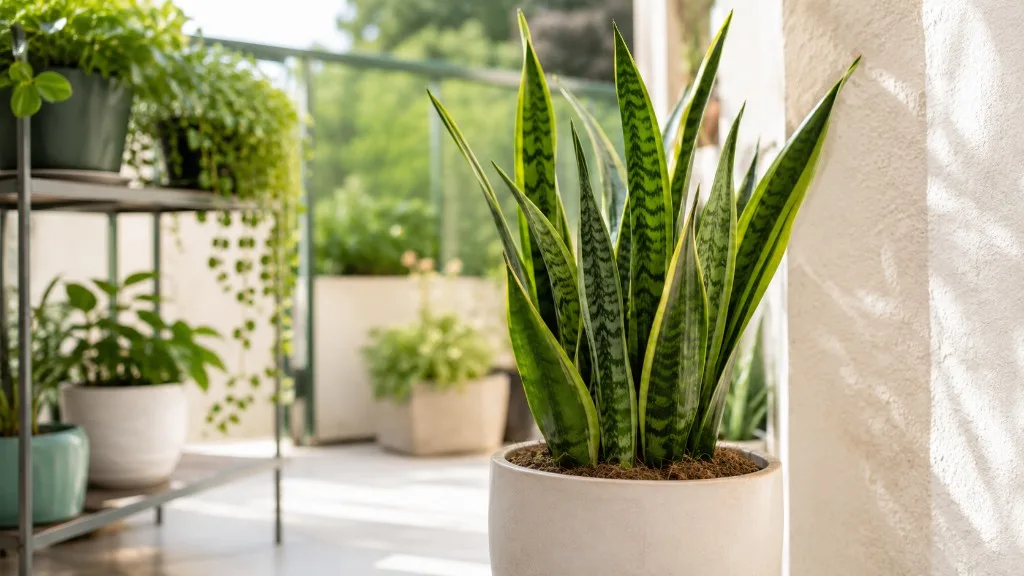
Snake plant divide crowded clumps in spring—leaf cuttings work but are slower.
Why it works: Division for mature plants.
Who it is for: Owners with full pots.
Care reality: Leaf cuttings need patience—months to pup.
Common mistake: Overwatering fresh divisions.
Limitation: Toxic to pets.
Useful care guides:
English ivy
Best for: classic vine cuttings
Difficulty: Medium
Light: Medium indirect
Water: When top inch dries
Best placement: Hanging basket
Pet safety: Toxic if ingested
Typical indoor size: Trailing vines
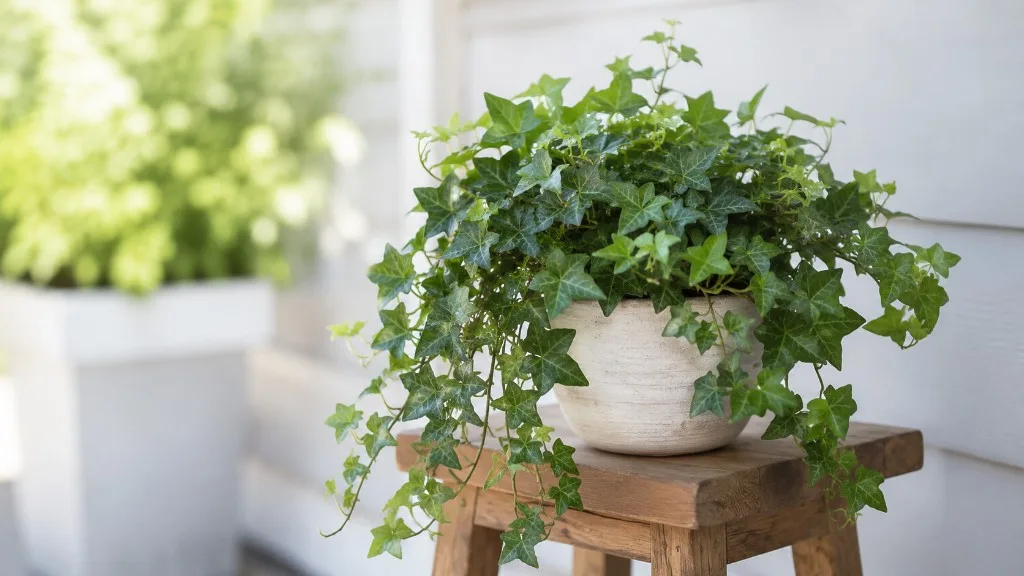
English ivy stem cuttings root in water or moist soil—slower than pothos in cool rooms.
Why it works: Dense trailing propagation.
Who it is for: Experienced growers.
Care reality: Needs airflow to avoid rot in soil.
Common mistake: Propagating in dark corners.
Limitation: Toxic; pest-prone.
Useful care guides:
Swedish ivy
Best for: pet-safe trailing cuttings
Difficulty: Easy
Light: Bright indirect
Water: When top inch dries
Best placement: Hanging basket
Pet safety: Non-toxic (ASPCA)
Typical indoor size: Trailing 2–4 ft
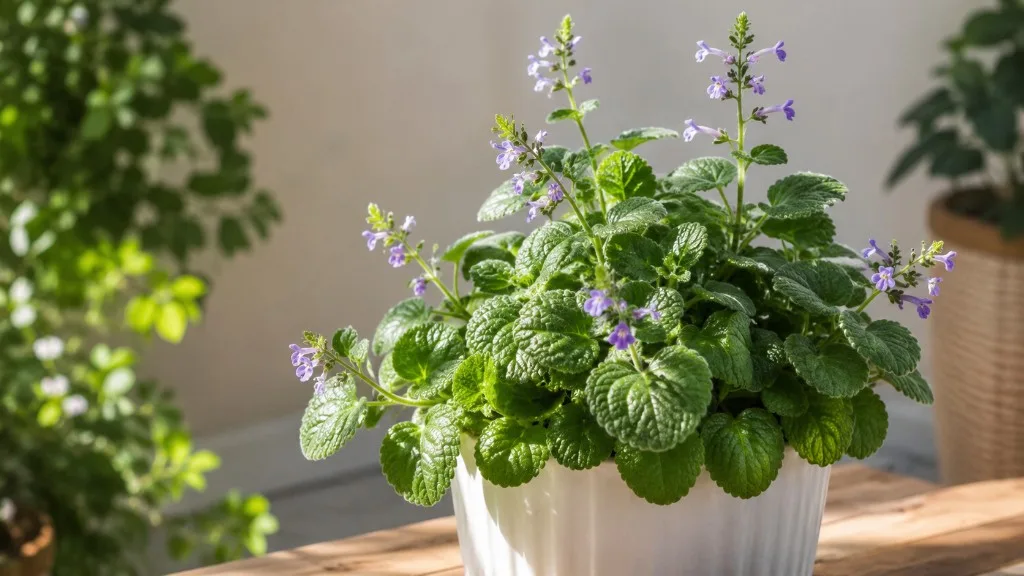
Swedish ivy soft stems root in water—pet-safe pothos alternative.
Why it works: Pet-safe water propagation.
Who it is for: Cat owners sharing cuttings.
Care reality: Pinch for bushier mother plant.
Common mistake: Confusing with toxic true ivy.
Limitation: Less drought-tolerant.
Useful care guides:
String of hearts
Best for: node chain cuttings
Difficulty: Medium
Light: Bright indirect
Water: When soil dries
Best placement: Bright hanging hook
Pet safety: Toxic if ingested
Typical indoor size: Trailing 3–6 ft
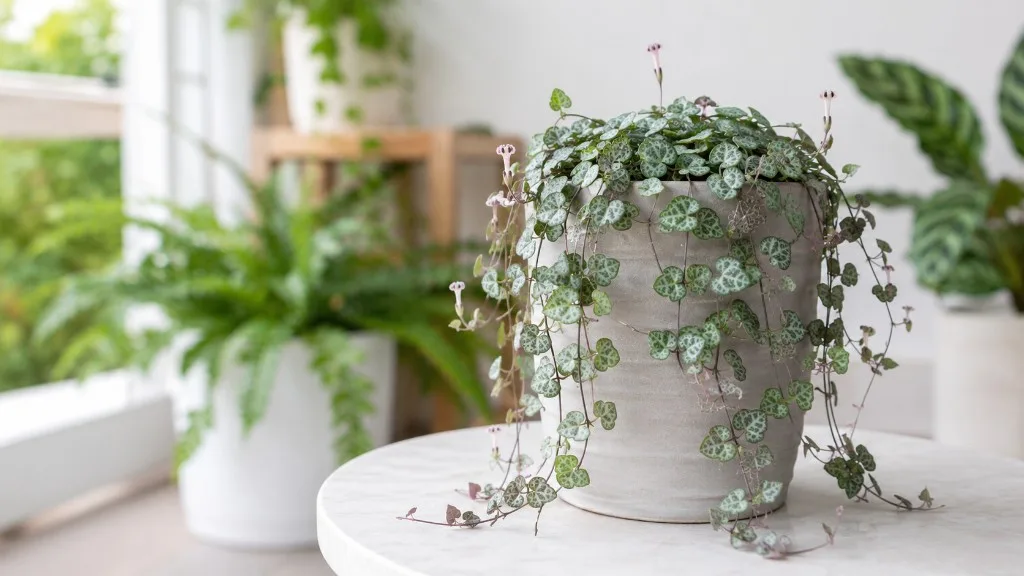
String of hearts chain cuttings with tubers at nodes root in soil or sphagnum.
Why it works: Succulent-chain propagation.
Who it is for: Bright-room growers.
Care reality: Lay chains on moist medium; do not bury tubers deep.
Common mistake: North-window propagation attempts.
Limitation: Toxic to pets.
Useful care guides:
Common Mistakes
Cutting without a node. Roots need nodes below water—leaf-only cuttings fail.
Stagnant propagation water. Change weekly to prevent rot and smell.
Moving to soil before roots are two inches. Tiny roots shock in dry soil—wait for length.
Propagating toxic plants within pet reach. Pothos water jars attract cats—keep elevated.
Conclusion
Start propagation with pothos or spider plant—visible success builds skill for tradescantia and pilea. Clean tools, bright light, fresh water.