Fast propagation delivers visible roots in days—motivation for beginners and quick gifts for friends. Speed depends on warmth, light, and species: tradescantia and mint race ahead of snake plant leaf cuttings. This list ranks by time to first visible roots in typical home conditions—not by which plant is easiest for a first-time propagator.
This guide compares ten species with a rooting-speed table, method notes, and realistic timelines. For highest beginner success rate regardless of speed, see Best Plants for Propagation. For growth after rooting, see Best Fast-Growing Houseplants.
The ten fastest plants to propagate for most homes are Tradescantia zebrina, Pothos, Mint, Spider plant, Philodendron, Basil, Swedish ivy, English ivy, String of hearts, Pilea peperomioides.
Speed vs. Ease: How This List Differs from “Best for Propagation”
Practical takeaway: Pothos appears on both lists—it is fast and easy. English ivy is fast enough for experienced growers but fussier about airflow indoors. Choose this list when you want a jar showing roots before the weekend.
What Makes Propagation Fast Indoors?
Warm temperatures (roughly 21–27°C / 70–80°F), bright indirect light, and fresh water accelerate rooting. Soft-stemmed tropicals root faster than woody cuttings. (University of Florida IFAS)
Speed rankings here reflect typical bright indoor rooms in spring and summer—not cold winter windowsills or dark offices. Add seven to fourteen days in cool dim conditions.
Rooting Speed Comparison Table
Ranked by first visible roots in warm bright indoor conditions (70–80°F, bright indirect light, fresh water changed every three to four days):
Note: Pilea ranks by division speed—separating a pup with its own roots is instant; water-stem rooting is not the primary method. English ivy is the slowest water rooter on this list but still faster than woody shrubs.
Selection Criteria for Speed Ranking
We ordered these ten plants by:
- Days to first visible roots in water or on moist medium
- Stem softness — soft tropical stems root faster than woody cuttings
- Observable progress — purple tradescantia stems and mint roots are easy to see
- Home-condition realism — not laboratory misting benches
- Method clarity — node placement and water-change requirements documented
Quick Pick: Best Plant for Your Situation
For fastest water roots on a windowsill, choose tradescantia zebrina.
For fastest edible roots, choose mint.
For fastest offsets without scissors, choose spider plant plantlets or pilea peperomioides pups.
For fast pet-safe water roots, choose Swedish ivy.
Tradescantia zebrina
Best method: Stem cutting in water
Difficulty: Easy
Rooting time: 3–7 days to first roots; 10–14 days pot-ready
Best season: Spring through summer active growth
Success tip: Include two nodes below water—purple stems make progress obvious
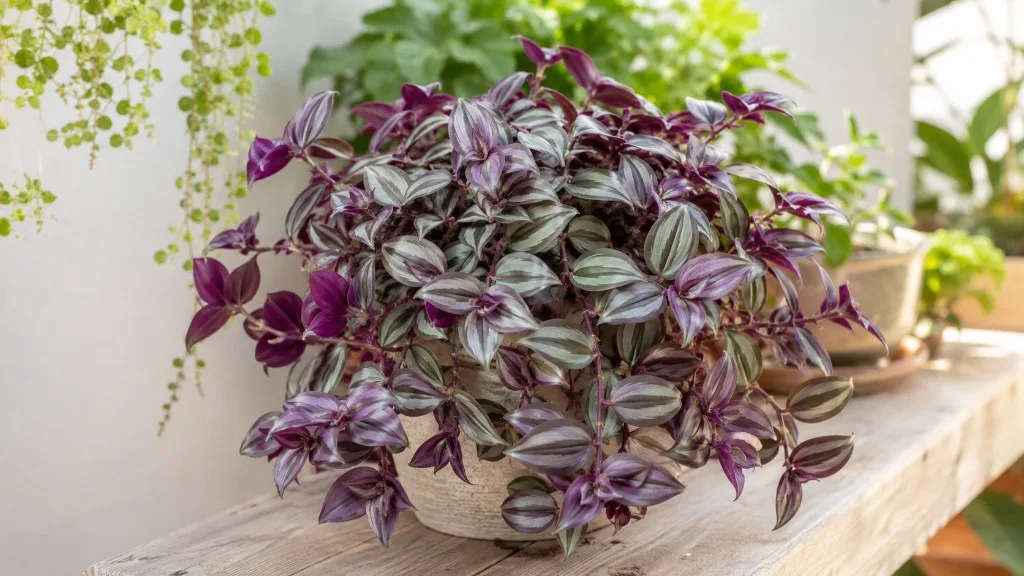
Tradescantia zebrina is the speed champion: water roots often appear before a week passes in a warm bright kitchen. The purple stem shows white root bumps days before pothos on the same sill—ideal when you want proof of life quickly.
Common mistake: Cold dim room—roots stall for three weeks despite “fast” reputation.
Signs it is working: White nubs at nodes within five days; roots reach one inch by day ten.
Useful propagation guides:
Pothos
Best method: Stem node in water
Difficulty: Easy
Rooting time: 7–14 days to first roots; 14–21 days pot-ready
Best season: Spring through fall
Success tip: One node fully submerged; leaf above water line
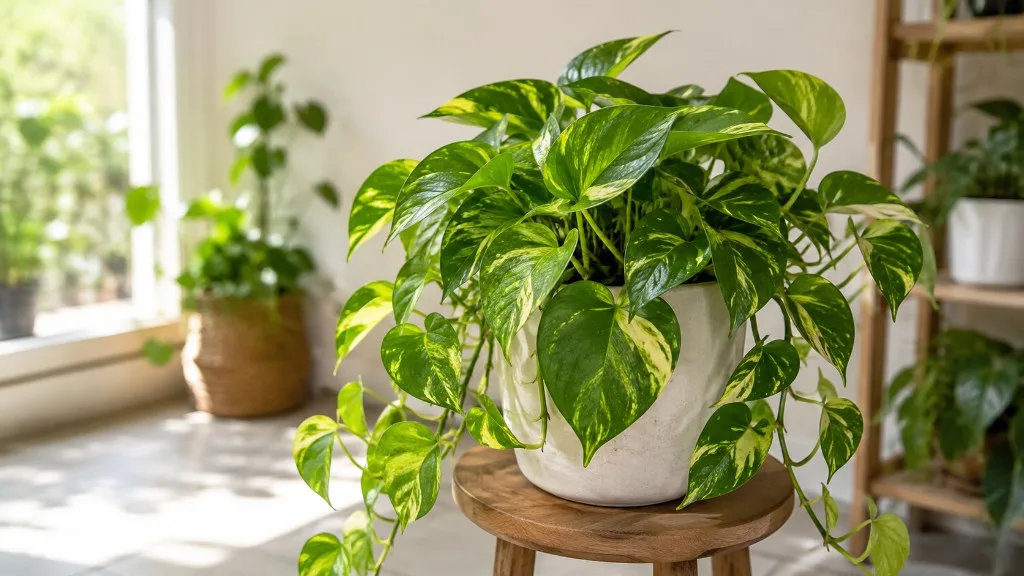
Pothos is the benchmark fast vine—not as quick as tradescantia, but reliable in moderate light where tradescantia stalls. Pothos roots uniformly from nodes; speed scales with warmth.
Common mistake: Cutting without a node below water—leaves alone do not root.
Signs it is working: Small white bumps at submerged node by day seven in warm conditions.
Useful propagation guides:
Mint
Best method: Stem tip in water
Difficulty: Easy
Rooting time: 5–10 days to first roots; 12–18 days pot-ready
Best season: Spring through summer
Success tip: Take three-inch tip cuttings; roots appear along submerged stem
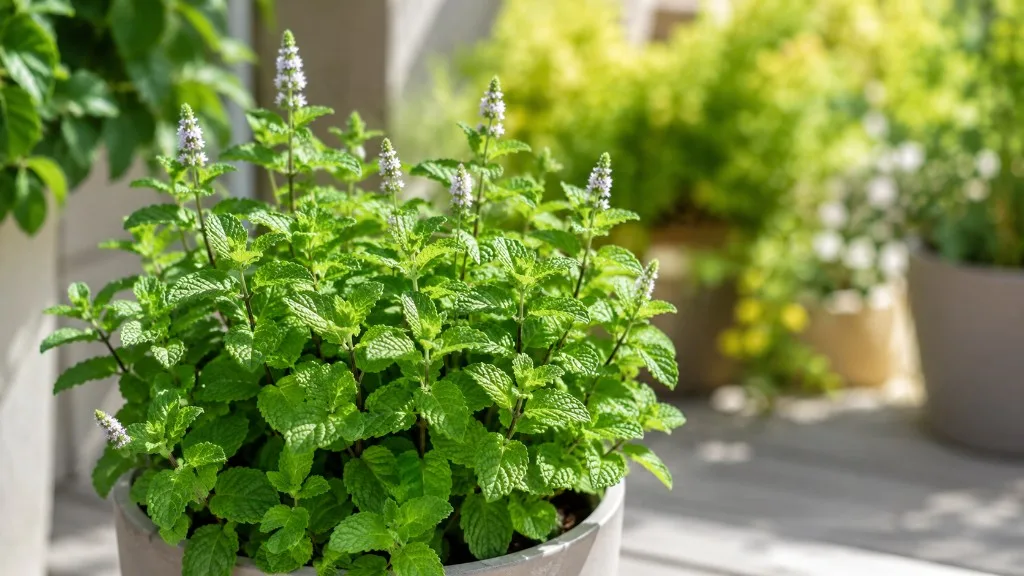
Mint roots almost as fast as tradescantia on a warm kitchen sill—and you can harvest leaves while waiting. Mint speed comes with invasive habit: pot separately, never plant rooted mint into a shared herb container.
Common mistake: Stagnant water—change every three days or roots smell and stall.
Signs it is working: Fine white roots from stem nodes within a week.
Useful propagation guides:
Spider plant
Best method: Plantlet while attached or in water
Difficulty: Easy
Rooting time: 7–14 days to first roots on detached plantlets
Best season: Year-round indoors
Success tip: Leave plantlet attached to mother until roots are one inch long
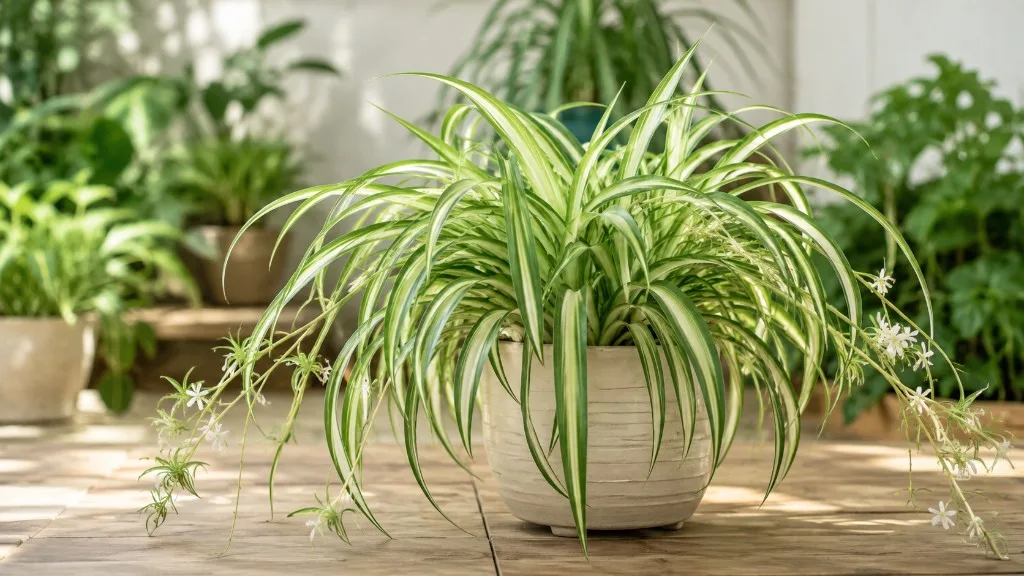
Spider plant plantlets root while still connected—nature’s fastest method because the mother feeds the baby. Detached plantlets in water match pothos speed within two weeks.
Common mistake: Removing tiny plantlets with no root nubs—wait until nubs are visible.
Signs it is working: Root nubs at plantlet base while still on arching stem.
Useful propagation guides:
Philodendron
Best method: Stem node in water
Difficulty: Easy
Rooting time: 7–14 days to first roots; 14–21 days pot-ready
Best season: Spring through summer
Success tip: Match pothos technique—node submerged, warm bright spot
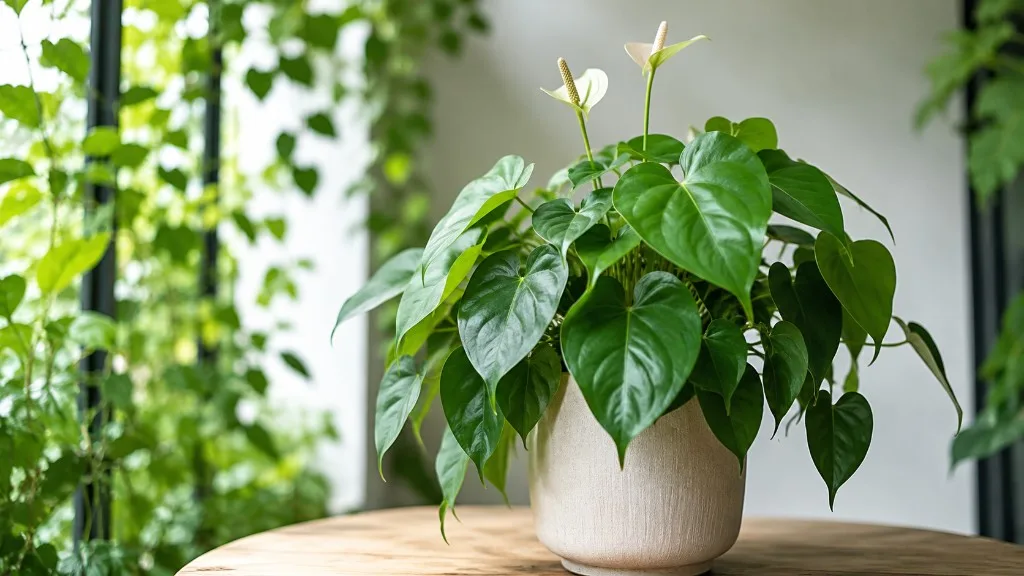
Philodendron matches pothos speed in similar conditions—often the same jar on the same sill roots within days of each other. Cool winter windowsills add a week or more.
Common mistake: Propagating on a cold windowsill in January—move to brightest stable room.
Signs it is working: Node thickens slightly before white roots emerge.
Useful propagation guides:
Basil
Best method: Stem tip in water
Difficulty: Easy
Rooting time: 7–14 days to first roots; 14–21 days pot-ready
Best season: Late spring through summer
Success tip: Root under strong kitchen window sun—basil speed depends on light
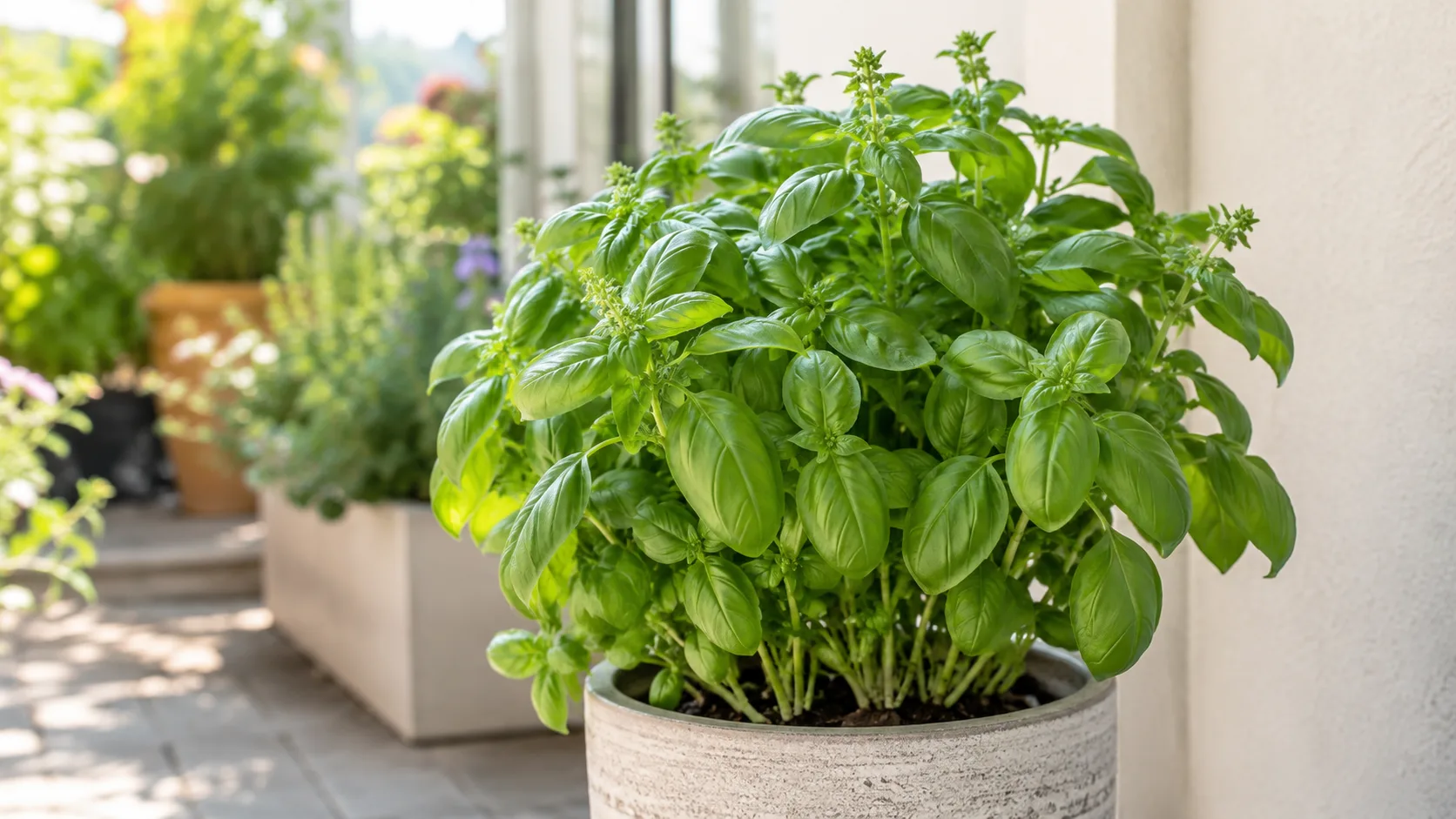
Basil roots fast with sun—slow without it. A south or west kitchen sill hits the 7-day mark; a dim office fails in three weeks. Harvest top leaves after roots form to encourage bushiness.
Common mistake: Propagating in a dim kitchen—basil needs bright direct sun for speed.
Signs it is working: Stem stays firm and white roots appear from submerged nodes.
Useful propagation guides:
Swedish ivy
Best method: Stem in water
Difficulty: Easy
Rooting time: 7–14 days to first roots; 14–21 days pot-ready
Best season: Spring through summer
Success tip: Soft stem tips root faster than woody lower stems
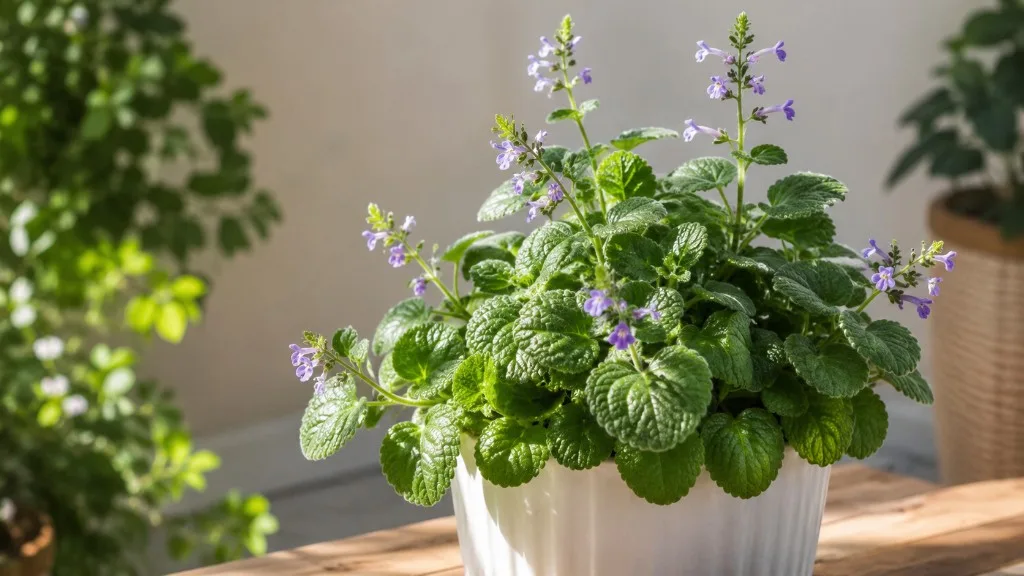
Swedish ivy soft stems root at pothos speed with the bonus of pet-safe leaves (ASPCA non-toxic). Speed drops sharply in low light—keep jar within three feet of a bright window.
Common mistake: Expecting fast roots in a north room—brightness drives speed.
Signs it is working: Roots emerge from nodes in clusters within ten days in warm bright conditions.
Useful propagation guides:
English ivy
Best method: Stem in water
Difficulty: Medium
Rooting time: 14–21 days to first roots; 21–35 days pot-ready
Best season: Spring through early fall
Success tip: Take young soft stems—not woody mature vines
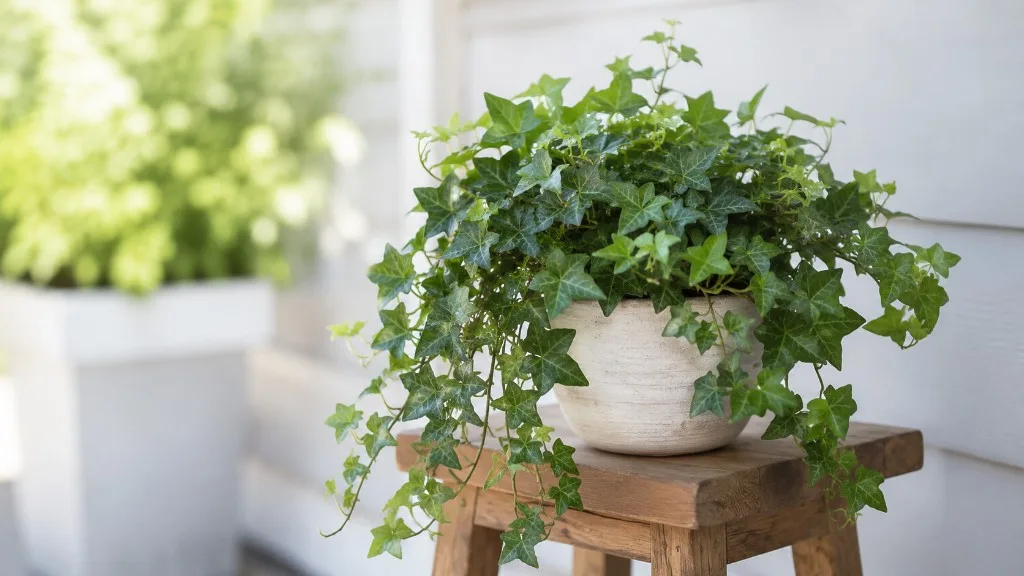
English ivy is the slowest water rooter on this list—still faster than woody houseplants like rubber plant, but not beginner-instant. Good airflow prevents mold during the longer wait.
Common mistake: Propagating thick woody stems—soft tip cuttings root two to three times faster.
Signs it is working: Fine root hairs at nodes by week two in warm bright conditions.
Useful propagation guides:
String of hearts
Best method: Node chain on moist sphagnum
Difficulty: Medium
Rooting time: 7–21 days to first roots at nodes
Best season: Spring through summer
Success tip: Lay chain on surface—bury tubers shallowly only
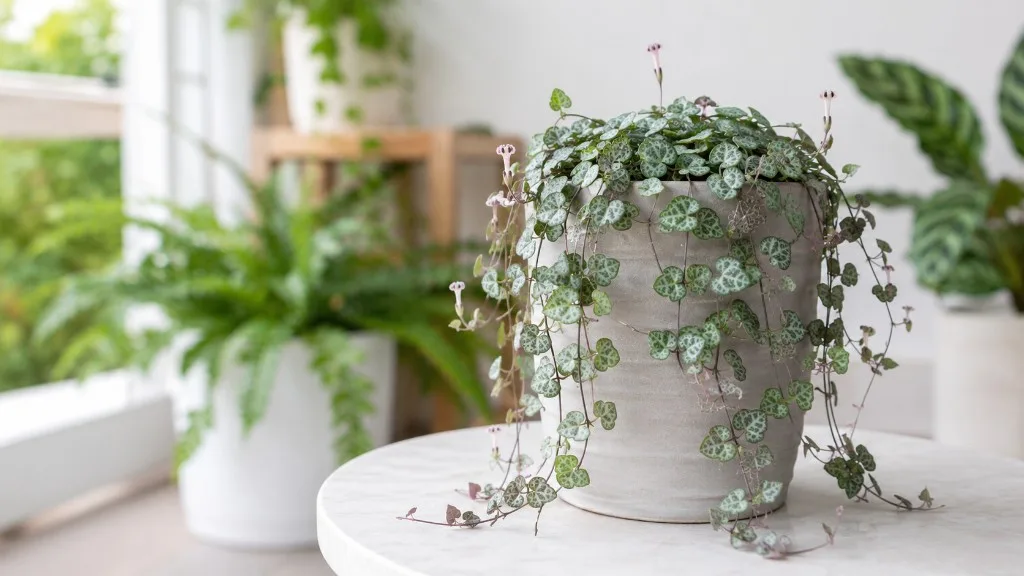
String of hearts roots at multiple nodes simultaneously—fast total coverage even when individual nodes take two weeks. Water propagation of single nodes works but sphagnum chains show progress across the whole strand.
Common mistake: Overwatering chains—moist, not soggy.
Signs it is working: Nodes pin to sphagnum and white roots grip the medium.
Useful propagation guides:
Pilea peperomioides
Best method: Pup division
Difficulty: Easy
Rooting time: Instant if pup has roots; 14–21 days if separating small offsets
Best season: Spring through summer pup formation
Success tip: Wait until pup has its own leaves and visible roots before separating
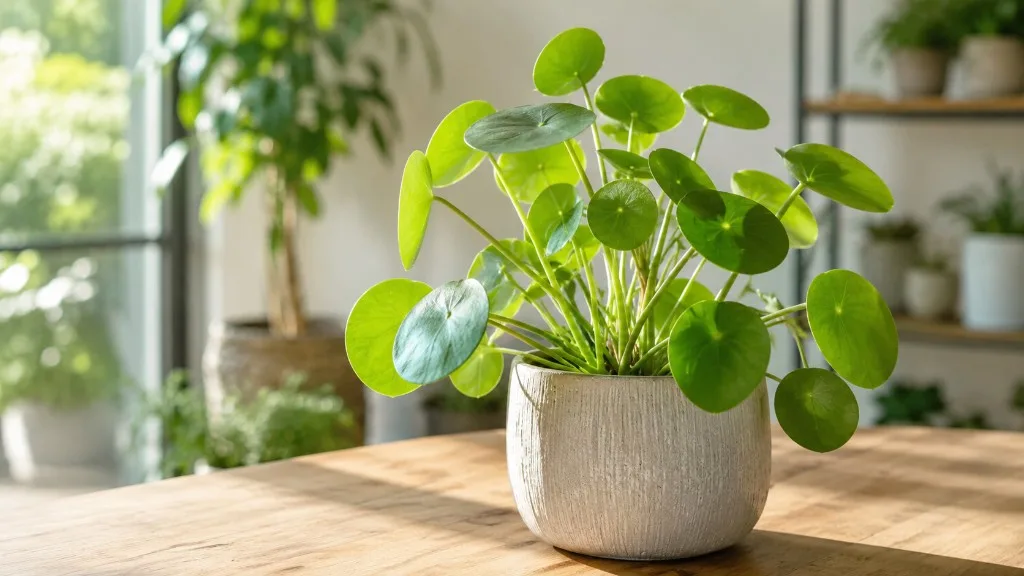
Pilea peperomioides skips water rooting entirely when pups form—separate a rooted pup and you have a new plant today, the fastest method on this list. Water-stem rooting is not pilea’s primary path.
Common mistake: Pulling pups without roots—wait until nubs touch soil on the mother pot.
Signs it is working: Pups appear weekly on a healthy rotated parent in bright light.
Useful propagation guides:
Best Plants by Propagation Speed Tier
Fastest (under 10 days to first roots): Tradescantia zebrina, mint.
Very fast (7–14 days): Pothos, philodendron, Swedish ivy, spider plant plantlets, basil with sun.
Fast division (instant when rooted): Pilea peperomioides pups.
Moderate on this list (14+ days): English ivy, string of hearts node chains.
For slow-but-reliable species not ranked here—snake plant leaf cuttings, zz plant division—see Best Plants for Propagation.
Propagation Mistakes That Slow You Down
Expecting roots in a dark cold room. Speed needs warmth and light—move jars to brightest stable spot.
Comparing pothos to snake plant leaf slabs. Different methods, different timelines—this list ranks soft-stem water rooting.
Ignoring water changes. Stagnant water rots fast propagators before roots appear—refresh every three to four days.
Assuming fast roots mean fast mature plants. Rooted cuttings still need weeks to bush up after potting.
Choosing english ivy for a weekend demo. Use tradescantia or mint for visible roots within a week.
Conclusion
For speed, start with tradescantia or mint in warm bright rooms—roots often show within a week. Pothos and philodendron follow as reliable fast vines. Spider plant plantlets and pilea pups skip the waiting game entirely. Use the speed table to set realistic timelines, change water regularly, and switch to Best Plants for Propagation when beginner success matters more than days on the clock.