South-facing windows deliver the strongest indoor light—often direct sun for hours. The best south-window plants either welcome that energy (succulents, croton, hibiscus) or use bright filtered light without sitting in blazing midday rays (fiddle leaf fig, rubber plant).
This guide compares ten species by sun tolerance, watering on hot sills, and realistic indoor size. See also Best Plants for Bright Light.
The ten best indoor plants for south windows for most homes are Fiddle leaf fig, Jade plant, Aloe vera, Bird of paradise, Croton, Hibiscus, Snake plant, Rubber plant, Bougainvillea, Geranium. Some want direct sun; others scorch on hot glass—acclimate new plants over a week.
South Light vs. Direct Sun Indoors
South glass can exceed outdoor shade intensity indoors because light reflects off walls and sills. Extension guidance distinguishes bright indirect (within a foot of sunny glass with sheer curtain) from direct sun on leaves. (University of Maryland Extension)
Acclimate new plants: start behind sheer curtain for a week before moving to open glass.
Quick Pick: Best Plant for Your Situation
For direct-sun succulents, choose jade plant or aloe vera.
For colorful foliage, choose croton.
For a statement tree, choose fiddle leaf fig behind sheer curtain.
For pet-safe blooms, choose hibiscus.
How to Choose
Separate direct-sun species from bright-indirect tropicals. Use sheer curtains for fiddle leaf fig and rubber plant if leaves bleach or crisp. Water more often in summer—sunny sills dry fast.
How We Selected These Ten
Chosen for documented high-light preference, nursery availability, and LeafyPixels care depth—not outdoor full-sun trees unsuited to pots.
Comparison Table
Fiddle leaf fig
Best for: statement south rooms
Difficulty: Medium
Light: Bright indirect
Water: When top 2 in. dry
Best placement: South window with sheer curtain
Pet safety: Toxic if ingested
Typical indoor size: 6–10 ft
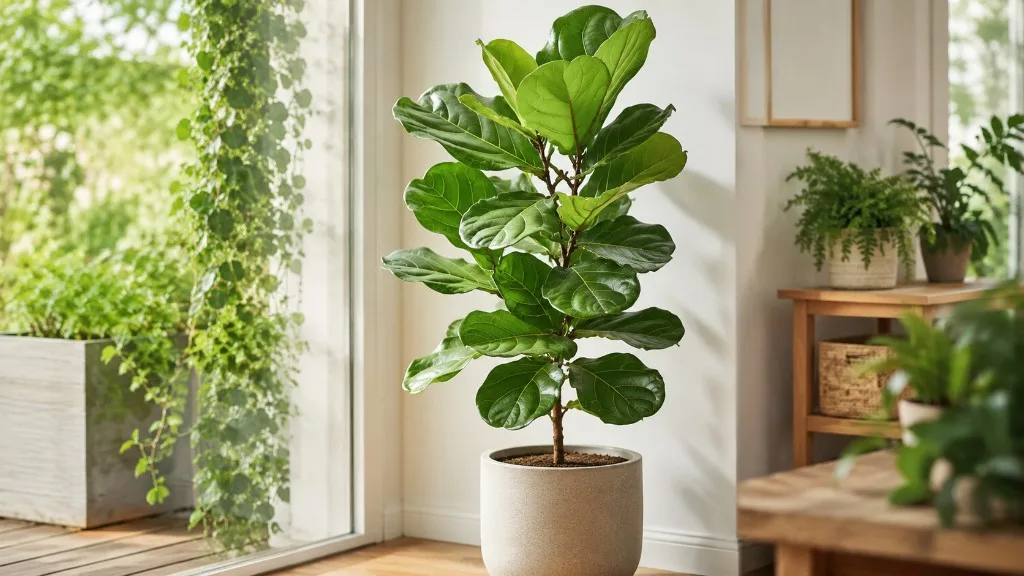
Fiddle leaf fig wants strong south-window energy—leaves enlarge when light is adequate.
Why it works: Iconic tree for brightest rooms.
Who it is for: Patient growers with stable placement.
Care reality: Hates relocation and drafty sills.
Common mistake: Placing against hot glass without acclimation.
Limitation: Toxic; dramatic if moved often.
Useful care guides:
Jade plant
Best for: sunny south sills
Difficulty: Easy
Light: Bright to direct sun
Water: Every 2–3 weeks
Best placement: South sill
Pet safety: Toxic if ingested
Typical indoor size: 1–3 ft
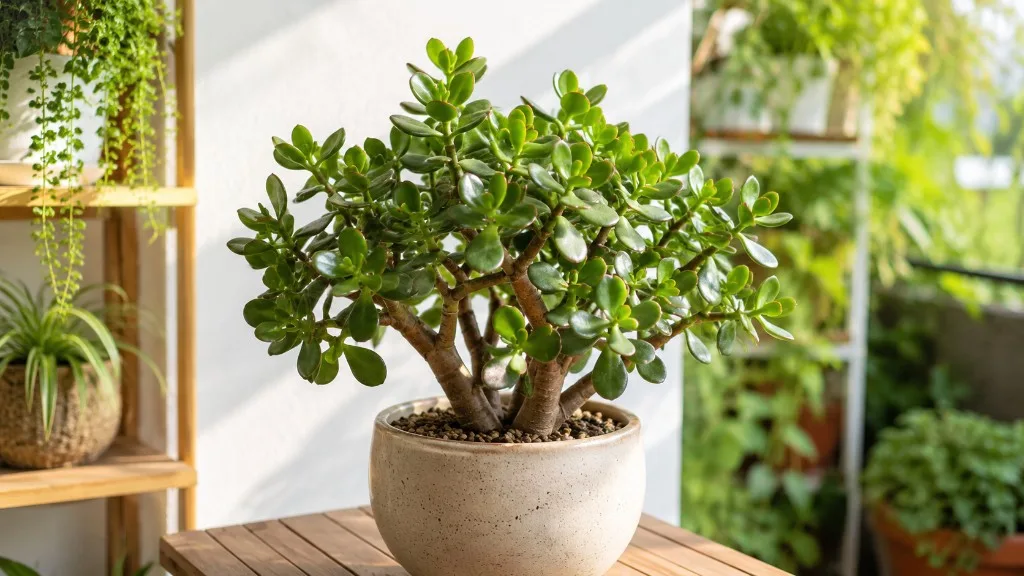
Jade plant succulent leaves thrive on south-window sun after acclimation.
Why it works: Tree-like succulent for sunniest sills.
Who it is for: Forgetful waterers with bright windows.
Care reality: Let soil dry fully between drinks.
Common mistake: Keeping in dim rooms—legs stretch.
Limitation: Toxic to pets.
Useful care guides:
Aloe vera
Best for: kitchen south windows
Difficulty: Easy
Light: Bright to direct sun
Water: Every 2–3 weeks
Best placement: South kitchen sill
Pet safety: Toxic if ingested
Typical indoor size: 8–16 in.
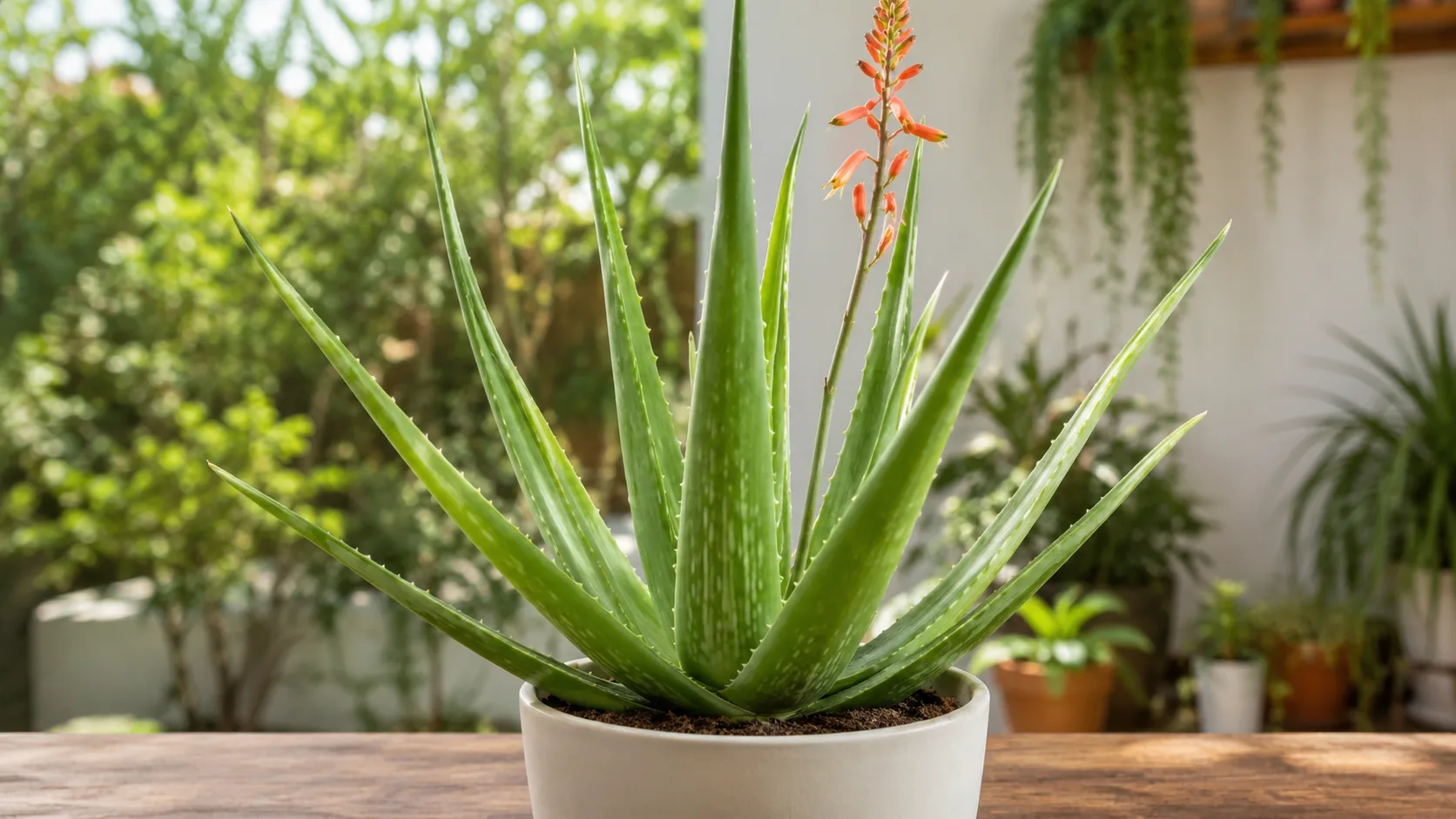
Aloe vera loves direct sun on a south sill—rot follows overwatering, not low humidity.
Why it works: Classic sunny-sill succulent.
Who it is for: Beginners with drainage.
Care reality: Dry soil between waterings.
Common mistake: Grouping with heavy drinkers.
Limitation: Toxic to pets.
Useful care guides:
Bird of paradise
Best for: sunny floor corners
Difficulty: Medium
Light: Bright to some direct sun
Water: When top 2 in. dry
Best placement: South floor near glass
Pet safety: Toxic if ingested
Typical indoor size: 5–8 ft
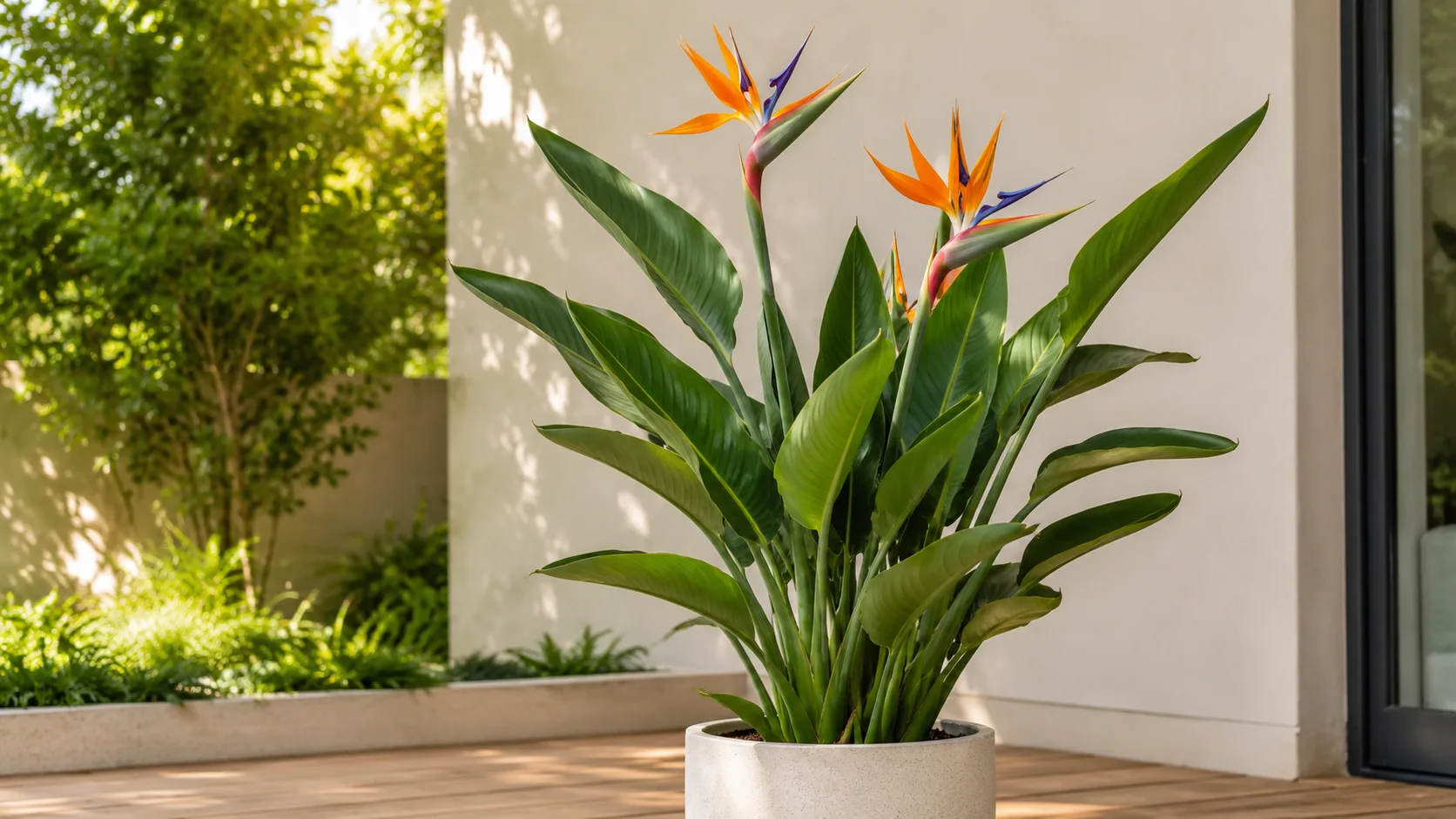
Bird of paradise needs south-window brightness for large paddle leaves indoors.
Why it works: Tropical drama that uses strong light.
Who it is for: Bright apartments with ceiling height.
Care reality: Split leaves are often normal.
Common mistake: Low light plus heavy watering.
Limitation: Toxic; needs space.
Useful care guides:
Croton
Best for: colorful south sills
Difficulty: Medium
Light: Bright to direct sun
Water: When top inch dries
Best placement: South sill
Pet safety: Toxic if ingested
Typical indoor size: 2–4 ft
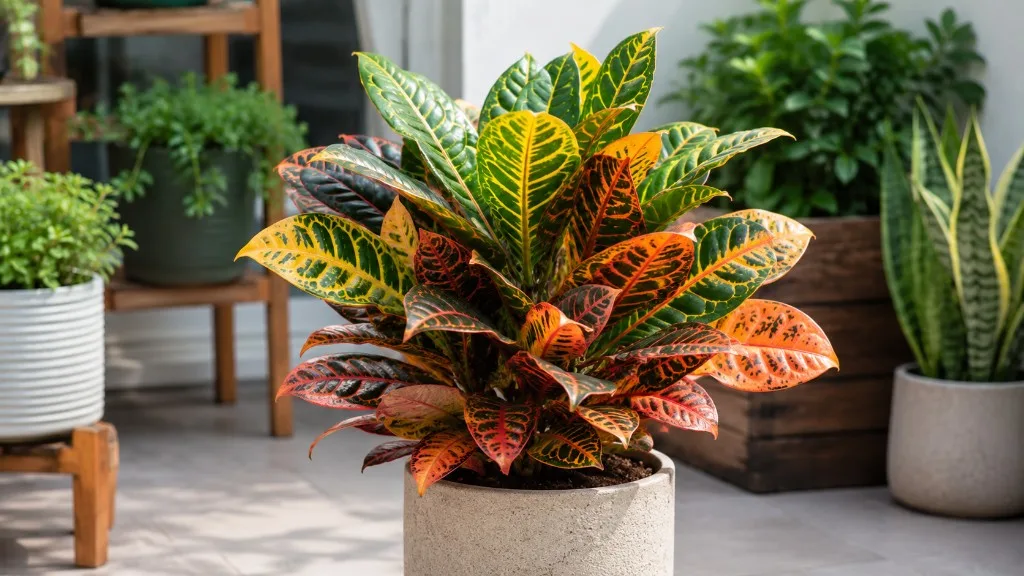
Croton color intensifies with south-window sun—fades green in dim rooms.
Why it works: Boldest foliage color indoors.
Who it is for: Sunny-window collectors.
Care reality: Drops leaves after moves—stabilize first.
Common mistake: North-window placement.
Limitation: Toxic; leaf drop when stressed.
Useful care guides:
Hibiscus
Best for: sunny bloom windows
Difficulty: Medium
Light: Bright direct sun
Water: When top inch dries
Best placement: South or west sill
Pet safety: Non-toxic (ASPCA)
Typical indoor size: 3–5 ft
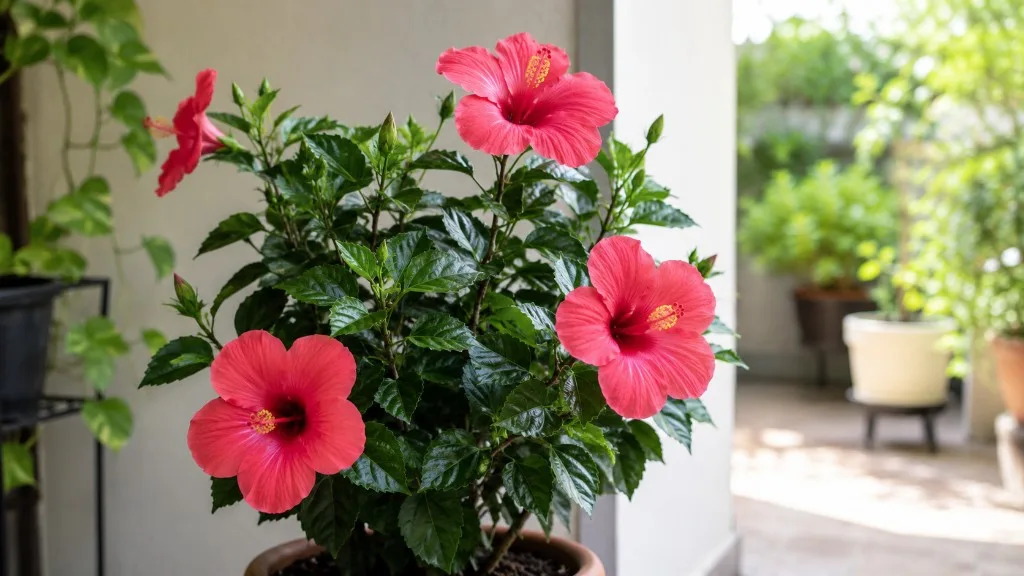
Hibiscus blooms best with hours of south-window sun.
Why it works: Pet-safe flowers with enough light.
Who it is for: Bloom-focused growers.
Care reality: Bud drop follows drafts and soggy soil.
Common mistake: Expecting winter blooms in dim rooms.
Limitation: Pest checks on buds.
Useful care guides:
Snake plant
Best for: south sills with neglect
Difficulty: Easy
Light: Low–bright indirect
Water: Every 2–4 weeks
Best placement: South sill or corner
Pet safety: Toxic if ingested
Typical indoor size: 1–4 ft
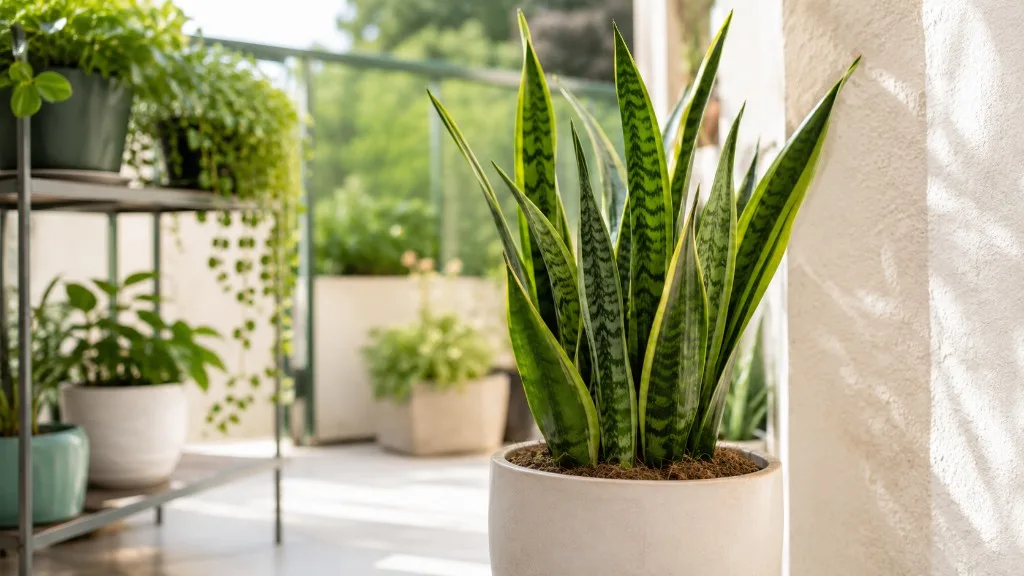
Snake plant tolerates south sun though growth is moderate—excellent for hot dry sills.
Why it works: Survives sunny sills and missed water.
Who it is for: Travelers with bright windows.
Care reality: Rot if overwatered in low light corner.
Common mistake: Weekly watering on a succulent schedule.
Limitation: Toxic to pets.
Useful care guides:
Rubber plant
Best for: bright south living rooms
Difficulty: Easy
Light: Bright indirect
Water: When top 2 in. dry
Best placement: Near south window, not on hot glass
Pet safety: Toxic if ingested
Typical indoor size: 4–8 ft
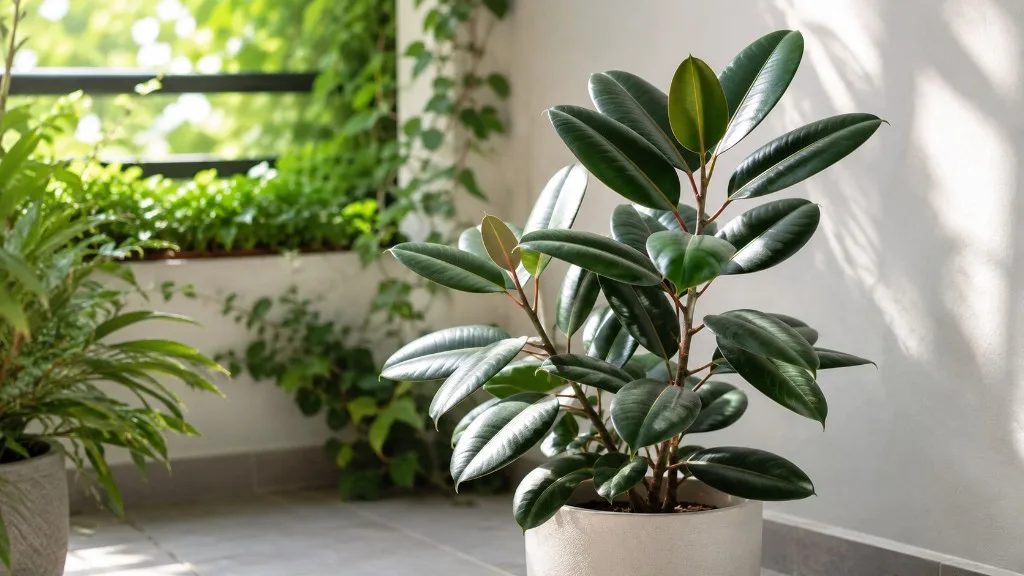
Rubber plant thick leaves use bright south light for size—avoid midday scorch on new plants.
Why it works: Glossy floor tree without fern humidity.
Who it is for: Bright-room owners.
Care reality: Wipe leaves monthly; stable watering.
Common mistake: Leaving new plant on blazing sill day one.
Limitation: Toxic; needs bright light.
Useful care guides:
Bougainvillea
Best for: sunniest south glass
Difficulty: Medium
Light: Full sun indoors
Water: When soil dries deeply
Best placement: South sill
Pet safety: Toxic if ingested
Typical indoor size: 3–6 ft trained
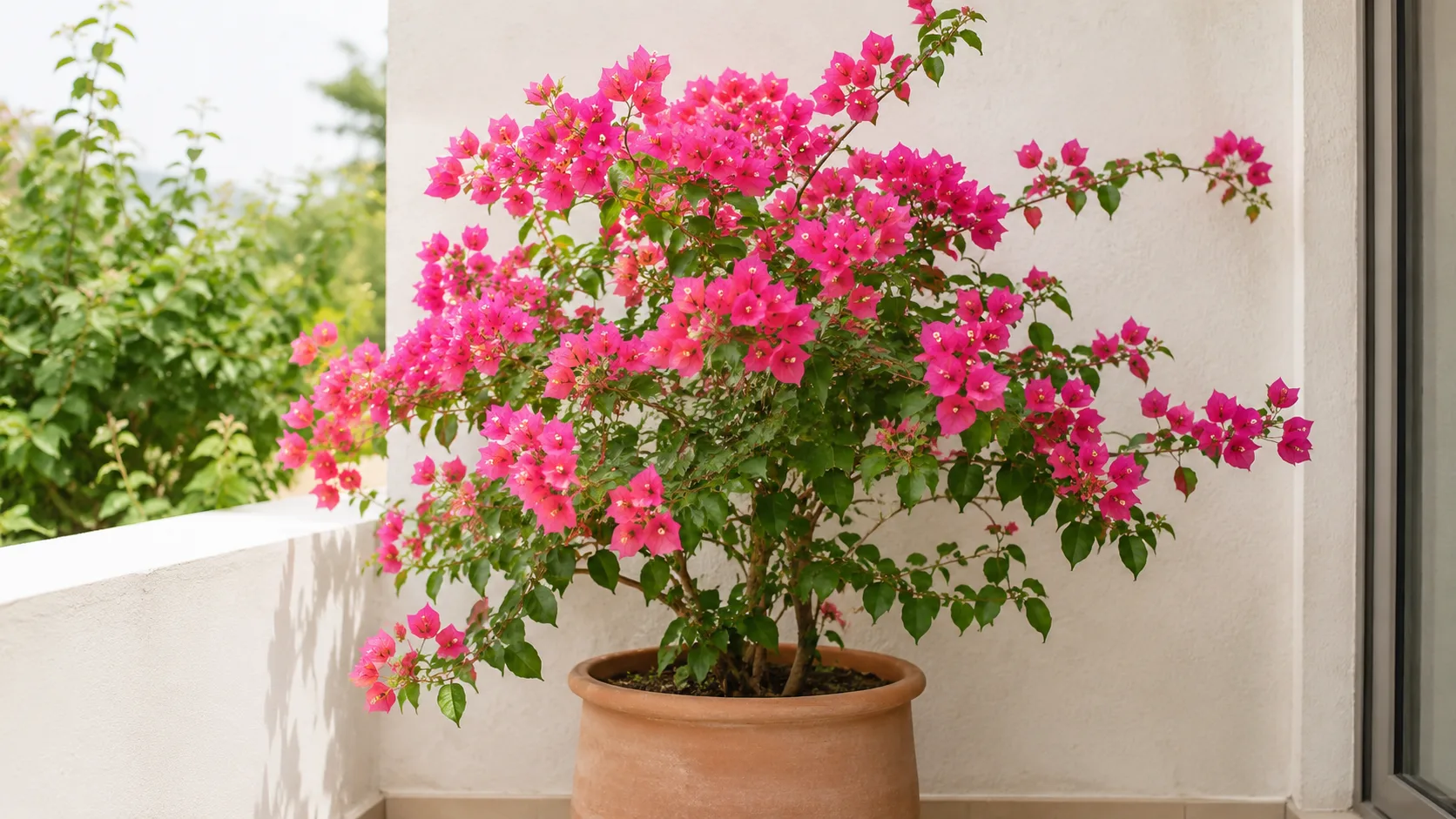
Bougainvillea needs maximum light—south windows are the indoor minimum for color.
Why it works: Vivid bracts when light is strong.
Who it is for: Experienced growers with true sun.
Care reality: Dry between waterings; wet roots stop blooms.
Common mistake: East light and wondering why it is green.
Limitation: Toxic; thorns on some types.
Useful care guides:
Geranium
Best for: classic south sills
Difficulty: Easy
Light: Bright direct sun
Water: When top inch dries
Best placement: South sill
Pet safety: Toxic to pets
Typical indoor size: 1–2 ft
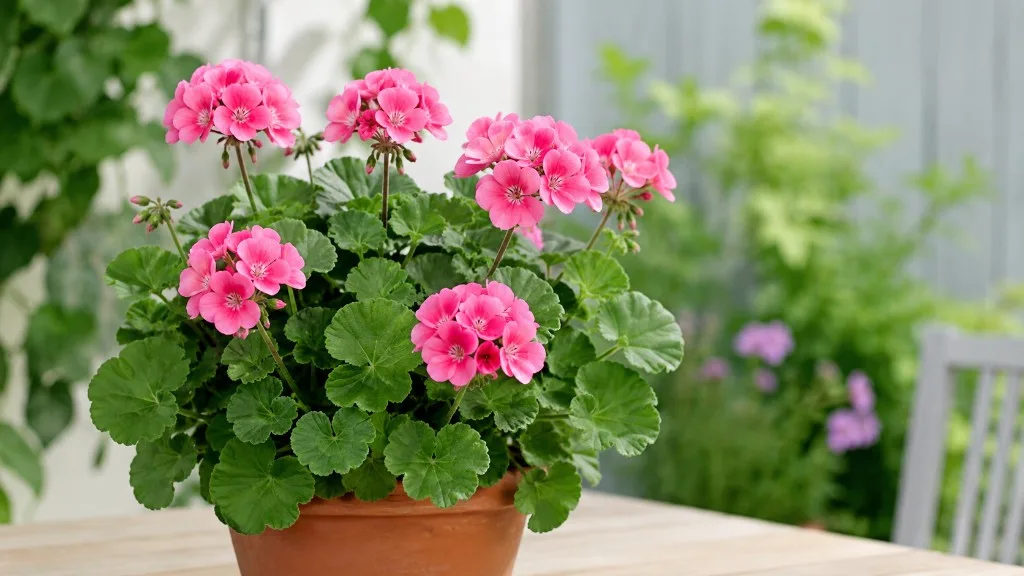
Geranium classic windowsill bloomer for south-facing glass.
Why it works: Reliable color on sunny sills.
Who it is for: Growers who deadhead blooms.
Care reality: Let soil dry slightly in winter.
Common mistake: Overwatering when growth slows.
Limitation: Toxic to pets.
Useful care guides:
Common Mistakes
Sunburning tropicals on day one. Acclimate fiddle leaf fig and rubber plant behind sheer curtain before full south exposure.
Watering succulents on a tropical schedule. Jade and aloe want dry soil—sunny sills dry fast but roots still rot if always wet.
Expecting blooms in winter on hibiscus. Shorter days reduce flowers even on south windows.
Ignoring pet toxicity on colorful sills. Croton, jade, and geranium are toxic if chewed—elevate pots in pet homes.
Conclusion
South windows are premium real estate—match sun lovers to open glass and bright-indirect trees to filtered light. Start with jade plant or snake plant if you are unsure, then graduate to fiddle leaf fig or bird of paradise when placement is stable.