Best Non-Toxic Hanging Plants
ASPCA-verified trailing houseplants safe for cat and dog homes.
Best Non-Toxic Hanging Plants
Quick recommendation
Spider plant and Swedish ivy are the top pet-safe hangers; Boston fern works in bright humid rooms.
Best Non-Toxic Hanging Plants
ASPCA-verified trailing houseplants safe for cat and dog homes.
Quick recommendation
Spider plant and Swedish ivy are the top pet-safe hangers; Boston fern works in bright humid rooms.
Non-toxic hanging plants let you use ceiling height without pothos-level toxicity risk when cats bat trailing vines. The best picks combine ASPCA non-toxic status with natural trailing habits and realistic indoor light needs.
This guide compares ten species by ASPCA status, trailing habit, light needs, and cat chewing risk. See also Best Hanging Indoor Plants and Best Pet-Safe Indoor Plants.
The ten best non-toxic hanging plants for most homes are Spider plant, Swedish ivy, Boston fern, Peperomia, Prayer plant, Calathea, Bird’s nest fern, Maidenhair fern, Staghorn fern, Burro’s tail. Cats climb—hanging baskets reduce floor access but not all curiosity.
Elevation reduces floor-level chewing—not eliminates it. ASPCA non-toxic species lower poisoning consequence when small nibbles happen. (ASPCA Toxic and Non-Toxic Plants)
Sturdy hooks rated for wet soil weight matter when cats climb furniture toward baskets.
For easiest pet-safe trailer, choose spider plant. For soft scalloped leaves, choose Swedish ivy. For lush fern baskets, choose Boston fern. For small pet-safe hangers, choose peperomia.
Verify ASPCA listings, hang above jump height when possible, and lower to sink for drainage watering. Trim trails that reach sofas.
Selected for verified non-toxic status plus natural trailing or hanging basket suitability—not floor plants placed in elevated pots alone.
| Plant | Best For | Light | Care Level | Main Trade-Off |
|---|---|---|---|---|
| Spider plant | Pet-safe arching hanger | Bright indirect | Easy | Cats chew spiderettes |
| Swedish ivy | Pet-safe soft trailer | Bright indirect | Easy | Less drought-tolerant |
| Boston fern | Arching fern basket | Bright indirect | Medium | Needs steady moisture |
| Peperomia | Compact pet-safe hanger | Medium–bright indirect | Easy | Short trails |
| Prayer plant | Patterned pet-safe trails | Medium indirect | Medium | Humidity helps |
| Calathea | Patterned pet-safe leaves | Medium indirect | Demanding | Crispy tips in dry air |
| Bird’s nest fern | Sculptural rosette hanger | Medium indirect | Medium | Crown must stay dry |
| Maidenhair fern | Delicate pet-safe fern | Bright indirect | Demanding | Wilts if soil dries |
| Staghorn fern | Wall-mounted pet-safe | Bright indirect | Medium | Unusual mount care |
| Burro’s tail | Pet-safe succulent cascade | Bright to direct sun | Medium | Fragile strands |
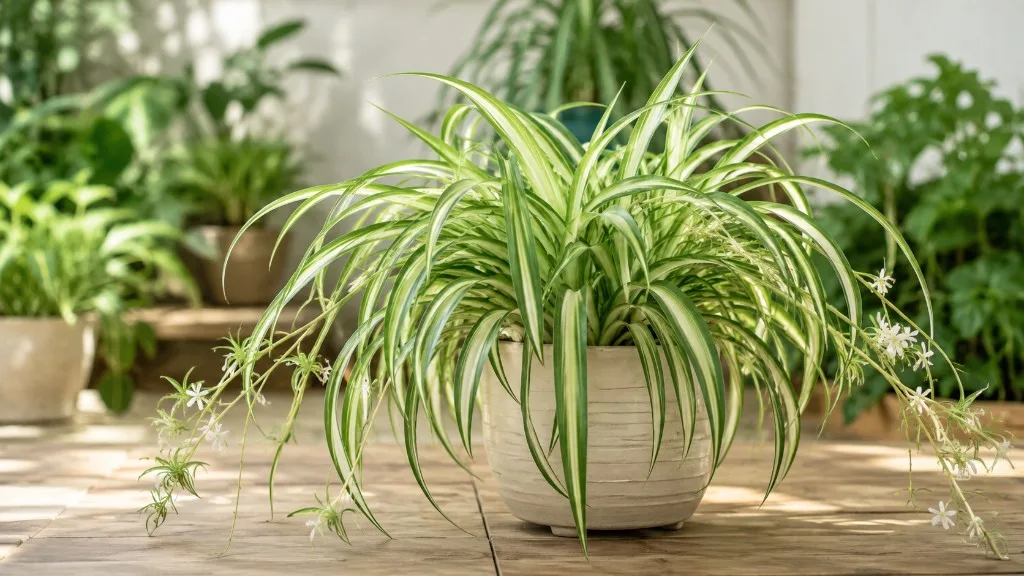
Best for: classic pet-safe hanger
Difficulty: Easy
Light: Bright indirect
Water: When top 2 in. dry
Best placement: Ceiling hook six to eight feet
Pet safety: Non-toxic (ASPCA)
Typical indoor size: 12–24 in.
Spider plant arching spiderettes dangle—cats love them but ASPCA non-toxic.
Why it works: Top pet-safe hanging pick.
Who it is for: Cat households everywhere.
Care reality: Lower to sink weekly in summer.
Common mistake: Leaving basket without drainage.
Limitation: Cat magnet spiderettes.
Useful care guides:
Best for: pet-safe pothos alternative
Difficulty: Easy
Light: Bright indirect
Water: When top inch dries
Best placement: Hanging basket bright hook
Pet safety: Non-toxic (ASPCA)
Typical indoor size: Trailing 2–4 ft
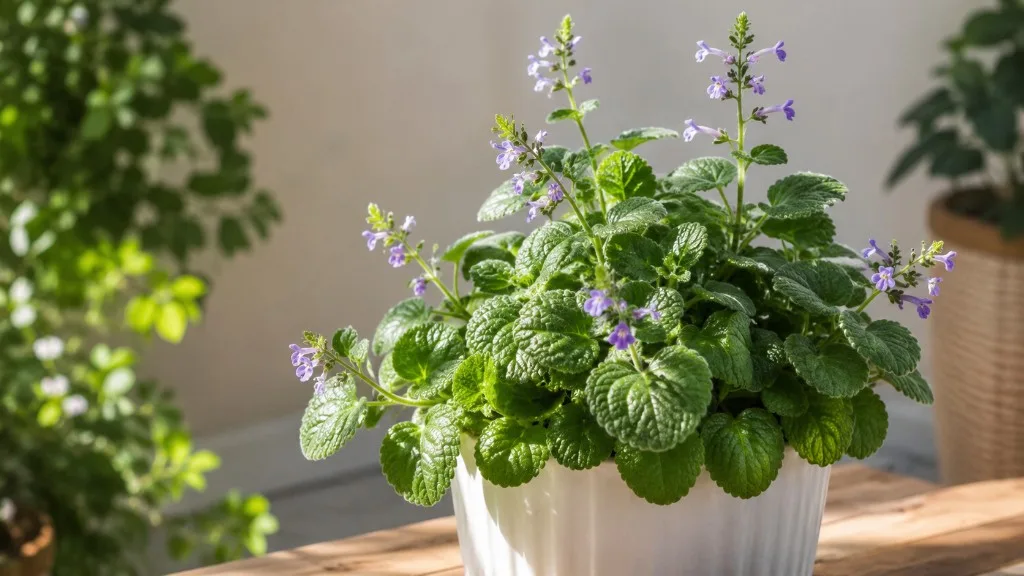
Swedish ivy soft scalloped trails—non-toxic substitute for toxic pothos hangers.
Why it works: Pet-safe trailing substitute.
Who it is for: Cat owners wanting vine look.
Care reality: Pinch tips for fullness.
Common mistake: Confusing with toxic English ivy.
Limitation: Less drought-tolerant than pothos.
Useful care guides:
Best for: lush pet-safe fern basket
Difficulty: Medium
Light: Bright indirect
Water: Keep evenly moist
Best placement: Humid bright room hook
Pet safety: Non-toxic (ASPCA)
Typical indoor size: 12–24 in. arching
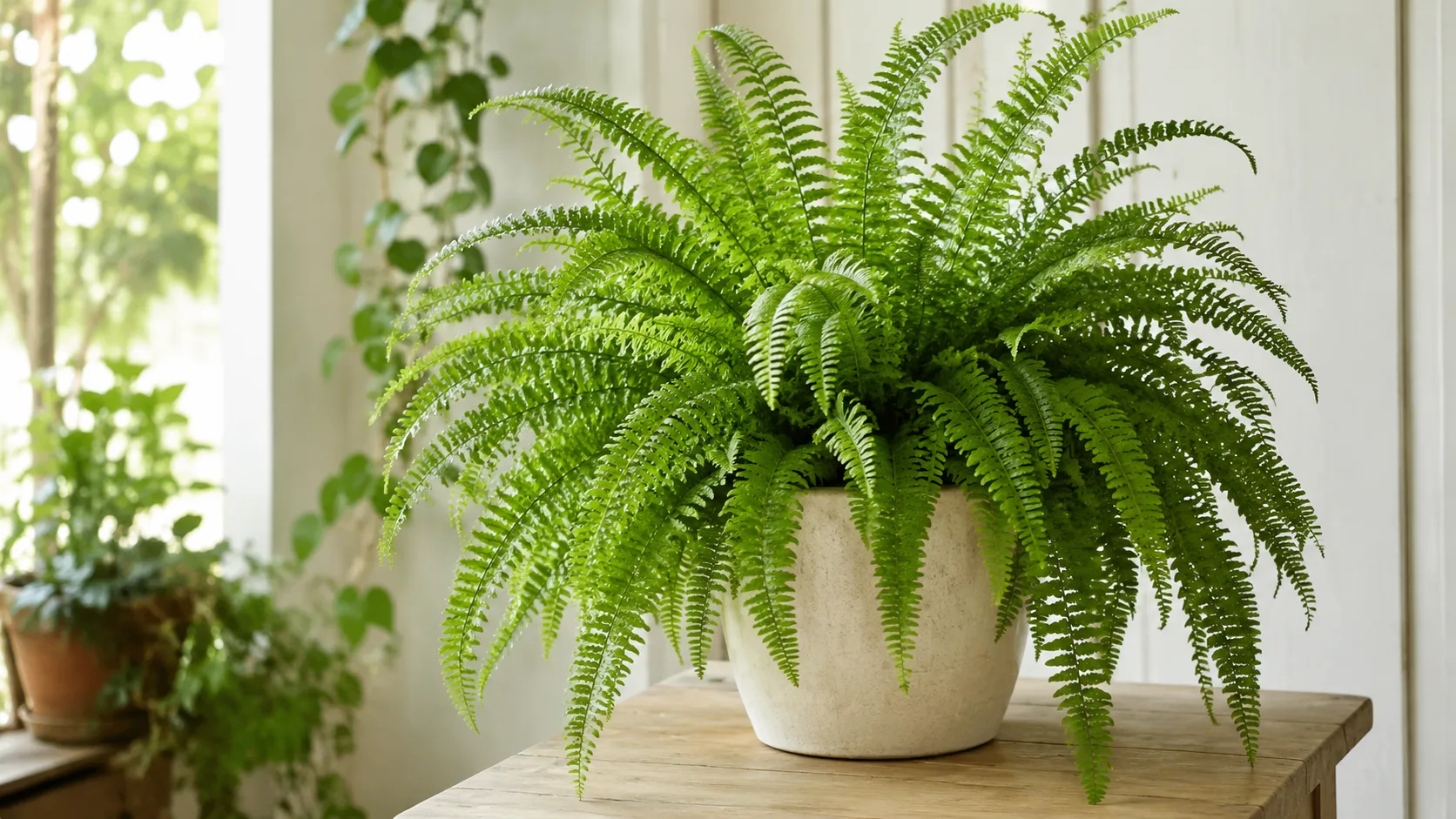
Boston fern classic hanging fern—needs humidity and bright indirect light.
Why it works: Lush pet-safe fern mass.
Who it is for: Bright bathrooms and living rooms.
Care reality: Fronds brown if soil dries.
Common mistake: Dark dry living room placement.
Limitation: High moisture needs.
Useful care guides:
Best for: small pet-safe hanging pots
Difficulty: Easy
Light: Medium–bright indirect
Water: When top 2 in. dry
Best placement: Small elevated basket
Pet safety: Non-toxic (ASPCA)
Typical indoor size: 6–12 in.
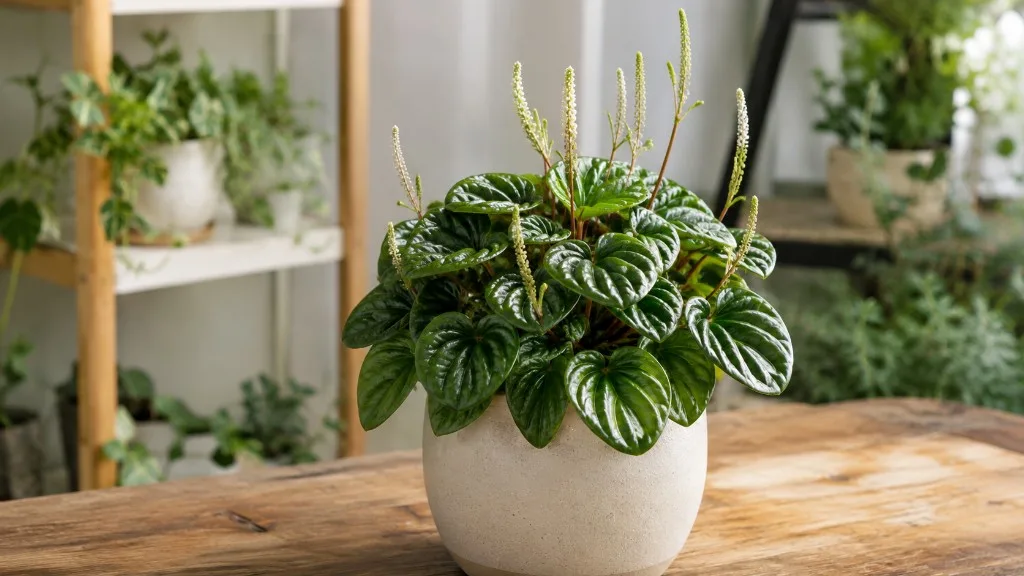
Peperomia compact trailing types suit small pet-safe hangers in tight apartments.
Why it works: Compact pet-safe hanger.
Who it is for: Small spaces with cats.
Care reality: Rot in oversized baskets.
Common mistake: Expecting ten-foot trails.
Limitation: Short trails only.
Useful care guides:
Best for: patterned hanging baskets
Difficulty: Medium
Light: Medium indirect
Water: When top inch dries
Best placement: Hook near east window
Pet safety: Non-toxic (ASPCA)
Typical indoor size: 10–18 in.
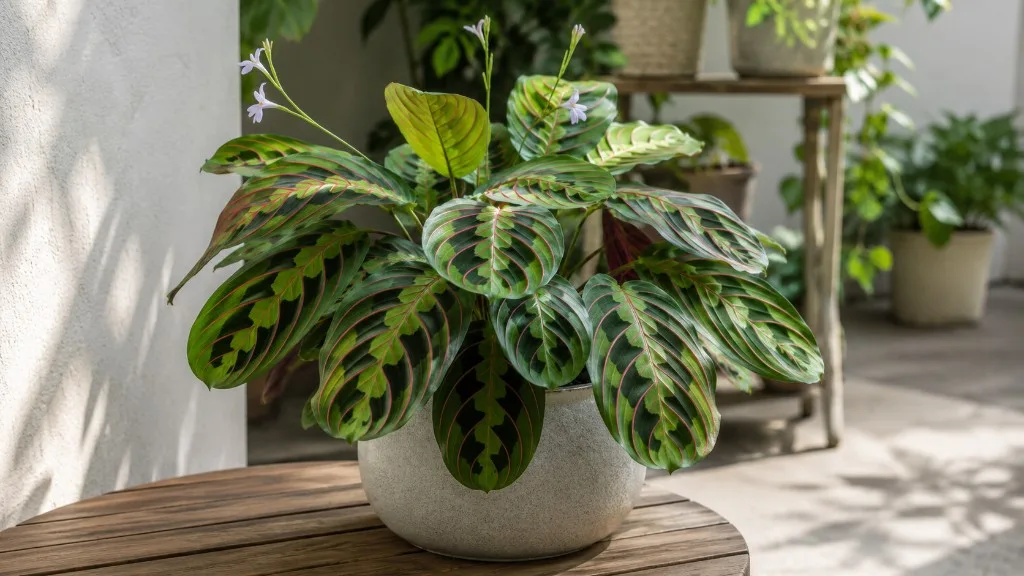
Prayer plant trailing cultivars cascade from baskets with pet-safe patterned leaves.
Why it works: Patterned pet-safe hanger.
Who it is for: Design-focused pet homes.
Care reality: Humidity helps leaf edges.
Common mistake: Dry winter heating without humidity.
Limitation: Moderate trail length.
Useful care guides:
Best for: patterned elevated baskets
Difficulty: Demanding
Light: Medium indirect
Water: When top inch dries
Best placement: Bright hook away from vent
Pet safety: Non-toxic (ASPCA)
Typical indoor size: 12–24 in.
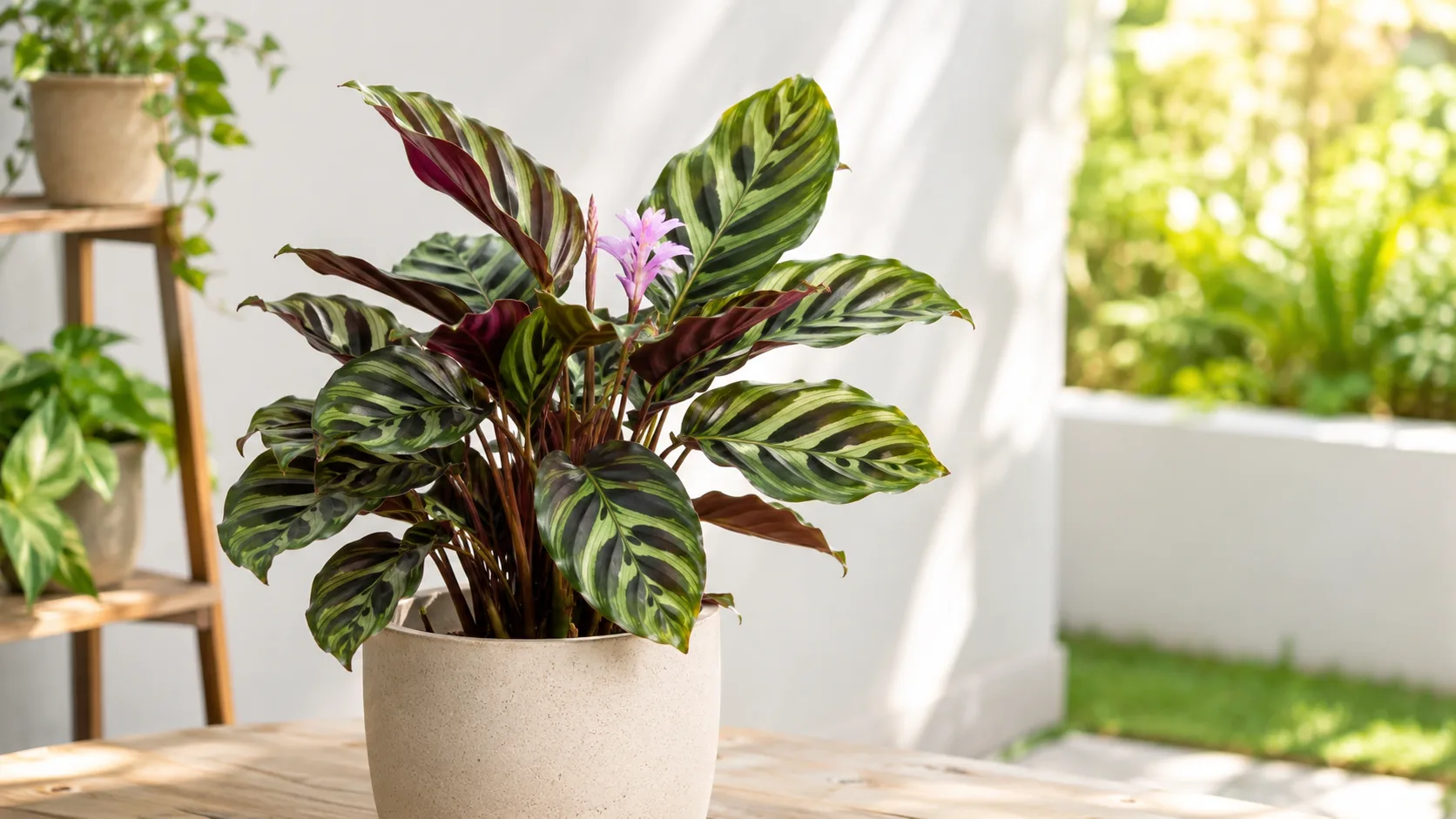
Calathea some varieties trail from elevated baskets—humidity hungry but non-toxic.
Why it works: Bold pet-safe patterns overhead.
Who it is for: Humidity-aware cat homes.
Care reality: Crispy tips in dry air.
Common mistake: Treating like spider plant watering.
Limitation: Demanding.
Useful care guides:
Best for: modern pet-safe basket
Difficulty: Medium
Light: Medium indirect
Water: When top inch dries
Best placement: Shelf or hanger
Pet safety: Non-toxic (ASPCA)
Typical indoor size: 12–18 in.
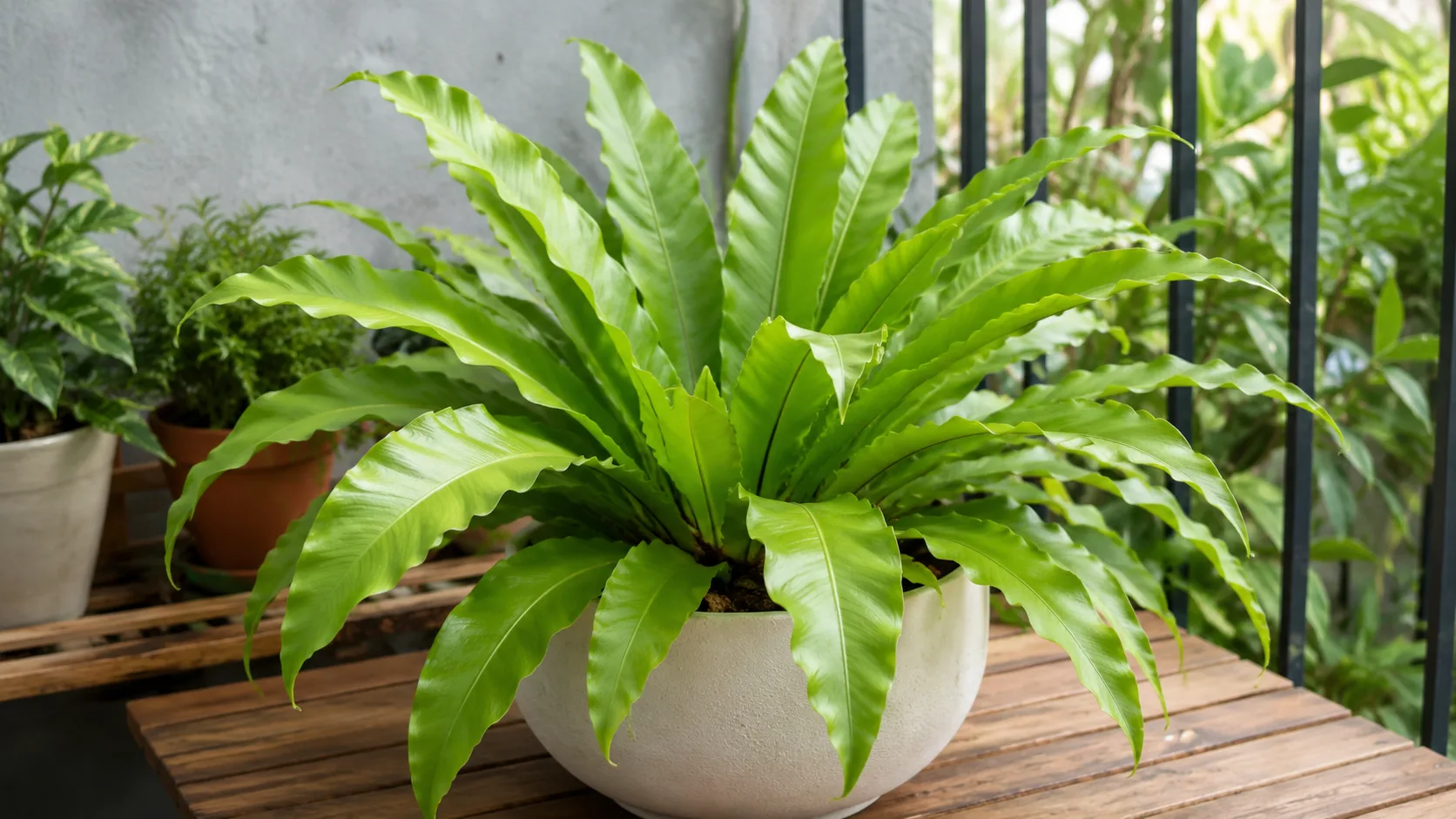
Bird’s nest fern rosette form in hanging coco liners—keep crown dry.
Why it works: Sculptural pet-safe rosette.
Who it is for: Modern pet-friendly baths.
Care reality: Water soil not crown.
Common mistake: Misting rosette center.
Limitation: Crown rot risk.
Useful care guides:
Best for: delicate pet-safe fern
Difficulty: Demanding
Light: Bright indirect
Water: Consistently moist
Best placement: Bright humid hook
Pet safety: Non-toxic (ASPCA)
Typical indoor size: 12–18 in.
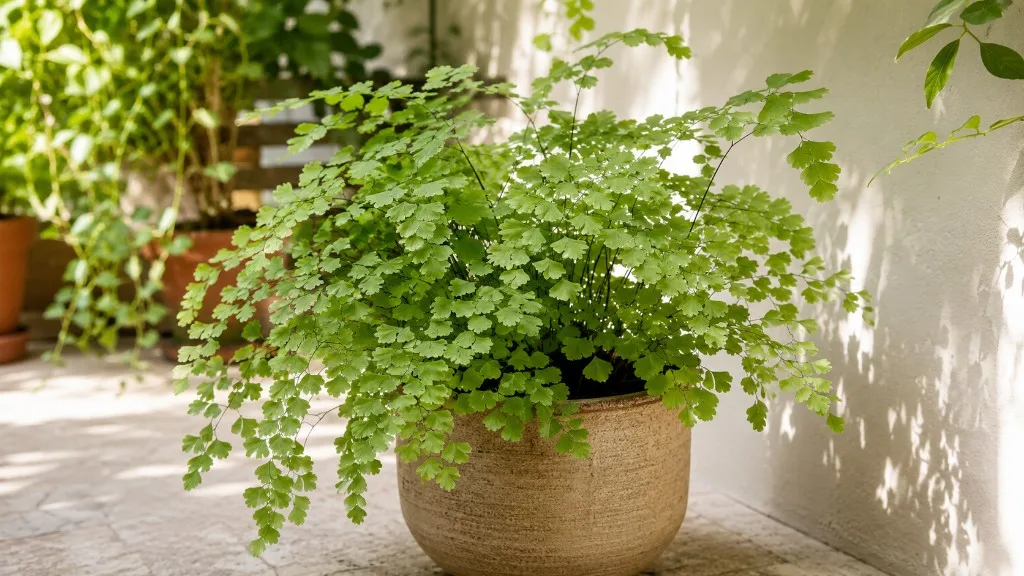
Maidenhair fern delicate fronds in bright humid hanging baths—non-toxic but demanding.
Why it works: Elegant pet-safe fern.
Who it is for: Experienced growers with bright baths.
Care reality: Wilts when soil dries.
Common mistake: Guest bath with dim window.
Limitation: Very demanding.
Useful care guides:
Best for: wall-mounted pet-safe
Difficulty: Medium
Light: Bright indirect
Water: Soak weekly
Best placement: Wall mount high
Pet safety: Non-toxic (ASPCA)
Typical indoor size: 12–24 in.
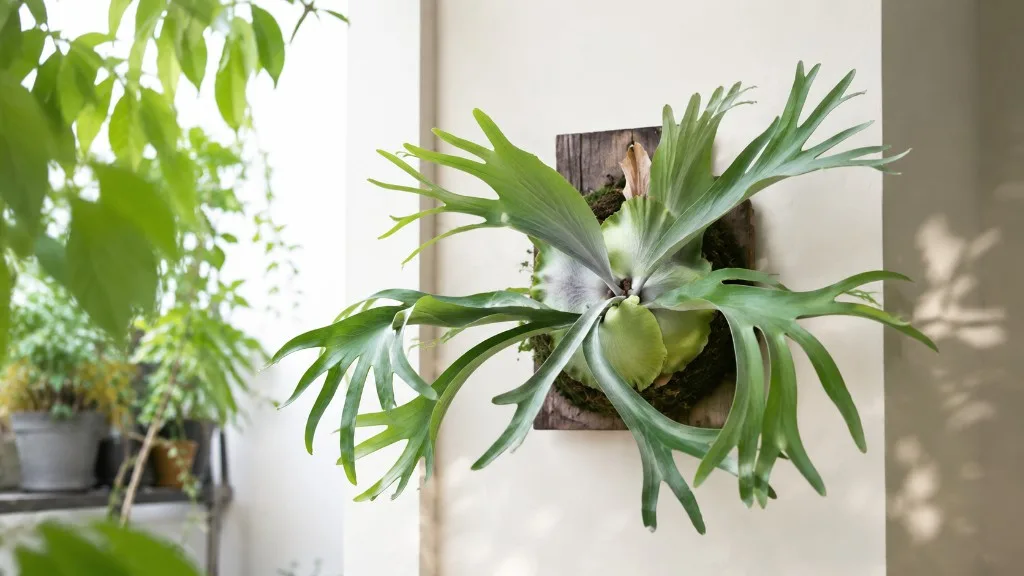
Staghorn fern mounted plaques keep plants off floor—smart cat strategy.
Why it works: Elevated pet-safe mount.
Who it is for: Wall-space cat homes.
Care reality: Soak on schedule.
Common mistake: Dense soil in dim corner.
Limitation: Mount care learning curve.
Useful care guides:
Best for: pet-safe succulent cascade
Difficulty: Medium
Light: Bright indirect to sun
Water: Every 2–3 weeks
Best placement: Brightest hook
Pet safety: Non-toxic (ASPCA)
Typical indoor size: Trailing 2–4 ft
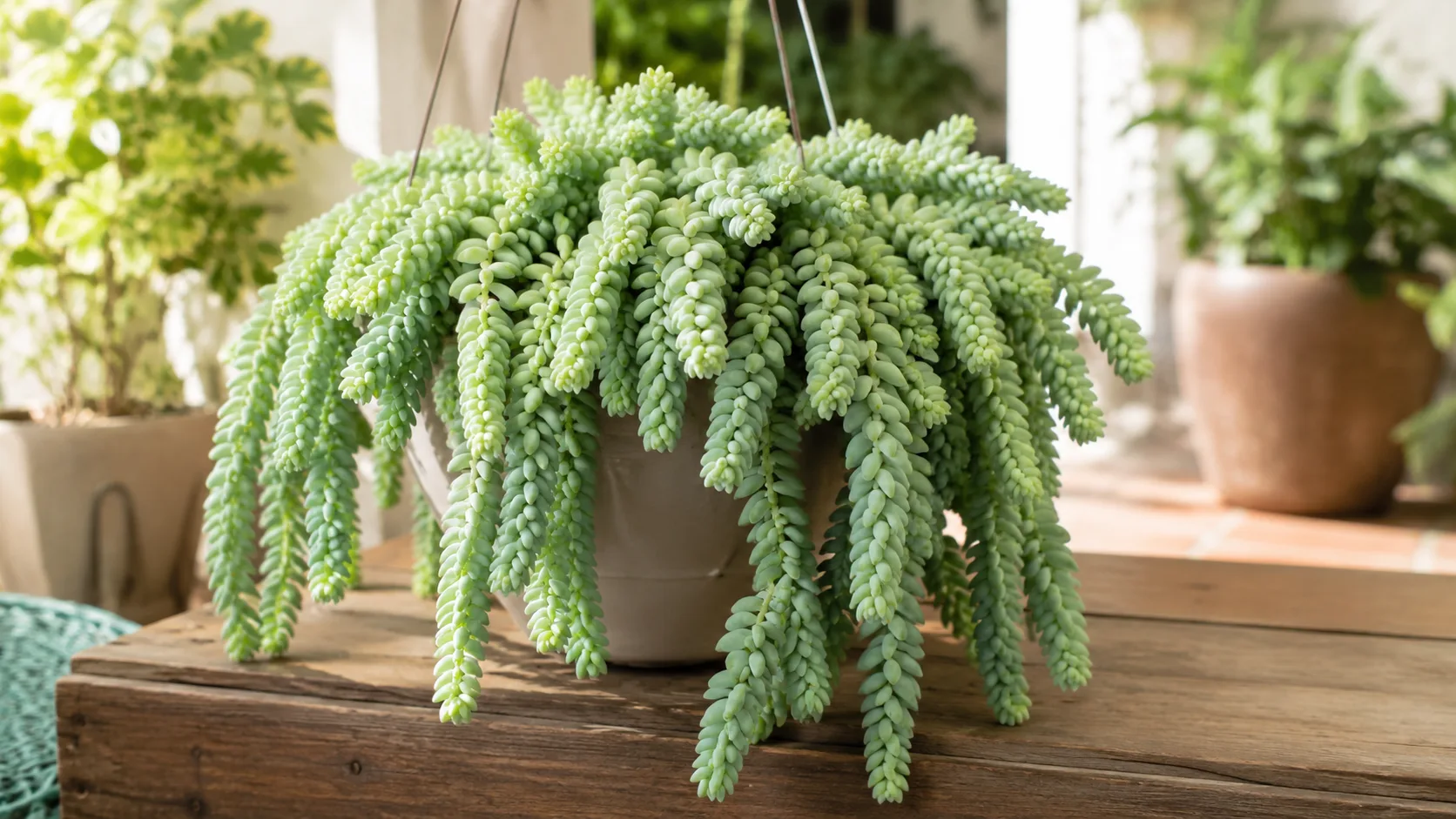
Burro’s tail succulent strands trail from bright hooks—non-toxic but fragile.
Why it works: Pet-safe succulent strands.
Who it is for: Sunny apartments with cats.
Care reality: Leaves fall if bumped.
Common mistake: North-facing hook.
Limitation: Fragile leaves.
Useful care guides:
Assuming hang height stops all chewing. Cats climb—trim trails reaching furniture and secure hooks.
Choosing Boston fern for dim dry rooms. Ferns need bright humidity—spider plant tolerates more variance.
Confusing Swedish ivy with toxic true ivy. Hedera helix is toxic—Plectranthus Swedish ivy is ASPCA non-toxic.
Ignoring potting mix ingestion. Non-toxic foliage does not make soil or fertilizer safe—stabilize pots.
Spider plant and Swedish ivy lead pet-safe hanging lists; Boston fern rewards humidity; peperomia fits small spaces. Hang high, water at sink, trim reachable trails.
This Best Non-Toxic Hanging Plants plant list was researched and written by . Plant picks, rankings, and suitability notes for Best Non-Toxic Hanging Plants are checked against LeafyPixels plant metadata, care requirements, pet-toxicity references, and practical indoor suitability.
We prioritize sources that hold up under scrutiny:
The LeafyPixels editorial team then reviews the draft for clarity, step-by-step usefulness, and fit with real apartment and home conditions-not ideal greenhouse setups. When guidance changes materially, we update the page and note the revision date.