If you water whenever you walk past a plant—or panic at the first drooping leaf—you need species that forgive wet soil briefly without instant root rot. True overwaterer plants still need drainage; they just survive the learning curve better than cacti.
This guide compares ten species by overwatering forgiveness, recovery speed, and drainage needs. See also Best Low-Maintenance Indoor Plants.
The ten best plants for overwaterers for most homes are Pothos, Spider plant, Snake plant, ZZ plant, Peace lily, Philodendron, Haworthia, Jade plant, Aloe vera, Christmas cactus. No plant thrives in permanently soggy soil—these recover from occasional heavy watering better than succulents.
What Overwaterer-Friendly Really Means
Extension guides consistently rank overwatering as the top houseplant killer. Overwaterer-friendly species have resilient roots, store backup water, or show early wilt cues before rot spreads. (University of Florida IFAS)
Fix the habit: use pots with drain holes, empty saucers, and check soil depth—not leaf shine—before adding water.
Quick Pick: Best Plant for Your Situation
For best recovery from wet spells, choose pothos or spider plant.
For plants that prefer dry soil (train your habit), choose snake plant or ZZ plant.
For obvious dry cues, choose peace lily—wilts before rot if you catch it.
For pet-safe forgiveness, choose spider plant.
How to Choose
Use drainage first, then pick forgiving roots. Pothos and spider plant tolerate brief overwatering; succulents do not. If you chronically overwater, consider self-watering pots with reservoirs you fill on schedule.
How We Selected These Ten
Ranked by recovery from occasional overwatering and nursery availability—not by thriving in swamp conditions.
Comparison Table
Pothos
Best for: overwaterers learning habits
Difficulty: Easy
Light: Low–medium indirect
Water: When top 2 in. dry
Best placement: Any bright shelf
Pet safety: Toxic if ingested
Typical indoor size: Vines 6–10 ft
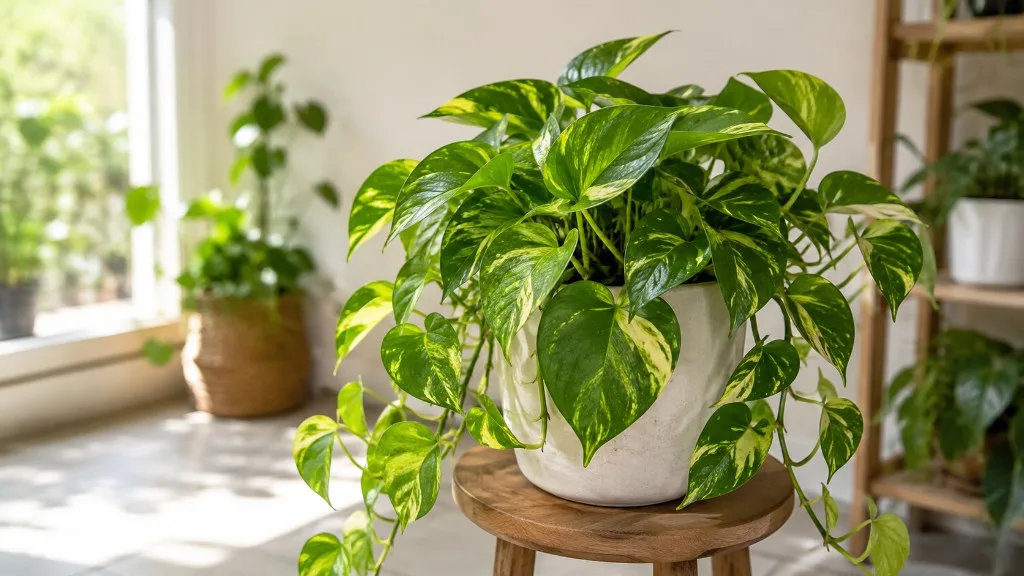
Pothos survives occasional heavy watering better than succulents—yellow leaves signal cut back.
Why it works: Most forgiving tropical vine.
Who it is for: Beginners breaking bad watering habits.
Care reality: Recovers after drying out post-overwater.
Common mistake: Keeping in sealed cachepot with no drain.
Limitation: Toxic to pets.
Useful care guides:
Spider plant
Best for: family overwaterers
Difficulty: Easy
Light: Bright indirect
Water: When top 2 in. dry
Best placement: Hanging or shelf
Pet safety: Non-toxic (ASPCA)
Typical indoor size: 12–24 in.
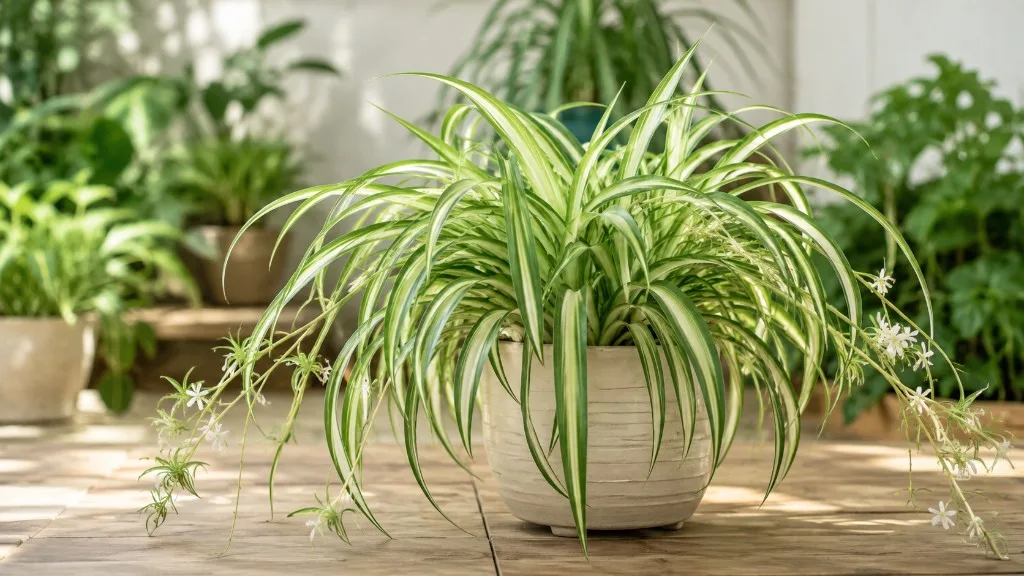
Spider plant tolerates brief wet soil but rots if constantly soggy—brown base means stop watering.
Why it works: Pet-safe forgiveness.
Who it is for: Homes with kids and heavy waterers.
Care reality: Brown tips from fluoride; base rot from chronic wet.
Common mistake: Assuming pet-safe means wet soil forever.
Limitation: Spiderettes attract pets.
Useful care guides:
Snake plant
Best for: overwaterers who need dry training
Difficulty: Easy
Light: Low–bright indirect
Water: Every 2–4 weeks
Best placement: Dim corner
Pet safety: Toxic if ingested
Typical indoor size: 1–4 ft
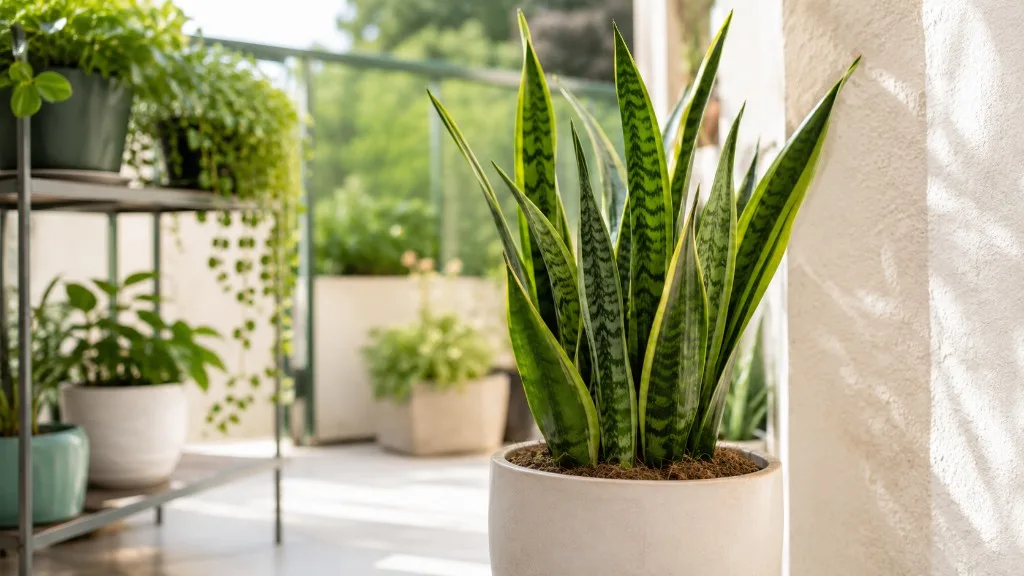
Snake plant prefers dry soil—forces you to wait; mushy base means already overwatered.
Why it works: Dry-soil trainer plant.
Who it is for: Chronic overwaterers needing hard reset.
Care reality: Stores water—rot if watered weekly.
Common mistake: Watering because leaves look dusty.
Limitation: Toxic; rot is fatal if ignored.
Useful care guides:
ZZ plant
Best for: overwaterers in offices
Difficulty: Easy
Light: Low–medium indirect
Water: Every 2–4 weeks
Best placement: Desk
Pet safety: Toxic if ingested
Typical indoor size: 2–3 ft
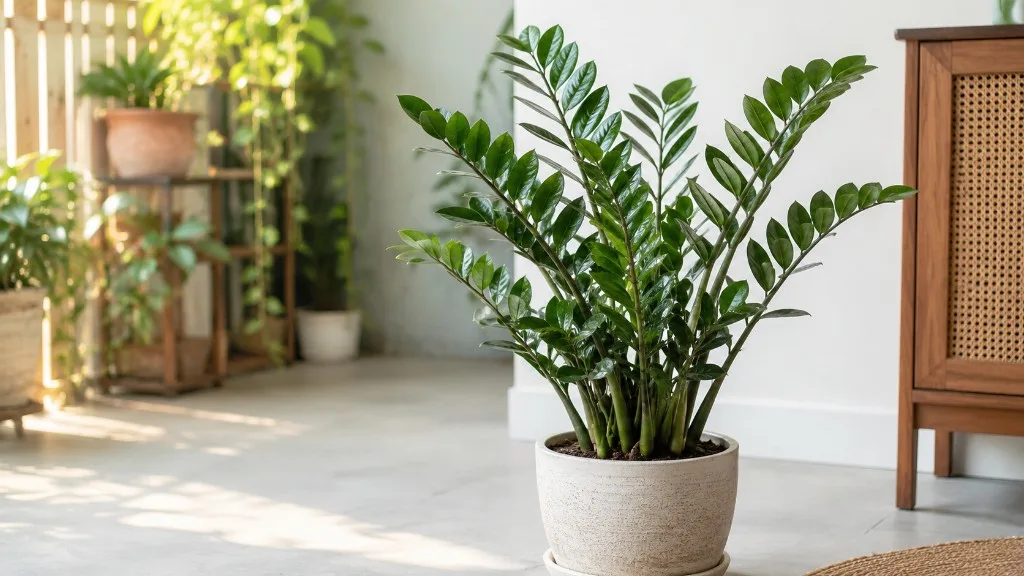
ZZ plant rhizomes store water—yellow stems mean too much moisture.
Why it works: Glossy leaves on dry schedule.
Who it is for: Office overwaterers.
Care reality: Thrives when you water less.
Common mistake: Friday team watering every plant.
Limitation: Toxic; slow rot warning.
Useful care guides:
Peace lily
Best for: overwaterers who need signals
Difficulty: Medium
Light: Low–medium indirect
Water: When top inch dries
Best placement: Floor pot
Pet safety: Toxic if ingested
Typical indoor size: 2–4 ft
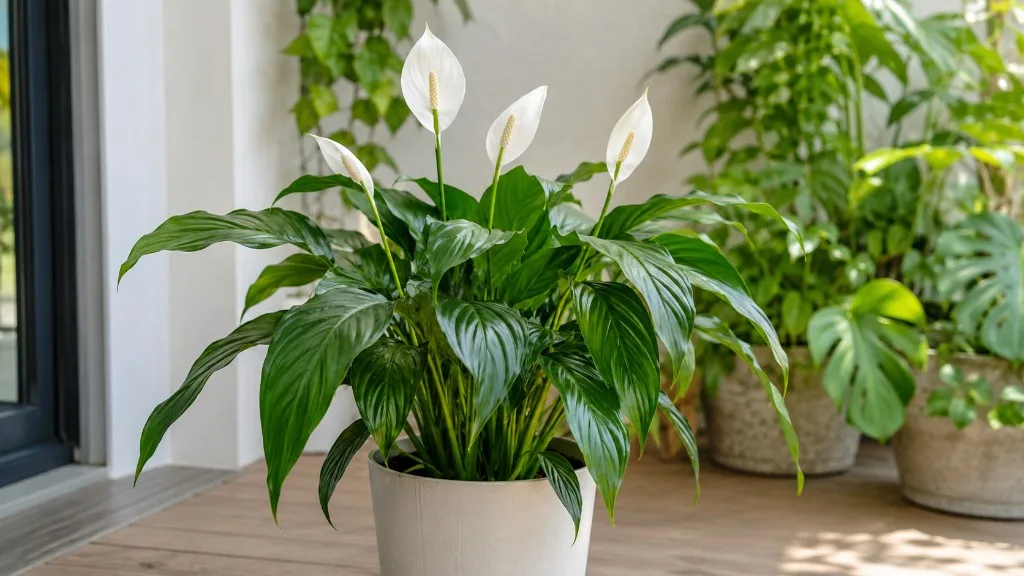
Peace lily wilts dramatically when dry—overwaterers often keep soil wet until rot; learn wilt cue instead.
Why it works: Obvious water feedback.
Who it is for: Growers who ignore soil checks.
Care reality: Recovers from wilt; not from chronic rot.
Common mistake: Watering daily because leaves droop once.
Limitation: Toxic to pets.
Useful care guides:
Philodendron
Best for: trailing overwaterers
Difficulty: Easy
Light: Medium indirect
Water: When top 2 in. dry
Best placement: Hanging hook
Pet safety: Toxic if ingested
Typical indoor size: Vines 6–10 ft
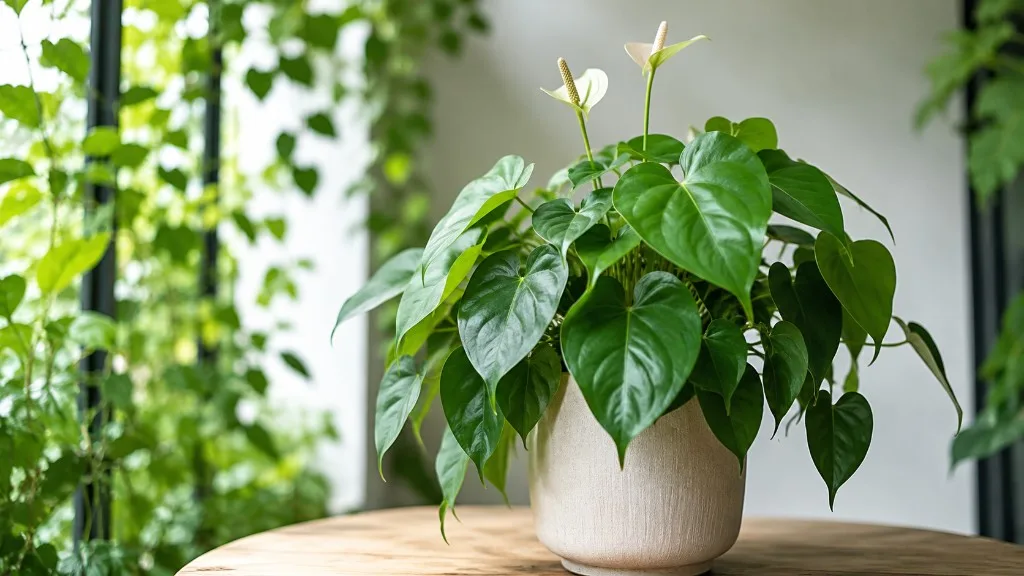
Philodendron heart-leaf types survive occasional heavy watering if soil dries afterward.
Why it works: Trailing forgiveness.
Who it is for: Vine lovers overwatering weekly.
Care reality: Yellow leaves mean cut back on water.
Common mistake: Soggy soil for weeks in low light.
Limitation: Toxic to pets.
Useful care guides:
Haworthia
Best for: overwaterers wanting succulents
Difficulty: Easy
Light: Bright indirect
Water: Every 2–3 weeks
Best placement: Sunny desk
Pet safety: Non-toxic (ASPCA)
Typical indoor size: 3–6 in.
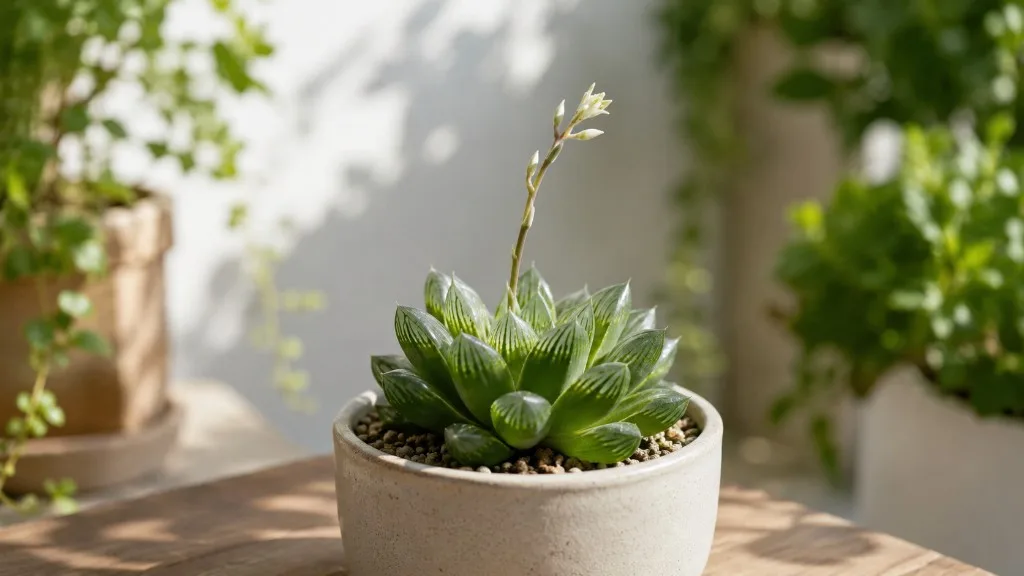
Haworthia NOT for chronic overwatering—included as small pet-safe dry-soil trainer.
Why it works: Pet-safe dry-soil lesson.
Who it is for: Desk growers learning dry cycles.
Care reality: Translucent mushy leaves mean rot.
Common mistake: Watering on pothos schedule.
Limitation: Small; needs dry soil.
Useful care guides:
Jade plant
Best for: sunny dry training
Difficulty: Easy
Light: Bright to direct sun
Water: Every 2–3 weeks
Best placement: Sunny sill
Pet safety: Toxic if ingested
Typical indoor size: 1–3 ft
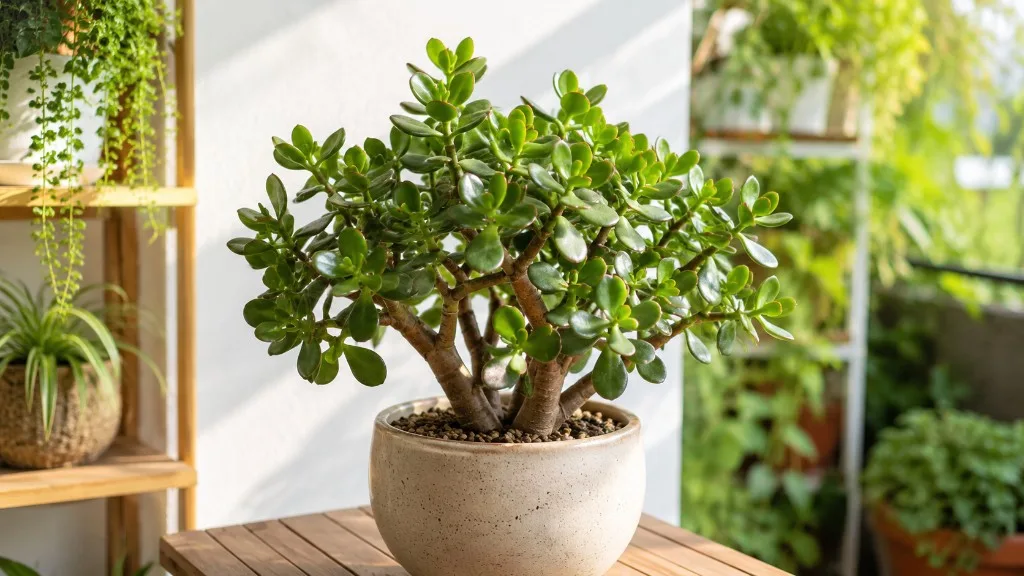
Jade plant succulent—overwaterers kill jade fast; use as bright-window dry trainer.
Why it works: Forces dry-soil discipline.
Who it is for: Overwaterers ready for sunny sill reset.
Care reality: Soft leaves mean overwatered.
Common mistake: Keeping jade in dim wet corner.
Limitation: Toxic to pets.
Useful care guides:
Aloe vera
Best for: kitchen dry training
Difficulty: Easy
Light: Bright to direct sun
Water: Every 2–3 weeks
Best placement: Kitchen sill
Pet safety: Toxic if ingested
Typical indoor size: 8–16 in.
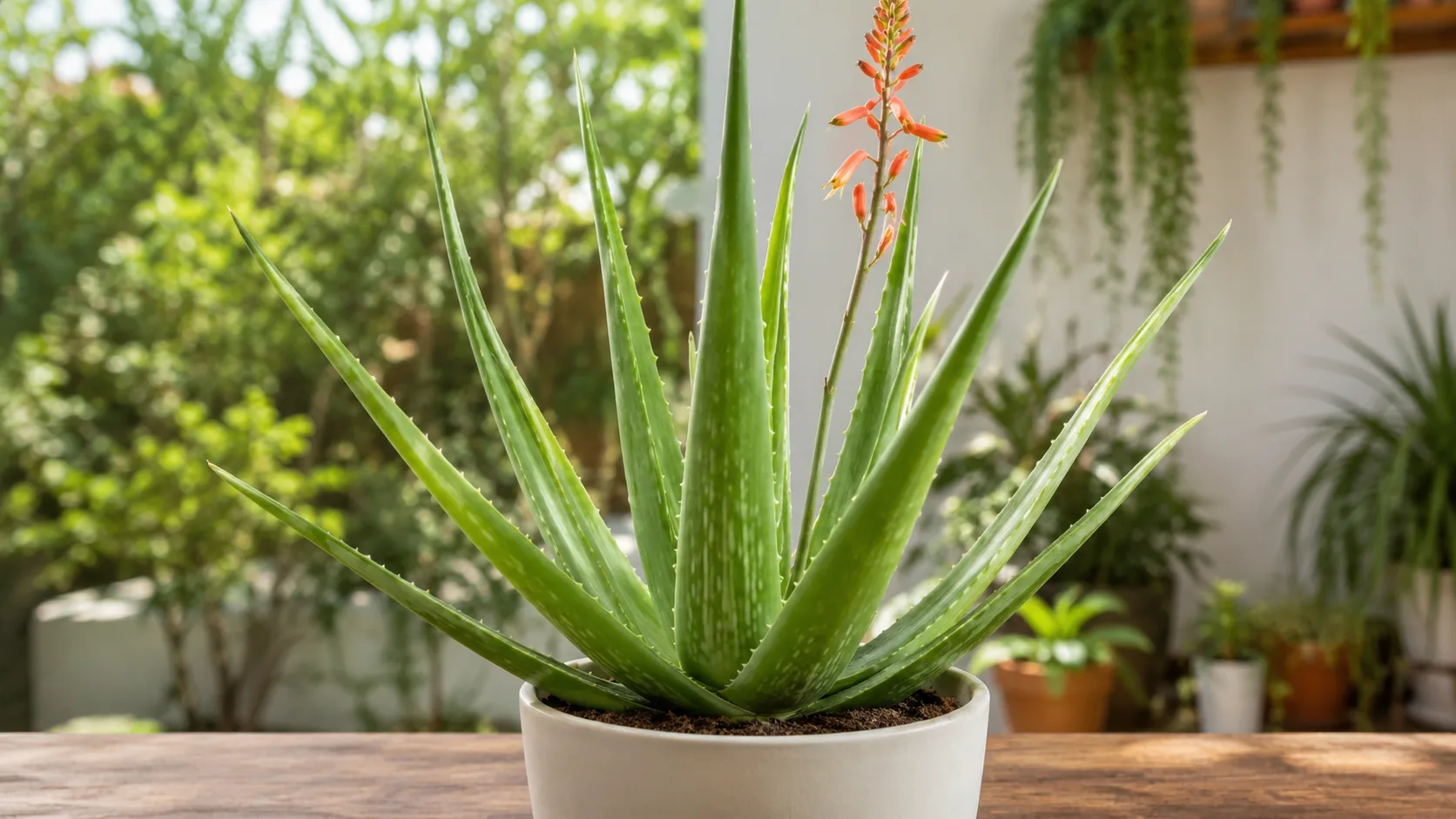
Aloe vera brown mushy leaves from overwatering—learn on cheap aloe before expensive fiddle leaf.
Why it works: Cheap dry-soil teacher.
Who it is for: Kitchen overwaterers.
Care reality: Firm leaves mean happy; mush means rot.
Common mistake: Watering when soil still damp.
Limitation: Toxic to pets.
Useful care guides:
Christmas cactus
Best for: seasonal overwaterers
Difficulty: Easy
Light: Bright indirect
Water: When top inch dries
Best placement: Bright shelf
Pet safety: Non-toxic (ASPCA)
Typical indoor size: 8–12 in.
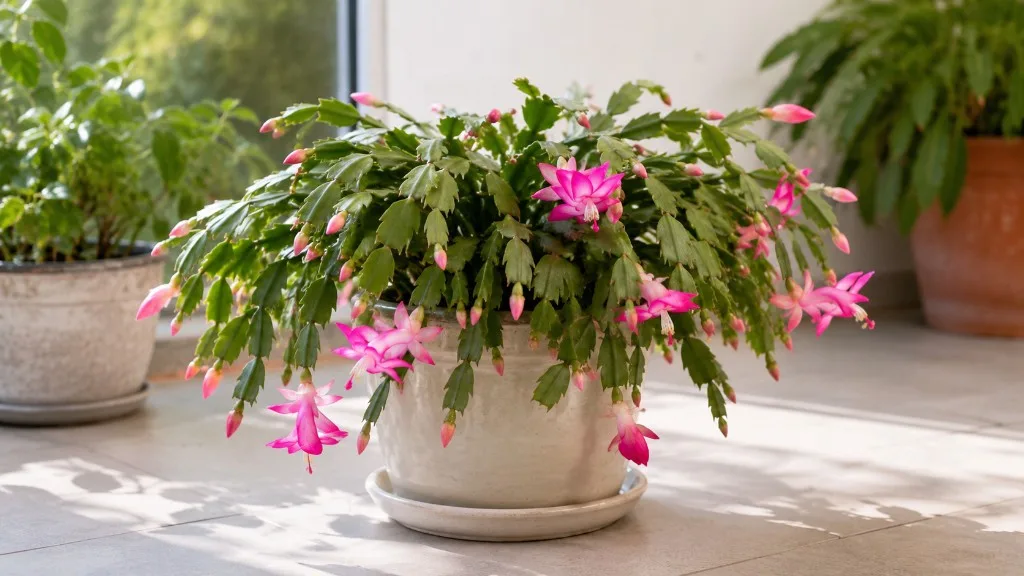
Christmas cactus more forgiving of moisture than desert cacti but still rots if always wet.
Why it works: Pet-safe middle ground.
Who it is for: Growers between tropical and succulent habits.
Care reality: Bud drop when watering swings wildly.
Common mistake: Treating like desert cactus with monthly water only.
Limitation: Bud drop if stressed.
Useful care guides:
Common Mistakes
No drainage hole because you water carefully. Overwatering forgiveness ends at sealed pots—use liners with holes.
Watering snake plant weekly like pothos. Match species—snake plant wants dry soil; pothos tolerates more moisture.
Ignoring yellow leaves on pothos. Yellow often means too wet—let soil dry before next drink.
Choosing succulents for chronic overwaterers. Start with pothos or spider plant, learn soil checks, then try jade on a sunny sill.
Conclusion
Overwaterer-friendly means recovery room, not swamp tolerance. Pothos and spider plant forgive learning mistakes; snake plant and ZZ plant train dry habits. Fix drainage, then choose plants.