Best Bedroom Plants - Quiet & Low-Maintenance
Quiet, low-maintenance plants suited to bedrooms and sleeping spaces.
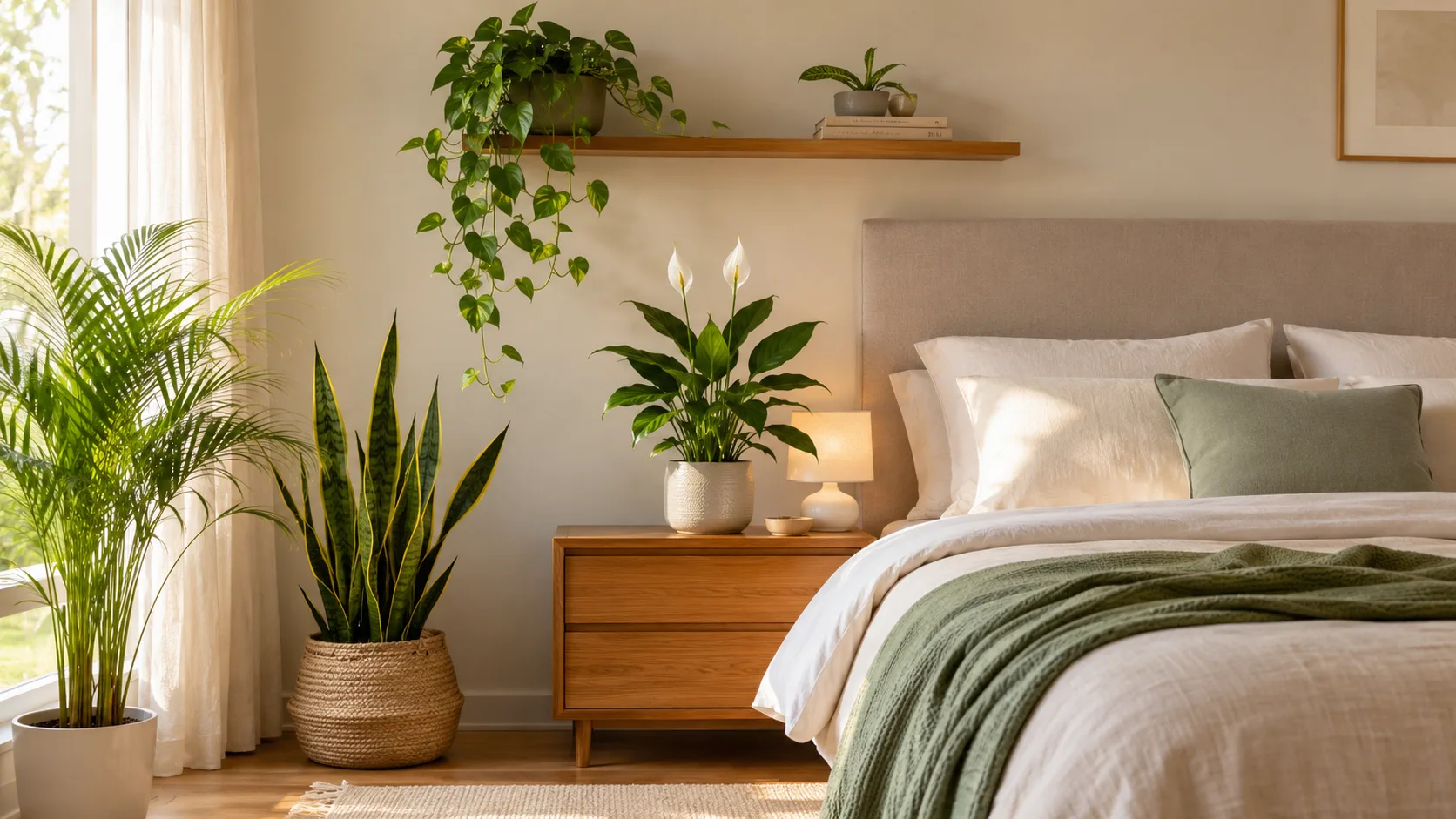
Best Plants for Bedrooms
Quick recommendation
Snake plant and pothos handle lower light and missed waterings well.
Quiet, low-maintenance plants suited to bedrooms and sleeping spaces.
Best Bedroom Plants - Quiet & Low-Maintenance
Quiet, low-maintenance plants suited to bedrooms and sleeping spaces.
Quick recommendation
Snake plant and pothos handle lower light and missed waterings well.
A bedroom plant should do more than fill a nightstand corner. It should tolerate the lower light many bedrooms get with partially drawn blinds, survive the irregular watering that happens when life gets busy, and not become a source of stress—dropping leaves, buzzing grow lights left on, or fragrant blooms that keep you awake. The best bedroom plant is rarely the one trending on social media. It is the one that matches how you actually sleep, clean, and care for living things.
If you want a filterable quick list from LeafyPixels plant metadata, this page’s featured plants appear in our database filters. This guide goes deeper: nighttime air-quality context without hype, a comparison table, pet-safety notes, and links to full species care on LeafyPixels.
The ten best bedroom plants for most homes are snake plant, pothos, ZZ plant, peace lily, spider plant, parlor palm, Boston fern, areca palm, rubber plant, and philodendron. They differ in light needs, size, and pet safety—not just aesthetics.
Bedroom plant advice often drifts into myths: plants dramatically purifying air while you sleep, or releasing dangerous carbon dioxide at night. The reality is quieter.
Plants do release a small amount of CO₂ in the dark when photosynthesis stops. In a normal bedroom with one or a few houseplants, that exchange is negligible compared with human respiration and room ventilation. The EPA’s indoor air quality guidance emphasizes source control and ventilation—not houseplant count—as the practical levers for healthier indoor air. (U.S. EPA Indoor Air Quality)
What bedroom plants can do well: soften a room visually, slightly raise local humidity near foliage, and give you a calming ritual of care. Choose them for livability and low maintenance, not as air purifiers. If air quality is your primary goal, ventilation and filtration matter more than plant selection.
For the lowest-maintenance nightstand plant, choose snake plant or ZZ plant. Both tolerate lower light and weeks between waterings in typical bedrooms.
For soft trailing green on a dresser, choose pothos or philodendron—but keep toxic species away from pets that roam at night.
For pet-aware bedrooms, choose spider plant, parlor palm, or Boston fern (ASPCA non-toxic). Avoid peace lily, pothos, and philodendron on nightstands pets can reach.
For a calm, sculptural floor plant in a bright bedroom, choose rubber plant or areca palm if you have floor space and a window with real daylight.
For humidity-loving sleepers with ensuite baths, Boston fern on a shelf can work—if you will water consistently.
Judge each plant against light, size, maintenance rhythm, and pet access overnight.
Blackout curtains, north-facing windows, and lamps-only evenings mean many bedrooms sit at low to medium indirect light. Snake plant, ZZ plant, pothos, and parlor palm handle that better than areca palm or rubber plant, which want brighter conditions.
A large areca palm beside the bed can feel luxurious—or crowded. Trailing pothos reaching across the alarm clock becomes annoying. Measure nightstand footprint before buying.
Peace lily blooms are mild for most people, but anyone sensitive to floral scent at night should choose foliage-only plants like snake plant or ZZ plant.
These ten were chosen for low noise, moderate care demands, typical bedroom light tolerance, and LeafyPixels care depth—not because they are the only plants ever placed in bedrooms.
We favored plants that tolerate lower light and irregular watering—common in sleeping spaces—and excluded heavy bloomers or species needing grow lights to look good. Large statement options (areca palm, rubber plant) are included for bright primary bedrooms with floor space.
| Plant | Best For | Typical Size | Light | Care Level | Pet Safety | Main Trade-Off |
|---|---|---|---|---|---|---|
| Snake plant | Nightstands, low light | 12–36 in. upright | Low–medium indirect | Easy | Toxic if ingested | Slow growth in dim rooms |
| Pothos | Dresser trailing | Vines 6–10 ft | Low–medium indirect | Easy | Toxic if ingested | Vines reach bedding |
| ZZ plant | Forgetful waterers | 12–24 in. | Low–medium indirect | Easy | Toxic if ingested | Toxic to pets |
| Peace lily | Humid ensuite rooms | 12–24 in. | Medium indirect | Medium | Toxic if ingested | Wilts dramatically when dry |
| Spider plant | Pet-aware bedrooms | 12–24 in. | Medium indirect | Easy | Non-toxic | Spiderettes dangle at night |
| Parlor palm | Floor corners, low light | 2–4 ft | Low–medium indirect | Easy | Non-toxic | Slow growth |
| Boston fern | Bright humid bedrooms | 12–24 in. | Bright–medium indirect | Medium | Non-toxic | High watering needs |
| Areca palm | Large bright bedrooms | 6–8 ft | Bright indirect | Medium | Non-toxic | Needs space |
| Rubber plant | Sculptural floor plant | 6–10 ft | Bright indirect | Easy–medium | Toxic if ingested | Needs bright room |
| Philodendron | Trailing shelf | Vines 6–10 ft | Medium indirect | Easy | Toxic if ingested | Toxic to pets |
Best for: nightstands, low-light bedrooms, travelers who miss waterings.
Difficulty: Easy
Light: Low to medium indirect
Water: Every 2–4 weeks in typical bedroom light
Best placement: Nightstand, dresser, floor corner away from drafts
Pet safety: Toxic if ingested
Typical indoor size: 12–36 inches depending on variety
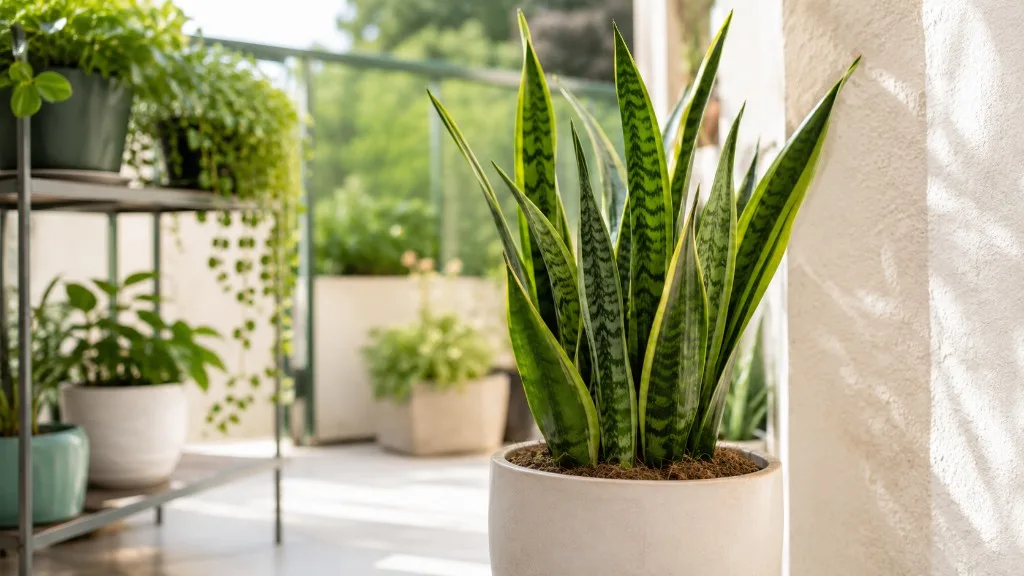
Snake plant (Dracaena trifasciata) is the default bedroom recommendation for a reason: it tolerates low light, infrequent water, and the temperature dips many bedrooms see overnight. It grows slowly in dim conditions—acceptable for a sleeping space where you do not want rapid sprawling growth.
Why it works: Maximum forgiveness in the lowest-light sleeping rooms.
Who it is for: Beginners, frequent travelers, blackout-curtain bedrooms.
Care reality: Overwatering in a cool dark room causes rot faster than underwatering.
Common mistake: Watering on a weekly schedule because “plants need routine.”
Limitation: Toxic to pets—elevate or choose spider plant for cat bedrooms.
Useful care guides:
Best for: dresser trailing, bookshelf green, medium-low light bedrooms.
Difficulty: Easy
Light: Low to medium indirect
Water: When top 2 inches dry
Best placement: High shelf or dresser back where vines trail away from pillows
Pet safety: Toxic if ingested
Typical indoor size: Vines 6–10 feet; trim to control
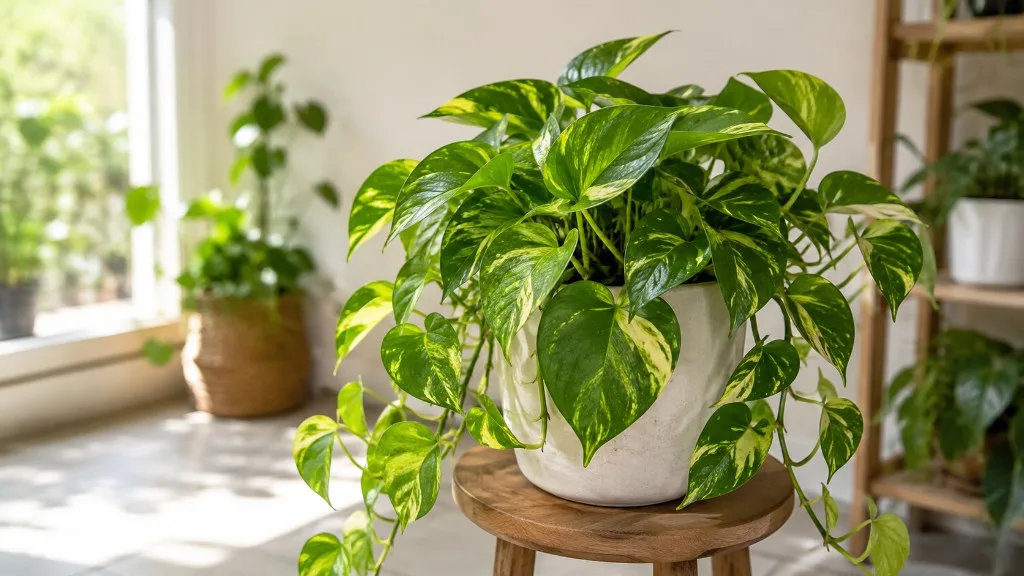
Pothos adds movement without demanding bright windows—ideal for bedrooms that are dim by day because of blinds. Trim vines before they reach lamp cords or water glasses on the nightstand.
Why it works: Soft trailing habit with low light tolerance.
Who it is for: Renters and beginners who want visible growth without fuss.
Care reality: Grows slower in low light; still needs drainage.
Common mistake: Letting vines tangle with chargers and bedding.
Limitation: Toxic to cats and dogs that roam overnight.
Useful care guides:
Best for: modern minimalist bedrooms, very low light, infrequent care.
Difficulty: Easy
Light: Low to medium indirect
Water: Every 3–4 weeks in low light
Best placement: Dresser corner, floor beside wardrobe
Pet safety: Toxic if ingested
Typical indoor size: 12–24 inches; slow spread
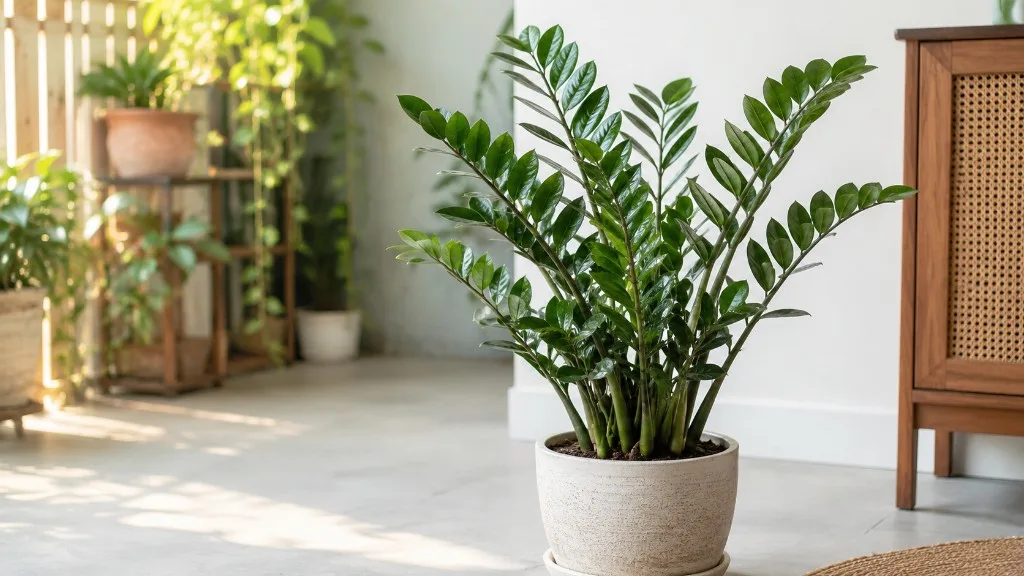
ZZ plant (Zamioculcas zamiifolia) stores water in rhizomes—excellent for bedrooms where you forget to water during busy weeks. Glossy leaves catch lamplight without needing sun.
Why it works: Sleek look with among the lowest water needs here.
Who it is for: Minimalists and chronic overwaterers of leafy plants.
Care reality: Thrives on neglect; rots when watered weekly in dim rooms.
Common mistake: Repotting into oversized decorative pots that stay wet.
Limitation: Toxic to pets; all parts should stay unreachable.
Useful care guides:
Best for: bedrooms with ensuite humidity, medium light, owners who notice wilting cues.
Difficulty: Medium
Light: Medium indirect
Water: When soil surface dries; dramatic wilt when thirsty
Best placement: Dresser or floor away from direct AC blast
Pet safety: Toxic if ingested
Typical indoor size: 12–24 inches
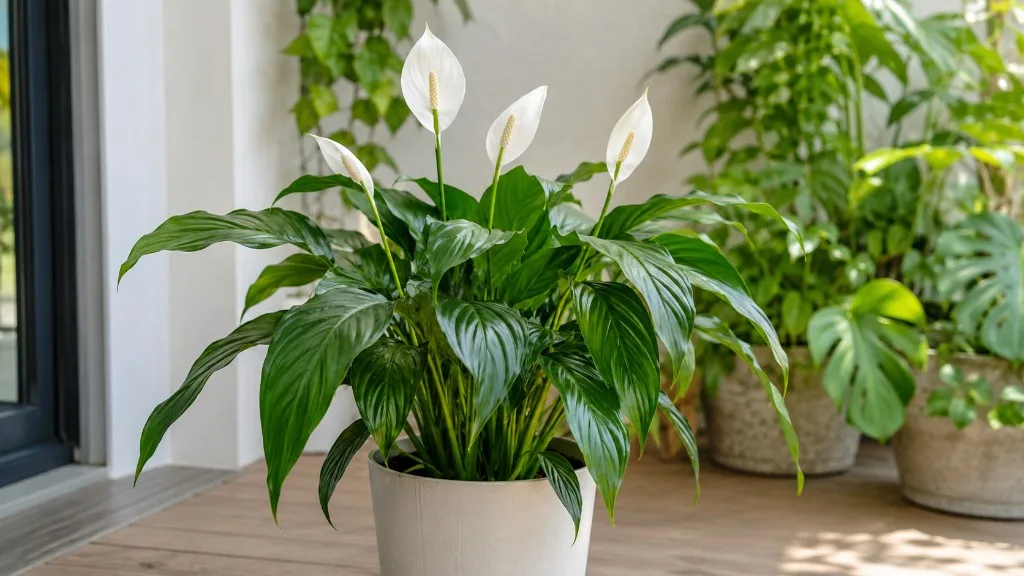
Peace lily (Spathiphyllum) tells you when it wants water by drooping—useful in bedrooms if you check plants before bed. It enjoys humidity from nearby bathrooms but declines in dark corners.
Why it works: Clear visual feedback prevents chronic underwatering or overwatering guesswork.
Who it is for: Attentive growers with medium-light bedrooms.
Care reality: Wilts overnight if dry; recovers quickly after watering if not left too long.
Common mistake: Keeping in a dark bedroom because “low light plant” myths.
Limitation: Toxic to pets; not for cat-accessible nightstands.
Useful care guides:
Best for: pet-aware bedrooms, bright windows, hanging beside curtains.
Difficulty: Easy
Light: Bright to medium indirect
Water: When top 2 inches dry
Best placement: Hanging basket or tall plant stand
Pet safety: Non-toxic to cats and dogs (ASPCA)
Typical indoor size: 12–24 inches with arching spiderettes
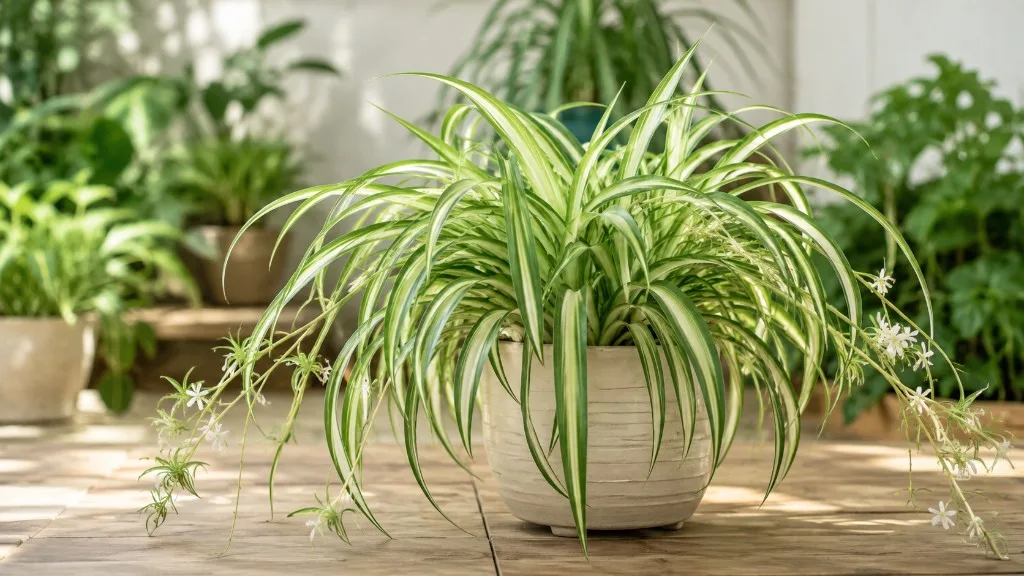
Among easy bedroom plants, spider plant is the standout pet-safe option. Dangling spiderettes may tempt cats—non-toxic, but messy if chewed.
Why it works: ASPCA non-toxic with easy bedroom care.
Who it is for: Cat households and bright-ish bedrooms.
Care reality: Tolerates cooler nights; hates waterlogged soil.
Common mistake: Placing in dim corners—variegation fades.
Limitation: Trailing babies reach nightstands if hung too low.
Useful care guides:
Best for: soft floor greenery, low-light bedrooms, pet-safe homes.
Difficulty: Easy
Light: Low to medium indirect
Water: When top 3–5 cm dries
Best placement: Bedroom corner with frosted or sheer-curtained window
Pet safety: Non-toxic to cats and dogs (ASPCA)
Typical indoor size: 2–4 feet over years
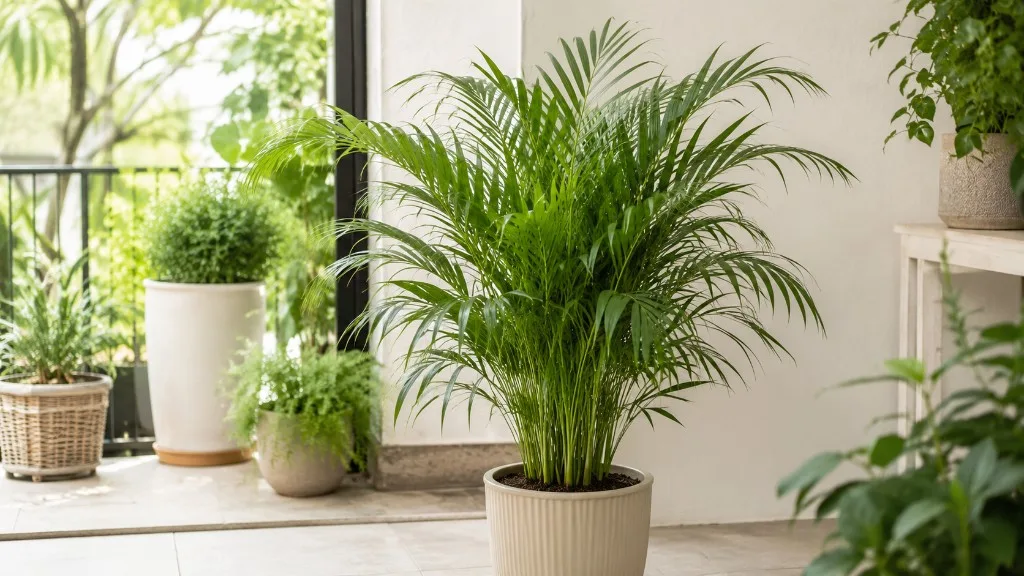
Parlor palm brings calm vertical texture without the light demands of areca palm—useful in bedrooms with only morning light.
Why it works: Pet-safe palm scale for dimmer sleeping rooms.
Who it is for: Owners wanting floor plants without bright south windows.
Care reality: Slow decline from overwatering is the main risk.
Common mistake: Placing directly under bedroom HVAC vents.
Limitation: Not a fast filler for empty corners.
Useful care guides:
Best for: bright bedrooms with ensuite baths, humidity lovers.
Difficulty: Medium
Light: Bright to medium indirect
Water: Keep evenly moist
Best placement: Plant stand near bathroom door or humidifier
Pet safety: Non-toxic to cats and dogs (ASPCA)
Typical indoor size: 12–24 inches arching
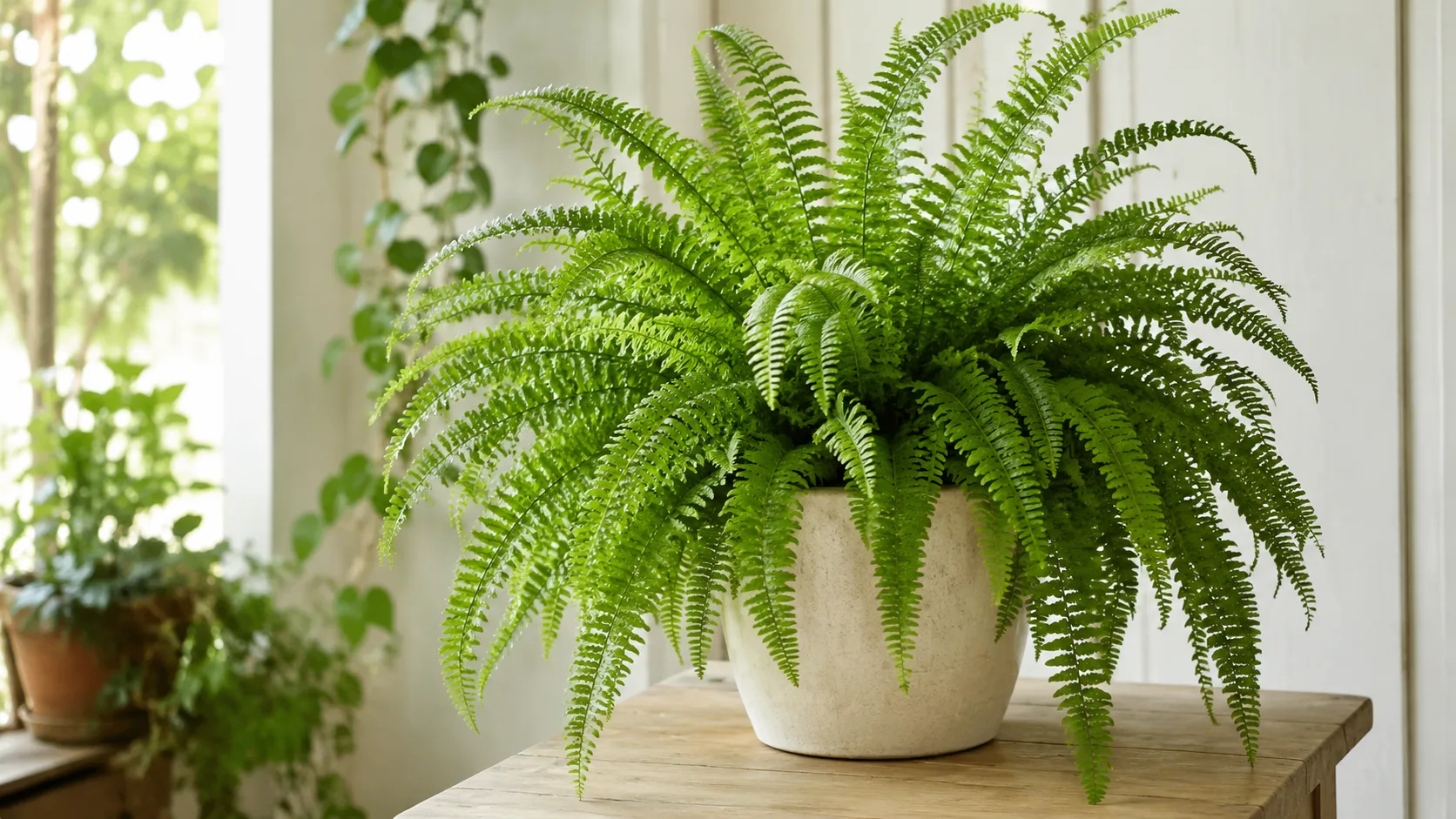
Boston fern works in bedrooms only when light and humidity cooperate—often adjacent to ensuites. Dry heated bedrooms brown fronds quickly.
Why it works: Soft texture and pet safety in humid sleeping spaces.
Who it is for: Growers who already humidify or have attached baths.
Care reality: Needs more water than snake plant or ZZ plant—plan for it.
Common mistake: Nightstand placement in dry, dark rooms.
Limitation: High maintenance compared with other bedroom picks.
Useful care guides:
Best for: large bright primary bedrooms, floor statement, pet-safe height.
Difficulty: Medium
Light: Bright indirect
Water: When top 1–2 inches dry
Best placement: Floor corner with space for frond spread
Pet safety: Non-toxic to cats and dogs (ASPCA)
Typical indoor size: 6–8 feet indoors
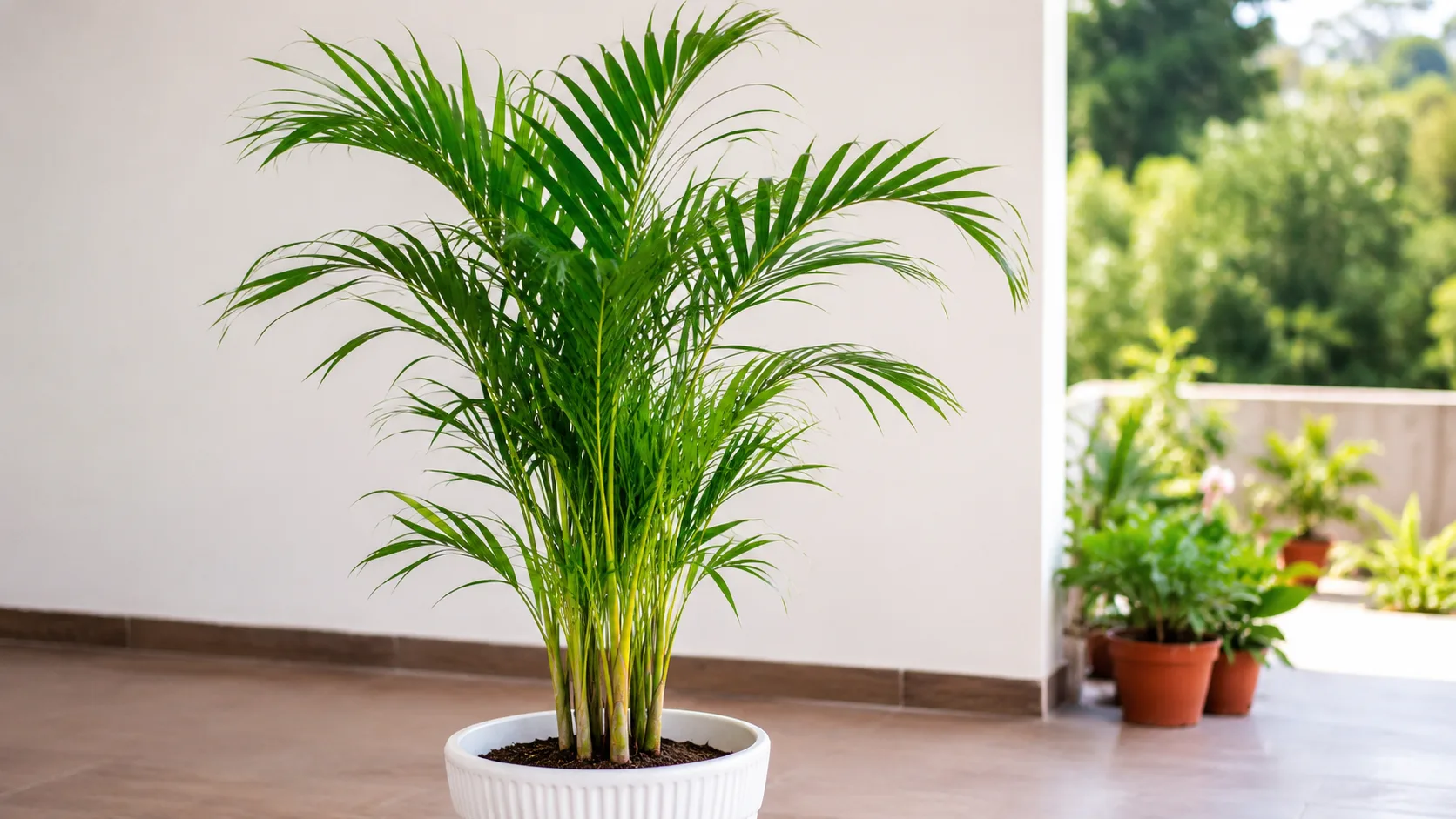
Areca palm is a bedroom luxury item: it needs bright light and floor space many sleeping rooms lack. In the right primary suite, it adds resort-like calm without pet toxicity concerns.
Why it works: Large-scale pet-safe greenery for bright bedrooms.
Who it is for: Spacious rooms with unobstructed windows.
Care reality: Frond tips brown in dry air—humidifier helps in winter.
Common mistake: Buying for a dim guest bedroom.
Limitation: Too large and light-hungry for typical nightstands.
Useful care guides:
Best for: sculptural floor plant, bright modern bedrooms.
Difficulty: Easy to medium
Light: Bright indirect
Water: When top 2 inches dry
Best placement: Floor beside window with sheer curtains
Pet safety: Toxic if ingested
Typical indoor size: 6–10 feet over time indoors
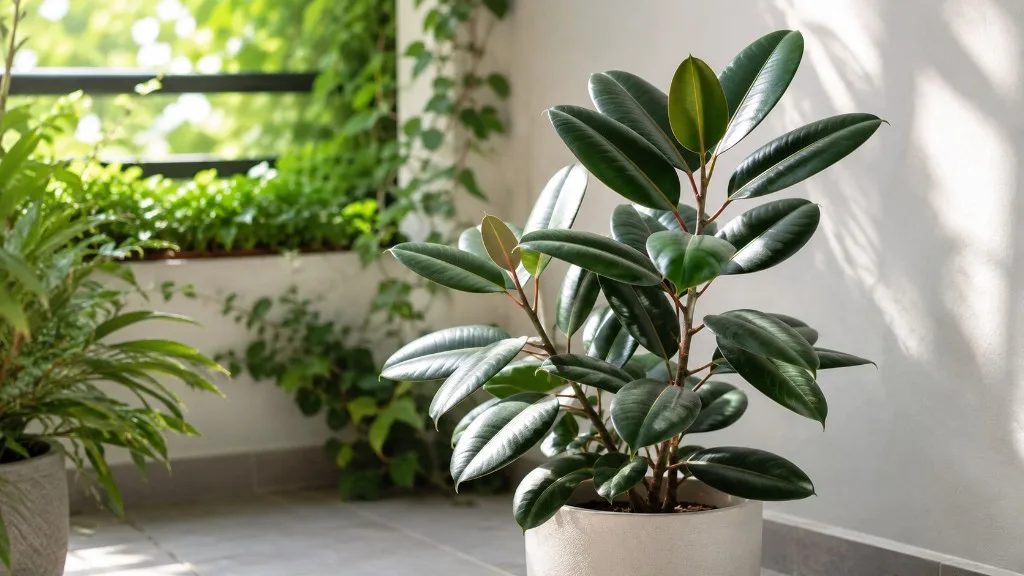
Rubber plant (Ficus elastica) suits bedrooms with strong daylight and stable temperatures—less ideal near drafty old windows. Large glossy leaves make a design statement without flowers that might bother scent-sensitive sleepers.
Why it works: Bold foliage without blooms; tolerates normal indoor humidity.
Who it is for: Bright bedrooms with floor space and non-chewing pets.
Care reality: Drops lower leaves if light is insufficient or watering swings wildly.
Common mistake: Placing in medium-light corners expecting vertical growth.
Limitation: Toxic; sap can irritate skin when pruning.
Useful care guides:
Best for: trailing bookshelf, wardrobe-top green, medium-light rooms.
Difficulty: Easy
Light: Medium indirect; tolerates some lower light
Water: When top 2 inches dry
Best placement: Shelf above desk or wardrobe
Pet safety: Toxic if ingested
Typical indoor size: Vines 6–10 feet
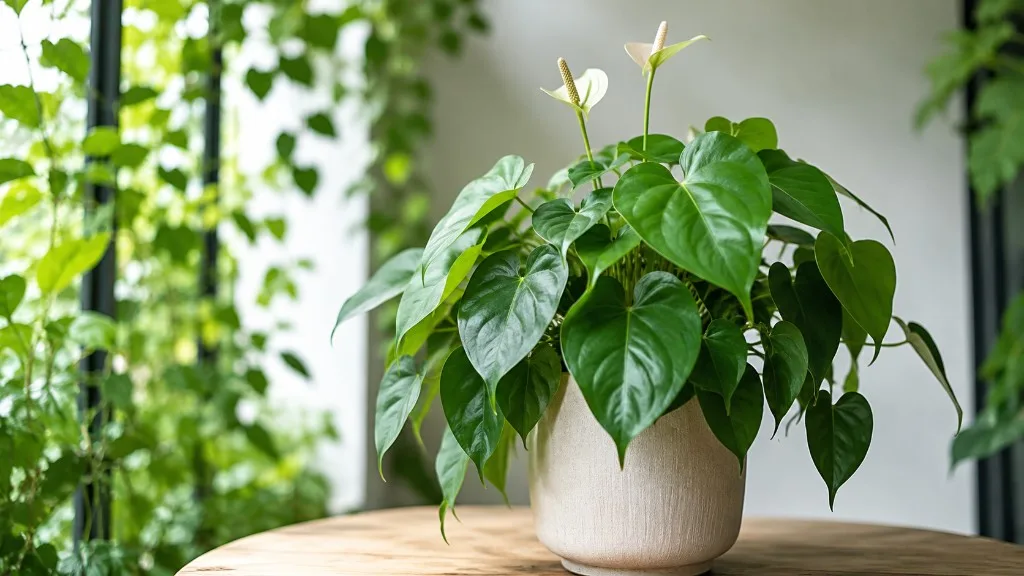
Philodendron offers pothos-like trailing habit with slightly heartier leaves in medium bedroom light. Keep vines away from sleeping faces and curious pets.
Why it works: Trailing bedroom green without fern-level humidity.
Who it is for: Medium-light bedrooms needing vertical softness.
Care reality: Forgiving; rots only when chronically overwatered in dark pots.
Common mistake: Letting long vines pull the pot off a high shelf.
Limitation: Toxic to pets—use spider plant in cat bedrooms.
Useful care guides:
Buying for air-purifying myths. Choose plants you can keep healthy; ventilation matters more for air quality.
Overwatering in cool, dim rooms. Snake plant and ZZ plant need less water than intuition suggests.
Letting toxic trailers reach the bed. Pothos and philodendron vines wander at night toward warmth.
Running grow lights on sleep schedules. If you add light, keep it on daytime hours—not overnight.
Ignoring pet night access. Cats explore when you sleep; verify ASPCA status before nightstand placement.
The best bedroom plant fits your light, care rhythm, and sleeping habits—not miracle air claims. Snake plant, ZZ plant, and pothos are the easiest starters. Spider plant and parlor palm lead for pet-aware rooms. Areca palm and rubber plant reward bright, spacious primary bedrooms.
Start with one plant, observe it for two weeks, then add more. For watering, light, and troubleshooting detail, follow the LeafyPixels care guides linked in each section above.
This Best Plants for Bedrooms plant list was researched and written by . Plant picks, rankings, and suitability notes for Best Plants for Bedrooms are checked against LeafyPixels plant metadata, care requirements, pet-toxicity references, and practical indoor suitability.
We prioritize sources that hold up under scrutiny:
The LeafyPixels editorial team then reviews the draft for clarity, step-by-step usefulness, and fit with real apartment and home conditions-not ideal greenhouse setups. When guidance changes materially, we update the page and note the revision date.