Table of Contents
What a pebble tray is and what it actually does
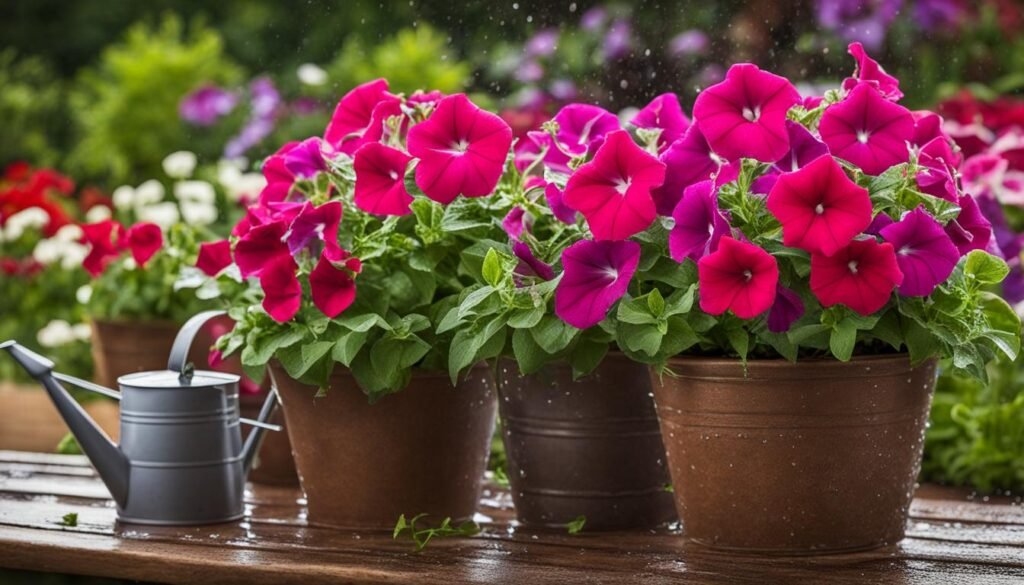
A DIY pebble tray is a shallow, water-holding tray filled with stones, gravel, or clay pebbles that sits under or around a potted plant. The point is simple: the water evaporates, that evaporation creates a small pocket of extra moisture in the air, and the pebbles keep the pot lifted above the water so the roots are not soaking. Extension guidance from Iowa State and Illinois backs that basic setup: use pebbles or pea gravel, add water, and keep the pot above the water line. (Yard and Garden)
That last part matters more than most people think. A pebble tray is not a bottom-watering system, and it is not supposed to keep soil constantly wet. It is a localized humidity tool. If the pot sits directly in water, you are no longer using a pebble tray correctly. You are creating a wet-root problem and increasing the odds of stress, fungus, and rot. Extension sources say that plainly, and the Royal Horticultural Society gives the same core instruction: add water just below the top surface of the gravel or clay granules, not above it. (RHS)
Do pebble trays actually work
Yes, but the honest answer is narrower than a lot of internet advice makes it sound. A pebble tray can raise humidity a little around the plant, especially in the immediate area above the tray. University and extension guidance consistently frames it as a modest help, not a dramatic fix. New Hampshire Extension says pebble trays can help “a little,” and Better Homes & Gardens, citing Costa Farms horticulturist Justin Hancock, says the effect is limited to the plant’s immediate vicinity. (Extension | University of New Hampshire)
That explains why some people swear by pebble trays and others say they do nothing. Both experiences can be true. A wide tray under a small, low-growing fittonia, selaginella, or similar plant in a relatively calm spot may give a useful microclimate boost. A narrow saucer under a tall monstera in a dry room with moving air is unlikely to move the needle in any meaningful way. Hancock’s guidance is especially useful here: pebble trays work best for small, low-growing plants, and the taller the plant, the less benefit it gets. (Better Homes & Gardens)
So the right mental model is this: a pebble tray is a cheap, passive, limited humidity aid. It is not a replacement for a room humidifier, and it is not the best solution when your indoor air is seriously dry. Several extension sources point to humidifiers as the stronger option when you need a bigger humidity jump. (Extension | University of New Hampshire)
What makes a pebble good for a DIY pebble tray
The best pebbles for a DIY tray are not the prettiest ones. They are the ones that do four jobs well: they hold the pot up securely, leave space for water and airflow, stay reasonably clean, and do not break down or create sludge. That means your ideal pebble is usually medium-sized, inert, washable, and stable.
Size is the first filter. Tiny sand-like gravel packs too tightly and can trap grime. Huge decorative stones waste tray space and reduce contact points, which makes pots wobble. What you want is a middle ground: enough size to create air gaps and a solid platform, but not so much bulk that the pot sits awkwardly or the tray holds very little water.
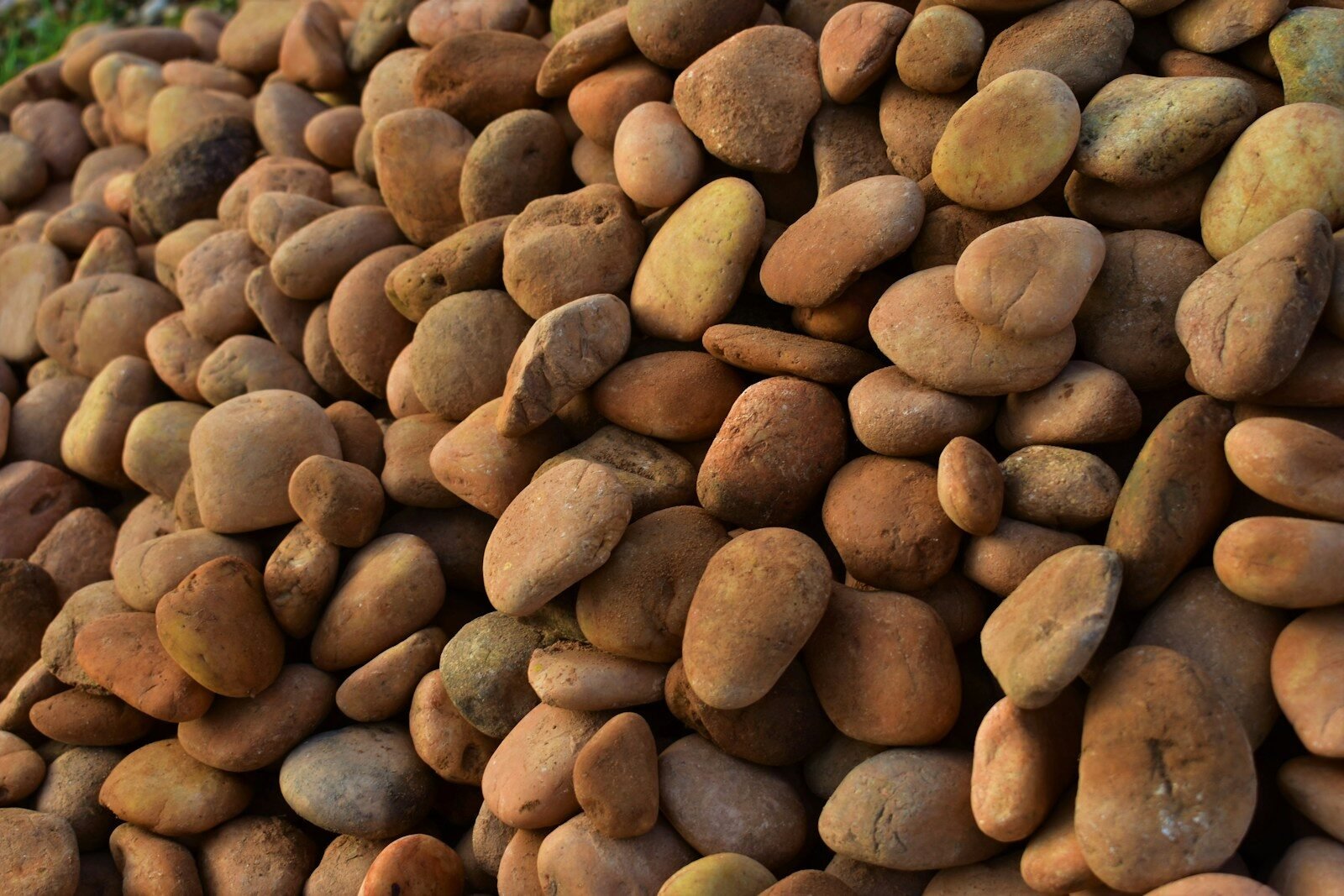
Surface texture matters too. Completely smooth stones are fine, but extremely polished stones can become slippery if algae builds up. Slightly textured pebbles or gravel usually give better grip. Porosity also changes behavior. Clay pebbles absorb water and can release it more gradually, while stone pebbles are more inert and easier to rinse clean. RHS explicitly recommends either gravel or clay granules (Hydroleca) for creating a humid microclimate, which makes both categories legitimate options. (RHS)
Cleanliness matters more than people expect. Pebbles that arrive dusty, chalky, or coated with residues can cloud the water, leave mineral crust, and turn the tray into a maintenance chore fast. Whatever you choose, you want a material that rinses easily and does not degrade with repeated wet-dry cycles.
The best pebbles overall
For most people, the best answer is not exotic. It is one of three materials: pea gravel, small river pebbles, or clay pebbles such as LECA / Hydroleca. Each can work well. The best choice depends on whether you care most about cost, appearance, stability, or moisture behavior.
A quick comparison helps:
| Pebble type | Best for | Main strengths | Main drawbacks |
|---|---|---|---|
| Pea gravel | Most DIY trays | Cheap, easy to find, stable, practical | Can look plain, may arrive dusty |
| River pebbles | Decorative trays | Attractive, washable, stable | Often pricier, sometimes too large |
| Clay pebbles (LECA / Hydroleca) | Lightweight trays and higher evaporation potential | Porous, light, easy to handle, RHS-supported | Lighter weight can reduce stability, dries faster, needs more refills |
Pea gravel
If you want the safest all-around pick, go with pea gravel. Iowa State specifically mentions trays filled with pea gravel or pebbles, which is a strong signal that this material is practical, accessible, and horticulturally sound. (Yard and Garden)
Pea gravel works because it hits the balance most DIY trays need. The pieces are usually small enough to create an even, supportive surface but large enough to leave gaps for evaporation. It is also cheap, which matters because pebble trays are supposed to be low-cost. You should still rinse it well before use because bagged gravel often carries dust and grit that will make the tray look dirty almost immediately.
For plain function, pea gravel is hard to beat. It is not flashy, but it does the job with very little fuss.
River pebbles
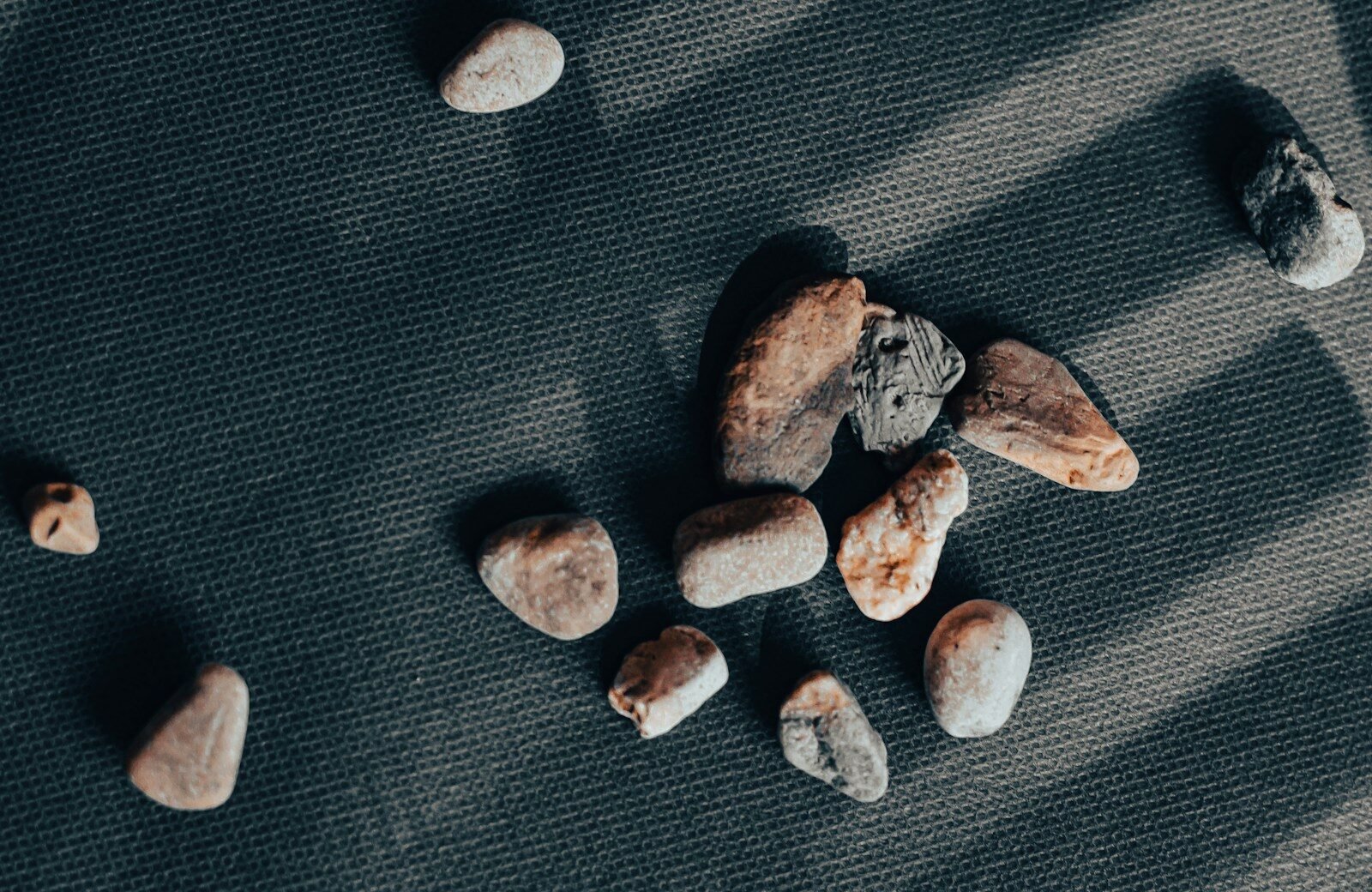
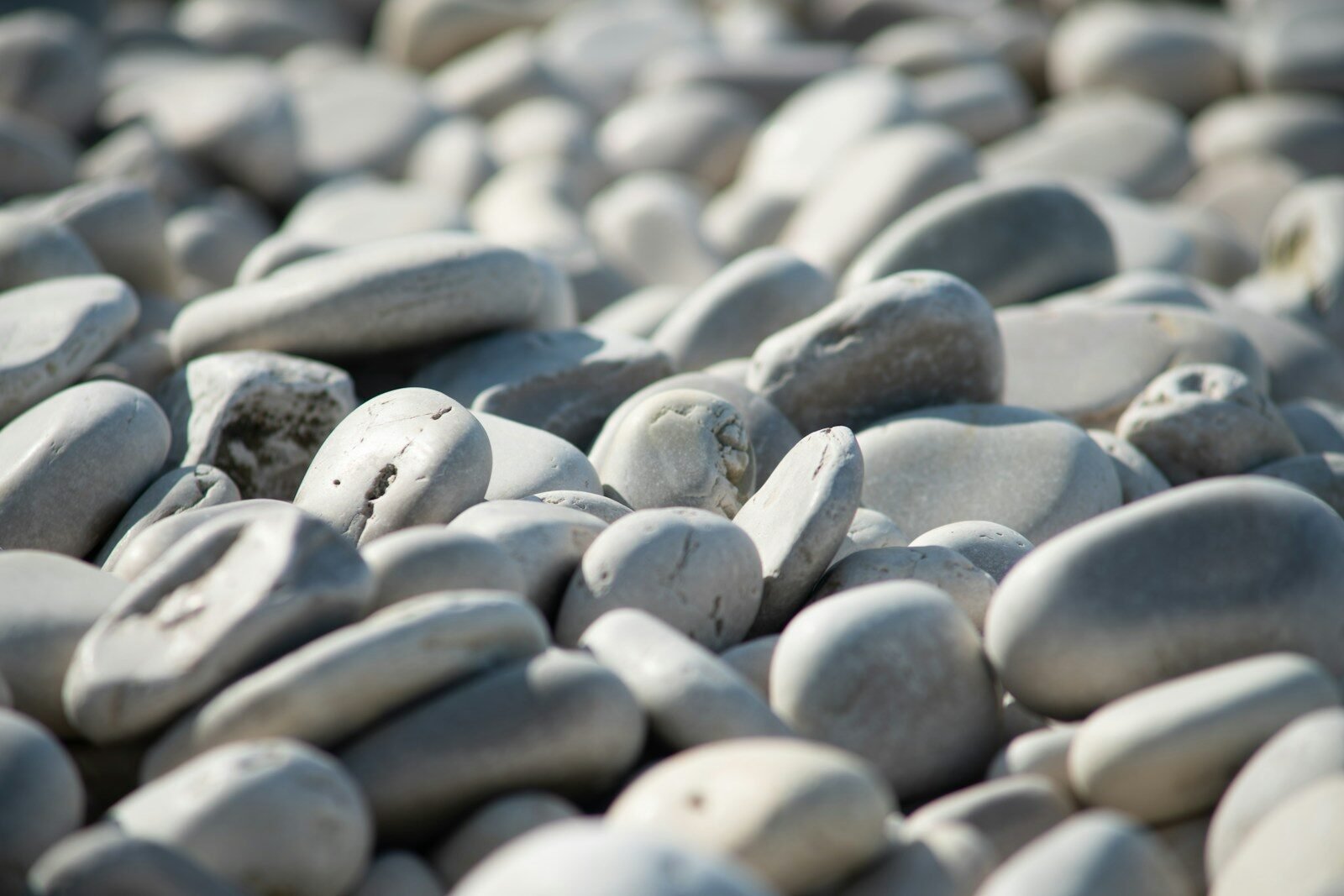
River pebbles are the best choice when you want the tray to look intentional instead of improvised. They are widely used in decorative plant displays, and many ready-made pebble tray guides point readers toward clean pebbles or small rocks for the same reason. (The Spruce)
The catch is size consistency. Some river pebble mixes contain pieces that are too large and rounded, which reduces stability. A tray filled with stones the size of golf balls may look good, but it can wobble under smaller pots and reduce the amount of usable water space. The sweet spot is a small-to-medium river pebble that allows the pot to sit firmly without sinking between stones.
Use river pebbles when appearance matters, especially on open shelves, desks, or windowsills where the tray is part of the display. Just do not pay extra for oversized decorative stones that make the tray less functional.
Clay pebbles (LECA / Hydroleca)
Clay pebbles, often sold as LECA or Hydroleca, are the best option when you want a lighter, more porous medium. RHS specifically recommends clay granules such as Hydroleca in a wide tray, with water kept just below the surface. Homes & Gardens also notes that clay pebbles are porous and release water more slowly, which is why many indoor growers like them for humidity trays. (RHS)
Their porosity is the selling point. Unlike stone, clay pebbles absorb some water, which can increase exposed moisture across the surface and may support steadier evaporation. They are also cleaner to handle than some gravels and easier to move because they weigh much less. If you already keep LECA around for semi-hydro or propagation, using it in a pebble tray is completely reasonable.
The downside is stability. Lightweight clay balls can shift more than gravel under heavy ceramic pots, and because they dry faster, the tray may need topping up more often. For small and medium nursery pots, they are excellent. For a heavy planter, stone usually feels more secure.
Pebbles and fillers to avoid
Not every decorative filler belongs in a humidity tray. The biggest mistake is choosing material for looks alone and ignoring how it behaves when it stays wet. Soft, crumbly stones are a bad bet because they can break down over time. Dyed decorative fillers are not ideal either, especially low-quality products that may leach color or residues into standing water.
Very fine gravel is also a poor choice. It compacts too tightly, traps debris, and makes cleaning harder. On the other extreme, very large polished stones waste space, reduce evaporation surface, and make pots unstable. Shell fragments, wood chips, moss, and other organic fillers are even worse. A pebble tray needs a material that tolerates repeated wetting without decomposing or turning into a bacterial mess.
If you are not sure whether a material is suitable, ask three simple questions. Is it inert? Can it be washed easily? Will it still behave the same after weeks of sitting in shallow water? If the answer is shaky, skip it.
Best pebble size, tray depth, and layout
The best pebble size is usually small to medium—big enough to support the pot and create air gaps, but not so big that you lose tray capacity or stability. In practice, that often means something close to pea gravel size up to small river stones. You want the pot to sit on top of the pebbles, not disappear between them.
Tray width matters as much as pebble size. Better Homes & Gardens, quoting Justin Hancock, notes that wider trays work better, especially for low-growing plants. RHS also specifically recommends a wide tray when using gravel or clay granules to create a humid microclimate. (RHS)
Depth should be enough to hold pebbles plus a shallow reservoir of water, but not so deep that the setup becomes clumsy. A shallow saucer can work for a tiny pot, but most DIY trays are better when they have enough depth to let you keep water below the pebble tops without constant refilling. The basic rule is simple: add enough pebbles that the pot sits above the water line with a stable base under it.
Layout is the final detail. Spread the pebbles evenly so the pot’s weight is distributed. Do not stack the center high and let the edges dip. A flat, even layer does more for stability than any premium stone ever will.
How to build and use a pebble tray correctly
Building one is easy. Building one that actually works is where people usually slip. Start with a waterproof tray or saucer that is wider than the pot. Add a layer of rinsed pebbles. Pour water in until it sits just below the top of the stones, which is the same core method recommended by RHS and Better Homes & Gardens. Then place the pot on top, making sure the base is not touching the water. (RHS)
Where you place the tray matters. A pebble tray works through evaporation, so it needs to sit where that local humidity can actually surround the plant. Under or immediately around the plant is the point. If the tray is off to the side, across a drafty windowsill, or under a tall pot with leaves far above the moisture source, the effect will be weaker. That is one reason low-growing plants respond better.
Refill the tray before it dries out completely, and do not let stagnant water accumulate for weeks without cleaning. If you start seeing mineral buildup, algae, or a slick surface, rinse the stones and wash the tray. Better Homes & Gardens also stresses that periodic rinsing is part of normal upkeep. (Better Homes & Gardens)
Which plants benefit most from a pebble tray
Pebble trays make the most sense for small, humidity-appreciating houseplants. Better Homes & Gardens, again via Justin Hancock, calls out creeping ficus, fittonia, hemigraphis, and selaginella as plants that can benefit when the tray is wide and the plant is low-growing. RHS houseplant guidance also repeatedly recommends pebble trays for species that prefer elevated humidity, including calatheas and other tropical houseplants. (Better Homes & Gardens)
Ferns are a useful example because they are famous for wanting more moisture in the air. At the same time, University of Minnesota Extension points out that raising humidity significantly indoors is difficult and that humidifiers are more reliable than misting. That tells you where pebble trays fit: as a helpful support, not a miracle cure, especially for ferns that are already struggling badly. (University of Minnesota Extension)
Plants that already tolerate average household humidity usually do not need a pebble tray. Many homes run dry in winter—Illinois Extension says often below 30%, and Iowa State notes many houseplants prefer 40% to 50%—but that still does not mean every plant needs extra humidity. Succulents and cacti, for example, are generally not the audience for a humidity tray. (Yard and Garden)
Common mistakes and how to fix them
The biggest mistake is letting the pot sit in water. That defeats the whole design. If the base of the pot touches the water line, add more pebbles or use a deeper tray. Illinois Extension is explicit on this point: the pots should not sit directly in water. (Illinois Extension)
The second mistake is using a tray that is too small. A tiny saucer under a big plant is mostly cosmetic. Wider trays create a better humid microclimate, and expert commentary supports that. If your tray is barely wider than the pot, the fix is not different pebbles. It is a wider tray. (RHS)
The third mistake is expecting room-level results. If leaf edges are crisp because the room is very dry, a pebble tray may not be enough. New Hampshire Extension says humidifiers provide the most benefit, while pebble trays help only a little. If you are trying to support a demanding tropical plant through a heating season, that distinction matters. (Extension | University of New Hampshire)
The fourth mistake is poor hygiene. Standing water plus dust plus fertilizer splash turns into grime fast. Clean the tray and rinse the pebbles regularly. This is not just about appearances. Dirty trays can smell bad, grow algae, and make an otherwise simple setup annoying to maintain.
When a humidifier is the better tool
A humidifier is the better choice when you need a meaningful rise in humidity across an area rather than a slight boost right above a tray. Extension guidance from New Hampshire and Illinois points to humidifiers as the stronger, more reliable humidity tool, and University of Minnesota notes that improving humidity significantly indoors is difficult without them. (Extension | University of New Hampshire)
That does not make pebble trays useless. It just gives them the right job description. A pebble tray is smart when you want a cheap, passive, low-effort moisture bump for a small plant or a small cluster. A humidifier is smarter when you have a dry room, several tropical plants, or species that visibly decline in low humidity.
If you are choosing between the two, think in terms of scale. Pebble tray = microclimate. Humidifier = room solution. Once you frame it that way, the decision gets easier.
Conclusion
The best pebbles to use in a DIY pebble tray are the ones that make the tray stable, clean, and functional. For most people, that means pea gravel first, small river pebbles second, and clay pebbles such as LECA or Hydroleca when you want a lighter, more porous option. Those are the materials most aligned with real-world horticultural guidance, and they solve the actual problem a pebble tray is meant to solve: lifting the pot above a shallow water reservoir so evaporation can create a small pocket of extra humidity. (Yard and Garden)
The key is to stay practical. Use a wide tray, rinse the material before use, keep the water below the top of the stones, and do not expect room-wide humidity gains. Pebble trays work best for small, low-growing, humidity-friendly plants, and they work worst when used as a substitute for a humidifier in a seriously dry space. If you treat them as a limited but useful tool, they can be a cheap upgrade that actually helps. (Extension | University of New Hampshire)
FAQs
Can I use aquarium gravel in a DIY pebble tray
Yes, you can use aquarium gravel if it is clean, inert, and not extremely fine. The main concern is function, not the label on the bag. If the gravel supports the pot, leaves space for evaporation, and rinses clean, it can work. Very fine aquarium substrate is less ideal because it compacts easily and gets dirty faster.
Are clay pebbles better than stone pebbles
Not automatically. Clay pebbles have one real advantage: they are porous, so they absorb and release moisture more gradually. RHS and Homes & Gardens both support clay granules as a valid humidity-tray option. Stone pebbles, though, are usually more stable under heavier pots and easier to keep from shifting. (RHS)
How often should I clean a pebble tray
Clean it whenever you notice algae, mineral crust, slime, or dirty water. In practice, that often means a quick rinse and refresh every couple of weeks, with more frequent cleaning if your water is hard or the tray gets fertilizer splash. Better Homes & Gardens recommends rinsing the tray and pebbles from time to time as normal maintenance. (Better Homes & Gardens)
Do pebble trays help all houseplants
No. They are most useful for small, humidity-loving plants and least useful for plants that already tolerate dry indoor air well. They also become less effective for taller plants because the foliage is farther from the moisture source. Expert commentary and extension guidance both support that narrower use case. (Extension | University of New Hampshire)
Can a pebble tray cause root rot
Yes, if you set it up wrong. The tray itself is not the problem. The problem starts when the pot sits directly in water instead of above it. Iowa State, Illinois Extension, and RHS all describe the correct setup the same basic way: water below the pot, not around the roots. (Yard and Garden)