Curling Leaves on Aluminum Plant: Causes, Checks & Fixes
Quick answer
Curling on aluminum plant usually means the leaf is conserving moisture—dry soil, dry winter air, or failing roots in wet mix are the usual triggers. First step: push your finger one inch into the mix; if dry and the pot feels light, water thoroughly before raising humidity or checking pests.
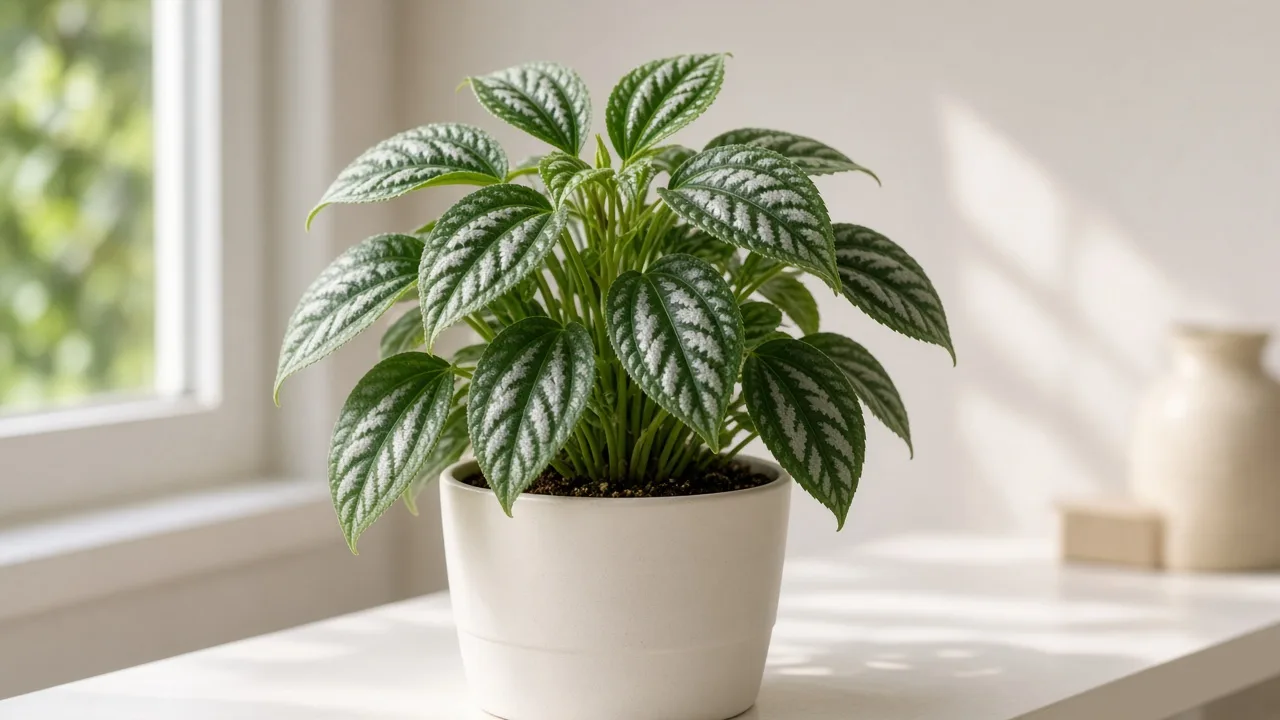
Curling Leaves on Aluminum Plant: Causes, Checks & Fixes
This guide covers curling leaves on Aluminum Plant. See also the general Curling Leaves guide, watering, and light pages for this plant.
Curling Leaves on Aluminum Plant: Causes, Checks & Fixes
Quick answer
Curling leaves on aluminum plant (Pilea cadierei) mean the normally flat, slightly cupped foliage with four rows of raised silver patches is rolling inward to shrink exposed surface area. That is almost always a moisture-conservation response—the leaf loses water faster than the roots can replace it from dry soil, dry air, or damaged roots in soggy mix.
Before you assume pests or nutrient deficiency, rule out the two most common indoor triggers: dry top inch of soil and dry winter air near a heating vent. New leaves also emerge as tight tubes at the stem tip and unfurl over several days; that is normal growth, not stress.
First step: push your finger one inch into the potting mix. If it feels dry and the pot is noticeably light, water slowly until a little drains from the bottom. If the mix is wet, heavy, or sour-smelling, do not add water—curl in that case often means roots are failing to absorb moisture.
For how leaf curl works in general, see our curling leaves symptom guide. On aluminum plant, the pattern usually shows up on the newest silver-marked tips first, on one side facing a heater while soil still reads moist, or across several leaves after the pot dried out completely on a high shelf.
What curling leaves look like on Aluminum Plant
Healthy aluminum plant leaves are elliptic to obovate, glossy green with four rows of upraised silver patches that catch light like brushed metal. When they curl from stress, those patches look pinched, dull, or stretched along a tighter blade.
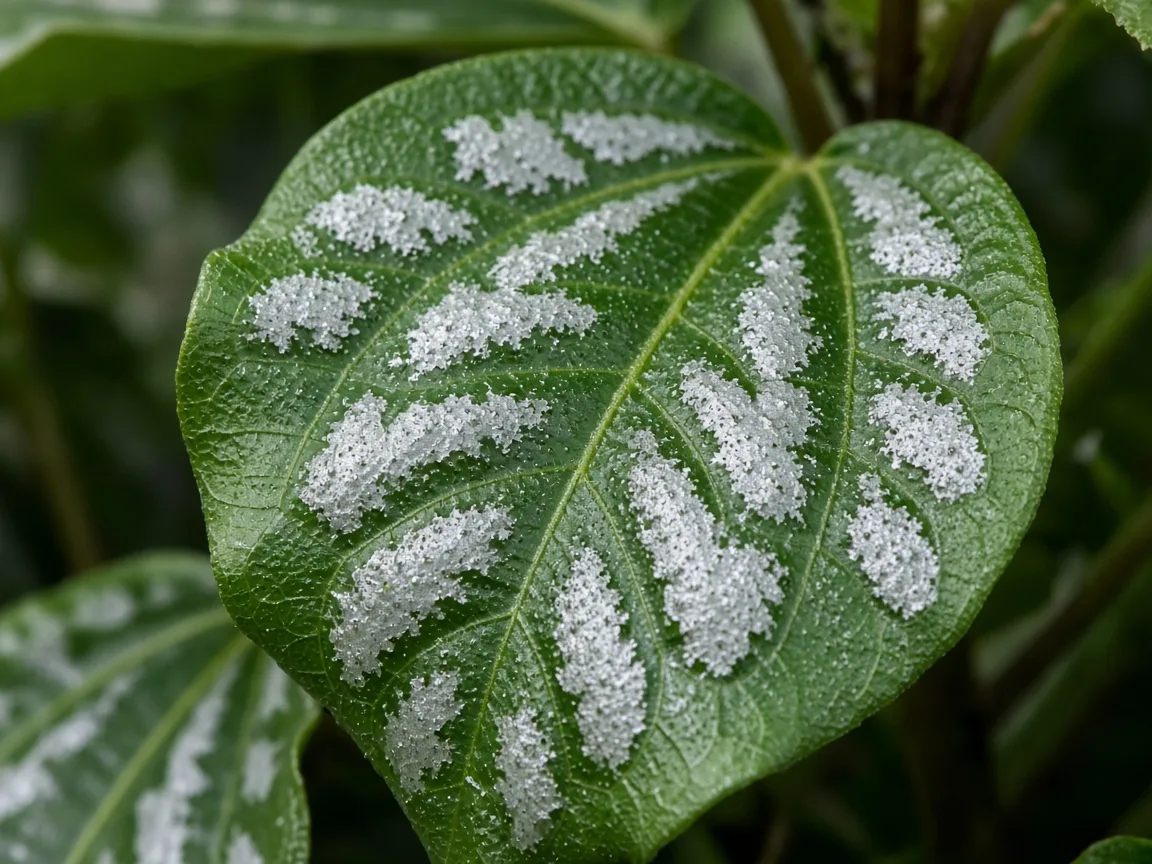
Curling leaf symptoms on aluminum plant—compare cupped tissue with flat silver-marked leaves on the same clump.
Typical stress patterns:
- Mature leaves cup inward lengthwise or roll at the margins while the midrib stays somewhat flat
- Silver patches lose their reflective quality and look matte or wrinkled
- Leaf surface feels thin or papery instead of springy
- Brown or tan crisping appears along edges, especially on leaves nearest a vent or sunny window
- New leaves open smaller than older ones, sometimes with margins already tan
- Several leaves curl at once, often on the side facing dry airflow
What is usually normal:
- A single tight tube at the tip of each new shoot that slowly opens flat over a week
- Slight upward cup on healthy mature leaves—the species naturally holds foliage at a light angle
- One older outer leaf curling while inner growth stays flat—often sun or vent exposure on that side only
Because Pilea cadierei branches from soft green stems in a compact bush, outer leaves on hanging baskets or high shelves often show curl first while the crown still looks fine. That localization is a clue that environment—not a whole-plant disease—is driving the symptom.
New unfurl curl vs. stress curl on Pilea cadierei
Aluminum plant does not fold leaves at night like a prayer plant, but new growth always starts rolled. A tight silver-green spear at each stem tip is healthy; it should open into a flat oval blade within five to ten days in warm, humid conditions.
Stress curl is different:
| Pattern | Likely meaning |
|---|---|
| Tight tube at the very tip, opening wider each day | Normal new-leaf unfurl |
| Open mature leaves cup inward all day on multiple blades | Water, humidity, or root stress |
| Curl worsens only in afternoon on the window side | Heat or direct sun scorch |
| New spear stuck rolled for two weeks with brown edges | Dry air, drought, or salt buildup |
If you only notice curl on the newest tip and older leaves stay flat with bright silver patches, wait before overwatering—the plant may simply be unfurling. Chronic daytime cupping on several open leaves, especially with crisp margins, points to desiccation, drafts, or failing roots, not normal growth.
How curling differs from drooping on Aluminum Plant
Both symptoms mean the plant is struggling with water balance, but they read differently on pilea foliage.
Curling rolls the leaf blade inward or cups the margins—the silver patches look compressed. Drooping lowers the whole leaf plane and bends the stem at the node while the blade may still lie relatively flat.
| Symptom pattern | Leaf shape | Soil feel | Likely cause | Next page |
|---|---|---|---|---|
| Margins roll inward, firm stems | Cupped blade | Dry top inch, light pot | Underwatering / low humidity | Underwatering |
| Cupped leaves, yellow lower foliage | Flat but tight | Wet many days, heavy pot | Overwatering / root failure | Overwatering |
| New tips curl, crispy edges | Small new blades | Moist, not bone-dry | Low humidity | Low humidity |
| Whole leaf hangs down, may be cupped | Drooped plane | Very dry or very wet | Drought or root failure | Drooping leaves |
On aluminum plant, underwatering can show curl before droop because the thin leaf tissue conserves moisture first. The critical split is wet soil + curl, which almost always means roots cannot move water upward—not because the plant needs more water. See our drooping leaves guide when the whole plant sags; stay on this page when margins roll while stems still feel firm.
Why Aluminum Plant gets curling leaves
Pilea cadierei evolved on humid forest floors in Vietnam and China where soil stays lightly moist and air holds steady humidity. Indoors, several mismatches trigger curl:
Underwatering and shelf dry-out
Aluminum plant is not drought-tolerant. When the top inch goes bone dry—or water runs down pot sides without rewetting the root ball—leaves curl to limit transpiration. Pilea’s fine roots sit near the surface; they cannot tap deep reserves. Plants on shelves, in small pots, or in hanging baskets dry out faster because air circulates on all sides.
Low humidity with warm airflow
This species does best in high humidity and appreciates humidified rooms or a bed of wet pebbles. Winter heating and summer AC can pull room humidity well below 40 percent. Dry air increases water loss from leaf surfaces even when soil feels moist. Leaves curl inward as a short-term adaptation; prolonged dry air leads to crispy margins on the same curled leaves. See low humidity on aluminum plant when soil is moist but edges crisp.
Overwatering and root damage
Paradoxically, soggy soil also causes curl. When roots suffocate and rot, they stop absorbing water while leaves still transpire. The plant responds the same way—rolling leaves to cut moisture loss—so curl paired with wet mix and yellowing lower leaves points to root rot on aluminum plant, not drought. Overwatering or poor drainage commonly causes root rot on this species.
Light, heat, and drafts
Aluminum plant wants bright indirect light, avoiding full sun. Hot afternoon sun through glass scorches the delicate silver variegation and can curl margins on the exposed side. Cold drafts below about 55°F (13°C) or blasts from AC vents shock tropical foliage and trigger curl on the leaves facing the airflow. Compare with our light guide if curl appears only on the window side.
Pests on soft pilea stems
Monitor for mealybugs, scale, aphids, and spider mites—all common on aluminum plant. Spider mites cause stippling and fine webbing on undersides; new growth curls and stays small. Mealybugs cluster in leaf axils where stems branch. Curl from pests usually comes with discolored patches, sticky residue, or visible insects—not uniform cupping on every leaf. Route to spider mites or mealybugs when those signs appear.
How to confirm the cause
Work through these checks in order before changing more than one variable:
- Soil at one inch — Dry and light pot fits underwatering. Wet, heavy, dark surface for many days fits overwatering.
- Pot weight — Compare with how it felt right after your last thorough watering.
- Humidity context — Heating season, crispy margins, and moist soil together point to low humidity.
- Newest growth — Stuck rolled spear with brown edges differs from a healthy unfurling tip.
- Leaf undersides — Webbing, stippling, cottony clusters, or scale bumps mean pests, not moisture alone.
- Stem base feel — Firm green tissue fits moisture or humidity stress. Soft, dark tissue with wet soil means inspect roots.
- Placement — Curl only on the heater or window side suggests draft or light stress, not a whole-pot problem.
The first fix to try
If the top inch is dry and stems are firm: water thoroughly once, letting excess drain fully. Do not mist leaves as a substitute for root-zone moisture—wet foliage on a dry root ball does not fix curl on pilea.
If soil is wet and heavy: skip watering entirely. Let the top two inches dry before the next drink, and check whether lower leaves are yellowing. Follow the rescue path in our overwatering guide if stems soften.
If soil is moist but edges crisp: raise humidity with a humidifier or pebble tray rather than adding more water. Aluminum plant recovers faster from dry air when roots are already wet enough.
Make one correction, then wait five to seven days before stacking repotting, pruning, or pesticide.
Step-by-step recovery
Dry-soil curl
Water deeply once, then maintain the rhythm from our watering guide: top inch dry in summer, slower in winter. Trim fully brown leaf margins—they will not re-green. If humidity is below 40 percent, add a pebble tray so new silver-marked leaves do not curl again immediately after rehydration.
Wet-soil curl
Stop watering until the top two inches dry. Move the pot to brighter indirect light if it sits in a dim corner—slow growth keeps soil wet longer. If yellowing spreads or stems soften, unpot and inspect roots the same week per our root rot guide.
Low-humidity curl
Run a humidifier to hold 50–60 percent near the plant, or group it with other tropicals. Avoid misting late in the day on crowded shelves where water sits on soft pilea leaves overnight.
Pest-related curl
Isolate the plant, rinse leaf undersides in the sink, and confirm live insects before spraying. Treat mealybugs with alcohol on a cotton swab at axils; spider mites need repeated rinsing and horticultural soap on undersides. Do not fertilize while fighting pests.
Recovery timeline
Mild curl from one dry spell often relaxes within 24–48 hours after proper watering and stable humidity. Leaves that stayed cupped for a week or developed brown margins usually remain slightly misshapen even after the cause is fixed.
Judge recovery by:
- The next one or two leaves opening flat with bright silver patches
- Firm green stems at the soil line
- Soil drying on a predictable rhythm at one inch depth
If new growth stays small and curled after two weeks of corrected care, reassess light, pot size, and whether roots were damaged during a wet cycle.
Mistakes to avoid
Do not water on a calendar when leaves curl—confirm soil moisture first. Wet-soil curl is not fixed by another drink.
Do not repot on day one unless roots are visibly rotted or the mix has failed. Transplant shock can curl new growth on soft-stemmed pileas.
Do not fertilize a curling plant before you know whether the issue is moisture, humidity, or pests. Salt buildup can crisp edges and make curl worse.
Do not place a recovering plant in direct sun to “perk it up”—silver patches scorch easily.
Aluminum Plant care cross-check
Curling is usually a downstream signal from watering rhythm, humidity, light, or drainage—not an isolated leaf disease. A healthy pilea in bright indirect light with well-drained mix and seasonal watering rarely curls without an obvious trigger (missed watering, January overwatering, or a dry heating vent).
Review our watering guide for the finger test and winter slowdown. Match soil and pot drainage so the top inch can dry while the root zone stays lightly moist—the narrow band this species tolerates.
How to prevent curling leaves next time
Water moderately in the growing season and reduce watering from fall through late winter when indoor growth slows. Keep humidity near 50 percent in heated rooms. Place the pot in bright indirect light, not hot afternoon sun.
Inspect weekly: soil at one inch, pot weight, and whether newest leaves open flat. Catch curl while stems are still firm and you avoid most rot rescues. On shelves and hanging baskets, check weight more often than floor specimens—the pot dries faster.
When to worry
Escalate immediately if the crown softens while soil is wet, the mix smells sour, or curling spreads over several days despite dry soil—those patterns suggest root failure, not simple thirst. Dry curl with firm stems is lower urgency but still needs water and humidity correction within a day or two.
If curl returns every week despite careful watering, reassess pot size, mix density, light level, and winter frequency together rather than adding more water each time.
Conclusion
Curling leaves on aluminum plant are diagnosable once you split dry and light from wet and heavy, and new unfurl from stress cupping on open leaves. Check soil at one inch, feel the stem base, note humidity, and inspect undersides before you water. Underwatered plants flatten after one good drink; overwatered plants need dry-down and sometimes root inspection. Differentiate curl from drooping leaves, link symptoms to the right cluster guide, and judge recovery by new silver-marked growth opening flat—not by old tissue returning to perfect form.
When to use this page vs other Aluminum Plant guides
- Aluminum Plant watering guide — Use for routine moisture checks before assuming curling leaves is the main issue.
- Aluminum Plant problems hub — Browse all common issues on this species.
- Underwatering on Aluminum Plant — Different entry point when dry soil and light pot are the main clues.
- Low humidity on Aluminum Plant — Use when soil is moist but margins crisp in heated air.
- Overwatering on Aluminum Plant — Use when curl comes with chronic sogginess and yellow lower leaves.
Related Aluminum Plant guides
- Aluminum Plant overview
- Aluminum Plant watering
- Aluminum Plant light
- Aluminum Plant soil
- Underwatering on Aluminum Plant
- Overwatering on Aluminum Plant
- Root rot on Aluminum Plant
- Drooping leaves on Aluminum Plant
- Aluminum Plant problems
Related tool
Use the Plant Problem Diagnosis Tool to narrow causes for curling leaves on this plant before changing multiple variables at once.