Pale Leaves on Begonia Rex: Causes, Checks & Fixes
Quick answer
Pale leaves on Begonia Rex usually mean too little light washing out painted patterns, direct sun bleaching exposed tissue, or wet soil in a dim corner stressing the shallow rhizome before yellowing shows. First step: compare newest upper leaves with older ones, then probe whether the top 2–3 cm of mix is dry or still damp.
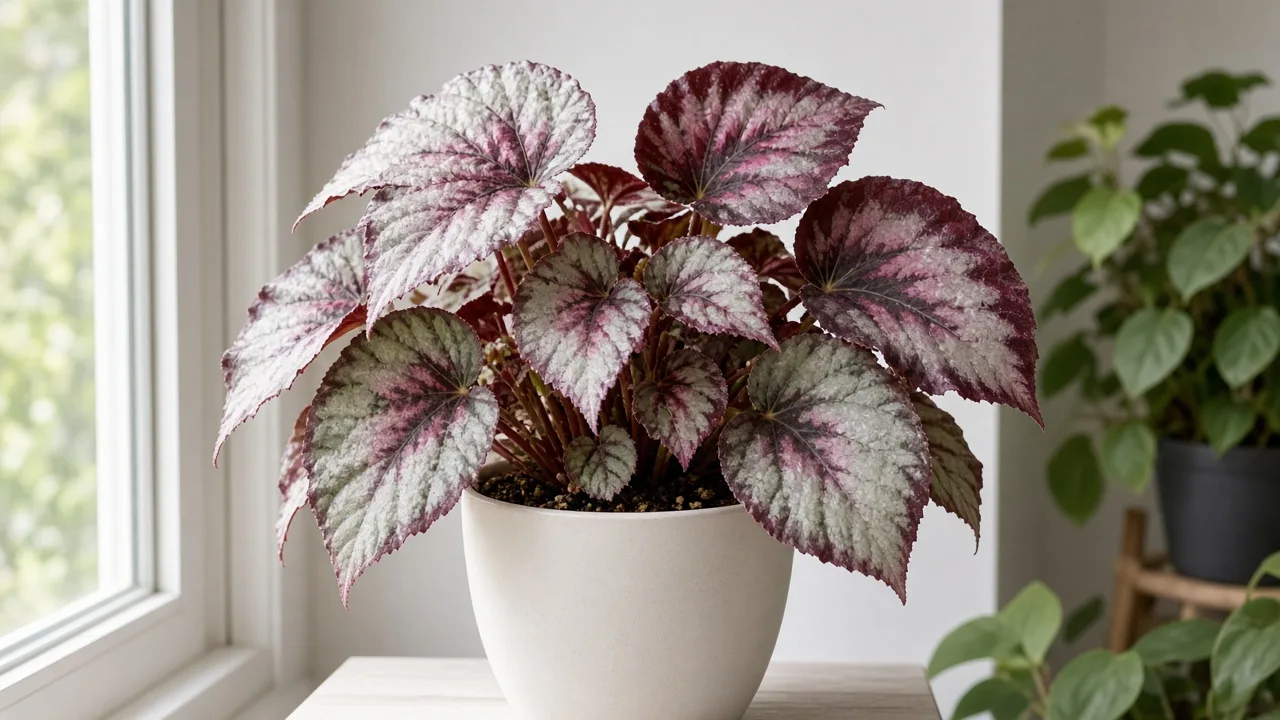
Pale Leaves on Begonia Rex: Causes, Checks & Fixes
This guide covers pale leaves on Begonia Rex. See also the general Pale Leaves guide, watering, and light pages for this plant.
Pale Leaves on Begonia Rex: Causes, Checks & Fixes
Quick answer
Pale leaves on Begonia Rex (Begonia rex-cultorum) are a color-loss signal on a painted-leaf rhizome plant, not one nutrient label. Rex cultivars hold their value in silver, pink, and burgundy patterning on thin, often hairy blades. When light is too low, humidity too dry, or the shallow rhizome sits in wet mix too long, that pigment washes out before the plant turns fully yellow or drops leaves.
For general pale-leaf mechanics—how chlorophyll loss shows up across houseplants—see our pale leaves guide. On rex begonias, the metallic pattern on newest upper leaves is your light meter; the rhizome at the soil line is your water meter.
First step: look at the newest leaves at the crown, then probe the top 2–3 cm of potting mix. Fading pattern on small new growth in a dim corner means move to brighter indirect light. Patchy chalky pale on the window-facing side of each leaf means pull back from direct sun. Dull uniform wash on several leaves plus heavy wet soil means pause watering and press the rhizome for firmness before you fertilize.
When to use this page vs other Begonia Rex guides
| What you see | Read next |
|---|---|
| Long thin petioles, tiny new leaves, lean toward window | Not enough light |
| Patchy sun-side bleaching, scorched brown zones | Light placement review |
| Wet soil, limp pale leaves, sour smell | Overwatering |
| Lower leaves yellow-green, not just pale | Yellow leaves |
| Crisp brown edges with dull wash | Low humidity or brown tips |
| Fine stippling, webbing on undersides | Spider mites |
| Oldest leaves only, firm rhizome, slow fade | Nitrogen deficiency after water and light are stable |
This page covers washed-out, dull, or bleached color on existing rex foliage. If leaves are twisting or cupping without a clear color fade, start with curling leaves or distorted leaves.
What pale leaves look like on Begonia Rex
Rex begonias are rhizomatous foliage plants with leaves emerging from a horizontal stem at or just above the soil line. Pale color shows up in patterns that map to different causes:
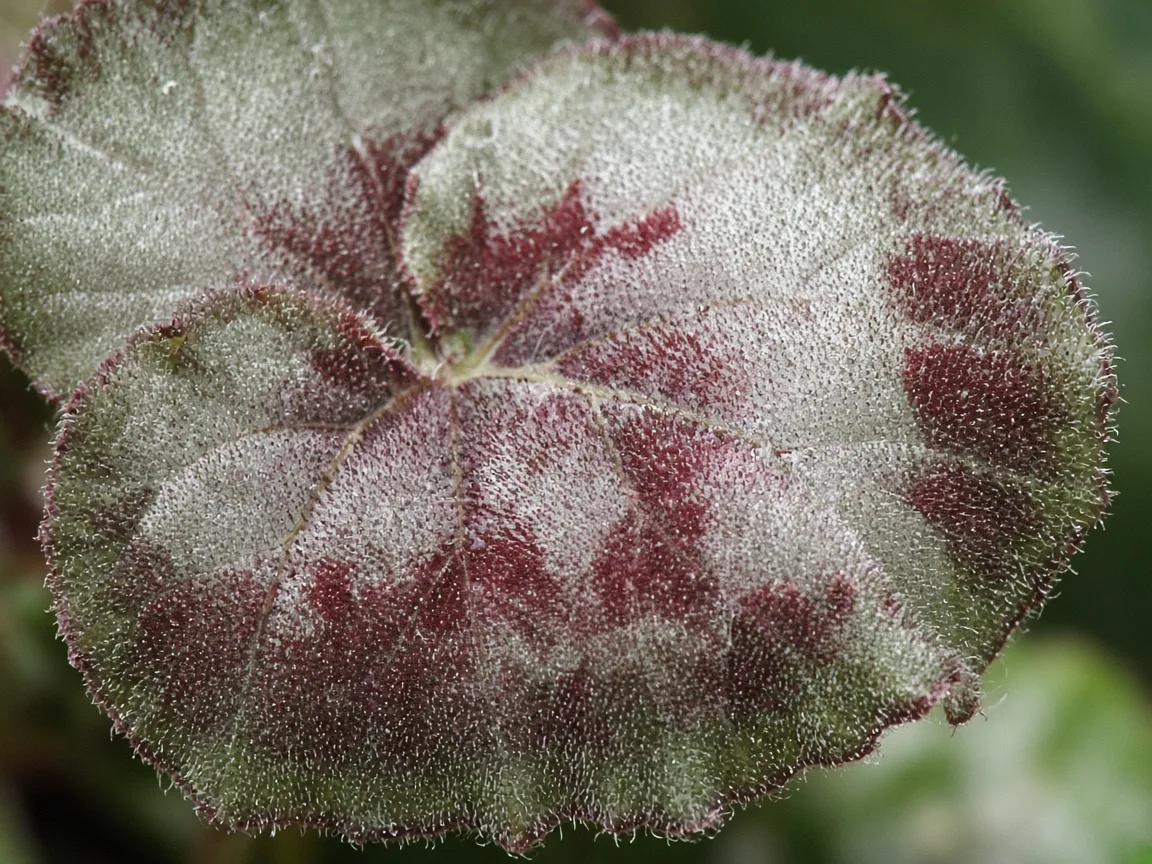
Pale leaf symptoms on Begonia Rex—compare washed pattern zones with firm vs limp blade texture.
Low light fade (most common indoors):
- Newest and upper leaves lose silver, pink, or burgundy contrast first—the blade looks muddy green or uniformly dull
- Long, thin petioles hold leaves farther from the rhizome than when the plant had better light
- Smaller new leaves compared with older ones grown in brighter conditions
- Plant leans or grows one-sided toward the brightest direction
- Often on interior shelves, north-only winter corners, or bathroom spots far from glass
Direct sun bleaching:
- Patchy pale or chalky zones on the sun-exposed side of patterned leaves; shaded side of the same blade often keeps stronger color
- May pair with brown scorched patches on delicate rex tissue
- Common after moving a rex to a south- or west-facing sill without sheer curtain filter
Low humidity wash-out:
- Dull yellow-green or silvery fade across whole leaf surfaces, sometimes before margins crisp brown
- Worse in heated winter air below about 50% relative humidity
- Overlaps with low humidity and brown tips on the same plant
Root stress from wet soil (especially in dim rooms):
- Pale, soft, slightly limp blades—not uniformly crispy
- Pot stays heavy; top 2–3 cm may feel wet for many days
- Pattern looks washed but petioles are not always unusually long
- Lower leaves pale before upper ones; rhizome may still feel firm briefly
- Classic winter trap: unchanged watering schedule while light drops and the pot stops drying
Nitrogen deficiency (after water and light ruled out):
- Oldest lower leaves turn pale yellow-green first while newer crown leaves stay relatively greener
- Slow growth over months in the same pot without spring–summer feeding
- Develops gradually—not a sudden wash across the whole plant
Spider mite stippling (lookalike):
- Fine pale dots on the upper surface, not a smooth uniform fade
- Webbing or dusty cast on undersides in dry heated air
- Leaves may look gray-dull rather than evenly light green
Worry when pale leaves are limp on wet soil, the rhizome feels soft, or many blades fade within a week. Watchful waiting fits one or two bottom leaves slowly losing color on a firm rhizome in late fall or winter dormancy.
Why Begonia Rex loses leaf color
Painted patterns need bright indirect light
Rex begonias need plenty of light without hot direct sun to maintain vivid leaf pigment. Missouri Botanical Garden groups begonias with medium-light houseplants—bright enough for steady foliage, not harsh rays on delicate blades. In dim rooms the plant cannot support the energy cost of bold patterning, so new growth emerges small, dull, and widely spaced along the rhizome. Low light on indoor plants commonly produces pale, weak growth before leaves drop.
The rex-specific detail: color fades on fresh leaves first because pigment develops as blades expand. An older leaf grown in good light may still look strong while every new leaf above it washes out—that pattern almost always means current placement, not a missing nutrient.
Direct sun bleaches metallic and burgundy zones
Rex begonias evolved under filtered forest canopy. Harsh direct sun bleaches silver and burgundy patterning and can pale sun-facing tissue while the shaded half of each leaf stays darker. This is side-specific patchiness, not the uniform dull fade of deep shade.
Low humidity dulls rex foliage before edges crisp
Rex types are humidity-sensitive. Dry indoor air—especially in heated winter—stresses thin leaves and can produce a dull pale cast across the blade before brown margins appear. A humidifier beside the canopy helps more than misting, which NC State Extension recommends avoiding on rex begonias because wet foliage invites mildew and keeps the vulnerable crown damp.
Wet rhizome stress in slow-growing conditions
Rex begonias are sensitive to overwatering. The horizontal rhizome sits shallow; fine roots need oxygen. When mix stays saturated—especially in a dim room where transpiration is slow—roots function poorly and foliage loses color before turning yellow. UConn advises it is better to underwater slightly than overwater rex begonias and to wait until the top inch of mix feels dry before watering again.
Pale limp leaves on a heavy wet pot in a dark corner are often early overwatering stress, not a separate disease. See overwatering if soil smells sour or the rhizome softens.
Seasonal slowdown and outer-leaf aging
Many rex cultivars slow or partially defoliate in fall and winter when daylight shortens. Outer leaves may fade pale before yellowing and dropping while the rhizome stays firm. That rest differs from year-round wash-out in a permanently dark shelf with soggy soil.
How to confirm the cause
Work through this rex-specific inspection in order:
- Which leaves are pale — Newest upper leaves only = light or humidity likely. Lower leaves first, slowly = aging or nitrogen possible. Sun-facing patches on each blade = bleaching. Several leaves at once on wet soil = root stress likely.
- Window distance and lean — Stand where the pot sits. Lean toward glass and fading new pattern strongly confirm low light. Compare with not enough light checklist.
- Moisture at 2–3 cm depth — Cool clinging mix on a heavy pot = pause watering. Dry crumbly surface plus lightweight pot = underwatering less common but possible. Surface dry with heavy pot = check deeper with a skewer.
- Rhizome firmness — Press where petioles meet the soil. Firm tissue supports light, humidity, or dry-down fixes. Soft, collapsing tissue with wet mix = root rot escalation the same week.
- Texture of pale blades — Firm but dull = light or humidity. Soft and limp on wet soil = overwatering stress. Gray stippled = inspect for mites.
- Season — Late fall or winter in a cool dim room? Reduced growth and outer-leaf fade may be normal if the rhizome stays firm and soil dries slowly because the plant is barely drinking.
Confirmed low-light fade shows at least two signs: fading newest leaves, longer petioles or lean, and weak pattern contrast—especially if soil dry-down is slow because the plant is not using water.
First fix for Begonia Rex
Move the pot today to the brightest safe indirect spot you have—or add a full-spectrum grow light about 12 inches above the leaves for 12–14 hours daily—unless the rhizome is soft and soil is wet.
That single placement correction fixes the most common rex pale-leaf cause: insufficient light for painted foliage. Do not reach for fertilizer, crown misting, or repotting until you have ruled out wet rhizome stress.
If soil is wet and the rhizome feels firm, pair the light move with a dry-down pause: stop watering until the top 2–3 cm of mix is dry, empty any saucer water, and keep the crown dry when you eventually water at the soil line.
If the rhizome is mushy or soil smells sour, skip the light-only fix—stop watering and inspect roots per root rot guidance before moving pots around.
Wait two weeks on one primary correction before stacking repotting, feeding, or pest sprays.
If you confirmed a different cause
Direct sun bleaching: Shift the rex out of direct rays onto a bright indirect shelf or behind sheer curtain. Trim fully bleached leaves only after new growth shows stronger pattern.
Low humidity wash: Run a humidifier beside the canopy to hold 50% RH or higher; avoid misting leaves. See low humidity.
Overwatering (wet soil, firm rhizome): Dry-down first, then resume watering when the top 2–3 cm is dry. Brighten light so the pot dries on a realistic schedule.
Winter dormancy (firm rhizome, slow outer-leaf fade): Taper watering to barely moist; hold bright indirect light or supplement with LEDs; skip fertilizer until spring flush.
Nitrogen deficiency (oldest leaves only, correct moisture and light): Feed lightly through active growth only after two weeks of stable new leaves—see nitrogen deficiency.
Step-by-step recovery
Match follow-up to what you confirmed:
Low light (fading new pattern, stretch, lean):
- Relocate to east window, filtered south or west placement, or add grow lights.
- Rotate the pot a quarter turn weekly so all sides receive even brightness.
- Adjust watering to match faster dry-down in better light—do not keep a winter-dim schedule in a brighter spot.
- Judge recovery by next leaf size and pattern contrast, not old blade re-darkening.
Sun bleaching:
- Remove from direct sun the same day.
- Remove leaves that are mostly chalky pale if they collapse; keep partially green blades.
- Watch the next two leaves for restored silver or burgundy zones.
Humidity correction:
- Humidifier beside the plant; avoid wetting the rhizome crown.
- Keep bright indirect light—shade plus dry air doubles the dull fade.
- Trim crisp brown tips only after humidity stabilizes for two weeks.
Wet rhizome stress:
- Let top 2–3 cm dry fully between waterings.
- Clear drainage holes; remove cachepot standing water.
- Brighten light if the plant sat in a dim wet corner.
- Escalate to root inspection if pale leaves turn yellow or the rhizome softens—see wilting if leaves go limp despite wet soil.
Recovery timeline
Fully pale or bleached rex tissue rarely regains full original pattern intensity. Recovery is measured by new growth from the rhizome crown:
- Mild low-light fade — New leaves often show stronger patterning within two to four weeks after brighter placement or grow lights.
- Sun bleaching — Next leaves emerge with better color within two to three weeks once direct rays are removed; bleached old tissue may stay pale.
- Humidity correction — Dull wash on new leaves improves within two to four weeks when RH stays at 50% or higher.
- Overwatering stress (firm rhizome) — Color stabilizes within one to two weeks after soil oxygen returns; pair with light correction if the pot was drying too slowly.
- Advanced rhizome rot — Partial or no recovery; if the crown softens or new leaves keep fading after dry-down, the plant may not be saveable.
Signs of improvement: shorter petioles, richer pattern on new leaves, pot weight drops on a normal schedule, pale wash does not spread to every new blade. Signs of worsening: soft rhizome, limp pale leaves on wet soil, sour smell, or uniform fade climbing toward the crown within days.
What not to do
Do not fertilize a pale, stressed rex before light and watering are stable. Salt buildup can also pale foliage and burn edges.
Do not mist leaves or the crown to fix color loss—wet rex tissue invites mildew without solving root-zone or light problems.
Do not move a waterlogged rex into harsh direct sun to “give it more light.” Bright indirect light fixes fade; direct sun bleaches patterned leaves further.
Do not water more because pale leaves look weak when soil is already wet—that deepens rhizome stress.
Do not repot on day one unless the rhizome is mushy or mix has failed. Repotting a soggy rex into a bigger pot often slows drying.
Do not assume nutrients when only newest leaves wash out in a dim room—pattern fade on fresh growth is almost always light first.
When removing many faded leaves, wear gloves and wash hands if pets might contact fallen foliage—rex begonias are toxic to dogs and cats.
How to prevent pale leaves on Begonia Rex
- Bright indirect light year-round — East windows, filtered south or west placement, or supplemental LEDs in winter; see Begonia Rex overview for baseline placement.
- Water when the top 2–3 cm dries — Not on a calendar; slow winter growth means longer intervals between drinks.
- Keep the rhizome crown dry — Pour at the soil line or bottom-water with full drainage; never leave standing water in saucers or cachepots.
- Hold humidity at 50% or higher — Humidifier beats misting for rex foliage color.
- Filter direct sun — Sheer curtains on south or west glass protect metallic patterning.
- Remove spent lower leaves promptly — Makes new stress easier to spot before full yellowing.
- Match winter care to dormancy — Less water in cool dim months; resume normal rhythm when spring buds appear.
When to worry
Treat pale leaves as urgent when:
- Many leaves fade within a week, not gradual outer-leaf aging.
- Soil smells sour or the rhizome feels soft at the soil line.
- Pale leaves are limp on wet soil—the plant may be heading toward yellow leaves and crown collapse.
- New crown growth emerges pale and tiny while older leaves also decline—not a single bottom leaf senescing.
Treat as watchful waiting when:
- The rhizome is firm, only outer leaves fade slowly in late fall or winter, and soil dries on a slowed schedule.
- You moved to brighter light or fixed humidity and need two to three weeks to read the next leaf.
Begonia Rex care cross-check
If pale leaves keep returning, compare your routine to rex tolerances:
| Checkpoint | Healthy target | Pale-leaf risk when wrong |
|---|---|---|
| Light | Bright indirect; no direct scorch | Deep shade fades pattern; direct sun bleaches |
| Soil moisture | Top 2–3 cm dry before watering | Wet mix in dim rooms washes out foliage |
| Crown and rhizome | Firm rhizome; dry crown after watering | Water on rhizome; early root stress |
| Humidity | 50% RH or higher | Dull wash and crisp edges in dry heat |
| New leaf quality | Full size, strong pattern contrast | Small dull new leaves = current light stress |
| Season | Less water in cool, dim months | Summer watering calendar all winter |
Fix the failing checkpoint before feeding, upsizing the pot, or treating for pests you have not confirmed.
Related Begonia Rex guides
- Begonia Rex overview — rhizome biology, humidity, and baseline care rhythm
- Light — bright indirect placement and grow-light setup
- Not enough light — stretch, lean, and small dull new leaves
- Watering — top 2–3 cm dry-down and crown-dry technique
- Overwatering — wet rhizome confirmation and dry-down fixes
- Low humidity — RH targets and humidifier setup
- Yellow leaves — when pale fade progresses to yellowing
- Root rot — soft crown escalation and repot recovery