Curling Leaves on Bird of Paradise: Causes, Checks & Fixes
Quick answer
Curling leaves on Bird of Paradise usually mean the heavy paddles lost turgor from dry soil, heat near a window, sap-sucking pests, or failing roots in wet mix. First step: push your finger 5 cm into the mix and lift the pot before you add water or pesticide.
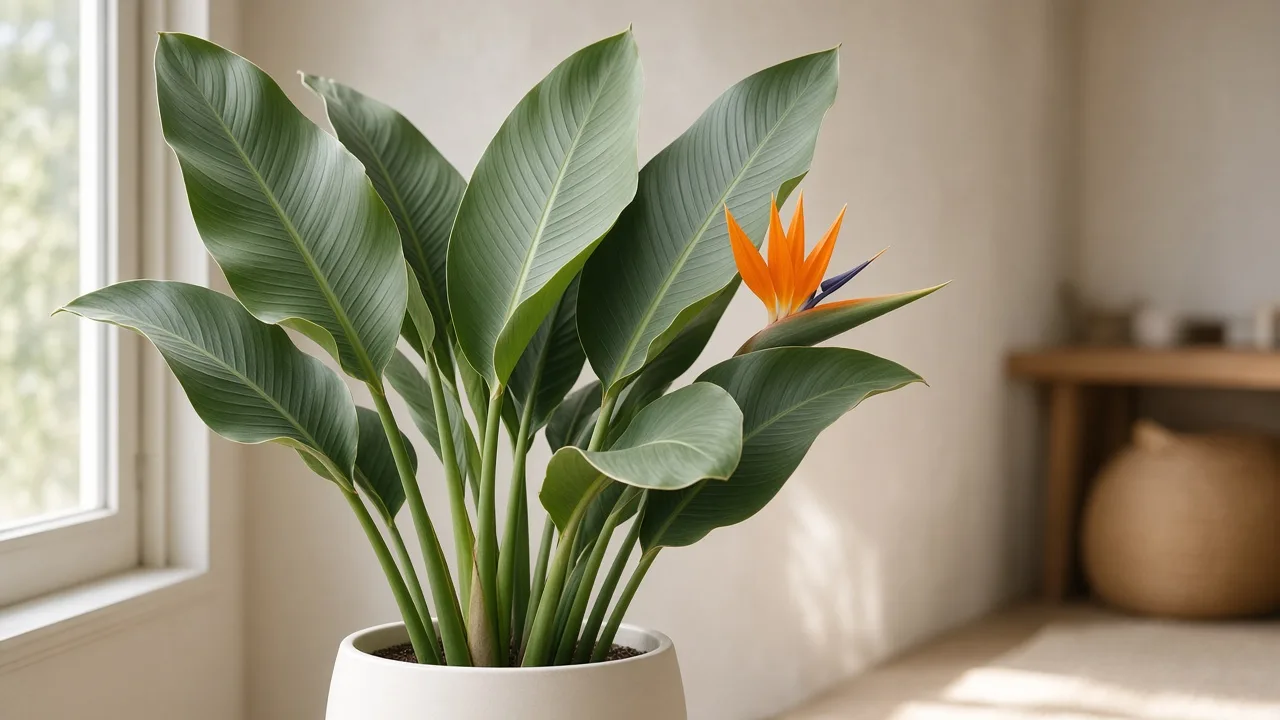
Curling Leaves on Bird of Paradise: Causes, Checks & Fixes
This guide covers curling leaves on Bird of Paradise. See also the general Curling Leaves guide, watering, and light pages for this plant.
Curling Leaves on Bird of Paradise: Causes, Checks & Fixes
Quick answer
Curling leaves on Bird of Paradise (Strelitzia reginae and Strelitzia nicolai) show up when large paddle leaves roll inward along the margin or twist at the tip instead of staying stiff and flat. Strelitzia foliage is thick and transpires quickly in bright rooms, so curl appears earlier than on thin-leaf houseplants when moisture, heat, or pests slip out of balance.
First step: push your finger 5 cm (about 2 inches) into the mix near the pot edge and lift the container. A light, dry pot with inward curl usually means thirst — see underwatering and soak once per the watering guide. A wet, heavy pot with curl while soil smells sour points to overwatering or root rot — stop watering and check rhizome firmness. If moisture looks normal, flip the newest paddle and inspect the underside for mites or thrips before you spray anything.
For how leaf curl works across houseplants, see our curling leaves hub. On bird of paradise, curl almost always ties back to rhizome moisture, bright-light placement, or sap feeders on paddle undersides — not a mystery nutrient deficiency on day one.
When to use this page vs other Bird of Paradise guides
- Underwatering — light pot, dry 5 cm layer, crisp curl before droop
- Overwatering — heavy wet pot, yellow lower paddles, curl with limp hang
- Wilting — soft acute collapse, not just margin roll
- Drooping leaves — downward petiole angle; curl often comes first on dry pots
- Low humidity — brown curled margins beside vents in winter
- Spider mites or thrips — stippling, webbing, or silvery scars with twisted new growth
- Not enough light — weak stretched petioles and slow unfurling, not classic drought cup
- Bird of Paradise overview — species hub and normal care rhythm
What curling leaves look like on Bird of Paradise
Healthy Strelitzia holds stiff gray-green paddles on thick petioles rising from a central rhizome crown. Curling breaks that flat plane in ways you can separate from normal growth:
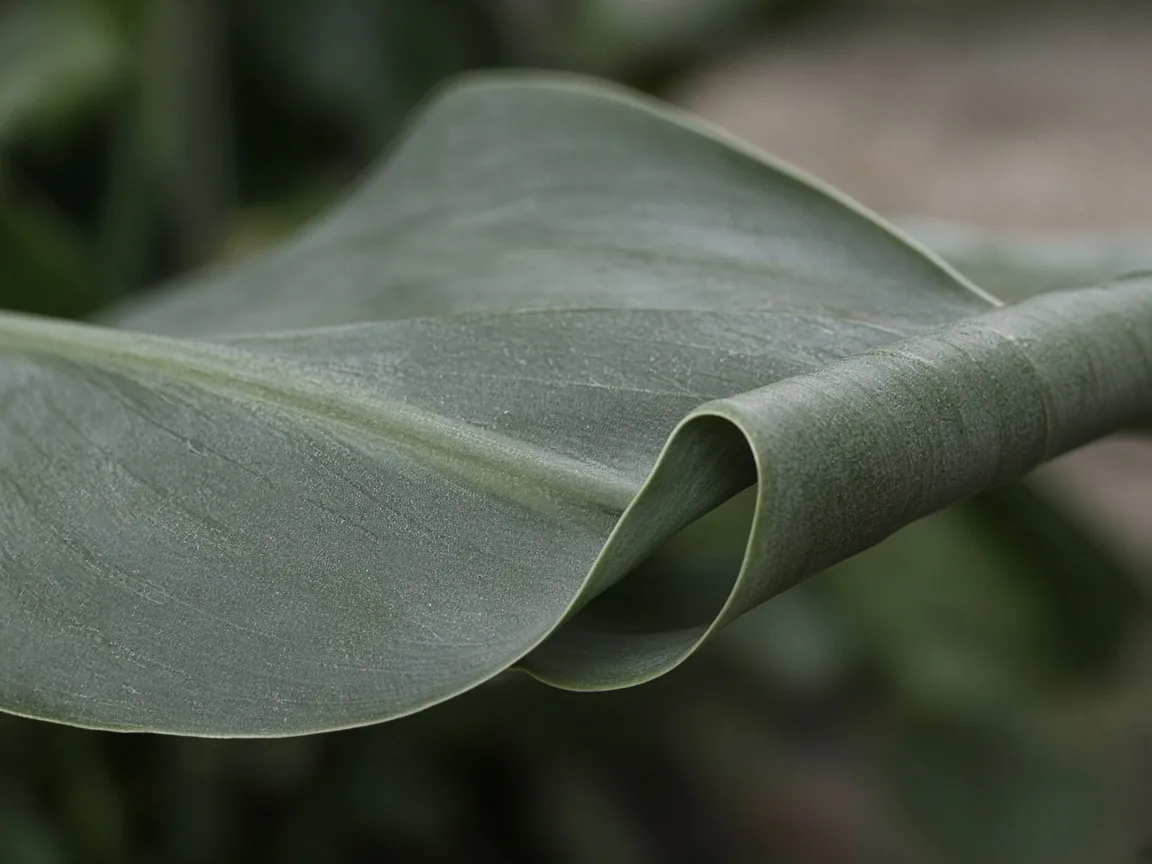
Inward-rolled paddle margins on bird of paradise — compare curled tissue with flat older leaves on the same plant.
Normal “curl” you can ignore:
- New spears emerge as tight tubes from the crown and unfurl over days — that roll is growth, not stress.
- Slight edge curve on mature paddles is common; bird of paradise leaves are naturally stiff but not ruler-flat forever.
Problem curl patterns:
- Inward margin roll on open paddles, often starting on outer older leaves
- Lengthwise fold along the midrib when drought stress is building
- Twisted or puckered new paddle while unfurling when pests attack tender tissue
- Crispy brown curl along margins after hot dry air or unacclimated direct sun
Curling vs drooping vs wilting
| Symptom | What you see | Typical soil clue | First branch |
|---|---|---|---|
| Curling leaves | Margins roll inward; blade may still feel fairly firm early | Dry light pot OR wet heavy pot | 5 cm moisture + undersides |
| Drooping leaves | Petioles hang lower; posture sags | Often same moisture extremes | See drooping leaves |
| Wilting | Soft limp collapse across multiple paddles | Very dry or very wet | See wilting |
On Strelitzia, inward curl often appears before full droop when the pot dries out — catching curl early prevents the limp fan that follows.
New spear curl vs stressed paddle curl
Bird of paradise is one of the few common houseplants where a visibly rolled leaf can be completely healthy. New growth pushes up as a closed spear from the rhizome, then splits and flattens. That tube can look alarming if you have not grown Strelitzia before.
Healthy spear signs: firm pointed roll, gradual unfurling over a week or more, older paddles on the same plant stay flat, soil moisture matches your usual watering rhythm.
Stressed curl signs: an already-open paddle rolls inward after weeks flat; curl hits several leaves at once; unfurling spears stall or crinkle; curl pairs with light pot, heavy pot, stippling, or vent-scorched margins.
If only the newest spear is rolled and everything else is stiff, wait and watch. If open paddles curl while the spear struggles, treat it as a care or pest problem — not normal unfurling.
Why Bird of Paradise leaves curl
Strelitzia grows from thick underground rhizomes with large leaves that lose turgor visibly when water movement or leaf health fails. The same outward curl can come from opposite root conditions, which is why pot weight matters before any fix.
Underwatering and fast dry-down
Bird of paradise tolerates short dry spells better than constant wet feet, but heavy paddles still curl when the top 5 cm dries for too long — especially in bright windows, small pots, or summer AC that pulls humidity from leaf edges. Gardening Know How notes that new plants need steady moisture at establishment or newer leaves curl in protest. Indoor specimens near heat sources can show curl even when you watered recently because the surface dried while the root ball still had some moisture — test depth, not calendar days.
Overwatering and root stress
Saturated mix reduces oxygen around roots. Damaged roots cannot supply heavy leaves even when soil feels wet — paddles curl and may yellow while the pot stays heavy. Root rot can occur from overwatering or poorly drained soils on Strelitzia. Pair curl with sour smell, soft rhizome, or fungus gnats when the surface never dries.
Heat, low humidity, and harsh sun
Chilly temperatures can make leaves curl inward as protection, and the same inward roll happens from hot dry air and sudden intense sun before the plant acclimates. Strelitzia wants bright indoor light — often including some direct sun — but a plant moved from a dim corner to a south window in one day can scorch and curl margins. Winter placement beside radiators or forced-air vents dries paddle edges fast; see low humidity when brown tips accompany curl.
Sap-sucking pests on paddle undersides
NC State lists mealybugs, scale, and spider mites on bird of paradise. Wisconsin Horticulture adds that mealybugs, scale, and spider mites may infest Strelitzia indoors. Gardening Know How links malformed leaves and curling foliage to scale, mites, and thrips on bird of paradise. Large paddles give pests plenty of hiding room on the underside and along the midrib — curl on new growth with stippling or webbing is a pest branch, not a watering fix.
Root-bound pots and transplant shock
Container plants that stay root-bound struggle to take up even moisture — Gardening Know How lists root-bound bird of paradise among causes of curling leaves. Fresh repot or division can also curl paddles for several days while roots settle; avoid stacking repot, prune, and pesticide on the same day unless rot forces your hand.
How to confirm the cause
Work in this order so you do not water a wet plant or spray a thirsty one:
- 5 cm finger test at the pot edge — dry, evenly moist, or wet/sour?
- Pot weight — noticeably light vs heavy days after the last drink?
- Rhizome press at soil line — firm like a potato vs soft?
- Newest spear — healthy tight roll unfurling vs crinkled stall?
- Paddle undersides — stippling, webbing, scale bumps, sticky residue?
- Placement — new direct sun, heating vent, or cold window glass?
| Finding | Likely cause | Next page |
|---|---|---|
| Dry 5 cm, light pot, no pests | Underwatering | Underwatering |
| Wet heavy pot, soft rhizome | Overwatering / rot | Overwatering or root rot |
| Dry margins, vent nearby, soil OK | Low humidity / heat | Low humidity |
| Stippling, webs, twisted new paddle | Mites / thrips | Spider mites or thrips |
| Dim room, elongated petioles | Weak light | Not enough light |
The first fix to try
Measure moisture at 5 cm depth and lift the pot — then take exactly one branch:
- Dry and light: one thorough soak until water runs from drainage holes, drain the saucer, and recheck in 24 hours. Do not sprinkle the surface only; Strelitzia rhizomes need the whole root ball rehydrated.
- Wet and heavy: stop watering, move to brighter air if the plant was in dim shade, and press the rhizome. If firm, let the pot dry down before the next drink. If soft, escalate to root rot steps the same day.
- Moisture normal with stippling: isolate the plant, shower paddle undersides with lukewarm water, and confirm live pests before insecticidal soap or horticultural oil — follow label directions for houseplants.
Do not fertilize a curling Strelitzia until you know the cause and see firm new growth. Do not repot on day one unless roots are mushy or the plant is severely root-bound and drying out hours after every watering.
Step-by-step recovery
After thirst (dry light pot):
- Soak once; let excess drain completely.
- Move off blasting heat vents if margins browned.
- Wipe dust from paddles so the plant can use available light — Wisconsin Horticulture recommends wiping large leaves with a soft cloth without leaf-shine products.
- Wait for the next spear to unfurl flat before returning to your normal watering schedule — NC State advises more water in spring and summer and drier conditions in winter.
After wet roots (heavy pot):
- Pause water until the top 5 cm dries.
- Improve light per the light guide so the mix cycles faster.
- If decline continues, unpot and inspect — trim only mushy tissue into fresh well-draining mix.
After pests:
- Rinse undersides; repeat every few days for mites.
- Treat confirmed infestations with labeled houseplant products; keep Strelitzia out of direct hot sun while foliage is wet with spray.
- Monitor the next two paddles for flat unfurling — pest damage on old leaves may stay curled permanently.
Recovery timeline
Single dry episode: inward curl often eases within 24–72 hours after a proper soak; older paddles may keep a slight ripple.
Pest recovery: new flat paddles within two to four weeks if populations drop; heavily stippled leaves rarely flatten fully.
Root stress: three to eight weeks to trust new spear growth after you fix wet soil; mushy rhizomes shorten the salvage window.
Judge success by firm rhizome, stable pot weight between waterings, and a new spear unfurling without crinkle — not by every outer paddle looking brand new.
Mistakes to avoid
- Watering on a schedule instead of the 5 cm test — Strelitzia needs drier winter soil but summer thirst on big leaves happens fast in sun.
- Misting as humidity repair — it does not fix vent-dried margins; move the plant or use a humidifier near low humidity guidance.
- Assuming curl means feed — salt or fertilizer on stressed roots worsens curl; diagnose first.
- Ignoring undersides because paddles look clean from across the room.
- Treating normal spear tubes as emergency curl — patience on unfurling saves unnecessary soaks.
How to prevent curling next time
Match Strelitzia’s real rhythm: bright light including some direct sun after acclimation, water when the top 5 cm dries in active growth and less in winter, and use well-draining fertile mix. The RHS advises keeping compost moist through spring and summer, reducing in autumn, and letting compost get fairly dry between waterings from late November — a useful seasonal frame for indoor pots that slow down in winter.
Keep night temperatures in the 55–65 °F range Strelitzia prefers when possible, away from cold glass and hot vents. Inspect paddle undersides weekly, especially after buying a new floor specimen or moving S. nicolai back indoors in fall.
When to worry
Treat curl as urgent when:
- Newest spear crinkles while the pot stays wet and heavy
- Rhizome feels soft or dark at the crown
- Stippling spreads to multiple paddles within a week
- Curl follows rapid decline after repotting with sour soil smell
Lower urgency when one dry cycle curls outer paddles that relax after a single soak, or when only a healthy spear tube is rolled and older leaves stay flat.
Related Bird of Paradise guides
- Bird of Paradise overview — hub and species notes
- Bird of Paradise problems — full symptom index
- Watering — 5 cm dry-down rhythm
- Light — bright placement without scorch
- Soil — drainage for rhizome health
- Underwatering — light pot + crisp curl
- Overwatering — wet pot paradox
- Root rot — soft rhizome escalation
Conclusion
Curling leaves on bird of paradise are a turgor and tissue-health signal on unusually heavy foliage — not a one-size-fits-all “humidity” problem. New spears naturally emerge rolled; open paddles that cup inward point to dry rhizomes, wet failing roots, heat-stressed margins, or pests hiding underneath. Before you soak, repot, or spray, check moisture at 5 cm, lift the pot, and read the newest growth. Fix the branch that matches your findings, then judge recovery by the next firm spear unfurling flat. Get that right and Strelitzia returns to the stiff architectural paddles that justify the space it takes.