Mother of Thousands Watering Guide: Soak and Dry
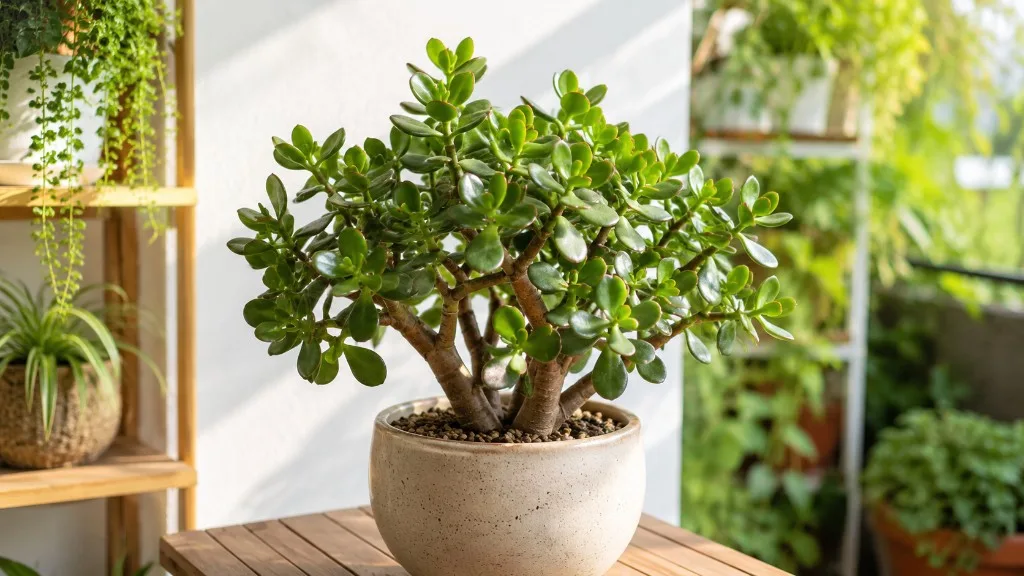
Mother of Thousands Watering Guide: Soak and Dry
Mother of Thousands Watering Guide: Soak and Dry
Mother of thousands watering is one of those topics where the plant’s vigor works against you. Kalanchoe daigremontiana looks thirsty the moment it pushes another row of plantlets along a leaf margin, and fast upright growth can fool you into thinking it wants tropical-houseplant moisture. It does not. This Madagascar succulent evolved in desert and dry shrubland with irregular rain, stores water in fleshy triangular leaves and upright stems, and tolerates drought far better than wet roots. NC State Extension advises growers to water sparingly, allow the soil to dry between waterings, and reduce frequency during the plant’s dormant stage. Indoors, that translates into one reliable rhythm: soak the root zone when the mix is dry, drain completely, then wait — with a longer pause in fall and winter.
The practical starting point from LeafyPixels plant data matches what extension sources describe: water when the top inch of mix is dry, which often works out to roughly every 10–14 days in warm bright months and every three to four weeks in cooler, shorter days. Those ranges are guides for when to check, not permission to pour on autopilot. A small terracotta pot under a bright window may need water sooner; a large plastic container in a dim room may go longer. Your job is to confirm dryness at depth, then give one thorough drink.
This guide covers soak-and-dry technique, seasonal cutbacks, how Mother of Thousands soil and pot choice change dry-down speed, and the stem and leaf signals that tell you whether to wait or soak.
Why Spare Water Fits Kalanchoe Biology
Mother of thousands belongs to Crassulaceae, the stonecrop family shared with jade plants and echeveria. Like other crassulads, it uses CAM photosynthesis — opening stomata mainly at night to limit water loss — and keeps reserves in succulent tissue. That biology fits a climate where rain is brief and drainage is fast, not a rainforest floor that stays evenly moist.
Madagascar Dry Seasons and Leaf Storage
Native to southwest Madagascar, K. daigremontiana grows as an upright subshrub in sandy or loamy, well-drained ground. Missouri Botanical Garden notes the species is intolerant of moist, poorly drained soils and tolerates drought once established. Leaves are thick and lance-shaped, often blotched purple beneath, with notched margins that bear tiny plantlets — each capable of rooting after it drops. Those plantlets are a reproductive strategy for dry, open ground; they are not a sign that the parent needs daily watering.
When roots sit in soggy mix, oxygen disappears, roots die, and rot pathogens move up the stem. NC State Extension lists overwatering as a cause of root rot on this species. The plant can look “active” while roots fail because stored leaf water masks trouble for weeks. Firm, upright stems and plump leaves with manageable plantlet load mean your dry-down rhythm is working. Soft bases and soil that stays dark and cool for many days after one drink mean you are on the wrong side of the line.
How Often to Water Mother of Thousands Indoors
Honest answer: water when the root-zone mix is dry enough for this plant, at whatever calendar interval that produces in your home. For many indoor specimens, checks every 10–14 days in spring and summer and every three to four weeks in fall and winter are reasonable starting reminders — then adjust with your finger, a skewer, or pot weight.
Mother of thousands is not a peace lily. It does not want evenly moist soil. RHS guidance for Kalanchoe daigremontiana is to water moderately throughout the year but more sparingly in winter — moderate does not mean constant dampness; it means full drinks spaced by real dry-down, with extra caution when growth slows.
Spring and Summer Rhythm
From mid-spring through summer, warm temperatures and strong Mother of Thousands light increase transpiration. The plant may push new leaves, extend stems, and load leaf edges with plantlets. That visible growth increases water use — but it does not justify keeping soil wet.
During active months, many growers land near 7–14 days between soaks in bright conditions with fast-draining mix and terracotta. Dimmer rooms and heavy peat blends stretch toward 14–21 days or longer. Always confirm the top inch is dry and that deeper mix is not holding surprise moisture before you soak. If new growth is pale and stretched, the problem is often light, not thirst; adding water to a dim, wet pot accelerates rot.
Pair summer watering with the same drainage rules as the Mother of Thousands overview: cactus or succulent mix, drainage holes, and no standing water in saucers. Vigor without drainage is how a single pot colonizes every neighboring container with dropped plantlets sitting on damp shelf soil.
Fall and Winter Reduction
Missouri Botanical Garden states that mother of thousands does not require winter dormancy but appreciates a resting period with reduced watering from fall to late winter. NC State similarly recommends reducing watering during the dormant stage. In practice, that means fewer checks, stricter dryness requirements, and no “just in case” top-ups because the plant looks unchanged.
From late fall through early spring, stretch intervals toward every three to four weeks, sometimes longer in a cool room. Short days and temperatures toward the lower end of the preferred 65–75°F (18–24°C) range slow water uptake. Skip Mother of Thousands fertilizer until spring growth returns. A heated room under grow lights that keeps the plant actively growing may need intermediate watering — still far less than summer, and always after a dryness check.
The Soak-and-Dry Method Step by Step
Soak-and-dry means one complete wetting of the root ball, full drainage, then no water until the mix dries again. Shallow sips every few days keep the upper layer damp while the center stays stale — the pattern that kills more Kalanchoe than honest drought.
- Check dryness (see below). If any coolness or cling remains at depth, wait.
- Water slowly and evenly across the surface until excess runs from drainage holes.
- Drain 15–30 minutes, then empty the saucer completely.
- Wait until dryness checks pass before the next soak.
Avoid flooding a pot that has pulled away from dry mix along the walls. Water lightly once, pause ten minutes, then water again until even drainage — chronic channeling means your soil mix needs more grit, not more frequent shallow drinks.
Dryness Checks That Beat the Calendar
Surface color lies. Use at least one of these every time:
Top-inch finger test: Push your finger into the mix to about 2.5 cm (1 inch). Bone dry at that depth is the LeafyPixels baseline for this plant. If the top feels cool or soil sticks, wait.
Skewer or chopstick test: Insert dry wood to the pot bottom. Darkening or clinging soil means moisture remains; clean dry wood means proceed.
Pot-weight test: Lift the container after a fresh soak and daily until it feels noticeably lighter. Weight reflects the whole column better than touch alone.
Never water because an app reminder fired. Never water a heavy pot because the top dust looks pale.
How Pot and Soil Change the Interval
The same plant in different containers can differ by a week or more between soaks. Terracotta breathes and pulls moisture from mix faster than glazed ceramic or plastic. Shallow wide pots dry quicker than deep narrow ones with the same volume. Fast-draining succulent mix with perlite, pumice, or coarse grit — as NC State recommends via cactus potting mix and RHS advises with sharp sand or grit in well-drained loam or sand — shortens wet time after each soak.
Heavy peat blends, cachepots without drainage, and oversized pots after repotting hold water longest. Mother of thousands tolerates being slightly snug; an enormous fresh pot full of wet mix is a common post-repot rot trap. Keep the parent isolated so fallen plantlets do not land in neighbors’ damp soil — watering discipline on the parent is also containment discipline for the rest of your shelf.
Overwatering Warning Signs
Overwatering is the primary indoor killer for Kalanchoe daigremontiana. Catch patterns early:
- Soft, mushy, or translucent leaves and stems
- Black or brown tissue at the soil line
- Soil that stays wet for weeks after one watering
- Sour or rotten smell from the mix
- Sudden plantlet drop on an otherwise loaded leaf while the stem softens
- Wilting despite wet soil — roots cannot take up water when rotting
LeafyPixels plant data lists the same core symptoms: mushy translucent tissue, dark bases, and chronically wet mix. Multiple signs together mean stop watering immediately, improve light gradually, and let the pot dry completely before reconsidering a soak.
When Mushy Stems Mean Stop
A firm upright stem is non-negotiable. Sponginess at the base means rot has advanced. Do not “perk it up” with another drink. Unpot if needed, trim slimy roots with a sterile blade, let cut surfaces callus in dry air, and repot into fresh gritty mix in a smaller pot proportional to remaining roots. Wear gloves when handling damaged tissue — NC State notes bufadienolides make all parts toxic if ingested, and sap can irritate skin on sensitive people.
Underwatering Warning Signs
Underwatering is less common but real, especially when fear of rot pushes growers to wait too long in hot, bright summer windows.
Watch for:
- Wrinkled or shriveled leaves losing plumpness
- Thin, slightly limp stems that recover after one proper soak
- Very light pot weight and dust-dry mix throughout
- Slowed plantlet development on otherwise healthy margins — distinct from normal drop on a rotting parent
One thorough soak followed by full drainage usually restores turgor within days. Do not compensate with daily splashes; return to soak-and-dry once the plant firms up.
Light and Temperature Modifiers
Water use tracks energy intake. A mother of thousands in bright direct or strong indirect light dries faster and can accept somewhat more frequent soaks — always after checks. In low light, transpiration drops while soil stays wet longer; water less even if the plant looks sparse. That coupling is why stretched, pale growth plus wet mix is so dangerous.
Temperature matters equally. Preferred 65–75°F supports steady metabolism. Below about 50°F (10°C), growth stalls and wet soil lingers dangerously. The species is not frost-tolerant and is winter-hardy only in USDA zones 9–11 outdoors. Indoors, cold windowsills plus winter watering on a summer schedule cause more rot than any single heavy summer soak.
Humidity is a minor player. Mother of thousands tolerates ordinary indoor air; misting does not replace soil moisture and can leave foliage damp in weak light. Focus on root-zone dryness instead.
Watering After Repotting or New Plantlets
After repotting, disturbed roots need a brief pause. Wait 5–7 days before the first moderate soak unless the plant was bare-rooted and you intentionally let it callus dry. Then return to top-inch dry checks — not the old calendar from the previous pot.
Propagation splits the rules. Mature rooted plantlets and stem cuttings after callusing follow normal soak-and-dry. Tiny newly dropped plantlets in shallow trays need slightly moist — never soggy — grit until roots anchor; transition to full dry-down once they resist a gentle tug. Overwatering unrooted plantlets is the fastest way to lose a tray of clones.
Mistakes That Invite Rot
- Calendar watering without dryness checks
- Oversized pots that stay wet in the center for weeks
- No drainage holes or permanent saucer water
- Heavy peat “houseplant” mix without perlite or grit
- Winter schedule unchanged from summer
- Watering because plantlets look prolific — reproduction is not a thirst signal
- Fertilizer on dry roots or in winter when water is already reduced
Each mistake is reversible by returning to spare, confirmed soaks and fast drainage.
Recovery Protocol
Early overwatering — soft lower leaves but firm stem, damp mix, no black crown:
- Stop watering; move to brighter light over several days.
- Let mix dry completely — often 1–2 weeks.
- Remove mushy leaves by hand.
- Resume soak-and-dry only when checks pass and the stem feels solid.
Advanced rot — black mushy base, foul smell:
- Unpot; rinse roots gently.
- Cut away brown or slimy tissue until only firm white or tan remains; air-dry several days.
- Repot into fresh gritty mix in a smaller pot.
- Wait one week, then one moderate soak; strict dry-down after.
Salvage healthy stem tips or loaded leaves for deliberate propagation if the main stem is lost. The species is monocarpic — the flowering parent dies after bloom — though houseplants rarely flower; backups from plantlets are practical insurance.
Conclusion
Mother of thousands watering succeeds when you treat Kalanchoe daigremontiana as the Madagascar succulent it is: check that the top inch of mix is dry, soak until drainage runs free, empty the saucer, and wait — with longer gaps from fall through late winter when growth rests. Starting reminders of 10–14 days in summer and three to four weeks in cooler months help you remember to check, not to pour.
Replace calendar habits with finger, skewer, or pot-weight tests. Match fast-draining soil, drainage holes, and bright light to your rhythm. Watch for mushy stems and chronically wet mix as overwatering alarms, and wrinkled leaves as drought cues. Get soak-and-dry and seasonal reduction right, and the parent stays upright and firm while you control where the next generation of plantlets lands.
When to use this page vs other Mother of Thousands guides
- Mother of Thousands overview — Start here for whole-plant context, toxicity, and plantlet containment before deep-diving watering.
- Mother of Thousands light — Use when stretched pale growth or slow dry-down suggests light, not water, is the limiting factor.
- Mother of Thousands soil — Escalate here when mix stays wet too long despite conservative watering.
- Mother of Thousands repotting — Use after rot recovery or when roots outgrow the current dry-down rhythm.