How to Propagate Panda Plant: Leaf & Stem Guide
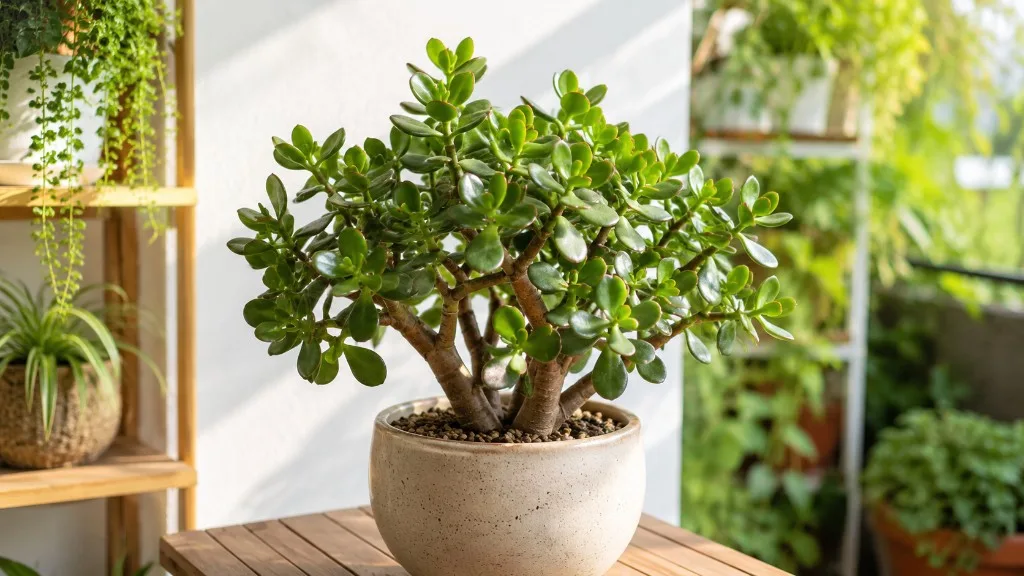
How to Propagate Panda Plant: Leaf & Stem Guide
How to Propagate Panda Plant: Leaf & Stem Guide
Why Panda Plants Need Extra Dry Time at Every Step
Panda plant propagation rewards patience more than speed. Kalanchoe tomentosa — the fuzzy gray-green succulent sold as panda plant, chocolate soldier, or pussy ears — roots from stem and leaf cuttings, but NC State Extension notes these fuzzy-leafed plants are more difficult to propagate than other succulents and recommends leaf cuttings or offshoots as the most reliable starting points. That single sentence explains why your velvet-leaf cutting may sit unchanged for weeks while a jade stem beside it roots in days. The biology is not mysterious: dense tomentose hairs on leaves and stems trap a thin film of moisture at the cut surface, slowing callus formation and inviting rot if you plant too soon or water too eagerly.
Your job indoors mirrors what this Madagascar native expects after brief rain on rocky slopes — a clean wound, open air, gritty soil, and time before moisture returns. Skip the dry phase and panda cuttings collapse into translucent mush with surprising speed. Follow callus-first thinking and even beginners produce rooted plants from a single stem segment or a tray of leaves. The velvet texture that makes panda plant attractive is the same feature that demands drier counters, brighter light, and lighter watering than smooth-leaved Crassula relatives during every propagation stage.
How Fuzzy Leaves Change the Propagation Rules
Unlike smooth jade leaves that shed surface water quickly, panda plant foliage holds humidity against the cut end. The species name tomentosa means covered with fine hairs, and those hairs slow evaporation exactly where you need it fastest — on fresh cuts. Practical consequences follow. Callus periods run longer than on jade: plan three to seven days for stems and two to five days for leaves in average indoor humidity, extending toward the upper range in steamy kitchens and bathrooms. Misting is counterproductive during callusing and early rooting; wet velvet marks permanently and encourages fungal spotting. Humidity domes and sealed plastic bags that help tropical cuttings often kill panda tissue by keeping hairy surfaces damp overnight.
The RHS leaf-cutting guide for succulents advises leaving Kalanchoe, Echeveria, and Crassula cuttings a day or two to callus before potting — a minimum for smooth succulents that fuzzy kalanchoes often need to exceed. Treat panda plant as the slow end of the Crassulaceae propagation spectrum, not the easy middle where jade sits.
Understand Kalanchoe tomentosa Before You Cut
Kalanchoe tomentosa is a semi-woody perennial succulent native to east central Madagascar, where it grows on dry slopes with strong light and sharp drainage. It belongs to the Crassulaceae family alongside jade, echeveria, and sedum, sharing CAM photosynthesis and water-storing leaf tissue. Indoors it typically reaches 12 to 24 inches (30 to 60 cm) on upright, gray-fuzzed stems that become woody at the base with age. Leaves run 3 to 4 inches (7 to 10 cm) long, pale green with silvery fuzz and brown-edged margins — the chocolate-tipped look that defines the species.
Propagation always clones the parent genetically. A cutting from a cultivar with extra-dark leaf tips produces the same pattern; standard green forms stay standard. Start from healthy, unstressed material on a plant receiving adequate Panda Plant light and Panda Plant watering rhythm. A panda struggling with root rot, mealybugs in leaf axils, or months of etiolated growth in a dim corner roots slowly — or not at all — compared with firm stems and plump leaves from active spring growth. Do not propagate from a parent you would not confidently keep as your only plant.
Stem Cuttings vs Leaf Cuttings: Which Method Fits Your Goal
Both methods work on panda plants, but they solve different problems. Stem cuttings produce a recognizable upright plant faster because the segment already has height, multiple fuzzy leaves, and nodes ready to root. Leaf cuttings multiply plants from minimal material — ideal when lower leaves detach during handling or you want several offspring without shortening the parent dramatically. Neither is wrong; the choice depends on speed, available material, and how much you can remove without ruining the parent’s silhouette.
| Method | Typical root time | Time to recognizable plant | Material needed | Best for |
|---|---|---|---|---|
| Stem cutting | 3–6 weeks | 2–4 months | 2–4 in (5–10 cm) stem with nodes | Fast backup, shaping, sharing |
| Leaf cutting | 4–8 weeks for roots | 3–6+ months for plantlet | Single intact leaf with base tissue | Volume, small parent, fallen leaves |
| Offset division | Immediate (pre-rooted) | Weeks to establish | Side shoot with own roots | Mature specimens with offsets |
Panda timelines run slower than jade across the board because of velvet moisture retention. Use the table as orientation, not a guarantee — room temperature, light, and parent vigor shift results by weeks.
When Stem Cuttings Are the Better Choice
Choose stem cuttings when you want the fastest path to a small panda plant with visible height and several fuzzy leaves. Stem segments carry more stored water and photosynthetic surface than single leaves, which helps roots initiate during the vulnerable no-root phase. Stem propagation also fits practical goals: reducing height on a leggy specimen while rooting the removed top, filling out a sparse plant from Panda Plant pruning trimmings, or creating a gift-sized plant within one growing season.
A good panda stem cutting is 2 to 4 inches (5 to 10 cm) long with at least two nodes on the portion that will contact soil, plus a small cluster of healthy leaves at the tip. The Missouri Botanical Garden cutting guide notes that roots form most reliably from tissue just below a leaf node and that excess stem below the lowest node often rots — trim accordingly before callusing.
When Leaf Cuttings Make Sense
Leaf propagation shines when material is limited or you want maximum output from one pruning session. NC State Extension lists leaf cutting as a recommended strategy for Kalanchoe tomentosa specifically, though stems generally produce a larger plant sooner. Leaves that root but never sprout a plantlet usually failed at removal — the meristem stayed on the parent stem — not at the rooting stage itself.
Leaf cuttings trade speed for efficiency. Lower leaves removed during stem prep can rest on a propagation tray while the stem calluses separately. The method suits growers who accept three to six months before potting individual plantlets and who can resist lifting leaves daily to check progress — disturbance tears developing root hairs on fuzzy tissue.
Best Timing for Panda Plant Propagation
Propagate during active growth in spring and early summer — roughly March through July in the Northern Hemisphere — when warmth, lengthening days, and the parent’s metabolism support cell division at cut surfaces. The RHS advises spring to early summer for succulent leaf cuttings for best results, though some succulents root year-round with adjusted care.
Autumn cuttings may sit nearly dormant through winter with little visible change, which tempts overwatering on a slowing plant. Winter attempts below 65°F (18°C) often stall until spring regardless of your attention. If a stem breaks after Panda Plant repotting in fall, callus it immediately, keep it in the warmest bright spot available, water minimally, and accept slow progress. Avoid taking material from a recently shipped, repotted, or pest-treated parent until it pushes new firm growth for several weeks.
Tools and Setup Before Taking Cuttings
Gather supplies before cutting so fuzzy tissue does not sit out longer than necessary. You need sharp bypass pruners or scissors wiped with 70% isopropyl alcohol, small pots or shallow trays with drainage holes, and cactus or succulent mix amended with extra perlite, pumice, or coarse grit per your Panda Plant soil standard. Terracotta dries faster than plastic — helpful when you are learning how slowly velvet cuttings use moisture.
Optional items include rooting hormone powder with indole-3-butyric acid (IBA) for stem bases, a pencil to make planting holes without rubbing hormone off, and labels if you propagate multiple plants. Keep a dry callusing plate or paper towel separate from planted cuttings. Skip humidity domes for panda plant; open air during callusing is a feature, not a compromise. Wear gloves if you have sensitive skin — cut kalanchoe tissue releases sap, and the plant is toxic to cats and dogs if ingested.
How to Propagate Panda Plant from Stem Cuttings
Stem propagation is the method most growers should learn first. It teaches the extended callus rhythm that applies to every panda project and produces a satisfying rooted plant within a month or two under good conditions.
Select, Cut, and Callus the Stem
Start from a healthy branch on a parent with dryish soil for two to three days so stem tissue is firm, not waterlogged. Select a segment with intact brown margins, no black spots, and no mealybug cotton in leaf axils. Cut just above a leaf node on the parent so the mother plant can branch from the remaining node. Your cutting should be 2 to 4 inches (5 to 10 cm) with exposed nodes on the lower portion after you strip bottom leaves.
Remove leaves from the lower half to two-thirds of the cutting, exposing nodes where roots will emerge. Leave two to four fuzzy leaves at the tip for light photosynthesis during rooting. Place the cutting on a dry surface in bright indirect light away from direct sun for 3 to 7 days until the cut end looks dry, rough, and lighter — not shiny or damp. Thick woody bases may need the full week; soft spring growth often calluses in three to four days. Optional: dip the callused base 1 inch (2.5 cm) into rooting hormone and tap off excess.
Plant, Water, and Confirm Root Development
Fill a small pot with lightly moistened — not wet — succulent mix. Make a hole with a pencil, insert the callused end 0.5 to 1 inch (1 to 2.5 cm) deep so at least one node sits below the surface, and firm mix gently without burying fuzzy lower leaves. Stake with chopsticks if the cutting wobbles rather than planting deeper.
Water sparingly until roots exist. A practical sequence: plant in barely moist mix, wait 7 to 14 days before the first light watering, then water only when the top 0.5 inch (1 cm) dries. Place the pot in bright indirect light; avoid hot afternoon sun on an unrooted cutting. After 3 to 6 weeks, test with a gentle tug — resistance means roots anchored. New leaf glossiness or slight stem firmness often precedes visible top growth. Once rooted, transition toward normal Panda Plant watering: thorough soak when fully dry, empty saucer, no standing water.
How to Propagate Panda Plant from Leaf Cuttings
Leaf propagation demands more patience than stems but can yield multiple plantlets from leaves you might otherwise discard. Success hinges on clean removal, full callusing of the hairy base, and leaving leaves undisturbed while roots form.
Remove Leaves Correctly and Callus Them
Choose plump, mature leaves from the middle of a healthy stem — not the oldest shriveled ones or tiny new tips. Grasp a leaf flat and twist gently downward until it separates with a clean snap, carrying the full base where it attached. If tissue tears and leaves the meristem on the stem, try another leaf.
Lay leaves base-side up on dry paper in bright indirect light for 2 to 5 days until the cut surface calluses. Fuzzy kalanchoe bases in humid rooms may need the longer range. Wet velvet at the cut end rots into brown mush on contact with soil — the most common leaf-propagation failure on this species.
Place Leaves on Soil and Wait for Plantlets
Fill a shallow tray with succulent mix leveled and lightly moistened. Rest each leaf horizontally on the surface or insert the callused base barely into the mix so the meristem contacts soil without burying the fuzzy blade. Space leaves so velvet surfaces do not overlap — trapped moisture between leaves invites mold.
Place the tray in bright indirect light with good air circulation. Following RHS succulent leaf guidance, keep compost just slightly moist — never soggy — and do not cover leaves with grit or sand on top of the blade. After the first week, add a teaspoon of water at the tray edge every 5 to 7 days if the surface dries completely. Within 4 to 8 weeks, many leaves show root threads from the base. Over the next 3 to 6 months, a tiny plantlet may emerge while the parent leaf shrinks. Pot individually when the plantlet has several pairs of fuzzy leaves and its own anchored roots, typically at 1 to 2 inches (2.5 to 5 cm) tall.
Rooting Medium, Light, and Water During Active Rooting
Soil composition matters most when roots are fragile. Use commercial cactus and succulent mix or blend 40% potting base, 30% perlite, and 30% coarse grit — the same fast-draining standard as mature panda plants. Water should exit drainage holes within seconds and the surface should dry within a few days indoors.
Light stays bright indirect throughout rooting — an east window or several feet back from south or west glass. Too little light produces pale, stretched plantlets that root slowly; direct sun on uncallused or unrooted tissue scorches velvet and accelerates desiccation. Rooted cuttings gradually tolerate the same light levels as the parent, including some morning direct sun once established.
Water follows root presence. Before roots exist, moisture belongs in controlled soil contact at the base, not in saturated mix around a sealed wound. After roots form, water thoroughly but infrequently. Leaf trays need lighter edge-watering than stem pots because shallow trays dry faster — but lighter still means barely damp, not wet.
Can You Propagate Panda Plant in Water?
Stem cuttings can root in water after thorough callusing, though soil propagation generally produces roots adapted to the long-term medium with lower rot risk on fuzzy tissue. If you use water, never place a fresh cut directly in liquid. Use a narrow glass so only the bottom inch contacts water and leaves stay above the rim. Change cloudy water every few days. When roots reach 0.5 to 1 inch (1 to 2.5 cm), pot into gritty mix and keep extra dry for the first week while fragile water roots transition.
Leaf cuttings in water are unreliable for panda plant — the fuzzy blade traps moisture and often decays before roots form. Soil-surface leaf propagation matches how this species behaves in habitat far better than jars on a windowsill.
Aftercare Once Roots and New Growth Appear
Rooted panda cuttings are young succulents with small root systems that punish overcare quickly. For the first four to eight weeks after confirmed rooting, prioritize protecting roots, skipping fertilizer, and increasing water only as leaf turgor supports it. Pot stem cuttings individually in containers only slightly larger than the root ball — excess wet mix causes more post-propagation deaths than drought.
Hold fertilizer until new leaves have grown actively for at least a month, then use diluted succulent fertilizer at quarter strength per your Panda Plant fertilizer guide. Bright light prevents leggy pale growth; rotate weekly for symmetry. Transition gradually to mature care: water when soil is fully dry, maintain 65 to 75°F (18 to 24°C) when possible, and delay repotting until the plant clearly outgrows its starter pot — usually not within the first season after rooting.
Pet Safety When Propagating Panda Plant
Panda plant is toxic to dogs and cats. The ASPCA lists bufodienolides as the toxic principle, with vomiting and diarrhea as common signs and abnormal heart rhythm possible in rare cases. Propagation increases risk because cut stems and leaves litter counters where pets investigate.
Work on a stable surface pets cannot reach, bag discarded tissue immediately, and wash hands after handling cuttings. Do not compost trimmings where dogs dig. If you share propagated plants, mention toxicity to recipients with animals. This is handling awareness, not veterinary advice — contact your veterinarian or ASPCA Animal Poison Control at (888) 426-4435 if ingestion is suspected.
Common Panda Propagation Problems and Fixes
Most failures trace to moisture before readiness, insufficient callusing on fuzzy tissue, or low light — not to panda plant being impossible.
Black or mushy stem base means rot entered before callusing or while soil stayed wet without roots. Unpot, cut back to firm tissue, callus again in open air, and restart in fresh dry mix. Velvet that turned translucent usually will not recover.
Cutting shriveling while soil is dry may be normal lower-leaf sacrifice as the stem feeds root initiation. If shriveling reaches the tip or the stem feels hollow, move to bright indirect light and reduce direct sun that desiccates unrooted tissue.
Leaf roots but no plantlet means the meristem remained on the parent. Re-twist future leaves and confirm the full base snaps off.
Slow winter rooting reflects temperature and light, not dead tissue. Warm the brightest spot available and reduce water almost to zero until spring.
Brown spots on fuzzy leaves during propagation often mean moisture sat on the velvet too long — improve airflow, stop misting, and keep leaves off wet soil surfaces.
Mealybugs on fresh cuts appear as white cotton in axils. Treat the parent before propagating; alcohol swabs on cut surfaces before callusing reduce transfer.
Conclusion
Panda plant propagation from stem and leaf cuttings succeeds when you respect Kalanchoe tomentosa as a slow-rooting, velvet-leafed succulent: callus every cut longer than you would for jade, plant in gritty draining mix, give bright indirect light, and add water only as roots appear. Stem cuttings remain the fastest route to a recognizable fuzzy plant; leaf cuttings multiply stock from minimal material if you remove leaves with the base intact and wait out the slower plantlet stage. Propagate in spring and early summer from healthy parents, keep fuzzy tissue dry during callusing, and use the gentle tug test before assuming success. Most failures are rot from skipped callusing or overwatering — both fixable on the next attempt with drier air and sharper scissors.
When to use this page vs other Panda Plant guides
- Panda Plant overview — Whole-plant identity, light and water summary, and when to open sibling guides.
- Panda Plant watering — Soak-and-dry rhythm for established plants; use after your cutting has rooted and needs normal care.
- Panda Plant light — Placement and warning signs when propagated plants stretch or pale after potting up.
- Panda Plant soil — Mix recipes and drainage tests for the gritty medium cuttings need.
- Panda Plant repotting — When to move a rooted cutting out of its starter pot without shocking new roots.