Slow Growth on Rose: Causes, Checks & Fixes
Quick answer
Slow growth on Rose usually means too little direct sun, exhausted container soil, or roots circling the pot-not disease. First step: count honest sun hours at the pot site and check whether the top 3–4 cm of soil dries between waterings.
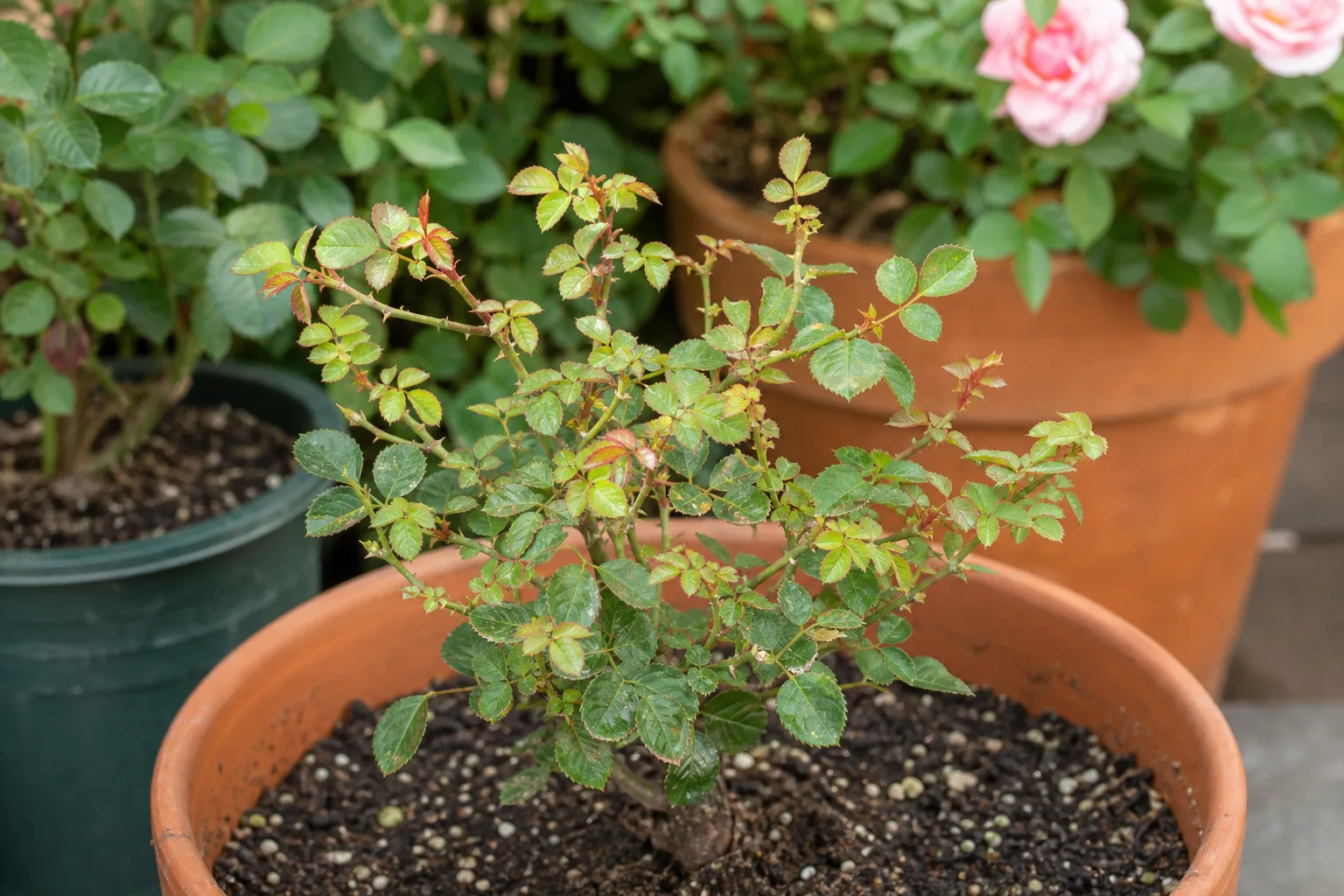
Slow Growth on Rose: Causes, Checks & Fixes
This guide covers slow growth on Rose. See also the general Slow Growth guide, watering, and light pages for this plant.
Slow Growth on Rose: Causes, Checks & Fixes
Quick answer
Slow growth on Rose means the bush survives but barely pushes-short canes, tiny new leaves, and weeks without fresh buds during weather when neighbors’ roses are flushing. Roses are heavy feeders built for full sun and repeat bloom cycles; when light, nutrients, or root room fall short, growth stalls before leaves turn yellow or spots appear.
First step: count direct sun hours at the pot site for one full day. Shade from a railing, overhang, or neighboring plant often drops below the six hours roses need for strong growth. If sun is adequate, check soil moisture 3–4 cm deep and whether roots are circling drainage holes before you feed or repot.
What slow growth looks like on Rose
Healthy roses in season push visible new growth every few weeks-red-tinged leaf breaks, lengthening canes, and swelling buds. Slow growth looks like the plant is standing still:
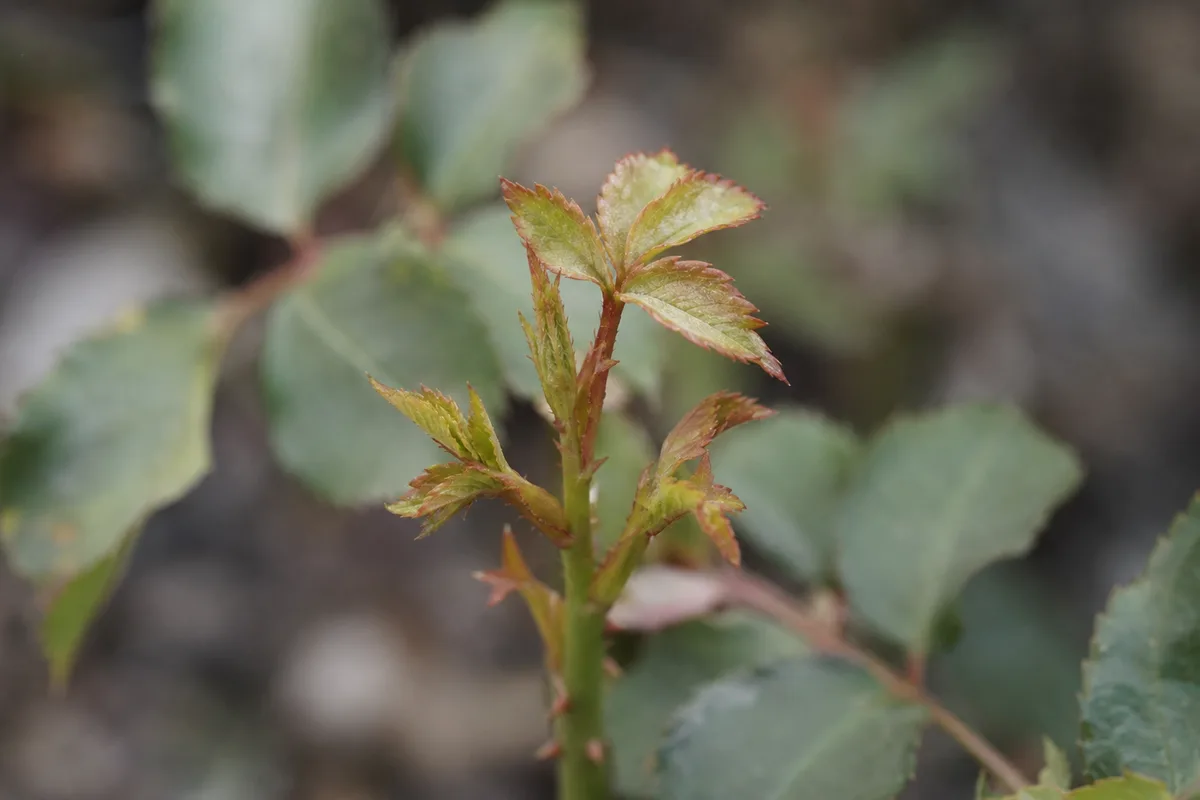
Slow Growth symptoms on Rose - compare with healthy tissue on the same plant.
- No new leaves or buds for three or more weeks during warm, bright weather
- New leaves emerge smaller and paler than older baseline foliage
- Canes stay thin and short despite regular watering
- A single weak flush early in season, then nothing on repeat-flowering types that should cycle through autumn
- Container roses drying out within a day of watering-a sign roots have filled the pot
- White roots visible circling drainage holes or wrapping the root ball surface
Normal seasonal pause: Roses slow or stop in winter dormancy when days shorten and temperatures drop. Firm canes, dry soil, and no new growth from late autumn through early spring is expected-not slow growth that needs fixing. Concern starts when stagnation continues through your main bloom season.
Not the same as no flowers: A rose can grow leafy canes slowly without blooming-that often overlaps with light or feed gaps. Slow growth focuses on stalled vegetative push: the plant is not replacing leaves or extending canes at a normal pace.
Why Rose gets slow growth
Roses (Rosa × hybrida and garden hybrids) evolved as sun-loving shrubs that bloom on current-season wood. Each new cane and leaf cluster costs energy; when inputs run low, the plant conserves rather than expands.
Too little direct sun
This is the most common bottleneck on balconies and terraces. Roses need a minimum of six hours of direct sunlight daily for healthy growth and flowering. Morning sun helps foliage dry quickly, which matters less for growth speed but supports overall vigor. A pot that looked sunny at purchase may sit in shade once surrounding trees leaf out or a neighbor adds a screen.
Hungry roots in exhausted container mix
Roses in borders can draw from a large soil volume; container roses need feeding far more often because nutrients leach with every watering. Old compost breaks down, loses structure, and holds less air-roots work harder for less reward. Pale, small new leaves often trace here, especially if you skipped feed through spring.
Root-bound pots
When roots circle the container for a season or more, they cannot explore fresh soil for water or nutrients. Circling roots fail to give the plant vigor even when you water and feed correctly. Roses show this as fast-drying pots, minimal new breaks, and roots matting against pot walls.
Water stress-both directions
Roses want rich, moisture-retentive but well-drained soil. Chronic drought forces the plant to prioritize survival over new cane extension. Equally, roses do not grow well in wet, poorly drained soils where roots lack oxygen. Overwatered roses may look green but stall because damaged roots cannot support growth.
Heat and dormancy rhythm
Many repeat roses pause during peak summer heat above 35°C, then push again in cooler autumn weather. High summer temperatures can stop bloom cycles even when care is otherwise correct. Do not confuse a natural summer lull with chronic stagnation across an entire growing season.
Hidden pest drain
Spider mites, aphids, and scale sap vigor before leaves show obvious damage. Hot dry weather favors spider mites on roses-a common secondary cause when growth slows despite good sun and feed. Check undersides when growth stalls without a clear light or water explanation.
How to confirm the cause
Work through these checks in order. Stop when one finding clearly explains the stall.
- Season check - Is the plant in winter rest with firm canes and dry soil? Wait for spring warmth before expecting new breaks.
- Sun audit - Track direct sun on the pot from mid-morning through late afternoon. Fewer than six hours strongly points to light as the limiter.
- Soil moisture - Stick a finger 3–4 cm deep. Bone dry daily means underwatering or root-bound drought; wet for days after watering suggests poor drainage or overwatering.
- Feed history - Container roses need fortnightly liquid feed from mid-spring through late summer. If none in six or more weeks during active season, nutrient depletion is likely.
- Root inspection - Tilt the pot and look through drainage holes, or gently slide the root ball out if the plant is small. Dense white root mats circling the outside confirm root-bound conditions.
- Pest scan - Shake a cane over white paper; inspect leaf undersides for mites, aphids, or scale. Sticky residue or fine webbing supports pest-related slow growth.
- Cane firmness - Soft bases with sour-smelling soil suggest rot- a different problem than simple slow growth. Firm canes with stalled tips point to environment or nutrition.
First fix for Rose
Move the pot to the sunniest available spot and verify six or more hours of direct sun before any other change.
Roses rarely outgrow a light deficit with fertilizer or Rose repotting guide alone. Shift the container to maximum sun-south or west exposure on most balconies-and watch for one week. If a permanent obstacle blocks sun, consider a grow light supplement for indoor or deeply shaded setups rather than stacking other fixes first.
Only after sun is adequate (or confirmed sufficient already) should you adjust water or feed:
- Water deeply at the base when the top 3–4 cm dries-never wet foliage
- If not fed in six or more weeks during growing season, apply one dose of rose fertilizer at label rate on moist soil, then resume routine
- Hold repotting unless roots clearly circle the pot; root-bound roses benefit from repotting in early spring, not as a day-one reflex
Step-by-step recovery
Once sun is confirmed, address remaining bottlenecks in this order:
Stabilize watering
Use base watering only. A deep soak that reaches the root zone encourages deeper rooting and drought resilience compared with frequent shallow sprinkles. Let the top 3–4 cm dry between sessions. Empty saucers so roots are not sitting in stagnant water.
Resume seasonal feeding
For container roses, feed every two weeks from mid-spring through late summer with a general liquid fertilizer until buds form, then switch to a high-potash feed for more flowers and vigor. Border roses may need only twice-yearly granular feed plus compost mulch-do not copy ground habits onto pots.
Repot root-bound plants
If roots spiral the pot exterior, repot one size up in early spring or after the worst heat passes. Tease circling roots outward or score the root ball so new roots grow into fresh mix. Use rich, well-draining compost with compost or well-rotted manure-roses need both moisture retention and drainage.
Treat pests if confirmed
If mites or aphids appear, rinse undersides with a strong water stream early in the day and repeat every few days until populations drop. Do not fertilize heavily while pests are actively sapping the plant.
Trim only dead wood
Remove dead, diseased, or damaged canes to open the center for airflow. Avoid hard pruning during a growth stall unless you know your rose type’s pruning window- excessive cutting removes the very buds you are trying to push.
Recovery timeline
During active growing season with corrected sun, water, and feed:
- 2–3 weeks: New red leaf breaks or swelling buds on firm canes
- 4–6 weeks: Noticeably longer canes and larger new leaves compared with the stall period
- One season: Repeat-flowering types resume cycling if deadheading and feed continue
Newly purchased or recently repotted roses may need extra patience while roots establish-the first summer after planting often shows modest growth even with good care. Winter rest adds months where no progress is normal.
Lookalike symptoms
| What you see | Likely cause | How to tell apart |
|---|---|---|
| No new growth, firm canes, dry soil, short days | Winter dormancy | Normal Nov–Feb in many climates; resumes with warmth |
| Small leaves, long gaps between nodes, leaning toward light | Not enough light | Canes stretch toward windows; lower leaves may drop |
| Pale small new leaves, no feed in months | Nutrient depletion | Older leaves may stay green; responds to balanced feed |
| Pot dries in hours, roots at holes | Root-bound | Repot resolves faster than feed alone |
| Wilting midday, soil wet | root rot on Rose or overwatering | Soft cane base, sour smell- not simple slow growth |
| Fine webbing, stippled leaves | Spider mites | Growth slows with pest drain; mites visible under leaves |
Mistakes to avoid
- Feeding before fixing sun - Excess nitrogen in shade produces weak, leggy canes without solving the stall.
- Repotting repeatedly without root-bound evidence - Oversized pots stay wet and can slow growth further.
- Daily light sprinkles - Shallow watering keeps roots near the surface and worsens drought stress between sessions.
- Expecting winter growth rates in summer heat or winter rest - Match expectations to season.
- Stacking fertilizer, repot, and prune on the same weekend - Change one variable, watch two weeks, then adjust again.
Rose care cross-check
Slow growth often means one pillar of the normal routine slipped:
- Light: Six or more hours direct sun daily for maximum performance
- Soil: Rich, moisture-retentive, well-draining mix; pH roughly 6.0–7.0
- Water: Deep base watering when top 3–4 cm dries; foliage stays dry
- Feed: Containers fortnightly in season; borders twice yearly plus mulch
- Airflow: Enough space around the pot so leaves dry after watering
- Season: Reduce expectations during dormancy and peak heat pauses
How to prevent slow growth next time
- Site new pots in the sunniest realistic spot before purchase regret sets in.
- Top-dress containers annually with compost; repot every two to three years before roots spiral completely.
- Keep a simple feed calendar for container roses-nutrients leach faster than in ground beds.
- Scout leaf undersides weekly in hot dry weather when mites appear.
- Deadhead spent blooms on repeat types to redirect energy into new cane growth.
- Avoid planting in the same container without refreshing soil-roses can suffer replant disease in old rose soil.
When to worry
Slow growth alone is rarely an emergency. Escalate when:
- Canes soften at the graft or base while soil stays wet
- Buds form then abort in clusters across the bush
- Black spot or rust spreads through most foliage despite dry leaves
- More than half the root mass is brown and mushy on inspection
- Mite webbing covers multiple stems and new growth collapses
In those cases, address disease, rot, or severe pest pressure before expecting a feed or light tweak to restore vigor.
When to use this page vs other Rose guides
- Rose watering guide - Use for routine moisture checks before assuming slow growth is the main issue.
- Rose problems hub - Browse all 7 common issues on this species.
- Yellow Leaves on Rose - Different entry point when symptoms overlap with slow growth.