Small Flowers on Rose: Causes, Checks & Fixes
Quick answer
Small flowers on Rose usually mean the plant lacked sun, water, or nutrients while buds were forming-not that the variety changed. First step: count direct sun hours honestly and check whether soil was dry when buds swelled.
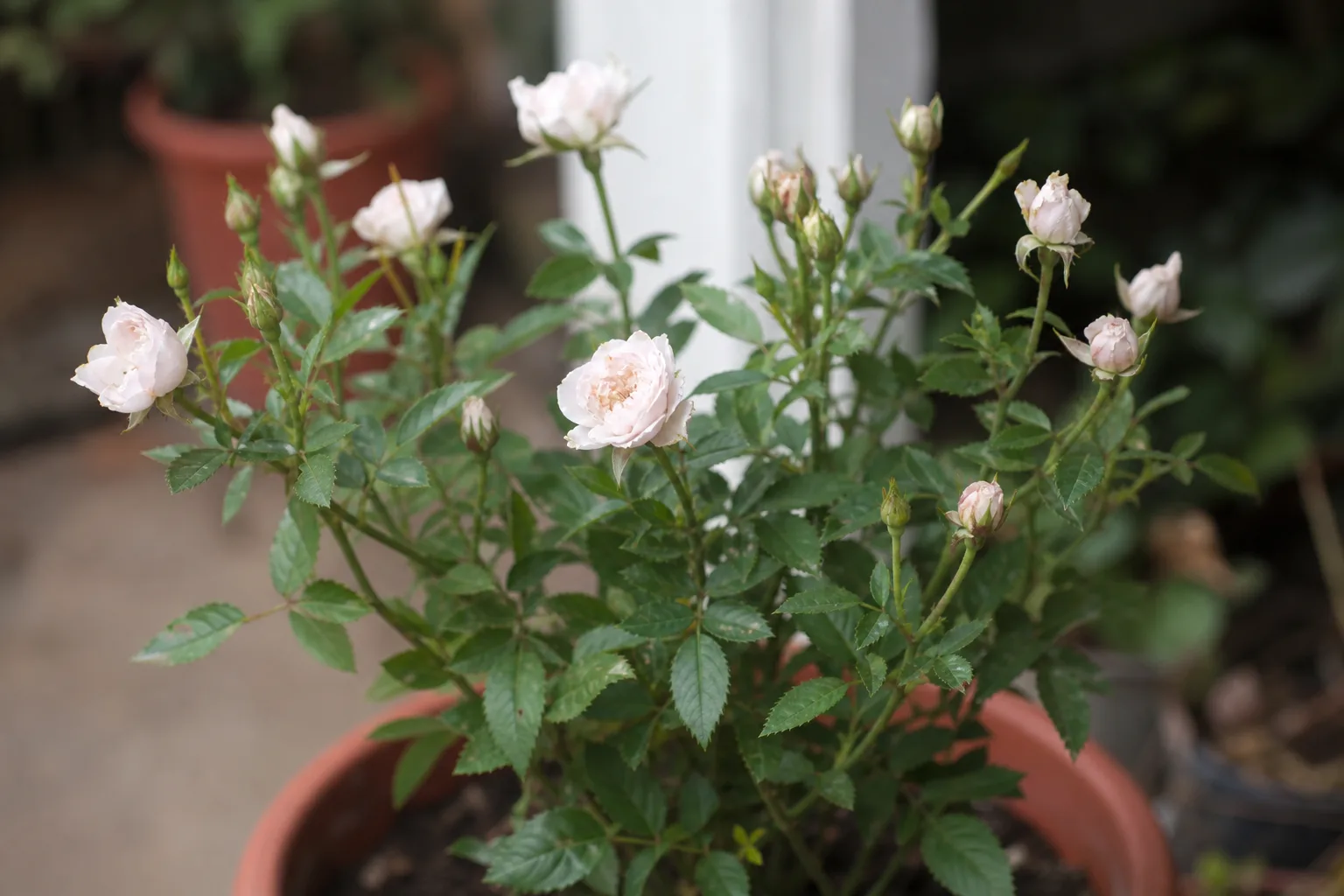
Small Flowers on Rose: Causes, Checks & Fixes
This guide covers small flowers on Rose. See also the general Small Flowers guide, watering, and light pages for this plant.
Small Flowers on Rose: Causes, Checks & Fixes
Quick answer
Small flowers on Rose-blooms with fewer petal rows, tight centres, or half the diameter you expect from that variety-usually mean the plant ran short on resources while buds were forming. Rose flower size is set early in bud development; shade, drought during swell, and missed feeding all limit what opens later. Leaves may look fine in mediocre light, but blooms tell the truth first.
First step: count direct sun hours through a full day and check whether soil was dry when buds were swelling. If the bush sits in under six hours of direct sun or went through a dry spell while buds formed, fix those before reaching for fertilizer or pesticide.
Why Rose produces small flowers
Roses are heavy feeders that bloom best in full sun with even root moisture. When any of those slip during bud initiation, the plant still opens flowers-but at reduced size.
Insufficient light is the most common cause on balconies and courtyard gardens. Roses tolerate some shade but produce fewer and weaker blooms where direct sun falls short. Container roses moved for aesthetics often lose afternoon sun without the owner noticing until bloom size drops.
Drought during bud swell permanently caps flower quality. Research on cut-flower roses shows drought stress before petal initiation reduces petal number and bud length; stress at the wrong stage causes malformed buds that never reach full size. On home roses, letting the top 3–4 cm of mix go bone dry repeatedly while buds form produces the same pattern: small, pale blooms on otherwise green canes.
Missed or imbalanced feeding shows up as small flowers paired with pale leaves, weak stems, or premature petal fall. Illinois Extension lists small flowers among symptoms correctable with a regular fertilizer program. Container roses exhaust nutrients faster than bedded plants and need seasonal feed-not just spring compost.
Excess nitrogen pushes lush foliage at the expense of bloom size. University of Maryland Extension notes that excessive lush growth from too much fertilizer is a common reason for poor flowering. High-nitrogen lawn feed splashed near rose pots, or repeated nitrogen-heavy liquid feeds, produces big leaves and puny flowers.
Root stress from overwatering, poor drainage, or heat-baked pots limits what roots can supply to buds even when tops look wet. Maryland Extension links lack of oxygen from poor drainage to few or weak flowers. A root-bound container with circling roots may bloom, but flushes stay small until repotted in dormant season.
Spider mites under hot, dry, dusty conditions weaken the whole plant; Maryland Extension ties mite pressure to small leaves and poor vigor that carry into bloom quality. Mites rarely shrink flowers alone-they usually leave stippled, dusty leaves and webbing on stems.
Variety and pruning factors matter too. Miniature and some shrub roses naturally carry smaller blooms. Once-flowering types give one main flush; repeat-flowering hybrid teas and floribundas should cycle larger blooms when deadheaded and fed through summer. Blind shoots-canes that fail to set buds-sometimes produce odd, stunted blooms on neighboring wood after hard or mistimed pruning.
What small flowers look like on Rose
Small-flower stress on roses is about size and fullness relative to what that plant normally produces-not about color fade alone.
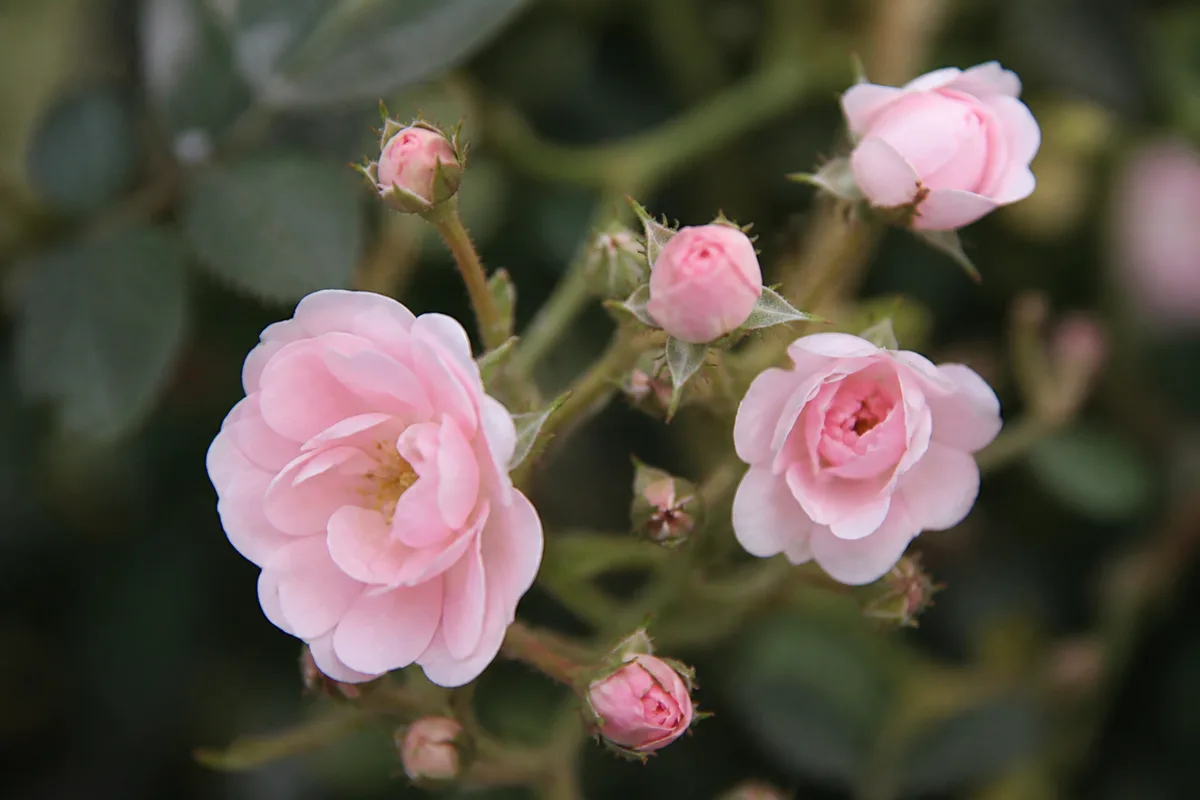
Small Flowers symptoms on Rose - compare with healthy tissue on the same plant.
Typical stress pattern:
- Blooms open with noticeably fewer petal whorls than earlier flushes or label photos
- Flower diameter half typical for the variety; centres look tight or “button-like”
- Petals may be pale or thin alongside pale new leaves when light or feed is low
- Canes stretch toward light with longer internodes between leaves
- Repeat-flowering types keep producing, but every flush stays small while stress continues
- Container roses may show one weak flush early, then smaller blooms through summer
Often paired with:
- Wilting mid-morning on hot days when soil dries fast (underwatering)
- Yellowing lower leaves when roots sit wet (overwatering or poor drainage)
- Stippled upper leaves and fine webbing under hot dry weather (mites)
- Leggy growth reaching toward a window or gap in fence shade (low light)
Usually not small-flower stress:
- A single flush of naturally smaller blooms on a miniature or groundcover rose you bought for compact habit
- One short flush after Rose repotting guide or transplant that recovers next cycle
- Fully sized blooms on lower canes but small ones only on weak blind shoots you forgot to prune
Compare against your own plant history. A hybrid tea that opened fist-sized blooms last June and now opens golf-ball blooms in the same pot almost always signals care drift-not a mysterious variety change.
How to confirm the cause
Work through these checks in order. Stop when one cause fits clearly.
-
Sun audit - Track direct sun from morning through late afternoon for one clear day. Note new shade from trees, a neighbour’s structure, or a moved pot. Under six hours of direct sun explains most chronic small blooms on modern repeat roses.
-
Bud-timing vs. water log - Think back to the two to three weeks before buds swelled. Did soil go dry repeatedly? Stick a finger 3–4 cm deep now and note how fast the pot dries in current weather. Dry cycles during swell match drought-shrunk blooms; constantly wet sour mix points to root stress instead.
-
Feed history - List fertilizer applications since spring. Container roses with none in six to eight weeks of active growth often show small pale flowers. Excess nitrogen from lawn products or balanced feed every week may show oversized leaves with tiny blooms.
-
Pot and root check - Slide the root ball partly out if the pot is manageable. Circling thick roots, rock-hard dry edges, or foul smell narrow the cause. Do not repot during active bud swell-just note for autumn or early spring.
-
Pest scan - Shake a cane over white paper; inspect bud stems and leaf undersides with a hand lens. Mite stippling plus webbing confirms pest load contributing to weak flushes. Thrips-scarred bud scales may explain scattered small or distorted blooms.
-
Variety sanity check - Confirm the rose type. Miniatures, some polyanthas, and patio labels stay smaller by design. If size always matched the label and only recently shrank, treat it as stress.
-
Season comparison - Match notes to last year on the same plant. Sudden change after a move, prune, or dry month confirms environmental cause over disease.
First fix for Rose
Move the plant to the sunniest realistic spot and verify it receives at least six hours of direct sun daily-or supplement with a grow light if indoors.
This single step addresses the most common cause without stacking fertilizer, repotting, and sprays on a plant that may simply be starved for light. On a balcony, that may mean shifting the pot to the railing side that catches afternoon sun, not the pretty corner with reflected brightness but no direct rays. Indoors, no amount of feed replaces hours of direct light at a south or west window.
After sun is honest, resume base watering when the top 3–4 cm dries-never wetting foliage-and hold other changes for one week while you observe new bud set. Do not repot, hard prune, or blast nitrogen on day one.
Step-by-step recovery
Once sun is maximized, address remaining factors in order:
-
Stabilize watering - Water deeply at the base until excess drains. In hot container culture, that may mean every two to three days; in cool weather, less often. Avoid letting pots bake dry while buds form on the next flush.
-
Resume rose-appropriate feeding - Apply a complete rose or balanced granular feed per label if none went down in the current growing season. For containers, follow with fortnightly liquid feed through late summer on repeat types. Switch toward higher potash once buds form on the next cycle-not to enlarge current buds, but to support the following flush.
-
Deadhead spent blooms - Snip fading flowers on repeat-flowering types to redirect energy. Stop deadheading types you grow for hips by mid-summer.
-
Correct nitrogen excess - If you overfed with high-nitrogen products, pause nitrogen-heavy feeds for four to six weeks while maintaining balanced moisture and sun. Let the plant redirect energy from leaf push toward buds.
-
Treat mites if confirmed - Rinse stems and leaf undersides with a strong morning spray on three consecutive days. If stippling persists, use horticultural oil or insecticidal soap per label on a cool morning, avoiding open blooms when possible.
-
Plan repot or top-dress - Schedule root work for late autumn or early spring if the pot was root-bound or mix exhausted. Top-dress containers with compost between full repots.
-
Prune blind or weak wood - In late winter, remove dead, crossing, and non-flowering canes so strong buds form on healthy outward-facing wood.
Recovery timeline
Already-open small blooms will not enlarge. Expect improvement on the next flush after light, water, and feed stabilize-typically four to six weeks on repeat-flowering roses during active season. Once-flowering types may not show full size until the following year’s main flush.
Signs you are on track: new buds swell larger than the last cycle, petal count increases, leaf colour deepens, and internodes shorten as light improves. If three flushes stay tiny after sun and feed correction, test soil pH and review root health in dormant season.
Lookalike symptoms
Normal variety size - Miniature roses, many patio types, and some species roses never produce exhibition-sized hybrid tea blooms. Check the plant label against expectations.
Bud drop vs. small open blooms - Drought or pest stress may abort buds entirely on some canes while leaving smaller blooms on others. If most buds fall before open, read that as bud-drop stress; if buds open but small, flower-size stress fits better.
No flowers vs. small flowers - Complete failure to set buds points to harder light or feed failure, wrong pruning on once-flowering types, or severe root rot on Rose. Small but consistent blooms mean the plant is flowering under limitation.
Heat fade vs. small size - Mid-summer blooms may pale or blow quickly in extreme heat without being structurally small. Small petal count and tight centres during mild weather signal resource shortage, not heat fade alone.
Mistakes to avoid
Do not expect fertilizer to puff up buds already on the cane-it helps the next cycle only. Do not reach for high-nitrogen feed when blooms shrink; that often worsens leaf-to-flower imbalance. Do not overhead-water hoping to “cool” the plant-wet foliage invites black spot without fixing bud size. Do not repot during peak bud swell unless roots are clearly rotting. Do not assume a new rose should match last year’s exhibition blooms in its first container season-establishment year flushes are often modest. Do not confuse decorative hips-forming types with failure when you stopped deadheading on purpose.
How to prevent small flowers on Rose
Site roses where six or more hours of direct sun is realistic year-round, not just in spring before deciduous trees leaf out. Water at the base when the top 3–4 cm dries; keep even moisture through bud formation in summer heat. Feed in spring and mid-summer on repeat types; use fortnightly liquid feed for hungry containers. Mulch or top-dress annually with compost. Deadhead repeat-flowering roses weekly through bloom season. Scout for mites during hot dry spells. Repot or top-dress before bloom season when roots circle the pot. Avoid shading the bush with tall containers or trellis plantings that grow into its sun path.
When to worry
Small flowers alone rarely kill a rose. Escalate when small blooms come with cane dieback at the graft, sour permanently wet soil, total defoliation, or spreading black spot during humid weather-those patterns suggest root failure or disease beyond light feed correction. Contact your local extension office if a valued grafted rose shows sudden widespread decline across multiple canes after a wet season.
When to use this page vs other Rose guides
- Rose watering guide - Use for routine moisture checks before assuming small flowers is the main issue.
- Rose problems hub - Browse all 7 common issues on this species.