Draft Stress on Stromanthe Triostar: Causes, Checks & Fixes
Quick answer
Draft stress is most likely when a Stromanthe Triostar develops persistent curling, crinkling, browning, or yellowing after a cold or hot airflow change, especially on the exposed side. First move it out of that airflow to a steady, bright indirect-light position; then check the soil and watch for new damage before changing watering or humidity.
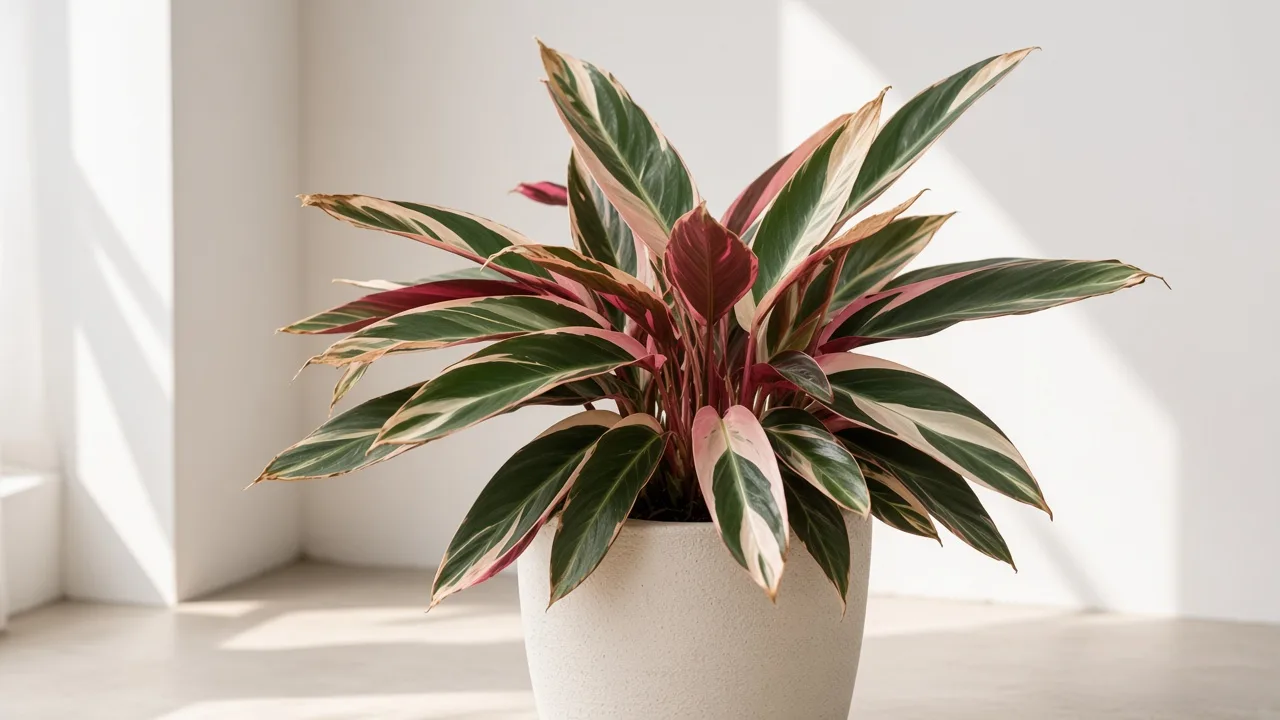
Draft Stress on Stromanthe Triostar: Causes, Checks & Fixes
This guide covers draft stress on Stromanthe Triostar. See also the general Draft Stress guide, watering, and light pages for this plant.
Draft Stress on Stromanthe Triostar: Causes, Checks & Fixes
Quick answer
On Stromanthe Triostar, draft stress is a reasonable suspect when curling, crinkling, browning, or yellowing starts soon after a cold night or a change in heating, air conditioning, or airflow. A draft does not leave one diagnostic mark, so use the timing and the plant’s position as clues rather than watering or spraying on sight. For the shared causes of indoor draft stress, see our draft-stress guide; this page focuses on how to check the problem on this prayer-plant relative.
What draft stress looks like on Stromanthe Triostar
Look for a change that follows exposure: leaves nearest a cold pane or airflow may curl, crinkle as they open, develop pale or brown areas, yellow, or drop while leaves on the sheltered side remain firmer. Those symptoms overlap with dry mix, low humidity, excess water, and sun scorch, so a leaf that curls is not enough to diagnose a draft. In houseplants, draughts and temperature drops can contribute to yellowing and leaf deformation, although those symptoms also have several other cultural causes.

Compare the exposed leaves with newer, sheltered growth; the pattern and timing matter more than one brown edge.
RHS describes Stromanthe as a rhizomatous clump with long, lance-shaped leaves and recommends bright filtered light and high humidity; compare several leaves around the clump instead of judging one blade in isolation. On a Triostar, look at whether the newest leaf is opening normally and whether the same side of the plant keeps collecting new marks.
Why Stromanthe Triostar reacts to room changes
The Royal Horticultural Society includes Stromanthe and the variegated ‘Triostar’ in its prayer-plant guide, gives 16–21°C as broad guidance for the group, and recommends avoiding draughts and direct heat. Treat that range as a useful baseline, not a precise injury threshold for every Triostar home. A cold window at night, an exterior door that opens often, or a vent blowing across the leaves can create a different leaf-level environment from the room thermostat reading.
Hot airflow can be a problem too. Heating and air conditioning may expose leaves to repeated hot or cold blasts, and central heating dries indoor air; those effects can look like thirst or low humidity rather than cold injury. Common airflow sources include windows and doors, air conditioners and heating vents, so inspect the actual spot where the pot sits.
Read the leaf pattern on a Triostar
Many prayer plants move their leaves between day and night. In the broader group that includes Stromanthe, new leaves emerge rolled and many species fold upward at night. A Triostar leaf that folds in the evening and opens again by day is not, by itself, evidence of draft damage. Persistent daytime curling, new crinkles, or discoloration that continues after the plant has returned to a stable room deserves a closer check.
The Triostar’s cream, green, and pink pattern makes it easier to compare one leaf with another, but pale tissue is not a draft detector. Instead, use the clump as an exposure map: mark which side faces the window, door, radiator, or outlet, then compare those leaves with the sheltered side and with the next leaf to unfurl. If the pattern appears everywhere, check the plant’s watering routine and root-zone condition before blaming one airflow source.
Confirm the cause before changing care
Use these checks in order:
- Reconstruct the timing. Note when the first new curl, crease, or yellow leaf appeared. Check for an opened window or door, a seasonal move, a heater or air-conditioning change, or a cold overnight window during the preceding days.
- Map exposure. Look at the outer leaves nearest the source and the same-age leaves on the opposite side. Damage that is repeatedly strongest toward one airflow source supports a placement problem; it does not prove one.
- Check the pot before watering. Stromanthe prefers a moist but well-drained mix, but a draft does not mean the roots need more water. Feel the top inch and lift the pot; if it is dry and unusually light, follow the plant’s watering guide. If it is already wet, pause and consider overwatering or poor drainage.
- Separate similar leaf symptoms. A gradual crop of crisp tips across the whole plant fits low humidity or watering problems better than a one-sided exposure pattern; the RHS notes dry air and watering can both brown leaf margins. Compare it with the Stromanthe brown-tips guide. A bleached patch on the sun-facing side points toward excess direct light, so check the plant’s light needs.
- Watch a new rolled leaf. A leaf that opens cleanly after the plant is moved is useful evidence that conditions have improved. A single folded leaf in the evening may be normal prayer-plant movement, while lasting curl and new marks need to be judged alongside the soil and exposure history.
If the plant droops while the mix remains wet, or leaf bases soften, use the separate drooping-leaves guide and check for root trouble. Stromanthe is rhizomatous, but there is no need to unpot a firm, stable clump just because one leaf has curled.
When to use this page vs other Stromanthe Triostar guides
Use this page when a temperature or airflow change lines up with the first symptoms and leaves near that source show the strongest pattern. If curling appears while the mix is dry and the pot is light, follow the plant’s underwatering guide; if crisp edges appear across the plant without a localized exposure, compare the low-humidity guide. A bleached patch facing the sun fits sunburn or scorch better, while yellowing across a clump in wet mix belongs with the root-rot guide.
The first fix: move the plant out of the airflow
Move the pot out of the direct path of cold air or heated air, including a leaky window, exterior door, fan coil, air-conditioning outlet, radiator, or heater vent. Choose a stable spot with bright filtered light, rather than a dark corner; the Stromanthe light guide can help you preserve light while changing placement.
Keep that new location steady while you assess the response. Do not compensate by soaking the soil, misting repeatedly, fertilizing, or repotting unless a separate check supports one of those problems. If the room is heated and the leaf edges keep drying after direct airflow is gone, assess humidity and compare with the low-humidity guide rather than assuming the draft diagnosis is complete.
Recovery: protect the rhizome and wait for new growth
Do not judge recovery by whether an old brown or creased mark disappears; watch for new injury to stop and a healthy new leaf to emerge. Keep the mix lightly and evenly moist, empty standing water, and leave the plant in its stable filtered-light position. Leave partly green leaves in place for now, and remove a leaf only if it becomes mostly brown or collapses.
Check weekly for fresh discoloration and for the next new leaf. If new marks stop and a new blade opens without fresh creases, the move likely addressed an important trigger. If the whole clump continues declining, the bases become soft, or the soil stays sour and wet, reassess the roots and follow the Stromanthe soil guide or cold-damage guide as the pattern warrants. When all petiole bases and growing points have collapsed, the problem has moved beyond a simple placement correction and salvage may be limited.
Prevent the next draft episode
Choose a bright filtered-light position that does not sit between an open door and window or directly above a heat or cooling outlet. In winter, keep foliage from touching cold glass and check the temperature where the leaves actually sit, especially overnight; room-level readings can miss a colder window edge. Keep care consistent, and use the plant’s moisture check instead of a calendar when a room’s heating changes how quickly its pot dries.
Related tool
Use the Plant Problem Diagnosis Tool to compare draft exposure with watering, light, humidity, and root-zone clues before making another change.
Related Stromanthe Triostar guides
Start with the Stromanthe Triostar care overview if several care conditions changed at once, or use the problems hub to compare this issue with the plant’s other guides. For persistent leaf deformation without an airflow trigger, compare curling leaves; for sudden cold exposure followed by larger areas of injury, see cold damage. Use the soil guide when the pot stays wet or drains poorly.