Cold Damage on Stromanthe Triostar: Causes, Checks & Fixes
Quick answer
If a Stromanthe Triostar developed limp or browned leaves after a cold window, draft, or outdoor exposure, move the pot to a steady warm indoor spot away from cold glass. Existing damaged tissue may stay marked; judge recovery by firm bases and fresh leaves emerging from the clump.
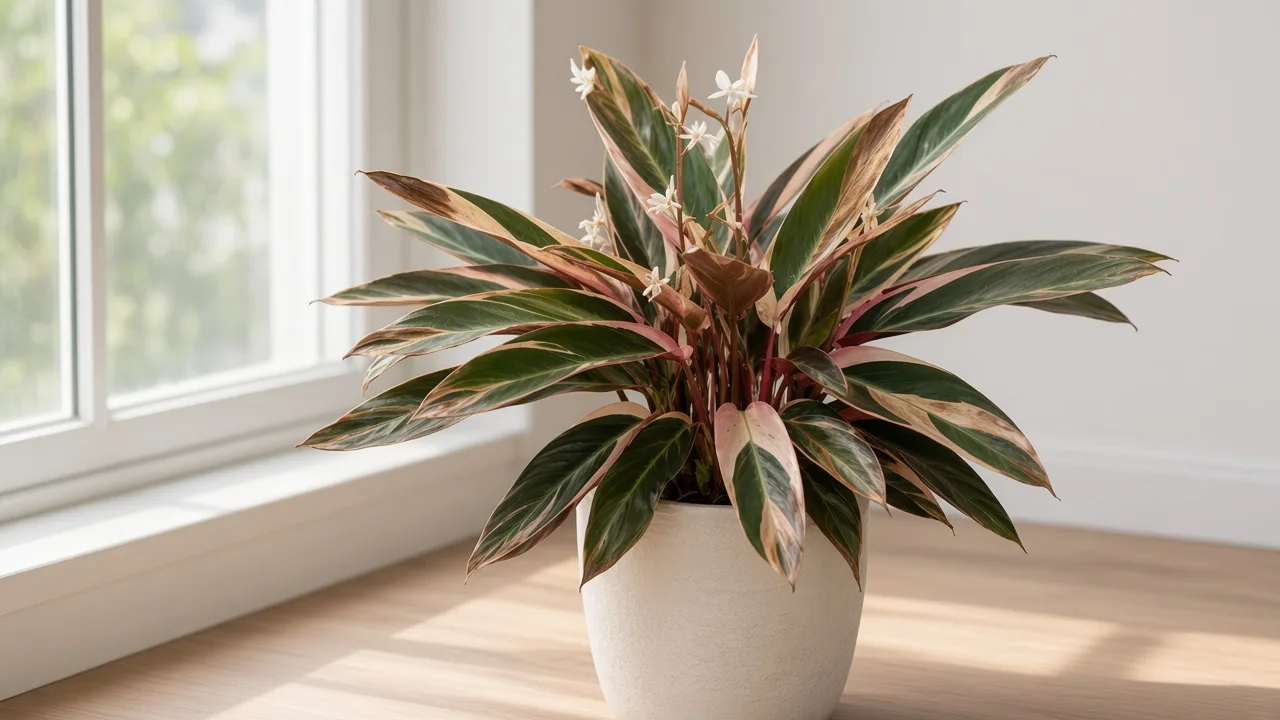
Cold Damage on Stromanthe Triostar: Causes, Checks & Fixes
This guide covers cold damage on Stromanthe Triostar. See also the general Cold Damage guide, watering, and light pages for this plant.
Cold Damage on Stromanthe Triostar: Causes, Checks & Fixes
Quick answer
If a Stromanthe Triostar developed limp or browned leaves after a cold window, draft, or outdoor exposure, move the pot to a steady warm indoor spot away from cold glass. Existing damaged tissue may stay marked; judge recovery by firm leaf bases and fresh growth from the clump.
Cold injury is easier to identify when the timing and placement fit. For general cold-damage patterns across plants, see the cold-damage guide; the checks below focus on what matters for a Triostar’s tropical, rhizomatous growth.
What cold damage looks like on Stromanthe Triostar
After a sudden chill, affected foliage may droop or look water-soaked before it yellows, browns, or turns papery. Longer exposure can show up more gradually as yellowing, browning, or stalled growth, so no single leaf color confirms cold damage. A recent cold night, an open door, or leaves resting on a cold windowpane makes the diagnosis more plausible, especially if the exposed side is worse. Homes & Gardens summarizes these variable cold-injury symptoms and exposure patterns.

Brown tissue along a Triostar leaf margin will not heal; use the exposure history and nearby leaves to decide whether cold is the likely cause.
Why Triostar is vulnerable to chilly spots
Stromanthe thalia is a tender tropical perennial that prefers warm temperatures; its popular ‘Triostar’ cultivar is grown for its variegated foliage. That background makes a cold draft, outdoor overnight stay, or leaf pressed to chilly glass a more credible trigger than it would be for a cold-hardy plant. North Carolina State Extension describes Stromanthe as tender and warm-preferring.
The Sill gives 65–75°F (about 18–24°C) as a practical indoor range and cautions against drafty windows, doors, and air-conditioning vents. Treat that as a care target, not a universal injury threshold: a room thermometer can read comfortably while a leaf touches a much colder pane. The Sill’s Triostar guide covers temperature and draft placement.
Confirm the cause before trimming
Look for a clear sequence: the plant encountered cold, symptoms appeared afterward, and the most exposed leaves show the strongest change. Check the newest rolled leaf and the base of several stems as well as the damaged margins. If the whole plant droops but the potting mix is bone-dry, underwatering may be contributing; if the mix stays wet and the base darkens or softens, investigate root or stem trouble instead. North Carolina State Extension lists root and stem rot among Stromanthe’s problems when it is overwatered, so cold exposure should not become a catch-all diagnosis.
A Triostar’s night folding is normal
Stromanthe leaves fold together at night and open again with the day. A leaf that is simply upright or folded after dusk is not proof of cold damage; look for tissue that stays limp, discolored, or papery after the plant has warmed and the light has changed. This daily movement is described in the North Carolina Extension plant profile.
Check the clump, not just the leaf tips
Triostar grows as a rhizomatous clump, with new leaves emerging from its base, as North Carolina State Extension’s plant profile describes. Gently check whether the stem bases feel firm and whether the newest spear is still progressing. Cold-marked leaf tissue may be unsightly while the clump remains alive; a soft, collapsing base or a sour smell points to a more serious problem than brown margins alone.
First fix: move it out of the cold path
Move the whole pot to a steady warm indoor spot away from cold glass, outside doors, and direct drafts. Choose bright indirect light so the plant can keep growing without placing it against a chilly pane; do not put it beside a heater to compensate, since hot dry airflow can stress the foliage too. This single location change stops repeated chilling while you assess the leaves.
Care for the Stromanthe while it settles
Check the mix before watering. UF/IFAS recommends regular watering for Triostar while allowing the soil to dry between waterings; after a cold spell, do not pour in water simply because the leaves look limp. If the mix is still damp, leave it alone and recheck later. UF/IFAS describes Triostar’s humidity and watering needs.
Keep the care routine stable for the next few weeks. Do not fertilize a plant that is not growing, and do not repot solely because a few leaves browned. If the base stays firm, leave partly green leaves in place; they still support the plant. Once the damage has stopped changing and a leaf is fully dead, remove it cleanly at its base. Homes & Gardens advises allowing cold-stressed plants time to settle before pruning.
Tell cold damage from similar Stromanthe problems
| What you notice | What to check | When another guide fits better |
|---|---|---|
| Damage followed a cold night, draft, or contact with glass | Compare the exposed leaves with sheltered leaves and check the night-time temperature at leaf level | Use this cold-damage guide when the timing and placement line up. |
| Leaves curl but have no cold-exposure history | Check whether the leaf opens again by daytime and whether the soil is dry | See curling leaves on Stromanthe Triostar for persistent curling. |
| Margins become dry and crisp over time | Review room humidity, watering, and water quality instead of assuming a brief cold event | The brown-tips guide for Stromanthe Triostar covers gradual tip and edge browning. |
| The whole clump droops while the pot is much lighter or remains wet | Check moisture first; dry mix and waterlogged mix need different responses | Use drooping leaves on Stromanthe Triostar when soil moisture is the main clue. |
| Symptoms recur beside a vent or doorway without a sharp cold event | Track repeated moving air and temperature swings at the plant’s position | See draft stress on Stromanthe Triostar for ongoing airflow exposure. |
Recovery: watch for new growth from the rhizome
Brown, translucent, or papery patches will not turn green again. Recovery means the damage stops spreading, the stem bases stay firm, and the clump eventually pushes a healthy new leaf. A chilled plant may pause while it adjusts, so allow several weeks of steady warmth before judging it by growth alone; the exact wait depends on the season and how much healthy tissue remains.
If every leaf collapses and the base or rhizome becomes soft and foul-smelling, recovery is less likely. Do not keep cutting into the clump to search for healthy tissue. If there is firm growth at the base, keep it warm and let that growth show whether the plant is recovering.
Prevent cold damage next winter
Place the Triostar near bright indirect light but leave space between its leaves and exterior glass. Before a cold night, check the spot where the foliage sits, not only the room’s central thermostat; shift the pot away from a window or entryway if that area cools sharply. The plant’s warm preference and tender habit are also why it is usually grown indoors or as a seasonal outdoor plant in cooler parts of the United States, rather than left outside through winter, as North Carolina State Extension notes.
For the rest of its placement and routine, use the Stromanthe Triostar overview and watering guide. The Stromanthe Triostar problems hub helps route symptoms that do not match a recent cold exposure.
Related tool
Use the Plant Problem Diagnosis Tool to compare cold exposure with moisture, light, and airflow clues before changing the rest of the plant’s routine.
Related Stromanthe Triostar guides
- Stromanthe Triostar overview — use this for the plant’s normal placement and care needs.
- Stromanthe Triostar watering guide — use this when the pot’s moisture level, rather than a cold event, best explains the change.
- Stromanthe Triostar problems hub — use this to choose another diagnosis when cold exposure does not fit.