Table of Contents
Monstera Brown Tips
Monsteras are still one of the biggest stars in indoor plant care, and that popularity has not slowed down. The National Garden Bureau chose Monstera as its featured houseplant for 2025, and the broader indoor plants market is projected at USD 13.61 billion in 2026, which tells you this is not some niche obsession anymore. People buy Monsteras because they look bold, tropical, and expensive. Then the brown tips show up and ruin the whole effect. (Integrated Pest Management)
The good news is this problem is common. The better news is that brown tips usually give you usable information. They are your plant’s way of saying, “Something is off in how water, roots, salts, air, or light are working together.” That last part matters, because the biggest mistake people make is assuming there is one universal cause. There isn’t. Brown tips are a symptom, not a diagnosis. (houseplantjournal.com)
Why Monstera Brown Tips Happen
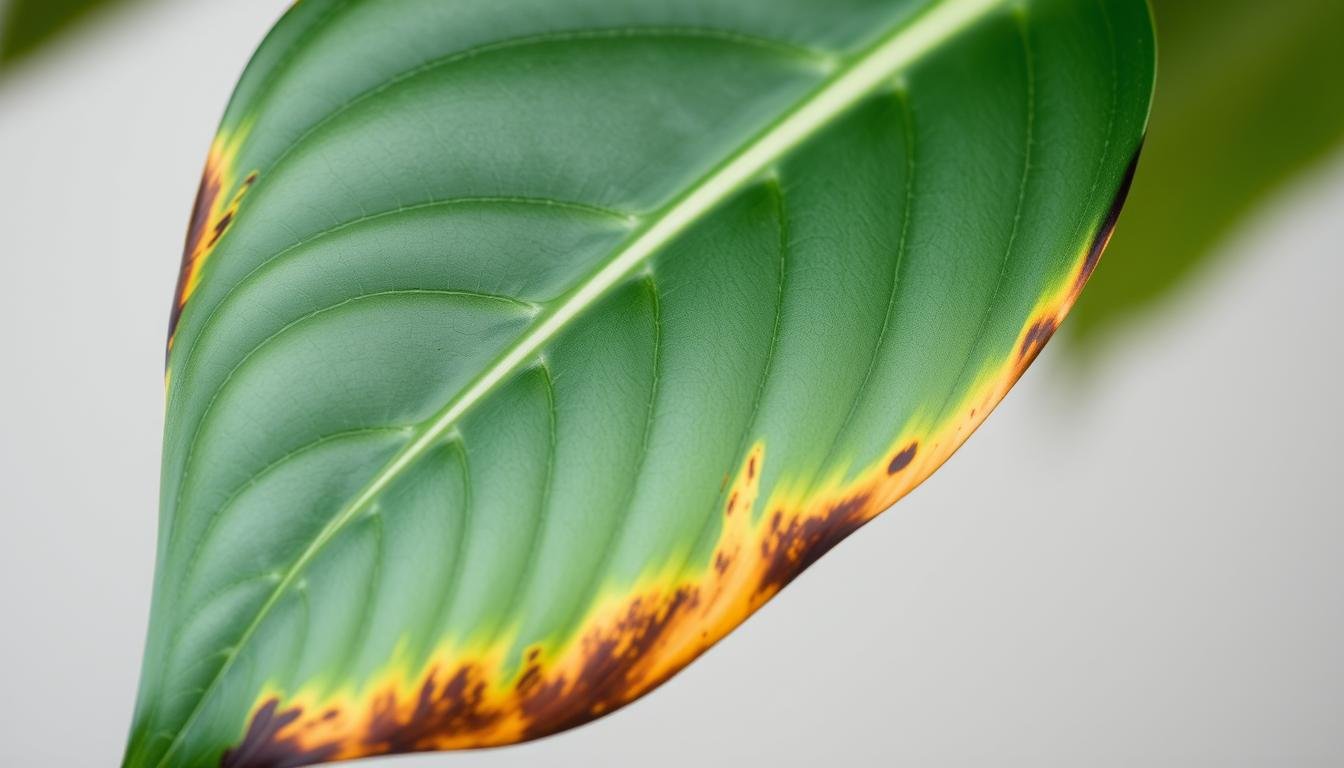
A Monstera gets brown tips when the leaf tissue at the edge loses moisture faster than the plant can replace it, or when roots become stressed and stop moving water efficiently. In plain English: the plant cannot keep the leaf tips hydrated and healthy, so those cells dry out, die off, and turn brown. That stress can come from underwatering, overwatering, low humidity, mineral buildup, fertilizer burn, root issues, direct sun, or sudden environmental swings. (houseplantjournal.com)
The short answer
If your Monstera has dry, crispy brown tips, the top suspects are inconsistent watering, dry air, or salt buildup in the soil. If the browning is dark, mushy, spotted, or spreading inward, you should think overwatering, root stress, fungal issues, or broader leaf damage before you blame humidity. That distinction will save you a lot of wasted effort. A humidifier will not fix root rot, and repotting will not fix chronic underwatering if you keep watering too lightly. (houseplantjournal.com)
How to Diagnose Brown Tips Correctly
Brown tips are easy to see and easy to misread. The smart move is not to react fast. It is to inspect fast. Look at the texture, the pattern, the soil moisture, the pot, the light exposure, and whether the issue is hitting old leaves, new leaves, or the whole plant. The more specific the pattern, the more accurate your fix. (houseplantjournal.com)
Dry, crispy tips vs dark, soft damage
Dry, papery, tan-to-brown tips usually point to moisture stress, dry air, salts, or heat stress. Dark brown or blackish areas that feel soft, look water-soaked, or come with yellowing often point to overwatering and root issues. Direct sun tends to create scorched, crisp damage on exposed parts of the leaf, while fertilizer or mineral buildup often starts subtly at the very edges and tips. Different causes can overlap, but the texture usually tells the truth faster than the color alone. (The Spruce)
What to check before you fix anything
Before changing your care routine, check five things. First, put a finger or chopstick into the potting mix and see whether the root zone is actually dry, not just the surface. Second, lift the nursery pot and look for heavy, soggy soil or packed roots. Third, notice whether the plant sits near an AC vent, heater, radiator, drafty window, or harsh afternoon sun. Fourth, ask whether you have been fertilizing often or watering lightly without thoroughly flushing the soil. Fifth, look for symptom timing: did the issue start after repotting, a move, a weather change, or a missed watering stretch? That sequence often reveals the real cause faster than the leaf itself. (houseplantjournal.com)
A quick diagnostic cheat sheet makes this easier:
| Symptom pattern | Most likely cause |
|---|---|
| Dry, crispy brown tips; soil very dry | Underwatering or inconsistent watering |
| Brown tips with yellowing and soggy soil | Overwatering or root stress |
| Brown edges in dry indoor air, especially winter | Low humidity or HVAC stress |
| Brown tips after frequent feeding or bottom watering only | Salt or fertilizer buildup |
| Crispy damage on sun-facing side | Direct sun or heat stress |
| Browning despite “regular” watering in dense soil | Poor drainage, compact mix, or rootbound roots |
These patterns are consistent with guidance from houseplant educators and extension-style care sources, but remember that more than one factor can be active at the same time. A dry room plus light underwatering plus salty soil is a very common combo. (houseplantjournal.com)
Cause #1: Underwatering or inconsistent watering
This is one of the most common reasons Monstera tips turn brown. Not just “too little water,” either. Inconsistent watering is often the real problem. You let the soil get too dry, the plant dehydrates, the tips crisp, then you water again and assume the issue is solved. But leaf-tip damage is cumulative. Once the tissue dies, it stays dead, and repeated swings between dry and soaked keep producing more damage. (houseplantjournal.com)
The best care advice here is simple and annoyingly unglamorous: stop watering on a calendar. Better Homes & Gardens notes that many Monsteras need water about every one to two weeks, but the exact timing changes with light, temperature, humidity, pot size, and season. House Plant Journal recommends watering when the soil is about halfway dry and saturating the mix thoroughly so dry pockets do not form. That is the important part. A Monstera wants a real soak at the right time, not tiny sips on a fixed schedule. (Better Homes & Gardens)
If you suspect underwatering, water slowly until excess drains from the bottom. Then let the pot finish draining completely. Over the next several days, watch whether the leaves feel firmer and whether the plant perks up. Future improvement in new growth tells you the fix worked. Existing brown tips will not reverse. They are cosmetic records of past stress, not live tissue waiting to recover. (Better Homes & Gardens)
Cause #2: Overwatering and root stress
A lot of people blame dryness when the real issue is the opposite. Roots need both water and oxygen. If the soil stays wet too long, roots start to suffocate, break down, and lose their ability to move moisture up to the leaves. The result can still look like dehydration at the tips, which is why overwatering confuses so many plant owners. The leaf is dry, but the pot is wet. That contradiction is the clue. (Home & Garden Education Center)
University of Connecticut notes that Monsteras are prone to root diseases, especially in colder conditions, and recommends allowing the top 2 to 3 inches of soil to dry between waterings. Better Homes & Gardens also points out that overwatered Monsteras often show dark splotches, drooping, yellowing, and fungus gnats. If your plant has brown tips plus yellow leaves plus heavy, soggy soil, root stress is far more likely than low humidity. (Home & Garden Education Center)
The fix is not to stop watering forever. It is to restore the balance between moisture and air. Reduce watering frequency, make sure the pot has drainage holes, and consider repotting if the soil is dense, sour-smelling, or slow to dry. If you inspect the roots and find mushy, black, or foul-smelling sections, trim only the clearly dead parts and repot into a looser mix. Then water carefully, not aggressively. A stressed root system cannot use a flood of water efficiently. (Home & Garden Education Center)
Cause #3: Low humidity
Yes, humidity can absolutely contribute to Monstera brown tips. Penn State Extension says Monsteras like humidity above 50%, and Better Homes & Gardens says they grow best around 60% to 80% humidity. RHS also describes Monsteras as tropical plants that prefer humid air. So the internet is not wrong when it points to dry air. It is just incomplete when it acts like humidity is the only cause. (Penn State Extension)
Here is the nuance that matters: low humidity is often a multiplier, not the sole villain. A Monstera that is watered well, rooted well, and grown in decent conditions can often tolerate average home humidity. But pair dry air with missed waterings, heating vents, sun stress, or salt buildup, and the tips start to burn out fast. Even growers who emphasize that Monsteras are fairly tolerant of normal home air still acknowledge that humidity becomes more important when other stressors pile up. (Houseplant Care Tips)
If your home is especially dry in winter, or you run heating or air conditioning hard, add humidity in ways that actually work. A humidifier is the most reliable. Grouping plants can help a bit. Pebble trays can help a bit. Better Homes & Gardens notes that misting is not the best humidity solution, which lines up with what many experienced growers see in practice. Aim for steady air moisture, not occasional leaf spritzing that makes you feel productive for ten seconds. (Better Homes & Gardens)
Cause #4: Fertilizer burn, salts, and tap water buildup
This one gets missed all the time. Brown tips can show up because the roots are dealing with excess salts in the soil, not because the room is dry. University of Connecticut specifically notes that Monstera is easily burned by high soil salts. Pennington explains the basic mechanism well: excess fertilizer and salts create an artificial drought by drawing moisture away from roots. The plant may be sitting in moist soil and still act thirsty because the roots are chemically stressed. (Home & Garden Education Center)
How does this happen in real life? You fertilize too strongly. You fertilize too often. You bottom-water repeatedly without occasionally flushing from the top. You use hard tap water over time. Or you keep giving small amounts of water that moisten the top layer but never rinse minerals through the mix. House Plant Journal specifically warns that shallow watering can create dry pockets and allow mineral buildup that shows up as brown crispy tips. Better Homes & Gardens also notes that bottom watering can contribute to salt and mineral buildup if you never alternate with overhead watering. (houseplantjournal.com)
The fix is practical. Flush the pot thoroughly with clean water so excess salts can drain out. Pause fertilizer for a few weeks if the plant is stressed. When you restart, feed more lightly than the label suggests. If your tap water is very mineral-heavy or highly treated, use rainwater, filtered water, or let tap water sit before use when that makes sense for your local water conditions. RHS specifically says Monsteras are ideally watered with rainwater rather than tap water whenever possible. (RHS)
Cause #5: Too much sun, heat, or harsh light
Monsteras want bright light, but they do not want to be cooked. UConn recommends partial shade with some direct light, while The Spruce and House Beautiful both emphasize that harsh direct sun can scorch foliage and leave it brown and crispy. This usually looks different from classic tip burn. Instead of a neat brown point at the end of the leaf, you often see larger crispy patches on the exposed side, faded sections, or damage that lines up with the strongest light source. (Home & Garden Education Center)
The tricky part is that too little light can also create indirect problems. When a Monstera sits in low light, the soil dries more slowly, which raises the risk of overwatering and root trouble. The Spruce explicitly notes that insufficient light can slow growth and contribute to browning through poor drying and root stress. So “move it to brighter light” can be right, but “put it in direct blazing afternoon sun” is the wrong version of that advice. (The Spruce)
The sweet spot is bright, indirect light. Think near a bright window, not pressed against hot glass during peak afternoon sun. If the damage is sun-related, shift the plant a little farther back, add a sheer curtain, or adjust placement so it gets strong ambient light without leaf scorch. Small placement changes often matter more than people expect. One foot can be the difference between thriving and burning. (RHS)
Cause #6: Temperature swings, drafts, and HVAC stress
Sometimes the plant care routine is fine, but the room is hostile. Monsteras prefer warmth and are sensitive to cold damage and abrupt environmental changes. UConn warns that extended exposure to low temperatures causes cold damage, and RHS lists warmth and humid air among core preferences. In a home, that means drafty windows, radiator blasts, space heaters, AC vents, and sudden seasonal shifts can all show up at the leaves before you notice anything else is wrong. (Home & Garden Education Center)
This cause is easy to miss because it behaves like humidity stress and watering stress. HVAC airflow dries the leaf margins, especially the thinner tissue at the tip. Cold drafts can also stress roots and slow water uptake. That combination gives you crisp edges even when the watering schedule looks “normal.” If your Monstera sits in the line of forced air, you may be solving the wrong problem until you move it. (RHS)
The fix is straightforward: stabilize the environment. Keep the plant away from direct heater or AC output, avoid prolonged cold exposure, and aim for a consistent warm room. Monsteras generally do well in the 65°F to 85°F range, with several care guides and RHS-style guidance clustering in that zone. Stable conditions beat heroic interventions every time. (Léon & George)
Cause #7: Poor potting mix, drainage problems, or rootbound roots
You can water perfectly and still get brown tips if the root environment is bad. Monsteras want a well-draining, airy mix with room for oxygen around the roots. UConn recommends a well-draining potting mix high in organic matter, and recent Better Homes & Gardens guidance points to adding chunky amendments like bark or vermiculite when drainage is poor. Dense, compacted soil traps water too long. Extremely rootbound pots dry so unevenly that the plant swings between stress states even when you are trying to do the right thing. (Home & Garden Education Center)
Here is the pattern to watch for: the plant dries out very fast, stays limp after watering, or shows recurring tip burn despite “good care.” That can mean roots are circling the pot and there is not enough fresh mix left to buffer water and nutrients well. On the other end, if the mix stays wet for ages and smells stale, the structure is likely too dense. Both conditions interfere with healthy water movement, and both can produce similar leaf symptoms. (Home & Garden Education Center)
Repot when the root system or the mix clearly justifies it, not because repotting feels productive. Move up only one pot size, keep drainage holes non-negotiable, and use a chunky aroid-style mix that holds moisture without staying swampy. Repotting into a huge pot full of heavy soil often creates the exact wet-root problem people are trying to escape. Bigger is not safer. Better structure is safer. (Home & Garden Education Center)
Why brown tips show up on new leaves
Brown tips on new Monstera leaves feel alarming because new growth is supposed to look perfect. In many cases, the cause is still environmental stress, especially low humidity, inconsistent watering, or stress while the leaf was unfurling. Recent plant-care guidance on tropical unfurling issues notes that low humidity, watering problems, and inadequate light can interfere with healthy new-leaf development. New tissue is softer, thinner, and less forgiving, so it shows stress fast. (The Spruce)
This does not always mean your plant is in crisis. One new leaf with a slightly browned tip after a move, repot, or dry spell is not the same as repeated damaged growth over multiple cycles. The real question is trend, not panic. If new leaves keep opening with crisp tips or distorted edges, your care environment is still off. If the next two or three leaves emerge clean, the problem was likely temporary and already corrected. (The Spruce)
Can brown tips turn green again?
No. Brown Monstera tips do not turn green again because that tissue is already dead. You can stop the problem from spreading. You can improve future growth. You can trim the damaged part for appearance. But you cannot regenerate the exact browned area into healthy green tissue. Any article telling you otherwise is selling hope, not plant care. (The Spruce)
That said, one damaged leaf does not mean the whole plant is failing. Monsteras can keep growing well even with cosmetic tip damage on older leaves. Your job is not to obsess over restoring the past. It is to protect the next leaf. If new growth is healthy, your recovery is working. That is the metric that matters. (The Spruce)
Step-by-step recovery plan
Start by isolating the most likely cause instead of changing everything at once. Check the soil moisture depth, root condition, light exposure, room humidity, and whether the potting mix drains properly. If the plant is thirsty, water deeply. If the soil is staying wet too long, back off watering and inspect the roots. If the air is dry and the plant sits near HVAC flow, improve humidity and placement. If you have been fertilizing regularly, flush the pot and pause feeding. This order matters because it treats the most common root causes first without stacking extra stress on the plant. (houseplantjournal.com)
Give the plant a week or two before judging results unless you are dealing with obvious root rot. Plant recovery is not instant. Existing browning stays. What you are looking for is that the damage stops spreading quickly, the leaves regain firmness, and new growth emerges cleaner. If symptoms keep worsening after you correct watering and environment, inspect the roots and the mix more closely. That is usually where the hidden problem lives. (Home & Garden Education Center)
A practical recovery sequence looks like this:
- Check moisture properly at the root zone, not just the top inch.
- Water thoroughly or withhold water based on that reading, not on routine.
- Flush the soil if you suspect salt or fertilizer buildup.
- Move the plant out of direct sun, heater blasts, and AC drafts.
- Raise humidity if your room is dry, especially during heating season.
- Repot only if needed for rot, compaction, or severe rootbinding.
That sequence lines up with current guidance from care sources that focus on watering, drainage, humidity, and salt management as the main levers for Monstera recovery. (houseplantjournal.com)
Should you trim brown tips off?
You can, but do it for looks, not because it heals the leaf. Trim only the dead brown portion with clean scissors, and follow the natural shape of the leaf so the cut looks less obvious. Do not cut into healthy green tissue just to make the edge perfectly smooth. That creates a fresh wound and can leave an unnatural shape that looks worse in a week. (The Spruce)
If a leaf is mostly green with just a browned tip, keep it. It still photosynthesizes and helps the plant. Remove a whole leaf only when it is largely damaged, diseased, or genuinely dragging down the plant’s energy balance. Cosmetic perfection is not the goal. Healthy future growth is. (The Spruce)
How to prevent Monstera brown tips long term
Prevention is less about hacks and more about consistency. Use a pot with drainage holes. Water based on dryness, not dates. Saturate the mix evenly instead of giving tiny drinks. Keep the plant in bright, indirect light. Do not let it sit in HVAC airflow. Flush the soil periodically if you fertilize or use mineral-heavy water. Keep humidity reasonable, especially in dry seasons. Those habits solve most brown-tip problems before they start. (houseplantjournal.com)
A good baseline routine looks like this: let the top few inches or roughly the upper half of the mix dry depending on pot size and mix structure, then water thoroughly until excess drains. Reduce watering in winter when growth slows. Feed during active growth, but lightly. If your home runs dry, keep humidity above about 50% and closer to the 60%+ zone if possible. Monsteras can tolerate imperfect homes, but they do best when the basics stay boring and predictable. (Home & Garden Education Center)
The big mindset shift is this: brown tips are usually not a mystery problem. They are a systems problem. When roots, watering, air, light, and salts are working together, the plant looks clean. When one or two of those systems drift, the tips tell on you first. Read the signal correctly, and the fix becomes much simpler. (houseplantjournal.com)
Conclusion
Most Monstera brown tips come down to seven buckets: underwatering, overwatering, low humidity, salt buildup, harsh light, environmental stress, or root-zone problems. The right fix depends on the pattern. Dry and crispy points usually push you toward inconsistent moisture, dry air, or salts. Darker soft damage, yellowing, and soggy soil push you toward root stress. Once you stop chasing one-size-fits-all answers and start diagnosing the plant in context, the problem gets much easier to solve. (houseplantjournal.com)
The goal is not to make every damaged leaf beautiful again. You cannot. The goal is to make the next leaf healthy. That is the only score that matters. Fix the root cause, stabilize the environment, and give the plant time to respond. A Monstera with one ugly tip and strong new growth is doing far better than a cosmetically trimmed plant still sitting in the exact conditions that caused the issue. (The Spruce)
FAQs
Why does my Monstera have brown tips even though I water it regularly?
Regular watering does not always mean correct watering. If you water too lightly, dry pockets can form in the soil and roots may never get evenly hydrated. If you water too often in dense soil, roots can stay stressed from low oxygen. Salt buildup from fertilizer or tap water can also create brown tips even when the schedule seems consistent. (houseplantjournal.com)
Are brown tips on Monstera from overwatering or underwatering?
They can be from either, which is why texture and soil condition matter. Underwatering usually causes dry, crispy tips and visibly dry soil. Overwatering often comes with yellowing, dark patches, drooping, fungus gnats, or persistently wet mix. Check the soil and roots before deciding. (Better Homes & Gardens)
Can tap water cause brown tips on Monstera?
Yes, especially over time if your water is high in minerals or treatment chemicals. Several care sources note that mineral and salt buildup can stress roots and show up as brown tips, and RHS says rainwater is preferable when possible. This is more likely when combined with frequent fertilizing or infrequent flushing. (RHS)
Should I mist my Monstera to stop brown tips?
Misting is not the most effective fix. Better Homes & Gardens notes that misting is not the best way to increase humidity around Monsteras. A humidifier, better placement, and consistent watering do more. Misting may offer a brief surface effect, but it usually does not meaningfully change the room’s humidity level. (Better Homes & Gardens)
What humidity is best for a Monstera?
Monsteras generally do best with humidity above 50%, and many care sources place the sweet spot around 60% to 80%. They can often tolerate average indoor air, but dry air becomes a bigger problem when paired with missed waterings, drafts, or salt buildup. If your room is dry and tips keep crisping, raising humidity is worth doing. (Penn State Extension)