Table of Contents
How to Clean and Maintain a Pebble Tray
A pebble tray is one of those plant-care tools that sounds almost too simple to matter: a shallow tray, some pebbles, and water. The catch is that simple setups go bad fast when nobody maintains them. Water evaporates, minerals stay behind, algae starts coating the stones, and the tray that was supposed to help your plants turns into a slimy little nuisance. If the pot sits too low, you also risk keeping the root zone too wet, which is exactly what you were trying to avoid in the first place. (Epic Gardening)
The good news is that pebble tray care is not complicated. You do not need a complicated product routine, harsh cleaners, or weekly deep-scrubbing marathons. What you need is a setup that keeps the pot above the waterline, a cleaning rhythm that prevents residue from building up, and enough realism to know what a pebble tray can and cannot do for humidity. Get those three things right and the tray stays useful, tidy, and low-risk. (Cornell Cooperative Extension)
What a Pebble Tray Actually Does
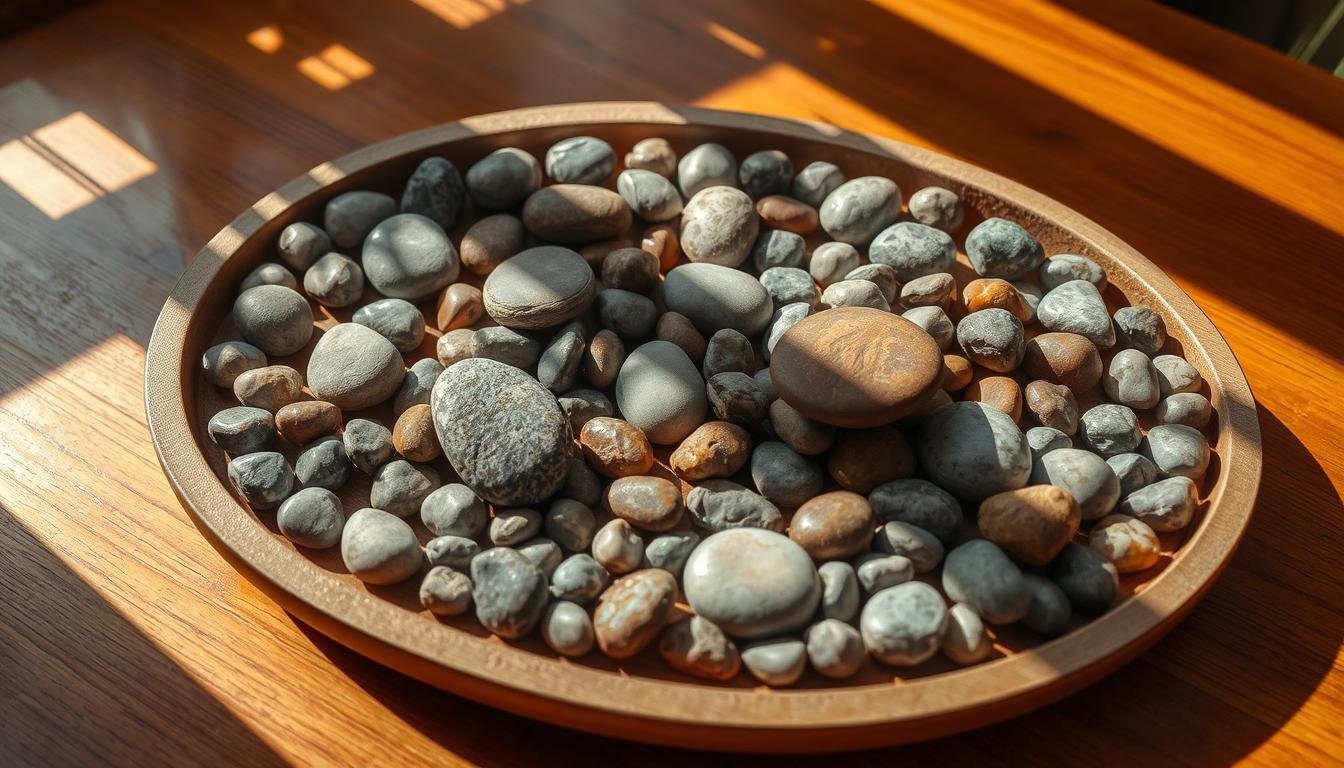
A pebble tray is a shallow saucer or tray filled with stones and a small amount of water. The plant pot rests on top of the stones, not directly in the water. As that water evaporates, it can create a slightly more humid pocket of air near the foliage. That is the whole idea. It is not watering the plant from below, and it is not meant to soak the roots. (Epic Gardening)
That sounds basic, but it matters because a lot of pebble tray problems start with the wrong assumption. People hear “humidity tray” and treat it like a miniature reservoir. Then they overfill it, let stagnant water sit for too long, or leave decomposing plant debris between the stones. The tray works best when it stays shallow, clean, and separate from the potting mix. Once it becomes a wet catch basin, you are no longer improving the environment around the plant. You are creating a maintenance problem under it. (Cornell Cooperative Extension)
How Much Humidity It Really Adds
This is where most pebble tray advice gets fuzzy. University and expert sources generally agree that pebble trays can help a little, but they are not a high-power humidity solution. UNH Extension says pebble trays can add some moisture to the air, while Purdue points to humidifiers as the most effective way to raise relative humidity. A recent Master Gardener piece goes further and argues that the extra humidity zone from a pebble tray is very limited in height, which explains why some plant owners barely notice a difference. (Extension | University of New Hampshire)
So are pebble trays useless? No. They make the most sense when your plant needs a modest local boost, not a tropical greenhouse. Think of them as a microclimate helper, not a miracle fix. If your room is extremely dry in winter, or you are trying to keep a humidity-loving plant happy in centrally heated air, a humidifier will usually move the needle more than a tray ever will. A hygrometer can settle the debate in your own space faster than any internet argument. (Extension | University of New Hampshire)
Choose the Right Tray, Pebbles, and Water
Most pebble tray failures start with poor materials. The tray is too shallow, the stones are too fine, the pot wobbles, or the water leaves a hard white crust after a few refill cycles. You want a setup that is stable, easy to rinse, and wide enough to create a bit of evaporative surface area. Wider trays generally help more than tiny saucers because there is simply more exposed water available to evaporate. (Flora Grubb Gardens Plant Nursery)
The stones matter too, but not because there is one magical kind. What matters is that they hold the pot securely above the water and leave open gaps for air and evaporation. Smooth river stones, aquarium gravel, and LECA can all work. Choose what is easy to wash and not so dusty that you spend ten minutes rinsing sludge every time you reset the tray. Porous clay pebbles can release moisture gradually, but they also need occasional rinsing like anything else that stays wet. (Homes and Gardens)
Best Materials for the Tray
A non-porous tray is the safest, easiest option. Plastic, glazed ceramic, metal with a protective finish, or a sturdy plant saucer all work well because they are simple to wipe clean and less likely to wick moisture into nearby surfaces. Avoid unsealed terracotta if the tray is sitting on wood, painted furniture, or anything moisture-sensitive. Terracotta can wick water, leave marks, and make a small plant accessory more annoying than it should be. (Flora Grubb Gardens Plant Nursery)
Water choice is not trivial either. If your tap water is hard, white mineral residue will build up faster as the water evaporates. University of Maryland Extension notes that hard water contains dissolved minerals such as calcium carbonate and other salts, which can leave crusty deposits behind. Tap water is usually fine for a pebble tray, but if you hate residue or live in a hard-water area, filtered, distilled, or rainwater will reduce the mess. (University of Maryland Extension)
Set It Up So It Helps, Not Hurts
The best pebble tray setup is boring. It should look stable, clean, and almost too obvious to get wrong. The tray sits flat. The stones create a raised platform. The pot rests above the waterline. Nothing smells off, nothing looks slimy, and the water level is easy to check at a glance. If the setup feels fussy, crowded, or damp in the wrong places, simplify it. (Master Gardeners of Northern Virginia)
One smart move is to keep the tray slightly wider than the pot, especially for plants that actually appreciate extra humidity. That gives you more evaporation surface and reduces the chance of splashing or crowding the pot base. It also makes cleaning easier because you can remove the pot without pebbles tumbling everywhere. Practical beats pretty here. A tray you can clean in under five minutes is one you will actually maintain. (Flora Grubb Gardens Plant Nursery)
Correct Water Level
Here is the rule that matters most: the bottom of the pot should stay above the water. Extension and plant-care sources repeat this for a reason. If the drainage holes or pot base sit in standing water, the roots or potting mix can stay too wet, which raises the risk of root problems and defeats the purpose of using the tray for humidity rather than irrigation. (Cornell Cooperative Extension)
A good target is to fill the tray so the water sits just below the top layer of the pebbles. You want evaporation, not soaking. Refill only when the water has dropped low enough that the tray is nearly dry, and resist the urge to keep it topped up like a fish tank. Constantly full trays stay dirtier, concentrate salts faster, and make it easier for organic debris to sit in moisture long enough to go sour. (Epic Gardening)
Best Placement Around Your Plant
Pebble trays work best where dry air is part of the problem. That usually means winter windowsills, heated rooms, or areas near forced-air systems where humidity drops. Many extension sources note that indoor heating can dry the air enough to stress houseplants, especially tropical varieties. If you are using a tray in a room that is already reasonably humid, the effect may be too subtle to notice. (Extension | University of New Hampshire)
Placement also affects hygiene. Do not wedge the tray into a dark corner with poor air movement and expect it to stay fresh indefinitely. Gentle airflow helps reduce stagnation, though you still want to keep sensitive plants away from hot vents and drafts. If you group humidity-loving plants together, you can build a slightly better local microclimate than a single isolated tray can manage on its own. (Purdue University)
How to Clean a Pebble Tray Properly
Cleaning a pebble tray is less about “disinfecting” and more about resetting the system before grime becomes a problem. Start by removing the plant and pouring out any remaining water. Dump the pebbles into a bowl or colander, rinse them thoroughly, and wash the tray with warm water and a small amount of mild soap. Then rinse everything well so no soap residue remains before you put it back together. That basic reset handles most routine buildup before it turns into slime, odor, or crusty scale. (Soltech)
If you notice slimy film, green staining, or cloudy residue, clean more thoroughly instead of just topping up the water. A tray that looks dirty is dirty. Waiting until it smells bad is the wrong threshold. Pebble trays sit directly under plants, where spilled soil, dead leaves, fertilizer residue, and dust naturally collect, so “set it and forget it” is not a serious maintenance plan. (Soltech)
Weekly Upkeep
Weekly upkeep is simple and worth doing because it prevents bigger messes. Empty any stale water, remove fallen leaves or soil bits, and give the tray a quick rinse if you see film starting to form. This is also the moment to check whether the pot is still sitting securely above the waterline. Small adjustments here prevent the kind of slow, avoidable problems that only show up after a month of neglect. (Epic Gardening)
If the tray still looks clean, you do not need to scrub it every week. You just need to break the cycle of stagnant water and decaying debris. Think of weekly care as a reset, not a deep clean. The tray should never reach the point where you are embarrassed by it. If it does, your maintenance schedule is too loose for your room conditions. (Soltech)
Monthly Deep Clean
A monthly deep clean is a solid default for most homes, and current plant-care guidance supports that cadence for preventing algae and mineral deposits. Take the entire tray apart, soak or rinse the stones thoroughly, scrub the tray interior, and remove any chalky residue before rebuilding the setup. If your air is dry and you refill frequently, or your water is very hard, you may need to do this more often. If you barely use the tray or the water evaporates quickly and cleanly, monthly may be plenty. (Soltech)
The point of a deep clean is not perfection. It is to stop minor buildup from becoming a persistent source of odor, staining, or pests. Clean stones also let you spot problems faster. When the pebbles are caked with residue, you cannot easily tell whether you are dealing with minerals, algae, fertilizer crust, or decomposing organic matter. A clean tray gives you a clean read on what is actually happening. (University of Maryland Extension)
How to Prevent Mold, Algae, Mineral Buildup, and Gnats
Most pebble tray problems trace back to the same root issue: chronic moisture plus neglect. Algae likes wet surfaces and light. Mineral buildup shows up when water evaporates and leaves dissolved salts behind. Fungus gnats thrive around overly wet growing conditions and chronic moisture sources. That does not mean every pebble tray is a pest trap, but it does mean a dirty tray under an already overwatered plant is asking for trouble. (University of Maryland Extension)
The best prevention strategy is straightforward. Keep the tray clean, do not let the pot sit in water, remove dead plant material promptly, and avoid turning the tray into a permanent swamp. If fungus gnats are already around, address the actual watering habits of the plant too. Penn State and other extension sources note that allowing the top layer of soil to dry appropriately is a key long-term move against fungus gnats. A spotless tray will not solve a soggy potting mix. (Penn State Extension)
Watch for warning signs: green film on the stones, a sour smell, white crust, tiny flying gnats, or a pot that seems to stay damp much longer than it should. Those are not subtle clues. They mean the tray needs cleaning, the water level is wrong, the water source is leaving deposits, or the overall care routine is too wet. Catching those signs early is easier than fixing a stressed plant later. (University of Maryland Extension)
Pebble Tray vs Humidifier vs Misting
If your goal is small, passive, low-cost humidity support, a pebble tray makes sense. It is cheap, quiet, and easy to set up with items you probably already have. It can help a bit around the immediate plant area, especially when paired with plant grouping and decent room placement. That is its lane. (Extension | University of New Hampshire)
If your goal is meaningfully higher humidity, especially for ferns, calatheas, orchids, or other moisture-loving tropical plants in very dry homes, a humidifier is the stronger tool. Extension sources and product testing alike point to humidifiers as the more effective option for actually raising room or zone humidity. They require their own cleaning routine, but they are far better when the ambient air itself is the real problem. (Extension | University of New Hampshire)
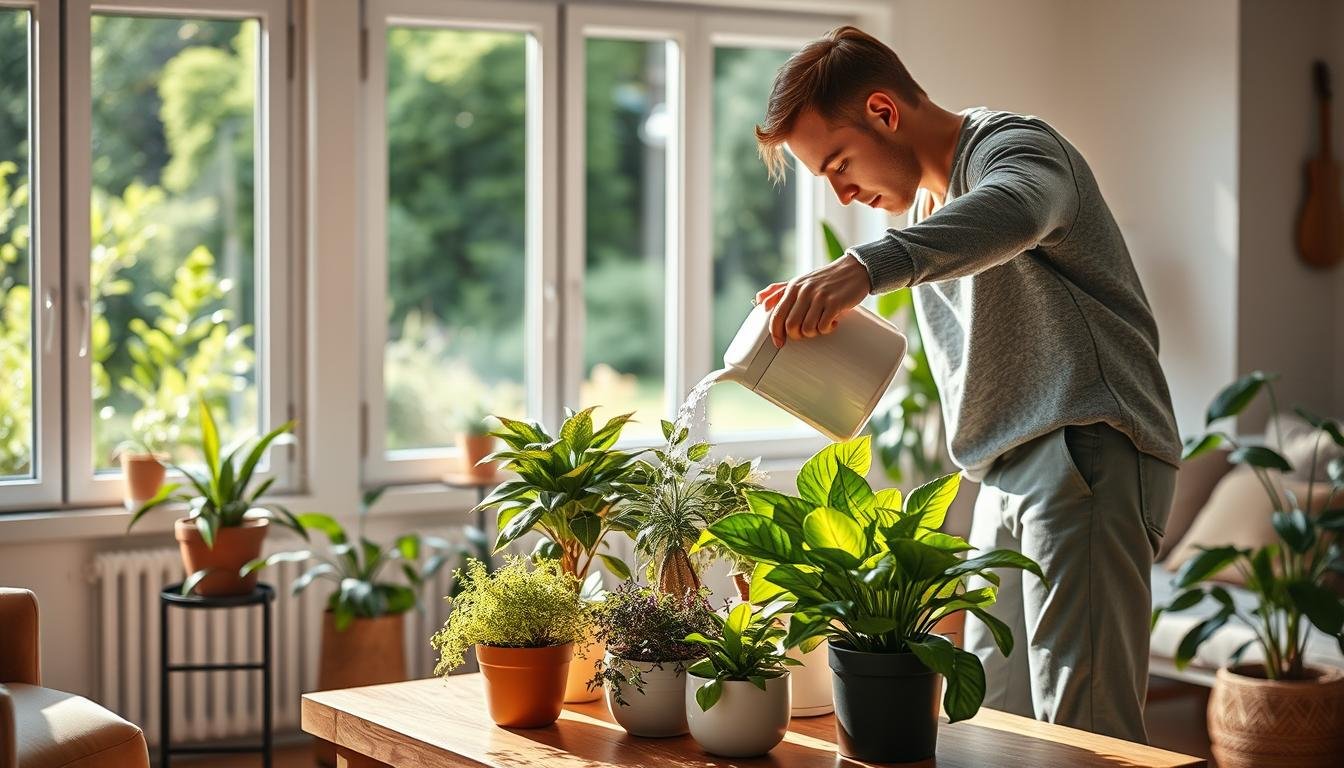
Misting sits in a different category. It can make leaves feel refreshed for a moment, but it does not usually create sustained humidity around the plant. That is why many plant experts treat misting as a cosmetic or temporary measure rather than a reliable humidity strategy. If you want a low-maintenance option, a pebble tray beats constant misting. If you want measurable, sustained change, a humidifier beats both. (Purdue University)
Conclusion
A clean pebble tray is useful because it stays modest. It is not trying to do the job of a humidifier, and it is not supposed to water the plant. Its job is to provide a small local humidity boost without creating a mess, pest issue, or root problem. That only happens when the tray is shallow, the pot stays above the water, and you clean it before grime builds momentum. (Epic Gardening)
The practical routine is simple: check it weekly, deep-clean it about monthly, use cleaner water if hard-water crust becomes a pain, and stop assuming all moisture around a plant is good moisture. Pebble trays are most effective when they are treated as one small part of a bigger houseplant setup that includes smart watering, decent airflow, and realistic expectations. Do that, and the tray remains what it should be: helpful, not high-maintenance. (Soltech)
FAQs
Do pebble trays really increase humidity?
Yes, but usually only a little and only in the immediate area around the plant. Credible sources describe pebble trays as a way to add some local moisture through evaporation, while also noting that humidifiers are more effective for raising humidity in a meaningful way. That makes pebble trays useful for mild support, not for solving seriously dry indoor air on their own. (Extension | University of New Hampshire)
How often should you clean a pebble tray?
A good working rhythm is light upkeep weekly and a deep clean about once a month. Weekly care means emptying stale water and removing debris before it breaks down. Monthly cleaning means taking apart the tray, rinsing the pebbles well, and scrubbing away algae or mineral deposits. If you refill often, have hard water, or notice slime sooner, clean more often. (Soltech)
Can a pebble tray cause root rot?
It can contribute to trouble if the pot sits in the water or the drainage holes stay wet for long periods. The standard guidance is to keep the water level below the base of the pot so the roots are not standing in water. Used correctly, a pebble tray supports evaporation around the plant. Used incorrectly, it can turn into unplanned bottom watering. (Cornell Cooperative Extension)
Should you use tap water or distilled water?
Tap water is usually acceptable, but distilled, filtered, or rainwater can reduce white mineral residue if your water is hard. Hard water contains dissolved minerals that can leave crusty deposits as water evaporates. So this is less about plant safety in the tray itself and more about how much buildup and cleaning you want to deal with. (University of Maryland Extension)
What plants benefit most from a pebble tray?
Plants that prefer moderate to higher humidity tend to benefit most, especially ferns, orchids, philodendrons, and some calathea-type tropicals. UNH Extension notes that many houseplants prefer roughly 40% to 60% relative humidity, while tropical species often like more. A pebble tray is least relevant for desert-type plants such as cacti and many succulents, which generally do not need extra ambient moisture. (Extension | University of New Hampshire)