Table of Contents
What Winter Changes for Indoor Plants
Winter does not just make your room colder. It changes the whole indoor environment around your plants. Days get shorter, light intensity drops, heaters run more often, windows get drafty, and the air usually turns much drier than it was in the growing season. University and RHS guidance is consistent on this point: winter stress is usually a mix of less light, slower growth, lower water use, and lower humidity, not one single problem in isolation. (University of Minnesota Extension)
That matters because a lot of people try to fix every winter problem with one trick. Brown tips? Add humidity. Drooping leaves? Add water. Slow growth? Add fertilizer. That logic causes a lot of avoidable damage. Winter houseplant care works better when you read the season properly: most indoor plants are not dying in winter, they are reacting to a different set of conditions and asking you to change your routine with them. (The University of Vermont)
Low Light Slows Growth and Water Use
One of the biggest winter shifts is light. Plants receive fewer usable hours of daylight, and that slows photosynthesis and growth. When growth slows, water demand falls too, which is why extension services repeatedly warn that overwatering becomes one of the most common winter mistakes. Soil stays wet longer, roots sit in cold damp mix longer, and the risk of root rot rises fast if you keep watering on your summer schedule. (University of Minnesota Extension)
This is why a plant that seemed “thirsty” in July can look unhappy in January for the opposite reason. A philodendron or peace lily near a bright summer window may have needed weekly attention, but in winter that same plant could need far less frequent watering because the pot dries much more slowly. Illinois Extension notes that many houseplants need very little or no additional fertilizer during the short days of winter, which tells you how much the whole system has slowed down. When growth pauses, the care routine has to pause with it. (Illinois Extension)
Heated Indoor Air Drops Humidity Fast
The second big winter issue is dry air. RHS notes that low air humidity is a common cause of houseplant trouble in winter, especially once central heating is on, and it often shows up as shriveled foliage, crispy edges, brown tips, and early leaf or bud drop. Heating does not just make the room warm; it strips moisture from the air that many tropical plants rely on. If you grow calatheas, marantas, ferns, orchids, or some thin-leaved foliage plants, they usually show that stress early. (RHS)
That is where a pebble tray enters the conversation. It is not a magic fix, but it can help create a small pocket of moisture around the plant. RHS, Penn State Extension, Missouri Botanical Garden, and other sources all describe the same basic idea: a shallow tray filled with pebbles and water placed under or around the pot, with the water evaporating into the nearby air. The key phrase is nearby air. A pebble tray works as a local humidity tool, not a room-wide climate system. (RHS)
What a Pebble Tray Actually Does
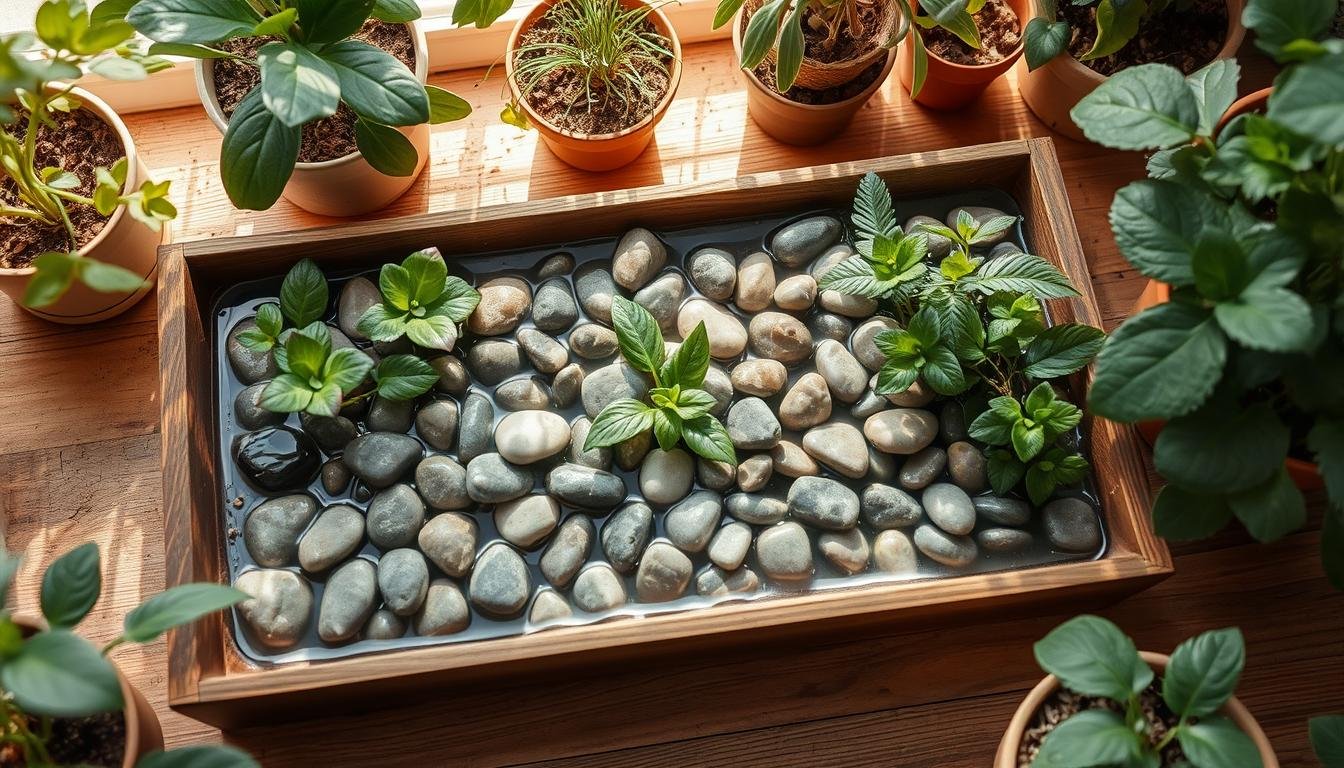
A pebble tray is a shallow dish or saucer filled with stones or gravel plus a small amount of water. The plant pot sits on top of the pebbles rather than directly in the water. As the water evaporates, it raises the humidity in the immediate air around the foliage. That simple setup is why pebble trays are still recommended by major horticultural sources for humidity-sensitive plants grown indoors during dry periods. (Missouri Botanical Garden)
The value of a pebble tray is that it is cheap, quiet, easy to set up, and easier to maintain than constant hand-misting. It also helps avoid the classic mistake of trying to “water through the leaves” instead of fixing the environment around the plant. If your fern gets crisp in a heated room, a pebble tray can give it a small humidity lift every hour of the day without making the soil wetter. That steady, passive effect is the whole point. (Extension | University of New Hampshire)
Where Pebble Trays Help Most
Pebble trays help most with small to medium humidity-loving plants that sit in relatively still indoor air and do not need a dramatic humidity jump. Recent expert commentary cited by Better Homes & Gardens says pebble trays are most useful for smaller, low-growing, humidity-loving plants, especially when the tray is wide enough to create a more meaningful moist zone around the plant. That lines up with older extension-style advice and with RHS guidance for ferns, calatheas, marantas, orchids, and similar plants. (Better Homes & Gardens)
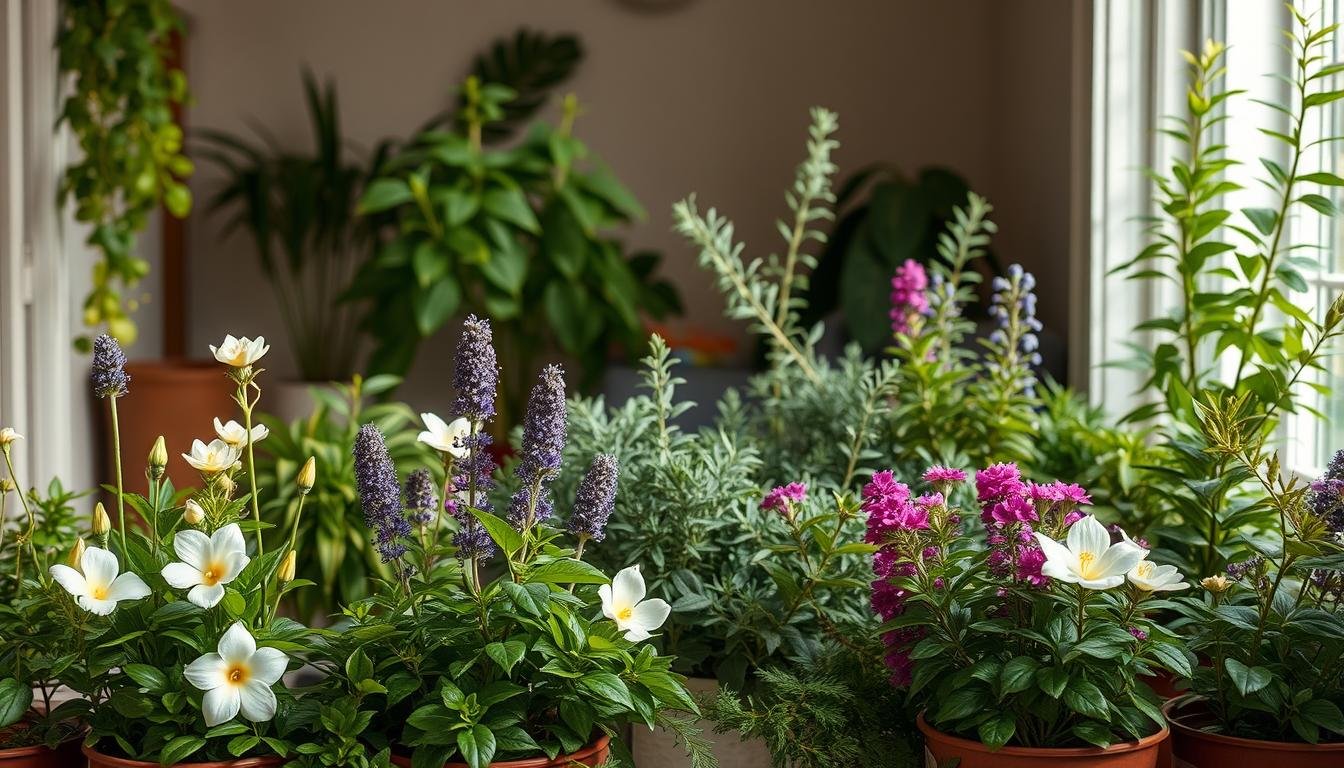
In real use, the best candidates are plants that already do reasonably well in your home but struggle when winter heating begins. Think of a prayer plant that develops crispy edges in January, or an orchid that sits in bright indirect light but dislikes dry air from a nearby vent. For those plants, a pebble tray can be enough to soften the environment and reduce stress. It is also useful when you group several tropical houseplants together, because the tray adds humidity while the plants themselves create a small shared microclimate. (RHS)
Where Pebble Trays Fall Short
A pebble tray is not a humidifier, and that distinction matters. Penn State Extension presents wet pebble trays as one humidity strategy, but not the only one, and UNH Extension is even more direct: a portable humidifier near the plants provides the most benefit, while pebble trays help only a little. That is the honest framing. If your room is extremely dry, your plant is large, or air movement is constantly dispersing moisture, a pebble tray may not move the needle enough on its own. (Penn State Extension)
This is where many articles oversell the method. Pebble trays can improve the microclimate right around a plant, but they do not replace correcting bigger winter issues like bad light, overwatering, heater blasts, or extreme dryness across the whole room. If a large monstera is sitting three feet from a radiator in a dark corner, a pebble tray is not the fix. In that case, a better answer is stronger light, more distance from heat, careful watering, and possibly a humidifier if you are trying to support genuinely high-humidity species. (University of Maryland Extension)
How to Set Up a Pebble Tray the Right Way
A pebble tray only works when it is built correctly. The setup is simple, but two details matter more than anything else: tray size and water level. Get those wrong and the tray either does very little or creates the exact problem you were trying to avoid, which is a pot sitting in water. (Missouri Botanical Garden)
The goal is not to soak the root ball. The goal is to create evaporation without waterlogging. That means you want enough surface area for moisture to evaporate and enough pebble height to keep the base of the pot above the water line. Think of the tray as a humidity platform, not a backup reservoir for roots. (Missouri Botanical Garden)
Choose the Right Tray, Pebbles, and Placement
Use a wide, shallow tray or saucer that gives you more evaporation surface than the base of the pot alone. Several guides note that wider trays work better because a bigger exposed water surface can release more moisture into the air around the plant. Clean gravel, pebbles, or hydroleca all work; the main requirement is that the stones hold the pot above standing water and stay reasonably clean. (Salisbury Greenhouse)
Placement matters too. Put the tray where the plant already has decent winter conditions: bright indirect light for tropical foliage, distance from radiators and hot-air vents, and no cold draft from a badly sealed window. A pebble tray cannot compensate for a poor location. If the room is dry but stable, the tray has a chance to help. If the plant sits between a heater blast and a freezing pane of glass, fix the location first. (Cornell Cooperative Extension)
Set the Water Level Correctly
This is the rule that matters most: the bottom of the pot should not sit in the water. Missouri Botanical Garden, The Spruce, and Cornell-style extension advice across multiple sources agree on the same point: add enough water to sit just below the top of the pebbles or just below the base of the pot, not high enough for the drainage hole or pot bottom to remain submerged. If roots sit in water for long stretches, the soil stays too wet and root rot becomes a real risk. (Missouri Botanical Garden)
In practice, that means you should be able to see water in the tray but still feel that the pot is standing on the stones, not soaking in a puddle. Top up the tray as the water evaporates, and clean it often enough to prevent slime, salt buildup, and algae. If you use tap water that leaves deposits, rinse the tray and pebbles periodically so the setup stays hygienic and does not become a magnet for gnats or grime. Regular, boring maintenance is what keeps a good idea from becoming a mess. (Better Homes & Gardens)
Winter Care Basics That Matter More Than the Tray
A pebble tray can help, but winter plant care is still mostly about basics. University and RHS sources repeatedly point to the same priorities: water less carefully, improve light, reduce or pause fertilizer, keep plants away from temperature extremes, and inspect for pests. If those are off, humidity alone will not rescue the plant. (University of Minnesota Extension)
That is why the smartest way to use a pebble tray is as one part of a winter system. You are not adding a tray instead of changing your routine. You are adding a tray while also cutting back watering, watching light exposure, and protecting the plant from hot dry airflow. The tray is support work. It is not the headline act. (Extension | University of New Hampshire)
Watering, Light, Feeding, and Pests Still Matter More
Start with watering. Maryland Extension warns that overwatering can lead to root rots and plant death, and Vermont Extension makes the same winter point: many owners “over-love” plants with too much water. Forget rigid calendar watering. Check the potting mix, the weight of the pot, and the actual conditions in the room. A dry-heated apartment with bright windows may need more frequent attention than a cool dim room, but both usually need less water than summer. (University of Maryland Extension)
Then look at light. Minnesota Extension recommends increasing available light in winter and even adding a full-spectrum LED source if needed, while RHS also advises moving houseplants into brighter positions during the darker months. A humidity-loving plant kept too dark will still struggle no matter how carefully you run the pebble tray. Light drives growth, and growth determines how much water and nutrition the plant can actually use. (University of Minnesota Extension)
Feeding should usually drop or pause. Illinois Extension says most houseplants need very little or no extra fertilizer during the short days of winter, and Nebraska guidance warns that over-fertilization under low-light indoor conditions can damage roots through salt buildup. Exceptions exist, especially for plants actively growing or blooming in winter, but for most foliage houseplants, this is not the season to push growth. It is the season to avoid unnecessary stress. (Illinois Extension)
Pests deserve more attention than many people give them. Winter indoor conditions can favor spider mites, mealybugs, scale, fungus gnats, and whiteflies, and dry air can make mite problems worse. Minnesota Extension and Garden Design both emphasize regular inspection, especially because indoor pests lack the natural checks they face outdoors. If a plant has stippled leaves, webbing, sticky residue, or persistent decline, do not assume it is “just humidity.” Check the undersides of leaves before you adjust the tray again. (University of Minnesota Extension)
As for which plants usually benefit from a pebble tray, the safest short answer is tropical, humidity-appreciating houseplants. RHS specifically points to ferns, calatheas, marantas, orchids, palms, and other thin-leaved or tropical foliage plants as likely to appreciate extra humidity, while arid-zone plants such as cacti and many succulents generally do not need that help. A pebble tray is most useful where dry air is the bottleneck, not where the plant is already adapted to dry conditions. (RHS)
Common Mistakes That Cancel Out the Benefit
The first mistake is treating a pebble tray like a complete winter-care plan. It is not. If you keep the plant in bad light, water too often, and leave it beside a heat vent, the tray becomes decoration with moisture. The second mistake is letting the pot sit directly in water. That turns a humidity tool into a root problem. (The Spruce)
The third mistake is using the tray for the wrong plants. Most succulents, cacti, and other dry-climate plants do not need extra local humidity, and adding it solves nothing for them. The fourth mistake is assuming every brown tip means “more humidity.” Brown tips can also come from underwatering, overwatering, fertilizer salts, pests, hard water, or temperature stress. Good plant care gets sharper when you stop forcing every symptom into one explanation. (The Spruce)
The last mistake is neglecting maintenance. Pebble trays need refilling and occasional cleaning. If the water evaporates completely for long stretches, the humidity benefit disappears. If the tray stays dirty, slimy, or full of mineral residue, it becomes another small headache on the shelf. The method works best when it stays simple: clean tray, clean pebbles, correct water level, right plant, right placement, realistic expectations. (Better Homes & Gardens)
Conclusion
A pebble tray is one of the few winter plant-care tools that is both useful and easy to overrate. Used properly, it can give humidity-loving houseplants a modest but meaningful lift during the dry months, especially smaller tropical plants growing in otherwise decent conditions. Used carelessly, it becomes either ineffective or risky. The difference comes down to setup and context. (Extension | University of New Hampshire)
The smartest approach is simple. Use the tray to create a better microclimate, but build the rest of your winter care around what actually drives plant health: less frequent watering, better light, less fertilizer, fewer drafts, and regular pest checks. If your plant only needs a small humidity bump, a pebble tray may be enough. If the room is extremely dry or the plant is large and demanding, step up to a humidifier instead. That is the honest middle ground, and it is where most healthy winter houseplants end up. (University of Maryland Extension)
FAQs
Do pebble trays actually raise humidity for indoor plants?
Yes, but mostly in the immediate area around the plant, not across the whole room. Penn State Extension, RHS, and UNH Extension all treat pebble trays as a local humidity strategy, with UNH noting that they can help a little while humidifiers generally provide the strongest effect. That makes pebble trays a practical option for small humidity boosts, not a replacement for full-room humidity control. (Penn State Extension)
How often should I refill or clean a pebble tray?
Refill it whenever the water level drops below the useful evaporation zone, which in winter may mean checking every few days in a dry heated room. Clean the tray and pebbles regularly enough to prevent mineral buildup, algae, or grime, especially if you use tap water or notice residue forming. A quick rinse-and-reset routine usually keeps it under control and prevents the tray from turning into a messy maintenance problem. (Soltech)
Are pebble trays better than misting?
For steady humidity support, usually yes. Pebble trays provide ongoing evaporation, while misting tends to be short-lived unless done very frequently. Some recent expert commentary argues that misting is often less useful than people think, while extension and RHS-style guidance keep recommending pebble trays and grouping plants as more reliable ways to raise local humidity. (MU Extension)
Which plants benefit most from a pebble tray in winter?
The best candidates are humidity-loving tropical houseplants such as ferns, calatheas, marantas, orchids, some philodendrons, peace lilies, and certain palms. RHS specifically highlights ferns, thin-leaved foliage plants, marantas, calatheas, orchids, and palms as plants that appreciate higher humidity or tray-based moisture support. If a plant naturally prefers a rainforest-style environment and your winter air is dry, it is a strong candidate. (RHS)
Do succulents or snake plants need a pebble tray?
Usually no. Most succulents and cacti prefer drier air and do not benefit from extra humidity the way tropical foliage plants do. Snake plants are also much more tolerant of normal indoor conditions than calatheas or ferns, so a pebble tray is rarely necessary unless your home is exceptionally dry and the plant is showing clear stress for that reason. In most cases, correct watering and bright light matter more for these plants than added humidity. (The Spruce)