Table of Contents
What a Pebble Tray Is
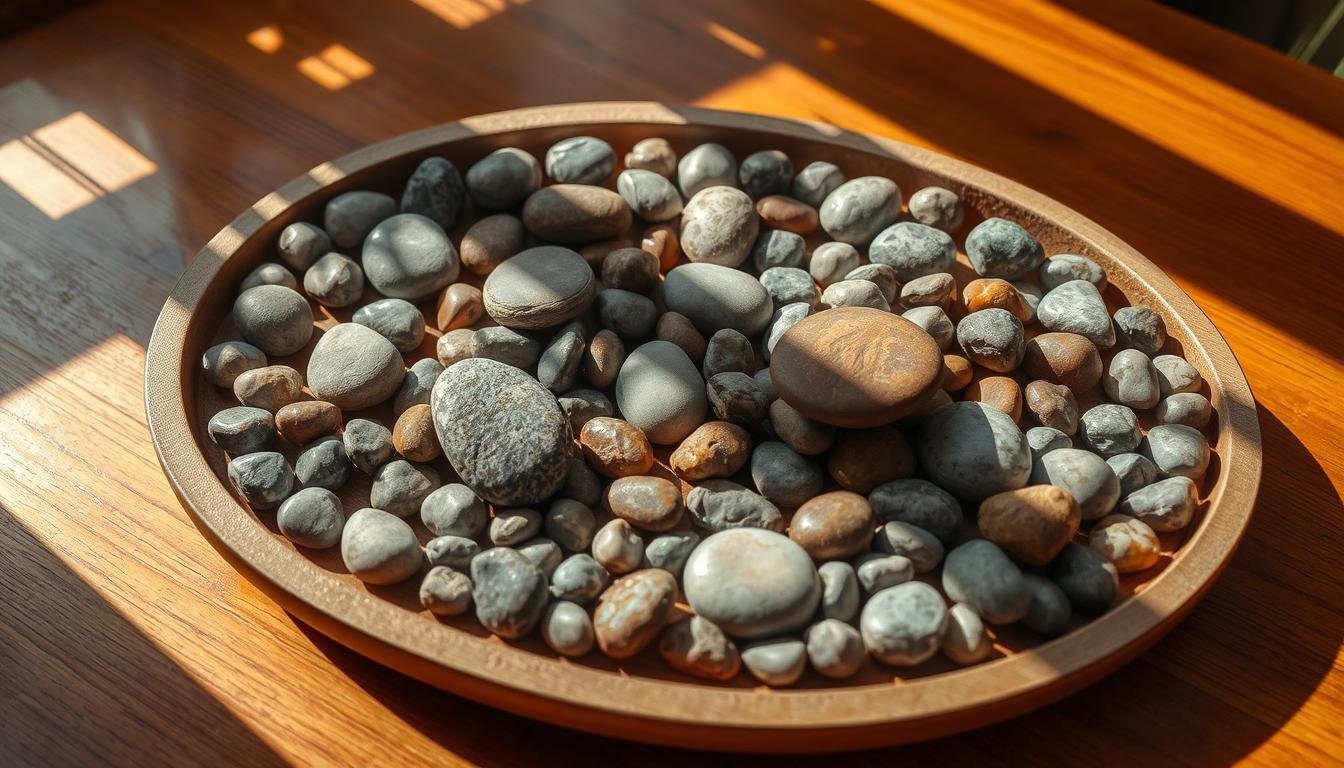
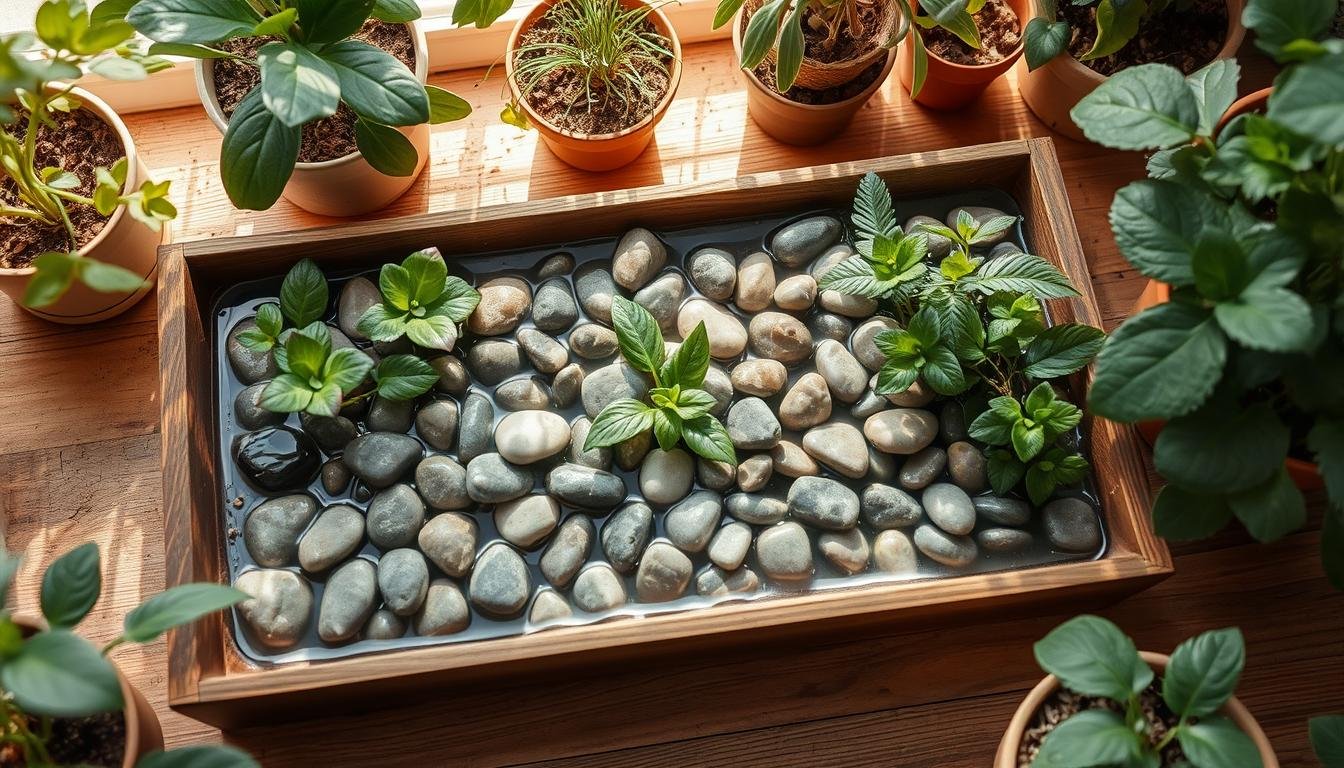
A pebble tray is a shallow tray or dish filled with pebbles and water that sits under or near a plant to create a small pocket of extra moisture in the air. The idea is simple: water evaporates from the tray, and that evaporation slightly raises the local humidity around the plant. The pebbles matter because they keep the pot lifted above standing water, which helps you avoid soggy roots while still using the water below as a humidity source. That basic method is widely recommended by sources such as the Missouri Botanical Garden, RHS, and University of Nebraska–Lincoln Extension. (Missouri Botanical Garden)
The key word here is local. A pebble tray is not a room humidifier in disguise, and treating it like one leads to disappointment. It is a low-tech, low-cost way to make conditions a bit friendlier for plants that dislike dry indoor air, especially in heated homes during winter. Used correctly, it can be a helpful support tool. Used with unrealistic expectations, it becomes one more houseplant hack that sounds better than it performs. (Extension | University of New Hampshire)
How a Pebble Tray Works
A pebble tray works through evaporation. When water in the tray evaporates, it adds water vapor to the air immediately around the plant. That does not mean the whole room becomes tropical. It means the air closest to the tray may become a little less dry, which can matter for moisture-sensitive foliage, especially if the plant is small and sits close to the tray surface. University and horticultural guidance consistently describes pebble trays as a way to increase ambient humidity around the plant, not as a full-room humidity solution. (Missouri Botanical Garden)
What trips people up is scale. Indoor air moves. Heat runs. Fans blow. Windows leak. In a real room, any extra moisture disperses fast. That is why pebble trays are often described as helping a little rather than transforming conditions. The University of New Hampshire Extension says pebble trays can help a little, while placing a portable humidifier near the plants provides the most benefit. Recent commentary from Better Homes & Gardens makes the same point: they are more useful for small, low-growing plants and much less effective for larger plants or larger spaces. (Extension | University of New Hampshire)
Evaporation Creates Local Humidity
The mechanism is basic physics, not plant magic. As liquid water becomes vapor, the air immediately above the tray holds more moisture. If the plant’s leaves sit close enough to that zone, the foliage may experience a slightly more humid microclimate. That is why tray width and plant size matter. A wide tray under a compact plant has a better shot at helping than a tiny saucer under a large monstera. Recent horticultural guidance specifically notes that wide trays and small plants make pebble trays more useful. (Better Homes & Gardens)
This is also why pebble trays often get recommended for winter. Indoor heating tends to dry the air, and many homes fall into a lower humidity band during the cold season. The EPA says indoor relative humidity should stay below 60% and ideally between 30% and 50%, which is good home guidance, but many tropical plants prefer more moisture around their leaves than a dry heated room supplies. A pebble tray is one way to soften that gap without pushing the whole room into overly damp territory. (US EPA)
Why the Pebbles Matter
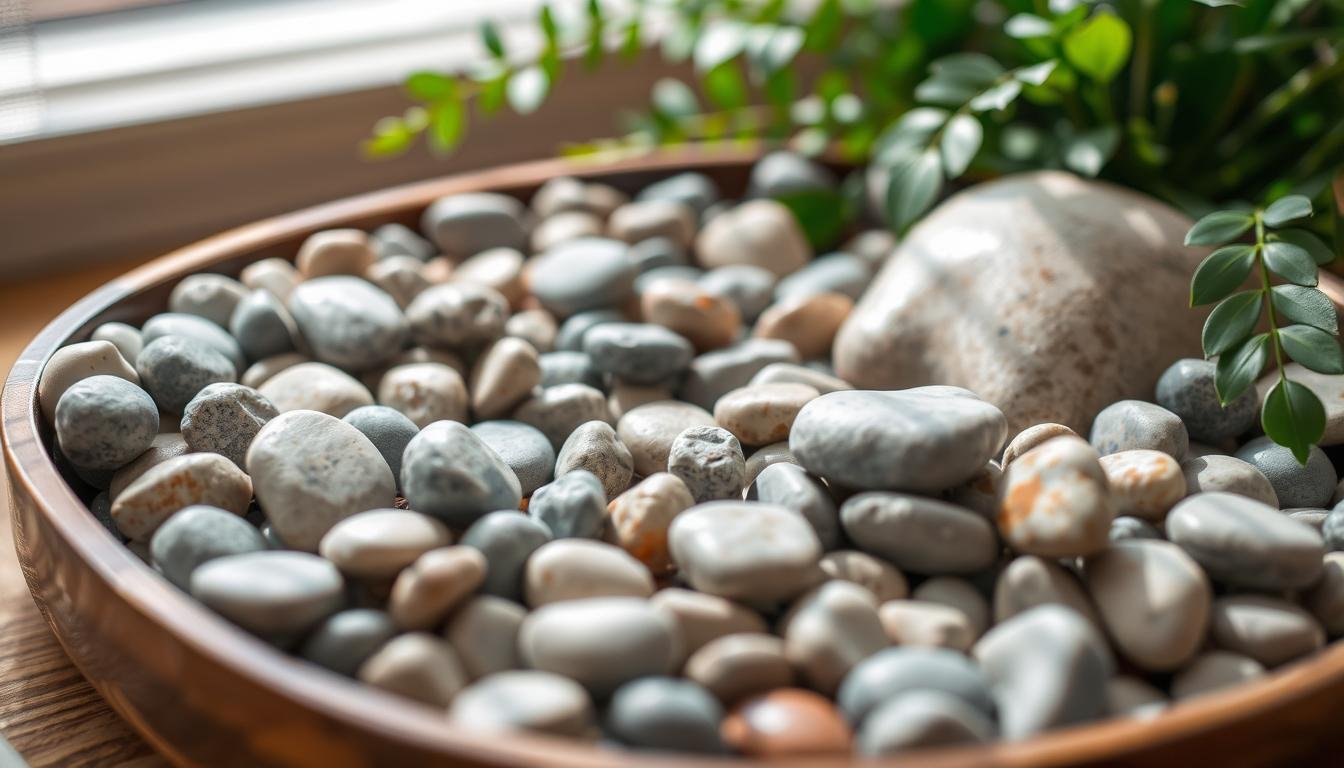
The pebbles do two jobs. First, they keep the plant pot above the waterline, which is what prevents the roots from sitting in water and turning your humidity fix into a drainage problem. Second, they create more surface texture and spacing, which supports steady evaporation and keeps the pot stable. Missouri Botanical Garden and other horticultural sources describe the water level the same way: fill only to just below the top surface of the pebbles. (Missouri Botanical Garden)
Without the pebbles, you are not really making a pebble tray. You are just parking a pot in water, which can wick moisture up through the drainage holes and leave the root ball too wet. That is why a correct setup matters more than the aesthetic version people post online. Decorative stones are fine. Glass beads can work. LECA can work too. But the rule does not change: the pot should rest on top, and the water should stay below the bottom of the pot. (Missouri Botanical Garden)
Do Pebble Trays Actually Work
Yes, pebble trays can work, but only if you define “work” correctly. They can create a small, localized humidity bump around some plants. They do not reliably raise humidity across a room, and they usually do not create the kind of dramatic jump that a dedicated humidifier can deliver. That distinction matters because a lot of disappointment comes from expecting a passive tray of water to act like an appliance. University extension guidance and recent expert commentary line up on this: pebble trays are modest tools, not game-changers. (Extension | University of New Hampshire)
That modest effect is still useful in the right scenario. If you have a small fern, fittonia, calathea, or orchid sitting near a drafty winter window, a pebble tray may reduce some stress at the leaf level. If you have a large tropical plant in a very dry room, the same tray may do almost nothing you can see. One independent measurement-based source often cited in gardening discussions found only a slight increase near the tray and essentially none at a distance, which fits the broader horticultural consensus that the effect is narrow and close-range. (gardenmyths.com)
When They Help and When They Do Not
Pebble trays help most when the problem is mild dryness, not severe dryness. They are more likely to be worth using when the plant is compact, the tray is wide, the room is not extremely drafty, and the plant genuinely prefers higher humidity. Recent guidance from Better Homes & Gardens, citing horticulturist Justin Hancock of Costa Farms, points to small, low-growing, humidity-loving plants as the best candidates. The University of New Hampshire Extension also places pebble trays in the “help a little” category rather than the “solve it outright” category. (Better Homes & Gardens)
They are not enough when the whole environment is too dry, the plant is too large, or the species has consistently high humidity needs. If you are trying to keep a demanding tropical plant happy in a room sitting around 25% to 30% humidity, a pebble tray is usually a patch, not a fix. In that case, a humidifier placed near the plants, plant grouping, or a more enclosed setup like a cabinet or terrarium will outperform the tray. The same applies if leaf damage is actually coming from underwatering, overwatering, hard water, pests, or too much sun. Humidity is only one variable. (Extension | University of New Hampshire)
Which Plants Benefit Most
Plants that benefit most from a pebble tray are the ones that prefer moderate to high humidity and are sensitive to dry household air. That usually means tropical foliage plants rather than desert plants. Think of species that naturally grow in understory, forest, or humid environments where leaf surfaces are used to steadier moisture in the surrounding air. RHS and recent houseplant care sources repeatedly point toward that category when recommending trays of moist gravel or pebbles. (RHS)
A pebble tray can be especially reasonable for plants that are already basically healthy but show mild dryness signals such as crispy edges, browning tips, or slight curling in otherwise decent care conditions. It is not a rescue tool for a badly neglected plant. It is more of a support tool that smooths the environment. That distinction saves people from trying to fix every plant issue with humidity alone. A tray can help reduce stress, but it will not correct bad watering habits, exhausted soil, poor light, or pest pressure. (Extension | University of New Hampshire)
Good Candidates and Poor Candidates
Good candidates include ferns, calatheas, prayer plants, fittonia, orchids, peace lilies, some philodendrons, and other humidity-loving tropicals. Recent houseplant references also mention monstera, parlor palms, and creeping ficus, though larger plants still benefit less from a tray than smaller ones because the humidity bump stays close to the tray. Better Homes & Gardens specifically highlights smaller, low-growing plants, which is the most practical lens to use. (Missouri Botanical Garden)
Poor candidates include succulents, cacti, and other dry-climate plants that do not need extra humidity and may actually resent extra moisture around their base or slower soil drying. Recent guidance also flags average home conditions as sufficient for many common houseplants, which means not every plant with a tropical label needs constant humidity intervention. If a plant is already thriving in your room, a pebble tray is optional, not essential. Adding one “just because” can create extra maintenance without a clear benefit. (The Spruce)
How to Make a Pebble Tray Correctly
A correct pebble tray is simple, but details matter. You need a wide, shallow tray, enough clean pebbles or stones to create a stable layer, and enough water to sit just below the pebble surface. Then you place the pot on top so it is elevated above the water. That basic method is consistent across recent how-to guides and horticultural references. (The Spruce)
The two biggest reasons pebble trays fail are poor sizing and poor setup. If the tray is too small, there is very little evaporative surface area, so the humidity effect is tiny. If the water level is too high, the pot may sit in water and stay too wet. If the tray turns slimy or stagnant, it stops being a helpful humidity aid and starts becoming a minor hygiene issue. A good tray is low drama: stable, clean, broad, and easy to refill. (Better Homes & Gardens)
Setup Steps That Matter
Here is the practical version. Start with a tray wider than the base of the pot, ideally with extra exposed surface area around it. Add a layer of pebbles deep enough to keep the pot raised. Pour water into the tray until it sits just below the top of the pebbles. Place the plant on the stones, not in the water, and keep the tray in the same light and airflow conditions where the plant normally lives. That is the method consistently described by Missouri Botanical Garden, The Spruce, and Better Homes & Gardens. (Missouri Botanical Garden)
If you want the tray to do as much as it realistically can, think about surface area. A broad tray under a group of small plants can work better than a tiny saucer under one plant because more exposed water means more evaporation. That still will not replace a humidifier, but it gives the tray its best shot. If the room is extremely dry, add a cheap hygrometer nearby instead of guessing. The EPA notes that small humidity meters are inexpensive and useful for monitoring indoor relative humidity. (US EPA)
Cleaning and Placement
Placement matters because the humidity effect is strongest close to the tray. Keep the plant near the tray surface, and do not expect the benefit to travel far upward or across the room. Avoid placing the setup next to strong vents, heaters, or constant airflow that will whisk away moisture the moment it forms. If you are dealing with a large plant, a tray alone will usually underdeliver unless you pair it with other tactics. (Better Homes & Gardens)
Cleaning matters for a less glamorous reason: standing water can get gross. Minerals, dust, algae, and fungus gnat activity can build up over time if you never rinse the tray or swap the water. A quick wash with mild soap, a rinse of the stones, and fresh water every week or two is usually enough in normal home conditions. Refill whenever the water evaporates, but do not keep topping up indefinitely without cleaning. A pebble tray is supposed to support plant health, not become a tiny swamp on your shelf. Guidance about keeping home humidity balanced and watching for excess moisture also matters here, since overly damp conditions can encourage mold or condensation problems in the home. (US EPA)
Pebble Tray vs Humidifier, Misting, and Grouping
If you care about results, not just technique, this comparison matters more than the tray itself. A humidifier is the strongest option when you need a real increase in humidity. It actively adds moisture to the air and can produce a measurable effect across a larger area. University extension guidance says a portable humidifier near the plants provides the most benefit, and product testing from Better Homes & Gardens found humidifiers capable of raising humidity by a substantial margin over time. (Extension | University of New Hampshire)
Misting is the most overrated option. It briefly wets the leaf surface, but the humidity effect is short-lived and often too temporary to matter. Recent expert-backed coverage says misting offers negligible long-term humidity benefit and may even encourage spotting or disease on some plants. A pebble tray is usually more useful than casual misting because it works passively for hours rather than seconds. That does not make it powerful; it just makes it steadier. (Country Living)
Plant grouping sits in the middle. Grouped plants release moisture through transpiration and can create a small shared microclimate, especially in calmer indoor spaces. RHS recommends grouping as one way to benefit from local humidity created by the plants themselves. In practice, grouping plus a pebble tray is often more sensible than relying on a tray alone. If your goal is a small bump, combine low-tech methods. If your goal is a reliable humidity target, use a humidifier. (RHS)
Conclusion
A pebble tray is a shallow tray of stones and water used to create a small pocket of extra humidity around a plant. It works through evaporation, and the pebbles keep the pot above the waterline so the roots are less likely to sit in water. That part is simple. The part people need to hear more clearly is this: a pebble tray is a small-scale humidity tool, not a full-room fix. (Missouri Botanical Garden)
That does not make it pointless. It makes it specific. For compact, humidity-loving plants in mildly dry indoor air, a well-sized, clean, correctly filled pebble tray can be a cheap and worthwhile upgrade. For very dry rooms, large plants, or species with high humidity demands, it is usually not enough on its own. In those cases, a humidifier, better placement, plant grouping, or a more controlled setup will do more. Use a pebble tray for what it is: a smart, low-effort assist, not a miracle. (Extension | University of New Hampshire)
FAQs
Are pebble trays better than misting?
Usually, yes. A pebble tray gives a more continuous source of moisture because water evaporates gradually over time, while misting creates only a brief spike that fades quickly. Recent expert-backed guidance is pretty consistent on this point: misting is short-lived, and a pebble tray is the better passive option if you want a low-cost humidity boost without buying equipment. That said, neither method is as effective as a proper humidifier when a plant needs a meaningful change in its environment. (Country Living)
Can a pebble tray cause root rot?
Yes, but only if you set it up wrong. The risk comes from letting the pot sit directly in water or allowing the soil to wick up moisture through the drainage holes. A proper pebble tray keeps the bottom of the pot above the waterline, which is exactly why the pebbles are there. If the tray is filled correctly and the plant already has good drainage, the tray itself should not cause root rot. (Missouri Botanical Garden)
How often should you refill or clean a pebble tray?
Refill it whenever the water level drops below useful evaporation, which may be every few days in warm, dry rooms and less often in milder conditions. Clean the tray and stones every one to two weeks in normal home use, or sooner if you notice slime, algae, mineral crust, or fungus gnats. The exact timing depends on your water, airflow, and room temperature, but regular cleaning matters because stagnant water is never the goal. The setup should stay fresh and low-maintenance, not damp and neglected. Guidance from EPA and extension sources on managing indoor moisture supports keeping humidity balanced and avoiding chronically wet conditions. (US EPA)
Do succulents, cacti, or snake plants need a pebble tray?
Usually not. Succulents and cacti prefer drier air and faster drying conditions, so extra humidity is unnecessary for most of them and can work against the environment they prefer. Snake plants also tolerate normal household humidity well and rarely need special humidity support. A pebble tray makes more sense for humidity-loving tropicals than for dry-climate or very adaptable plants. (The Spruce)
What is the best tray size for a pebble tray?
Bigger is usually better, as long as it stays practical and stable. A tray that extends beyond the base of the pot gives you more exposed water surface, which means more evaporation and a slightly stronger local humidity effect. That is one reason recent expert commentary says pebble trays are most useful with small, low-growing plants and wide trays. A tiny saucer under a large plant will not do much. Aim for a shallow, broad tray with enough space around the pot to leave water exposed. (Better Homes & Gardens)