10 Indoor Plants That Grow Without Direct Sunlight — Low-Light Picks
Find indoor plants that grow without direct sunlight, with care tips for light, watering, and placement in dim rooms, north-facing spaces, and offices.
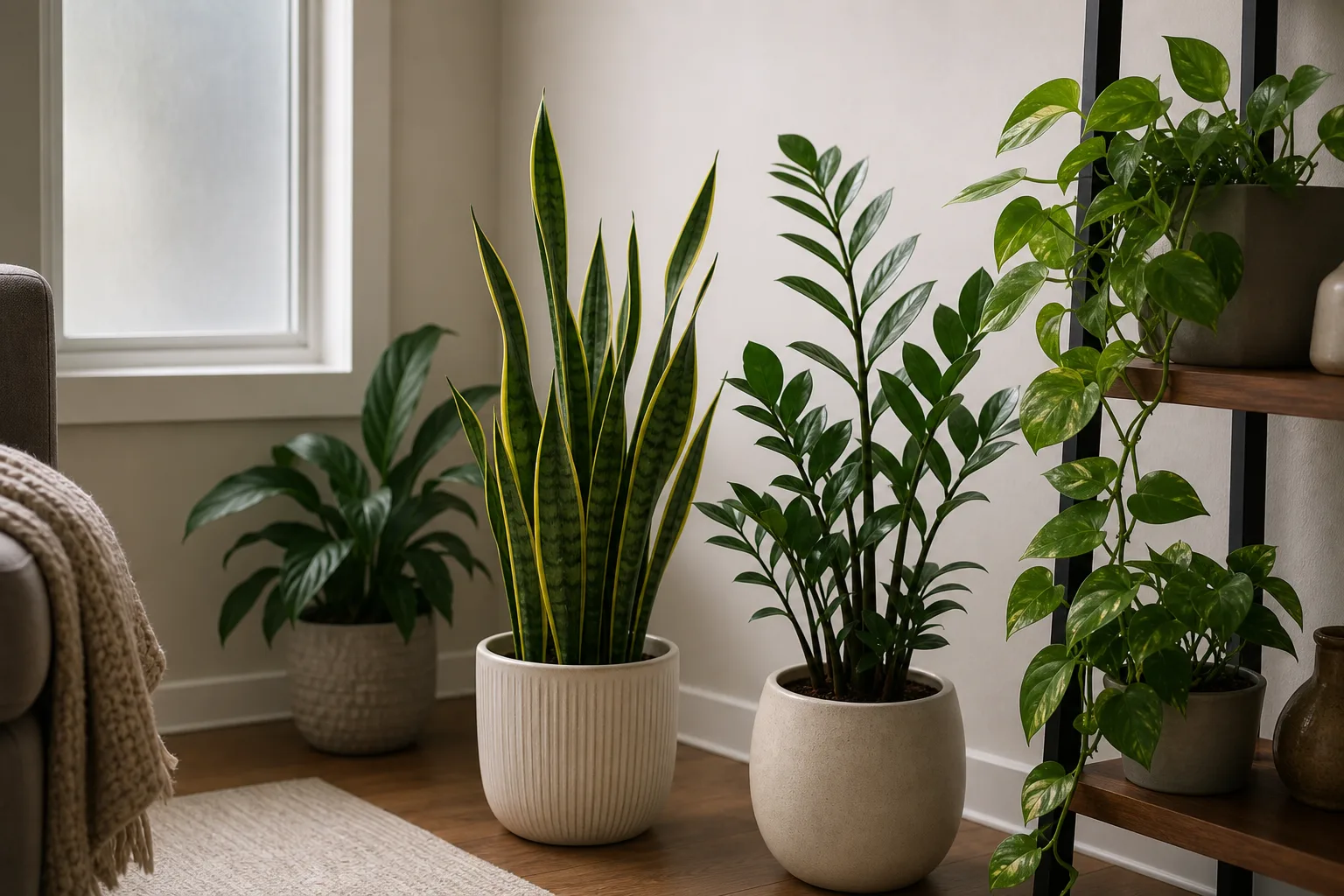
Not every room gets bright morning light or golden afternoon sun. North-facing rooms, basement apartments, offices with small windows, and living rooms shaded by neighboring buildings all share the same challenge: the light is soft, indirect, and sometimes dim. The right question is not “which plants need zero light” because no houseplant lives in true darkness. The better question is which plants can stay healthy and attractive in the kind of light these rooms actually offer.
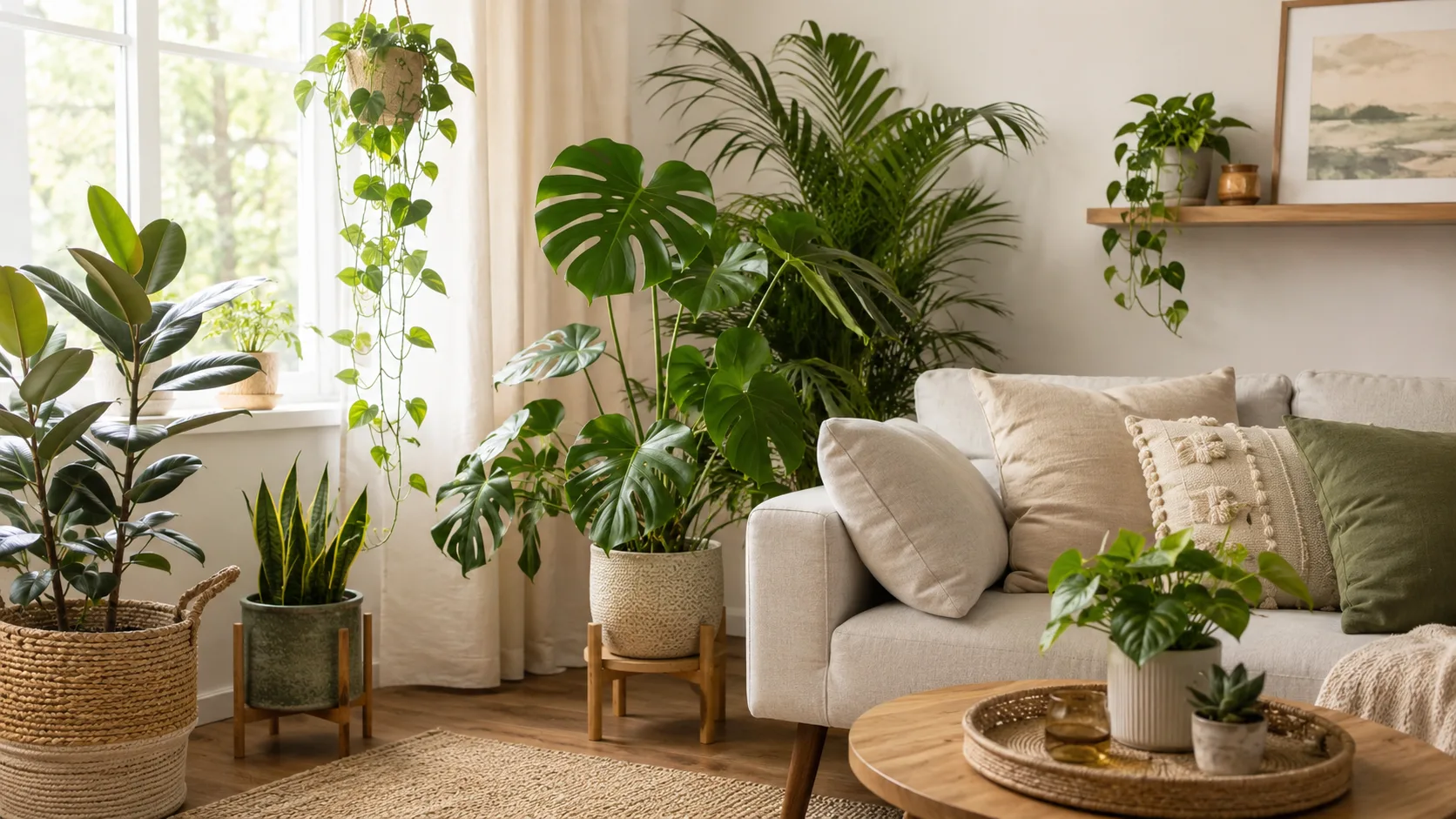
The 10 best indoor plants that grow without direct sunlight are snake plant, ZZ plant, pothos, spider plant, peace lily, cast iron plant, heartleaf philodendron, dracaena, parlor palm, and aglaonema. These ten were chosen because they stay healthy in mostly indirect, filtered, or low-intensity light without requiring a sun-drenched window. Florida IFAS and Iowa State Extension both list pothos, spider plant, snake plant, and cast iron plant among easy houseplants for low-light spots. (UF/IFAS Gardening Solutions)
One definition matters from the start. “Without direct sunlight” does not mean “in a pitch-black room.” It means in spaces where the sun’s rays never directly touch the leaves — north-facing rooms, spots several feet from a window, offices with filtered glass, or corners lit only by ambient daylight bouncing off walls. The Royal Horticultural Society puts this clearly: if there is enough natural light in the room for you to read a book comfortably, you can grow low-light houseplants. (RHS Gardening)
Quick Pick: Best Low-Light Plant for Your Situation
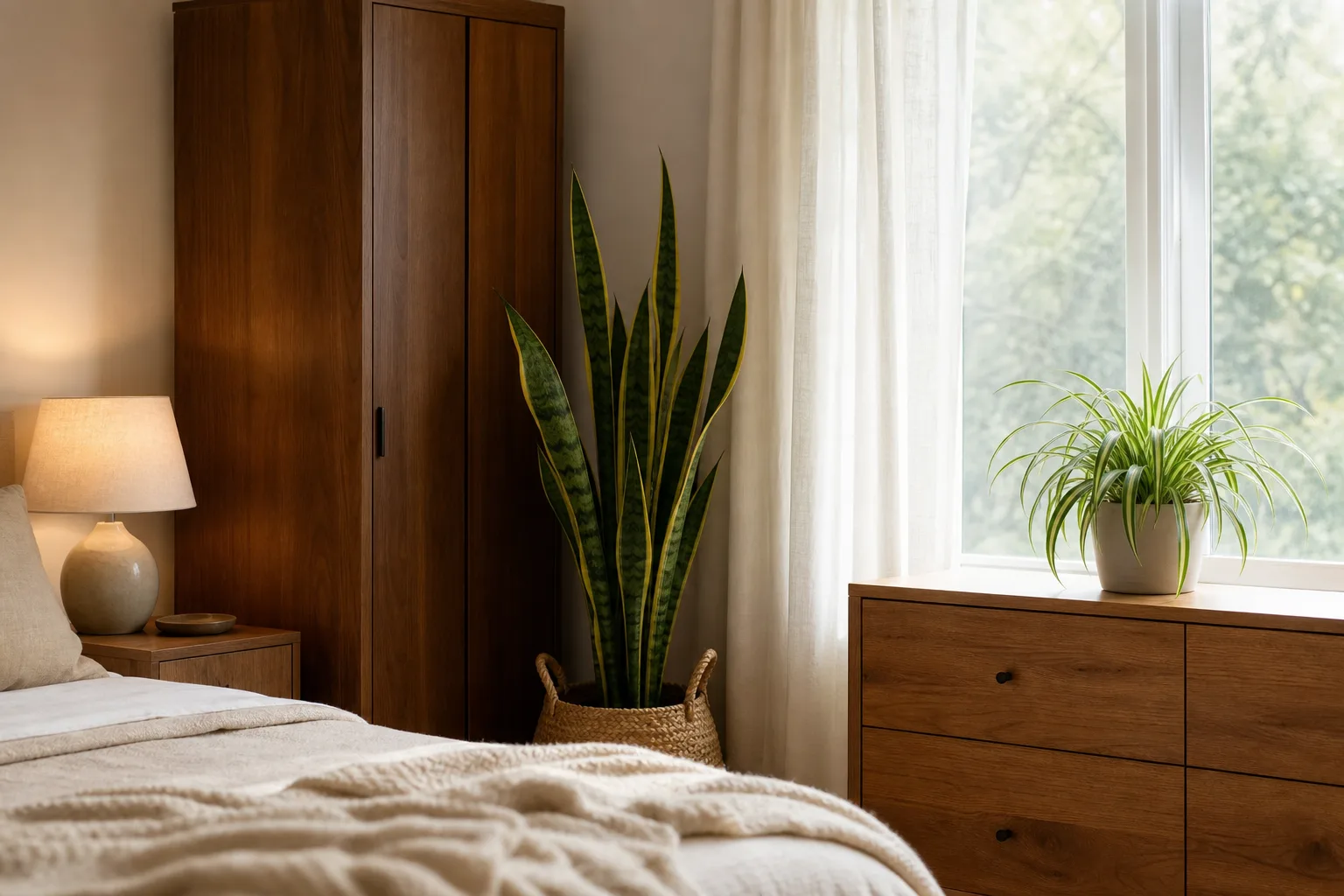
For the most forgiving low-light plant overall, choose snake plant. It tolerates dim corners, missed watering, and average indoor conditions better than almost any other houseplant. Its upright leaves add height without demanding floor space.
For the glossiest foliage in dim rooms, choose ZZ plant. Its waxy leaflets stay polished-looking in offices, north-facing bedrooms, and spaces lit mainly by artificial light. Wisconsin Horticulture Extension lists snake plant as the top suggestion for low light with little maintenance, noting that overwatering is its main enemy. (Wisconsin Horticulture Extension)
For trailing greenery in low light, choose pothos or heartleaf philodendron. Both cascade beautifully from shelves and hanging baskets while tolerating light levels that would make most trailing plants stretch and thin out. Purdue Extension includes philodendron, snake plants, spider plants, and ZZ plants among easy-care low-light picks for indoor spaces. (Purdue Extension)
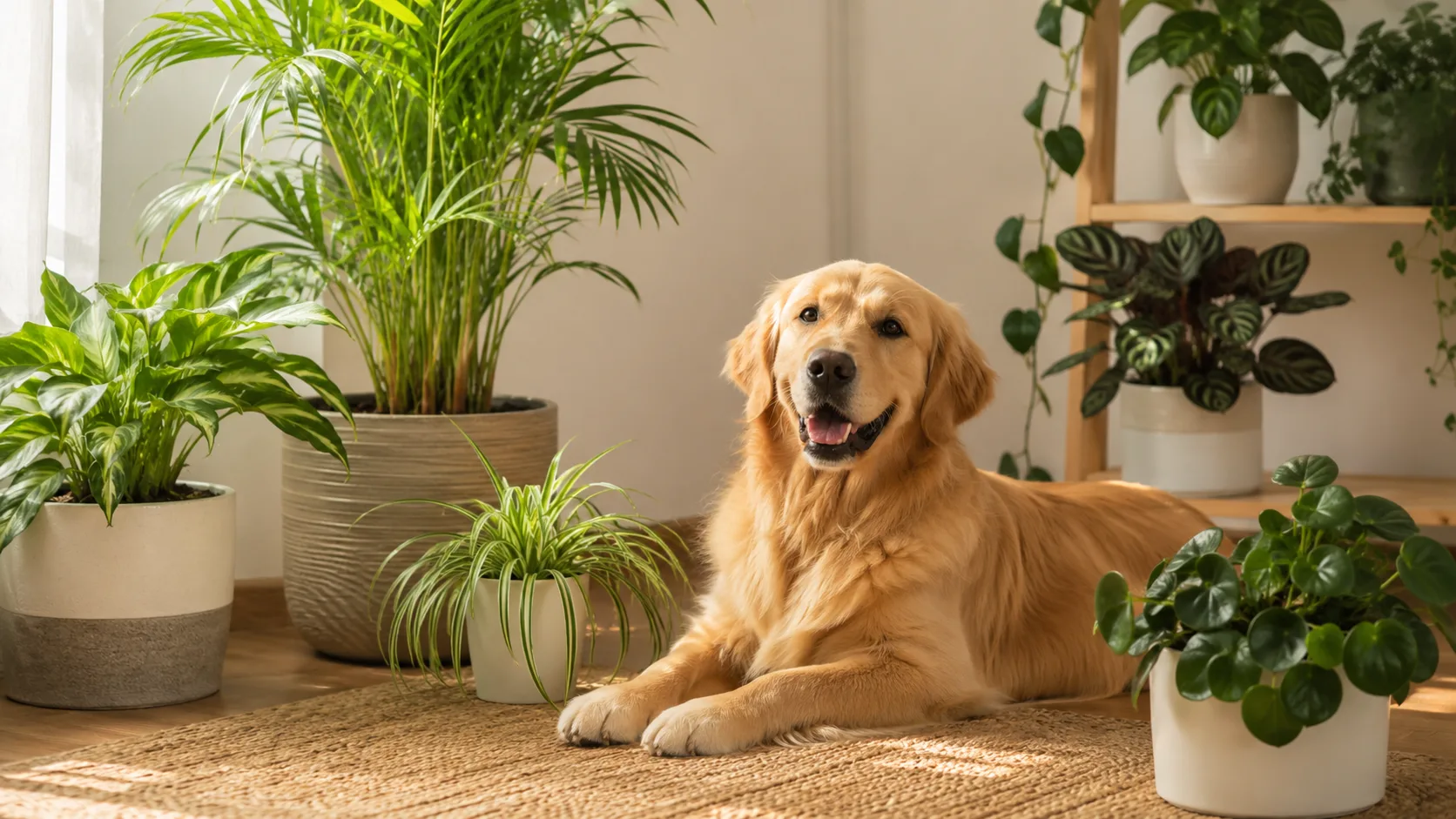
For pet-aware homes with low light, start with spider plant or cast iron plant. The ASPCA lists spider plant and cast iron plant (Aspidistra elatior) as non-toxic to dogs and cats. (ASPCA Toxic and Non-Toxic Plants) These are safer choices than pothos, philodendron, snake plant, ZZ plant, peace lily, dracaena, or ivy in homes with chewing pets. “Non-toxic” does not mean a pet should eat the plant freely—any plant material can still cause stomach upset. If a pet ingests any houseplant and shows symptoms, contact your veterinarian or ASPCA Animal Poison Control at 888-426-4435.
What “Without Direct Sunlight” Actually Means Indoors
Direct sunlight indoors means sunbeams that land directly on the leaves through a window and cast a sharp, defined shadow. South- and west-facing windows often deliver several hours of direct sun. East-facing windows give gentler morning direct sun. North-facing windows and spots several feet from any window usually deliver what growers call indirect or low light.
The key distinction is intensity, not quality. A room can feel bright to human eyes while providing almost no usable light for photosynthesis. The University of Maryland Extension notes that light intensity drops sharply with distance from a window—a plant moved from a windowsill to a spot six feet away may be receiving a small fraction of the original light. (University of Maryland Extension)
How to Test Light in Your Room
Use the shadow test at midday. Hold your hand about 12 inches above where you want to place the plant. If your hand casts a sharp, dark shadow, the spot gets bright light. If it casts a soft but visible shadow, the spot gets medium to low indirect light—good for snake plant, ZZ plant, pothos, and philodendron. If there is barely any shadow at all, the spot is very dim, and you should either add a grow light or stick with cast iron plant and ZZ plant as your best bets.
Why “Low Light” Does Not Mean “No Light”
Every green plant needs light for photosynthesis. The University of Georgia Extension explains that light is usually the first limiting factor for indoor plant success—more critical even than water or fertilizer because it drives all other plant processes. (CAES Field Report) In low light, plants grow more slowly, use water less quickly, and need less fertilizer. A plant that grows vigorously in bright indirect light may simply sit still for weeks in a dim corner. That is not necessarily a problem—it is the plant adapting to the energy it can capture.
How We Selected These Ten
These ten were chosen for a balance of low-light tolerance, indoor adaptability, nursery availability, care practicality, and usefulness in real dim rooms. The list prioritizes plants that maintain attractive foliage in lower light rather than plants that merely survive but become leggy and sparse.
We focused on species with established LeafyPixels care hubs so readers can follow one plant pick with ongoing watering, light, and troubleshooting guides. English ivy, lucky bamboo, prayer plant, nerve plant, Boston fern, and staghorn fern are often suggested for low light but either demand high humidity, attract pests in dry indoor air, or lack dedicated LeafyPixels care hubs. They are excluded here not because they cannot work, but because this list prioritizes lower-maintenance picks with the strongest on-site care follow-up.
Light, Water, and Resilience Criteria
Each plant was evaluated on:
- Light threshold: how dim the room can be before growth stalls or leaves decline
- Watering forgiveness: whether the plant tolerates missed watering, which matters more in low light because soil dries slowly
- Leaf retention in low light: whether foliage stays compact and attractive or becomes sparse and stretched
- Indoor humidity needs: plants requiring high humidity were deprioritized for average dry indoor air
- Pet safety: ASPCA toxicity data included for households with cats and dogs
The 10 Best Indoor Plants That Grow Without Direct Sunlight
1. Snake Plant
Best for: dim corners, forgetful waterers, narrow spaces, bedrooms Difficulty: Very easy Light: Low to bright indirect; tolerates dim conditions better than most plants Water: Dry thoroughly between waterings Best placement: Floor corner, bedroom, hallway, office Pet safety: Toxic if ingested—keep out of reach
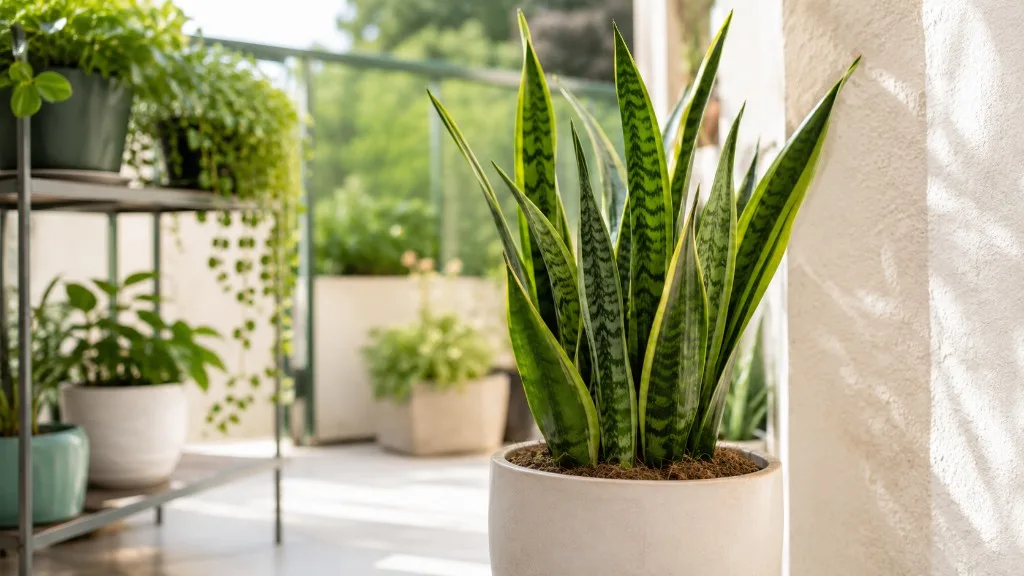
Snake plant is the most forgiving low-light houseplant available. Its thick, upright leaves store water and tolerate dim rooms, missed watering, and average indoor humidity that would stress out ferns and calatheas. Wisconsin Horticulture Extension identifies snake plant as the top pick for low light and minimal maintenance, noting overwatering as the main threat. (Wisconsin Horticulture Extension)
The plant grows in an upright, clumping form that adds height without consuming floor space, making it useful for narrow hallways, beside furniture, and in tight corners. It tolerates fluorescent office lighting better than most leafy tropicals. Growth slows considerably in dim rooms, but the foliage stays compact and attractive rather than stretching toward distant light.
Why it works: Water stored in thick leaves buffers dry spells; architecture stays crisp in low light. Care tip: Use a pot with drainage holes and a gritty, fast-draining mix—snake plant rots in soggy soil. Common mistake: Watering on a weekly schedule instead of checking whether the soil has dried. Avoid this plant if: Chewing pets have access to the leaves.
Useful care guides:
2. ZZ Plant
Best for: windowless offices, dim apartments, frequent travelers Difficulty: Very easy Light: Low to bright indirect; handles artificial office light Water: Let soil dry well between waterings Best placement: Office desk, dark bedroom, hallway Pet safety: Toxic if ingested—keep out of reach
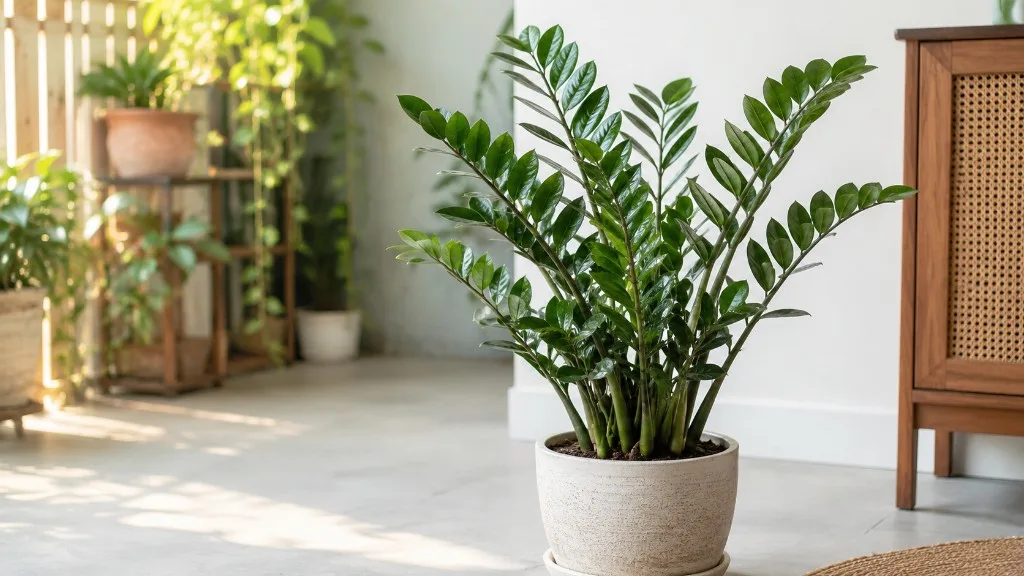
ZZ plant is the closest thing to a plant that thrives on neglect in low light. Its underground rhizomes store water, so it handles dry spells and dim conditions that would kill most leafy houseplants. The waxy leaflets stay glossy and dark even in rooms lit mainly by overhead fluorescent lights — which is why ZZ plants have become a staple of office interiors, lobbies, and windowless retail spaces.
It grows slowly, which is actually an advantage in low light. A fast-growing plant in dim conditions stretches toward light and becomes leggy. A ZZ plant simply sits, holding its form and requiring almost nothing. Water it only when the soil has dried well into the pot—every few weeks in low light is typical.
Why it works: Rhizomes store water and energy, so the plant can wait through dry, dim periods without visible decline. Care tip: Lift the pot after watering to learn the wet weight; a dry ZZ pot feels noticeably lighter. Common mistake: Watering because the glossy leaves still look perfect while the roots sit in wet soil. Avoid this plant if: Pets can reach the foliage, or if you want a plant that shows visible growth.
Useful care guides:
3. Pothos
Best for: shelves, hanging baskets, fast visual payoff in low light Difficulty: Easy Light: Low to bright indirect; variegated types need more light to keep patterning Water: Let top half of soil dry, then water thoroughly Best placement: Shelf, bookcase, hanging basket, bathroom ledge Pet safety: Toxic if ingested—keep out of reach
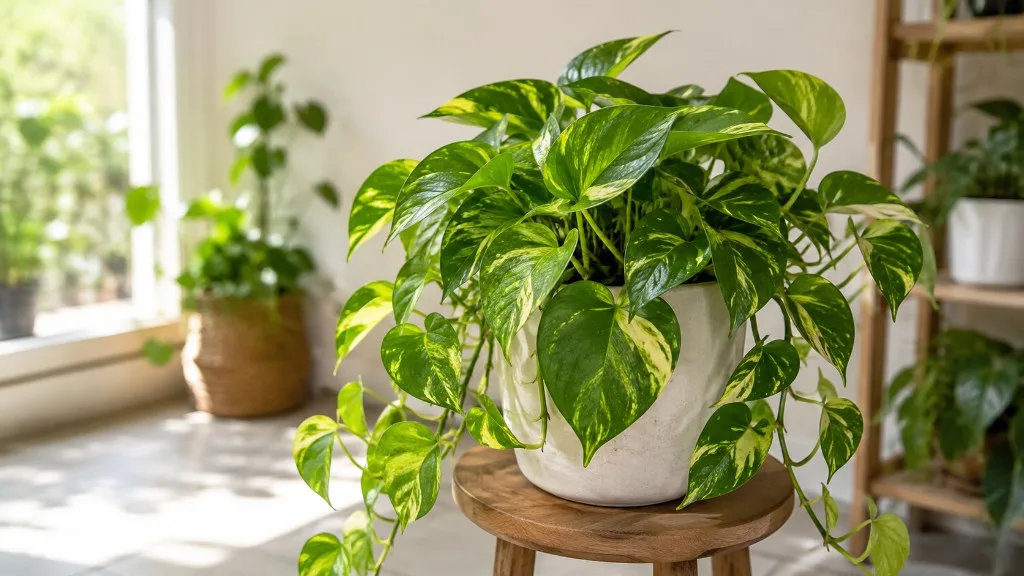
Pothos is the best trailing plant for rooms without direct sunlight. Its vines can grow several feet long even in modest light, and it gives clear visual feedback—leaves droop slightly when the plant is thirsty, then perk up within hours of watering. That feedback loop makes pothos especially useful for people who are still learning to read soil moisture.
Golden pothos holds its bright yellow-green variegation better than some variegated plants in low light, but in very dim rooms, new leaves may emerge greener and smaller as the plant maximizes limited light. This is not a health problem—it is an adaptation. Solid green varieties like jade pothos are even more shade-tolerant. UF/IFAS Gardening Solutions lists pothos among low-maintenance houseplants for spots that do not get direct sunlight. (UF/IFAS Gardening Solutions)
Why it works: Adapts to low light without dying; droops when thirsty to remind you to water. Care tip: Trim long, sparse vines to encourage fuller growth near the pot. Common mistake: Keeping the soil constantly wet because the plant “looks tropical.” Avoid this plant if: You have cats or dogs that chew trailing vines within reach.
Useful care guides:
4. Spider Plant
Best for: pet-friendlier low-light homes, hanging baskets, shelves Difficulty: Easy Light: Bright indirect preferred; tolerates moderate to low indirect light Water: Let top inch of soil dry between waterings Best placement: Hanging basket near a north window, shelf in a bright-ish dim room Pet safety: Generally non-toxic to cats and dogs; chewing may still cause stomach upset
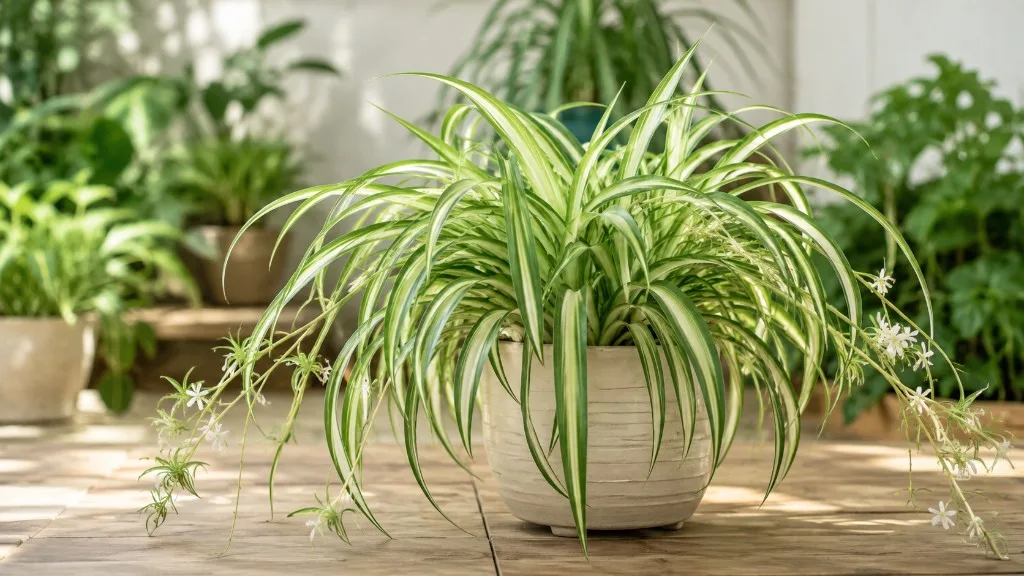
Spider plant is one of the few low-light-tolerant plants that the ASPCA lists as non-toxic to cats and dogs, which makes it a safer choice for pet-conscious homes. Its arching green-and-white leaves grow quickly and produce baby plantlets on long stems, giving you free new plants to share or expand your collection.
Spider plant grows best in bright indirect light, but it adapts to moderate and lower light better than many variegated plants. Brown leaf tips are common—they usually trace to dry air, mineral buildup from tap water, or inconsistent watering, not necessarily to poor light. The plant remains healthy even with some tip browning. Wisconsin Horticulture Extension notes spider plant is extremely easy to grow and propagate. (Wisconsin Horticulture Extension)
Why it works: Tolerates moderate to low light while staying pet-safer than pothos or philodendron. Care tip: Flush the soil with water occasionally if your tap water is hard or mineral-heavy. Common mistake: Confusing brown tips (harmless and common) with disease and overcorrecting. Avoid this plant if: Your dim room is also very dry—spider plant handles one stressor better than two.
Useful care guides:
5. Peace Lily
Best for: visible wilt feedback, darker rooms with more attentive owners Difficulty: Easy to medium Light: Low to bright indirect; blooms better with more light Water: Water when the top of the soil begins to dry—before long dry spells Best placement: Living room corner, bedroom, office with filtered light Pet safety: Toxic and irritating if ingested—keep out of reach
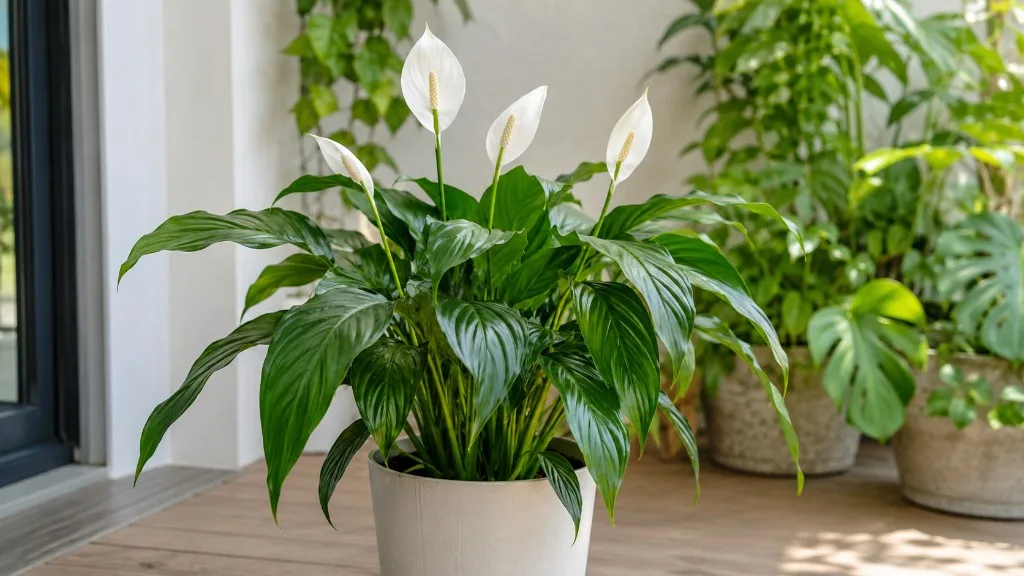
Peace lily is the most communicative low-light plant. It does not slowly fade—it wilts dramatically when it needs water, which teaches new plant owners exactly when to check the soil. After watering, it usually recovers within hours. That visible signal makes peace lily a better teacher than plants that decline silently.
It tolerates lower light than many flowering plants and is one of the few that can bloom in modest indirect light, though flowers are less frequent and smaller in dim rooms. The dark green, glossy foliage stays attractive year-round even without blooms. Peace lily is not as drought-tolerant as snake plant or ZZ plant, so it works best for owners who can check soil weekly even in low-light rooms.
Why it works: Clear wilt signal prevents overwatering and builds the soil-check habit. Care tip: After watering, let excess drain completely—peace lily hates sitting in water. Common mistake: Assuming peace lily is as drought-tolerant as snake plant because it handles low light. Avoid this plant if: You travel frequently or have chewing pets; stick with ZZ plant or spider plant.
Useful care guides:
6. Cast Iron Plant
Best for: the dimmest corners, quiet durability, pet-conscious homes Difficulty: Easy Light: Low to medium indirect; avoid direct sun which scorches leaves Water: Let soil partly dry between waterings Best placement: Dark hallway, dim living room corner, north-facing entryway Pet safety: Non-toxic to cats and dogs per ASPCA (Aspidistra elatior)
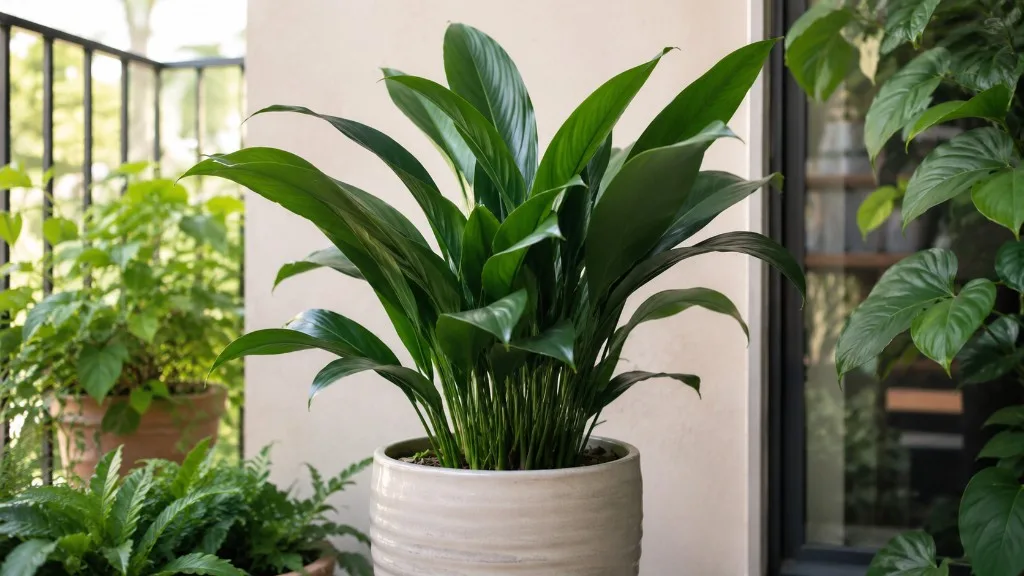
Cast iron plant earned its name honestly. It was a Victorian houseplant staple because it survived dark rooms, coal-fire pollution, gas lighting fumes, and irregular care. Modern homes are gentler, and cast iron plant handles them with quiet resilience. Its broad, dark green leaves arch outward from the soil in a tidy fountain shape that works well in entryways, dark hallways, and dim living room corners.
The RHS lists cast iron plant as tough and hard to kill, noting its particular value in shady rooms. (RHS Gardening) The trade-off is growth speed—cast iron plant grows slowly and does not fill out quickly. Buy a plant that already looks close to the size you want. Avoid placing it in direct sun, which can scorch the leaves.
Why it works: Survives neglect, dim light, and dry air that kills most tropical foliage plants. Care tip: Wipe broad leaves monthly to remove dust that blocks limited light. Common mistake: Over-caring—frequent watering and fertilizer on a slow-growing plant causes root problems. Avoid this plant if: You want fast growth or dramatic seasonal change.
Useful care guides:
7. Heartleaf Philodendron
Best for: soft trailing vines in shelves, cabinets, and hanging pots Difficulty: Easy Light: Bright indirect best; tolerates low light with slower growth Water: Let upper soil dry, then water thoroughly Best placement: Shelf edge, cabinet top, hanging basket, bookcase Pet safety: Toxic if ingested—keep out of reach
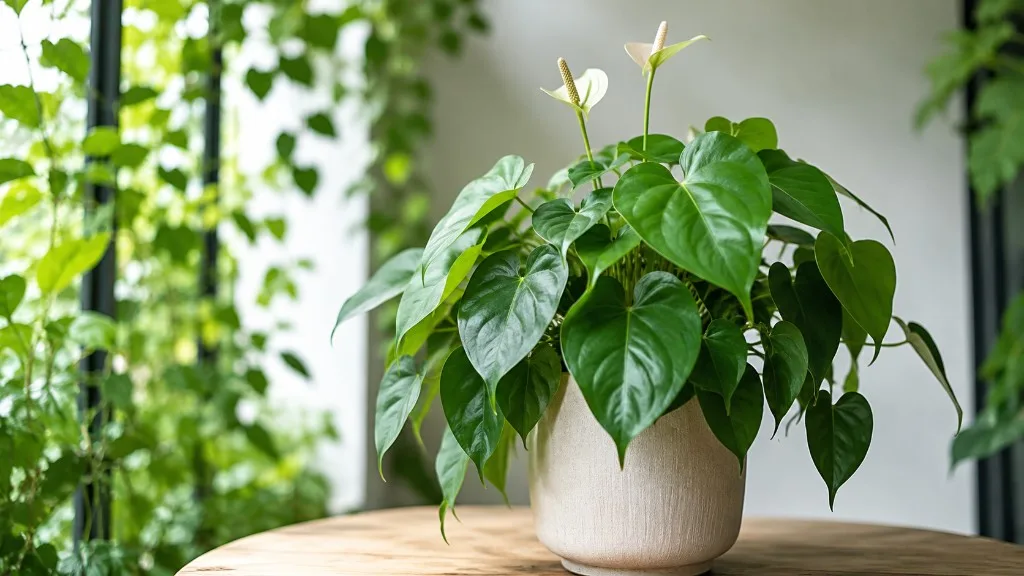
Heartleaf philodendron is a close rival to pothos for easy trailing greenery in low light, with softer, more heart-shaped leaves. It grows steadily in moderate to low indirect light, though growth slows in dimmer spots. The leaves stay darker and more compact in lower light than pothos, which can be an advantage if you prefer a tidier look.
Purdue Extension singles out philodendron as a low-light, easy-care houseplant alongside snake plant, spider plant, and ZZ plant. (Purdue Extension) Water when the upper soil has dried—heartleaf philodendron prefers drying out between waterings rather than staying constantly damp. Yellow leaves with wet soil usually mean too much water, not too little.
Why it works: Dense, soft foliage tolerates lower light while staying fuller than pothos in some dim conditions. Care tip: Trim leggy vines to keep growth bushy near the pot rather than sparse and stretched. Common mistake: Placing within pet reach—heartleaf philodendron is toxic to cats and dogs. Avoid this plant if: Chewing pets can access trailing vines; choose spider plant instead.
Useful care guides:
8. Dracaena
Best for: sculptural height in narrow, dim corners Difficulty: Easy Light: Low to bright indirect; thinner leaves in very dim rooms Water: Let soil partially dry between waterings Best placement: Floor corner, beside furniture, hallway, bedroom Pet safety: Toxic to cats and dogs per ASPCA
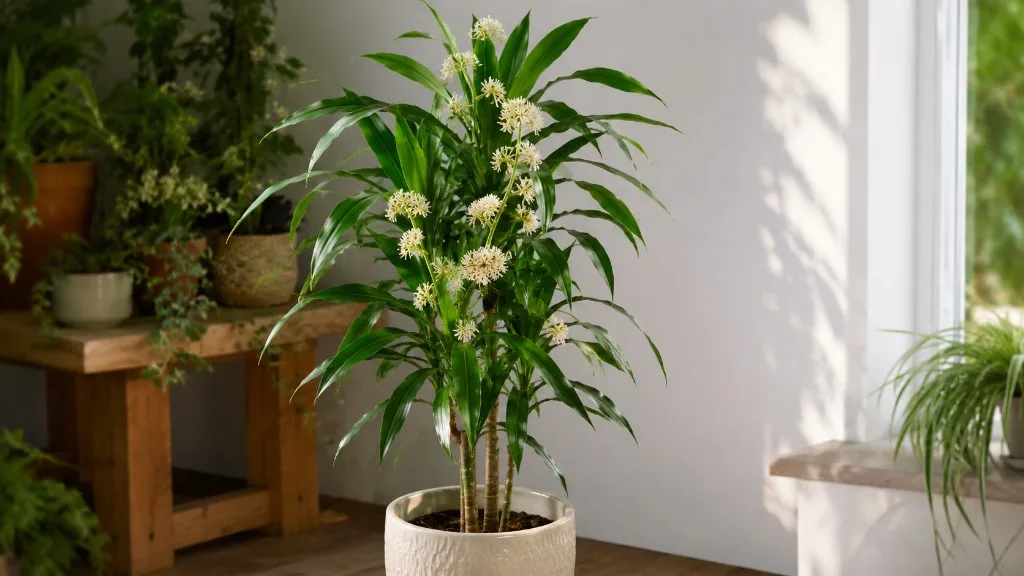
Dracaena gives you height without width—a rare combination for low-light plants. Its slim canes topped with spiky or strappy leaves add vertical structure in corners that cannot accommodate the broad spread of a monstera or palm. Dracaena marginata, with its thin red-edged leaves, is especially useful for narrow spaces. Dracaena fragrans (corn plant) has broader leaves and a more traditional tree shape.
Dracaena tolerates a wide light range, from low to bright indirect. In very dim rooms, leaves may be thinner and canes may lean toward distant light—rotate the pot every few weeks to keep growth even. Dracaena is more sensitive to overwatering than to low light. Let soil partially dry between waterings, and never let the pot sit in a water-filled saucer.
Why it works: Vertical height in low light without occupying the floor space of a bushier plant. Care tip: Use filtered or distilled water if your tap water causes brown leaf tips. Common mistake: Placing in a cachepot with no drainage—standing water kills dracaena faster than dim light. Avoid this plant if: Pets chew leaves within reach; ASPCA lists dracaena species as toxic.
Useful care guides:
9. Parlor Palm
Best for: soft tropical texture in moderate to low indirect light Difficulty: Easy to medium Light: Medium to low indirect; avoid direct sun Water: Keep soil lightly moist; do not let it dry completely Best placement: Living room with filtered light, bedroom, north-facing room Pet safety: Generally non-toxic to cats and dogs per ASPCA
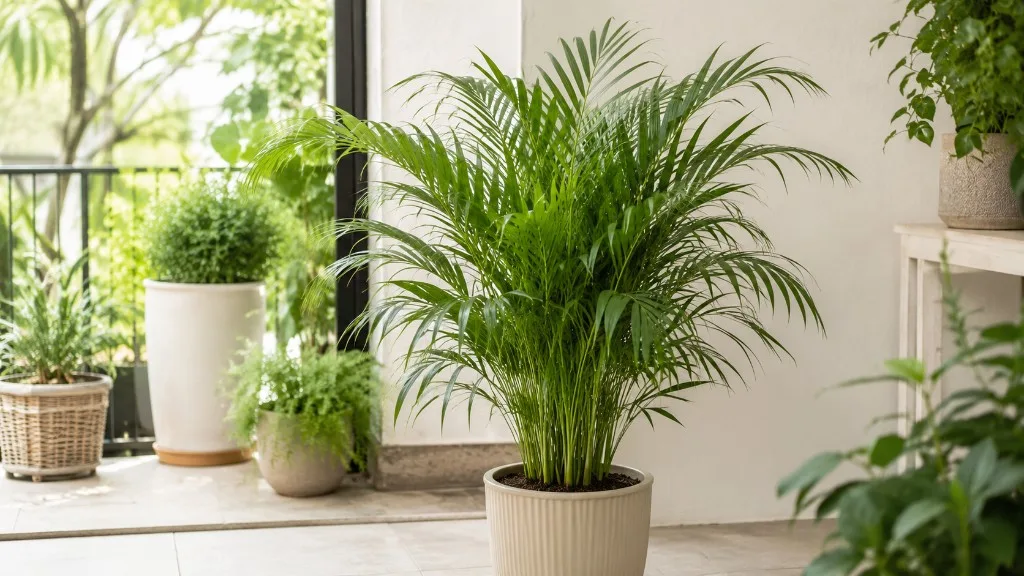
Parlor palm is a true low-light palm—unlike areca or kentia palms, which prefer bright indirect light. Its delicate, arching fronds have been used as indoor plants since the Victorian era, when they decorated parlors lit by gas lamps and filtered window light. It grows slowly and stays compact, typically reaching three to four feet indoors over several years.
Parlor palm needs more consistent moisture than snake plant or ZZ plant, but less than ferns. Water when the top inch of soil feels dry. It does not tolerate completely dry soil for long, but also rots if kept soggy. A pot with drainage and a well-aerated mix keep the balance right.
Why it works: Genuinely shade-tolerant palm that stays compact and does not demand bright windows. Care tip: Keep away from heating vents—dry hot air browns the frond tips quickly. Common mistake: Treating it like a drought-tolerant plant—parlor palm needs more consistent moisture than snake plant or ZZ plant. Avoid this plant if: You want a large statement palm; parlor palm stays modest in size.
Useful care guides:
10. Aglaonema (Chinese Evergreen)
Best for: colorful foliage in dim rooms, desks, tabletops Difficulty: Easy Light: Low to medium indirect; colored varieties hold pattern better with a bit more light Water: Let soil partly dry between waterings Best placement: Desk, side table, shelf in a north-facing room, bedroom Pet safety: Toxic to cats and dogs per ASPCA
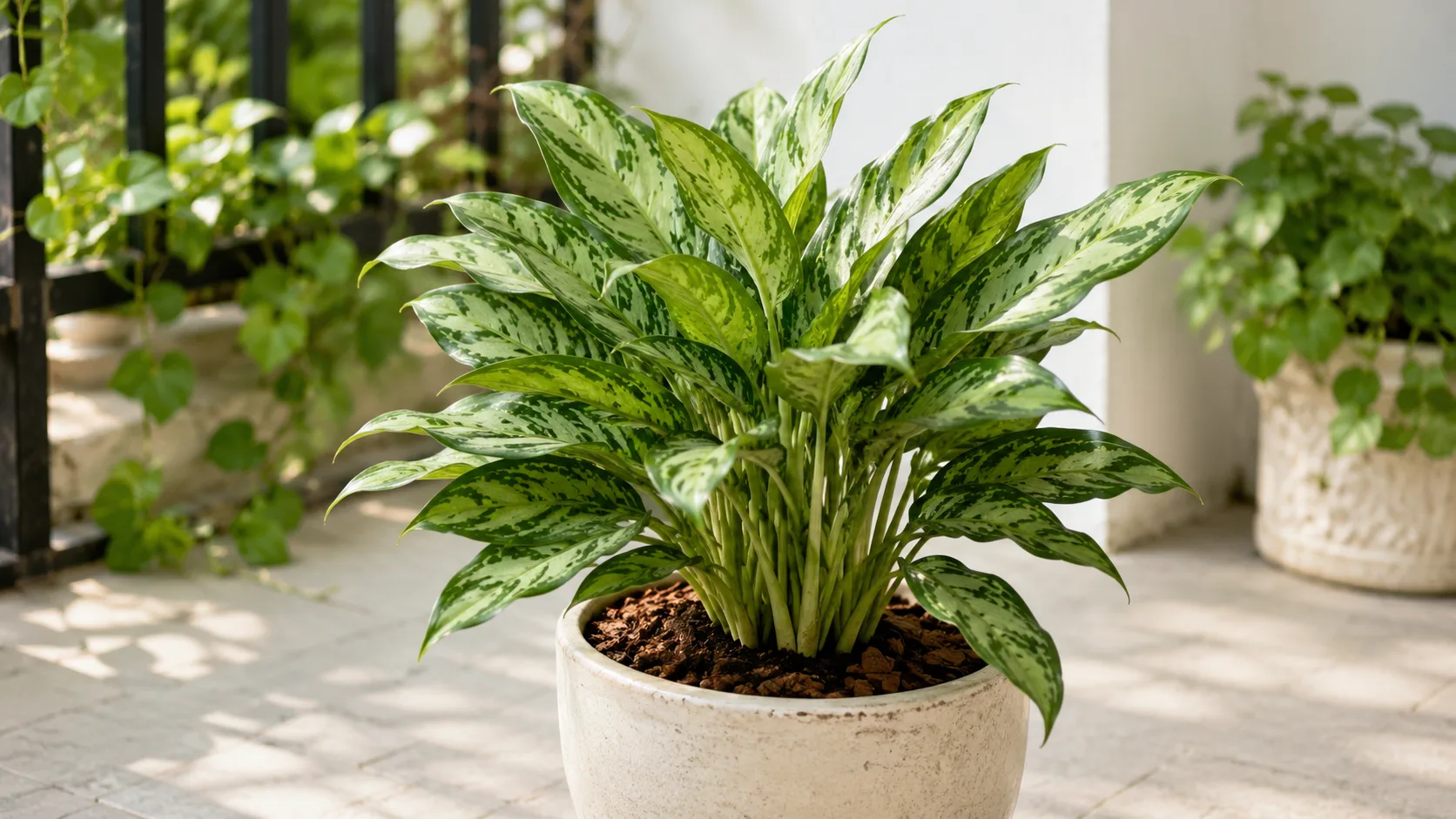
Aglaonema proves that low-light plants do not have to be plain green. Its leaves come in silver, pink, red, cream, and near-white patterns depending on variety, and most aglaonemas hold their color reasonably well in moderate to low indirect light. Silver-leaved varieties like ‘Silver Bay’ and ‘Silver Queen’ are especially shade-tolerant. Pink and red varieties need a bit more light to maintain their color—a north-facing window or a spot within a few feet of an east window usually works.
Aglaonema grows slowly but steadily, stays compact, and does not demand high humidity. The RHS recommends aglaonema for shady rooms alongside aspidistra and sansevieria. (RHS Gardening) Water when the top portion of soil has dried. Yellow lower leaves with wet soil usually mean overwatering rather than a nutrient problem.
Why it works: Patterned, colorful foliage survives in lower light than almost any other colorful houseplant. Care tip: Wipe leaves monthly—dust cuts into the limited light the plant already receives. Common mistake: Choosing a bright pink variety for a very dim corner and watching it fade to green. Avoid this plant if: Chewing pets have access; ASPCA lists aglaonema as toxic.
Useful care guides:
Indoor Plants Without Sunlight — Comparison Table
| Plant | Best For | Light Tolerance | Watering | Difficulty | Pet Safety |
|---|---|---|---|---|---|
| Snake plant | Dim corners, forgetful waterers | Low to bright indirect | Dry thoroughly between | Very easy | Toxic |
| ZZ plant | Windowless offices, travelers | Low to bright indirect | Dry well between | Very easy | Toxic |
| Pothos | Trailing vines, shelves | Low to bright indirect | Top half dry, then water | Easy | Toxic |
| Spider plant | Pet-conscious, hanging baskets | Moderate to low indirect | Top inch dry between | Easy | Generally non-toxic |
| Peace lily | Visible wilt feedback | Low to bright indirect | Before long dry spells | Easy to medium | Toxic/irritating |
| Cast iron plant | Darkest corners, pet homes | Low to medium indirect | Partly dry between | Easy | Non-toxic (ASPCA) |
| Heartleaf philodendron | Shelves, soft trailing vines | Low to bright indirect | Upper soil dry, then water | Easy | Toxic |
| Dracaena | Narrow corners, height | Low to bright indirect | Partly dry between | Easy | Toxic |
| Parlor palm | Soft tropical texture | Medium to low indirect | Lightly moist, not dry | Easy to medium | Generally non-toxic |
| Aglaonema | Colorful foliage, desks | Low to medium indirect | Partly dry between | Easy | Toxic |
How to Care for Plants in Low-Light Rooms
Light shapes every other care decision. In dim rooms, plants grow more slowly, use less water, and need less fertilizer. The most common mistake with low-light plants is treating them the same way you would treat a plant in a bright window.
Watering in Low Light
Plants in low light use water more slowly because photosynthesis runs at a reduced pace. Soil stays wet longer, and watering on a fixed weekly schedule almost always leads to overwatering. Check the soil with your finger or a moisture meter each time before watering. For snake plant, ZZ plant, cast iron plant, and dracaena, let the soil dry well into the pot before watering. For peace lily, parlor palm, and spider plant, water when the top layer begins to feel dry.
Purdue Extension consumer horticulture specialist Karen Mitchell emphasizes that overwatering is one of the biggest killers of houseplants and advises watering when the top inch of soil is dry, not on a fixed schedule. (Purdue Extension)
Drainage and Soil
Drainage matters even more in low light because wet soil takes longer to dry. Use pots with drainage holes. If a decorative cachepot has no hole, keep the plant in a nursery pot inside it and empty the outer pot after watering. A well-draining potting mix with perlite, bark, or coarse sand helps prevent compacted, soggy soil.
Dust, Rotation, and Fertilizer
Dust blocks light. In bright rooms, it slows growth slightly. In dim rooms, it can make the difference between barely enough light and not enough light. Wipe broad leaves monthly with a damp cloth. For plants with many small leaves like parlor palm and spider plant, a gentle shower or sink rinse every few months clears dust and helps prevent spider mites.
Rotate pots a quarter turn every few weeks so all sides of the plant receive ambient light. In dim rooms, plants naturally lean toward the nearest light source, and rotation keeps growth even.
Fertilize sparingly. Low-light plants grow slowly and need less nutrition. A half-strength balanced fertilizer once a month during spring and summer is enough. Skip fertilizer entirely in fall and winter when growth slows further.
When to Add a Grow Light
If your plant develops long, pale, widely spaced leaves that look stretched toward light, the room is too dim for that plant even with the best care. A full-spectrum LED grow light on a timer can supplement natural light without moving the plant. Place the light close enough to the canopy—within 12 to 18 inches for most smaller fixtures—and run it for 10 to 12 hours daily. See Grow lights complete guide for indoor plants for placement, intensity, and timer basics.
Common Mistakes With Low-Light Indoor Plants
Watering on a calendar. This is the number one cause of low-light plant death. Soil dries slowly in dim rooms, and watering weekly whether the plant needs it or not leads to root rot.
Expecting fast growth. Low-light plants grow slowly. A snake plant in a dim corner may produce only a few new leaves per year. That is normal, not a sign of poor health.
Buying variegated plants for very dim rooms. Variegated leaves have less chlorophyll and need more light to support themselves. Golden pothos and silver aglaonema hold pattern better than most, but in very dim rooms, solid green varieties stay healthier.
Moving plants between extremes. A plant that has been in dim light for months should not be moved suddenly into bright direct sun. Leaves that developed in low light are thinner and burn easily. Acclimate gradually over a week or two.
Ignoring pet safety. Many popular low-light plants—snake plant, ZZ plant, pothos, philodendron, peace lily, dracaena, aglaonema—are toxic or irritating to cats and dogs. In pet homes, stick with spider plant, cast iron plant, and parlor palm, or place toxic plants on high shelves and in hanging baskets fully out of reach.
Choosing plants for dark corners without a backup plan. If the room is so dim you need a lamp to read comfortably during the day, even the most shade-tolerant plants will decline over time. Add a grow light or accept that no plant will thrive there.
Where to Go Next
Open the next page based on what you picked:
Species deep care
- Snake plant hub
- ZZ plant hub
- Pothos hub
- Spider plant hub
- Peace lily hub
- Cast iron plant hub
- Philodendron hub
- Dracaena hub
- Parlor palm hub
- Aglaonema hub
Related guides
- Grow lights complete guide for indoor plants
- How to water indoor plants the right way
- Low-maintenance indoor plants for busy homes
- Houseplant humidity guide
- 7 calming indoor plants to help you sleep better
Conclusion
Start with the room you have, not the room you wish you had. If your space is north-facing, shaded by buildings, or several feet from a window, choose from the plants that actually work in those conditions rather than hoping a bright-light plant adapts. Snake plant, ZZ plant, cast iron plant, and aglaonema handle the dimmest spots. Pothos, philodendron, and spider plant give you trailing greenery in moderate low light. Peace lily and parlor palm add softness and texture with a bit more moisture attention. Dracaena gives height without needing a sunny window.
Once you pick one or two, open the species hub linked above for ongoing watering, light, and troubleshooting guides. Match the plant to the light, water only when the soil tells you to, and give the plant time—low-light plants grow slowly, and slow growth is a healthy adaptation, not a problem.