Pet-Safe Houseplants: 12 Non-Toxic Indoor Plants Safe for Cats and Dogs
Discover 12 ASPCA-verified pet safe houseplants that are non-toxic to cats and dogs, with care tips, safe swaps for toxic plants, and placement strategies for pet households.
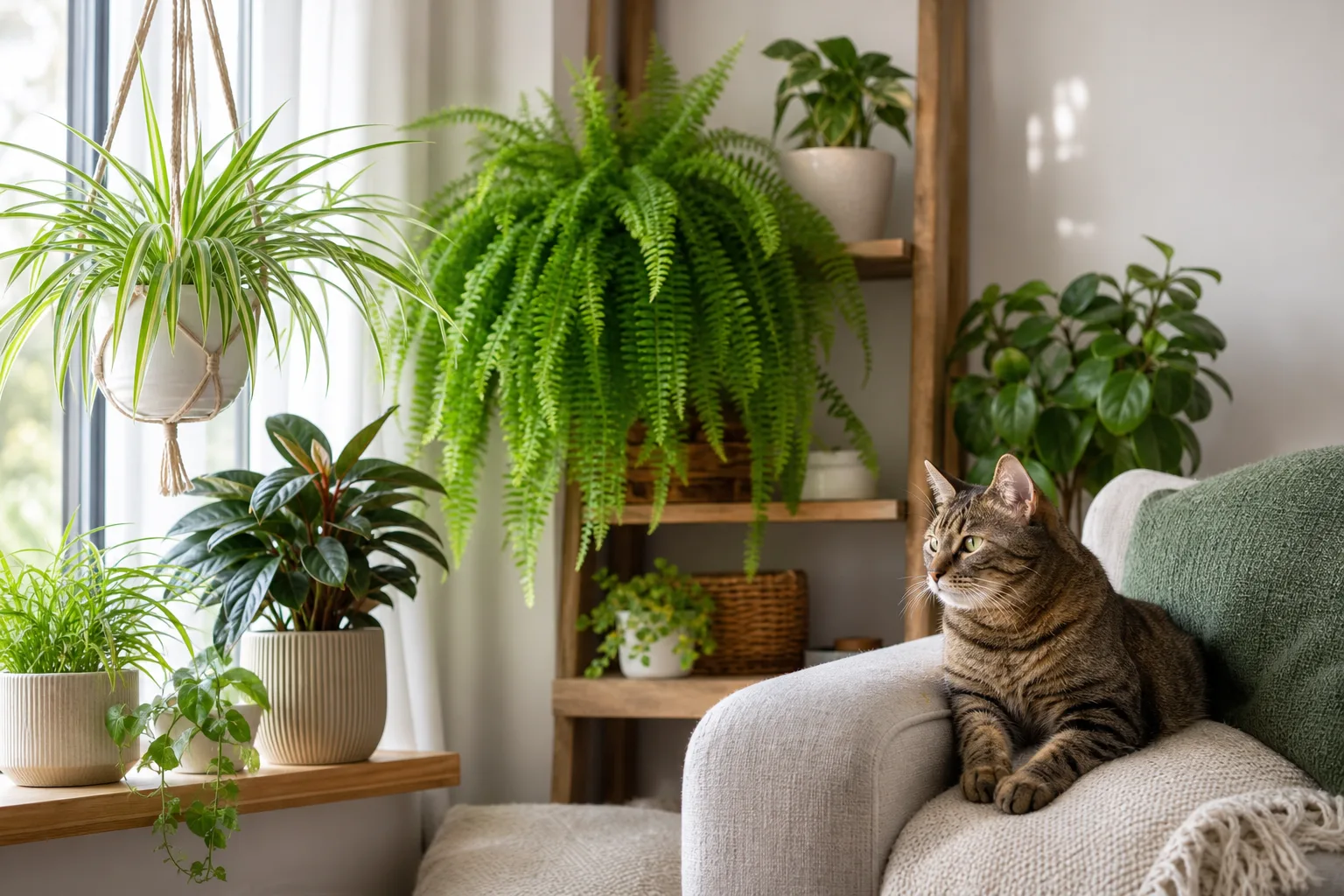
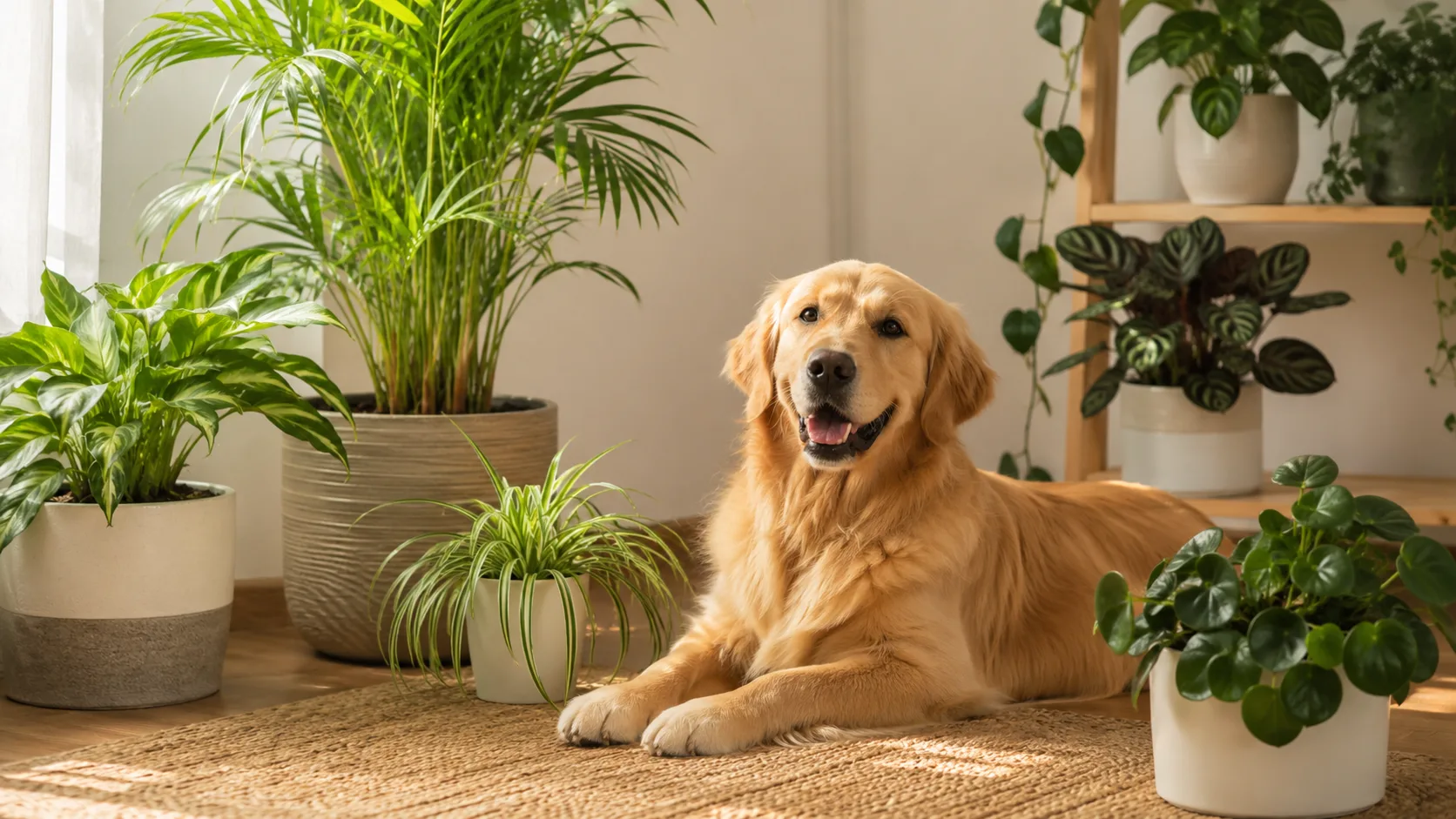
The ASPCA lists over 400 plants as toxic to cats and dogs — and many of them, including pothos, peace lily, dieffenbachia, and snake plant, sit in millions of American homes looking innocent on bookshelves and windowsills. If your cat chews a leaf or your dog knocks over a pot and sniffs the soil, you could be dialing a veterinary emergency line within the hour. The good news: you do not need a plant-free home. Dozens of genuinely beautiful, easy-care houseplants are non-toxic to both species, and this guide gives you 12 ASPCA-verified pet safe houseplants to build from — plus direct swaps for the toxic plants you may already own.
This guide is not a complete list of every non-toxic plant in existence. It is a curated, practical set of 12 plants that work across different light levels, room types, and care commitment levels — so you can pick what fits your home without compromising on safety or style. For the evidence basis behind claims like “air-purifying” that often appear in pet-plant roundups, read top 7 scientifically proven benefits of indoor plants.
What “Non-Toxic” Actually Means — and What It Doesn’t
The ASPCA Animal Poison Control Center (APCC) maintains the most comprehensive plant toxicity database in North America, drawing on clinical case records, veterinary toxicology literature, and plant chemistry research. Their classifications assess cats and dogs separately and cover three risk levels:
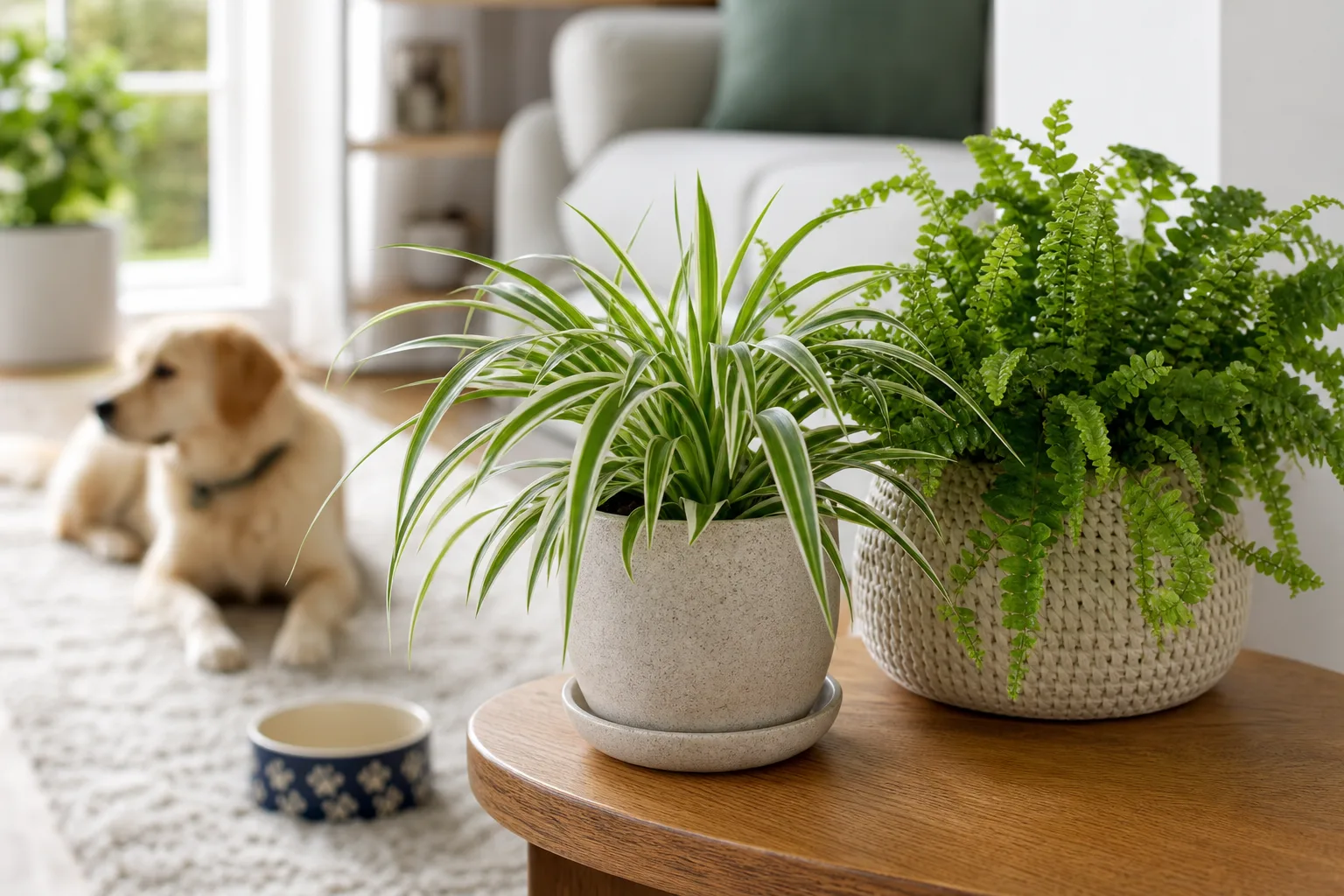
- Non-toxic: No known toxic principle. Ingestion is not expected to cause systemic harm. Minor gastrointestinal upset can occur from eating any fibrous foreign material, but this is a mechanical response, not a toxicity reaction.
- Mildly toxic: Contains compounds that cause localized or transient effects — most commonly drooling, vomiting, or diarrhea. Uncomfortable but rarely life-threatening with prompt care.
- Moderately to severely toxic: Contains compounds capable of causing cardiac arrhythmias, kidney failure, neurological effects, or death. Requires immediate veterinary attention.
An important nuance: “non-toxic” does not mean “edible” or “consequence-free.” A kitten that eats an entire spider plant may vomit because plant fiber upsets any stomach — not because the plant contains a recognized toxin. The ASPCA classification addresses whether a plant contains compounds with known systemic toxicity, not whether consuming large quantities of any vegetation is advisable. (ASPCA)
Every plant on this list has been verified as non-toxic to both cats and dogs against the ASPCA database.
When in doubt, call the ASPCA Animal Poison Control Center at (888) 426-4435. A consultation fee applies, but it is staffed around the clock by board-certified veterinary toxicologists. (ASPCA)
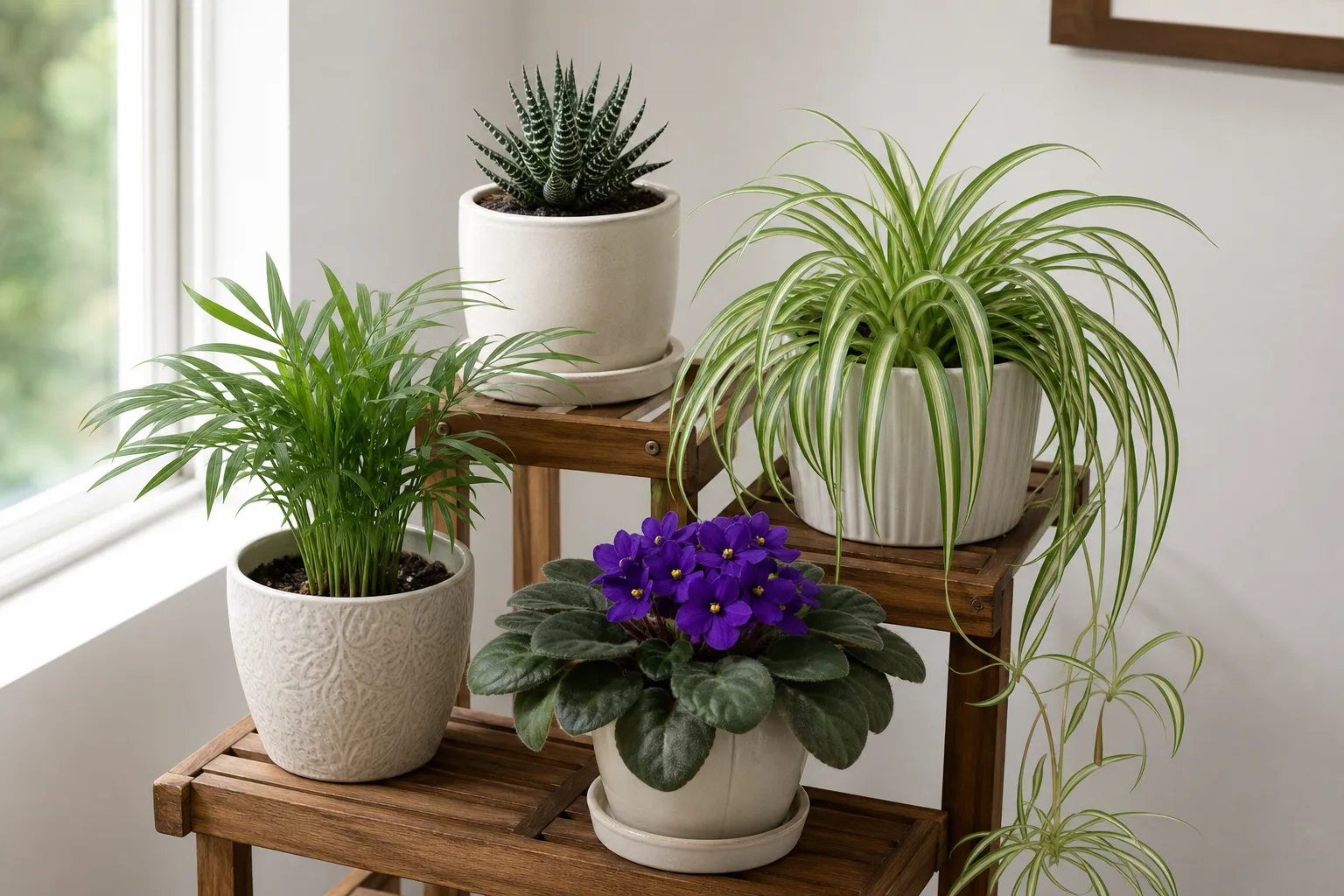
Quick Pick: Which Pet-Safe Plant Fits Your Home?
| Your situation | Best pick | Why |
|---|---|---|
| First plant ever, low light | Cast iron plant | Nearly indestructible; tolerates neglect |
| First plant ever, brighter light | Spider plant | Forgiving, pet-safe classic, propagates easily |
| Need a flowering plant | African violet or orchid | Reliably blooming and pet-safe |
| Dark corner or hallway | Cast iron plant or parlor palm | Thrive where most plants decline |
| Sunny windowsill | Haworthia or areca palm | Succulent or tropical — both safe |
| Hanging basket | Spider plant or Boston fern | Cascading foliage out of paw reach |
| Large floor plant | Areca palm or money tree | Statement plants without toxicity risk |
| Succulent lover | Haworthia | Looks like aloe, completely non-toxic |
| Cat that chews everything | Spider plant (hung high) or cast iron plant | Safest picks for determined chewers |
 |
Toxic-to-Safe Plant Swaps
If you already own popular toxic houseplants, here are direct alternatives that look similar but are verified non-toxic:
| Toxic plant (remove or relocate) | Safe alternative (swap in) |
|---|---|
| Pothos / Devil’s Ivy | Spider plant or Swedish ivy |
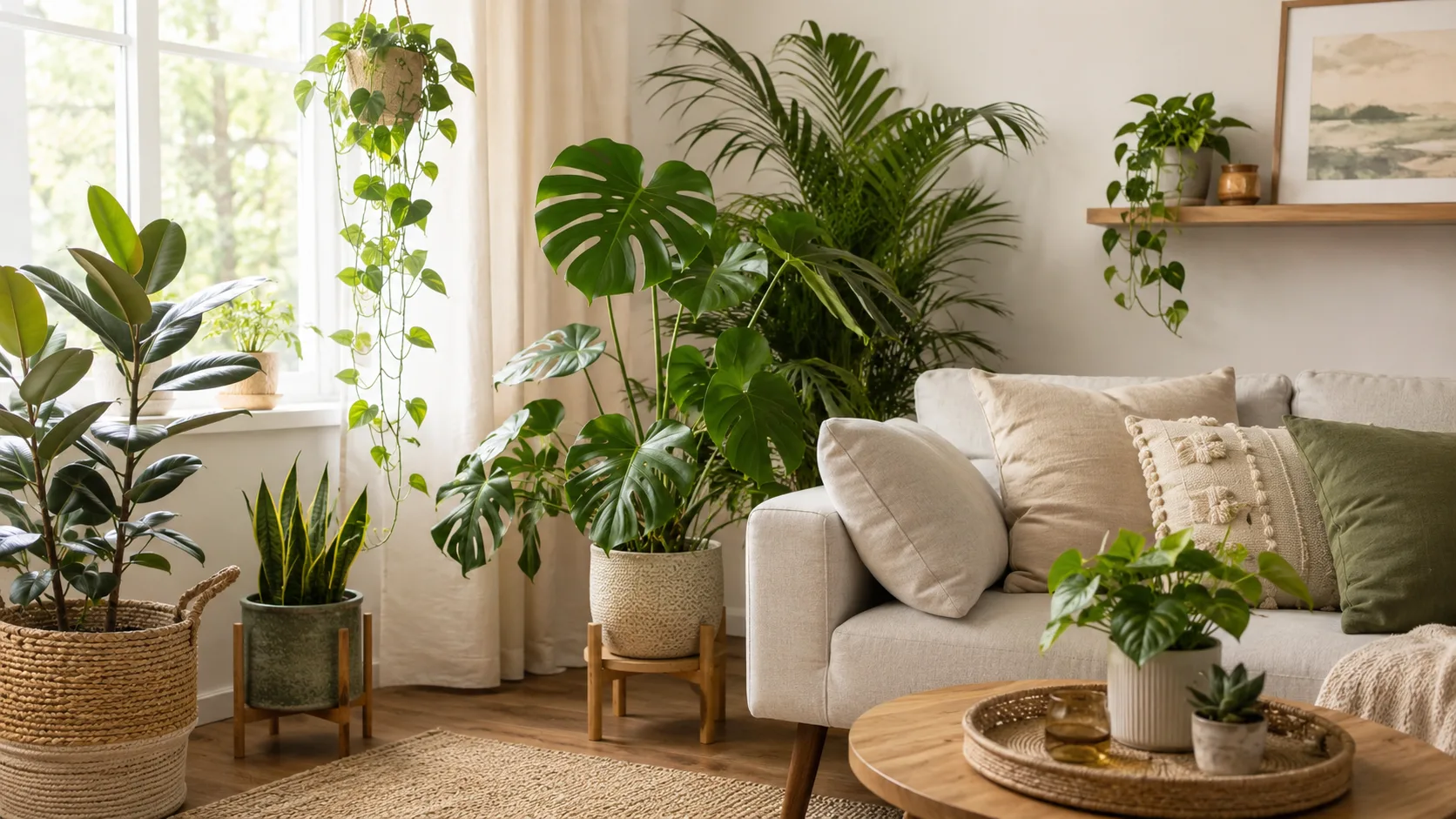
| Monstera | Calathea orbifolia (similar large leaves) |
| Aloe vera | Haworthia (nearly identical appearance) |
| True lilies (Lilium, Hemerocallis) | Orchid (Phalaenopsis) |
| Dieffenbachia / Dumb Cane | Cast iron plant or peperomia |
| Sago palm | Parlor palm or areca palm |
| Philodendron | Peperomia (similar compact form) |
| Snake plant | Cast iron plant (similar architectural appeal) |
The 12 Best Pet-Safe Houseplants
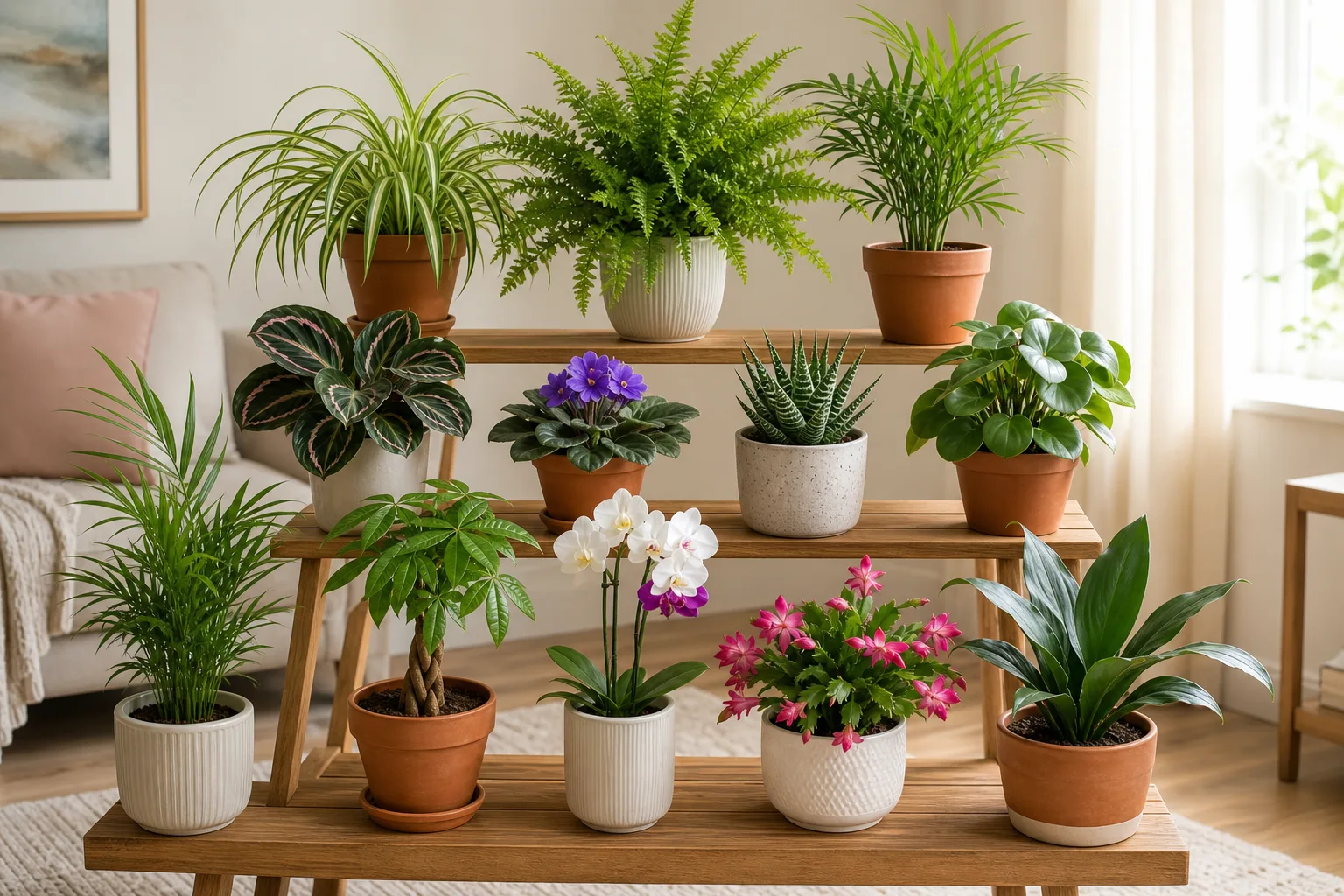
1. Spider Plant
Best for: First-time plant owners, hanging baskets, homes with curious cats
Difficulty: Very easy
Light: Bright indirect; tolerates lower light
Water: Water when top 2 inches of soil are dry
Best placement: Hanging basket, high shelf, or bright corner
Pet safety: Non-toxic to cats and dogs; chewing may cause mild stomach upset (ASPCA)
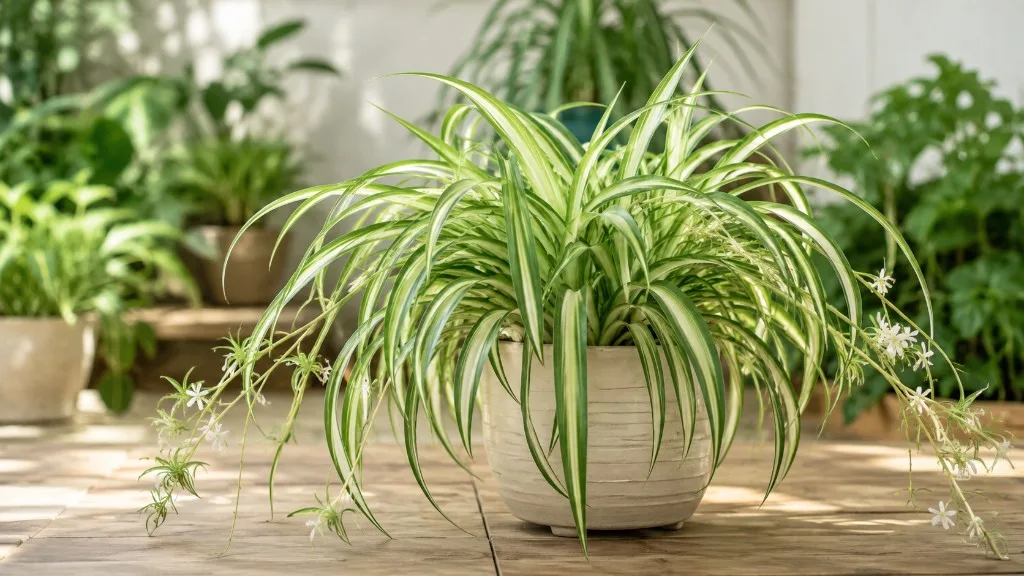
Spider plant is the most frequently recommended pet-safe houseplant for good reason: it is forgiving, propagates easily through baby plantlets, and is non-toxic to both cats and dogs. It is one of the most thoroughly studied houseplants for pet safety. One quirk: cats are sometimes attracted to spider plants because of mildly hallucinogenic compounds similar to catnip. This can trigger vomiting if eaten in excess, but there is no systemic toxicity — the vomiting is a mechanical response to fibrous material, not a poisoning event. Hanging the plant keeps it safe while still on display.
Spider plants also communicate clearly: brown tips often mean your tap water is mineral-heavy, and pale leaves signal too much direct sun. For deeper troubleshooting when leaves crisp at the edges, see the houseplant humidity guide.
Why it works: Forgiving care, non-toxic to both species, and arching foliage softens shelves and hanging spaces. Care tip: Trim brown tips and flush soil occasionally if tap water is mineral-heavy. Common mistake: Leaving a pot on a low table where cats can reach trailing leaves — hang it instead. Avoid this plant if: You want a large floor plant or a flowering statement piece.
Useful care guides:
2. Boston Fern
Best for: Lush, cascading greenery in humid spaces
Difficulty: Moderate
Light: Medium to bright indirect; avoid direct sun
Water: Keep soil evenly moist; mist regularly or use a pebble tray
Best placement: Hanging basket in bathroom or kitchen with humidity
Pet safety: Non-toxic to cats and dogs (ASPCA)
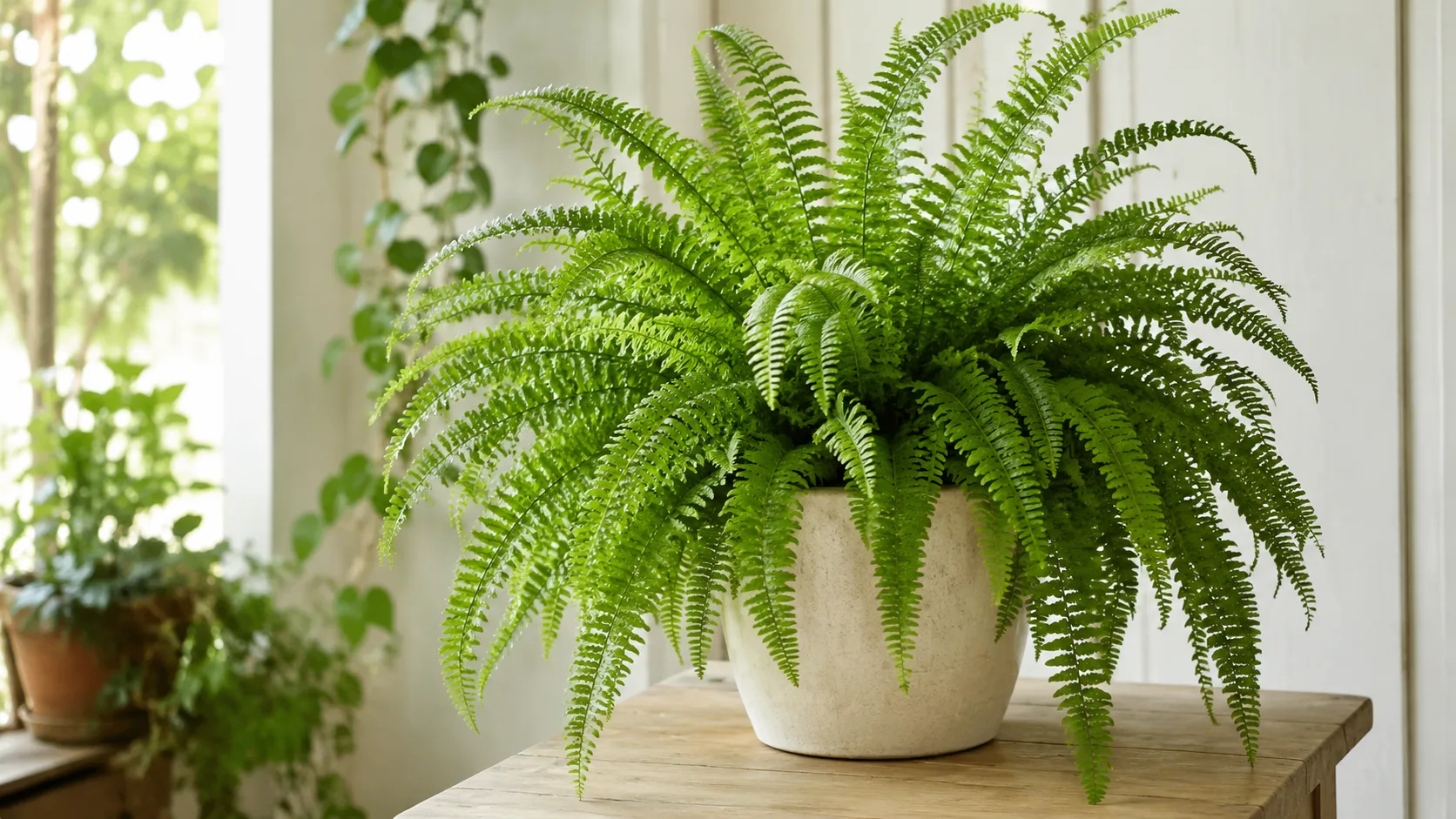
Boston fern delivers the kind of full, arching greenery that makes a room feel lived-in and lush — without any toxicity concern. Its fronds cascade beautifully from hanging baskets, which doubles as a practical strategy for keeping curious paws at a safe distance. Boston ferns prefer humid environments and indirect light; a bathroom with a window or a humid kitchen suits them well.
A critical distinction: Boston fern (Nephrolepis exaltata) is non-toxic, but asparagus fern (Asparagus setaceus) — which looks similar and is often sold alongside true ferns — is toxic to both cats and dogs. Always verify by botanical name. For humidity strategies that keep ferns from crisping, read do pebble trays really increase humidity for houseplants.
Why it works: Dense, lush foliage in a cascading form that naturally stays above dog height. Care tip: Mist regularly or set on a pebble tray; dry air is the fastest way to crispy fronds. Common mistake: Placing in direct sun or dry rooms with central heating — fronds brown quickly. Avoid this plant if: Your home is very dry, you dislike daily misting, or you want a low-maintenance pick.
Useful care guides:
3. Parlor Palm
Best for: Low-light rooms needing a tropical touch
Difficulty: Easy
Light: Low to medium indirect; tolerates lower light than most palms
Water: Keep soil consistently moist but not waterlogged
Best placement: Living room corner, bedroom, or north-facing room
Pet safety: Non-toxic to cats and dogs (ASPCA)
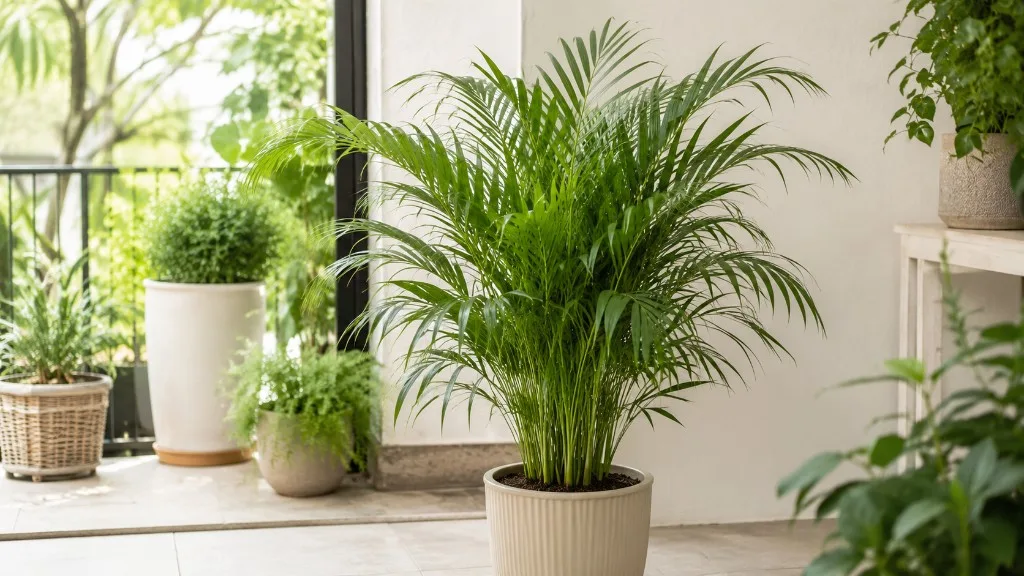
Parlor palm is the compact palm of choice for households with pets — it grows slowly to three or four feet, tolerates low light remarkably well, and has none of the sharp spines of larger palms. It is also one of the few palms that genuinely does well in dimmer rooms, making it a go-to for north-facing living rooms and bedrooms where other tropical plants decline. Compared to the notoriously toxic sago palm (which can cause acute liver failure in dogs), parlor palm is a completely safe alternative that delivers a similar tropical silhouette.
Why it works: Tropical look without toxicity; one of the few palms that tolerates genuinely low light. Care tip: Wipe fronds monthly to keep them dust-free and photosynthesizing in lower light. Common mistake: Overwatering — parlor palms prefer consistent moisture but rot in soggy soil. Avoid this plant if: You want a fast-growing statement palm — areca palm is a larger safe alternative.
Useful care guides:
4. Calathea and Prayer Plant
Best for: Stunning foliage in medium-to-low light
Difficulty: Moderate
Light: Medium to low indirect; avoid direct sun
Water: Keep soil evenly moist; sensitive to tap water minerals
Best placement: Coffee table, shelf, or east-facing room with steady humidity
Pet safety: Non-toxic to cats and dogs (ASPCA)
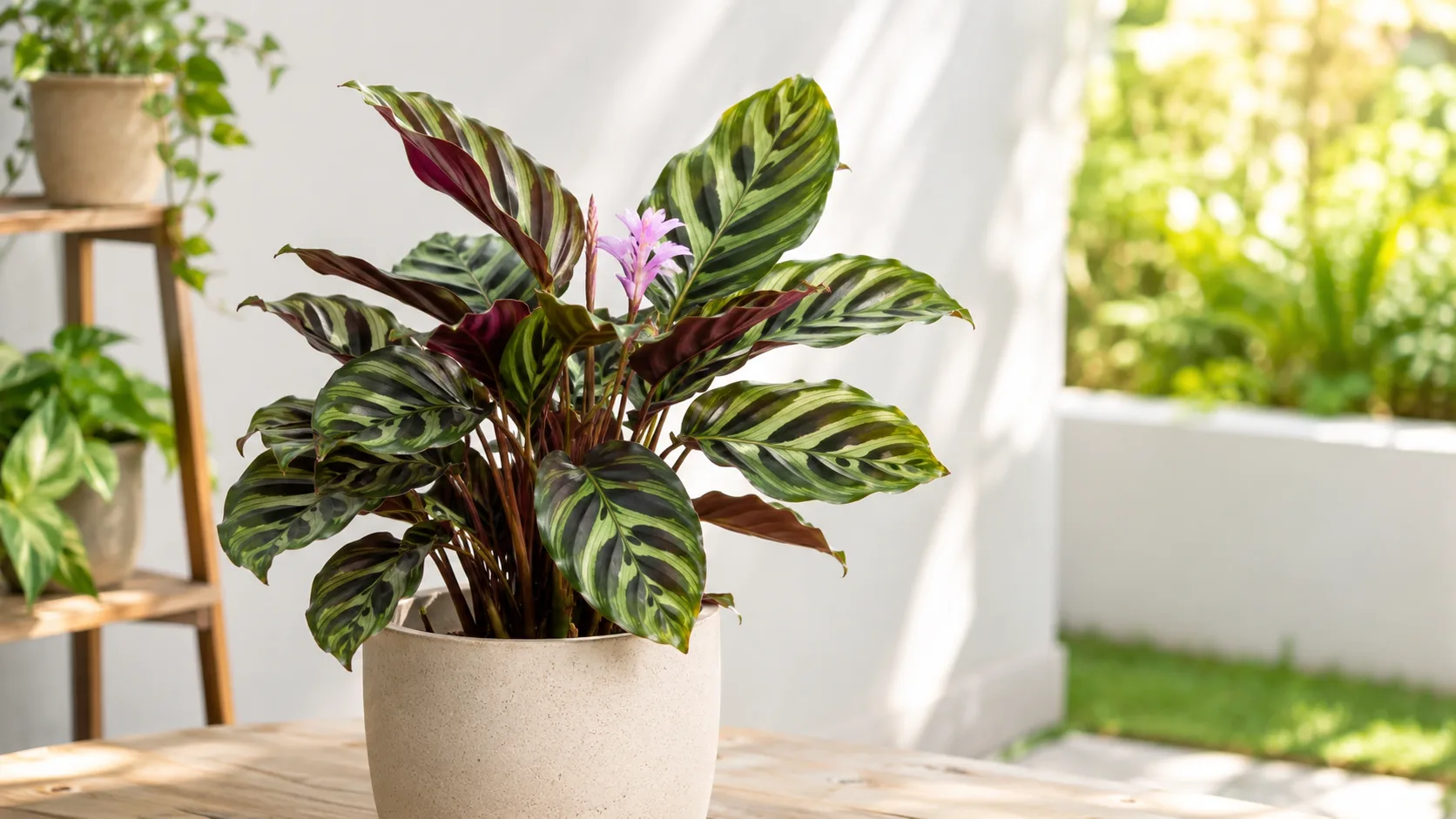
The calathea family — including rattlesnake plant, peacock plant, orbifolia, and prayer plant (Maranta leuconeura) — is completely non-toxic and produces some of the most visually striking foliage in the houseplant world: deep greens, purples, and cream-white markings with intricate patterns. Prayer plants add dramatic daily leaf movement, folding their leaves upward at night. They are the best direct replacement for monstera in pet households: similar large-leaf tropical drama, zero toxicity risk.
Calatheas are sensitive to tap water minerals and prefer distilled or rainwater to avoid brown leaf edges. They also want consistent humidity — pairing with a pebble tray or placing in a naturally humid room helps. For species-level detail, see the calathea care guide.
Why it works: The most visually dramatic pet-safe foliage you can buy; direct monstera alternative. Care tip: Use distilled or rainwater to prevent brown leaf edges from mineral buildup. Common mistake: Treating calathea like a low-maintenance plant — it wants consistent moisture and humidity. Avoid this plant if: You want the easiest possible care or your tap water is very hard.
Useful care guides:
5. African Violet
Best for: Reliable blooms in low-to-medium light
Difficulty: Easy to moderate
Light: Medium to low indirect; north or east windows work well
Water: Water from below — pour into saucer and let plant absorb upward
Best placement: Windowsill or table near filtered light
Pet safety: Non-toxic to cats and dogs (ASPCA)
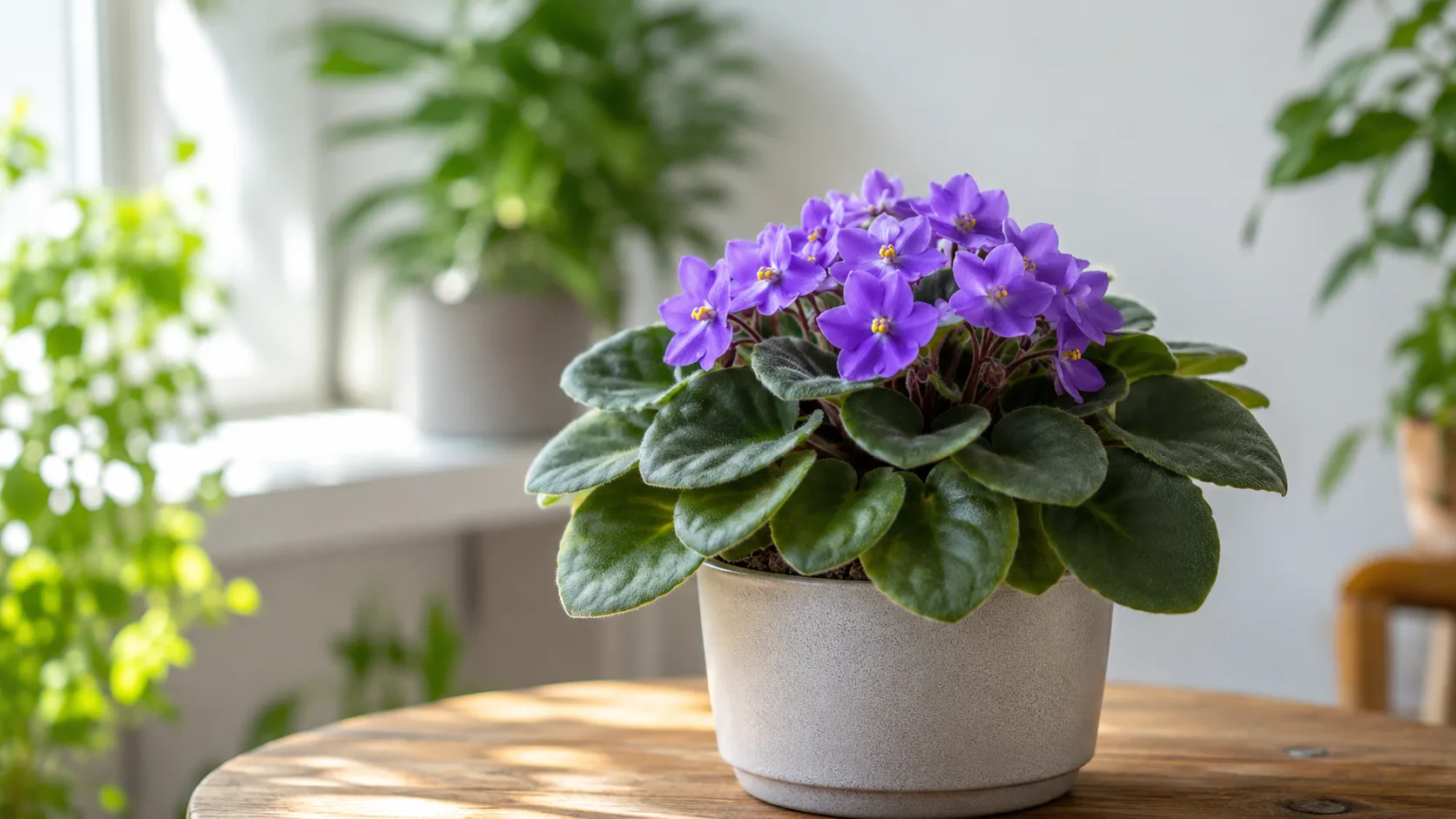
African violets are one of the few flowering houseplants that are both pet-safe and capable of blooming year-round in indoor light. They bring color to north- or east-facing windowsills that many flowering plants find too dim. Available in purple, pink, white, and bicolor varieties, they are compact enough for small shelves and side tables. Water from below to prevent leaf spotting — African violet leaves do not like getting wet. For broader flowering-plant context, they pair well with our low-maintenance indoor plants for busy homes guide.
Why it works: Compact, year-round blooms, pet-safe — rare combination among flowering houseplants. Care tip: Use room-temperature water; cold water on leaves causes spotting. Common mistake: Watering from above and soaking the fuzzy leaves, which invites rot and spotting. Avoid this plant if: You want a large floor plant or a dramatic foliage statement.
Useful care guides:
6. Haworthia
Best for: Safe succulent for sunny windowsills
Difficulty: Very easy
Light: Bright indirect; some direct morning sun
Water: Dry completely between waterings; succulent rhythm
Best placement: Sunny windowsill, desk, or shelf with good light
Pet safety: Non-toxic to cats and dogs (ASPCA)
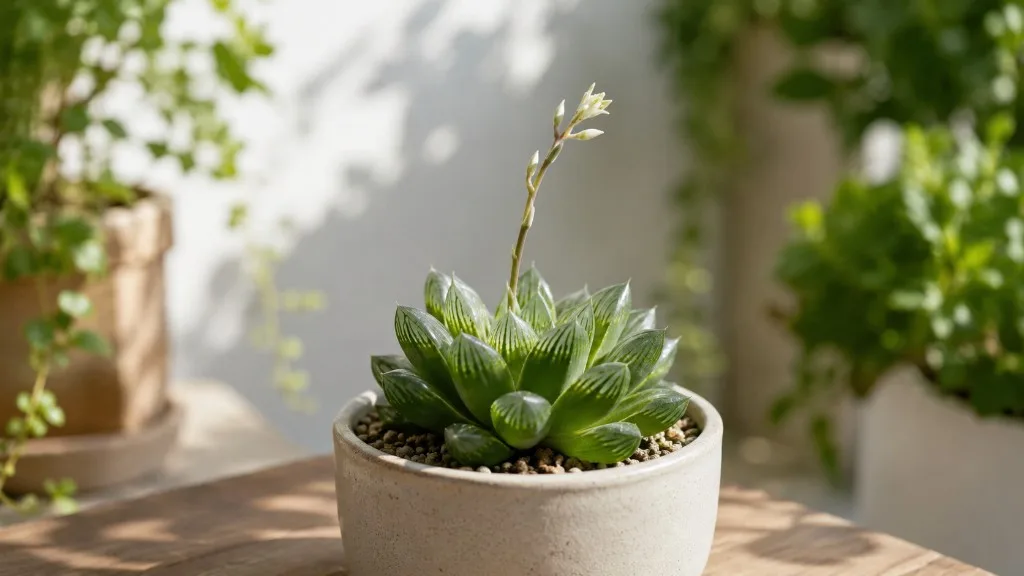
Haworthia is the essential “safe aloe” — it looks nearly identical to aloe vera with its pointed, fleshy green leaves and compact rosette form, but it is completely non-toxic to cats and dogs. The key identification difference: haworthia leaves are typically harder and more pointed, often with distinctive white stripes or raised bumps (especially Haworthia fasciata, the zebra haworthia). Aloe vera, by contrast, is toxic to both species, causing vomiting, diarrhea, and lethargy. If you love the succulent look and share your home with pets, haworthia is the no-compromise substitute.
Why it works: Identical succulent aesthetic to toxic aloe; nearly impossible to kill with neglect. Care tip: Use gritty, fast-draining cactus mix and a pot with drainage — it rots in wet soil. Common mistake: Watering on a schedule instead of checking that soil is bone-dry first. Avoid this plant if: You want a large statement succulent or a flowering centerpiece.
Useful care guides:
7. Peperomia
Best for: Compact, diverse foliage on shelves and desks
Difficulty: Easy
Light: Medium to bright indirect; tolerates lower light
Water: Allow soil to dry completely between waterings
Best placement: Shelf, desk, windowsill, or grouped on a plant stand
Pet safety: Non-toxic to cats and dogs (ASPCA)
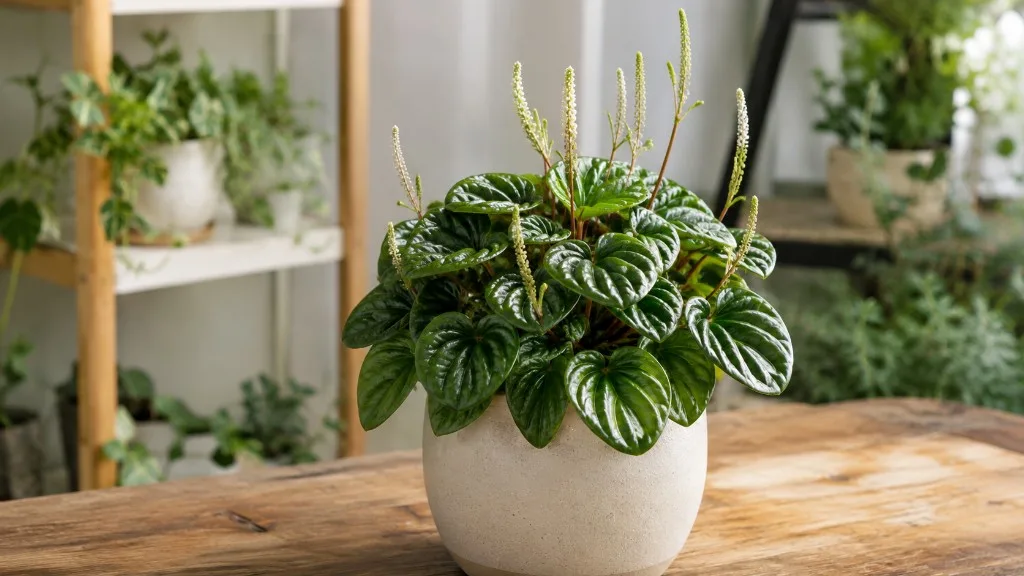
The peperomia genus spans hundreds of species, from the coin-leafed Peperomia polybotrya (raindrop peperomia) to the deeply ridged Peperomia caperata (ripple peperomia) and the trailing Peperomia prostrata (string of turtles). Every species in this genus is classified as non-toxic to cats and dogs. Their compact size, interesting textures, and tolerance for irregular watering make them ideal for shelves, desks, and countertops. Because peperomias store water in their semi-succulent leaves, they are far more forgiving of forgetful waterers than calatheas or ferns — a practical advantage in busy pet households where plant care is not the top priority.
Why it works: The most diverse pet-safe genus — hundreds of species, all non-toxic, all compact. Care tip: Small pots suit shallow root systems best; do not overpot. Common mistake: Watering like a tropical foliage plant — peperomia wants dry soil between waterings. Avoid this plant if: You want a large floor plant or a trailing vine over 12 inches.
Useful care guides:
8. Areca Palm
Best for: Large statement plant for bright rooms
Difficulty: Moderate
Light: Bright indirect
Water: Even moisture; avoid bone-dry spells and standing water
Best placement: Empty corner with airflow — needs roughly 2 to 3 feet of spread at maturity
Pet safety: Non-toxic to cats and dogs (ASPCA)
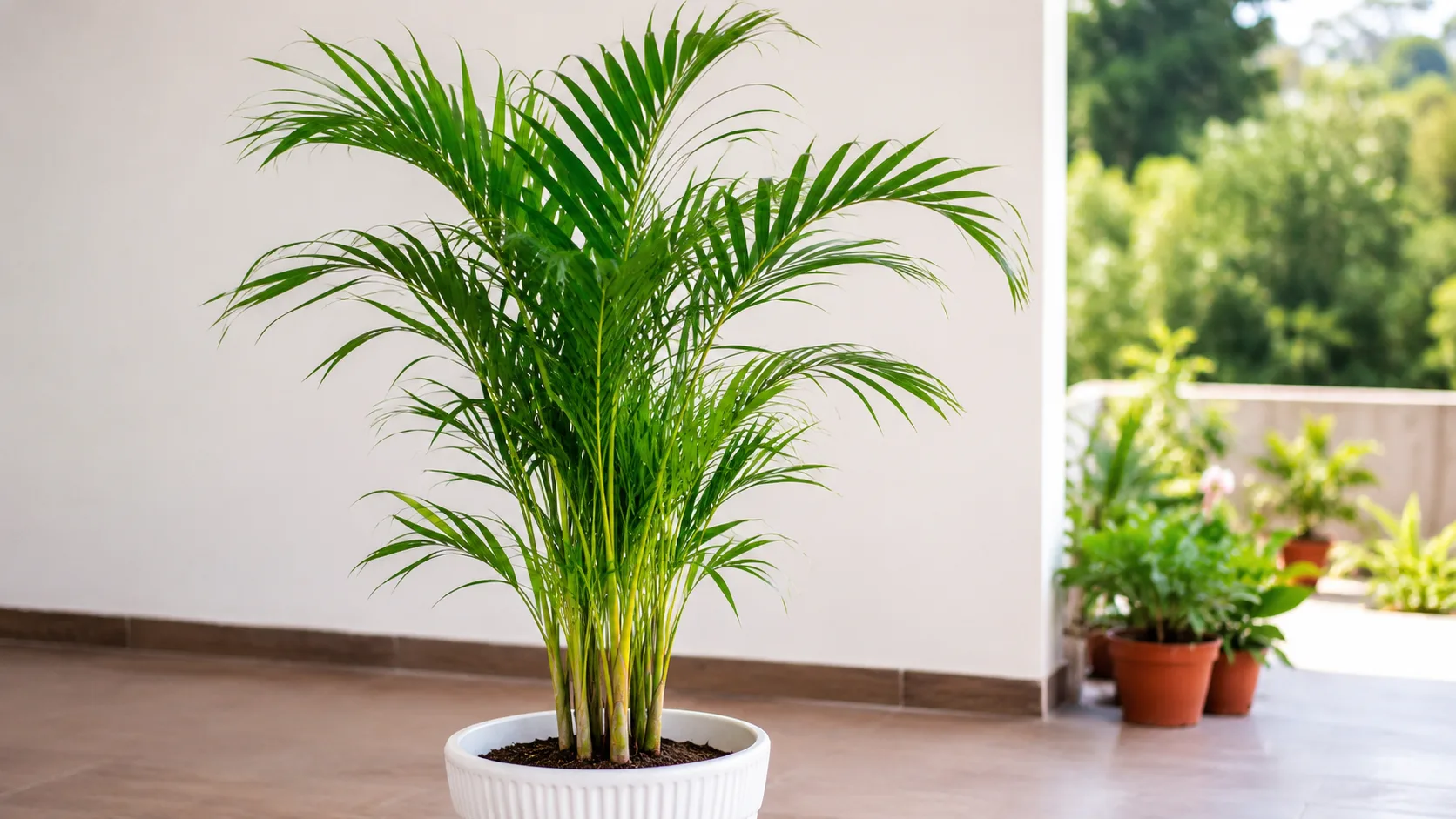
For a genuinely large tropical statement that is also pet-safe, areca palm delivers dramatic height — often reaching six feet indoors — with feathery, arching fronds and none of the toxicity risks of popular alternatives like fiddle-leaf fig or rubber plant (both Ficus species with irritant latex). Areca palms are frequently used as natural room dividers in open-plan spaces, making them one of the few safe large-scale houseplants for pet owners. They prefer bright indirect light and slightly drier conditions between waterings than parlor palms. Dry air from heating or AC browns leaf tips; for humidity strategies, pair with the houseplant humidity guide.
Why it works: The go-to pet-safe floor plant — dramatic height, zero toxicity, room-divider capability. Care tip: Rotate the pot monthly for even growth; brown tips signal dry air, not necessarily underwatering. Common mistake: Squeezing a mature palm into a tight corner where fronds get damaged. Avoid this plant if: Your room is dark or you want a tiny tabletop plant.
Useful care guides:
9. Money Tree
Best for: Braided statement plant for tabletops and sideboards
Difficulty: Easy
Light: Bright indirect
Water: Allow top inch of soil to dry between waterings
Best placement: Dining table, sideboard, or bright living room corner
Pet safety: Non-toxic to cats and dogs (ASPCA)
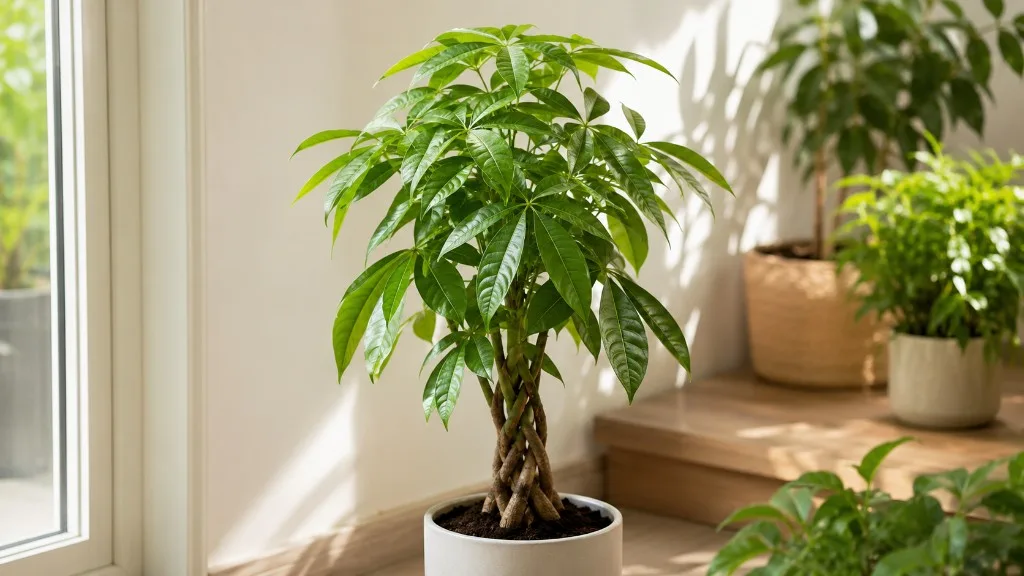
The money tree (Pachira aquatica) is a popular feng shui plant with a braided trunk and palm-like leaves. It is non-toxic to both cats and dogs, making it one of the safest gift plants you can give to a pet-owning household. Compared to rubber plant (Ficus elastica), which secretes an irritant latex when damaged, money tree delivers a similarly bold-leafed tropical statement with zero toxicity risk. It prefers bright indirect light and weekly watering. As it grows, the braided trunk becomes more pronounced — a sculptural feature that few other pet-safe plants offer.
Why it works: Sculptural braided trunk, bold leaves, completely pet-safe — a rare gift-plant trifecta. Care tip: Do not let water sit in the decorative cachepot; empty the outer pot after watering. Common mistake: Overwatering — money tree roots rot in consistently wet soil. Avoid this plant if: Your room has very low light — it needs bright indirect to hold its leaves.
Useful care guides:
10. Orchid (Phalaenopsis)
Best for: Elegant, long-lasting flowers — safe lily alternative
Difficulty: Moderate
Light: Bright indirect; east or west window ideal
Water: Water weekly; let bark mix dry slightly between waterings
Best placement: Bright windowsill, dining table centerpiece, or bedside table
Pet safety: Non-toxic to cats and dogs (ASPCA)
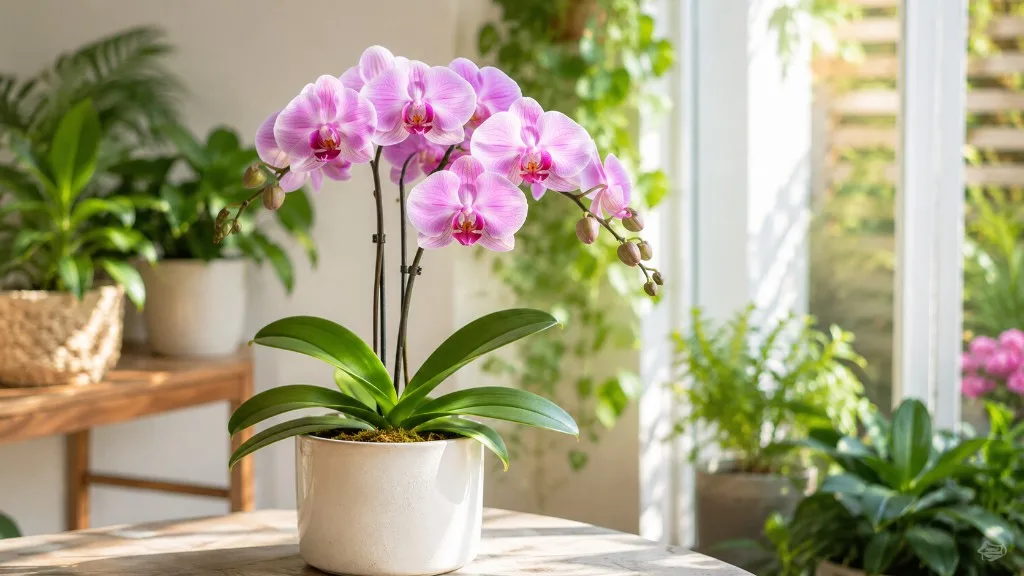
Phalaenopsis orchids — the moth orchids sold at supermarkets and garden centers — are non-toxic to both cats and dogs. This makes them the single best flowering alternative to true lilies (Lilium and Hemerocallis), which are catastrophically toxic to cats: even a few grains of lily pollen or a sip of vase water can cause acute kidney failure. Phalaenopsis orchids deliver similarly elegant blooms with none of that risk. They rebloom reliably when kept in bright indirect light with cool nights, producing flowers that can last for months. Most other common orchid genera — including Dendrobium, Oncidium, and Cattleya — are also considered non-toxic, though the ASPCA recommends checking individual species for rare exceptions.
Why it works: Months-long blooms, zero toxicity — the definitive safe lily alternative for cat owners. Care tip: After blooms fade, cut the spike above a node to encourage a secondary bloom. Common mistake: Watering with ice cubes — use room-temperature water instead; cold shocks tropical roots. Avoid this plant if: You want foliage-only greenery or very low maintenance.
Useful care guides:
11. Christmas Cactus
Best for: Winter-blooming color without toxicity
Difficulty: Easy
Light: Bright indirect; tolerates lower light than most succulents
Water: Water when top inch of soil is dry; reduce water after blooming
Best placement: Bright windowsill, holiday table, or shelf
Pet safety: Non-toxic to cats and dogs (ASPCA)
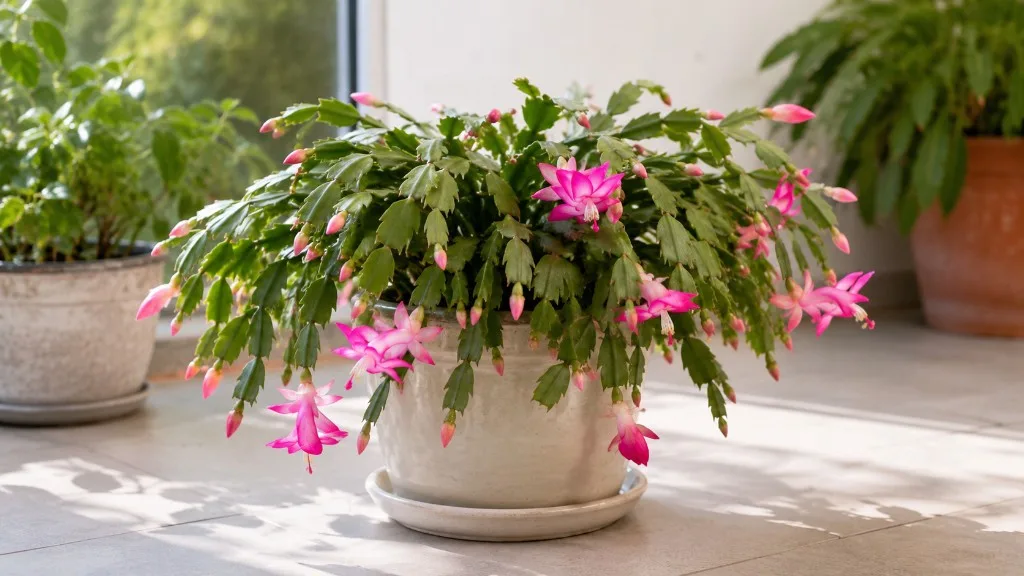
Christmas and Thanksgiving cacti (Schlumbergera spp.) are non-toxic to both cats and dogs — an important distinction from many other succulents and cacti, some of which cause gastrointestinal irritation or physical injury from spines. They produce pendulous flowers in red, pink, orange, purple, and white during winter months. Unlike desert cacti, Christmas cactus is actually a tropical epiphyte from Brazilian rainforests, so it tolerates lower light and prefers more frequent watering than its spiny relatives. Cooler night temperatures and longer dark periods trigger blooming — a natural fit for homes that dim the lights earlier in winter.
Why it works: Winter blooms, no spines, non-toxic — safe holiday color without the poinsettia worry. Care tip: To trigger blooms, give it 12 to 14 hours of darkness per night for about six weeks in fall. Common mistake: Treating it like a desert cactus — it wants more water and less sun than you think. Avoid this plant if: You want year-round blooms or a large floor plant.
Useful care guides:
12. Cast Iron Plant
Best for: Dark corners, hallways, and homes where other plants die
Difficulty: Very easy
Light: Low to medium indirect; tolerates deep shade
Water: Allow soil to dry between waterings; very drought-tolerant
Best placement: Dark hallway, north-facing bedroom, office with no windows
Pet safety: Non-toxic to cats and dogs (ASPCA)
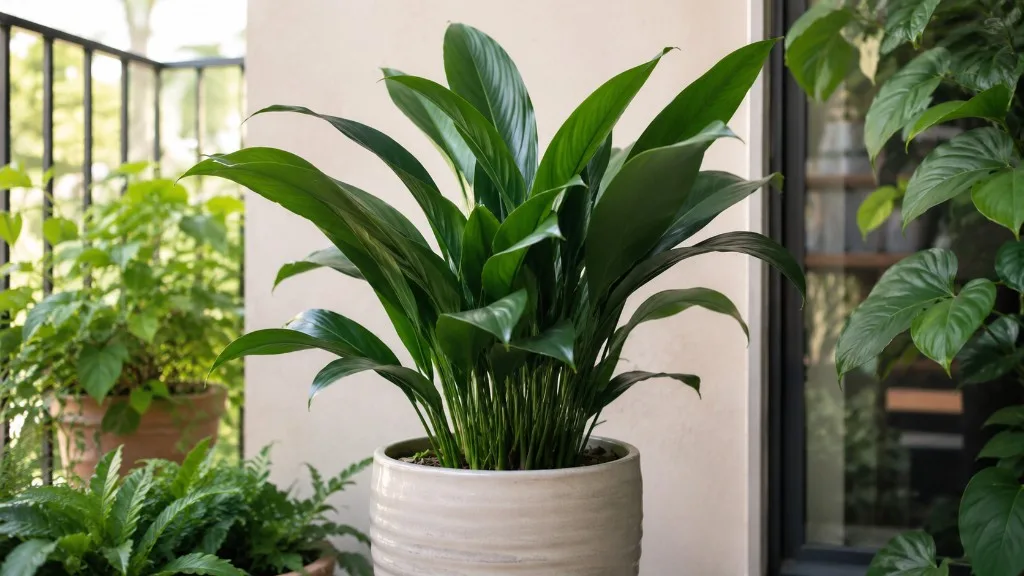
The cast iron plant (Aspidistra elatior) lives up to its name: it tolerates low light, irregular watering, wide temperature swings, and general neglect better than almost any other houseplant. Its strap-like, deep-green leaves grow slowly to around two feet tall. It is the direct pet-safe alternative to snake plant (Dracaena trifasciata), which despite appearing in countless “safe” roundups online is classified as toxic to cats and dogs by the ASPCA — saponins in snake plant cause nausea, vomiting, and diarrhea. Cast iron plant delivers the same architectural, upright appeal in low light with zero toxicity.
Why it works: The most indestructible pet-safe plant — thrives where everything else fails, including dark hallways. Care tip: Wipe leaves occasionally to keep them glossy and dust-free in low-light positions. Common mistake: Overwatering — cast iron plant stores water in its rhizomes and rots if kept wet. Avoid this plant if: You want fast growth, flowers, or colorful foliage.
Useful care guides:
What About “Pet-Friendly” Plants That Are Actually Toxic?
Several plants repeatedly appear in pet-safe roundups across the internet despite being classified as toxic by the ASPCA. Here are the most common offenders — and what to get instead.
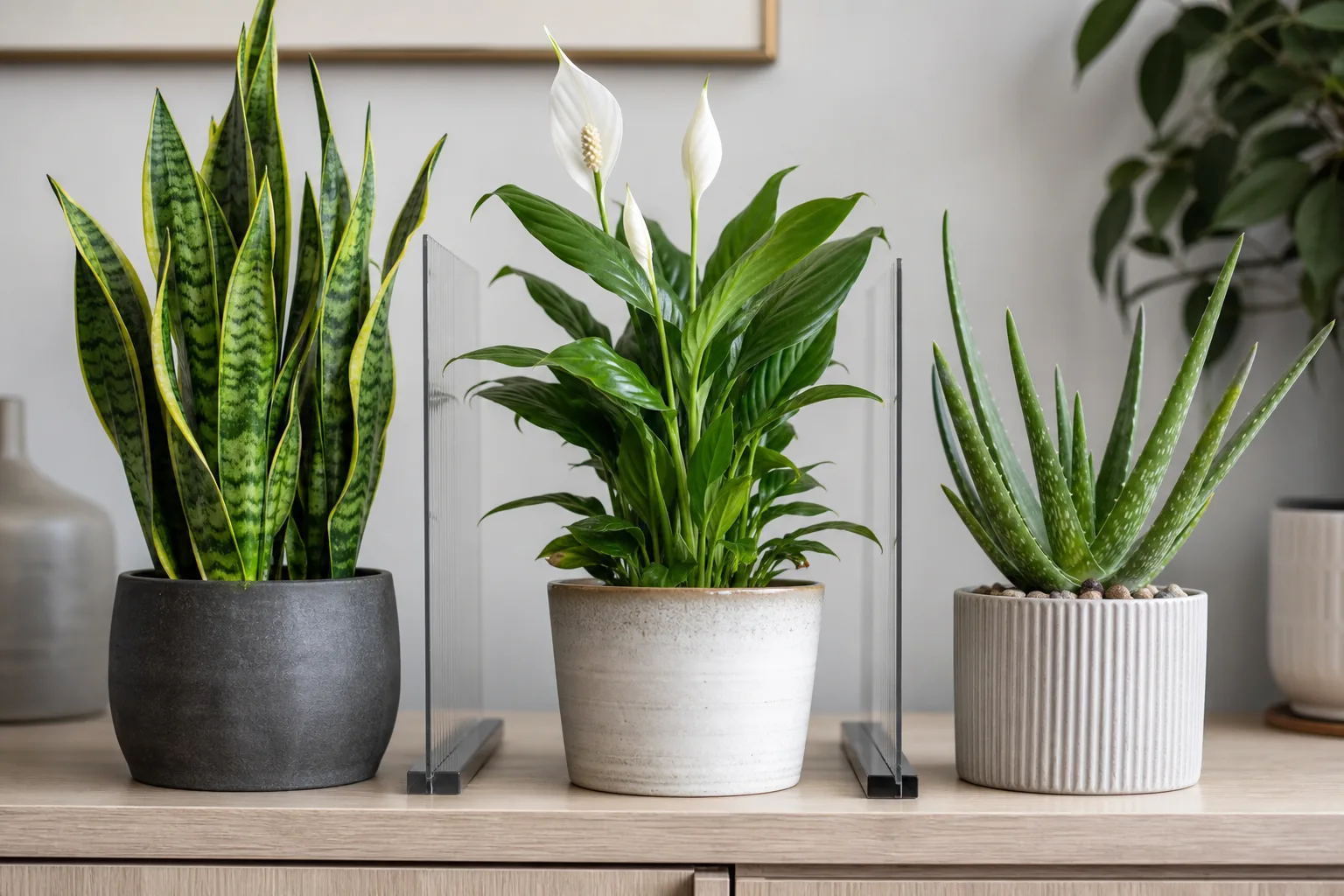
Snake Plant (Dracaena trifasciata)
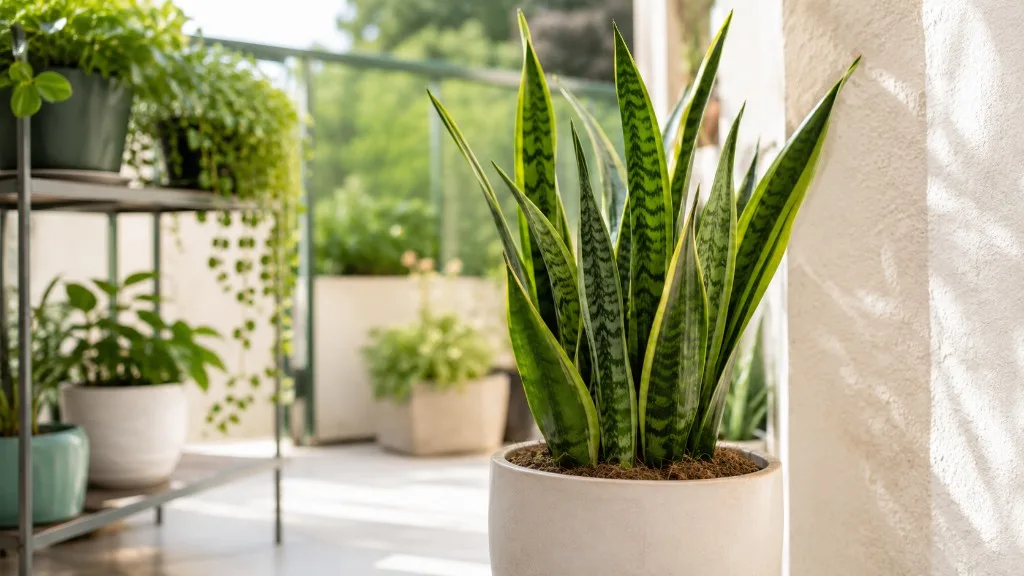
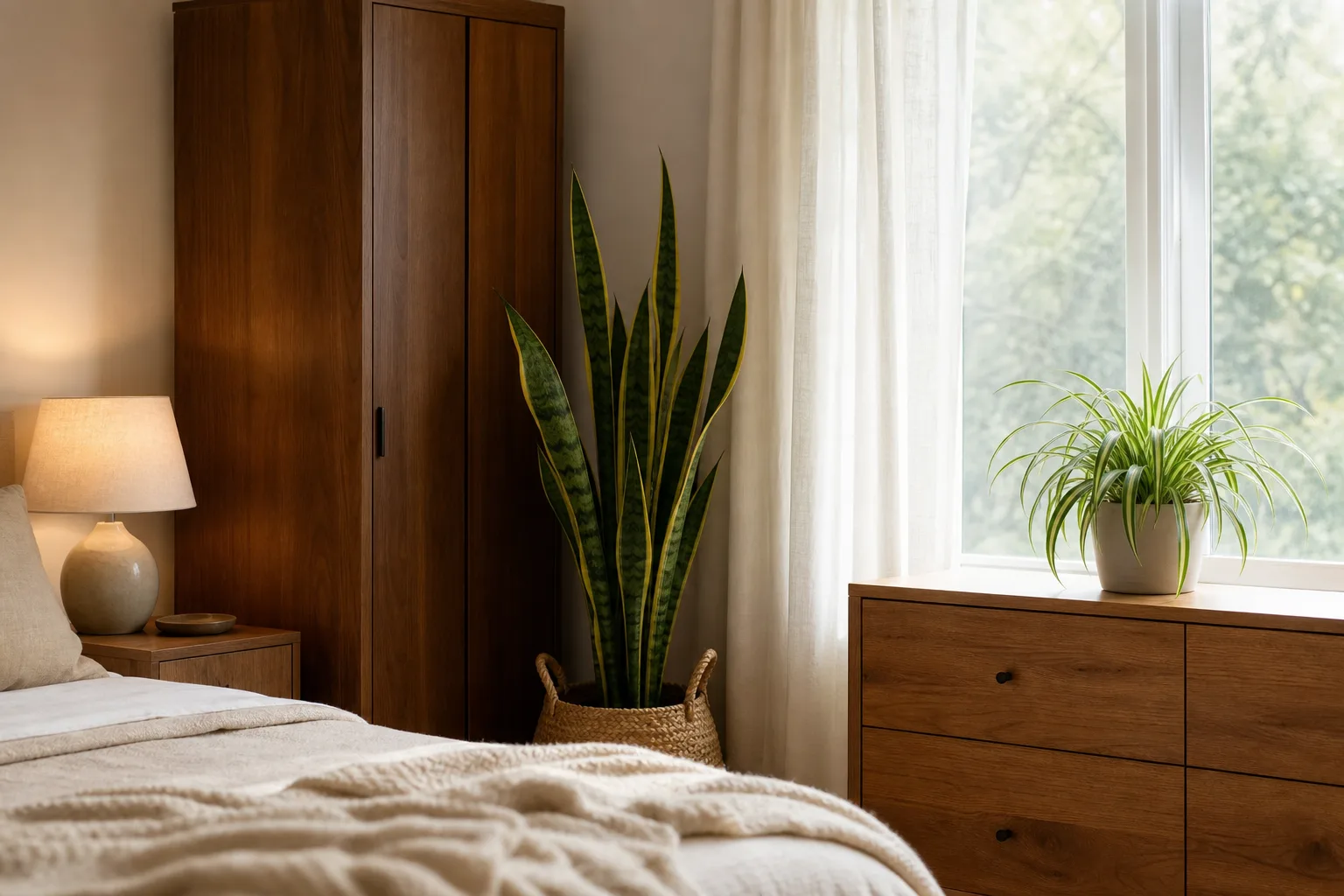
Despite appearing in countless “safe houseplant” lists, snake plant contains saponins that cause nausea, vomiting, and diarrhea in cats and dogs. Toxicity is generally mild compared to dieffenbachia or true lilies — serious harm is uncommon — but the misinformation is so widespread that it is worth stating clearly: if you have a cat or dog, treat snake plant as a toxic plant. Swap for: Cast iron plant for the same low-light, architectural appeal.
Peace Lily (Spathiphyllum)
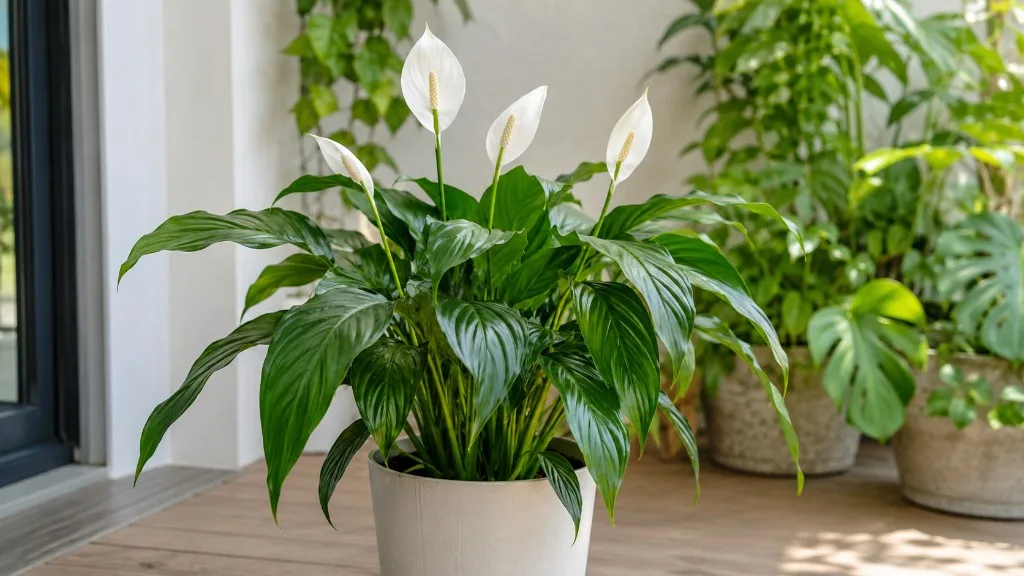
Peace lily contains insoluble calcium oxalate crystals that cause immediate burning in the mouth and throat, intense drooling, pawing at the mouth, vomiting, and difficulty swallowing. It is one of the most frequently reported causes of plant-related pet poisonings. Swap for: Parlor palm or cast iron plant for low-light greenery; African violet for similar elegant white blooms (peace lily “flowers” are actually spathes, but the visual role is similar).
Aloe Vera
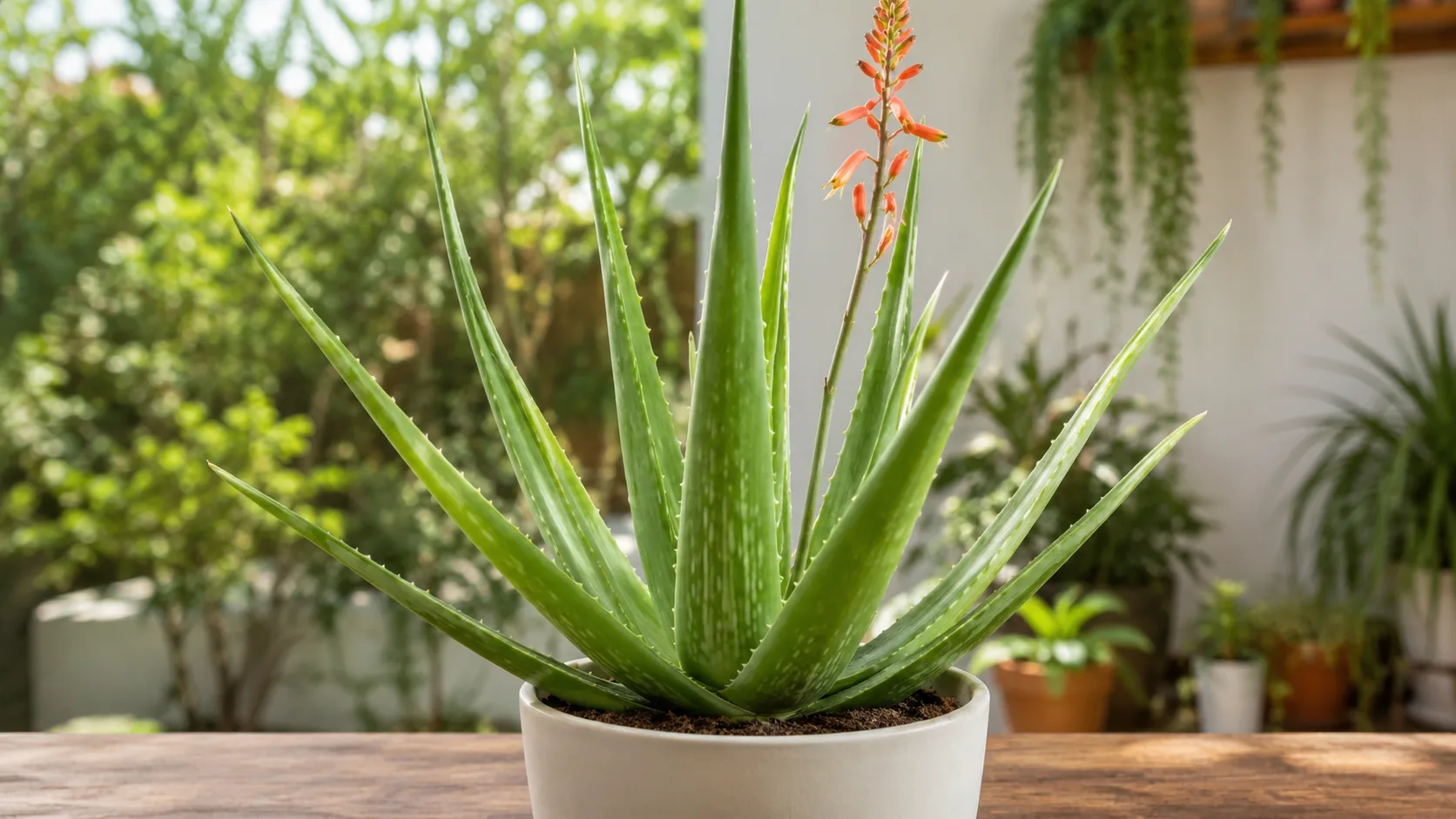
Aloe vera is toxic to cats and dogs, causing vomiting, diarrhea, lethargy, and in larger quantities, tremors. It is particularly deceptive because it is often sold in the same displays as haworthia and echeveria — both genuinely non-toxic succulents. Swap for: Haworthia for a near-identical succulent look.
Jade Plant (Crassula ovata)
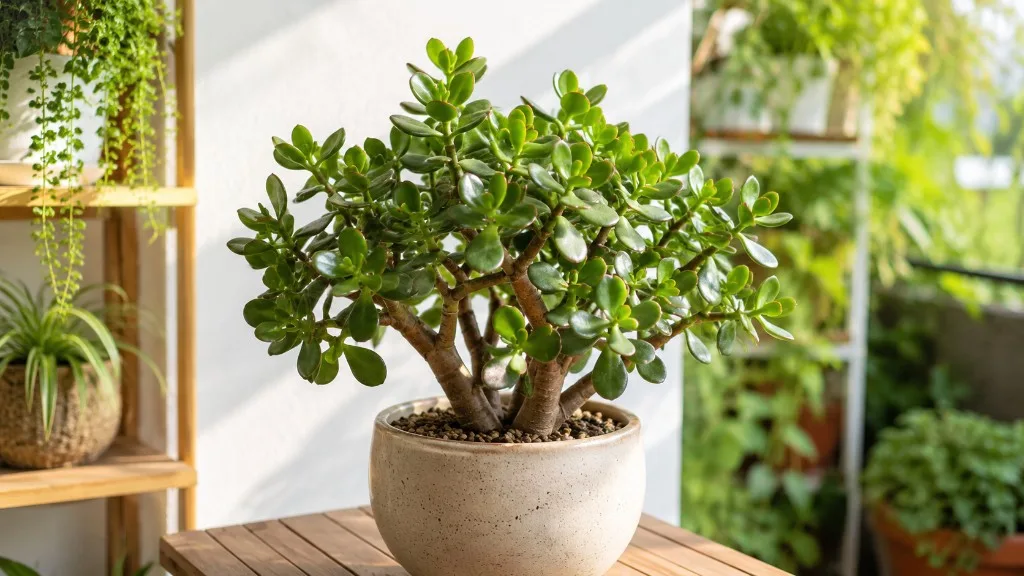
The exact toxic mechanism of jade plant remains unidentified, making severity hard to predict. Symptoms include vomiting, lethargy, incoordination, and depression, with cats appearing more susceptible. Swap for: Haworthia or echeveria for a compact, architectural succulent.
Displaying Plants Safely in Pet Households
Even with an entirely non-toxic collection, practical display strategies reduce the risk of upset stomachs, knocked-over pots, and scattered soil.
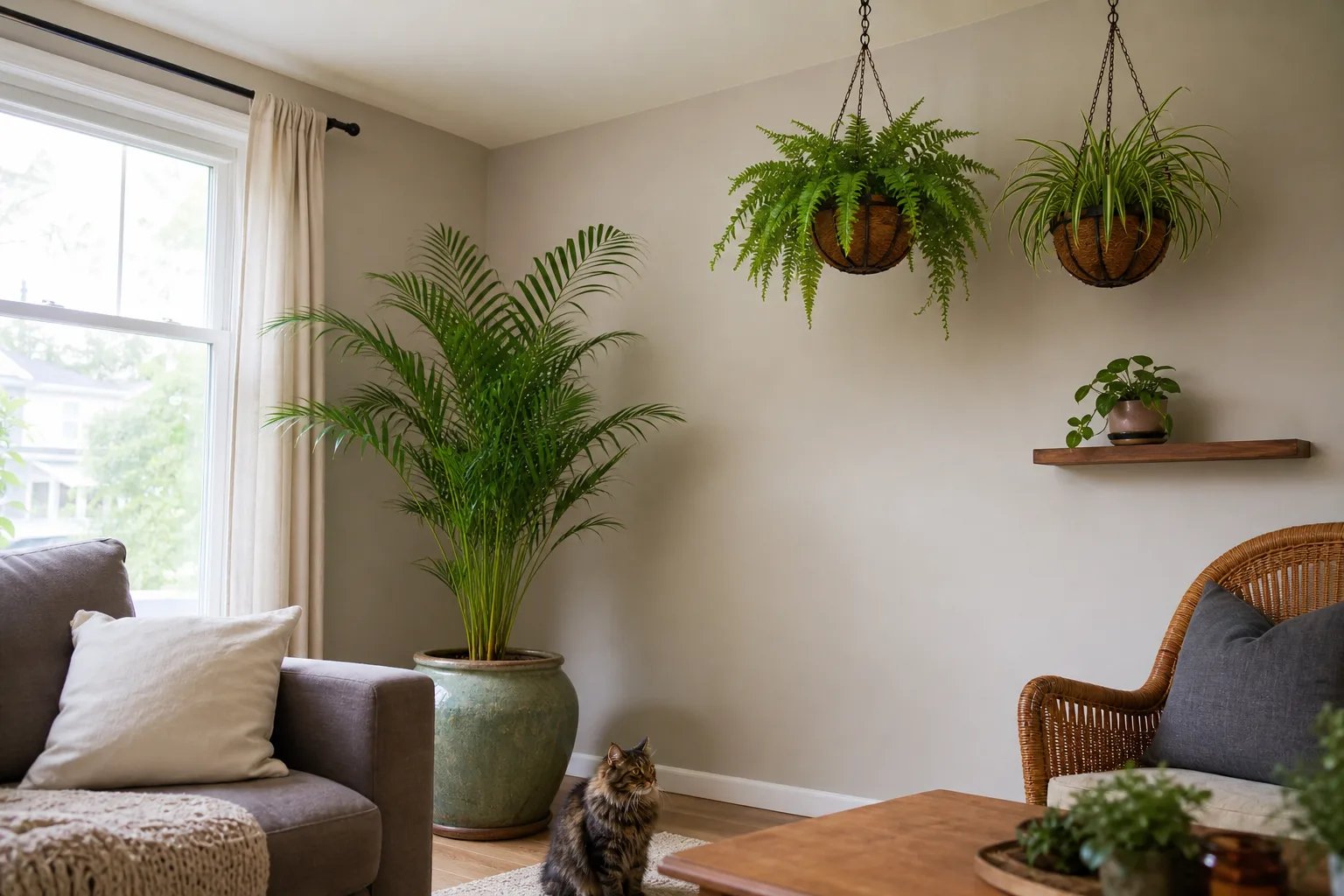
Elevate and hang
Hanging baskets are the most effective physical barrier between a plant and a curious cat or dog. Wall-mounted planters, floating shelves, and ceiling hooks put plants completely out of reach of dogs and above the jump zone for most cats. Boston fern, spider plant, and Swedish ivy all grow beautifully in hanging configurations. For floor plants, use heavy ceramic or terracotta pots that resist tipping — lightweight plastic nursery pots invite chaos in active households.
Provide a safe chewing outlet
Cat grass (typically wheatgrass, oat grass, or barley grass) gives cats a designated plant to chew on, reducing interest in your decorative plants. Place it away from your houseplant display so the cat learns which green things are for chewing and which are not. Catnip (Nepeta cataria) is also non-toxic and can be grown in a separate pot as a controlled treat.
Use deterrents strategically
Citrus scents deter most cats and dogs. Placing dried citrus peel at the base of floor plants, or lightly misting pot rims with diluted citrus solution (never directly on leaves), discourages approach. Commercial bitter sprays applied to accessible lower leaves work similarly. Double-sided tape around pot rims creates a texture barrier that many cats will not cross. Rotate deterrents periodically — animals learn to ignore static cues.
Separate by room access
For any plants with mild toxicity concerns you are not ready to remove, room separation is the most reliable long-term solution. A sunroom, home office, or bedroom with a closed door creates a pet-free plant zone with no ongoing management required. Baby gates with small cat access flaps let you control which rooms pets can enter.
Keep emergency info ready
Save these numbers in your phone:
- ASPCA Animal Poison Control Center: (888) 426-4435 (24/7, consultation fee applies)
- Your primary veterinarian’s emergency line
- Nearest 24-hour emergency veterinary hospital
When you call, have the plant’s botanical name ready if possible — “green trailing plant” is not enough information for a toxicologist to work with. Take a photo of the plant and any chewed leaves before heading to the vet. (ASPCA)
Common Mistakes Pet Owners Make With Houseplants
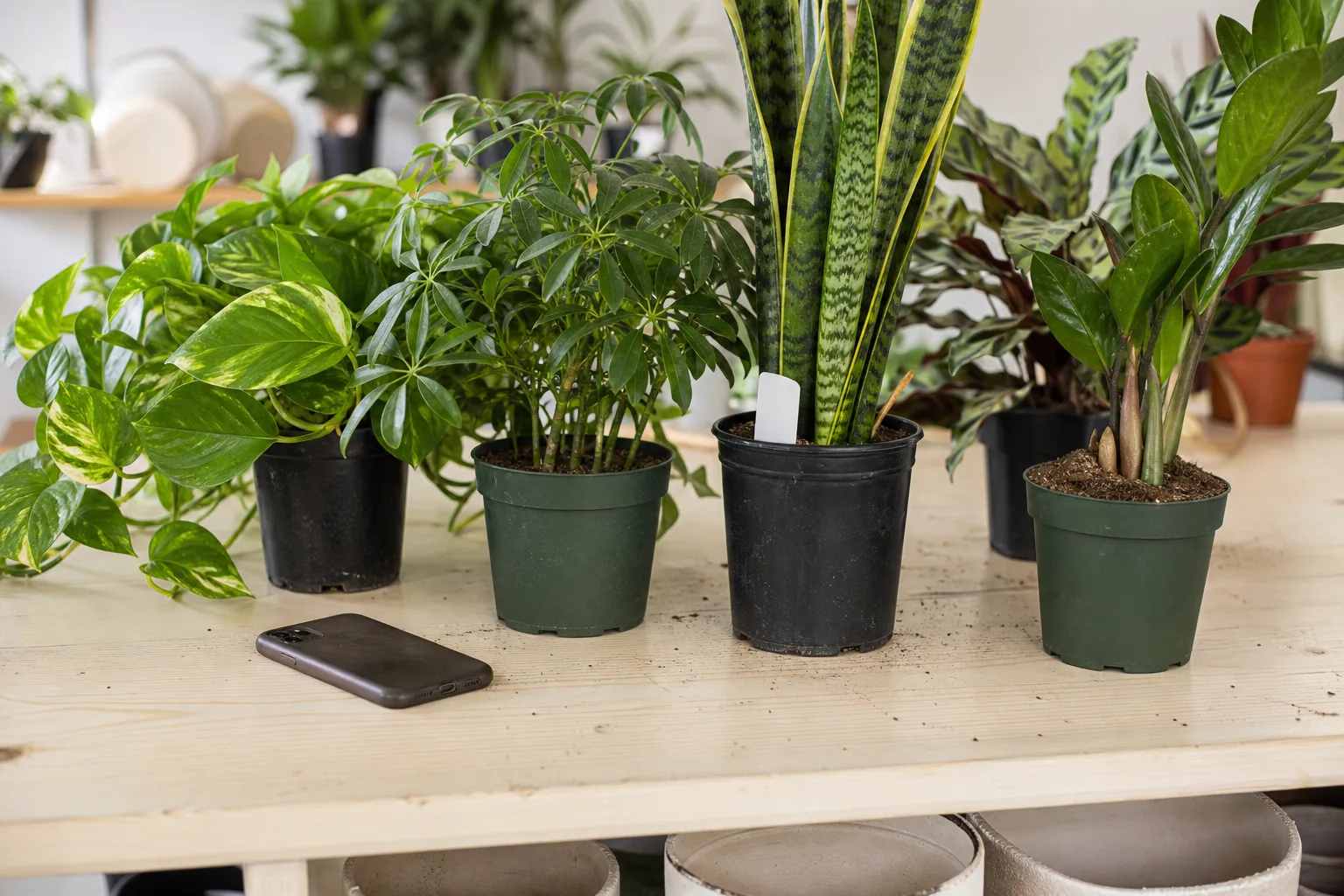
Mistake 1: Trusting common names
“Lucky bamboo” is not bamboo — it is Dracaena sanderiana, which is toxic to cats and dogs. “Asparagus fern” is not a fern — it is in the lily family and is toxic. Always verify by botanical name using the ASPCA database before buying. Common names are marketing, not safety information.
Mistake 2: Assuming “non-toxic” means “edible”
Non-toxic means the plant contains no known compounds that cause systemic harm. It does not mean your pet can eat unlimited quantities without consequence. Any plant fiber can cause vomiting or diarrhea if eaten in large amounts. The goal is choosing plants that will not poison your pet — not turning your living room into a salad bar.
Mistake 3: Relying on a plant being “out of reach”
Cats can access almost any surface in a home. Dogs knock things over. A plant that is “out of reach” today may not be tomorrow — especially if it drops leaves, gets knocked over during zoomies, or sheds pollen onto the floor. For high-toxicity plants like dieffenbachia or true lilies, “out of reach” is not a safety strategy — removal is.
Mistake 4: Forgetting about pesticides and fertilizers
The plant itself may be non-toxic, but systemic pesticides, leaf-shine sprays, and fertilizer granules in the soil may not be. Use pet-safe pest treatments like insecticidal soap and avoid chemical leaf shine products on plants within pet reach. If you use slow-release fertilizer pellets, cover them with a layer of soil or decorative moss so pets cannot eat them.
Mistake 5: Buying a plant before checking
The ASPCA toxic and non-toxic plants database is free and searchable by both common and botanical name. Checking takes 30 seconds. Buying an appealing plant at a nursery without verifying its safety, then realizing it is toxic after your pet shows interest, is a preventable emergency.
Related Guides
- Top 7 scientifically proven benefits of indoor plants — honest evidence on stress, mood, and the air-purification myth
- Low-maintenance indoor plants for busy homes — forgotten-watering survivors that overlap several species here
- 7 calming indoor plants to help you sleep better — bedroom-specific picks with pet-toxicity notes
- Houseplant humidity guide — dry-air solutions for ferns, palms, and calatheas
- How to water indoor plants the right way — prevent overwatering, the number-one killer of pet-safe plants
- Indoor succulent care guide — safe succulent depth beyond the haworthia entry
Conclusion
Start with one plant that matches your light, your pet’s behavior, and the time you will actually spend on care. If your cat chews everything, begin with a spider plant hung high or a cast iron plant on a shelf — both are non-toxic and forgiving. If you are replacing a toxic plant you already own, use the swap table above to find a direct alternative with a similar look and growth habit.
Check the ASPCA toxic and non-toxic plants database before bringing any new plant home. Keep the ASPCA Poison Control number saved: (888) 426-4435. A plant collection built around verified safety is not a compromise — it is the only version that makes sense in a home shared with animals you cannot explain “don’t eat that” to.