Best Month to Fertilize Your Lawn in Fall
September, October, or November? Learn when cool- and warm-season lawns need fall fertilizer, when to stop, and how to avoid overfeeding or runoff.
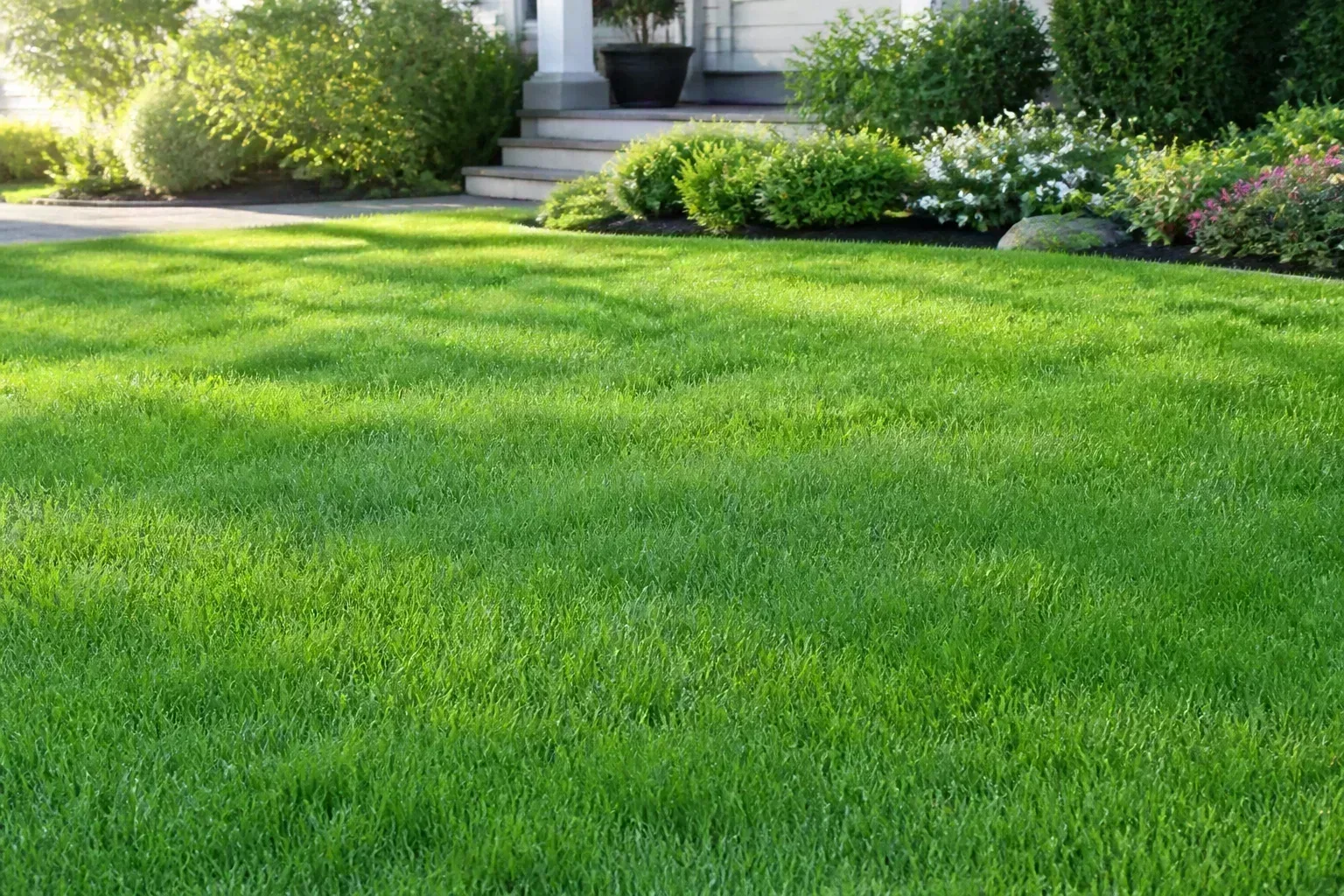
For many cool-season lawns, September or October is the best month to apply fall fertilizer. A later dose in November is appropriate in some regions, but only when local extension guidance supports it, the grass is still able to use nutrients, and state and local rules allow it. Warm-season lawns follow a different calendar; their final nitrogen application is usually earlier, before they begin preparing for winter dormancy.
That is why “fertilize in November” is not a dependable rule for every yard. The right date depends on the grass species, your climate, what the lawn has already received that year, soil conditions, the fertilizer label, and local nutrient regulations. Use the guidance below to identify a useful window without treating a month or “winterizer” bag as a substitute for those checks.
The short answer: September or October for many cool-season lawns
If your lawn is made up of Kentucky bluegrass, tall fescue, fine fescue, or perennial ryegrass, early fall is generally the safer starting point. The grass grows actively as summer heat eases, so it can use nitrogen to recover and thicken rather than receiving a last-minute dose when growth has stopped. Many regional recommendations place a substantial share of cool-season lawn nitrogen in late summer through mid-fall.
The exact month changes with location. In Iowa, Iowa State University Extension recommends mid-September and late October or early November for its context; the earlier pass supports moderate shoot growth, while the later one may support roots and earlier spring green-up. Purdue Extension also describes September and November as useful windows in Indiana, while a separate Purdue turf update advises homeowners to be cautious after Halloween and to reduce nitrogen if they do apply in November. Those differences are a reason to use the guidance for your state and current season, not to average dates from different places.
For a simple first decision, plan on September or October for a cool-season lawn, then check whether your local extension service recommends a second, later application. If you have bermudagrass, zoysiagrass, centipedegrass, or St. Augustinegrass, do not assume that fall nitrogen is beneficial simply because the weather is cooler.
Why one month cannot fit every lawn
A calendar month is only a rough proxy for growing conditions. September in a northern state can bring cool nights and active turf growth; September in a hot southern region can still be part of the warm-season grass feeding season. Even within one state, elevation, lake influence, shade, soil, and local weather can move the practical window by several weeks.
Grass type matters just as much. Cool-season grasses grow most strongly in cool parts of the year, including fall, while warm-season grasses do most of their growing in warm weather and slow as temperatures drop. A product marketed as a winterizer may contain nitrogen, potassium, or both, but the name does not mean every lawn needs it or that the product is suited to a grass that is going dormant.
Your lawn’s maintenance history also changes the answer. A dense lawn with clippings returned to the soil may need less added nitrogen than a high-maintenance lawn whose clippings are removed. A soil test may show that phosphorus or potassium is already abundant, and applying more will not solve compacted soil, shade, poor drainage, or a pest problem. Timing matters, but fertilizing only helps when the lawn has a nutrient need and can use the nutrient.
Identify your grass before choosing a date
Look for the grass name on a seed or sod invoice, ask the installer, or compare a healthy patch with a local extension identification guide. A mixed lawn is common, especially in transition areas, so identify the dominant turf and any deliberate overseeding. The key question is whether the lawn is primarily cool-season or warm-season turf, not which fertilizer color is on the bag.
| Common turf type | Season of strongest growth | Fall timing principle |
|---|---|---|
| Kentucky bluegrass, perennial ryegrass, fine fescue, tall fescue | Cool spring and fall weather | Fall feeding is often useful while turf is actively recovering and growing |
| Bermudagrass and zoysiagrass | Warm spring and summer weather | Finish nitrogen while the lawn is actively growing, earlier than a cool-season winterizer schedule |
| Centipedegrass and St. Augustinegrass | Warm season, with regional differences | Follow local guidance; avoid late nitrogen as growth slows toward dormancy |
| Mixed cool- and warm-season turf | Varies by yard | Base a broadcast application on the dominant turf and avoid harming either type with a mismatched schedule |
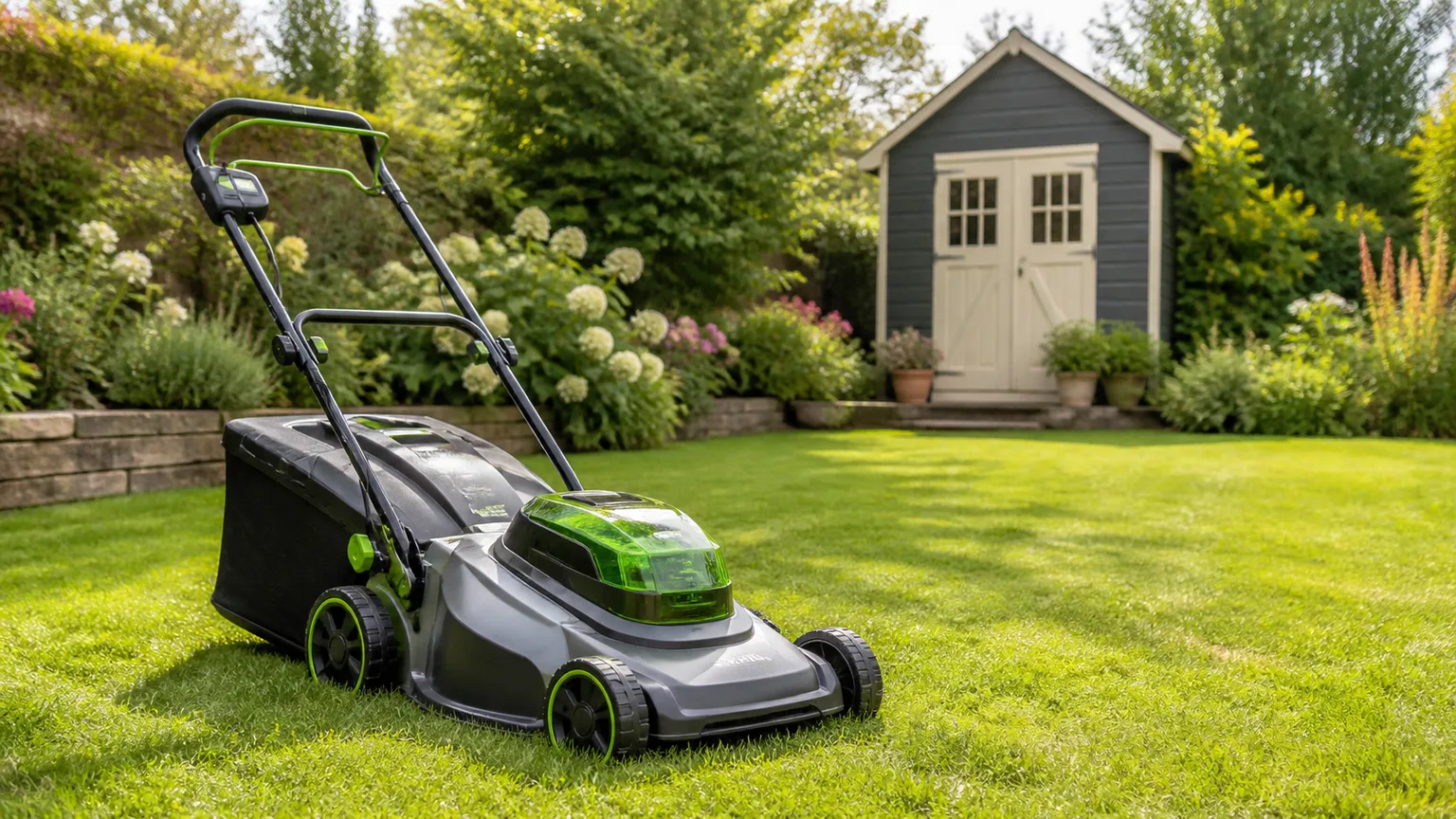
A brown lawn is not automatically a lawn that needs fertilizer. Warm-season turf commonly loses color as it enters winter dormancy, while cool-season turf can also turn brown during summer drought dormancy. Check whether the grass is actively growing and whether the soil or site is causing stress before assuming color is a nutrient signal.
Regional timing examples: September, October, and November
The following examples show why a national “best month” chart would be misleading. They are starting points from published regional guidance, not promises that every property in the state has the same window. Check the latest state extension recommendations, current local ordinances, and product directions before spreading fertilizer.
| Regional example | What local guidance says | How to use the example |
|---|---|---|
| Minnesota | University of Minnesota guidance centers established lawn nitrogen on late summer and early fall; Minnesota’s turf best-management guidance says not to apply nitrogen after mid-October. | Treat September and early October as the practical window unless current local instructions say otherwise. |
| Iowa | Iowa State lists mid-September and late October or early November for its cool-season lawn schedule. | Use the later date only if the lawn and weather remain in the conditions its guidance describes. |
| Indiana | Purdue describes September and November as potential windows, but its later advice warns that after Halloween is generally a time to put the spreader away unless conditions support a reduced late application. | Follow current turf activity, soil-temperature trend, and the more cautious local recommendation. |
| Pennsylvania | Penn State says late-fall fertilization in much of Pennsylvania is commonly around mid-November, when shoot growth has slowed or stopped but before soil freezes. | This is a Pennsylvania example, not a national November rule. |
| Maryland | University of Maryland Extension recommends cool-season feeding in late summer into autumn; Maryland Department of Agriculture bars homeowners from applying lawn fertilizer from November 16 through March 1. | Plan the final legal application before the cutoff and use the state’s turf-specific rate chart. |
| Oklahoma warm-season lawns | Oklahoma State Extension advises ending nitrogen on bermudagrass, zoysiagrass, and buffalograss by September 15 in its state context. | Do not carry a northern cool-season November schedule into a warm-season lawn. |
These dates are not contradictory so much as region-specific. Penn State Extension describes mid-November in much of Pennsylvania, while Minnesota’s turf best-management practices say not to apply fall nitrogen after mid-October. Both approaches are consistent with their local growing season and environmental rules.
The legal deadline can be earlier than the biological deadline. For example, Maryland Department of Agriculture says homeowners may not apply lawn fertilizer from November 16 through March 1; lawn-care professionals have a limited exception through December 1. New York’s Department of Environmental Conservation says lawn fertilizer containing nitrogen, phosphorus, or potassium cannot be applied from December 1 to April 1. Massachusetts turf regulations prohibit applications to frozen or snow-covered soil, among other site and weather restrictions. These are examples rather than a complete list; state, county, and municipal rules can change, so check your local agriculture or environmental agency before making a late-season application.
Cool-season lawns may have two fall feeding windows
A cool-season lawn may receive more than one fall application, but that does not mean every lawn needs two feedings or a heavy “winterizer” dose. The aim is to match nutrient supply to the lawn’s annual plan, not to stack extra fertilizer on top of what it already received. Count spring, summer, fall, starter, and weed-and-feed applications together because all contribute to the season’s nutrient total.
Early fall helps turf recover while it is growing
The first fall application is commonly made after the worst summer heat has eased and the grass resumes active growth. It can support recovery from summer stress and help turf fill in, particularly where the lawn is thin or has been overseeded. Purdue’s cool-season turf guidance recommends that a large share of annual nitrogen be applied between late summer and mid-fall; the precise share and rate still depend on the lawn’s needs and local recommendations.
Do not apply nitrogen to turf that is brown and dormant from drought just because the calendar says September. First decide whether the lawn has resumed growth after rain or irrigation and whether it is appropriate to water. If the soil is dry and the lawn is heat-stressed, fertilizer can add salt stress or remain unused; let the turf recover before considering a nutrient application.
A late application is optional and highly local
Some extension programs recommend a late-fall application after leaf growth slows, sometimes near or after the final mowing, while the turf remains green and the soil is not frozen. The expected benefit is mainly next-season performance, such as earlier green-up, rather than a sudden fall flush. Iowa State gives a late October or early November example; Purdue describes a November window in Indiana; Penn State places it around mid-November in much of Pennsylvania.
The final mowing date is a clue, not a universal trigger. If your lawn stopped growing unusually early, waiting until the last calendar mowing could make the application too late. Conversely, a mild autumn can keep grass growing later than usual. Local extension may recommend a particular timing and nitrogen source; if it does not, do not assume that a product labeled “winterizer” is necessary. Research and extension recommendations differ on late-season timing and product type, so use the narrowest credible local guidance available.
Warm-season lawns need an earlier cutoff
Bermudagrass, zoysiagrass, centipedegrass, and St. Augustinegrass should not automatically receive the late-fall nitrogen used for cool-season turf. These grasses slow down as temperatures fall and prepare for dormancy; late nitrogen can encourage growth at an unhelpful time or increase disease and winter-injury risk. The exact schedule varies by grass and location, but the general rule is to fertilize warm-season turf during active growth and finish before it goes dormant.
Oklahoma State’s 2026 guidance sets September 15 as the final nitrogen date for bermudagrass, zoysiagrass, and buffalograss in Oklahoma, while the University of Maryland places warm-season lawn feeding in late spring and summer in its regional schedule. This illustrates why a Southern lawn should follow its own extension calendar rather than a northern article’s November recommendation.
If you have a warm-season lawn that is already yellowing or brown in late fall, diagnose dormancy before applying fertilizer. Do not try to force green growth with nitrogen when the grass is naturally shutting down. If a local extension recommends a particular potassium application or other fall practice for your turf, base it on soil testing and that grass-specific guidance.
Test the soil before choosing an N-P-K blend
The three numbers on a fertilizer bag represent nitrogen, phosphate, and potash percentages by weight. Nitrogen is usually the nutrient most associated with routine established-lawn feeding, but phosphorus and potassium should not be added just because they appear in a “complete” fertilizer. University of Minnesota Extension explains that established lawns often show little response to additional phosphorus and recommends using a soil test to determine nutrient needs.
A soil test is especially useful if you have never tested the lawn, are renovating it, see persistent poor growth despite appropriate watering and mowing, or are deciding whether the soil needs phosphorus, potassium, or lime. Use the test laboratory’s sampling directions and send a representative sample from the lawn, not a single handful from an unusual patch. A test is not a diagnosis for every turf problem: it will not tell you that shade, drainage, compaction, disease, or an incorrect grass species is the reason a lawn struggles.
State rules may also limit phosphorus. Minnesota restricts phosphorus fertilizer on lawns unless an exception applies, such as establishing a new lawn or a soil test showing need. Maryland and New York also limit phosphorus in established lawns, with specific exceptions. Do not use a fertilizer with a middle number above zero unless a soil test, new-lawn instruction, and your state law support it.
Potassium is sometimes marketed as a cold-hardiness ingredient, but it is not an automatic fall requirement. Use a test-based local recommendation rather than assuming that a high third number will improve winter survival. The Lawn Institute’s fertilizer guide explains how a soil test, product analysis, lawn area, and target nutrient rate fit together; that calculation is more useful than selecting the largest or most dramatic number on a bag.
Use the fertilizer label to calculate the amount
Measure the lawn area you actually plan to treat. Exclude the house, driveway, garden beds, and other surfaces; an approximate rectangular or split-shape measurement is better than guessing from the package’s advertised coverage. Then use the nitrogen rate recommended by your state extension, the label, and any legal limits.
A transparent calculation is:
fertilizer needed = target nitrogen rate × lawn area ÷ nitrogen fraction
For example, if a local recommendation calls for 0.5 pound of actual nitrogen per 1,000 square feet, your lawn measures 4,000 square feet, and the fertilizer contains 20 percent nitrogen, the math is 0.5 × 4 ÷ 0.20 = 10 pounds of product. This is an arithmetic example, not a recommendation to apply 0.5 pound of nitrogen in every region. Use the rate that applies to your lawn and product; do not exceed the label or annual local recommendation.
The nitrogen fraction is the first number written as a decimal: 20 percent becomes 0.20. If the local schedule recommends 1 pound of nitrogen per 1,000 square feet and your 20-percent product covers a 4,000-square-foot lawn, the same calculation would produce 20 pounds of product. A bag that says “covers 5,000 square feet” assumes a specific application rate; do not use that claim if your lawn is smaller or the extension rate differs.
Account for every fertilizer source. A starter fertilizer used during overseeding, a weed-and-feed product, and a routine lawn feeding all contribute nutrients. Returned clippings also recycle nutrients; UMN Extension’s nitrogen table reduces annual recommendations for some lawns when clippings are returned. Do not add an optional late application because you have half a bag left.
Apply evenly and protect nearby surfaces
Read the entire product label before opening the bag. Check that the fertilizer is intended for your grass, note the recommended rate and any watering instructions, and confirm that local restrictions do not prohibit its use. A product may be sold nationally even when a state or local rule restricts how or when it can be applied.
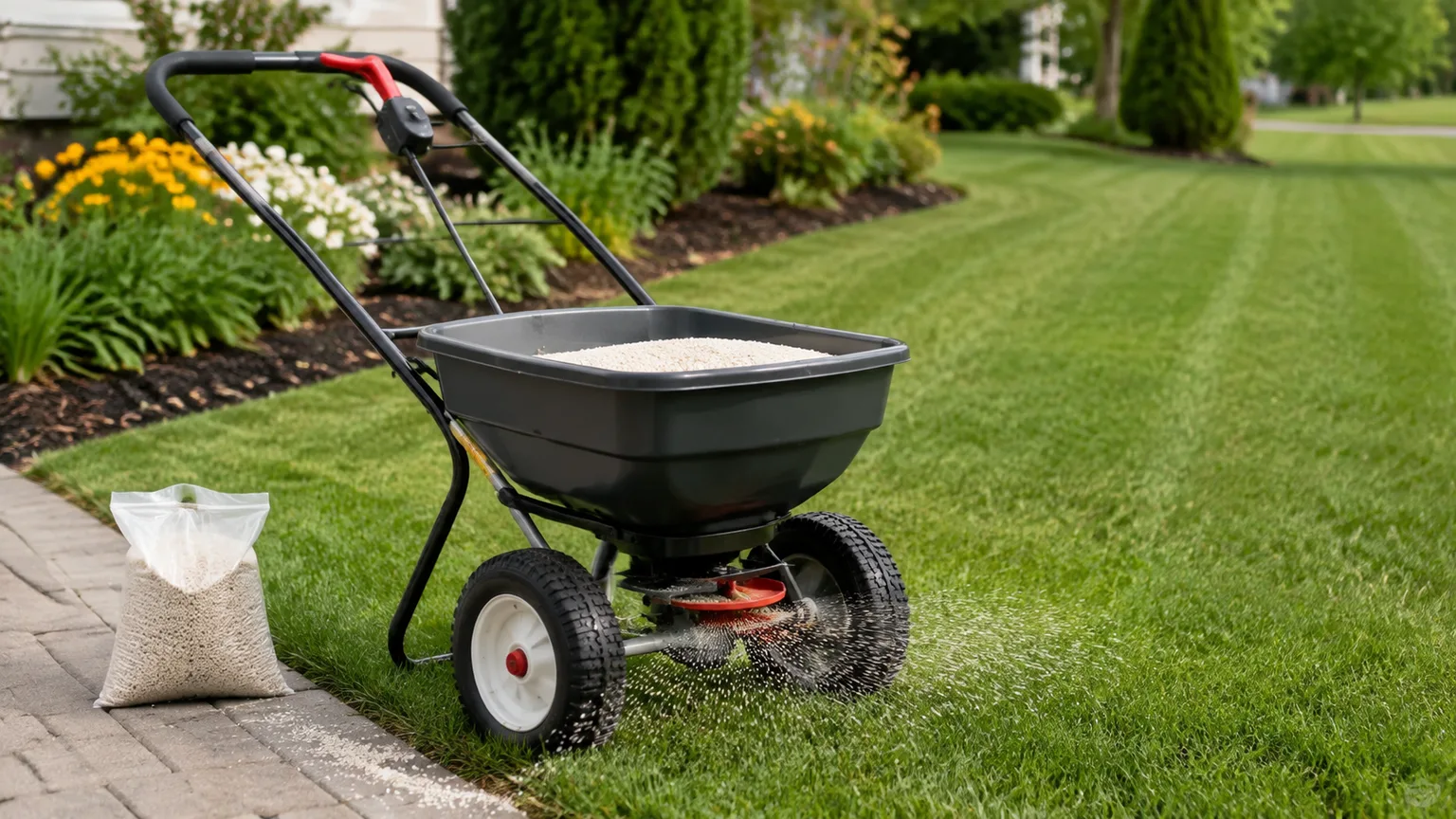
A broadcast spreader is useful on larger areas; a drop spreader offers more control beside beds, sidewalks, and other edges. For even coverage, divide the planned amount in half and make two passes at right angles if the product label permits that method. The Lawn Institute describes this cross-pass approach as a way to improve uniformity. If the spreader has a calibration setting, use the setting in its manual as a starting point and verify the actual application on a measured area. BBC Gardeners’ World Magazine’s practical autumn-lawn guidance likewise advises using the packet rate and spreading evenly; in the United States, local extension guidance, state rules, and the product label should determine the timing and amount.
Fill the spreader on a hard surface where you can collect spills, then close the hopper before turning or stopping. Keep granules off driveways, sidewalks, storm drains, and water; sweep spilled material back onto the turf rather than hosing it toward a drain. Do not mix fertilizer by hand in a bucket and scatter it across the lawn unless the label specifically supports a small-area method, because uneven handfuls can create burned strips and dark green bands.
Choose weather and soil conditions that limit runoff
Choose a calm day when the lawn is not frozen, snow-covered, saturated, or likely to flood. Avoid spreading just before a heavy rainstorm or on a windy day. The U.S. EPA advises applying fertilizer only when needed and at the recommended rate, avoiding windy or rainy days, and keeping applications away from waterways. A light rain or label-directed irrigation may help move fertilizer from leaf blades toward the soil, but a downpour can carry nutrients off-site before turf can use them.
Granular fertilizer directions differ, so follow the package about watering-in. If the label says to irrigate, use enough water to move granules off the blades without producing runoff or puddling. If the lawn is already wet or the soil cannot absorb more water, wait; a schedule is not more important than the ability of the ground to receive the application.
Sandy soil deserves extra caution because soluble nitrogen can move through it more readily than through finer-textured soil. Penn State flags leaching risk on sandy soils and advises against an unnecessarily high or poorly timed nitrogen application. If the yard slopes toward a ditch, pond, stream, or storm drain, leave an unfertilized buffer as required by local regulations and avoid any application that could wash directly into water.
Skip fertilizer when the lawn cannot use it
Do not fertilize a lawn that is frozen, snow-covered, saturated, or already dormant from drought or cold. Nutrients applied when roots are not actively taking them up may be wasted or lost in runoff. In a cold-season region, soil temperature and the grass’s growth response can be better clues than the daytime air temperature; Purdue reports that turf growth slows sharply as soil temperatures fall below about 40°F, though local species and conditions still matter.
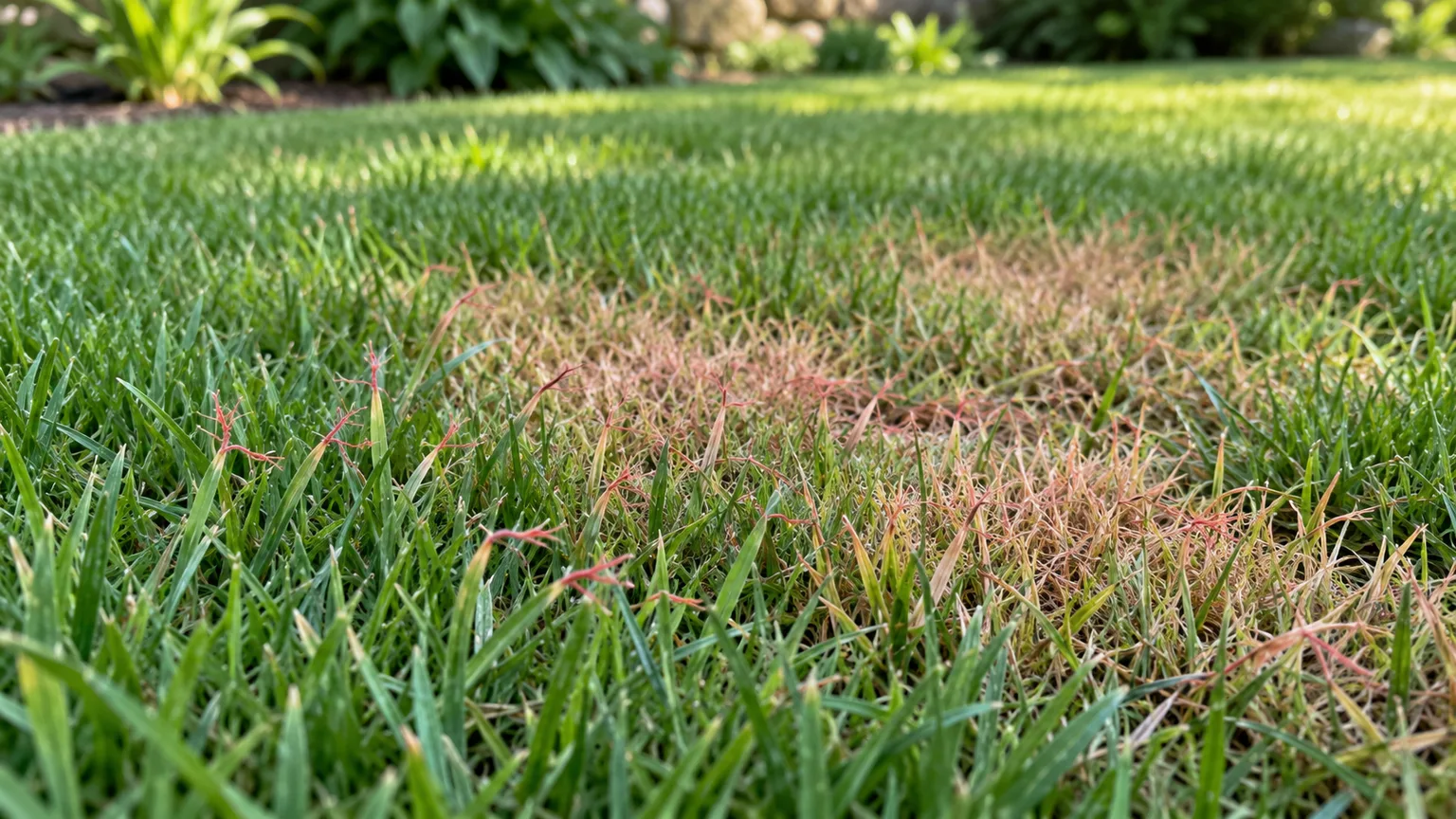
Do not apply a late nitrogen dose just to repair a brown patch. Brown areas can result from drought, shade, pet urine, grubs, disease, poor drainage, or mower damage, and added fertilizer will not correct those causes. If only one area looks unhealthy, compare it with healthy turf and investigate water, sun, soil, and signs of injury before treating the entire lawn.
A thick lawn may need no fall fertilizer in a low-input program. If a soil test is satisfactory, clippings are returned, the lawn has acceptable density and color, and local guidance does not call for feeding, skipping a dose can be the more responsible choice. Fertilizer is not a winter blanket; the goal is to apply only what the turf can use.
What to do if you missed the fall window
If your local cutoff has passed, the lawn is dormant, or the soil is frozen, do not try to make up the missed application with a heavier dose. Store the fertilizer dry and use it only when a future application is appropriate for that grass and season. A lawn that misses one optional fall application can wait for the next locally recommended growth period.
In spring, do not automatically compensate with extra nitrogen. Follow the current extension schedule and soil test, and consider what the lawn received last year. Too much early spring nitrogen may create a burst of top growth that needs more mowing without addressing the underlying reason the lawn was thin. If the goal was to thicken turf, plan the next seeding or repair period around the right temperature and moisture window for your grass.
Fall fertilizing mistakes that waste product
The most common mistake is treating “fall” as one uniform period. Fertilizing in early fall while cool-season grass is actively recovering is not the same as applying nitrogen to dormant turf after temperatures drop. Another mistake is equating a last mowing date with the best fertilizer date; the final mow can be early or late depending on weather, so use local advice and growth conditions together.
Choosing a fertilizer by its N-P-K ratio alone can lead to unnecessary phosphorus, potassium, or nitrogen. A 24-4-12 formulation is not inherently the right fall blend for every soil, and many established lawns do not need added phosphorus at all. Use a soil test and a local nitrogen recommendation rather than a generic formula, and treat all product names such as “winterizer” as marketing until the analysis and instructions match your lawn.
Overapplying is more damaging than skipping an unneeded dose. Excess nitrogen can lead to too much top growth, higher mowing demand, nutrient losses, and turf stress; concentrated granules can burn grass. Measure the lawn, weigh or measure the product, calibrate the spreader, and write down the date and amount so next year’s schedule is based on what actually happened.
A simple fall lawn fertilizer decision checklist
Before you apply, answer these questions in order:
- What grass do I have? Cool-season and warm-season lawns need different timing.
- Is the lawn actively growing? Do not feed frozen, snow-covered, waterlogged, or drought-dormant turf.
- Has it already received fertilizer this year? Count all nitrogen applications, including starter and combination products.
- What does my soil test show? Use it to decide whether phosphorus, potassium, or lime is needed.
- What does my local extension schedule say? Use dates for your region, not another state’s calendar.
- Is there a legal cutoff or water restriction? Check state and local rules, especially near waterways.
- Does the weather allow a safe application? Avoid wind, heavy rain, saturated ground, and runoff risk.
- Can I measure the lawn and apply the labeled rate evenly? If not, postpone until you can.
This order prevents a month name or a bag label from making the decision for you. If the answers point toward a fall application, choose a suitable calm day, use the measured amount, and record what you applied. If they point toward waiting, leave the fertilizer in the shed until the lawn can make use of it.
Conclusion
For many cool-season lawns, September or October is the best month to fertilize in fall. A late October or November application can make sense in places where local extension guidance recommends it and where the grass remains able to use nutrients before dormancy. In Minnesota, Pennsylvania, Iowa, Indiana, Maryland, and other states, those windows differ; local advice and fertilizer law matter more than a national rule.
Warm-season lawns generally need their final nitrogen earlier, while they are still growing. No matter the grass type, test the soil before adding phosphorus or potassium, calculate nitrogen from the label and lawn area, and skip fertilizer on frozen, saturated, or dormant turf. When you time the application to your lawn instead of the calendar alone, you avoid a wasted dose and give the grass a more realistic chance to use what you apply.