How to Remove Avocado Stains From Clothes and Carpet
Remove avocado stains from clothes, carpet, and upholstery with surface-specific steps. Learn what to do first, what to avoid, and when to call a cleaner.
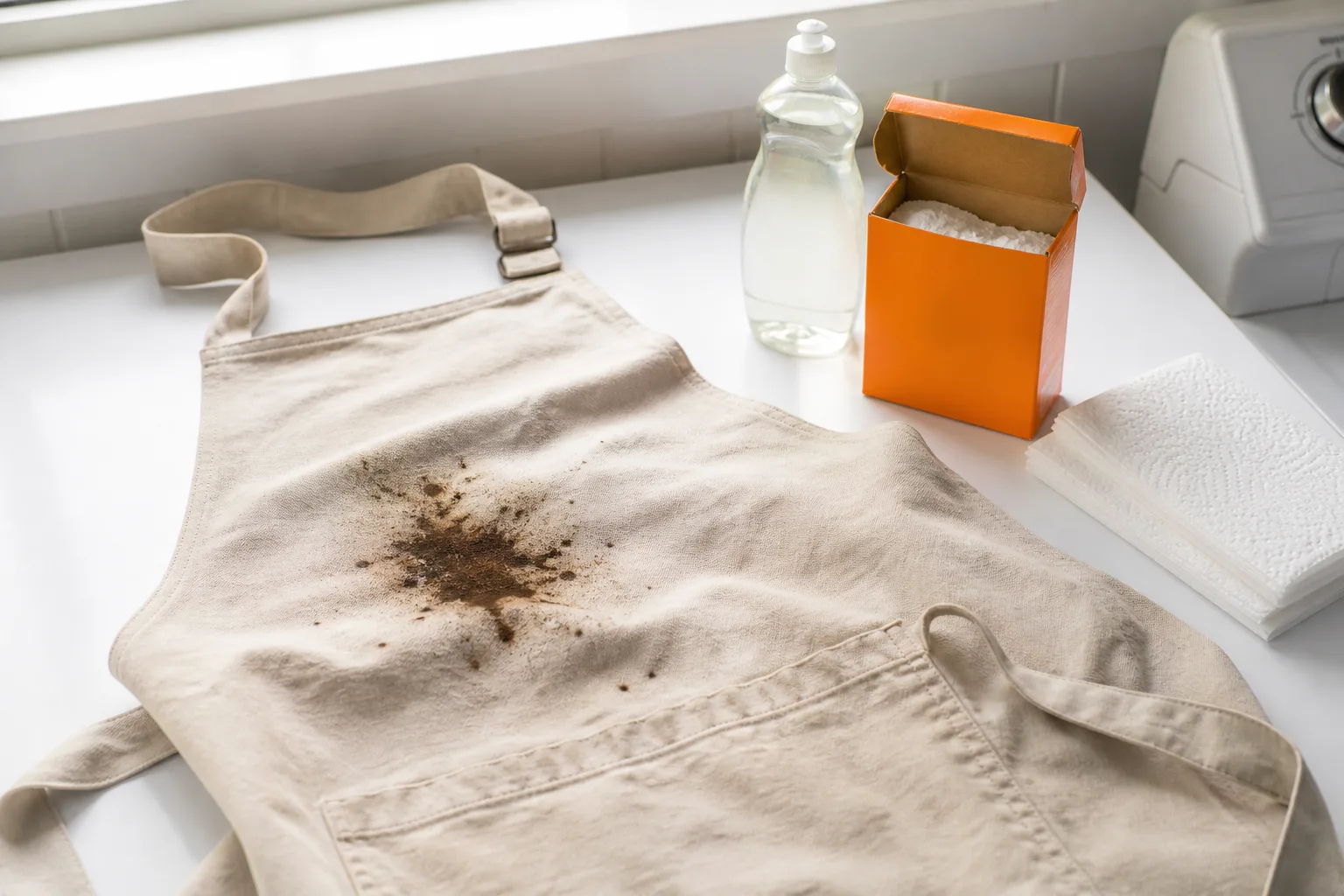
To remove avocado from a washable shirt, lift away the pieces, flush the stain from the back with cool water, work liquid laundry detergent into the mark, then wash according to the care label. Check the fabric before it goes in the dryer; if any discoloration or oily shadow remains, treat and wash it again. On carpet, scrape up solids and blot with a white cloth before using a small amount of diluted cleaner.
The main difference is how much water each surface can safely take. A washable garment can be rinsed and laundered, while carpet and upholstery should be cleaned with controlled moisture so the backing, cushion, and surrounding area do not stay wet.
The Fastest First Response for Any Surface
If the spill just happened, pause the meal and deal with the stain while it is still fresh. Use a spoon or dull knife to lift avocado or guacamole off the surface, moving from the outside edge toward the center; avoid pushing down or dragging the food across clean fabric. If the spill is liquid, blot it with a clean white cloth or paper towel, pressing straight down and lifting rather than scrubbing.
Next, choose a route based on the item. A washable garment can usually be taken to a sink, turned inside out, and rinsed from the reverse side with cool water so loosened material moves back out through the fabric. Keep the stained area separate from clean parts of the garment, and do not rub it against itself.
For carpet or upholstery, leave the item in place and remove as much solid material as possible before introducing water. Blot any wet residue with a fresh section of a white cloth, and stop when the cloth is no longer picking up material; flooding the spot at this stage can carry oily residue deeper into the pile or cushion. The Carpet and Rug Institute’s avocado Spot Solver also stresses acting quickly and using a dry white absorbent cloth for liquids.
Why Avocado and Guacamole Leave a Mark
Avocado behaves differently from a thin fruit juice because its flesh contains oil. That oily residue can remain after the visible green has faded, especially if the spot is washed but not thoroughly rinsed or if a dryer warms the garment before the mark is gone. A professional laundry expert interviewed by Apartment Therapy identifies avocado’s fat as the reason a spill can leave an oily mark and recommends a detergent pretreatment.
The color can change, too. A fresh smear may look pale green, while a spot that has sat can turn brown as the cut fruit oxidizes; the color you see is not a reliable measure of how much oil remains. Guacamole may add another problem because it can include tomato, pepper, chili, lime, or other ingredients that leave separate color or grease marks.
It helps to treat the stain as two clues rather than one: a shiny, translucent, or stiff patch points toward leftover oil, while a green-brown tint points toward visible discoloration. A stain can have both, so do not move straight to bleach or a color-removing product just because the spot looks green. First remove the food and oily soil with a detergent that is safe for the fabric, then reassess the remaining mark.
How to Remove a Fresh Avocado Stain From Washable Clothes
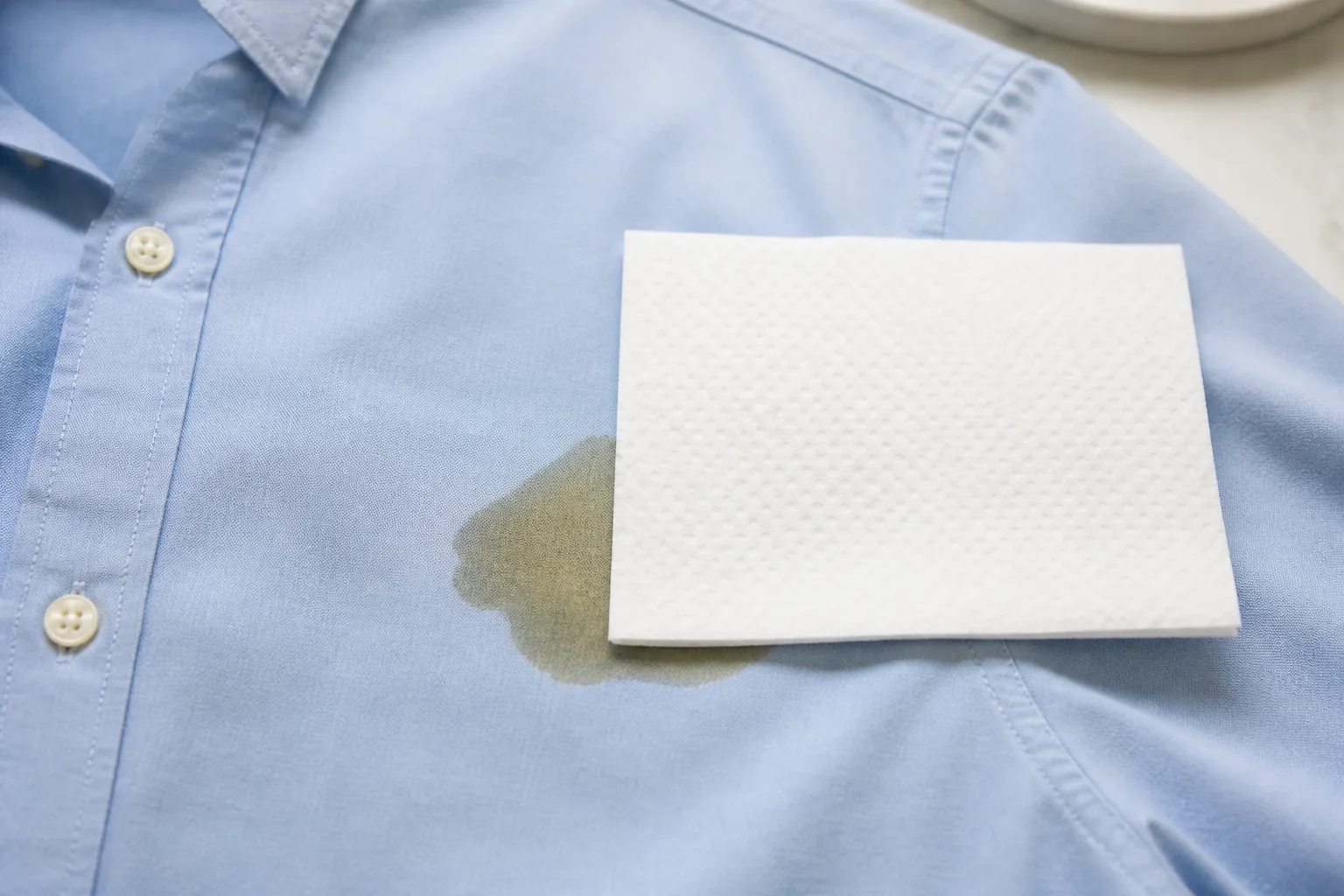
For most machine-washable cotton, denim, polyester, and common blends, use a sequence that removes bulk food first, directs water through the stain from the back, and gives detergent time to work. Check the care label before using warm water, stain remover, or bleach, especially on dark colors and stretch fabrics. If the label says dry clean only or spot clean only, skip the washer and see the delicate-clothing section below.
A laundry professional’s method shared with Apartment Therapy follows the same basic order: scrape, pretreat with liquid detergent, gently work the stain, soak if the care instructions allow, wash, then air-dry and check. The time ranges below are starting points rather than a guarantee; thick denim, a large guacamole spill, or a stain that has already dried may need another pass.
Lift the solids and flush from the back
Use the edge of a spoon to scoop the avocado up instead of wiping it away. If guacamole has landed in a fold or pocket, check both sides and lift the material out without pressing it farther into the weave; remove any pit or large chunks separately.
Turn the garment inside out and hold the stained area under a gentle stream of cool water. Let the water pass through from the back to the front so it carries loose food out of the fibers, and keep the stream close to the stained area instead of splashing it across the whole garment. On thick or dark fabric, stop and check the front every few seconds so you know whether the stain is moving rather than spreading.
If the garment cannot be moved to a sink immediately, blot the surface with a damp white cloth and keep the cloth clean as it picks up residue. Do not use a colored napkin or printed paper towel that could leave dye or lint behind, and avoid hand sanitizer, heat, or an improvised solvent as a first step. The aim is to remove what is loose before adding a cleaner.
Pretreat with liquid laundry detergent
Apply a small amount of liquid laundry detergent directly to the remaining mark, enough to wet the stained fibers without soaking a large area around them. Gently work it in with your fingertips or a soft-bristled toothbrush, using short strokes and light pressure; vigorous scrubbing can roughen a delicate weave and widen the spot. Leave the detergent in place for about five to ten minutes, or follow the product label if it specifies another contact time.
A detergent pretreatment is a useful first choice because the visible mark often includes avocado oil as well as fruit residue. The method from Apartment Therapy’s interview with laundry professional Ashley Kidder uses about a tablespoon of detergent, a soft toothbrush, and a warm-water soak before washing; the exact amount should scale to the stain and garment, and the care label still takes priority. Do not combine detergent with bleach, vinegar, ammonia, or another stain product in the same bowl.
For a large or particularly oily guacamole spot, resist the urge to add more and more product. Too much detergent can leave its own residue, which makes inspection harder and may require extra rinsing. If you use a spot-treatment spray or gel instead, confirm it is suitable for the fabric color and follow its label rather than layering several products together.
Wash, inspect, and repeat before drying
Wash the garment using the cycle and water temperature allowed by its care label. If the label permits warm water, it can be used for the wash after the cool-water flush and detergent pretreatment; if the fabric is dark, delicate, or prone to shrinkage, choose the label’s safer setting instead of assuming hotter is better. Use the normal amount of your usual detergent, not an extra scoop that may leave residue.
Before drying, look at the treated area in bright light while the garment is still damp, then feel it once it is dry if you are unsure whether a greasy film remains. If a green-brown shadow or slick patch is visible, repeat the detergent pretreatment and wash before applying heat. The Drycleaning & Laundry Institute’s care-label guidance explains that care labels give a safe cleaning method and that not every label lists every possible method; follow the garment maker’s instructions before changing the treatment.
Air-dry the garment until you can judge the result accurately. Do not place it in a hot dryer, iron it, or use a heated drying rack while a mark remains, because warmth can make a remaining stain more difficult to remove. Good Housekeeping’s stain-care guidance similarly recommends checking that a stain is gone before using the dryer and repeating treatment when needed.
How to Treat a Dried or Set-In Clothing Stain
A dried avocado spot is harder to assess because the fruit has browned and the oil has had more time to settle into the weave, but it is still worth trying a careful detergent treatment. First scrape any dried bits from the surface with a spoon or the blunt edge of a butter knife; do not use a sharp blade that can cut threads or snag a knit. If the garment is washable, wet the stain with cool water and let the fibers soften for several minutes.
Apply liquid laundry detergent to the mark and work it in gently with your fingers. Give it ten to fifteen minutes to sit, then rinse from the back and check whether the water is carrying away brown or green residue. If the stain is broad or has dried stiff, soak the garment only if its label allows immersion; a warm soak is reasonable for sturdy colorfast fabric when the label permits it, but cool water is the safer choice for unknown dyes and delicate blends.
Wash according to the label, inspect before drying, and repeat if necessary. A stain that has already been through a dryer may need several rounds, and no home treatment can promise complete removal after heat exposure. The Drycleaning & Laundry Institute describes how some stains that are not obvious at first can become more visible after cleaning or storage, which is a reason to mention old spills to a professional rather than conceal them with a quick rinse; see its delayed-stain guidance.
Do not try to erase a set-in shadow with a stronger chemical before you know what the fabric can tolerate. Use an oxygen-based bleach only when the garment label and product directions both allow it, and reserve chlorine bleach for items whose labels specifically permit chlorine bleach. If one treatment makes the color bleed, stop, rinse gently, and consult a cleaner.
What Changes for Silk, Wool, and Dry-Clean-Only Clothes
A delicate fabric needs a gentler response than a cotton T-shirt. Silk, wool, rayon, leather trim, structured garments, and vintage pieces can lose shape, color, or finish when rubbed, soaked, or treated with a general stain remover, so do not assume the standard laundry sequence is safe just because the stain is small.
For a garment marked dry clean only, carefully lift the avocado solids with a spoon and blot the surface with a clean, barely damp white cloth. Do not rub, pour detergent on it, or soak the garment; take it to a professional cleaner as soon as practical and identify the spill as avocado or guacamole. If the item is washable but made from silk or wool, follow the specific care label and use only a product that names that fiber as suitable.
The Drycleaning & Laundry Institute notes that care labels state at least one safe method and advises asking a cleaner before trying a different method. That matters because “dry clean only” is a clear stop sign for a home wash, while “hand wash” or “spot clean only” still sets limits on agitation and immersion. If the label is missing, illegible, or conflicts with the garment’s construction, the risk of a home experiment may outweigh the value of saving a cleaning fee.
How to Remove Avocado Stains From Carpet
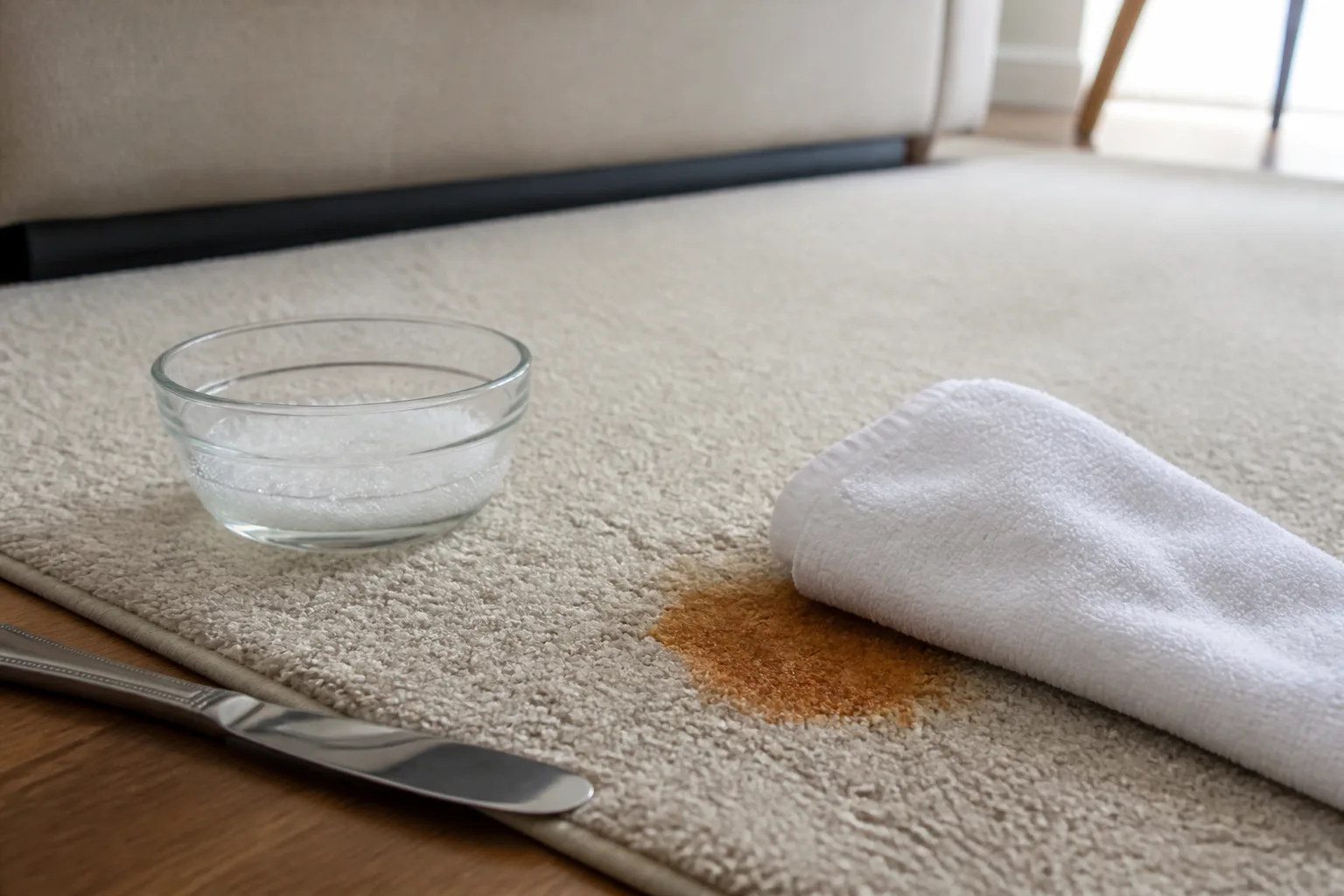
Carpet cannot be turned inside out or put through a rinse cycle, so keep the treatment local. The goal is to lift solids, transfer stain into a white cloth, use a small amount of safe cleaner, and remove the cleaner afterward; leaving soap or a wet patch can create a second problem as the carpet dries.
Start by checking the carpet manufacturer’s cleaning instructions, especially for wool, sisal, viscose, natural-fiber rugs, or a rug with unstable dyes. If you do not know the fiber or the carpet is valuable, test any solution in a hidden spot and stop if the color changes, the fibers distort, or the backing becomes wet. The Carpet and Rug Institute’s Spot Solver offers stain-specific directions, including for avocado.
Lift solids and blot without spreading
Use a spoon to lift the guacamole from the carpet surface, working from the outer edge toward the center so the spill does not travel outward. Avoid pressing down, scrubbing, or dragging a cloth across the pile, because that can push food deeper and enlarge the damp area. Pick up loose pieces with the spoon and discard them instead of rubbing them into a paper towel.
If the spill has a liquid component, press a dry white cloth or white paper towel straight down on the spot and lift it away. Repeat with a fresh section each time the cloth picks up color or oil; do not move a soiled part of the towel back over clean carpet. The Carpet and Rug Institute recommends prompt blotting with a dry white absorbent cloth for liquids and cautions readers to use its stain-specific directions rather than applying a random product.
Once the loose material is gone, check the spot from different angles. A shine or darker patch can indicate moisture or oil still in the pile, while green-brown specks may be bits of avocado that were not lifted. If the stain is still transferring to the cloth, continue blotting before adding any solution.
Clean with minimal moisture, then rinse and dry
If the carpet instructions allow water-based spot cleaning, prepare a small amount of mild, clear dishwashing liquid diluted in cool or lukewarm water. Use a conservative solution and do not add vinegar, bleach, ammonia, or a second cleaner; different carpet fibers and dyes react differently, and concentrated soap is difficult to rinse out of pile. The CRI’s home carpet-cleaning tips favor plain water over an untested cleaner when an approved product is not available.
Dampen a white cloth with the solution rather than pouring it onto the floor. Blot from the outer edge toward the center, turning to a clean part of the cloth as it picks up residue; use only enough moisture to reach the stained pile, not the carpet pad. If the stain starts to spread, stop and blot the edge with a dry cloth before continuing.
Rinse by blotting with a second cloth dampened with plain water. This step removes detergent that could attract soil later, and it also gives you a chance to see whether any color or greasy transfer remains. Finish by pressing dry towels on the area to absorb moisture, then let it air-dry with room circulation; do not apply direct heat or walk on the spot until the pile is dry.
When dry, vacuum gently to lift the pile and reassess in daylight. If an oily shadow remains, do not flood the carpet with another solution; repeat only the same light treatment if the carpet instructions permit it, or contact a carpet-cleaning professional. For a large spill, wool rug, or stain that has seeped into the pad, professional extraction is safer than repeated wetting.
How to Handle a Spill on Upholstery
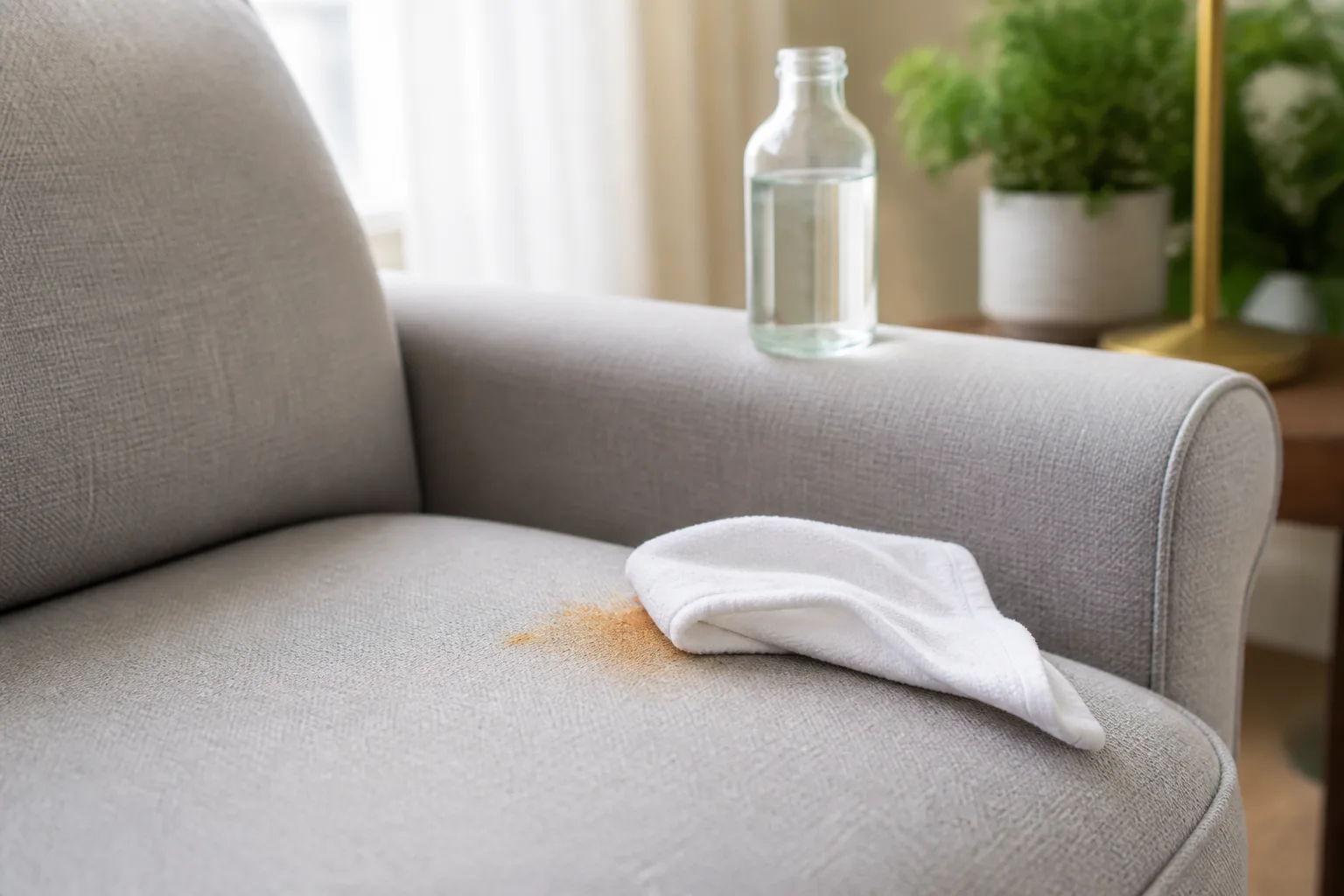
Treat upholstered furniture like a surface that can be damaged by excess water. Before cleaning, look for the manufacturer’s care tag and confirm that water-based spot cleaning is allowed; if the tag is missing or unclear, check the furniture maker’s care instructions or call an upholstery cleaner. The filling beneath the cover can hold moisture even when the surface feels nearly dry.
Lift solids with a spoon and blot any wet residue using a white cloth. If the upholstery permits water-based cleaning, use a cloth lightly dampened with the diluted cleaner, working on a small area and testing a hidden section first; then blot with a separate cloth dampened with plain water and press dry towels over the spot. Avoid saturating seams, cushion edges, or the backing, and do not remove a cushion cover unless the manufacturer says it is washable.
If the fabric is silk, velvet, antique, or labeled for solvent-only cleaning, stop after lifting solids and blotting. Do not pour liquid detergent into the cushion or use a home upholstery machine that pushes water deep into the foam. A professional can choose a process that suits the cover and filling rather than leaving a water ring or trapped dampness.
What to Do if a Green, Brown, or Oily Mark Remains
A stain that looks green or brown after the first wash is not a reason to switch immediately to bleach. First decide whether the mark is colored residue, a remaining oil patch, or simply a wet area that looks darker while it dries. Let a washable garment air-dry fully before making that judgment, then check the spot under bright light and run your fingers lightly over it to feel for a greasy film.
If the spot feels slick, repeat a detergent pretreatment and wash; oily residue can be less visible when fabric is wet, so check it again once dry. If the surface feels clean but a faint tint remains, verify the garment’s bleach instructions before trying a color-safe oxygen product or another stain remover, and test it on a hidden seam first. Do not use chlorine bleach on a colored garment or any fiber whose care label excludes it.
On carpet, a green-brown trace may be food trapped between tufts, while a dark halo can be moisture or product residue. After the carpet is fully dry, vacuum and inspect the pile from two directions; if the stain reappears, blot with a small amount of plain water to remove residue and dry the area thoroughly. A persistent shadow or spreading ring means more product is unlikely to help, and a cleaner should assess the fiber.
Guacamole may include ingredients that avocado alone does not. If the spill had tomato, paprika, chili sauce, or oil-heavy additions, the remaining color may need a different treatment than the avocado flesh, so do not repeat an avocado-only method endlessly.
Common Mistakes That Make Avocado Stains Harder to Remove
The most common mistake is wiping or scrubbing while the food is still on the surface. That action spreads the oily pulp across a larger area and presses it deeper into threads or carpet pile; lift solids first, then blot liquids with a clean white material.
Another mistake is using an overly hot rinse or putting a garment in the dryer before checking it. A care label may allow warm or hot laundering, but the safer sequence is to remove residue first, follow the label, and use heat only after the stain is gone. If you are not sure whether a mark remains, let the fabric air-dry so you can inspect it without adding dryer heat.
Do not substitute a harsh cleaner for a careful sequence. Chlorine bleach can remove color from garments and carpet, while vinegar and baking soda mixtures create residue without addressing the main cleaning step; mixing cleaning products can also produce irritating or dangerous reactions. Use one surface-appropriate product at a time, follow its label, and rinse it away when the instructions call for rinsing.
Avoid flooding a carpet or sofa to “flush” the stain the way you would flush a shirt. Carpet pad and cushion foam can retain water, and leftover detergent may attract soil or leave a ring as it dries. Use a damp cloth, change to a clean section often, rinse sparingly, and blot until the treated area is as dry as practical.
Finally, do not apply a stain remover directly to a visible area without checking colorfastness. Test it in an inconspicuous place, especially on dark clothes, patterned carpet, and upholstery, and stop if the test changes the color or texture. Good Housekeeping’s general stain-removal advice also recommends a hidden-area test when trying a new product.
When to Call a Professional Cleaner
A professional cleaner is the safer choice when the garment is dry-clean-only, silk, wool, vintage, heavily structured, or valuable enough that a small color change would matter. Also stop if the fabric dye moves to the cloth during blotting, the item’s care label is missing, or several careful treatments have not improved the mark. Tell the cleaner what was spilled and what products you already used so they do not have to guess.
For carpet and upholstery, call a professional when the spill is large, the stain reaches the pad or cushion, the material is wool or another sensitive fiber, or the carpet’s colors transfer during a test. A professional is also sensible if the stain returns after drying or a damp ring spreads beyond the original spot. Repeatedly soaking the area can make the problem larger and harder to correct.
If you are taking a garment to a cleaner, remove any loose food first but avoid applying a home stain product unless the cleaner asks you to do so. The Drycleaning & Laundry Institute recommends telling the cleaner about spills because residues that are not obvious can show up later; describe the spill as avocado or guacamole and note whether the garment has already been washed or dried.
Conclusion
For washable clothes, scrape off the avocado, flush the stain from the back with cool water, pretreat with liquid laundry detergent, and wash according to the care label. Check the result before drying and repeat the treatment if any oily feel or discoloration remains.
For carpet and upholstery, lift solids and blot with a white cloth, use only a small amount of a suitable cleaner, rinse away residue, and dry the area fully. Delicate garments, valuable rugs, and stains that have already been heat-dried may need professional care; a measured treatment gives you the best chance without making the stain spread.