Types of Houseplants and How to Choose One
Compare types of houseplants by growth habit, light, water, size, and care level. Find foliage, flowering, succulent, fern, and trailing plants for your home.
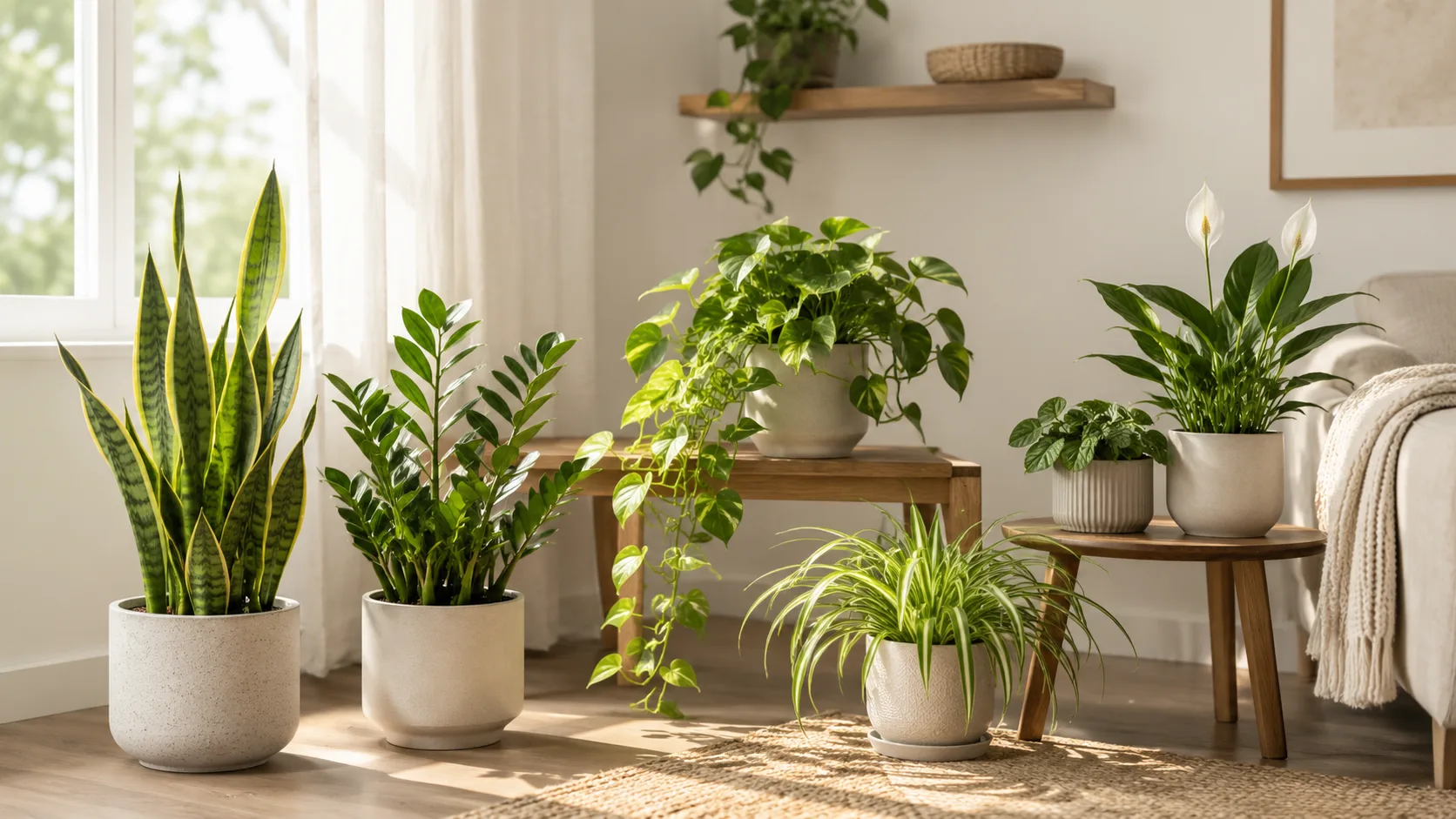
Houseplants are often sorted by what they look like: leafy tropical plants, flowering plants, succulents, palms, ferns, or trailing vines. Those labels are useful, but they do not describe a single botanical classification. One plant can fit several groups at once: a hoya is a tropical foliage plant, a succulent-like vine, and a plant that may flower indoors.
For choosing a plant, the most useful question is not only “What type is it?” but “What conditions does this type expect, and can I provide them here?” Start with the usable light in the room, then compare water needs, mature size, and whether you want foliage, flowers, or a particular shape. The common houseplant types below give you a practical way to narrow the field without assuming that every plant in a category needs identical care.
What Counts as a Houseplant?
A houseplant is a plant grown indoors, usually in a container, because a home can provide a suitable growing environment or because the plant cannot tolerate local outdoor conditions year-round. It is not a formal botanical group. Houseplants may come from tropical forests, dry regions, mountain habitats, or temperate climates, and those origins help explain why their care differs.
Many popular indoor plants are tropical or subtropical species grown for foliage, while cacti and succulents are adapted to store water through dry periods. Some are grown mainly for flowers, including African violets, orchids, and anthuriums. Others are valued for their growth form: a pothos can trail from a shelf, a monstera can climb a support, and a parlor palm can fill a vertical corner.
“Indoor plant” also describes where a plant is kept, not what conditions it prefers. A bright, sunny window can suit aloe and many cacti but scorch a shade-adapted foliage plant. A dim hallway may look like a good spot for a low-light plant, but all green plants need enough light to maintain growth. Decide what your home can provide before choosing a type.
How Houseplant Types Are Grouped
Houseplants are usually grouped by several overlapping traits. A retailer may call a plant “foliage” because its leaves are the main attraction, “trailing” because of its habit, or “low maintenance” because it tolerates some missed care. These labels can each be accurate while describing different things.
Appearance, growth habit, and care are different sorting systems
Appearance groups plants by their most noticeable feature: patterned leaves, large leaves, colorful foliage, or flowers. Growth habit describes how the plant grows: upright, clumping, rosette-forming, trailing, climbing, or spreading. Care grouping puts plants together by needs such as strong light, a consistently moist root zone, or a long dry period between waterings.
These systems overlap rather than compete. A heartleaf philodendron is a tropical foliage plant and a climber; a snake plant is an architectural foliage plant that stores water in its leaves; and some flowering plants are also epiphytes. This overlap matters because a single label can hide a care difference. “Tropical,” for example, is too broad to tell you whether a particular plant wants wet soil, a drying cycle, or extra humidity.
Use the category as a starting clue, then check the named species or cultivar. A plant tag or reliable care guide should tell you more than a broad label like “easy” or “great for any room.” The BBC Gardeners’ World Magazine guide to houseplants similarly recommends checking a plant’s conditions before buying rather than assuming one set of care instructions works for every indoor plant.
Common Types of Houseplants
The groups below cover the forms most shoppers encounter. Think of them as useful shelves in a store, not strict botanical boxes. Many plants belong in more than one.
Tropical foliage plants
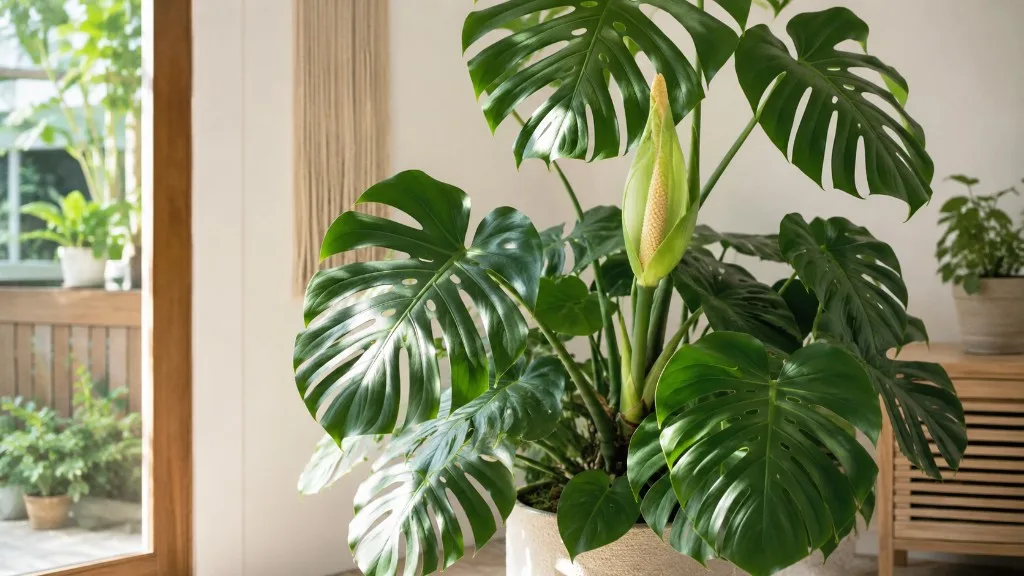
Tropical foliage plants are grown primarily for leaves rather than showy blooms. The group includes monstera, philodendron, pothos, aglaonema, calathea, dracaena, rubber plant, and many peace lilies. Their shapes range from broad and architectural to narrow, striped, or dramatically patterned, so they are a flexible choice when you want greenery to anchor a room.
“Foliage plant” does not automatically mean a plant for dim corners. Many tropical species evolved beneath a forest canopy and prefer bright, indirect light, while variegated cultivars often need brighter conditions to retain their markings. A few tolerate lower indoor light, but they usually grow more slowly there. Put a foliage plant near a window where the light is filtered or reflected, then adjust if it stretches, loses variegation, or scorches.
Watering varies just as much. A peace lily or calathea generally needs more frequent checks than a thick-leaved rubber plant, and neither should be watered by the calendar alone. For an easier first purchase, choose a plant whose mature size, light range, and watering cycle match your room rather than choosing only by leaf pattern.
Trailing and climbing plants
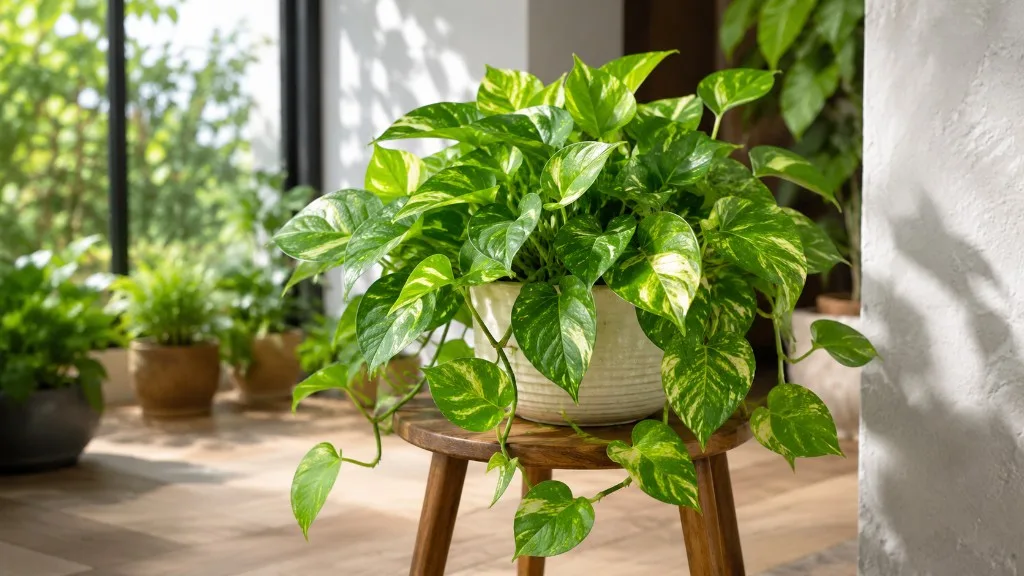
Trailing plants spill over the edge of shelves and hanging pots; climbing plants attach to supports or grow upward when given a pole or trellis. Pothos, heartleaf philodendron, hoya, English ivy, and string of hearts are common examples, though their light, moisture, and temperature preferences are not identical.
This group is useful when floor space is limited, but trailing does not mean compact. A vigorous pothos can produce long stems that need trimming, while a climbing monstera or philodendron may need a sturdy support and enough room for larger leaves. Before buying, decide whether the plant will hang freely, climb, or be kept bushy with pruning. The same species can look very different under those three approaches.
Check the light before hanging a pot high on a wall. A spot that appears bright from a sofa may receive little usable light several feet from the window, especially in winter. If growth becomes sparse and internodes lengthen, move the plant closer to a window or add an appropriate grow light instead of repeatedly watering or fertilizing it.
Succulents and cacti
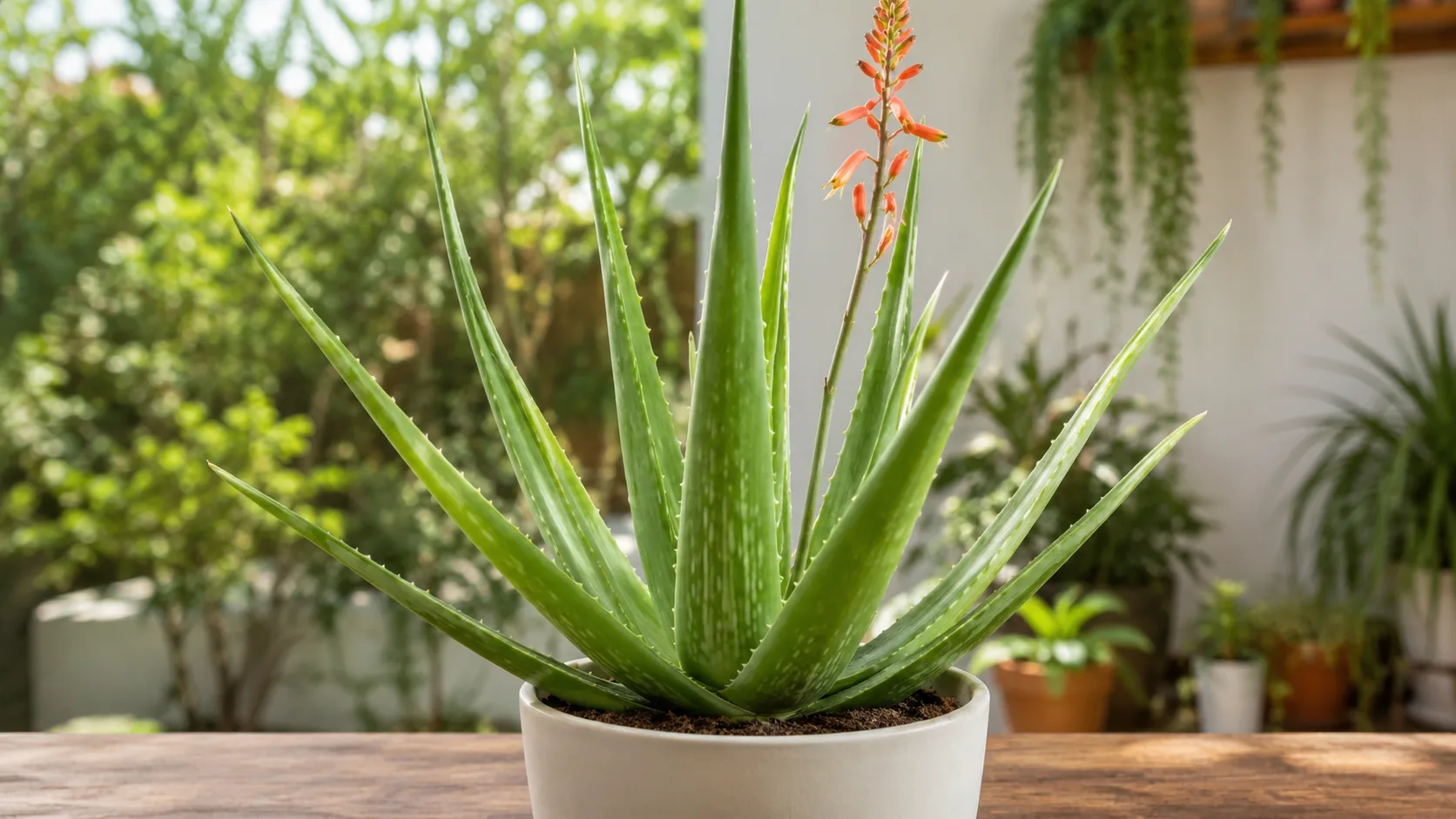
Succulents store water in fleshy leaves, stems, or roots; cacti are one specialized succulent group, usually recognized by areoles that produce spines or flowers. Aloe, jade plant, echeveria, haworthia, and many cacti suit sunny indoor locations better than a shaded shelf. Their water storage helps them withstand dry spells, but it does not make them immune to rot.
Give most desert succulents the brightest suitable light you can, an airy mix, and a pot with drainage. Water the root ball thoroughly when the mix has dried to the depth that is appropriate for that plant, then let excess water leave the pot. A tiny splash on a frequent schedule can wet only the top of the mix while the roots remain dry; a large pot of dense, wet soil can stay saturated long enough to damage them. Penn State Extension’s aloe guidance describes the combination of bright indoor light, fast drainage, and careful watering that helps explain why aloe belongs to a different care group from moisture-loving tropical foliage plants.
Not every plant sold as a cactus is a desert plant. Holiday cacti are forest cacti with flattened, segmented stems and different moisture and light preferences from a golden barrel cactus. Learn the plant’s identity before applying a generic “cacti need drought” rule.
Palms and upright structural plants
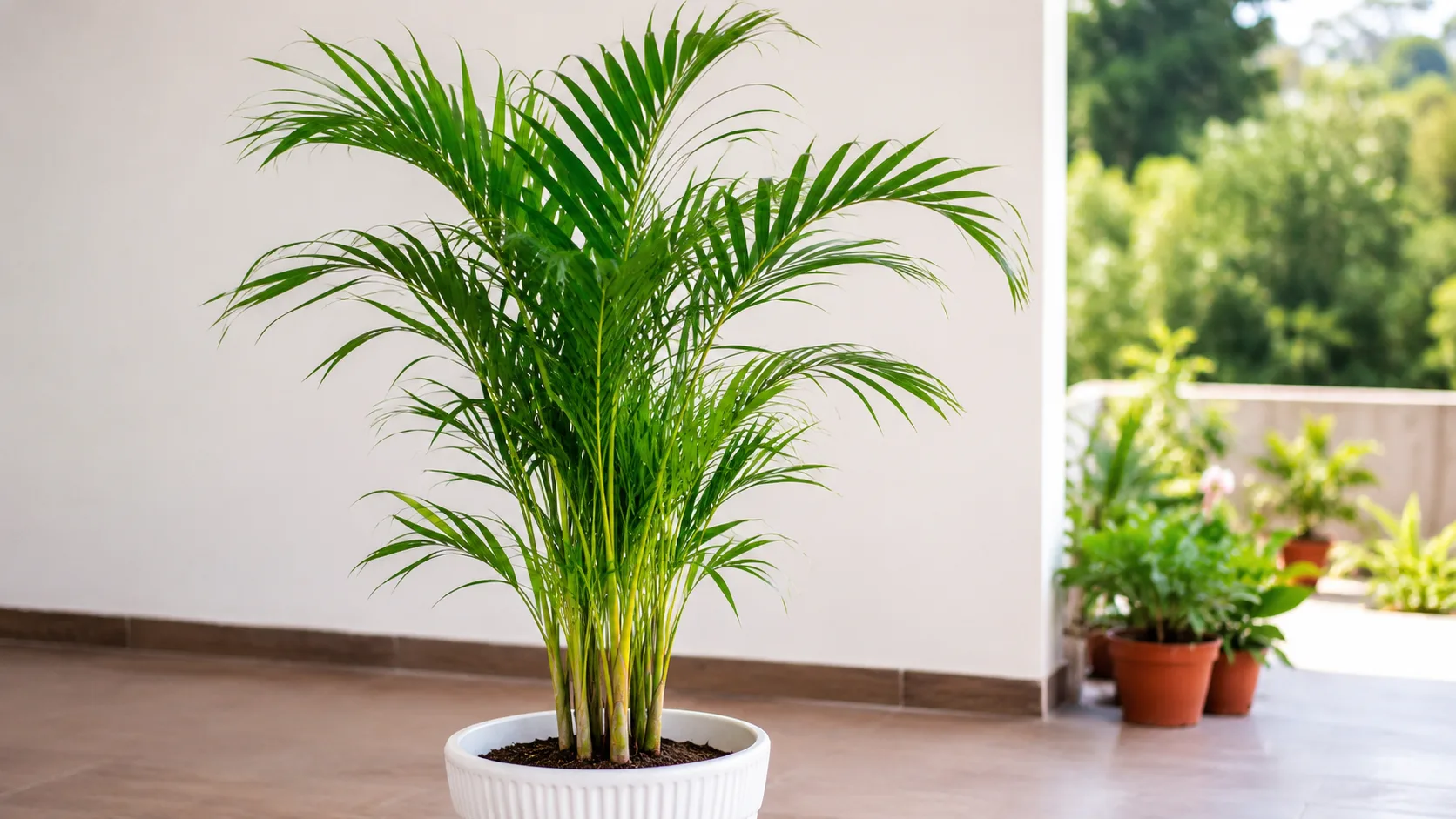
Upright plants add height and a strong silhouette. Parlor, kentia, and areca palms have divided fronds; dracaenas, rubber plants, money trees, and fiddle-leaf figs are tree-like foliage plants that may suit a floor position as they mature. The ponytail palm has a palm-like name but a swollen, water-storing base and is not a true palm.
This category is useful for filling an empty corner, but plants sold as tabletop specimens may become far larger than the nursery pot suggests. Check both mature height and width, and look at whether the plant can be pruned or will keep a single dominant trunk. A compact parlor palm offers a different long-term footprint from an areca palm with spreading fronds.
Light and watering still depend on the species. Palms often prefer bright filtered light and evenly available moisture, while many dracaenas tolerate a wider range and prefer some drying between waterings. Avoid choosing by the word “palm” alone; read the care tag and consider the width of the plant, not just its current height.
Ferns and moisture-loving plants
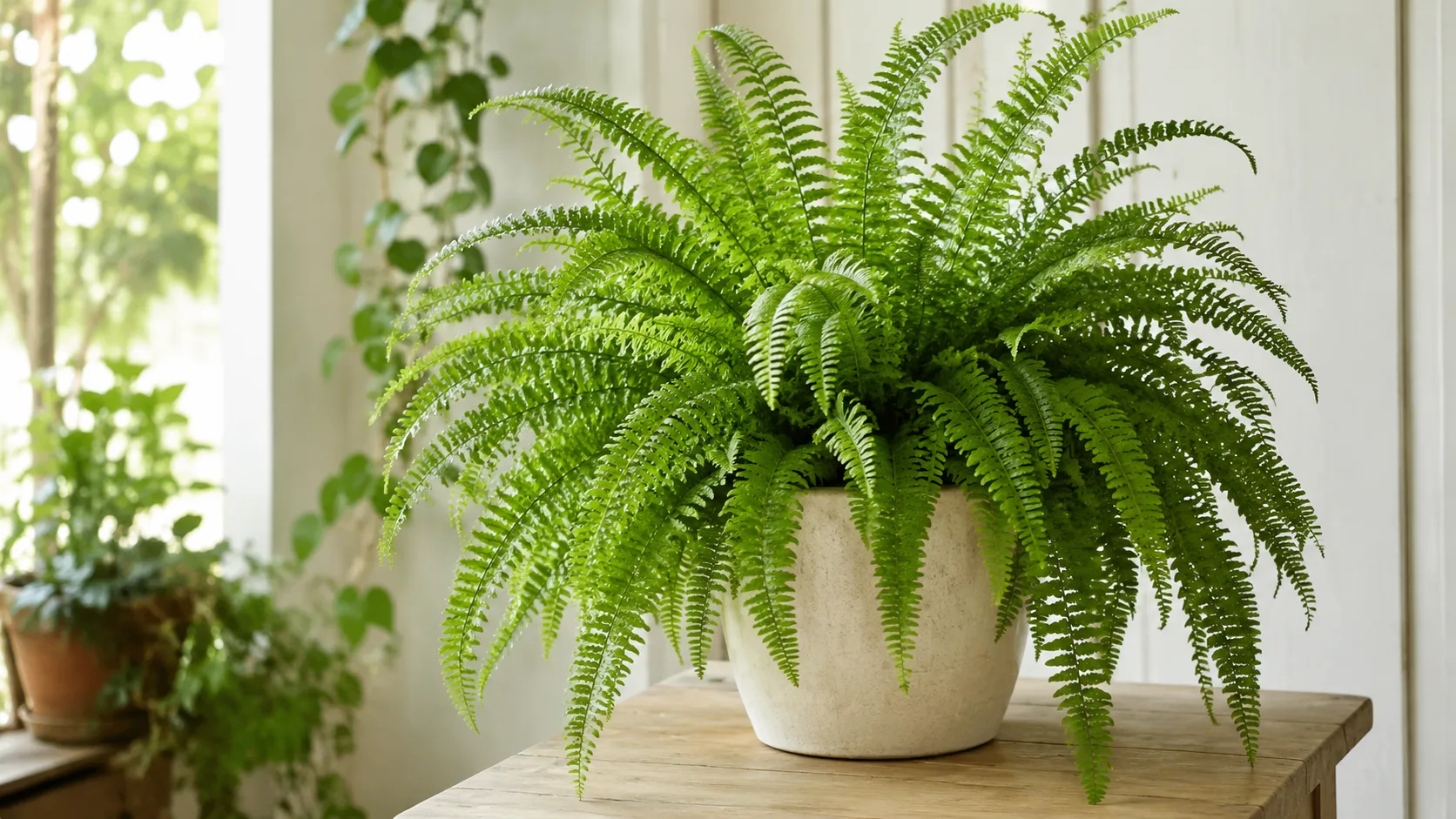
Ferns are grown for textured fronds and a softer, layered look. Boston fern, bird’s-nest fern, maidenhair fern, and staghorn fern are familiar indoor types, but they differ in how they grow: some root in potting mix, while staghorn ferns are often mounted. Many ferns struggle when their root ball repeatedly dries completely, and crispy leaf edges may signal dry air, inconsistent moisture, excess salts, or other stress rather than a simple need to mist.
Aim for bright, indirect light and an appropriate moisture balance. “Keep moist” means monitor the root zone and water before the mix becomes bone-dry; it does not mean leave a nursery pot sitting in water. Ferns also need air circulation, so crowding one into a still, dark bathroom may do more harm than good. A bathroom can work if it has useful daylight and ventilation, but the room label itself does not supply enough light.
Fittonia and some calatheas are not ferns, yet people often group them with moisture-loving tropical foliage because they respond poorly to prolonged dry conditions. Treat these as care tendencies, not rules: a plant’s pot size, mix, heat, light, and airflow all change how quickly it uses water.
Flowering houseplants
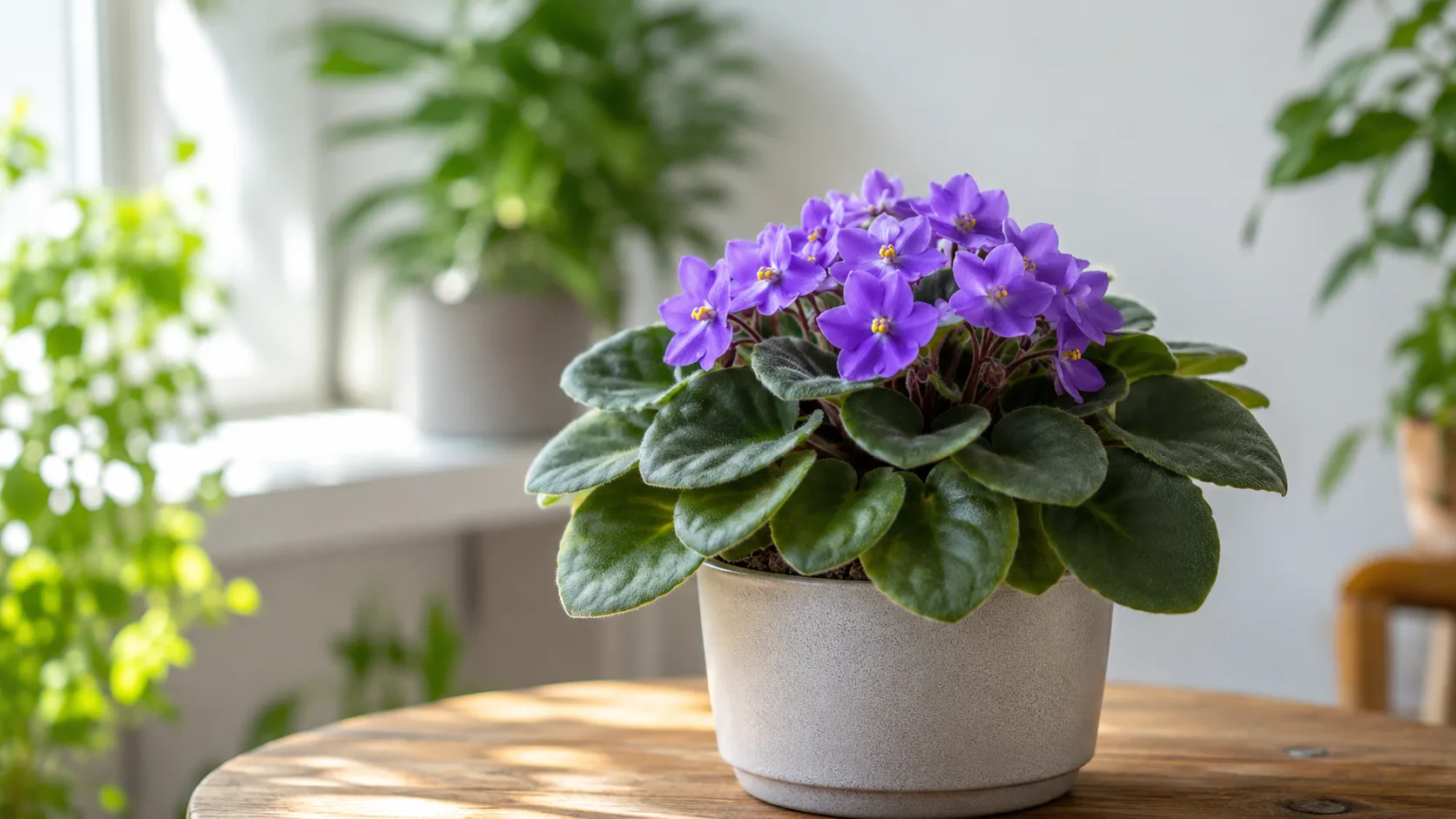
Flowering houseplants include African violets, moth orchids, anthuriums, peace lilies, begonias, bromeliads, and holiday cacti. They offer color that foliage-only plants cannot, but flowering is usually more conditional than simply keeping a plant alive. Light level, temperature, watering, seasonal cues, and plant maturity can influence whether a plant blooms again.
Choose a flower type based on the conditions you can sustain after the flowers fade. An orchid sold in bloom may need a particular light range and an airy bark-based medium; an African violet may prefer steady warmth and careful watering at its root zone; a bromeliad’s colorful bracts can last much longer than its small flowers. Ask how long the display typically lasts and what the plant needs afterward, rather than buying on bloom color alone.
For repeat blooms, resist the urge to move a struggling plant around every few days. Check the tag or a species-specific guide, give it a stable position, and change one factor at a time. If flowers drop while foliage remains healthy, the plant may be adjusting to a new environment or may need more suitable light; adding extra fertilizer without diagnosing the cause can create salt buildup rather than flowers.
Epiphytes and air plants
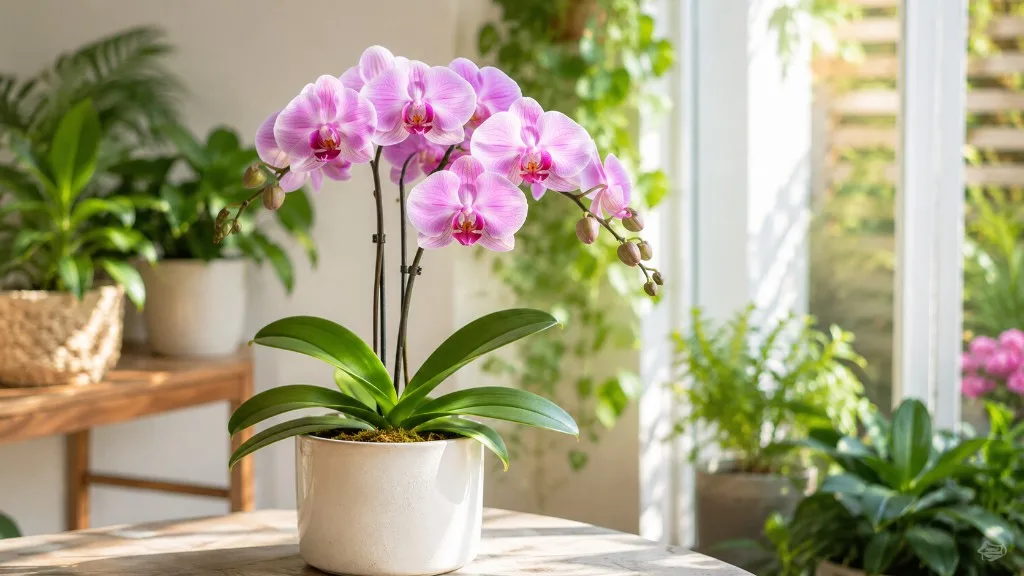
Epiphytes grow on other plants or surfaces in nature without parasitizing them. Many orchids and bromeliads are epiphytes, as are tillandsias, often called air plants. Their roots may mainly anchor the plant, so a heavy, moisture-retaining potting mix can be a poor match for some species. Orchid bark, a mount, or a specialized open medium may provide the airflow their roots need.
Air plants still need water; they do not live on air. Their leaves absorb moisture and nutrients, but indoor humidity alone is not a dependable watering system. Follow the needs of the exact species, wet the plant as directed, and allow it to dry completely with good airflow so water does not remain trapped in the crown. Orchids have their own watering and medium requirements, so do not transfer a tillandsia routine to a moth orchid or vice versa.
The same habitat idea helps when choosing a terrarium plant. Small tropical plants that tolerate warm, humid, still air may suit a closed container, while most desert cacti and succulents are poor candidates because sustained humidity keeps their roots and leaves wet. Penn State Extension’s terrarium guidance advises choosing plants with compatible light and moisture needs and matching the plants to the container environment.
How to Choose a Houseplant That Fits
A houseplant that matches the home is easier to maintain than one chosen only for its name or appearance. Make the decision in this order: light, watering routine, mature size, then visual preference. That sequence prevents a common mismatch: bringing home a plant that looks perfect but cannot grow in the spot you have chosen.
Start with the light the plant will actually receive
Note the direction of the nearest window, how far the plant will sit from it, whether trees or buildings block the view, and how much the curtains filter the light. A sunny sill may provide direct sun for part of the day; a table several feet away may receive bright indirect light; a room with a small north-facing window may be dim even when it feels comfortable to a person.
“Low light” is relative. It usually means a plant can tolerate less light than many houseplants, not that it can grow indefinitely in a dark room. If a plant produces smaller leaves, stretches toward the window, or stops growing in its dim location, it may need more light. A grow light can help where natural light is insufficient, but it cannot compensate for poor drainage or a plant that is watered too often.
When in doubt, choose a plant with a documented tolerance for the light you have, and place it as close to the window as its species permits. BBC Gardeners’ World advises growers to check the plant’s conditions before buying; its general guide notes that many common houseplants prefer bright, indirect light rather than a dark corner or harsh, unfiltered sun.
Match watering needs to your routine
Ask how often you realistically inspect plants, not how often a care app says to water. A succulent may forgive a missed watering but deteriorate if its mix stays wet; a moisture-loving fern may show stress if it dries out repeatedly. A busy owner who prefers infrequent checks might prefer a drought-tolerant group, while someone who enjoys daily observation may be comfortable with a thirstier plant.
Watering frequency is not a fixed property of a species. Light, temperature, airflow, pot material, pot size, root mass, and growing medium all change how fast the root zone dries. The Better Homes & Gardens watering guide likewise frames plant water needs around type and growing conditions, rather than a single schedule. Check the soil or pot weight and learn the plant’s own dry-down pattern. Always empty decorative cachepots or saucers after watering unless the plant is in a setup designed for standing water.
Check mature size and growth habit
Read the mature-size range and growth habit before choosing a place. A trailing plant may work on a tall shelf but take over a narrow passage; a climbing plant may need support and space behind its pot; a broad fern can occupy more width than a taller but upright plant. If you only have a small table, a compact peperomia or small African violet may fit better than a young monstera that will eventually need a floor pot.
Also consider routine maintenance. Fast-growing vines need occasional trimming, some palms collect dry fronds, and flowering plants may need dead flowers removed or a rest period. Decide whether you want a plant that changes shape over time or one that stays relatively compact. That choice affects where it belongs and how much ongoing attention it demands.
Houseplant Types Compared by Care
Use this chart to shortlist a group, then check a species-specific guide before buying. “Easy” describes tolerance for ordinary mistakes, not a promise that the plant will thrive in any room.
| Type | Examples | A sensible starting place | Main mismatch to avoid |
|---|---|---|---|
| Tropical foliage | Pothos, philodendron, monstera, aglaonema | Bright, filtered light; check moisture regularly | Treating “tropical” as a blanket low-light label |
| Trailing or climbing | Pothos, hoya, heartleaf philodendron | Shelf, hanging pot, or support near usable light | Forgetting stems can outgrow the display |
| Succulent or desert cactus | Aloe, jade, echeveria, many cacti | Brightest suitable window and free-draining mix | Frequent watering or dense, wet soil |
| Upright structural | Dracaena, rubber plant, parlor palm | Floor or table space matched to mature width | Buying a small specimen without planning for its size |
| Fern or moisture-loving | Boston fern, maidenhair, fittonia | Bright indirect light with monitored, even moisture | A dark corner or a pot left waterlogged |
| Flowering | African violet, orchid, anthurium, bromeliad | Stable conditions and light suited to the species | Expecting flowers without enough light or aftercare |
| Epiphyte or air plant | Tillandsia, many orchids and bromeliads | Open medium or mount where appropriate | Using dense soil or letting water sit in the crown |
The table is a starting filter, not a watering calendar. For instance, a bright room in winter may be cooler and slower to dry than a warm room in summer. If you are deciding between two plants, compare their species-level instructions and choose the one whose needs align with the actual location you can offer.
Pet and Child Safety Depends on the Exact Plant
Do not assume that “houseplant,” “natural,” or “beginner-friendly” means safe to chew. Toxicity varies by species, and common names can refer to different plants. Identify a plant by its botanical name when possible, then check a reputable pet-safety database before putting it within reach of an animal. The ASPCA’s toxic and non-toxic plant database notes that its list is not all-inclusive and that even plants listed as non-toxic may cause gastrointestinal upset if eaten.
For a home with a curious cat, dog, or toddler, choose placement as carefully as species. Hanging a plant may reduce access for a pet that cannot climb, but it is not a safety guarantee for cats. Use sturdy, stable pots, keep fallen leaves out of reach, and avoid plants that are hard to identify. If an animal eats part of a plant and develops symptoms, contact a veterinarian or animal poison-control service rather than waiting for a symptom list online to settle the question.
Safety should be checked plant by plant, not by category. Succulents, palms, and flowering plants include many unrelated species; a “palm” label is not enough to determine safety. If you cannot confirm the identity, treat it as unknown and place it where children and pets cannot chew it.
Common Houseplant Selection Mistakes
Buying for appearance before checking light. A dramatic cactus in a low-light bedroom or a shade-tolerant foliage plant in hot direct sun may decline even if watering is careful. Choose the spot first, then shop for plants that match it.
Treating “low maintenance” as “no maintenance.” A snake plant may tolerate drying better than a maidenhair fern, but it still needs enough light, drainage, and an occasional check for pests or root problems. An easy-care claim describes resilience under suitable conditions; it does not repeal plant biology.
Using one watering rule for every pot. A succulent in coarse mix and a fern in a small plastic pot do not dry at the same rate. Check below the soil surface, account for the pot and season, and water deeply enough to reach roots when the plant is ready. If the root ball remains wet for many days, improve the growing conditions before adding water again.
Assuming names describe care precisely. “Palm,” “cactus,” “tropical,” and “flowering” are broad labels. A ponytail palm stores water differently from many true palms, and a holiday cactus has different habitat needs from a desert cactus. Confirm the species, especially when a retailer’s sign uses a loose common name.
Ignoring mature shape. A tabletop plant can become a floor plant, a vine can spread across a wall, and a fern’s fronds may extend well beyond the pot. Check width as well as height, and make sure there is room for the plant at its likely mature size.
Putting humidity-loving types into sealed or poorly ventilated spaces. Terrariums can be useful for plants that tolerate humid conditions, but not every small plant is a good terrarium plant. Dry-climate succulents generally need a different environment. Penn State Extension’s terrarium guidance emphasizes matching plants to compatible moisture and light requirements, which is a better rule than choosing solely by leaf size.
Conclusion
The main types of houseplants—tropical foliage, vines, succulents and cacti, upright structural plants, ferns, flowering plants, and epiphytes—are practical groupings, not exclusive botanical categories. Each describes a different mix of appearance, growth habit, habitat, and care, so use the group to narrow your options and the species name to confirm details.
For the best first match, assess the light at the exact spot, decide how often you can check soil, and measure the room the mature plant will occupy. Then choose a plant whose needs fit those conditions and verify pet safety if animals or children may reach it. That simple order is more reliable than buying a plant first and trying to make an unsuitable room work afterward.