10 Cold-Hardy Vegetables You Should Grow This Winter
Grow cold-hardy vegetables with a winter plan that fits your frost dates. Compare 10 reliable crops, when to sow them, and how row covers extend harvest.
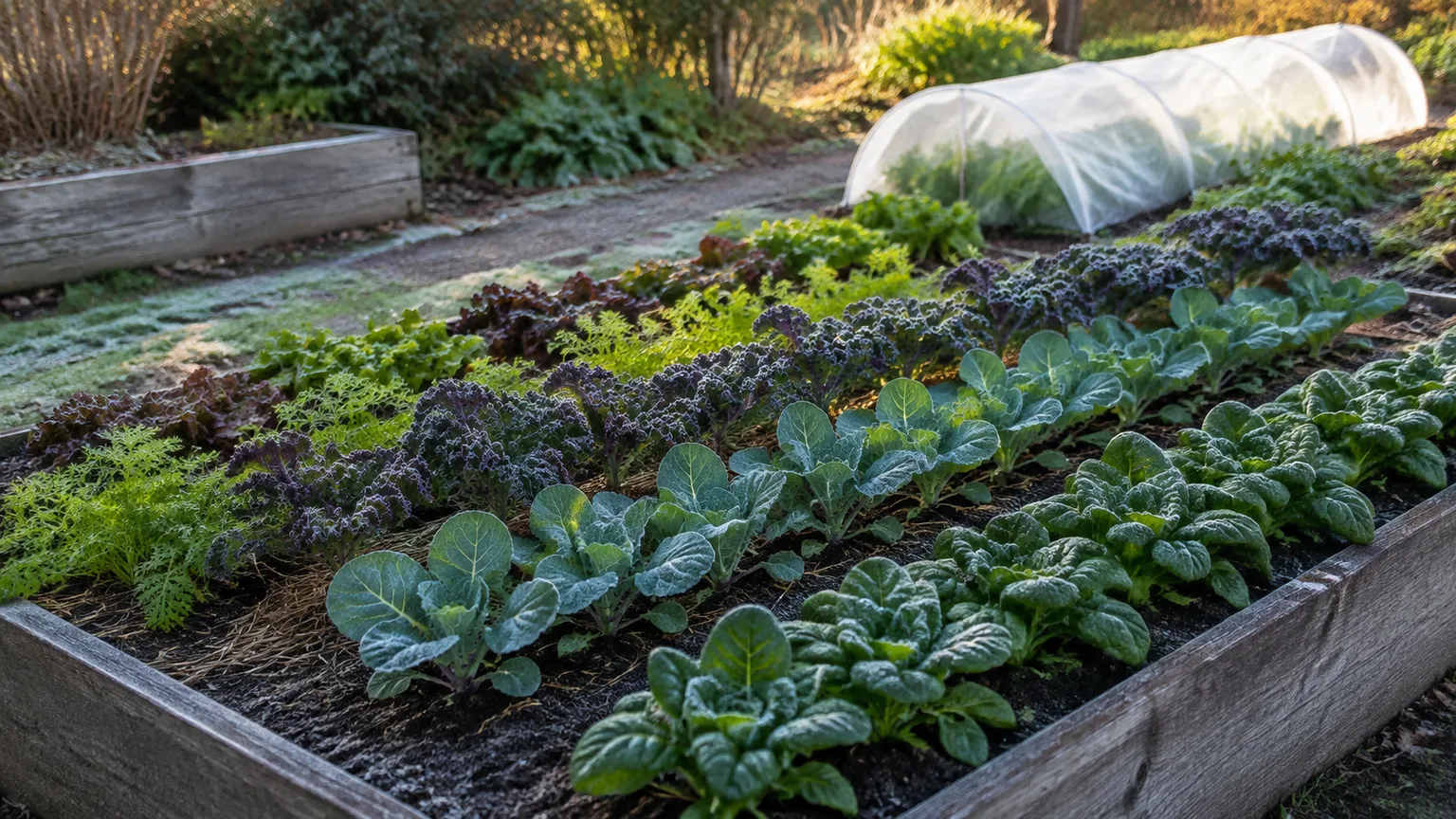
“Winter vegetables” are usually planted before winter arrives. By the time the ground is frozen, it is too late for most seeds to germinate outdoors and too dark and cold for a newly planted crop to make much growth. The useful goal is to establish a crop in late summer or fall, then harvest it through mild winter spells or hold it safely until spring.
That distinction matters because a vegetable can survive a frost without growing quickly through December and January. A leafy plant may sit nearly still until brighter days return, while a root crop may stay edible underground but become impossible to dig once the soil freezes. The best choices depend on how cold your winter gets, how long your bed remains workable, and whether you can cover the crop.
What “Winter-Ready” Really Means
Cold tolerance is a spectrum, not a guarantee printed on a seed packet. Oregon State University Extension separates vegetables that tolerate heavy frost from those that handle only light frost; even among hardy crops, plant age, variety, wind exposure, soil moisture, and the length of a freeze affect the result. Cold usually slows growth first, then damages exposed leaves or heads if temperatures stay low enough. Oregon State University Extension
Think of winter crops in three useful groups. Overwintering leaves such as kale, spinach, and mâche are established before cold weather and picked when conditions allow.
Root crops such as turnips and rutabagas can hold in cool soil, but should be lifted before the ground locks up unless a thick mulch or season extender keeps the bed workable. Fall crops with a winter tail—including broccoli and Napa cabbage—need to reach harvest size before the worst weather, then may provide a final harvest under protection.
When winter days are very short, a living plant may not look as if it is doing anything. This is normal: low temperatures and low light both limit new leaf production. GrowVeg’s winter-gardening advice describes waiting for brighter days before expecting seedlings to push on, and the RHS similarly recommends sowing many long-season winter crops in spring or summer so they have months to mature before winter. GrowVeg · Royal Horticultural Society
Match Crops to Your Winter, Not Just Your Zone
Use the USDA hardiness zone as background, not as a vegetable planting calendar. The map is designed to show average annual extreme minimum temperatures for perennial-plant planning; it does not tell you when your first fall frost arrives, how long a freeze lasts, how deep your soil freezes, or how much winter rain a bed receives. For vegetables, local frost dates, days to maturity, and your actual microclimate are more useful. USDA Plant Hardiness Zone Map
Start by choosing the harvest you want. If you want fresh greens in December, sow or transplant early enough for plants to make substantial leaves before daylight drops.
If you want spring greens from overwintered plants, the crop still needs to become established in fall, but it can be smaller. If your ground freezes hard for months, focus on harvests before freeze-up, crops under a cold frame or low tunnel, and roots stored after lifting rather than expecting an open bed to remain harvestable.
Use seed-packet days to maturity as a planning estimate, not a winter promise. Work backward from the local first hard freeze or the point when growth reliably stalls, then leave a buffer for germination, transplant recovery, and cooler-than-ideal weather.
A radish listed at 30 days may mature quickly in mild fall weather, while a broccoli that needs months to head is a poor last-minute sowing. Minnesota Extension’s crop table is helpful for comparing fall crops, but it reflects a short-season upper-Midwest context; your local extension calendar should guide the final date. University of Minnesota Extension
| Crop group | Best role in a winter garden | Timing cue | Main limitation |
|---|---|---|---|
| Spinach, kale, mâche | Pick leaves during mild spells or resume harvest in late winter | Establish before sustained cold and short days | Growth slows sharply in low light |
| Winter onions, leeks | Leave established plants in place for gradual harvest | Start in fall for scallions; start leeks months earlier | Cultivar and winter duration matter |
| Rutabaga, radish, turnip | Harvest roots in fall and early winter; mulch only where soil stays workable | Sow early enough to size up before hard freeze | Frozen ground can prevent harvest |
| Broccoli, Napa cabbage | Finish a fall crop, then use cover to extend the harvest | Transplant while there is still time to form heads | Heads are more vulnerable than the plant’s survival suggests |
10 Cold-Hardy Vegetables for a Winter Harvest
The crops below cover different versions of “winter harvest.” Some produce leaves during mild weather, some hold in the ground, and some are best finished in fall and protected for a short extension. Read the seed packet for your cultivar’s maturity estimate and sowing season, then compare it with your local frost calendar rather than treating any single date as universal.
1. Spinach
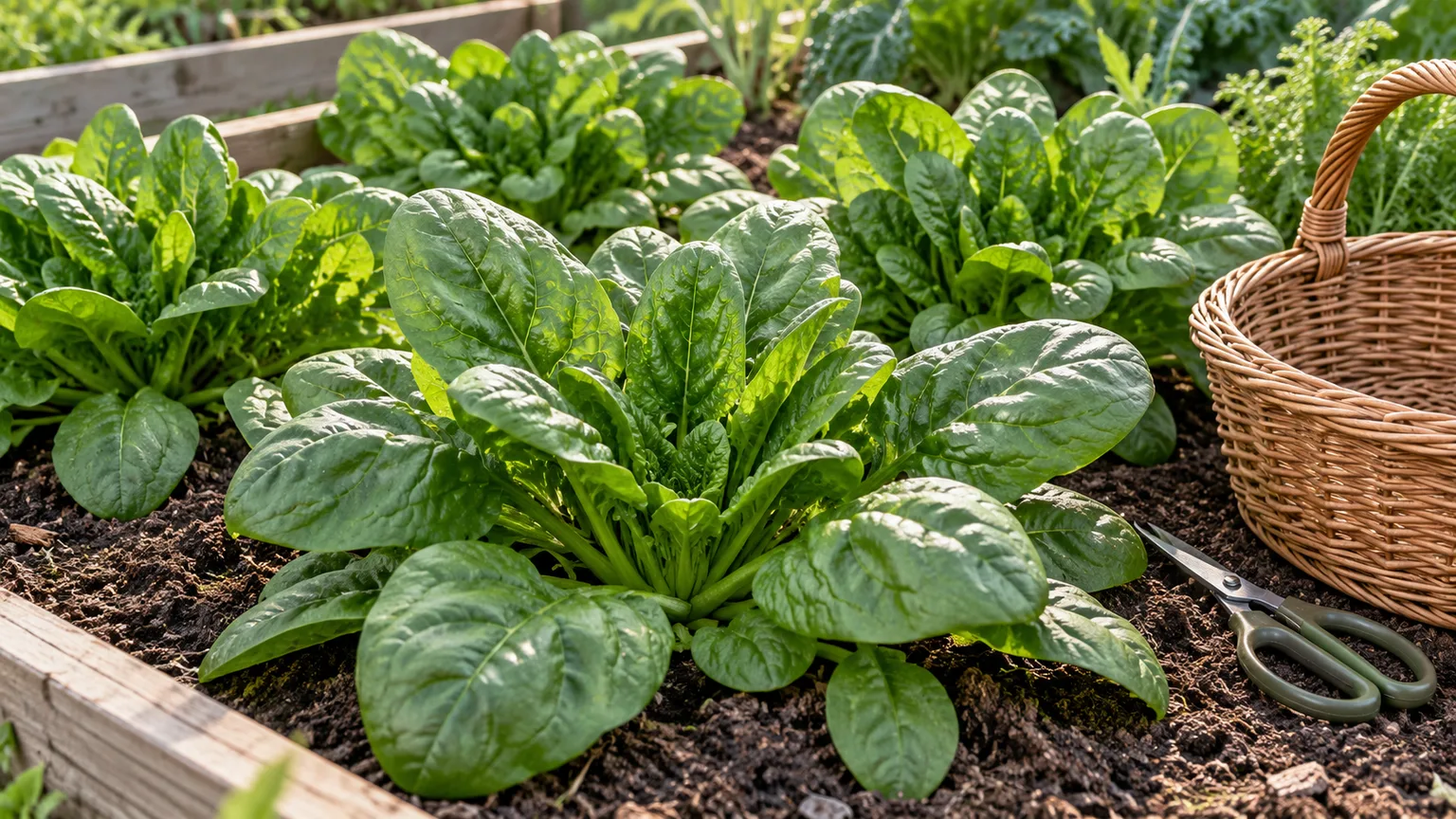
Spinach is one of the most useful crops for a small winter bed because you can pick individual leaves instead of waiting for a single large harvest. Sow a cold-hardy variety such as ‘Giant Winter’ in late summer or early fall while the soil is still warm enough for reliable germination; in a hot climate, wait for soil to cool and use light shade while seedlings establish. The RHS advises choosing hardy varieties for overwintering and notes that stress can push spinach toward bolting. RHS spinach guide
Harvest outer leaves once the plant has enough growth to spare them, leaving the central crown intact. In a mild winter, a row cover can keep leaves cleaner and reduce wind exposure; in a cold region, treat fall leaves as the dependable harvest and spring regrowth as a bonus. Do not sow so late that tiny seedlings enter winter without time to establish, and do not expect new leaves to appear quickly during the darkest stretch of the year.
2. Winter Onions and Bunching Onions
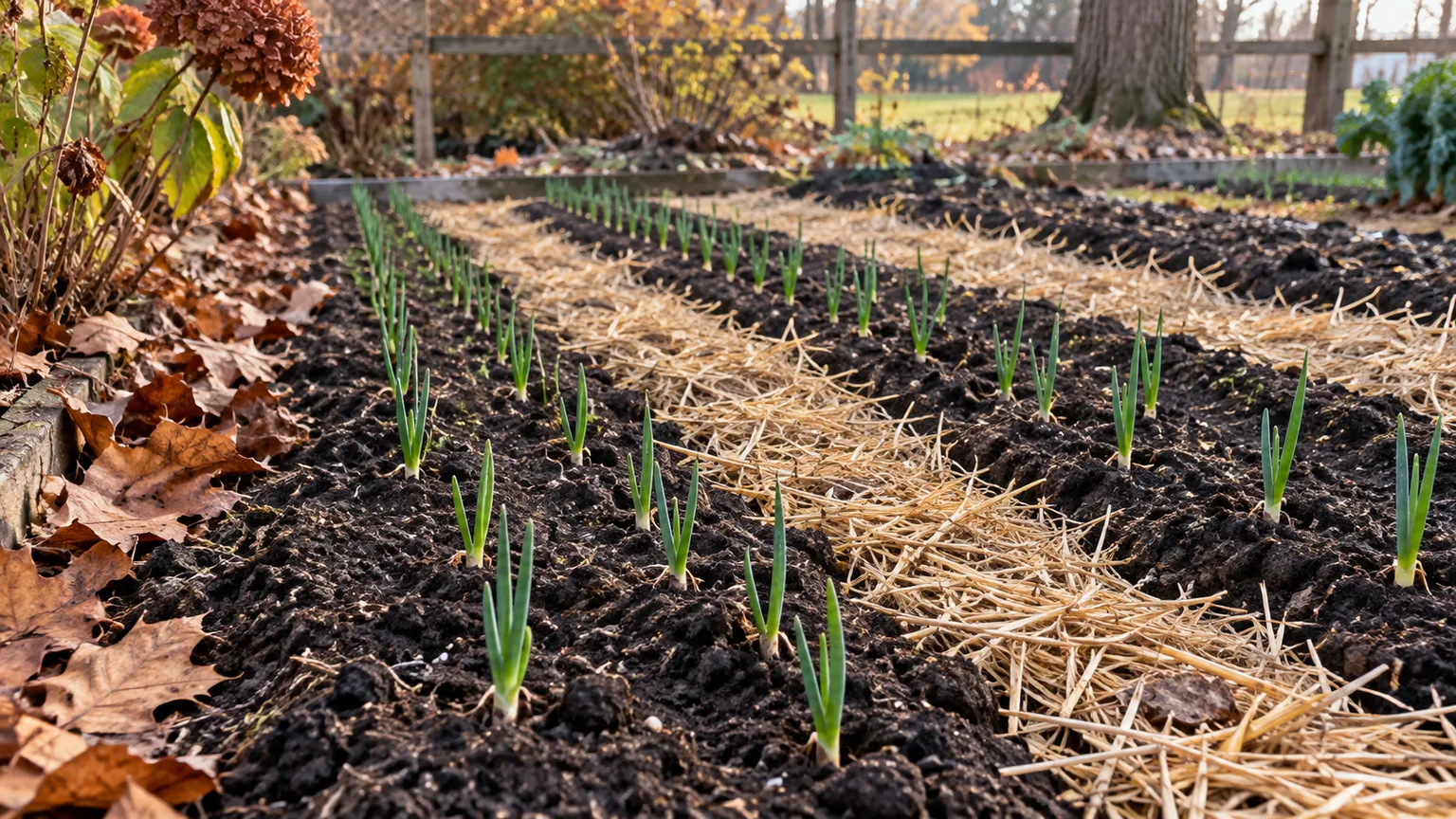
“Winter onion” can mean more than one thing: some gardeners sow or plant overwintering bulb onions in fall for a spring crop, while bunching onions are grown for slender green leaves. Choose a variety explicitly sold for overwintering in your region. Storage-onion types also respond to day length, so a cold-tolerant plant may not form a useful bulb unless the variety suits your latitude. University of Minnesota Extension · Oregon State University Extension
Plant sets or young starts early enough to root before the soil freezes, in full sun and loose, well-drained ground. A light mulch after the soil cools helps buffer freeze-thaw cycles, but avoid burying the crowns in wet, compacted material.
You can snip green leaves in mild weather or wait for spring growth; pull only what you need, because repeated cutting reduces the plant’s leaf area. Minnesota Extension’s fall-crop guidance lists green onions among crops that can tolerate some frost, while the RHS recommends onions for winter use when stored correctly. UMN Extension · RHS winter crops
3. Leeks
Leeks reward advance planning. They take a long season to reach full size, so start seed in spring or early summer, then transplant sturdy seedlings into the garden well before fall. For a winter harvest, select a cold-hardy leek cultivar recommended for your region; the RHS lists winter varieties such as ‘Toledo’ and ‘Oarsman’, but local availability and performance vary. RHS hardy winter vegetables
Leeks can stand in the bed through frosty weather, but “standing” is different from growing fast. In a mild winter with workable soil, lift plants as needed; in a hard-freeze climate, harvest before the bed freezes solid or mulch deeply enough to keep a small area diggable.
A wet, heavy bed is a bigger practical problem than a brief frost: waterlogged soil makes roots difficult to lift and can encourage rot. Do not wait until winter to start leeks from seed and expect mature stems that season.
4. Rutabaga
Rutabaga is a better choice for a planned fall-to-winter root harvest than for a late autumn experiment. It needs a long stretch of cool weather to form a substantial root, so sow in summer early enough for your cultivar to mature before the ground freezes. Minnesota Extension recommends sowing rutabagas in late spring to early summer in its northern climate so they mature in cool fall conditions; gardeners elsewhere should use their local frost window and the packet’s maturity estimate. UMN Extension: turnips and rutabagas
Thin seedlings to give roots room, keep moisture even, and harvest a sample when the shoulders reach a usable size. Rutabagas can hold in cool ground longer than delicate greens, but do not confuse “cold hardy” with “easy to dig after a freeze.” In a mild-winter garden, a deep mulch can protect the soil from quick temperature swings; where the soil freezes deeply, lift the roots and store them rather than leaving the entire crop underground.
5. Broccoli
Broccoli works best as a fall crop that may extend into winter, not as a seed you scatter once the weather turns cold. Start a fall planting in summer or buy transplants so plants have time to build a strong stem and form a head while temperatures are cool but growth is still active. Minnesota Extension lists broccoli as a fall vegetable that survives light frost; the exact tolerance depends on variety, plant maturity, and how long the cold lasts. UMN Extension
Cut the central head while the buds are tight, before flowers loosen, and leave the plant if you want smaller side shoots. A floating row cover can help young plants establish and can keep common brassica pests off during the growing season, but cover is not a substitute for enough growing time. If a freeze is forecast while heads are nearly ready, harvest them rather than gamble on an exact temperature threshold; broccoli heads can suffer quality damage before the whole plant dies.
6. Kale
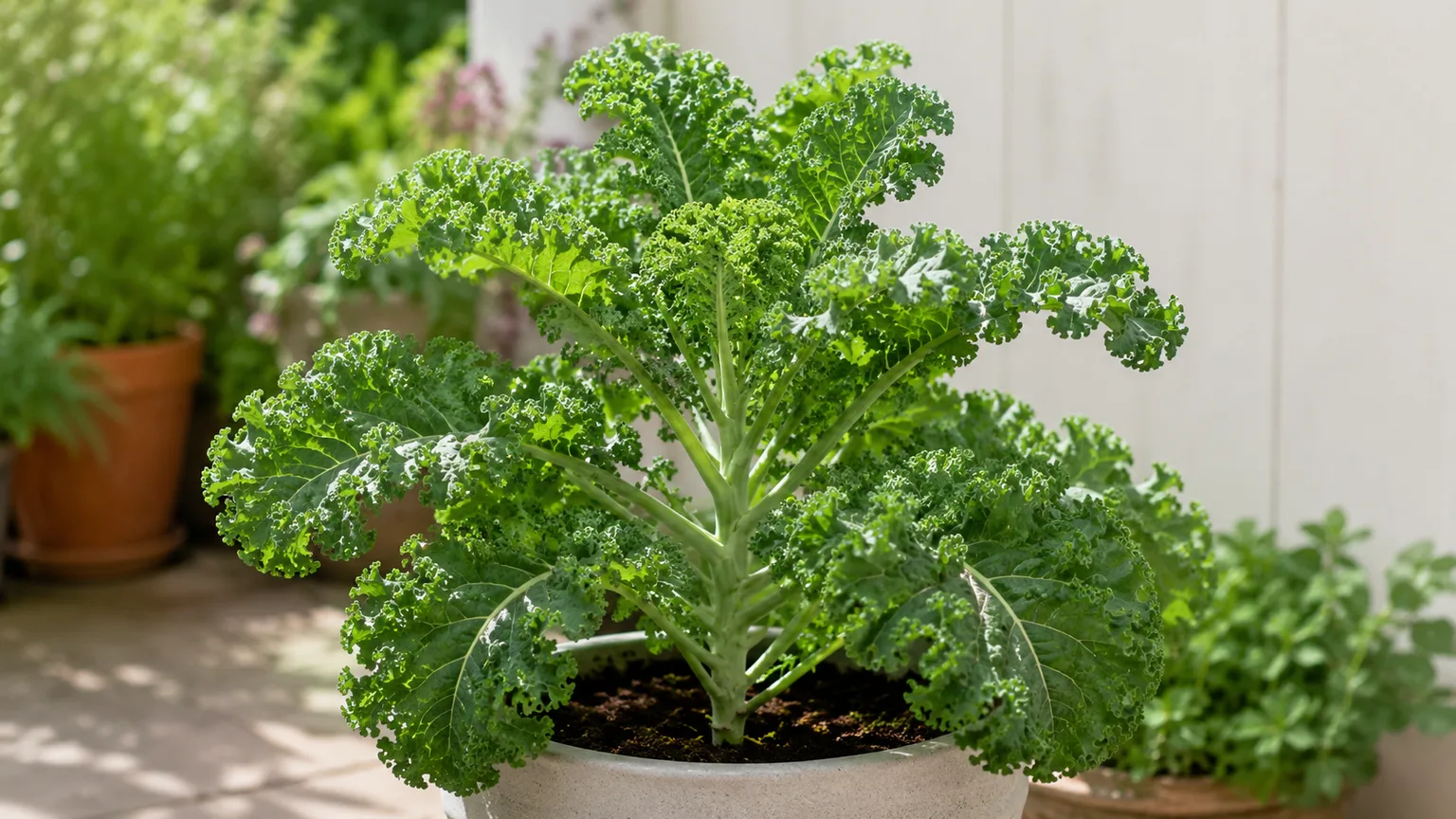
Kale is a dependable leaf crop for winter because established plants often survive colder conditions than many salad greens. Sow or transplant it in summer so plants are sturdy before winter; in many regions, a transplant gives a late-season garden a useful head start. The University of Minnesota Extension identifies kale as especially hardy in its fall crop guidance, and the RHS describes it as a reliable winter leaf crop. UMN Extension · RHS kale guide
Pick the lower or outer leaves first and keep the growing point intact. Curly types can trap grit, so rinse leaves well after picking; smooth-leaved ‘Red Russian’ types are often easier to clean and can be tender when harvested young.
A short cold spell may leave kale looking wilted until it thaws, but repeated freeze-thaw cycles, strong wind, and exposed container roots increase damage. Containers need more protection than in-ground beds because their soil temperature swings faster.
7. Corn Salad (Mâche)
Corn salad, also called mâche or lamb’s lettuce, forms a low rosette of tender leaves that can make winter salads feel less like a root-cellar menu. It is compact and suits beds, cold frames, and sheltered containers, but its small leaves do not mean it can be planted at any time. Sow in late summer or early fall so plants have time to establish; RHS guidance recommends corn salad and other hardy salad leaves for autumn and winter picking under cloche, cold-frame, or fleece protection. RHS winter vegetables
Keep the seedbed evenly moist during germination and weed while seedlings are small, since mâche is easy to lose among fast-growing weeds. Harvest outer leaves or cut a rosette above the crown so it can regrow.
In a mild climate, it may need only a light cover; in colder regions, use a low tunnel or cold frame and expect pauses during the darkest part of winter. A soggy, shaded site usually disappoints more than a modest frost.
8. Radishes
Radishes are a quick way to use a late-season gap, but the word includes both small salad radishes and much larger winter types. Fast red radishes may be ready in about a month under favorable conditions, while daikon and other storage radishes need more time and a deeper, loose bed. Minnesota Extension’s fall-crop table gives a broad 30–60 day range, which is a useful reminder to check the specific packet instead of assuming every radish is a four-week crop. UMN Extension
Sow successive short rows in late summer rather than one large patch, then harvest roots at the size and texture you want. Oversized roots can turn pithy or split, especially when dry soil is followed by heavy rain.
Small salad radishes may tolerate light frost, but harvest them before the soil freezes; winter radishes can hold longer in cool ground, yet a hard-frozen bed still makes harvest difficult. Do not count on a frost to improve every variety’s flavor—cool weather is helpful, but maturity and moisture matter more.
9. Turnips
Turnips offer two harvests from one sowing: tender greens and a crisp root. Sow directly into open soil in late summer for a fall crop, thin seedlings so roots can swell, and keep the row from drying out during establishment. Minnesota Extension recommends fall sowing and harvesting roots at a usable size; it also notes that drought stress can make turnips bitter or woody. UMN Extension: turnips and rutabagas
Small salad turnips are best pulled young, while storage varieties can grow larger if they remain tender. In a mild winter, mulch the bed after the soil cools and dig a few roots as needed while the ground is workable.
If you expect a deep freeze, harvest the crop beforehand and store sound roots in a cool place; tops may be damaged before roots are, but a frozen root is no longer convenient winter food. Turnips are a better bet for late fall and early winter than for a bed that will be inaccessible under frozen soil until March.
10. Napa Cabbage
Napa cabbage is a cool-season crop, but it needs a head start. Sow or transplant in summer so it can form firm heads in fall; a late planting may remain leafy rather than heading before cold. Young plants exposed to an extended period of cool weather can bolt before forming a usable head, while warm conditions can also trigger premature flowering, so choose a variety advertised for fall production and follow a regional sowing window. Clemson Cooperative Extension
Give plants room, steady water, and a light row cover while they establish. The cover can reduce pest pressure and soften a brief frost, but it will not turn Napa cabbage into a crop for months of frozen weather.
Harvest heads once they are firm and store them in a cool refrigerator or root cellar rather than leaving valuable heads exposed to repeated hard freezes. For many cold-winter gardens, Napa belongs in the fall harvest plan with protection at the edges of the season.
Protect Winter Crops From Cold, Wind, and Wet Soil
Use protection to solve a particular problem, not as a promise that every crop can grow through every freeze. A light floating row cover is useful against wind, pests, and brief frost; a hoop-supported low tunnel gives plants more room and holds a still layer of air.
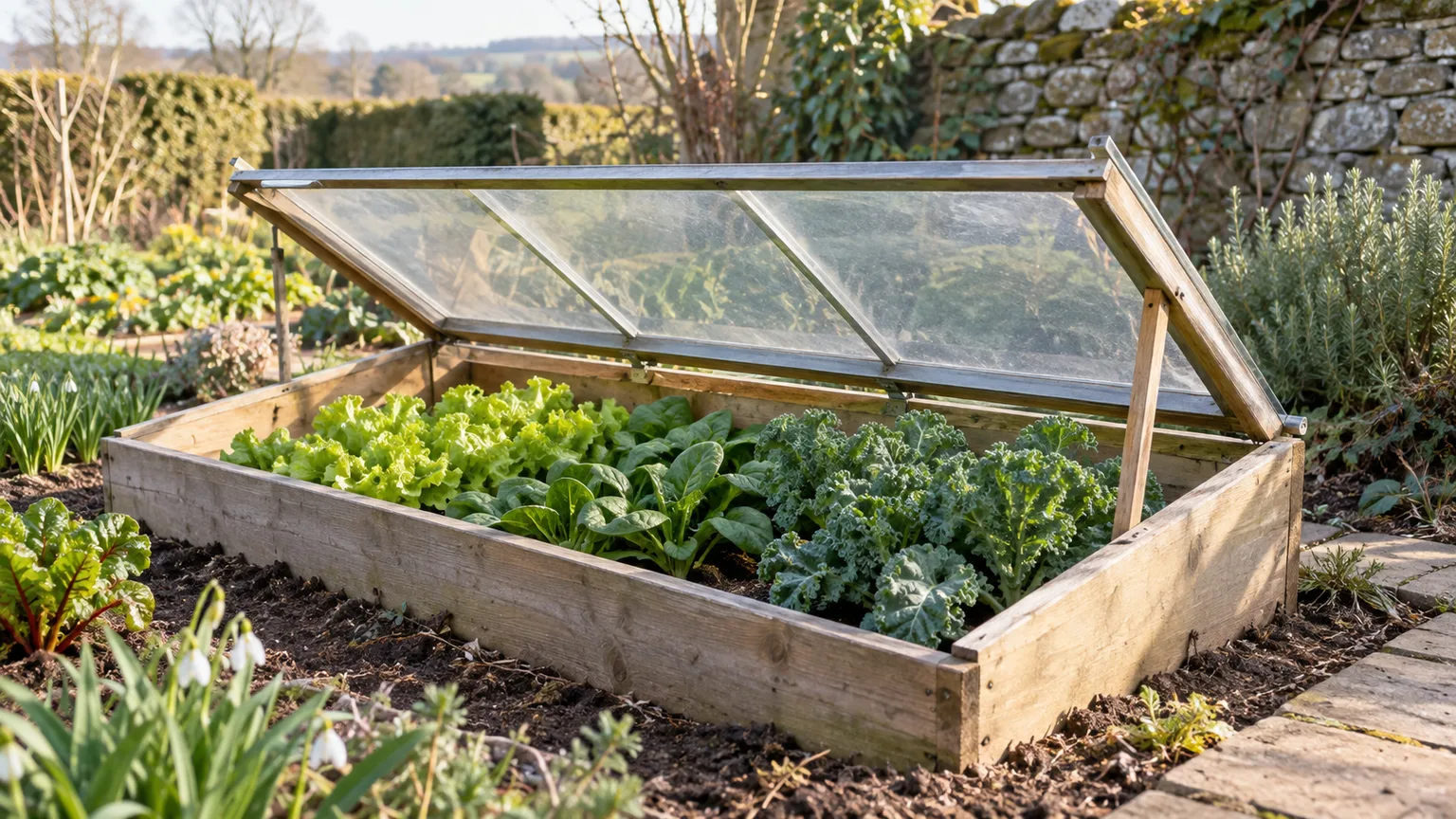
A cold frame provides the strongest shelter for compact crops such as spinach and mâche. The RHS notes that heavier garden fleece offers only modest frost protection, while Minnesota Extension describes heavier row covers as useful near 20°F in some setups—fabric weight, wind, installation, and exposure change the result. RHS winter vegetables · UMN season extension
For a simple setup, place hoops over the bed before a cold snap, drape breathable fabric without crushing leaves, and anchor every edge so wind cannot lift it. Add a second layer or a clear outer tunnel only when the forecast calls for it, and secure plastic so it cannot flap against foliage. Niki Jabbour’s practical guidance for frost cloth emphasizes that a low tunnel can extend an autumn harvest, but the cover still needs to be supported and fitted to the crop. Savvy Gardening
Ventilate on sunny days. A covered tunnel can warm much more than the outdoor air, and trapped moisture encourages disease; open ends or lift the cover when the interior feels warm, then close it again before temperatures fall.
Water in the morning when the soil is dry, avoid saturating already wet beds, and clear snow only if its weight threatens a small structure—snow can also insulate the soil. In rainy-winter climates, drainage may matter more than adding another layer of fabric.
Common Winter-Garden Mistakes to Avoid
Planting too late is the most common planning error. Frost tolerance helps an established plant hold on; it does not make a seed germinate quickly in cold ground or force a small seedling to bulk up when daylight is fading. Start long-season crops such as leeks, broccoli, and rutabaga months ahead. Use late sowings for quick radishes and leafy crops only when your local calendar leaves enough time for the variety to reach a useful size.
Treating all frost as the same event leads to avoidable losses. A brief light frost, a hard freeze lasting overnight, and several days of frozen soil are different conditions. Protect young plants early, harvest mature heads before severe weather, and leave roots in place only if you can still reach them. University extension crop charts report broad categories, not guarantees for every backyard microclimate.
Assuming a zone number settles the question is another trap. Two gardens in the same USDA zone can differ in first frost date, wind, sun, snow cover, raised-bed exposure, and winter rain. Raised beds drain well but freeze faster than deep ground; a south-facing wall can create a sheltered pocket but may also warm plants during a sunny day and expose them to a sharp night freeze. Track your own garden for a season and note where snow melts last and where soil remains workable.
Leaving covers closed for weeks can be as harmful as leaving plants exposed. Check for heat buildup, damp foliage, pest activity, and plants pressing against the fabric.
A low tunnel is a small growing environment that needs attention, not a set-and-forget greenhouse. Also avoid applying thick, soggy mulch before the soil has cooled; a light insulating layer can help, but an overly wet blanket around crowns invites decay.
Finally, do not count on a winter crop to solve every produce gap. In a cold-winter area, a practical plan may be to harvest a large fall crop, protect a smaller patch of greens, mulch a few roots for early winter, and store the rest. This mix is often more reliable than trying to force one open bed to supply fresh vegetables throughout the coldest months.
Conclusion
The most dependable cold-hardy vegetables are the ones matched to your winter and planted early enough to establish before growth slows. Start with kale, spinach, onions, leeks, or mâche for leaves; add rutabagas, turnips, and radishes if your soil stays workable.
Treat broccoli and Napa cabbage as fall crops whose harvest can sometimes be extended with cover. Check your local frost calendar, choose varieties for your region, and use a row cover or cold frame where it will make a real difference. Winter gardening is less about planting in frozen ground than carrying a well-timed crop through it.



