Small Flowers on African Violet: Causes, Checks & Fixes
Quick answer
Small African violet flowers are often normal on mini cultivars-or a care signal when standard plants bloom tiny with thin dark leaves and long petioles. First step: confirm cultivar type, then increase bright indirect light or add a grow light before changing fertilizer.
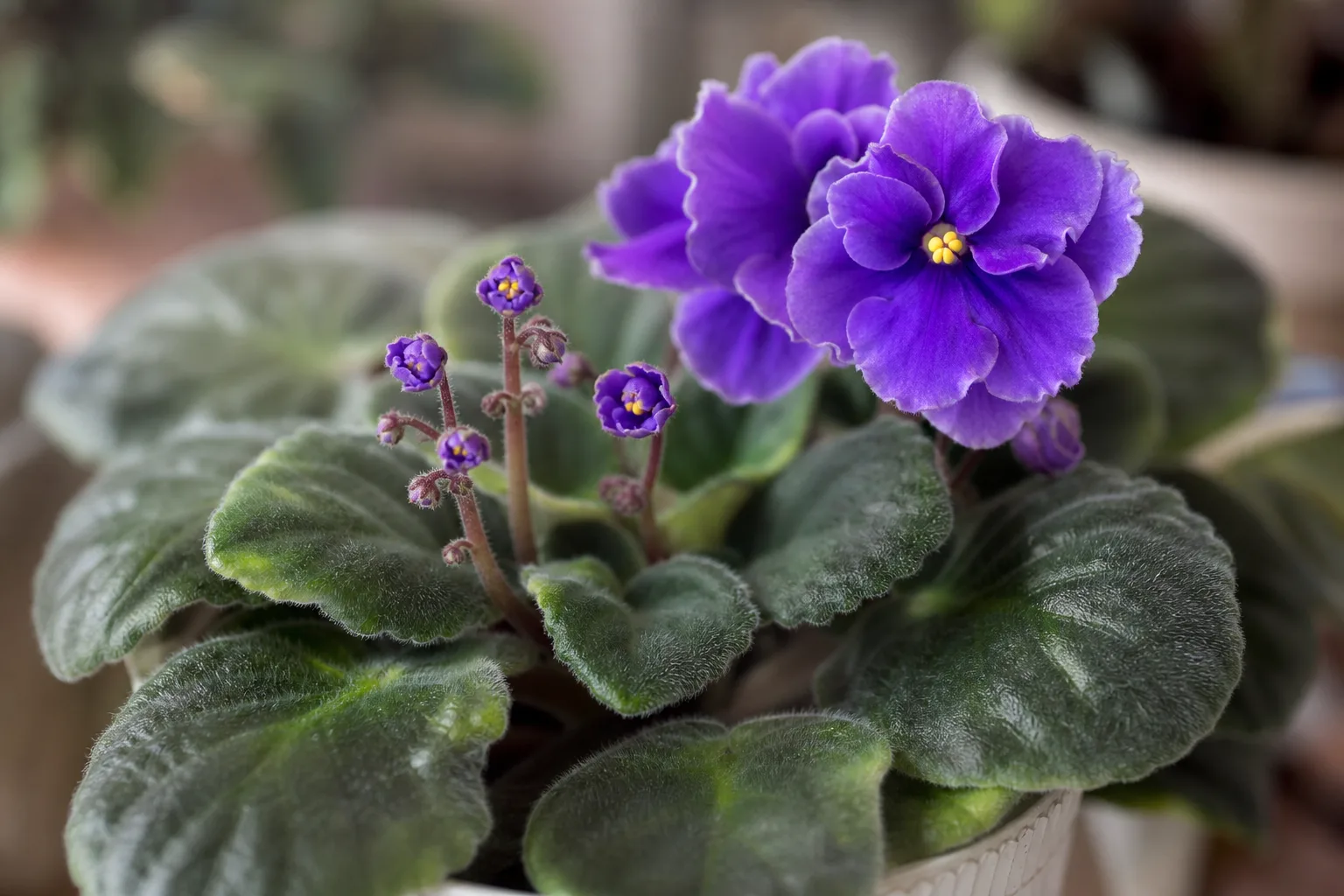
Small Flowers on African Violet: Causes, Checks & Fixes
This guide covers small flowers on African Violet. See also the general Small Flowers guide, watering, and light pages for this plant.
Small Flowers on African Violet: Causes, Checks & Fixes
Quick answer
Small flowers on African violet (Streptocarpus sect. Saintpaulia) fall into two buckets: normal genetics on miniature and semi-miniature cultivars, or care-related undersizing when a standard plant produces blooms that look shrunken for the variety.
On standard types, the most common driver is insufficient bright indirect light. Thin, dark, blue-green leaves with long petioles indicate too little light, and weak light limits the energy available for full-size flower development. High-nitrogen fertilizer, sucker competition, young immaturity, cool room temperatures, and excessive direct sun can also shrink or distort blooms.
First step: confirm whether you grow a mini cultivar. If the plant is a standard type, increase bright indirect light or add supplemental lighting before stacking fertilizer changes or repotting. See the African violet light guide for hour and distance targets.
Is small bloom size normal or a problem?
Miniature African violets measure 6 inches or less across a single crown; semi-miniatures run over 6 to 8 inches; standards exceed 8 inches and mature types often reach 8 to 16 inches (AVSA size classes). Each class carries proportionally sized flowers. A labeled Optimara mini, Rob’s mini, or any plant consistently under 6 inches wide with tidy, scaled-down blooms is behaving normally.
The semi-mini gray zone sits at 6 to 8 inches-blooms may look modest compared with a large standard but still match the cultivar’s compact leaf scale. Mislabeled nursery tags sometimes call a semi-mini “standard” when the rosette never exceeds 8 inches; trust diameter and leaf proportion over pot sticker size alone.
The problem case is a standard cultivar whose flowers suddenly shrink, feel leathery, or look out of scale with prior bloom cycles-especially when foliage also looks stressed. Compare current blooms to photos from the same plant six months ago or to catalog images for that variety.
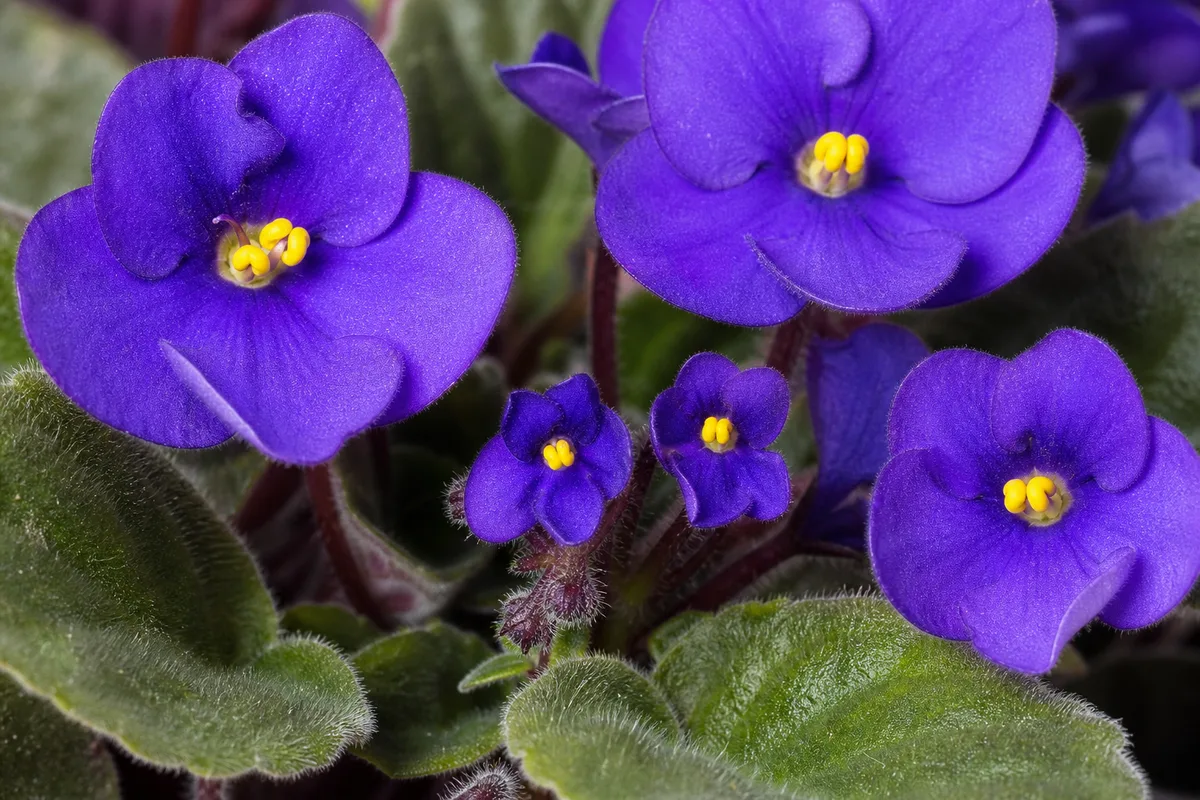
Small Flowers symptoms on African Violet - compare with healthy tissue on the same plant.
Seed-grown plants under 18 months old may simply not have reached full bloom size yet. Patience plus steady light and mild feed often resolves immaturity without heroic intervention.
Visual confirmation guide (what to compare)
Use these side-by-side checks before you change fertilizer or repot:
| Pattern | Plant diameter | Leaf look | Bloom scale | Verdict |
|---|---|---|---|---|
| Mini genetics | Under 6 inches | Small, tidy, proportional petioles | Petals roughly 0.75 inch or less; all parts scaled down | Normal-no fix needed |
| Semi-mini genetics | 6 to 8 inches | Compact but slightly larger than true mini | Petals roughly 1 to 1.5 inches; blooms match leaf size | Normal for class |
| Low-light undersizing | Standard (8+ inches) | Thin, dark, upward-tilting leaves; long petioles | Blooms smaller than prior cycles on same plant | Fix light first |
| High-nitrogen undersizing | Any class | Wide, lush, dark green crown | Tiny blooms on an otherwise beefy rosette | Adjust feed, not light alone |
Why African violet flowers are small
Insufficient bright indirect light
African violets need more light than many growers assume. Too little light causes stretching and poor flowering; the plant may still bloom, but flowers open smaller and fewer because photosynthesis cannot support full development. Leaves tilt upward, petioles lengthen, and the rosette looks sparse. Bloom size often tracks petiole length on standards-a useful proxy when you lack a light meter.
Phosphorus-poor or imbalanced fertilizer
Blooms depend on steady, complete nutrition. Phosphorus supports healthy roots and flowering, and plants in small pots exhaust nutrients quickly if you rarely feed. A violet that has not been fertilized for months may produce small or weak flowers even when light is adequate.
High-nitrogen feed pushing foliage over blooms
Too much fertilizer with high nitrogen leads to lush foliage at the expense of flowers. You may see wide, dark green leaves and a tight crown with blooms that look like an afterthought. This pattern differs from low light, where leaves are thin and stretched rather than lush.
Mini cultivar genetics
Mini and semi-mini varieties are bred for compact scale. Expect smaller petals and shorter flower stalks as part of the cultivar identity-not as a defect. Check plant diameter against AVSA size classes before treating genetics as a care error.
Young plant immaturity
Plants grown from leaf cuttings or seed need time to mature. An 18-month-old seedling may bloom enthusiastically but at reduced size until the crown fully develops. Consistent light and mild fertilization support gradual improvement.
Suckers competing with the main crown
Side shoots-suckers-at the base divert energy from the main flowering crown. A crowded pot with multiple crowns often shows smaller blooms on the primary plant even when light and feed look correct. Remove suckers when they are small enough to pinch cleanly.
Root stress and oversized pots
African violets bloom best when slightly root-bound. A pot much larger than one-third the plant diameter can delay flowering while roots colonize excess mix. Damaged roots from chronic overwatering on African Violet also reduce bloom quality before leaves show obvious decline. When root stress is suspected, see the repotting guide for timing-repotting an oversized pot into fresh airy mix helps only after light is corrected, not as a day-one bloom-size fix.
Excessive direct sun
While low light shrinks blooms through weak energy production, the opposite extreme also stunts flowers. Too much direct light produces small, crinkled, leathery, yellow leaves and stressed, undersized blooms. South or west glass without filtering is a common indoor trigger.
Cool temperatures slowing flower development
African violets prefer 65 to 80°F. Temperatures below about 65°F slow bud development; flowers that do open may be smaller and slower to mature. Drafty winter windowsills often combine cold and weak seasonal light.
How to confirm what’s causing small flowers
Work through this order:
- Cultivar class - Measure rosette diameter. Under 6 inches with scaled blooms = likely mini normality. Six to 8 inches = semi-mini expectations.
- Light audit - Note leaf color and petiole length. Thin, dark, upward-reaching leaves = increase light. Bleached or yellow crinkled leaves = reduce intensity. Cross-check the light guide for foot-candle and fixture distance targets.
- Daily light hours - Target 12–16 hours of bright indirect or supplemental light for standard cultivars aiming for full bloom size.
- Fertilizer history - Review N-P-K ratio and frequency. High nitrogen or long gaps without feed both shrink blooms on opposite paths.
- Sucker count - Inspect the crown for side shoots; remove extras.
- Pot size vs. plant - Flag pots clearly oversized relative to foliage spread; review overview culture notes on pot-to-plant ratio.
- Temperature - Check night lows near the plant; cold windowsills explain winter shrinkage.
- Compare related symptoms - No buds at all points to no flowers; color loss fits faded flowers; buds falling before open matches bud drop.
Mini vs. standard vs. care-error decision table
| Rosette diameter | Leaf symptom | Bloom symptom | Most likely cause | First action |
|---|---|---|---|---|
| Under 6 inches | Small, even, no stretch | Petals proportionally tiny | Mini genetics | Match expectations; no rescue needed |
| 6 to 8 inches | Compact; not etiolated | Modest but scaled to leaves | Semi-mini genetics | Confirm label; avoid overfeeding |
| 8+ inches (standard) | Thin, dark, long petioles | Smaller than last season | Low light | Brighten exposure or add grow light |
| 8+ inches | Lush, wide, dark green | Tiny blooms on full crown | High nitrogen | Reduce N; balanced quarter-strength feed |
| 8+ inches | Normal leaves, multiple crowns | Small blooms on main stem | Suckers | Pinch side shoots |
| Any | Twisted, hairy center growth | Distorted, stunted buds | Cyclamen mites | See stunted growth guide |
First fixes - in order
Increase bright indirect light or add a grow light before changing fertilizer or repotting.
Move the plant to an east or bright north window, or position an LED or fluorescent fixture 4 to 8 inches above the leaves for 12 to 16 hours daily. The African Violet Society of America notes that violets within 12 to 18 inches of a window or 10 to 12 inches under fixtures respond with stronger bloom cycles once duration is consistent.
After two weeks of improved light, if blooms stay small on a standard cultivar:
- Remove suckers pinching them at the base when small.
- Resume mild feeding at one-quarter label strength with a balanced, urea-free formula at each watering if you have paused fertilizer entirely.
- Adjust nitrogen - switch away from high-nitrogen products if leaves are overly lush.
- Correct excess sun - shear curtain or increase fixture distance if leaves are yellow and crinkled.
- Warm the plant if nights drop below 65°F.
Repot only when mix is exhausted or roots are damaged-not as a first bloom-size fix.
Step-by-step recovery
Once you have identified the likely cause, follow this sequence on a standard cultivar with care-related undersizing:
- Baseline photo - Snap the rosette from above and note current petiole length and bloom diameter against a ruler or coin for scale.
- Set light - Move to bright indirect exposure or mount a grow light 6 inches above the crown on a 14-hour timer. On a standard Optimara-type violet, growers often see visibly fuller petals on the third bud cycle after two weeks of consistent supplemental light-not on buds already formed under old conditions.
- Hold other variables - Do not repot, rotate daily, or change fertilizer for the first two weeks while light stabilizes.
- Remove suckers - Pinch any side crowns at the base so the main flowering stem keeps energy.
- Resume quarter-strength feed - After two weeks of improved light, feed lightly at each watering if the plant is actively growing and leaves look medium green.
- Judge new buds only - Compare bloom size on newly initiated buds, not flowers that started forming before the light change.
- Repot if needed - Only after two bloom cycles fail to improve and the pot is clearly oversized or mix is exhausted; follow repotting timing so you do not drop active buds unnecessarily.
Recovery and bloom-size timeline
Judge progress on newly initiated buds, not flowers already formed under old conditions. Those may open small regardless.
After light correction, many healthy standard plants show fuller buds within two to four weeks. Seasonal winter dimness may extend the wait unless you supplement. Immature seedlings may need a full growing season before bloom size matches mature catalog photos.
Signs of improvement: shorter petioles, leaves holding a medium green hue at a slight outward angle, and progressively larger petals on successive bloom cycles. Worsening signs: continued stretching, bud drop, or crown tightness from salt buildup-pause fertilizer and flush if crust appears on the soil surface.
What not to do
Do not apply full-strength fertilizer to force bigger flowers-African violet roots burn easily and excess nitrogen shrinks blooms further. Do not repot into a much larger pot hoping to upsize flowers. Do not remove healthy leaves to “encourage” blooming. Do not assume disease when you own a mini cultivar with proportionally small blooms. Avoid stacking repot, heavy prune, and pesticide on the same day.
Small flowers vs. lookalike problems
| Pattern | Likely cause | Key check |
|---|---|---|
| Tiny blooms, plant under 6 inches wide | Mini cultivar norm | Label or diameter class |
| Semi-mini scale, 6 to 8 inches | Semi-mini norm | Leaf and bloom proportion |
| Small blooms + thin dark leaves + long petioles | Low light | Light hours and window |
| Small blooms + wide lush leaves | High nitrogen | Fertilizer analysis |
| No buds for weeks | No flowers problem | Light, temperature, pot size |
| Blooms pale or washed out | Faded flowers | Age, excess light, feed balance |
| Buds drop before opening | Bud drop | Drafts, dry air, uneven water |
| Stretched stems, few blooms | Leggy growth / not enough light | See leggy growth and not enough light |
Prevent undersized blooms next time
Keep a steady 12 to 16 hour light rhythm with darkness at night-florigen needs darkness to trigger blooming after light exposure. Feed lightly and consistently with a complete formula, remove suckers early, and maintain slightly root-bound conditions in fresh, airy mix. Match expectations to cultivar class so mini and semi-mini plants are not treated like failing standards.
When to worry
Small flowers alone on a mini plant are not urgent. Seek deeper inspection if blooms shrink while the crown softens, leaves develop gray powdery patches, or multiple crowns collapse-those patterns overlap pest or rot issues beyond bloom size.
Chronic undersizing on a labeled standard cultivar after eight weeks of corrected light and feed may indicate cyclamen mite damage (twisted center growth). Isolate the plant and follow the stunted growth guide for crown inspection and quarantine-cyclamen mites are difficult to control and spread quickly across gesneriad shelves.
Related African violet problems
- No flowers - no bud stalks form at all
- Faded flowers - blooms open but lose color or look washed out
- Bud drop - buds abort before opening
- Leggy growth - long petioles and sparse rosette from low light
- Not enough light - survival light vs. bloom light on velvety leaves
- African violet light - foot-candles, windows, and grow-light setup
- African violet fertilizer - urea-free feeding and N-P-K balance
- African violet watering - bottom-water rhythm that keeps buds stable
- African violet overview - pot size, mix, and gesneriad culture basics
- African violet repotting - when root stress or oversized pots limit bloom size
How this guide was reviewed: Written by sai-ananth and reviewed by the LeafyPixels Review Board on 2026-06-17. AVSA size-class definitions, light-first bloom recovery, and cyclamen mite escalation cross-checked with African Violet Society of America, Iowa State Extension, Penn State Extension, and UF/IFAS resources cited inline above. See methodology note in frontmatter.
FAQs
Are small flowers normal on mini African violets?
Yes. Miniature African violets are classed under 6 inches in diameter and naturally produce proportionally smaller blooms than standard cultivars. If leaf size, plant width, and flower scale all match a mini type, small flowers are expected-not a care failure.
How can I confirm why my African violet has small flowers?
Check cultivar label first, then light-thin dark leaves with long petioles point to too little light. Lush wide leaves with tiny blooms suggest high-nitrogen feed. Count suckers at the crown; side shoots steal energy from main-stem flowers.
What should I check first for small flowers on African violet?
Measure daily light hours and window exposure. Move to brighter indirect light or run a grow light 4–8 inches above foliage for 12–16 hours before repotting or switching fertilizer. Light fixes most undersized blooms on standard cultivars.
How long until African violet blooms get bigger after fixing light?
Expect the next flower cycle to show improvement within two to four weeks once light is adequate and the plant is actively growing. Buds already formed at low light may open small; judge recovery by newly initiated buds after the change.
How do I prevent undersized African violet blooms next time?
Keep bright indirect light daily, feed at quarter-strength with a balanced urea-free formula, remove suckers promptly, and stay in a slightly root-bound pot. Match expectations to cultivar size so mini plants are not treated like failing standards.
When to use this page vs other African Violet guides
- African Violet watering guide - Use for routine moisture checks before assuming small flowers is the main issue.
- African Violet problems hub - Browse all 52 common issues on this species.