Pale Leaves on Aglaonema Super White: Light & Root Checks
Quick answer
Pale leaves on Aglaonema Super White show washed color on broad glossy leaves splashed rosy-white, cherry-red, and green—usually deep shade fading anthocyanin variegation or root stress from wet mix in low light. First step: check whether top 2–3 cm of mix is dry or wet and inspect newest growth color.
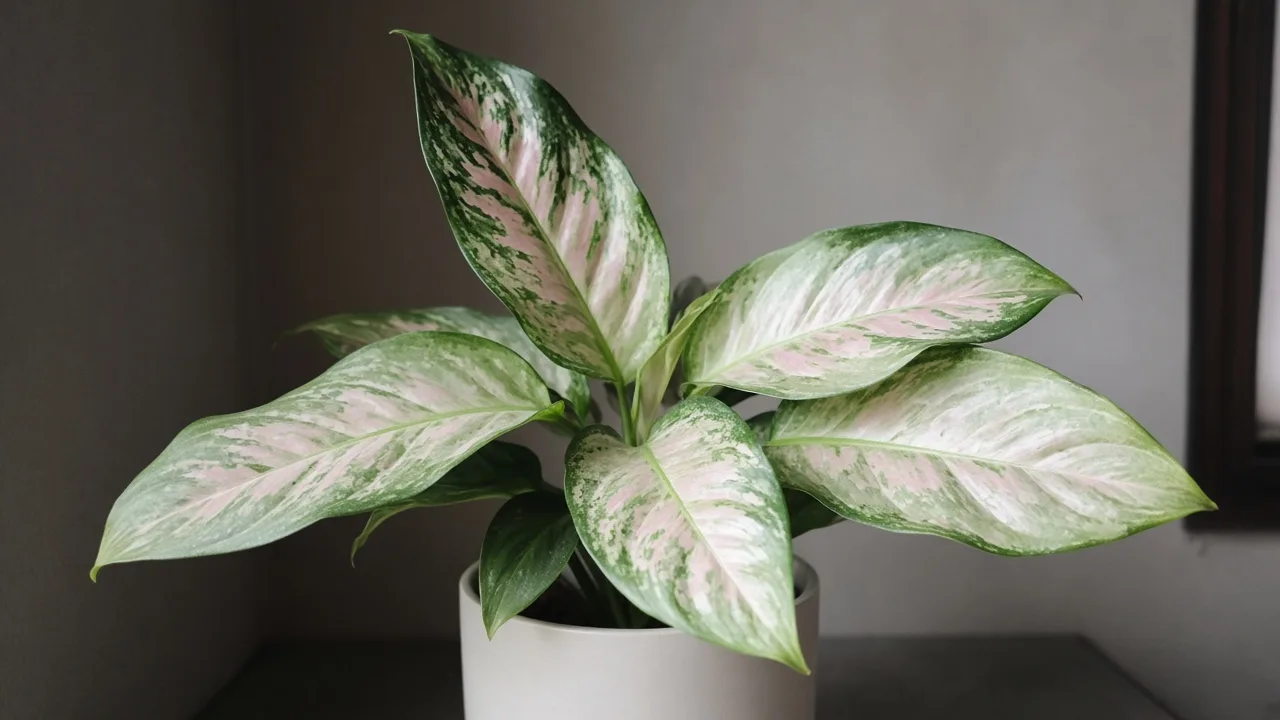
Pale Leaves on Aglaonema Super White: Causes, Checks & Fixes
This guide covers pale leaves on Aglaonema Super White. See also the general Pale Leaves guide, watering, and light pages for this plant.
Pale Leaves on Aglaonema Super White: Causes, Checks & Fixes
Quick answer
Pale leaves on Aglaonema ‘Super White’ mean washed-out color on broad glossy leaves splashed rosy-white, cherry-red, and green—not the same as yellowing from nitrogen loss or age. On this Thai variegated hybrid, pale usually means too little light for anthocyanin color retention or root stress from wet mix in a dim corner. See our pale leaves guide for general symptom science.
First step: check whether top 2–3 cm of mix is dry or wet, and compare new growth color to older leaves on the same plant.
When to use this page vs other Super White guides
| Pattern | Read next |
|---|---|
| Deep shade, long petioles | Not enough light |
| Wet heavy pot, soft leaves | Overwatering |
| Oldest leaves pale first | Nitrogen deficiency |
| Yellow not pale | Yellow leaves |
| Fading white/pink on new leaves only | Light guide |
What pale leaves look like on Super White
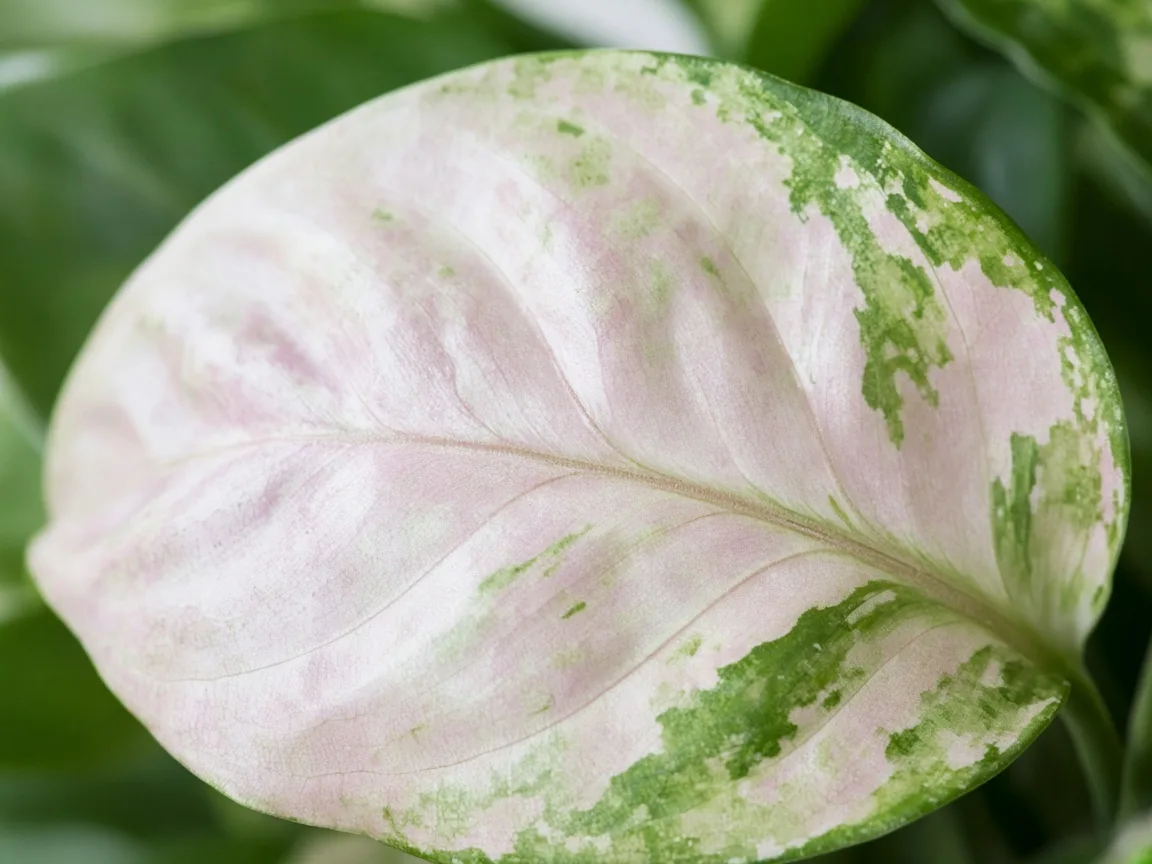
Pale washed color on Super White—compare new growth against older leaves with stronger variegation.
Low-light fade (most common on Super White):
- Uniform pale green with stretched petioles in a dim hallway or far from windows
- Rosy-white, pink, or red anthocyanin panels wash to olive green within weeks
- New leaves emerge lighter than older leaves that grew in brighter previous placement
Root-stress pale:
- Leaves look pale and feel soft—not crisp—while mix stays wet in low light
- Often paired with heavy pot weight and slow dry-down from chronically wet mix over 14+ days
- Differs from light fade: whole plant dull, not just loss of red/white panels
Nutrient fade (after water/light ruled out):
- Oldest leaves pale first while new growth stays firm and adequately colored
- Only consider after watering and light match this cultivar’s needs—Chinese evergreens need even moisture before feeding
The rosy-white zones lack chlorophyll, so pale tissue scorches in direct sun and fades in deep shade faster than the green sectors. Bleached tissue on existing leaves may not fully darken—new leaves show stronger color after brighter filtered light.
Why Super White gets pale leaves
Chinese evergreens are marketed as low-light plants, but Thai variegated hybrids like Super White need bright indirect light (150–300 fc) to hold anthocyanin color. Deep shade does not kill the plant quickly—it fades variegation and stretches stems as the plant reaches for photons.
Separately, wet heavy soil in that same dim corner starves roots of oxygen. Aglaonema in stagnant wet mix cannot take up nutrients efficiently, producing pale soft foliage before classic yellow lower leaves appear. This is the low-light overwatering trap: less light means slower water use, but owners often keep summer watering frequency.
How to confirm the cause
- Measure placement honestly — If the plant sits more than 8–10 feet from a window with no grow light, light fade is likely. See not enough light.
- Probe top 2–3 cm — Wet mix + pale soft leaves = root stress first. Dry mix + pale stretched leaves = light first.
- Compare new vs old leaves — New pale with old strong color suggests recent placement change or seasonal light drop.
- Check pot weight — Heavy days after watering in a dark room confirms slow dry-down; pair with overwatering review.
- Rule out pests — Spider mites stipple leaves silvery-pale; inspect undersides and run a paper tap test.
First fix for Super White
Move to bright indirect light (150–300 fc) if the plant sits in a dim corner and new growth is stretched or losing variegation—see not enough light.
If soil stays wet and leaves feel soft, stop watering until top 2–3 cm of mix dries before the next drink—follow overwatering dry-down. Do not fertilize until light and moisture are stable.
Step-by-step recovery
- Week 1 — Correct placement or dry-down (one variable, not both stacked with repotting).
- Week 2 — Rotate pot quarterly for even light; confirm dry-down speed at top 2–3 cm.
- Week 3–4 — Watch emerging leaves. Stronger variegation on new blades means light fix is working.
- If oldest leaves still pale but new growth is good — Optional mild feed during active growth only after water/light stable; see fertilizer guide and rule out nitrogen deficiency first.
Lookalike symptoms
| Pattern | Likely cause |
|---|---|
| Uniform pale + long petioles | Low light |
| Pale soft + wet mix | Root stress / overwatering |
| Silvery stipple | Spider mites |
| Yellow lowers | Overwatering or age |
| Oldest leaves only | Nutrient lack after culture fixed |
Mistakes to avoid
- Fertilizing pale plants in wet dim soil—burns stressed roots
- Assuming all aglaonemas need the same light as green ‘Silver Bay’ in a dark office
- Repotting on day one instead of fixing light and water rhythm
- Discarding a plant for “reverting” when it only needs brighter filtered light for new leaves
Recovery timeline
Light correction shows stronger color on new leaves within three to six weeks. Existing pale blades may stay washed—judge by crown output. Root-stress pale needs dry-down first; recovery may take four to eight weeks if lowers were affected.
Prevention
- Keep bright indirect light (150–300 fc) as baseline—not a dark hallway for variegated Thai hybrids
- Water when top 2–3 cm of mix dries; extend interval in winter and dim rooms
- Rotate monthly for even color on all sides
- Use well-draining mix per soil guide
Related Aglaonema Super White guides
Conclusion
Pale Super White leaves are light or root-stress signals on broad glossy leaves splashed rosy-white, cherry-red, and green—fix bright indirect light (150–300 fc) and top 2–3 cm dry-down before feeding. New crown leaves tell you whether the plant is recovering even when older blades stay faded.