Holes in Leaves on Aparajita (Butterfly Pea): Causes
Quick answer
Holes on Aparajita usually mean either a clean mechanical tear from trellis or balcony wind, or ragged insect chew with frass on compound leaflets. First step: photograph the hole, check whether edges are straight and unchanged after three days with no pellet droppings—if yes, secure the vine; if edges are ragged and spreading, route to the caterpillar guide.

Holes in Leaves on Aparajita (Butterfly Pea): Causes, Checks & Fixes
This guide covers holes in leaves on Aparajita. See also the general Holes in Leaves guide, watering, and light pages for this plant.
Holes in Leaves on Aparajita (Butterfly Pea): Causes, Checks & Fixes
Quick answer
Holes through Aparajita (Clitoria ternatea, butterfly pea) leaflets usually fall into one of two buckets: clean mechanical tears from trellis wires, balcony railings, or monsoon wind, or ragged insect chew with pellet frass along fast-climbing vine stems. The vine’s thin, papery compound leaves tear easily against support hardware—damage that looks alarming but does not spread.
For general hole patterns on houseplants—chewing pests, environmental stress, and when tissue cannot regrow—see our holes in leaves guide. On Aparajita, the decisive check is the edge test: straight creased tears that stay the same size for three days with no frass mean mechanical damage; ragged enlarging holes with dark pellets mean route to the caterpillar guide.
First step: photograph the hole today, note whether edges are clean or ragged, and check the balcony floor and trellis string below for frass pellets before you spray or prune.
When to use this page vs other Aparajita guides
| Pattern | Read next |
|---|---|
| Clean straight tear, creased edge, no frass, no spread after a windy night | This page (mechanical) |
| Ragged chew + frass pellets + visible larvae | Caterpillars |
| Serpentine tunnels inside leaflet, no through-holes | Leaf miners |
| Tiny round holes with stippling, fine webbing | Spider mites |
| Silver scarring on buds, distorted new tips | Thrips |
| Yellow lower leaves, wet soil, no chew on vine tips | Overwatering |
What holes look like on Aparajita
Holes on butterfly pea are easy to misread because the vine looks lush from across the balcony and compound leaves are small. The damage pattern—not the hole count—tells you which guide to follow.
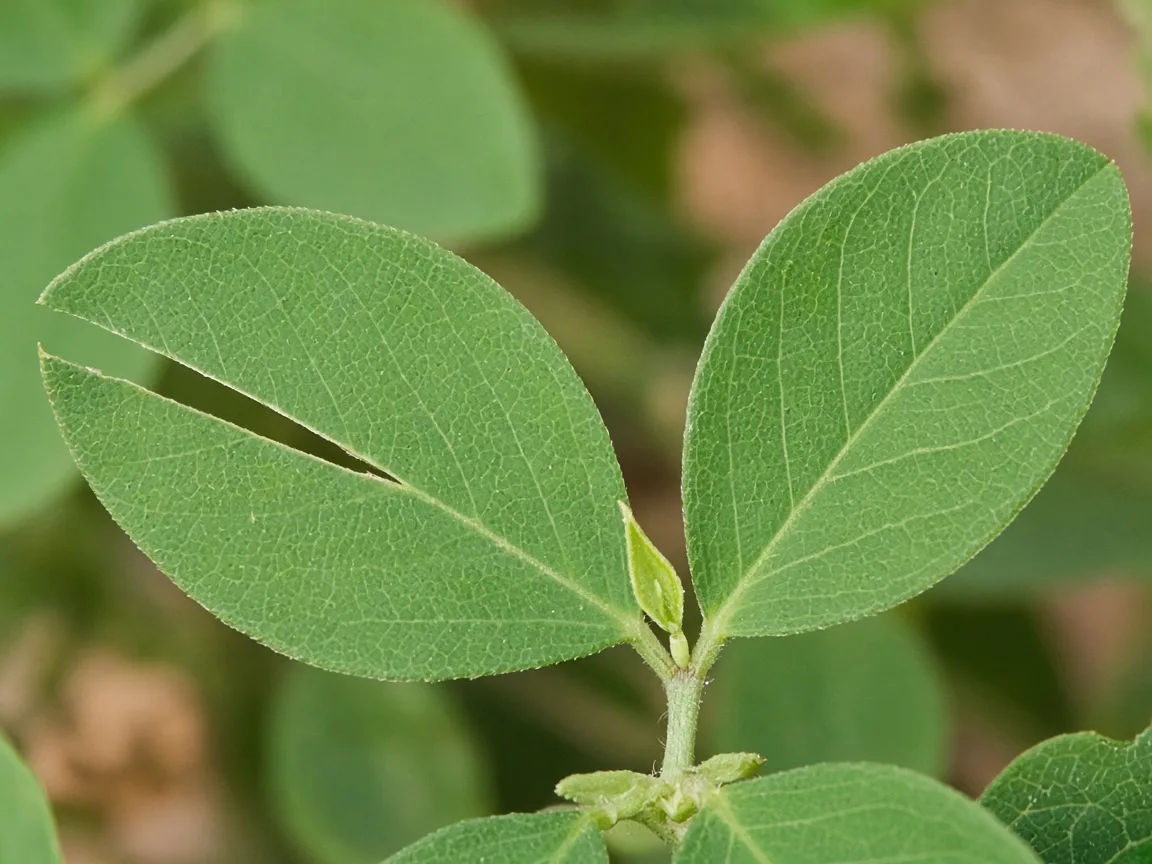
Clean creased tear through thin papery leaflets on one compound leaf—compare with an intact neighbor leaflet on the same vine node.
Mechanical holes (this page):
- Clean edges that look snapped, creased, or torn in one event—not eaten inward over days
- Fixed size when you compare photos across three to five days; the hole does not enlarge
- No frass on leaflets, trellis strings, pot rim, or the balcony floor below
- Often one leaflet on a compound leaf affected while neighbors on the same node stay intact
- Location clue: damage on leaflets pressed against a trellis wire, balcony railing, or another pot bumped during a move
Insect chew (route to caterpillars):
- Ragged, irregular missing tissue that enlarges as larvae grow
- Dark green or black pellet-like frass on foliage or below the vine
- Visible larvae tucked along vine tips, inside rolled leaflets, or at the soil line on outdoor pots
- Unlike leaf miners, damage goes through the leaflet—not inside a bordered tunnel visible when backlit
Growth impact on Aparajita:
- A single clean tear on a lower leaflet is usually cosmetic on a fast-growing vine
- Bud and bloom damage matters more than one holed leaflet—crushed flower buds abort indigo-blue blooms before they open
- Compound leaves cluster tightly at each vine joint, so one mechanical snap can look like multiple holes when several leaflets crease together
Trellis snaps and balcony rail tears
Aparajita is grown on trellises, pergolas, and balcony railings for its blue flowers. That placement creates a predictable mechanical damage pattern other houseplants rarely share.
Wire crease tears. Soft new compound leaves press against galvanized trellis wire as the vine races upward. A gust folds the leaflet over the wire and leaves a straight tear through thin tissue—often on the leaflet farthest from the stem, where leverage is highest.
Railing pinch points. Vines trained along balcony railings get pinched when you slide a pot, hang laundry, or close a door against the trailing stem. The hole appears on the leaflet caught between stem and metal, with a clean crease matching the railing edge.
Neighbour-pot collisions. Butterfly pea pots clustered on a narrow balcony bump during wind. One pot edge catches a compound leaf cluster and snaps one or two leaflets without disturbing the rest of the vine.
Loose tie whiplash. A string tied too tight—or left without slack for monsoon growth—saws through papery leaflets as the stem thickens. Check tie points whenever you see clean horizontal tears at the same height on several nodes.
Mechanical damage follows contact geometry, not random pot-level stress. If you can point to the wire, rail, or pot edge that matches the tear direction, you rarely need pesticide.
Reading compound leaflet tears
NParks describes Aparajita foliage as pinnate with five to seven elliptic leaflets, each thinly papery or membranous and roughly 2.5–5 cm long. That anatomy explains why holes look different here than on thick succulent leaves or large aroid blades.
Leaflet junction weakness. The weakest point is often the junction between leaflet and rachis—the central stalk of the compound leaf. Wind snaps one leaflet while siblings stay attached, producing a single clean hole rather than a shredded cluster.
Newest tissue tears first. The topmost climbing shoot has the softest leaflets. Mature lower foliage is slightly tougher. Mechanical tears concentrate on the growth tip you are training toward the trellis, not random lower yellowing leaves.
Backlight tunnel check. Hold a holed leaflet up to light. A serpentine tunnel inside the blade shows as a winding translucent line with intact upper and lower surfaces—different from a through-hole with missing tissue.
Shake test for frass. Hold the damaged leaflet over white paper and tap lightly. Dark pellets rolling off confirm caterpillars even when larvae hide along the trellis. No pellets after a firm tap support mechanical routing.
Monsoon flush snap points
Aparajita pushes fast soft shoots toward trellis support through spring and monsoon months. That growth rhythm creates a third plant-specific hole pattern: flush-weight snap.
During warm wet weeks, a vine tip can add several compound leaves at one node overnight. The new cluster is heavy relative to the thin stem. Wind loads the leaf mass like a sail, and one leaflet tears—or the whole soft tip bends against a tie—leaving clean holes without any insect present.
Pair this with your watering rhythm: monsoon growth means more leaf area and faster dry-down, but it does not mean caterpillars. If holes appear right after a storm on an otherwise healthy tip with firm stems and no frass, secure the vine and add tie slack before you reach for spray.
Full sun placement keeps post-storm recovery quick—new trifoliate leaves along the same stem usually emerge within one to two weeks once the vine is supported and feeding stops.
Why Aparajita gets holes (beyond mechanical tears)
When the edge test points away from mechanical damage, these causes fit butterfly pea specifically:
Outdoor balcony exposure. Aparajita on open balconies picks up hitchhiking larvae after monsoon growth spurts, nursery purchases, or open windows—more often than strictly indoor vines. Caterpillars are far less common indoors than sap-sucking pests, but outdoor Clitoria behaves like a garden vine, not a sealed houseplant.
Butterfly-host context. Some Clitoria plantings are intentional butterfly hosts. Desirable butterfly larvae chew the same soft tissue as pest moths. Identify the larva before you destroy every caterpillar on a butterfly garden trellis.
Legume neighbours. Beans, peas, and other Fabaceae on the same balcony share caterpillar pressure. Larvae can walk from a neighbouring pot to your butterfly pea within a night.
Night feeding. Caterpillars feed at night and hide along stems during daylight—daytime checks of vine tops miss active larvae. Ragged holes that appeared overnight with frass below the trellis are insect chew, not mechanical.
How to confirm the cause
Work through this inspection in order:
- Photograph the hole with date stamp. Compare again in three days—unchanged size supports mechanical; enlarging ragged edges support insects.
- Run the edge test on leaflet margins. Straight crease = mechanical. Irregular inward chew = caterpillars.
- Check the floor and trellis below the damaged node for frass pellets. Pellets mean caterpillars, not this page.
- Inspect at night with a flashlight along the topmost climbing shoots if edges are ragged—night inspection catches hidden larvae.
- Backlight the leaflet for serpentine tunnels—route to leaf miners if tunnels are inside tissue, not through-holes.
- Feel the stem at the damaged node. Firm green tissue with localized holes means foliar damage. Softening at the base points to root rot or overwatering, not leaflet holes.
Confirmed mechanical damage shows all three: clean edges, stable hole size over several days, and no frass or larvae on the vine tip.
First fix: secure the vine and stop repeat contact
For clean mechanical tears: loosen or reposition the trellis tie so the stem has slack for new growth, pad sharp wire with soft plant tie where leaflets crease, and move conflicting pots or laundry lines away from the trailing vine. Make this one correction first—do not repot, fertilize, and prune on the same day.
For ragged chew with frass: stop here and follow the caterpillar guide—hand-pick larvae at night before any spray.
For a snapped soft tip: trim the crushed tip just above the next healthy node with clean scissors. Butterfly pea responds by branching from lower nodes if the root crown stays firm.
Wear gloves when handling crushed tissue or sap. Aparajita is toxic to cats and dogs—keep pruned leaflets away from pets even when damage looks minor.
Recovery timeline
Holed leaflets are permanent—the eaten or torn tissue does not regenerate. Judge recovery by new compound leaves emerging clean along climbing stems, not by old blemished leaflets.
| Situation | What to expect |
|---|---|
| One mechanical tear after wind | Stable damage; new tip growth in 1–2 weeks in full sun |
| Several chewed leaflets, feeding stopped | Old holes remain; clean trifoliate leaves along stems within 1–2 weeks |
| Crushed flower bud | That bloom is lost; next flush may need 2–4 weeks |
| Vine base softening, sour smell | Not a hole problem—inspect roots and watering |
Flowering may pause briefly after heavy tip damage. Resume normal feeding only after new growth looks healthy for two weeks—see the fertilizer guide.
What not to do
Do not spray neem or insecticidal soap on a clean mechanical tear—you add stress without fixing contact damage.
Do not remove every holed leaflet on a sparse young vine. Green damaged leaflets still photosynthesize while the plant pushes replacement growth.
Do not increase watering because leaves look damaged—holes do not mean drought unless the whole vine is wilting with dry soil.
Do not assume every hole is caterpillars. Indoor collections with no outdoor exposure rarely see caterpillar outbreaks; mechanical tears after moving or training are more plausible.
Do not harvest flowers for tea from leaflets treated with any pesticide in the past two weeks.
How to prevent holes next season
- Pre-storm tie check — loosen strings before monsoon gusts; leave growth slack on fast vines
- Pad trellis contacts — soft tie over wire where leaflets repeatedly crease
- Weekly tip scout — inspect topmost shoots during each watering check so ragged chew is caught before it spreads
- Quarantine new vines two to three weeks before merging on a shared trellis
- Screen balcony doors at night if caterpillar introductions are common in your area
- Strong baseline care — well-draining soil and full sun so new damage stands out against vigorous growth
When to worry
Mechanical holes on one or two leaflets after a known bump or storm are low urgency. Escalate when:
- Fresh ragged holes appear daily on multiple vine tips—switch to caterpillars
- Frass accumulates at the soil line or on trellis strings
- Flower buds abort across several nodes within a week
- Stems soften at the base with sour soil smell—inspect root rot, not leaf holes
A single clean tear on a fast monsoon vine is not a lost cause. Secure the support, document that the hole stays stable, and watch the next compound leaf flush.
Conclusion
Holes on Aparajita are a routing problem first: clean creased tears that never spread mean trellis and wind mechanics on thin compound leaflets; ragged chew with frass means the caterpillar page. Run the edge test, secure the vine, and judge success by clean new trifoliate leaves along climbing stems—not perfect older foliage on every node.
Related Aparajita guides
Related tool
Use the Plant Problem Diagnosis Tool to narrow causes for holes in leaves on this plant before changing multiple variables at once.