Curling Leaves on Areca Palm: Causes, Checks & Fixes
Quick answer
Curling leaves on areca palm (*Dypsis lutescens*) usually mean moisture stress—dry soil, low humidity, or damaged roots that cannot keep long pinnate fronds hydrated. First step: push your finger 1–2 inches into the mix and lift the pot; correct the one mismatch you find before changing light, fertilizer, or sprays.
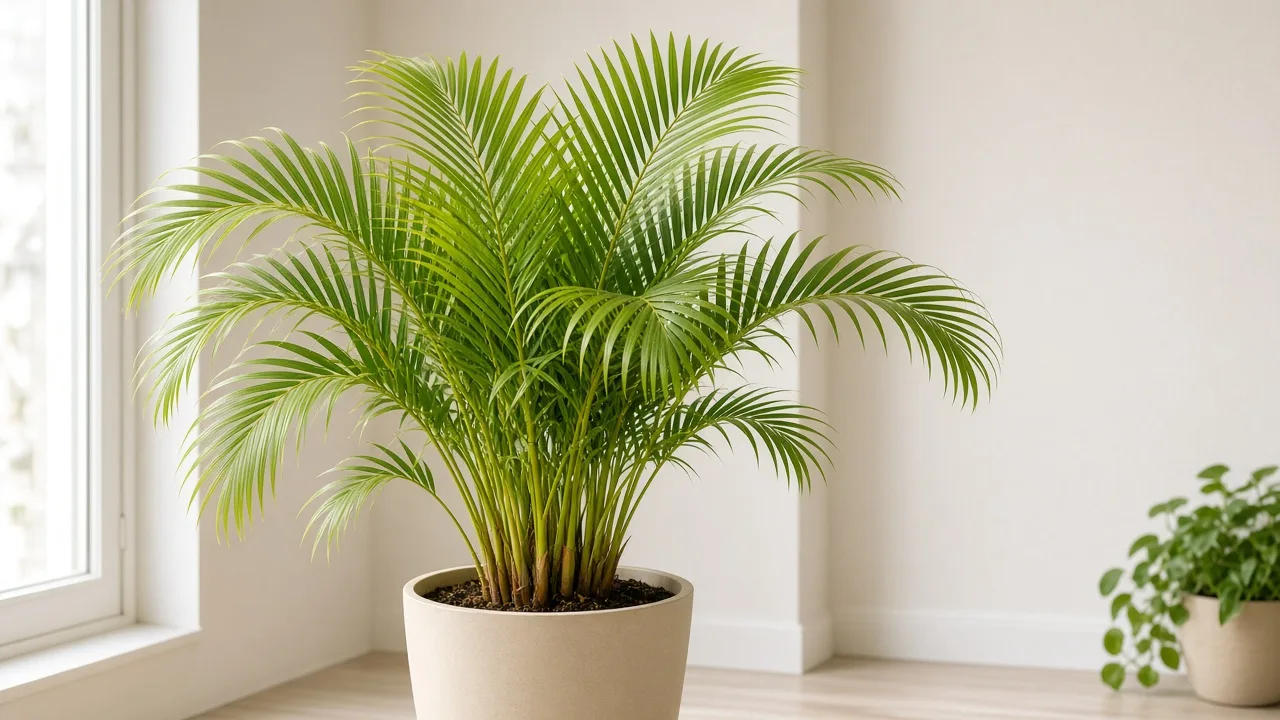
Curling Leaves on Areca Palm: Causes, Checks & Fixes
This guide covers curling leaves on Areca Palm. See also the general Curling Leaves guide, watering, and light pages for this plant.
Curling Leaves on Areca Palm: Causes, Checks & Fixes
Quick answer
Curling leaves on areca palm (Dypsis lutescens) almost always trace back to uneven hydration—not a mysterious palm disease. This Madagascar clumping palm carries 3- to 6-foot pinnate fronds with 40–60 pairs of narrow leaflets along each yellow-green rachis. When roots cannot supply water steadily, or hot dry air pulls moisture faster than the plant can replace it, those leaflets fold inward, cup, or look tighter than the relaxed V-shape healthy areca fronds normally show.
For how leaf curl works as a general protective response, see our curling leaves guide. On areca palm, the pattern usually shows up on outer fronds first while the crown still pushes new spears—so reading soil moisture and air around the canopy matters more than trimming curled tissue on day one.
First step: push your finger 1–2 inches into the potting mix and lift the container. A light, dusty-dry pot points to underwatering on areca palm. A heavy, wet pot that has not dried in a week points to overwatering or root rot starving fronds despite wet soil. Only after that single check should you adjust watering, move the pot off a heat vent, or inspect for pests.
What curling leaves look like on areca palm
Healthy areca fronds arch gracefully with leaflets spreading in opposite rows that form a distinct V along the rachis. Curling disrupts that geometry—individual leaflets roll lengthwise inward, cup upward, or sit at a tighter angle than neighboring blades on the same frond.
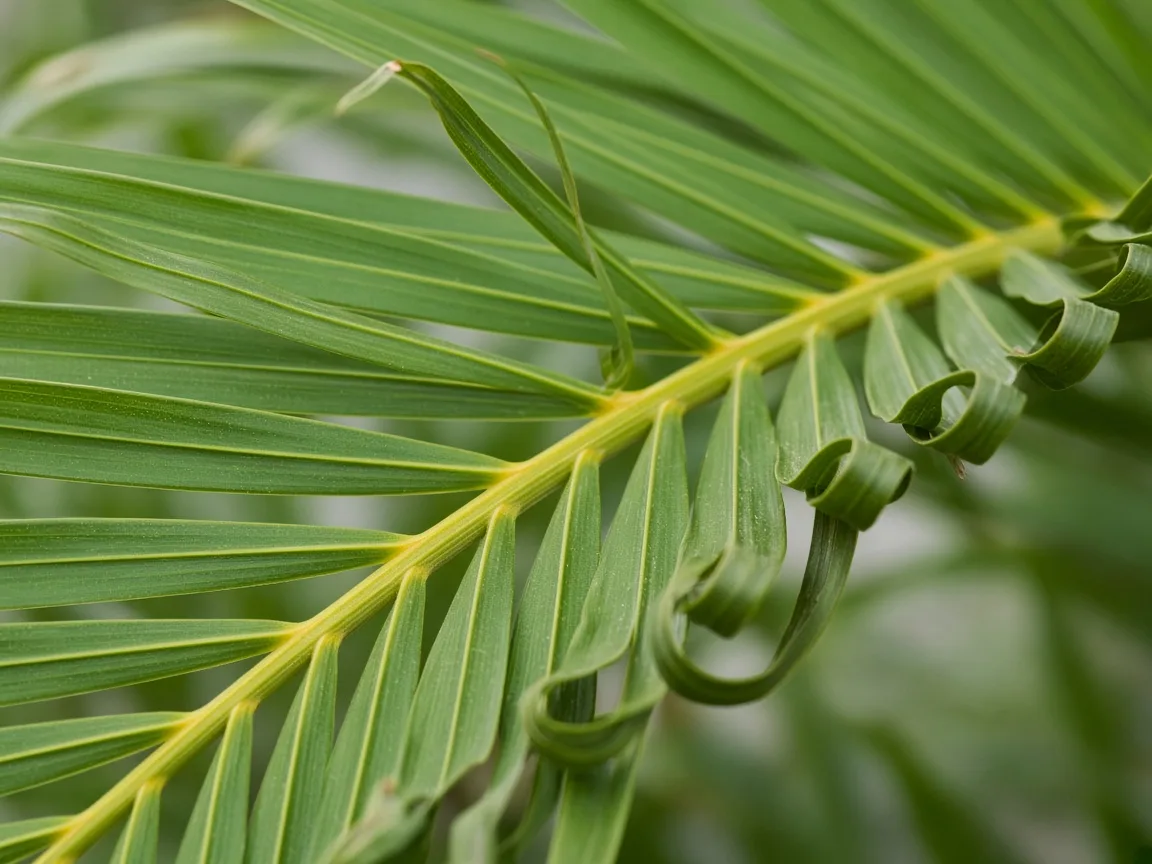
Curling Leaves symptoms on Areca Palm - compare with healthy tissue on the same plant.
Typical patterns on Dypsis lutescens include:
- Inward-folded leaflets along one or more pinnate fronds, often starting at the tips or along the outermost arching blades where transpiration is highest.
- Tighter, narrower-looking leaflet rows instead of the open V-shape described on NC State’s areca palm profile.
- Limp curl combined with droop when drought is severe—fronds hang lower while leaflets stay rolled; see drooping leaves on areca palm if the whole blade collapses.
- Curl on the heat-facing side only when a floor register, radiator cover, or sunny glass creates a dry microclimate; the opposite side of the clump may still look normal.
- Distorted new spears when thrips or spider mites feed on unfolding tissue—curl here is often paired with silver scarring, stippling, or fine webbing at frond bases.
- Uniform curl across many fronds with soggy soil when roots are too damaged to move water—classic overlap with root rot even though leaflets look “thirsty.”
Curl is a response, not a diagnosis by itself. Note whether damage is on old lower fronds, outer arching blades, or the newest crown spears—that locus narrows the cause quickly on a multi-cane cluster.
Reading the V-shaped leaflet row on areca fronds
Unlike broad single leaves on pothos or peace lilies, areca palm symptoms show on dozens of small leaflets per frond. Each leaflet can curl independently while the rachis stays firm. That is why one arching frond can look half healthy and half tight—the damaged section usually faces the driest air or the sunniest glass.
Walk the canopy slowly and compare leaflet angle on the same frond:
| Leaflet appearance | What it often means on areca palm |
|---|---|
| Tips roll inward, midrib still green, pot light | Dry root ball—underwatering |
| Leaflets cup on vent-facing side, soil moisture normal | Dry microclimate—low humidity or heat blast |
| Newest spear leaflets twisted or crinkled | Pest feeding on soft growth—mites or thrips |
| Many fronds curl, soil wet days after watering | Root uptake failure—overwatering or rot |
| Bleached curl on window side only | Direct sun/heat load—check light placement |
This table is areca-specific because pinnate architecture and clustered canes change how stress displays. A succulent might cup one rosette; an areca shows partial curl across a 4-foot frond with forty leaflets still flat.
Why areca palm gets curling leaves
Moisture stress from dry soil
Areca palms prefer consistent moisture without waterlogging and evolved in moist Madagascar forest. When the top 1–2 inches stay dry too long—especially in bright rooms—the plant reduces exposed leaflet surface by curling. Retail clumps with several canes in one pot dry faster than a single-stem houseplant, so calendar watering often misses the dry-down window.
Low humidity and forced-air drafts
Indoor plants lose moisture faster near heat registers and cold AC vents. Areca palms are marketed as humidity lovers yet sit in 30–40% winter rooms. Long fronds transpire heavily; dry moving air curls leaflets on the exposed side before room-average humidity feels “dry” to you. This overlaps with brown tips but curl appears before margins fully crisp when air is the main driver.
Root stress from wet soil
Paradoxically, chronic overwatering produces the same inward curl as drought. Damaged roots cannot supply fronds even when mix is wet—leaflets fold to limit water loss from tissue the plant cannot replace. Cool winter conditions slow areca growth, so water sits longer in the root zone and root rot risk rises when watering frequency does not drop seasonally.
Pests on expanding leaflets
NC State lists areca palm as susceptible to scale, whiteflies, and spider mites. Spider mites prefer warm, dry conditions and feed on leaflet undersides, causing stippling plus curl on new growth. Thrips scar soft spear tissue as it unfurls, leaving permanent twist on the youngest fronds.
Heat and light overload
Areca palms want bright indirect light but bleach and curl when hot afternoon sun hits glass directly. Leaflets cup as a self-shading response—damage concentrates on the window-facing fronds while interior blades stay flatter.
How to confirm the cause
Work through these checks in order. Stop when one diagnosis fits clearly.
- Soil at 1–2 inches and pot weight. Dry and light = thirst. Wet and heavy for a week = root stress. This single step separates the two most common curl triggers on areca palm.
- Map vents, radiators, and window heat. Stand at frond height and feel for rising warm air or cold AC. Side-biased curl with normal soil moisture points to low humidity placement, not watering.
- Inspect newest crown spears. Twisted, crinkled, or silver-scarred unfolding fronds suggest pests—hold white paper under a leaflet and tap; moving specks confirm mites.
- Check cane bases and soil smell. Firm yellow-green canes with dry soil differ from soft bases, sour mix, or algae on the surface (overwatering pattern).
- Review recent care changes. A furniture move beside a register, a skipped winter watering stretch, or repotting into heavy mix often precedes curl by two to four weeks.
Spear and crown checks on a multi-cane clump
New growth emerges from the center of the clump as tightly rolled spears before pinnate fronds expand. Healthy spears should unfurl with evenly spaced leaflets. If the newest spear stays small, stays rolled too long, or opens with crinkled leaflets while older fronds look fine, prioritize pest inspection and humidity around the crown over bulk watering.
On dense nursery clumps, lower outer fronds naturally age and may show slight droop—that is not curl. Focus on whether new spears and mid-canopy fronds are tightening week over week.
First fix for curling leaves on areca palm
Match watering to what the soil actually shows
After the finger-and-weight check:
- If dry: Water thoroughly until excess drains, empty the saucer, and review areca palm watering rhythm. Wait for the top 1–2 inches to dry before the next soak—do not switch to daily shallow splashes.
- If wet: Pause watering. Move the pot to brighter indirect light if it sits in shade with soggy mix, and inspect drainage holes. If soil stays wet more than seven to ten days in winter, slide the root ball out and look for brown mushy roots before the next drink. See root rot on areca palm if canes soften.
This is one correction—water more or water less based on evidence, not both.
Move off forced-air paths before adding humidity gear
If soil moisture is appropriate but leaflets curl on the vent-facing side, relocate the pot one to two metres off registers, radiator covers, and AC blast zones while keeping bright indirect light. Wait seven to ten days. Many curl cases stabilize after placement alone.
Treat pests only after confirmation
If the paper tap test shows mites or you find thrips scarring on new spears, isolate the clump and rinse frond undersides with lukewarm water first—then follow the schedules in spider mites on areca palm or thrips on areca palm. Do not spray oil or soap on a drought-stressed palm before correcting soil moisture.
Recovery timeline and what to expect
Already curled leaflets rarely flatten fully. Success means:
- New crown spears unfurl with relaxed, open leaflet rows.
- Curl stops spreading to additional fronds.
- Fronds feel springy rather than limp and folded.
| Severity | Typical timeline after correct fix |
|---|---|
| Mild dry-air curl, soil was fine | 7–14 days for new growth to look normal |
| Underwatering with healthy roots | 24–48 hours to firm fronds; 2–3 weeks for clean new spears |
| Root stress from wet soil | 3–6 weeks; depends on how much root tissue is firm |
| Mite or thrip damage on new growth | 2–3 treatment cycles (5–7 days apart) before new spears stay clean |
Judge the plant by new spears and the highest fronds, not by older lower blades that may keep a slight roll until you remove them after the clump stabilizes.
Lookalike symptoms on areca palm
| What you see | Soil / air clue | Likely cause | Where to go next |
|---|---|---|---|
| Inward leaflet roll, light dry pot | Top inch dusty | Underwatering | Underwatering guide |
| Curl on heat side, firm canes | Mix moist, vent nearby | Low humidity / dry air | Low humidity guide |
| Curl + soggy mix + sour smell | Wet >7 days | Root rot / overwatering | Root rot |
| Stippling + webbing on undersides | Often dry warm room | Spider mites | Spider mites |
| Silver scars on new spear | Any moisture | Thrips | Thrips |
| Pale stretched fronds, no tight curl | Dim corner | Not enough light | Light guide |
Mistakes to avoid
- Watering on autopilot without checking the top inch—areca clusters in bright light can need water days sooner than a calendar suggests.
- Soaking a wet pot because curled leaflets “look thirsty.” Confirm weight and root firmness first.
- Misting alone for humidity—brief leaf wetting does not fix register drafts; sustained RH or relocation works better.
- Fertilizing a stressed clump hoping leaflets open—feed only after new growth looks healthy for two weeks and roots are stable per areca palm fertilizer.
- Repotting and pruning the same week you change watering and spray pesticides—stack one variable at a time on slow-declining palms.
How to prevent curling next time
Align daily care with how this species actually grows indoors:
- Learn your pot’s dry-down speed in your real light—use areca palm watering as a baseline, not a rigid schedule.
- Keep room humidity near 50–60% in winter or group the palm away from heat paths—see areca palm overview for placement targets.
- Wipe frond undersides monthly during heating season to catch spider mites before curl appears on new spears.
- Reduce winter watering when growth slows; areca palms prefer moist but not soggy mix year-round, with longer dry windows in cool months.
- Rotate the pot seasonally so one side is not permanently exposed to glass heat or a floor register.
When to use this page vs other areca palm guides
Use this page when leaflets roll or cup inward along pinnate fronds but you are not sure whether thirst, wet roots, dry air, or pests is driving it. Start here for the finger-depth and pot-weight check that splits underwatering from root failure.
| Symptom focus | Better page |
|---|---|
| Whole fronds hanging limp, pot very light | Underwatering |
| Papery brown tips without tight inward roll | Brown tips or low humidity |
| Yellow lower fronds, wet soil | Overwatering |
| Stippling, webbing, bronzing | Spider mites |
| Full frond collapse, soft canes | Root rot |
Browse all issues on the areca palm problems hub.
Related tool
Use the Leaf Curl Diagnosis Tool to compare thirst, humidity, pest, and root-stress patterns for curling leaves on this clumping palm before you change multiple care variables at once.
Related Areca Palm guides
- Areca palm overview — light, humidity, and seasonal watering baselines for Dypsis lutescens.
- Watering — dry-down checks for multi-cane clusters.
- Light — bright indirect placement without hot glass curl.
- Soil — drainage that stays moist but not waterlogged.
- Low humidity — vent placement and humidifier targets when curl is side-biased.