Pale Leaves on Peperomia: Light, Root, and Nutrient Checks
Quick answer
Pale Peperomia leaves can reflect normal cultivar coloring, an aging leaf, weak light, root stress, or a nutrition issue. Compare affected leaves with the plant's usual pattern, then check leaf age, soil moisture, light, and pests before feeding.
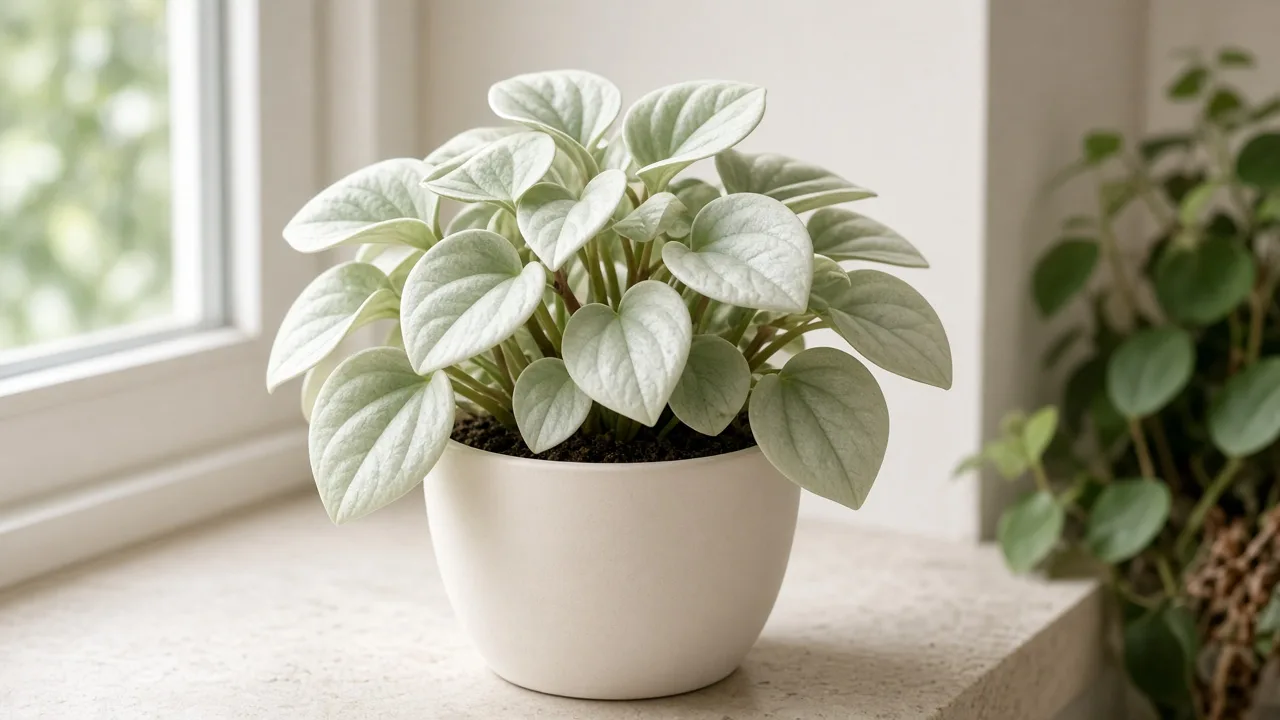
Pale Leaves on Peperomia: Causes, Checks & Fixes
This guide covers pale leaves on Peperomia. See also the general Pale Leaves guide, watering, and light pages for this plant.
Pale Leaves on Peperomia: Causes, Checks & Fixes
Quick answer
Pale leaves on Peperomia are a symptom, not a diagnosis. Some varieties naturally have silver, cream, or light-green markings; stress-related paling may instead affect new leaves, older leaves, or the whole plant. Look at the pattern before you change care.
Start by comparing the pale foliage with the plant’s normal color, then check how old the affected leaves are, whether they feel firm, and whether the pot is wet or light. Inspect the leaf undersides and stems for pests. Do not add fertilizer just because a leaf looks light: weak light, waterlogged roots, natural aging, and nutrient problems can overlap. For the broader symptom overview, see our pale-leaves guide.
What pale leaves look like on Peperomia
Peperomia includes many species and cultivars with different leaf shapes, thicknesses, and colors. Watermelon Peperomia has naturally contrasting silver and green bands, while some cultivars have cream or light-green variegation. North Carolina Extension describes this range of foliage and leaf appearances. A stable pattern repeated across old and new leaves is less concerning than a recent, spreading loss of green.
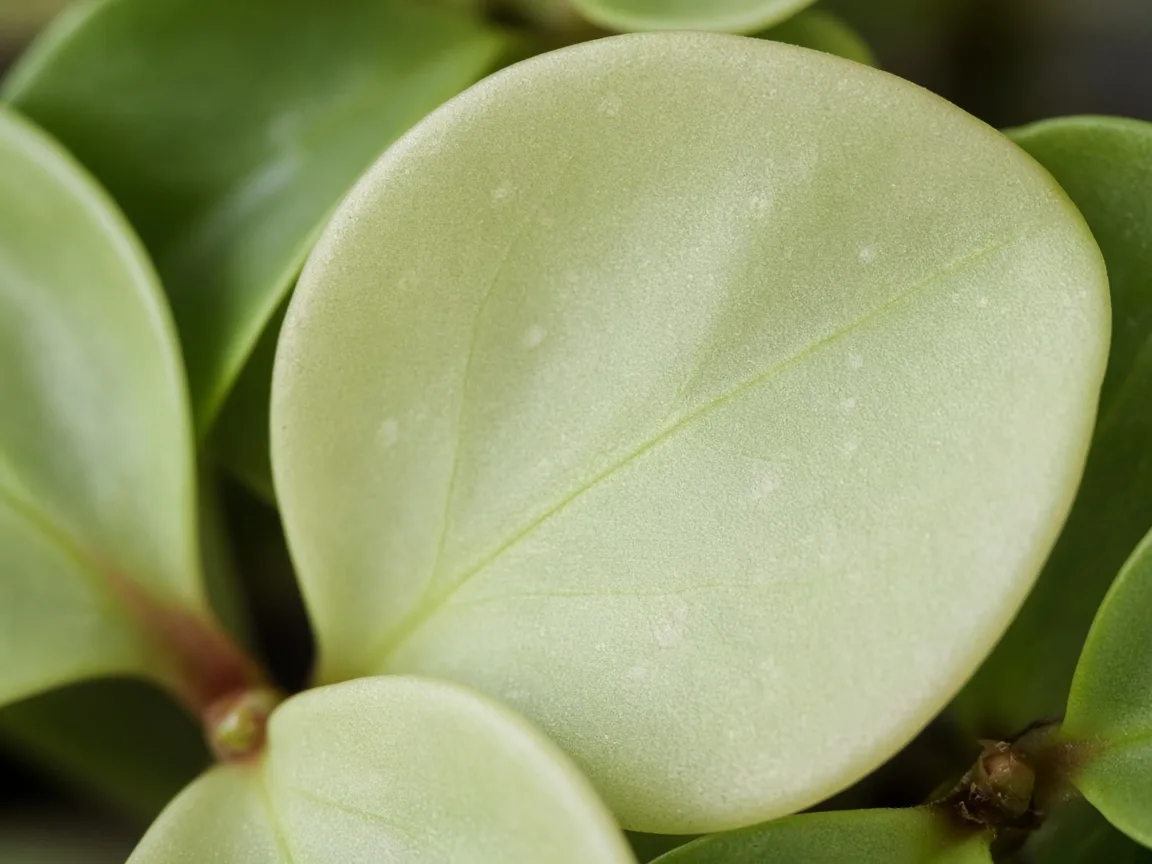
Compare the pale leaf with another leaf on the same plant; Peperomia varieties can naturally have silver or cream markings.
Stress-related paling may look more uniform, appear first on one age group of leaves, or spread over several weeks. Note whether the leaf is pale between green veins, evenly light green, mottled, or marked with tiny stipples. Also note whether it is firm, limp, dry, or soft. Those details help separate chlorosis from variegation, pest feeding, and root stress.
Why Peperomia leaves may look pale
Normal color, variegation, or one aging leaf
Do not treat a normal cultivar pattern as a deficiency. Some Peperomia leaves are naturally patterned with pale bands or patches. A single oldest leaf can also fade as the plant grows, especially when the rest of the foliage remains firm and new growth looks typical. If the plant’s color pattern has stayed consistent, the pale areas are sharply patterned rather than spreading, and no other symptoms appear, leave the leaf in place and monitor the next growth.
Light that is too weak or too intense
North Carolina Extension describes Peperomia as preferring bright indirect light while tolerating lower light; it also warns that direct sunlight can scorch foliage. In a dim spot, new leaves may emerge smaller or less vivid and stems may stretch toward a window. Strong direct sun can bleach or scorch exposed areas, sometimes with dry patches. Check where the plant sits through the day, including reflected heat from glass, before moving it. If light seems too weak, move it gradually to a brighter indirect location; avoid an abrupt shift into hot afternoon sun.
Wet mix and stressed roots
Peperomia is not one single watering type, but many species have fleshy leaves and prefer a well-drained mix. A pot that stays wet for a long time can deprive roots of air and interfere with water and nutrient uptake. North Carolina Extension lists overwatering and root rot among Peperomia problems; Wisconsin Extension also notes that waterlogged roots can lead to yellow foliage. Pale or yellow lower leaves paired with a heavy wet pot, limp growth, or soft stems point toward root stress more than thirst.
Check the Peperomia watering guide and the root-rot guide before adding water. If the soil is still damp below the surface, wait and confirm that excess water drains freely. If stems are soft or the mix smells sour, inspect the roots rather than trying to correct the color with fertilizer.
Nutrient shortage or blocked uptake
Nutrients can affect leaf color, but pale leaves alone do not show which nutrient is involved. General extension guidance uses the location and pattern of discoloration as clues: older leaves and young leaves can respond differently, and light, roots, water, and fertilizer history can produce overlapping symptoms. University of Maryland Extension describes nutrient shortages among several causes of abnormal indoor foliage; Penn State Extension likewise compares nutrient symptoms with other causes of poor plant health. The RHS notes that nutrient deficiencies can change leaf color and growth, while chlorosis itself has multiple possible causes.
Before feeding, ask whether the plant has been growing actively, when it was last fertilized, whether the mix is old or compacted, and whether its roots are healthy. A plant in wet mix may not take up nutrients normally; adding more fertilizer can raise salt levels and add another stress. If symptoms persist, use a suitable soil or growing-medium test where available, or seek a local horticulture diagnosis. See our Peperomia fertilizer guide for routine feeding.
Pests and leaf damage
Sap-feeding pests can make foliage look stippled, patchy, or washed out. Check both sides of the leaves, the crown, and stem joints for fine webbing, sticky residue, tiny insects, or silvery scars. North Carolina Extension lists spider mites, aphids, scale, mealybugs, and whiteflies among pests to monitor on Peperomia. If the pale areas are made of small dots or irregular stipples rather than a uniform color shift, inspect carefully and compare with our spider-mites, whiteflies, and mealybugs guides.
How to confirm the cause
Check the plant in this order so the leaf color does not push you toward the wrong fix:
- Compare old and new leaves. Is one older leaf fading, are only new leaves pale, or is the change affecting the whole plant?
- Check the pattern. Stable silver or cream markings may be normal. New uniform paling, pale tissue between darker veins, or tiny stippled spots each suggest different possibilities.
- Feel the leaf and pot. Soft leaves with a heavy, wet pot suggest root stress. Crisp leaves with a light pot suggest a dry-root problem. Firm leaves with consistent markings may be normal.
- Check the growing conditions. Review recent moves, direct sun, dim winter placement, watering changes, and how long the mix stays wet. Peperomia’s light and water preferences vary across species.
- Inspect for pests. Look under leaves and along stems with a bright light or hand lens. A few pale specks are not enough to confirm an infestation.
- Review feeding and roots. Record the last fertilizer application. If the pot stays wet or stems soften, check drainage and roots before changing fertilizer.
The Peperomia overview links to species-wide care information. Use the separate yellow-leaves guide when the pale foliage is turning distinctly yellow, especially on lower leaves.
First steps that match the pattern
- The color is stable and matches the cultivar: Leave it alone. Take a reference photo and compare new growth rather than trying to make naturally pale leaves turn dark green.
- New growth is pale and stretched in a dim spot: Move the plant a short distance at a time toward bright indirect light. Give it time to produce new growth before changing fertilizer or watering as well.
- The pot stays wet and lower leaves are soft: Pause watering, confirm drainage, and check for root or stem damage. If decay is present, follow the root-rot steps.
- The pot is light and the leaves are thin or wrinkled: Water the mix thoroughly and let it drain. Do not give repeated small sips; check the pot again before watering next time.
- You see stippling, webbing, or sticky residue: Isolate the plant and identify the pest before treating. Follow the matching pest guide and recheck new leaves.
- Roots are healthy but pale new growth continues: Review fertilizer history and the growing medium. Feed only if the plant is actively growing and the label timing supports it. Do not combine several nutrient products or use iron, magnesium, or nitrogen supplements by guesswork.
Recovery and prevention
Existing pale tissue may stay pale after the cause is corrected. Look for a stable crown, firm leaves, and new growth with the plant’s usual pattern. Remove a leaf only when it is fully spent, damaged, or pest-affected; do not strip firm foliage solely for being lighter in color.
Keep a simple record of watering, light changes, and feeding. Check moisture in the root zone rather than following a fixed calendar, keep the drainage opening clear, and review the undersides of leaves during routine care. These checks help distinguish a normal color pattern from a problem before it spreads.
When to get extra help
Seek a closer diagnosis if pale foliage keeps spreading despite stable care, the plant develops multiple symptoms, or roots and stems soften. Bring photos of the whole plant and close-ups of both leaf sides, plus notes about watering, light, and fertilizer. That evidence is more useful than the leaf color by itself.
Related Peperomia guides
- Peperomia light guide for placement and sun exposure.
- Peperomia watering guide for checking the root zone before watering.
- Peperomia fertilizer guide for conservative feeding.
- Root rot on Peperomia for wet soil and soft roots.
- Pale-leaves symptom guide to compare this symptom with other plants.
- Use the Plant Problem Diagnosis Tool to organize the signs before changing several conditions at once.
FAQs
Are pale leaves normal on Peperomia?
They can be. Some varieties naturally have silver, cream, or light-green markings. A stable pattern across old and new leaves, with firm foliage and healthy growth, is less concerning than a new color change that spreads.
Why are my Peperomia’s new leaves pale?
Low light, stressed roots, pests, or a nutrient-uptake problem can affect new growth. Check the light and root-zone moisture, then inspect undersides of leaves before adding fertilizer.
Can overwatering make Peperomia leaves pale?
Yes. Long-lasting wet mix can stress roots and interfere with uptake. A heavy pot, soft leaves, or soft stems together with pale or yellow foliage are reasons to check drainage and roots.
Should I fertilize Peperomia when its leaves turn pale?
Not before checking light, water, roots, and pests. If the plant is actively growing and its feeding history suggests it needs nutrients, use a balanced fertilizer at the label rate rather than applying a single nutrient without evidence.
Will pale Peperomia leaves turn green again?
Not always. Judge recovery by whether new leaves show the plant’s typical color and whether the pale area stops spreading. Keep a firm leaf unless it is fully spent or damaged.
Conclusion
Pale Peperomia leaves can be normal coloring or a sign of stress. Start with the plant’s usual pattern, leaf age, leaf texture, and soil moisture. Check light and pests next; consider fertilizer only after roots and basic care look sound. Change one condition at a time and judge progress by healthy new growth.